A puzzle game about running an antiquities shop and responding to the townsfolk’s unusual problems. Observe objects, consult illustrated books to identify them, and catalogue your collection.
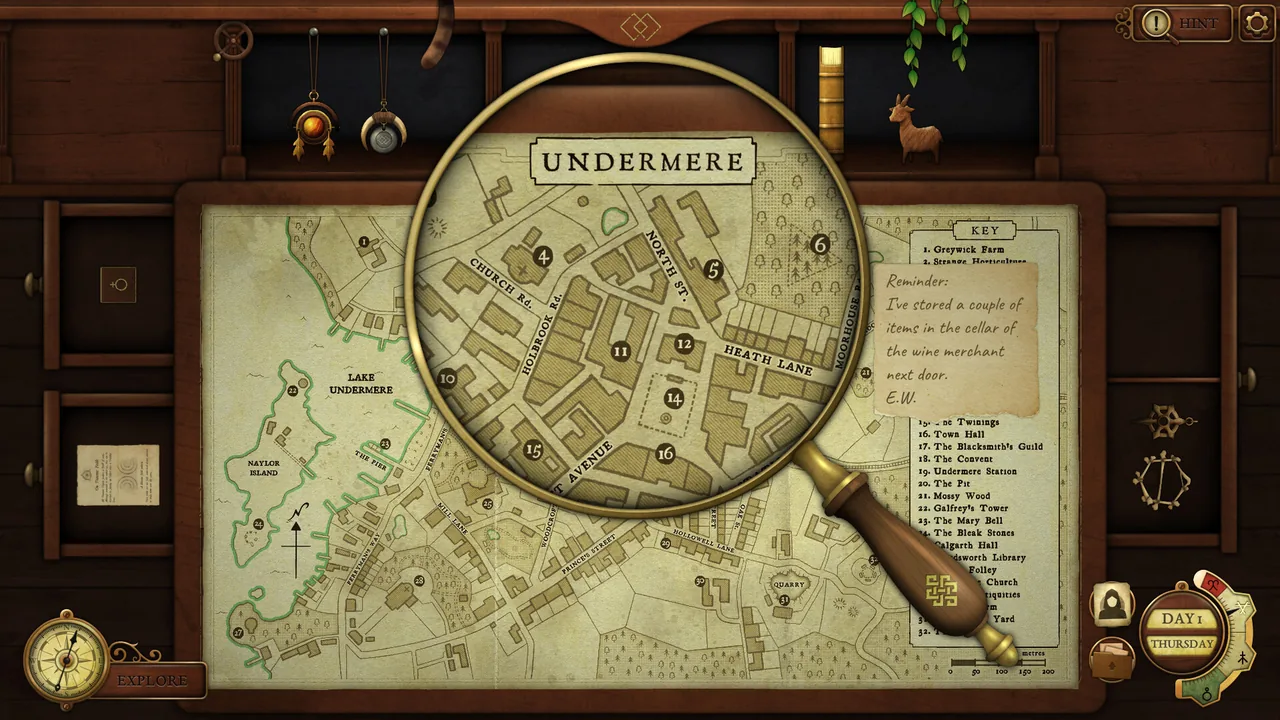
Identifying an object is not the end: you also decide what to use for a request. Comparing references in the shop is joined by searches for objects and rumours using hand-drawn maps.
What makes it fun
Connect objects and books
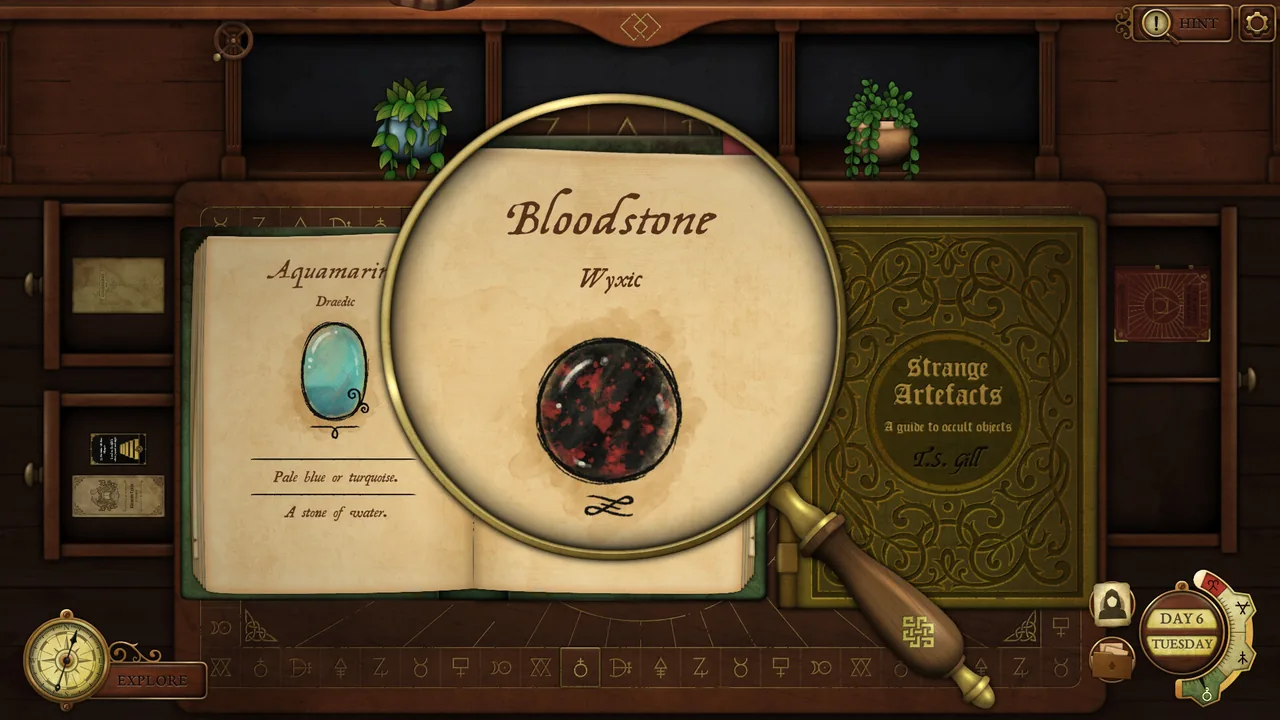
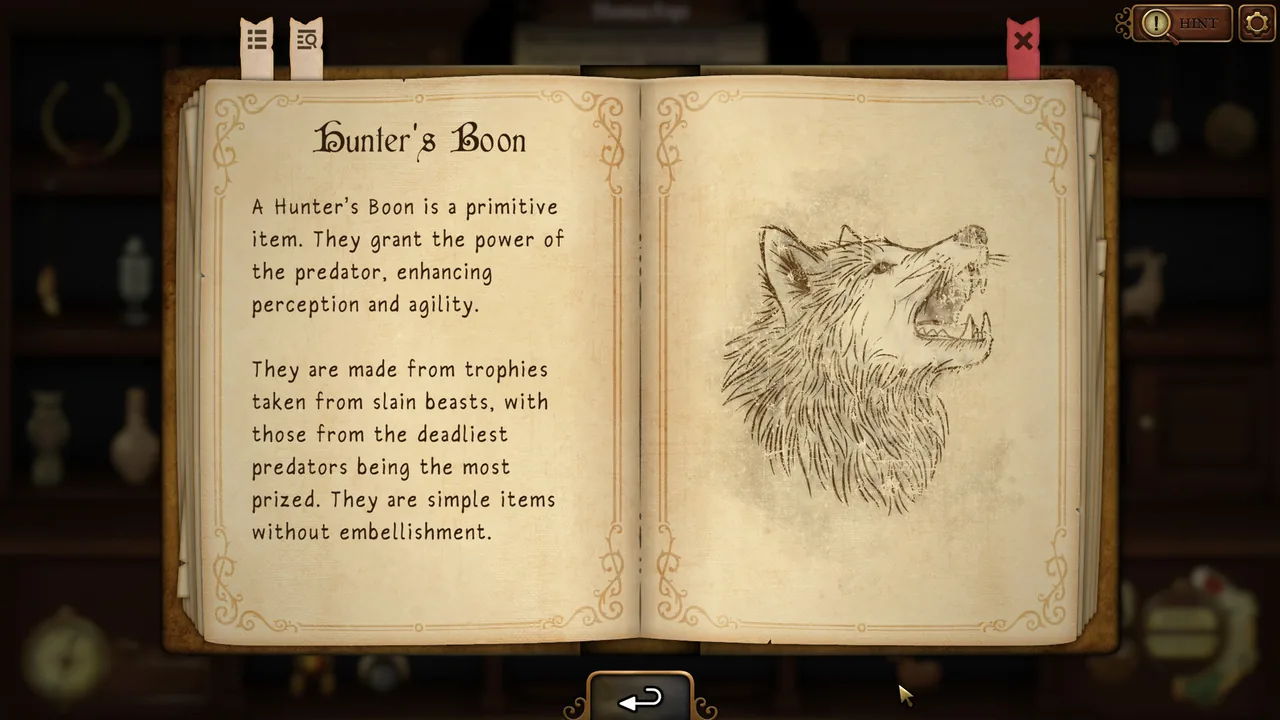
Compare observations of artefacts with illustrated books and work out their identities.
Answer requests with identified objects
Consider how to use the objects you identify for the townsfolk’s problems.
Move from the shop to the map
Examining books and artefacts is joined by map-led searches for objects and rumours.
Game details
As of Nov 17, 2026- Languages
- Japanese, English, Simplified Chinese, Korean / 13 languages total
A typical session
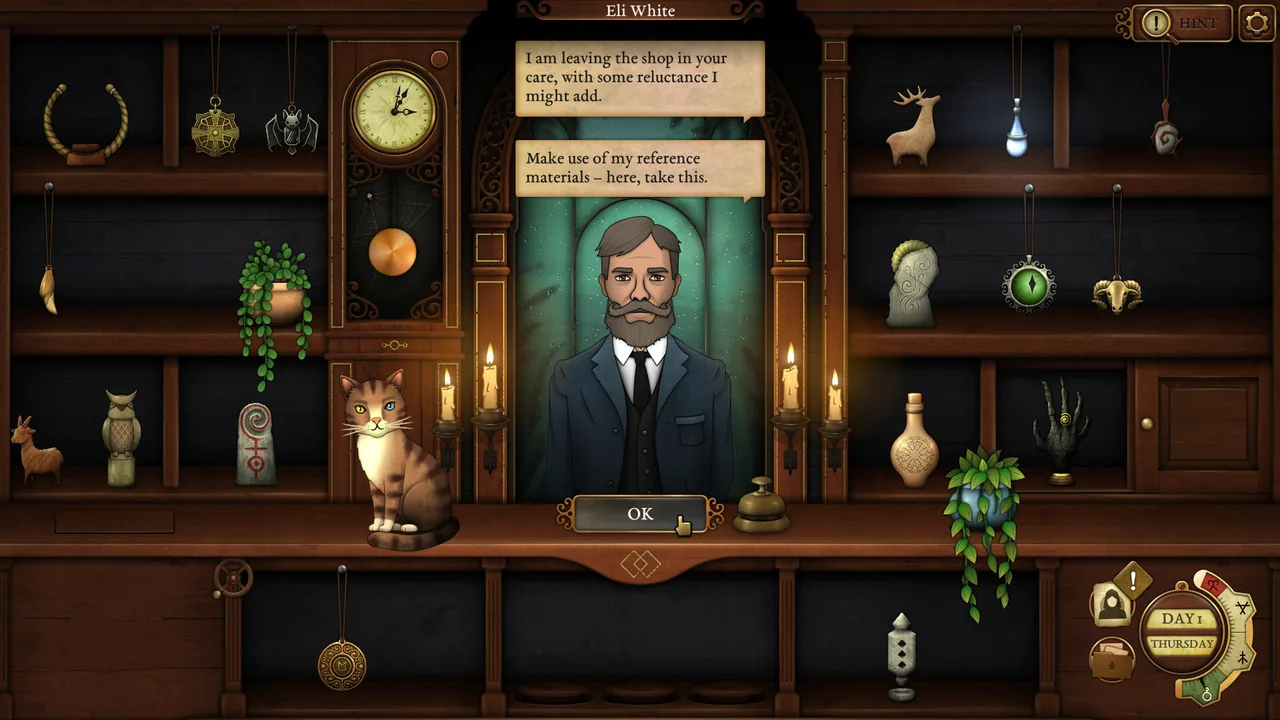
Listen to a customer’s problem and consider what kind of object is needed. Read the request as context for examining your collection.
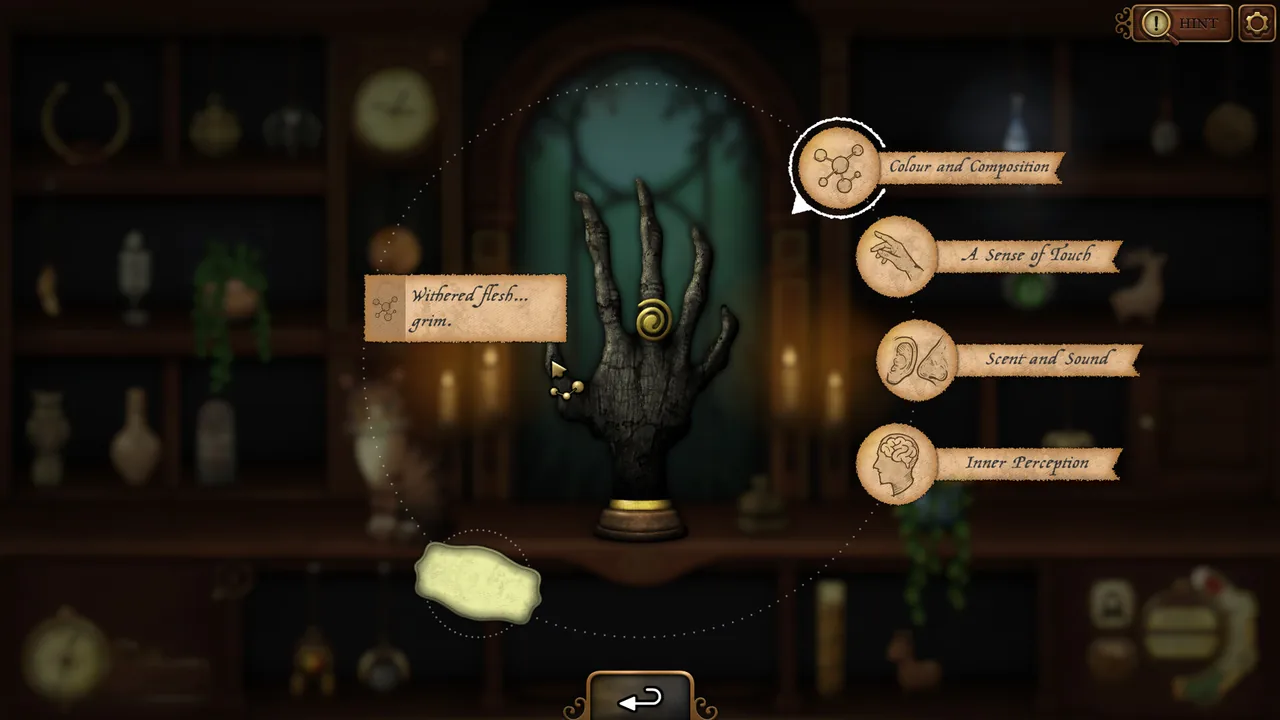
Observe an artefact’s features and identify it with illustrated books. Compare the object with the writing and catalogue it.
Use identified objects to become involved in the townsfolk’s problems. Connect identifying an object with deciding how to respond to the customer.
Leave the shop when investigating rumours or searching for artefacts. Use hand-drawn maps and consider where to go for the task.
Core systems
Examining artefacts and books
Observe artefacts, consult illustrated books, and identify and catalogue the objects. Combining observation, deduction, and references means moving between the object and its description.
Consider which features of an object match the description in a book. Consider which description is decisive, distinguishing a visual impression from what the book establishes.
Matching objects to requests
Use collected objects to respond to the townsfolk’s unusual problems. Identifying an object and deciding whom to use it for connect as separate decisions.
Beyond identifying an object, decide what to use for the request. Compare the customer’s account with the object’s description and consider both the request and your response.
Exploring with maps
Outside the shop, investigate rumours or retrieve artefacts with the help of hand-drawn maps. Investigation extends beyond shelves and books to following leads outside the shop.
Consider where to go for the information or object you seek. Connect your research with map-based exploration and consider why you are heading outside.
What sets it apart
Comparing objects with book descriptions leads into serving customers. Beyond identifying an object, consider whose problem to use it for, linking investigation with choices.
The work extends beyond reading books in the shop to retrieving objects and investigating rumours. Reading hand-drawn maps sits alongside examining artefacts and references.
The shop itself contains mysteries beyond everyday requests. Customers’ needs and the building’s secrets offer different subjects to investigate.
Learning curve and difficulty
Separate the features you observed from those described in a book. Base identification on how they match, rather than appearance alone.
Distinguish identifying an object from choosing what to use for a request. Compare what you learned about the object with the customer’s problem.
When investigating outside, connect the object or rumour you are pursuing with the map. Focus on what you want to establish, not only a destination’s name.
What players like
Bringing information together to narrow down the requested object can be satisfying.
Arranging the shelves in a way that makes sense to you can be enjoyable.
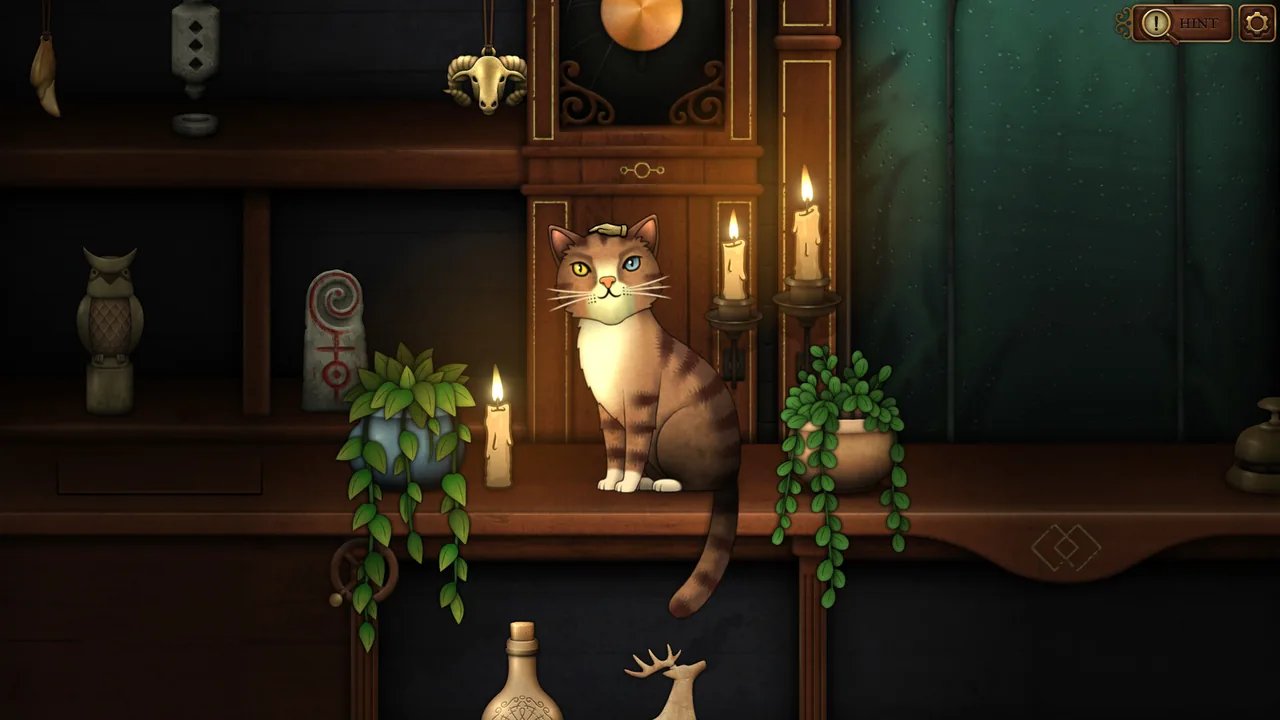
The shop’s sounds and scenery can create a calming atmosphere for investigating.
Hints can help you keep thinking when you get stuck.
Common complaints
Moving back and forth to check references and objects can feel burdensome.
Descriptions can leave you struggling to find a decisive clue and narrow down an object.
After finding a clue, it can be hard to judge whether you are ready to solve it.
Who it’s for
A fit for comparing an object’s features with written descriptions to work out its identity.
A fit for deciding how an identified object should be used for a request.
Who might not enjoy it
If you prefer moving straight into action to checking written references before choosing an object, consider whether the book comparisons appeal to you.
FAQ
- What helps you identify an object?
- Compare observations of the object with descriptions in illustrated books.
- Should you play the previous game first?
- It is a stand-alone game set in the world of Strange Horticulture.
- Is Japanese text supported?
- Japanese interface text and subtitles are supported.
94% Very Positive · US$17.99
View on Steam ↗Image: Strange Antiquities on Steam