Predy Media › Factory automation › 7 picks
Feature7 Factory Automation Games on Steam (October 2026) | Indie games with 90%+ Positive Reviews

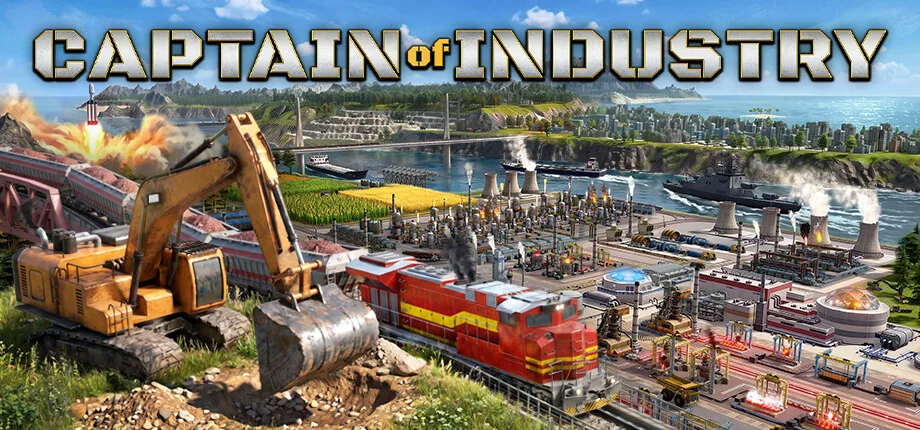
Image source: Steam Store (Satisfactory, Factorio, Dyson Sphere Program, shapez, shapez 2 - Factory, Mindustry, Captain of Industry)
Compare Steam factory games through planetary exploration, interstellar logistics, shape processing, defense and island industry. Store descriptions and player feedback are treated separately. Increasing output might mean using more power to speed up machines, making only what you need with circuits, or keeping planets supplied. We look at what each game asks you to work out: machines that can make different shapes, how to split resources between ammunition and units, or how to supply both residents and industry. Documented mechanics are kept separate from player opinions to help you choose a factory to dig into.
See the 7 games ▾
Chosen from indie games on Steam with 90%+ positive reviews and 500+ reviews (as of Oct 29, 2026). They are listed by share of positive reviews, not ranked.
Satisfactory
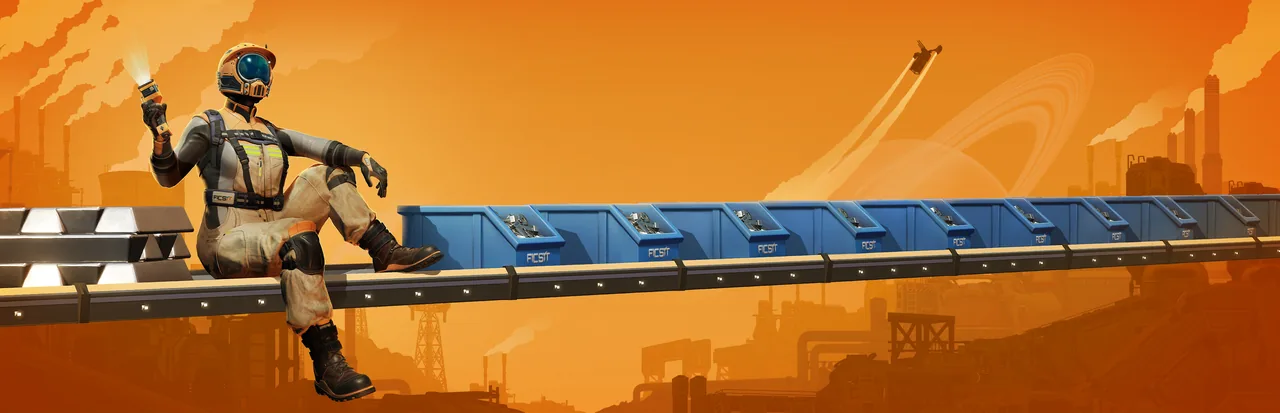
Build alone or cooperatively, walking through a factory that brings spatial design and production balancing together.
Who it’s for
The Blueprint Designer and vertical construction suit players who want reusable production layouts without giving up architectural design.
Players who want exploration alongside production calculations can look to its combination of building around the landscape and exploring the planet.
What kind of game?
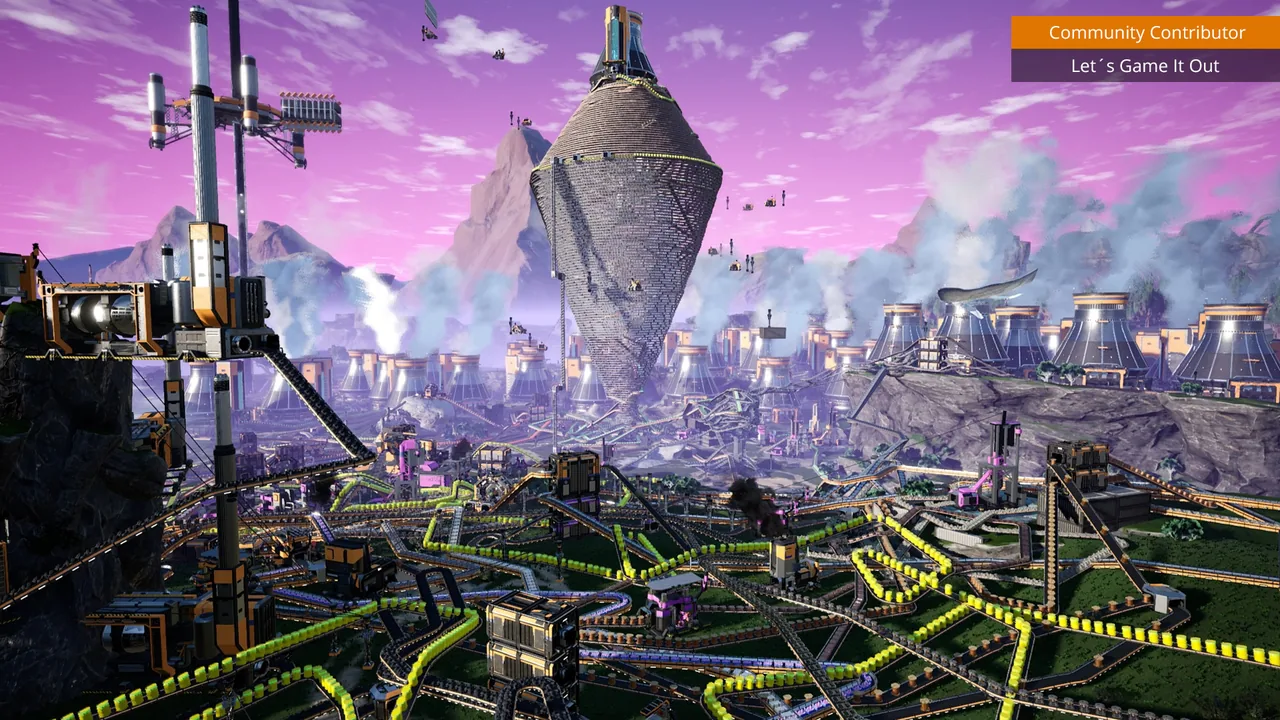
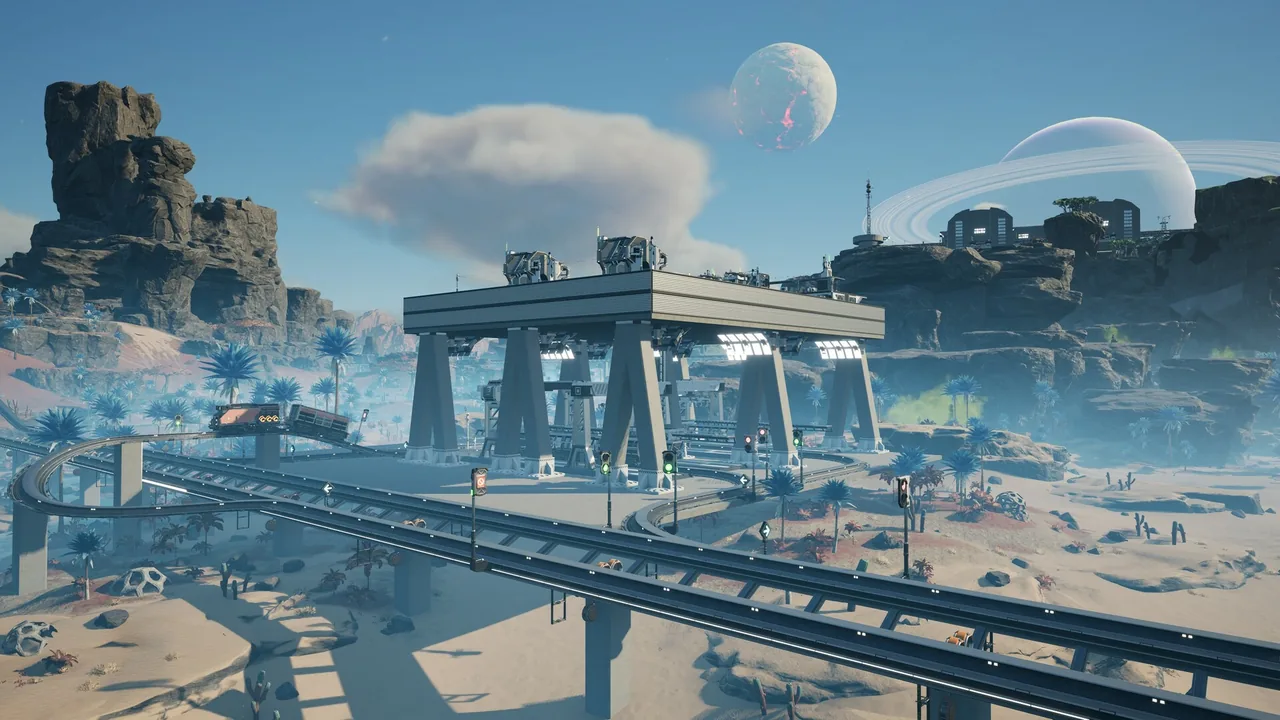
Unlike games viewed from overhead, Satisfactory lets you walk between machines in first person while planning building height and walkways.
Milestones unlock equipment as you expand production around the parts needed for Project Assembly.
Trucks and trains link distant outposts with the conveyors and fluid pipes serving your factories.
Overclocking raises production speed at a higher power cost, so output must be balanced against the power available.
The Blueprint Designer saves groups of buildings for reuse, so you decide which repeated processes belong in a reusable module.
Scanning Hard Drives in the MAM offers a choice of Alternative Recipes, letting you reconsider how parts are produced.
For players who dig deeper
When starting a new game, Game Modes can raise recipe costs or power consumption independently, putting familiar factory designs under different constraints.
World Randomization can also change resource-node purity, but Game Modes settings cannot be disabled once that save has begun.
Reviews highlight the appeal of calculating ratios, planning for future demand and reworking production bottlenecks.
What reviewers say
What reviewers liked
- Players enjoy balancing production and untangling supply or transport bottlenecks to get more out of a factory.
- Reworking an existing factory, from its layout to the way it is built, is part of the appeal for reviewers.
- New production goals and equipment unlocks give reviewers reasons to expand and fresh problems to tackle.
- Planetary exploration is a pleasure in its own right for players who also enjoy building factories.
- Reviewers find satisfaction in looking over what they have built and watching belts and machines at work.
- Reviewers like being free to build either a tidy structure or a factory crisscrossed with belts.
- Reviewers appreciate how easily they can build, dismantle and try a different layout.
Concerns
- Reviewers say the factory stays on their minds and cuts into time for everyday life.
- Repeated rebuilds can feel laborious, while late-game production goals can take too long for reviewers.
- Reviewers describe the work of calculating how many parts and resources a factory needs as demanding.
- Keeping a factory running proves frustrating for reviewers when power or piped liquids do not behave as expected.
- Large factories bring slowdowns and heavier hardware demands in players’ reports.
Key facts
- Positive review rate
- 97% Overwhelmingly Positive236,911 reviews · all languages
- Price (US)
- US$39.99
- Languages
- Japanese Interface and subtitlesEnglish Full audioSimplified Chinese Interface and subtitlesKorean Interface and subtitles13 languages in total
- Steam Deck
- Verified
- Release date
- Sep 10, 2024
- Developer
- Coffee Stain Studios
- Playtime (when reviewed)
- 142.2 hrsMedian when the reviews were posted (100 reviews)
Screenshots
Read the full game guide →View on Steam ↗Source: Satisfactory on the Steam Store
Factorio
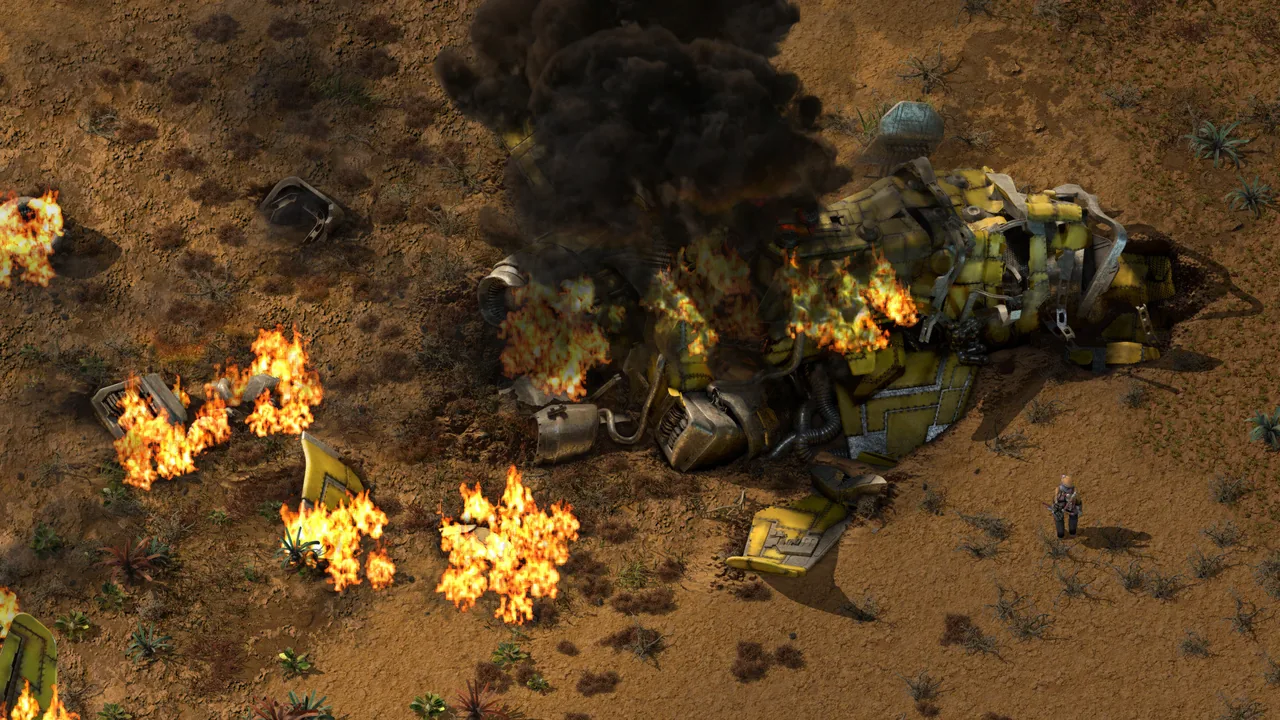
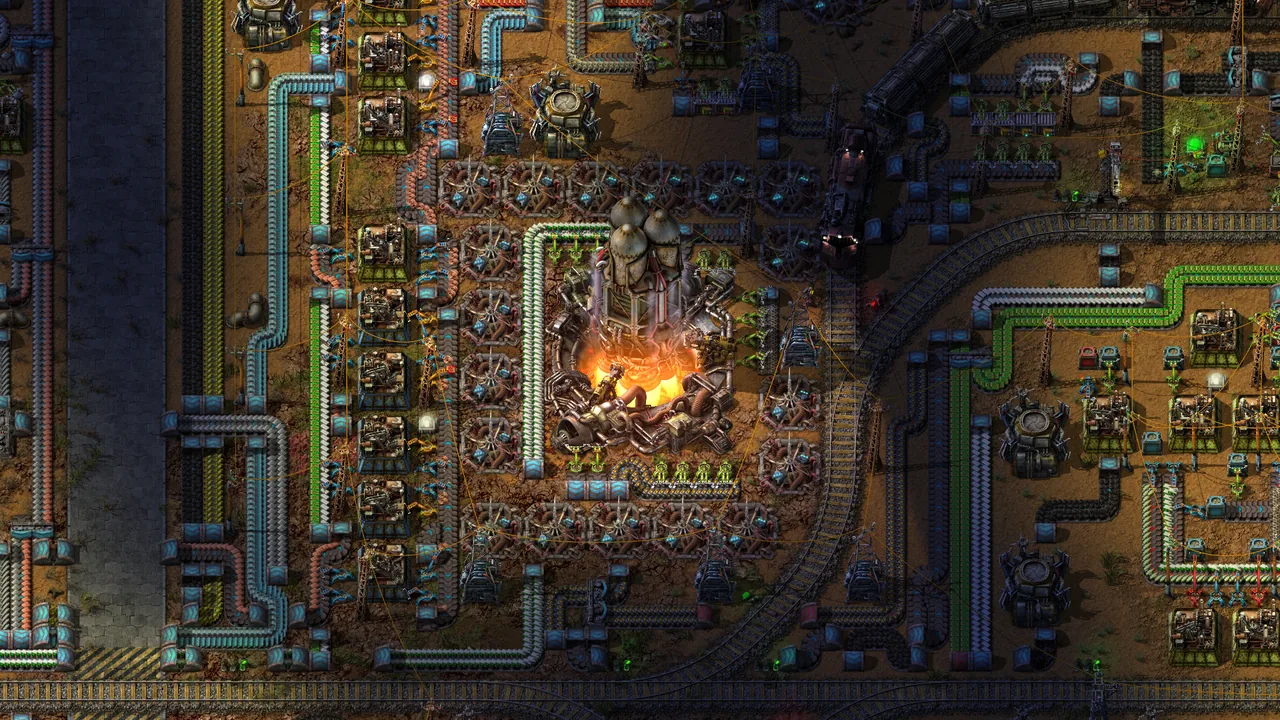
Build flows of components into a factory whose research, transport and defense depend on each other.
Who it’s for
Blueprints and construction robots suit players who want to plan factory-wide expansion without rebuilding saved layouts by hand.
The Circuit network suits players who want to use inventory signals to set conditions that control their machines.
What kind of game?
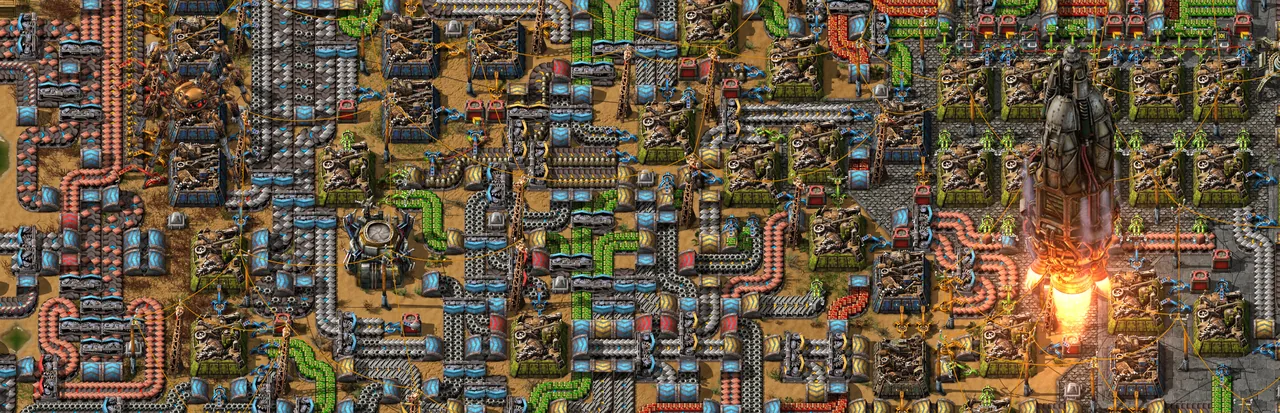
In the main Freeplay scenario, you research the Rocket silo and build the production network needed to launch a rocket.
Manual mining and crafting grow into linked smelting, assembly and oil-processing operations, with robots taking over construction and logistics.
Power generation offers a trade-off between cheaper steam and more expensive solar installations that avoid the same pollution burden.
Factory pollution draws attacks, so walls and turrets also need a place in the factory plan.
Blueprints save layouts for construction robots to build, so you can reuse production lines you have designed.
With the Circuit network, you can stop a production line when inventory reaches a set level.
For players who dig deeper
As the rail network grows, a stop's Trains limit counts trains already there or on their way, helping you keep them from crowding the station approach.
Review feedback suggests beginning with a consolidated factory rather than City blocks, then moving into block-based construction once construction robots can ease the work.
In the Factorio: Space Age DLC, Space platforms transport cargo between planets. They shoot down incoming asteroids and turn captured fragments into thruster fuel and turret ammunition.
On Gleba in that DLC, produce spoils, making timely processing a concern alongside how much stock you build up.
What reviewers say
What reviewers liked
- Players enjoy tracing shortages and production or transport bottlenecks, then fixing processes or connections to get things flowing again.
- Watching their own factory grow, its machines work and its materials flow brings reviewers satisfaction.
- Mods earn praise for changing production systems and challenges enough to invite different factory designs.
- Growing from hands-on mining and small production jobs into a large, self-running factory feels rewarding to reviewers.
- Starting a fresh factory gives reviewers an enjoyable chance to rethink old designs or try another approach.
- Reviewers appreciate being able to build their own way without insisting on tidy layouts or precise production ratios.
- The additional DLC Factorio: Space Age is appreciated for bringing different production and optimization problems beyond the base game.
- Blueprints and copying tools are welcomed for reusing layouts without rebuilding the same machines by hand.
Concerns
- Fixing a supply line or expanding production leads straight into another job, leaving players struggling to find a stopping point.
- Reviewers describe trouble tracing belt and pipe connections to find out why materials are running short.
- Reviewers say the tutorial leaves them to learn mechanics and controls through experimentation or outside research.
Key facts
- Positive review rate
- 97% Overwhelmingly Positive193,252 reviews · all languages
- Price (US)
- US$35.00
- Languages
- Japanese Interface and subtitlesEnglish Interface and subtitlesSimplified Chinese Interface and subtitlesKorean Interface and subtitles30 languages in total
- Steam Deck
- Verified
- Release date
- Aug 14, 2020
- Developer
- Wube Software LTD.
- Playtime (when reviewed)
- 245.1 hrsMedian when the reviews were posted (100 reviews)
Screenshots
Read the full game guide →View on Steam ↗Source: Factorio on the Steam Store
Dyson Sphere Program
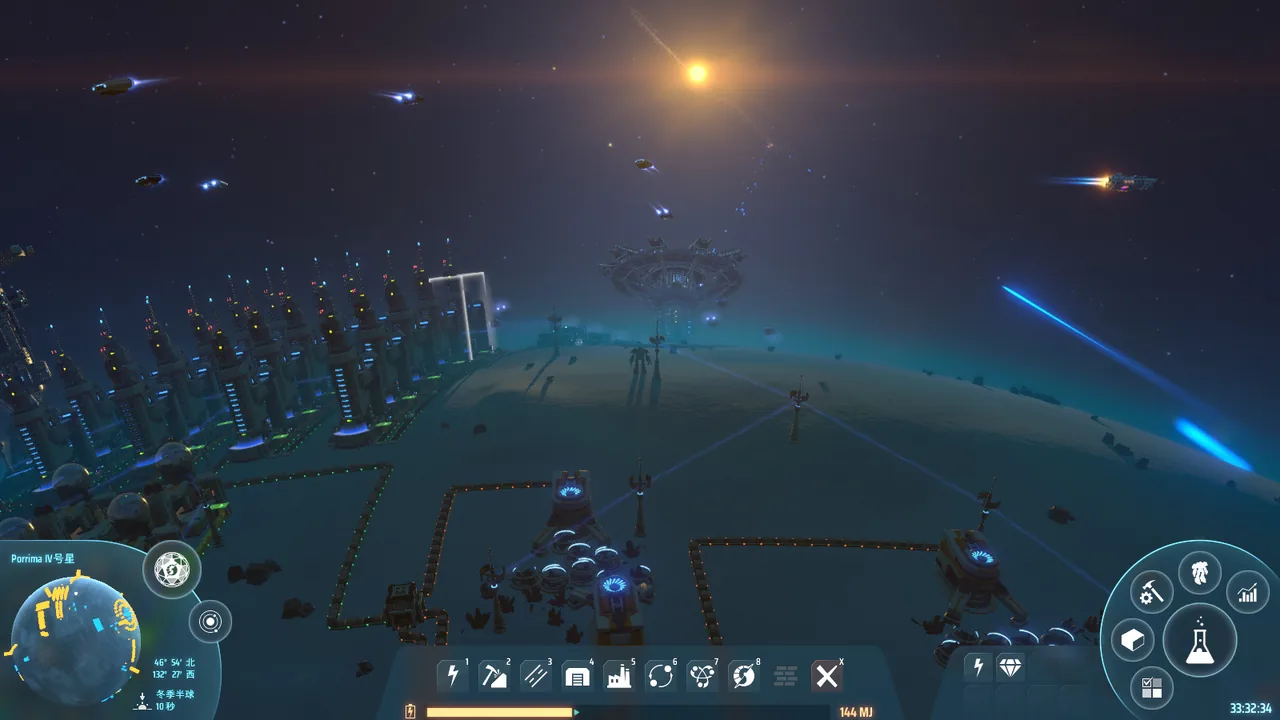
Guide Icarus as you connect planetary resources into the production network for a Dyson Sphere around a star.

Who it’s for
If you want to keep an early factory while expanding production onto fresh planets, interplanetary logistics and redeployable Blueprints suit that approach.
Players who want a calm focus on refining production lines can choose to start without Dark Fog and concentrate on factory construction.
What kind of game?
Production drives the technology needed for a Dyson Sphere, taking logistics beyond surface conveyors into shipping networks across star systems.
Different resource distributions on each planet make sourcing materials and choosing their production destinations part of the design.
Interstellar Logistics Stations let you pair stations directly or set item-specific routes between planets, giving those supply-demand pairings priority.
Blueprints save layouts for deployment elsewhere, making the size and composition of reusable production units a design choice.
Dyson Shells can be customized across orbits and layers by connecting nodes, giving the production project a structure and pattern of your own.
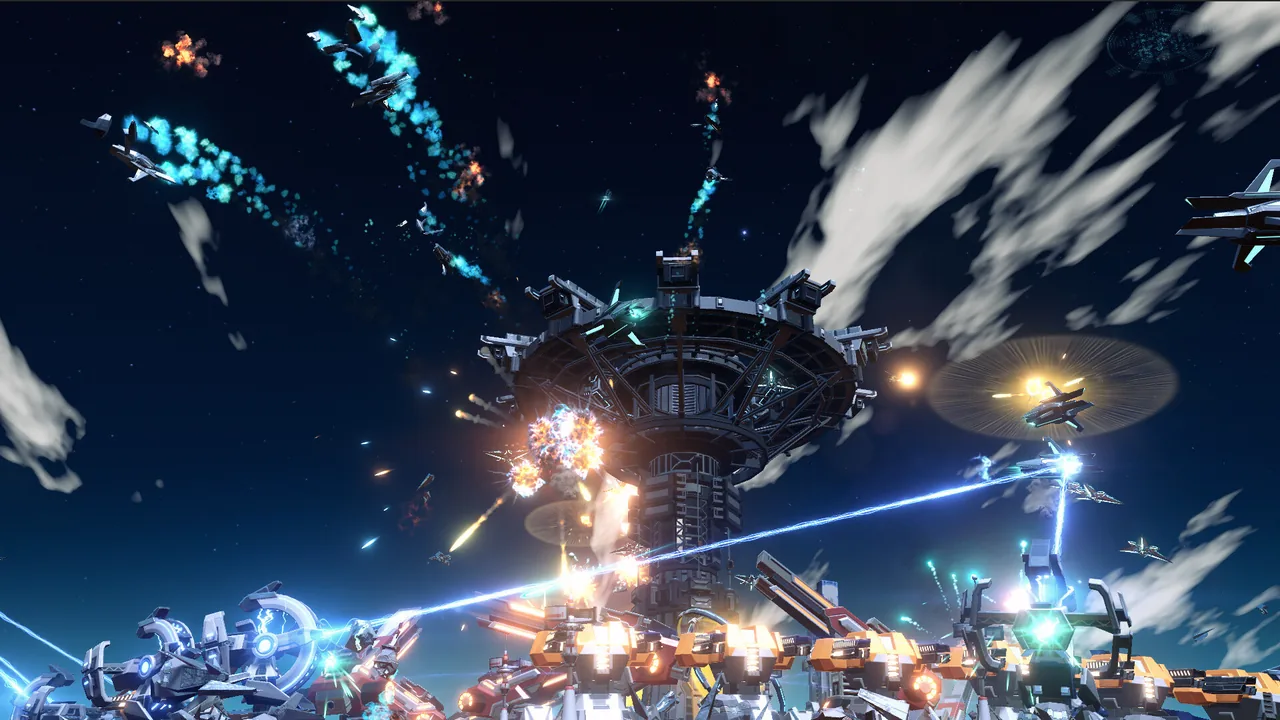
With Dark Fog aggression set to Regular, activity builds threat that leads to attacks, so effort must also be divided between expanding production and preparing defenses.
For players who dig deeper
Even a priority route can fail to run when energy or Space Warpers for warp travel are lacking, so route selection and the supplies needed to operate it require separate attention.
Reviews describe redesigning on another planet instead of rebuilding the entire starting factory, or specializing production by planet.
Reviews describe mass-producing research materials as a long-term goal. Other reviews say it can be hard to find a reason to expand production further once Dyson Sphere construction begins.
In combat mode, Dark Fog Beaconing can draw Relay stations to powered Holo beacons with visibility set to at least Local Planetary System, giving you a way to influence where the enemy establishes itself.
What reviewers say
What reviewers liked
- Players enjoy tuning resource flows, output and line layouts to get their production network working better.
- Building across planets and star systems, or shipping materials between distant outposts, gives reviewers a welcome sense of scale.
- Watching a sphere form around a star and admiring their own patterns is satisfying to players.
- Reviewers praise how smoothly the game runs with large factories and credit its optimization.
- The music feels well suited to planning and assembling production lines, according to players.
- Dark Fog earns praise for adding strategic problems through combat conditions and decisions about how to handle enemies.
- Players welcome being able to turn Dark Fog off and build factories without combat.
- Reusing factory and defensive-base Blueprints makes further building easier, a convenience reviewers appreciate.
Concerns
- Large factories or Dyson Spheres raise concerns about processing load and slowdowns in reviews.
- Preparing for Dark Fog attacks or clearing its bases takes attention away from building and refining factories, players report.
- Official co-op is requested by players who want to share factory building with others.
- Reviewers say that limited tools for placing or reworking builds make construction cumbersome.
- Reviewers say that repeatedly expanding production lines as technology advances can become tiring.
Key facts
- Positive review rate
- 97% Overwhelmingly Positive83,847 reviews · all languages
- Price (US)
- US$19.99
- Languages
- Japanese Full audioEnglish Full audioSimplified Chinese Full audioKorean Not supported5 languages in total
- Steam Deck
- Playable
- Release date
- Jan 21, 2021
- Developer
- Youthcat Studio
- Playtime (when reviewed)
- 163.1 hrsMedian when the reviews were posted (100 reviews)
Screenshots
Read the full game guide →View on Steam ↗Source: Dyson Sphere Program on the Steam Store

shapez
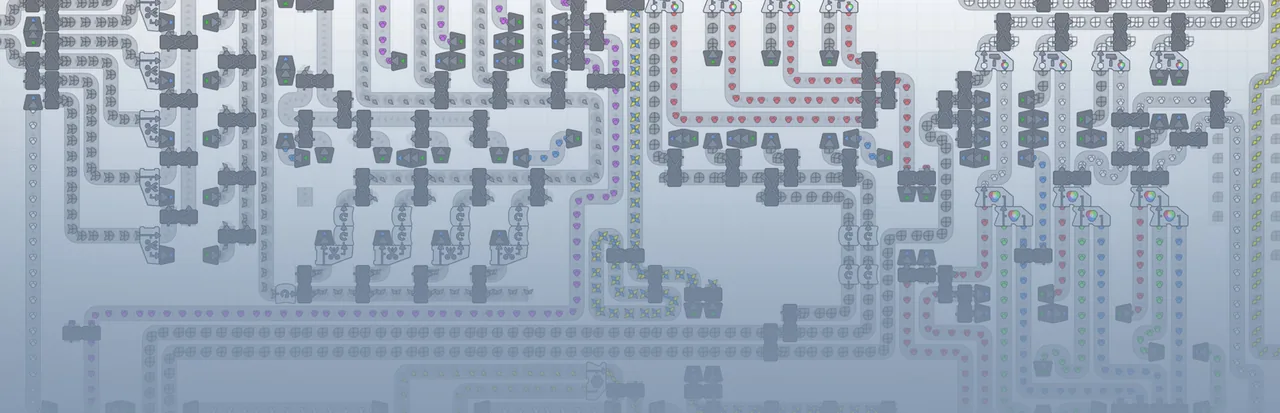
Build production lines around cutting, stacking and coloring shapes in an abstract factory-building game.
Who it’s for
If you would rather refine shape-processing order and belt layouts than defend a base or replace exhausted deposits, shapez suits that focus.
If you want to go beyond separate line designs for each target and build a system around the requested-shape signal, pursuing a general-purpose machine in the Wires Layer fits that ambition.
What kind of game?
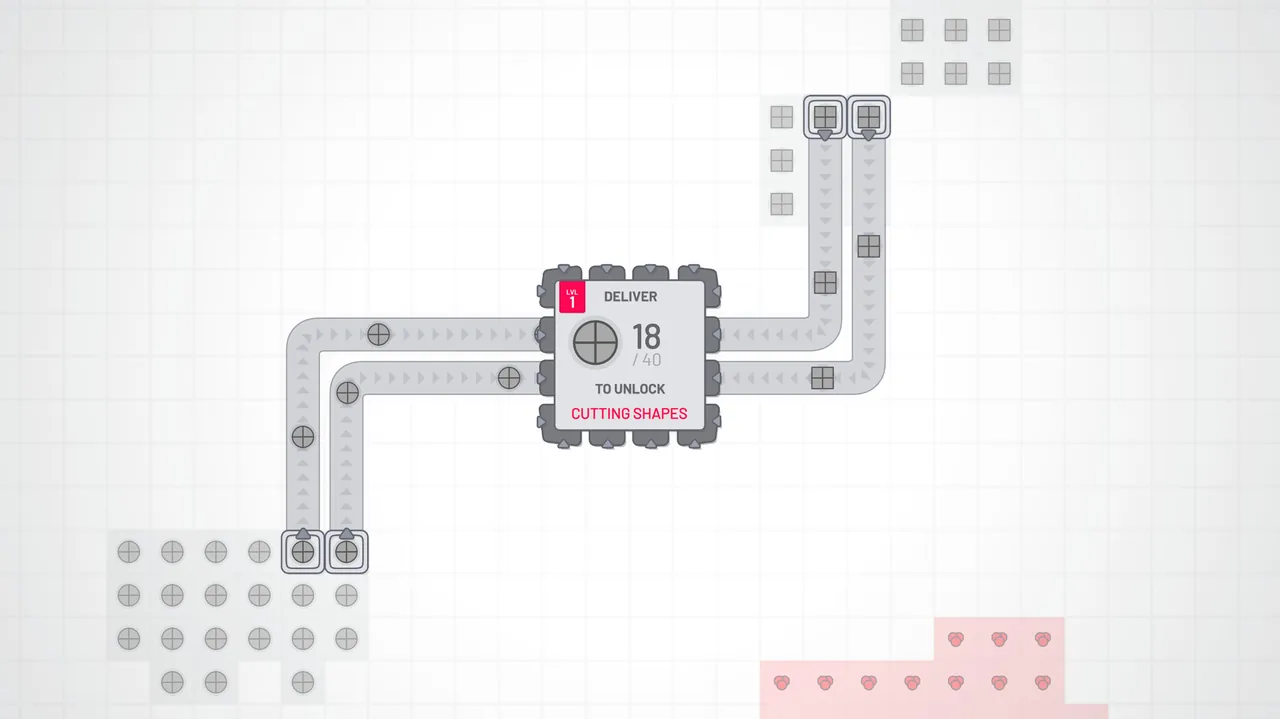
Deliveries to the HUB unlock equipment and lead to more complex shape requirements, so you expand or rework the production lines that meet them.
Use the Cutter, Painter and Stacker to cut, color and layer shapes, while routing the required pieces and paint between those processes.
Without enemies, depleting deposits or ordinary delivery deadlines to manage, you refine processing order and throughput at your own pace.
Pasting Blueprints uses a dedicated shape, so reducing manual construction also means providing production to support repeated copying.
Shapes from earlier goals also pay for equipment upgrades, so switching delivery targets raises the question of which older supply lines to retain.
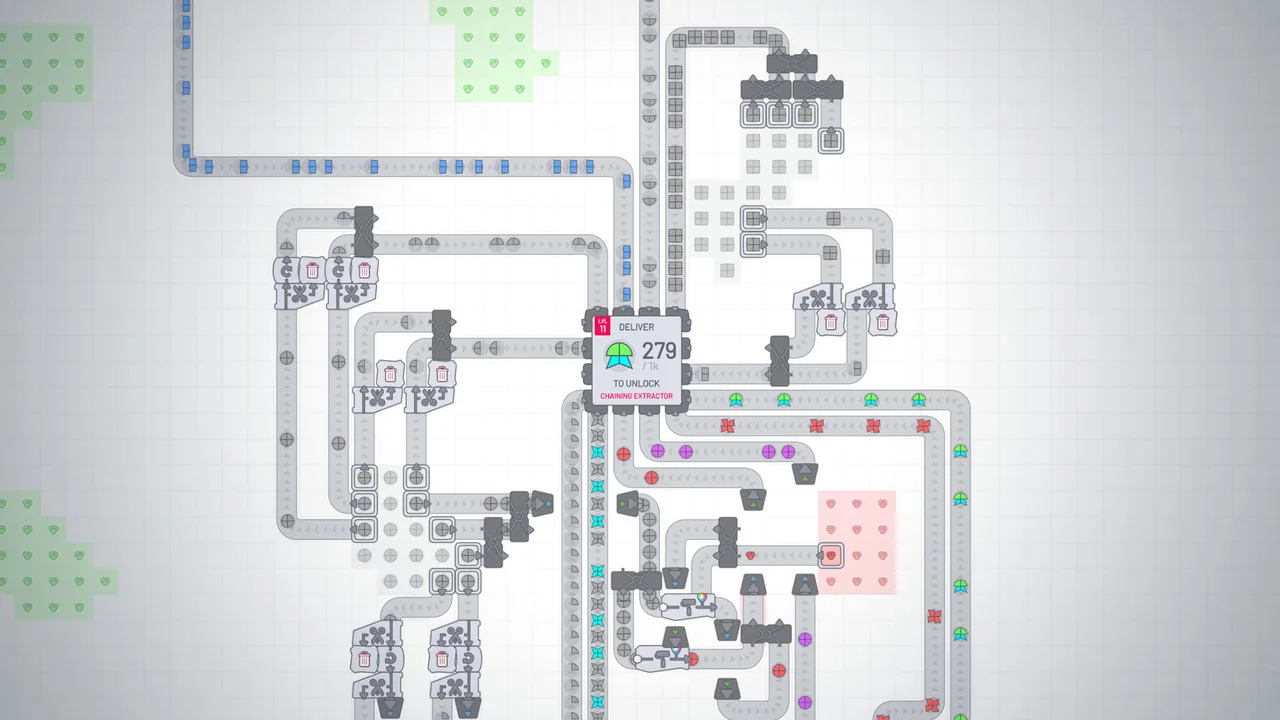
The optional Wires Layer offers another direction beyond building a dedicated line for each target: investing design effort in a general-purpose machine that responds to the HUB’s request.
For players who dig deeper
Freeplay tasks you with delivering generated shapes at a required throughput, shifting the question from merely making a shape to deciding which processes to expand for greater flow.
A review describes a cutting line stalled by different arrival times along its processing branches, then improved with Storage as a buffer—a problem that individual machine speeds alone did not explain.
Reviews describe a jump in difficulty or a need for independent learning when moving beyond factories for individual shapes into wiring, advanced logic or general-purpose machines, making the depth of automation a meaningful choice of play style.
What reviewers say
What reviewers liked
- Players enjoy experimenting with processing-line layouts and flow to improve the way shapes are made.
- Looking over a self-built layout or watching shapes flow through it feels satisfying to reviewers.
- Wiring, logic and possibilities such as general-purpose machines give the design depth that players appreciate.
- Leaving defense and resource management aside lets reviewers focus on the processing and transport automation they enjoy.
- Players appreciate being able to keep expanded factories running on their hardware.
- Reviewers say reusing layouts or production sections makes expanding a factory easier.
Concerns
- Expanding lines or delivering shapes can involve too much repetition or waiting for reviewers.
- Players can find the theme or goals too unvaried when play revolves around making shapes for the next delivery.
- Waiting for Blueprints to unlock or paying to paste them gets in the way of building by copying, reviewers say.
- Shapes with floating layer sections leave players struggling to understand stacking behavior, resorting to experiments or explanations.
Key facts
- Positive review rate
- 96% Overwhelmingly Positive14,377 reviews · all languages
- Price (US)
- US$9.99On sale on Oct 29, 2026: US$0.99 (90% off)
- Languages
- Japanese Interface and subtitlesEnglish Interface and subtitlesSimplified Chinese Interface and subtitlesKorean Interface and subtitles24 languages in total
- Steam Deck
- Playable
- Release date
- Jun 7, 2020
- Developer
- Tobias Springer
- Playtime (when reviewed)
- 25.2 hrsMedian when the reviews were posted (100 reviews)
Screenshots
Read the full game guide →View on Steam ↗Source: shapez on the Steam Store
shapez 2 - Factory
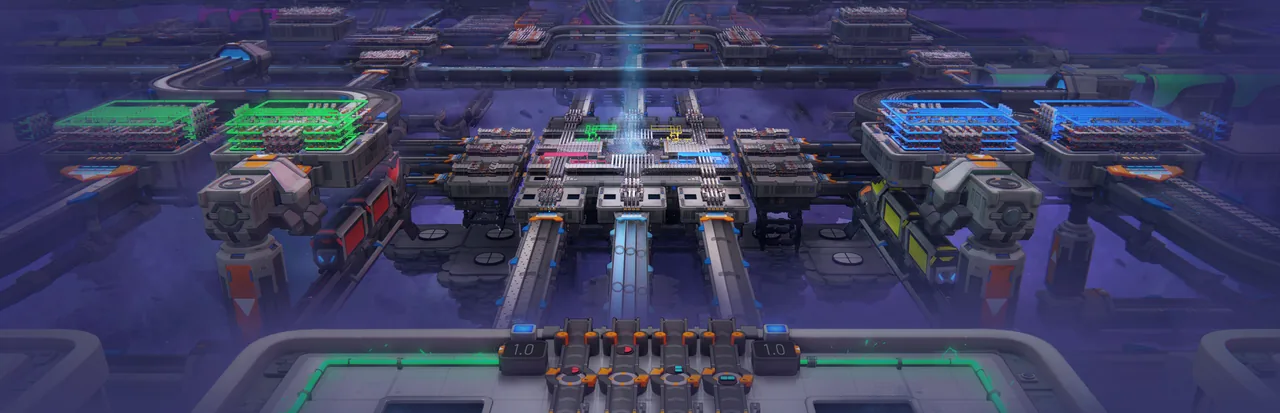
Build shape-processing factories across layered platforms, refining reusable designs and transport between distant sites.
Who it’s for
If you enjoy packing processing into compact platforms and reusing the result in other lines, layered layouts combined with Blueprints suit that approach.
If you want to grow a factory with continuing supply relationships rather than focus only on individual target shapes, Manufacture’s Trade Stations and Vortex Platform objective offer that direction.
What kind of game?
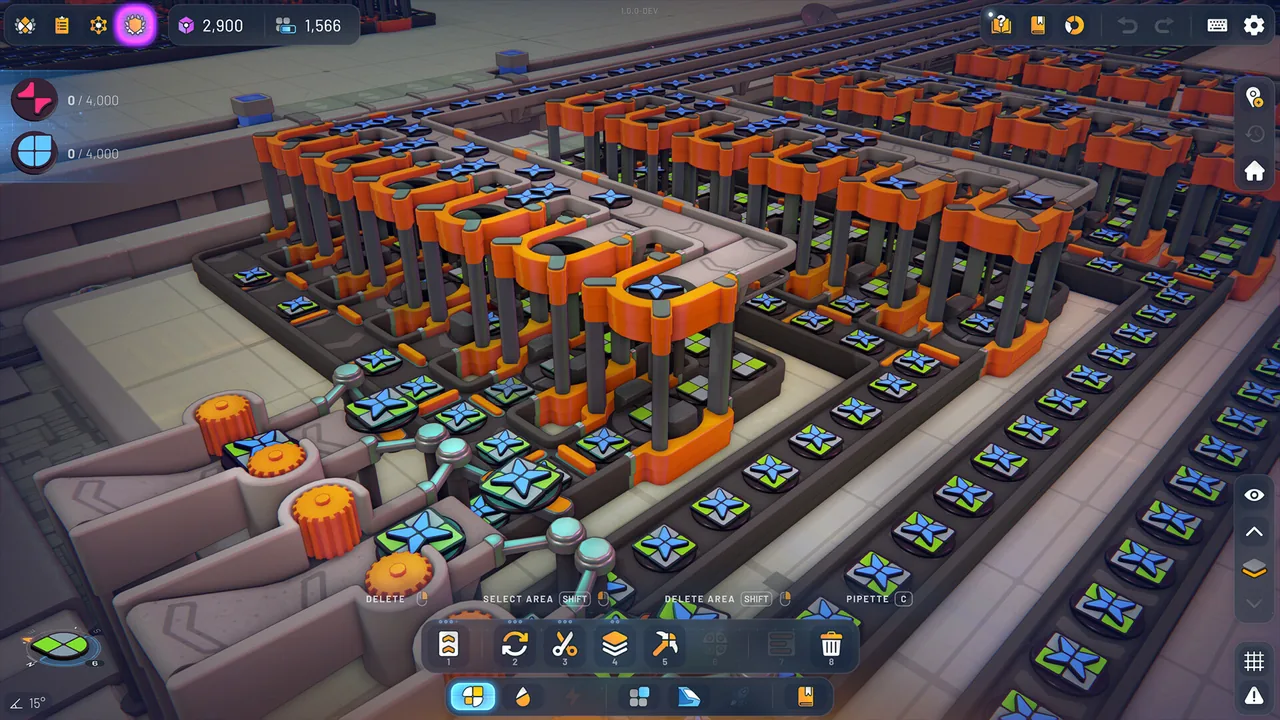
Extract shapes, cut, stack and paint them into the requested form, then deliver them to unlock technologies for further processing and expansion.
Free building and no enemies let you focus on layouts instead of gathering construction materials or defending them, but you still have to budget platform capacity: free construction does not mean unlimited space.
Buildings and platforms span multiple layers, with Space Belts or trains linking sites, so transport between layers and factories joins individual processing steps as a design problem.
The Global Speed Upgrade improves cutting, stacking and painting together while keeping machine ratios consistent, helping you reuse processing sections saved as Blueprints as production speeds rise.
Spending Research Credits on production speed, Vortex inputs or train speed and capacity means choosing between making shapes faster and first improving the ability to deliver them.
Alongside Classic’s shape challenges, Manufacture offers a growing factory that keeps supplying Trade Stations as you work toward rebuilding and relaunching the Vortex Platform.
For players who dig deeper
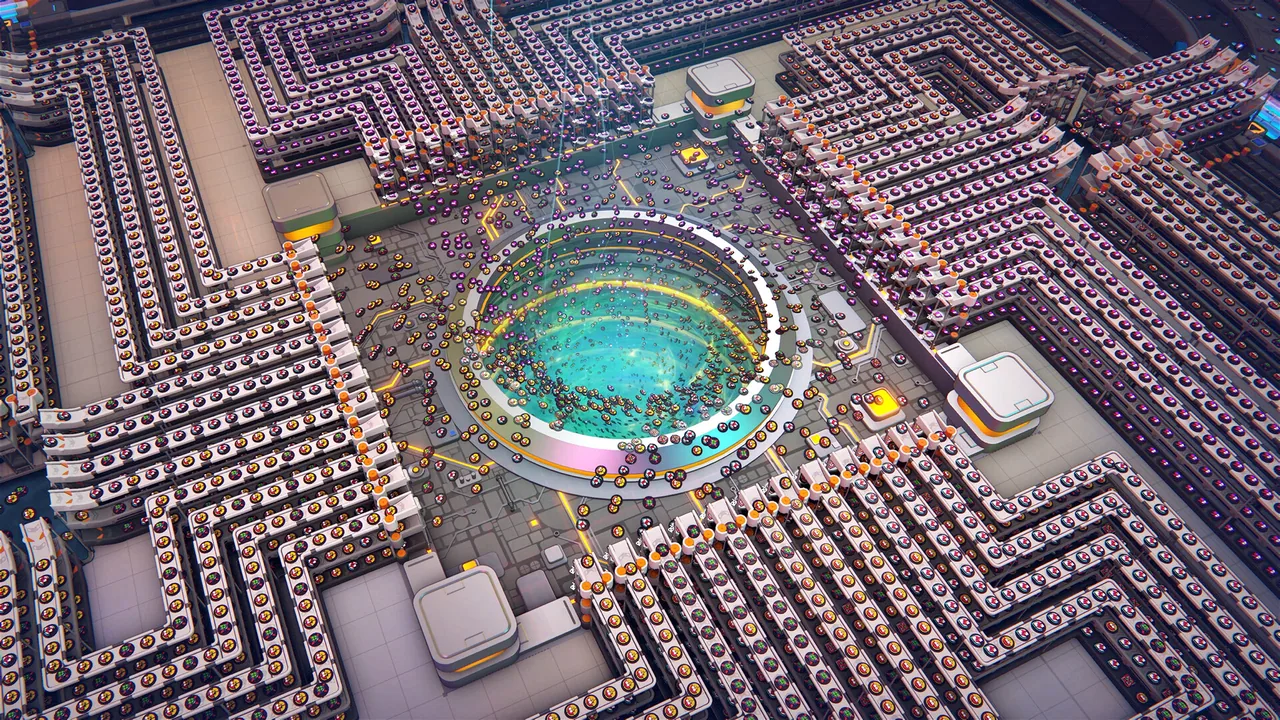
For factories delivering to the Vortex, leaving its surroundings clear of processing equipment lets you gather deliveries at the limited inputs while placing production on outer platforms.
If a distant deposit already resembles the required shape, trains offer an alternative to extra local processing, so you can weigh a longer processing chain against long-distance transport.
Fluid Pipes themselves have unlimited throughput, but the Fluid Launchers and Catchers between platforms do not, so adding pipes does not remove the capacity limit at those transfer points.
Manufacture Hard Mode brings in Crystal shapes and Pins earlier than regular Manufacture, but its recurring shape patterns reward organizing reusable processing sections early for later demands.
What reviewers say
What reviewers liked
- Copying and blueprints make it easier to reuse layouts when rebuilding or expanding a factory, reviewers say.
- Reviewers appreciate building shape-processing lines without gathering construction materials or fending off enemies.
- Fitting compact processing sections into platform space is an enjoyable design challenge for reviewers.
- Watching shapes being processed or transported through a self-built factory brings players satisfaction.
- Reviewers enjoy being able to move beyond lines for individual shapes and design general-purpose machines for changing requirements.
- Layered layouts earn praise for letting players arrange processing and transport beyond a single flat plane.
- Reviews praise smooth performance even with large factories.
- As factories spread across the map, planning train routes or increasing transport capacity gives reviewers more to work on.
Concerns
- Reworking a factory for a new shape can leave reviewers feeling that earlier production does not carry forward.
- Growing factories bring reports of memory pressure or slower performance.
- Repeatedly pasting production sections or rebuilding factories can feel more like labor than fresh design work.
- Making and delivering shapes does not give reviewers enough purpose or reward to keep producing.
Key facts
- Positive review rate
- 96% Overwhelmingly Positive14,070 reviews · all languages
- Price (US)
- US$29.99On sale on Oct 29, 2026: US$17.99 (40% off)
- Languages
- Japanese Interface and subtitlesEnglish Interface and subtitlesSimplified Chinese Interface and subtitlesKorean Interface and subtitles13 languages in total
- Steam Deck
- Playable
- Release date
- Apr 23, 2026
- Developer
- tobspr Games
- Playtime (when reviewed)
- 25.6 hrsMedian when the reviews were posted (100 reviews)
Screenshots
Read the full game guide →View on Steam ↗Source: shapez 2 - Factory on the Steam Store
Mindustry
Build supply networks for turrets and units, turning factory output into the means to defend and capture sectors.
Who it’s for
If you want production efficiency to matter in sustained defense and assaults, planning turret supply alongside unit manufacturing provides that connection.
For players who want to plan transport and factory layouts together, cooperative construction and defense, supported by shared schematics, offer that approach.
What kind of game?
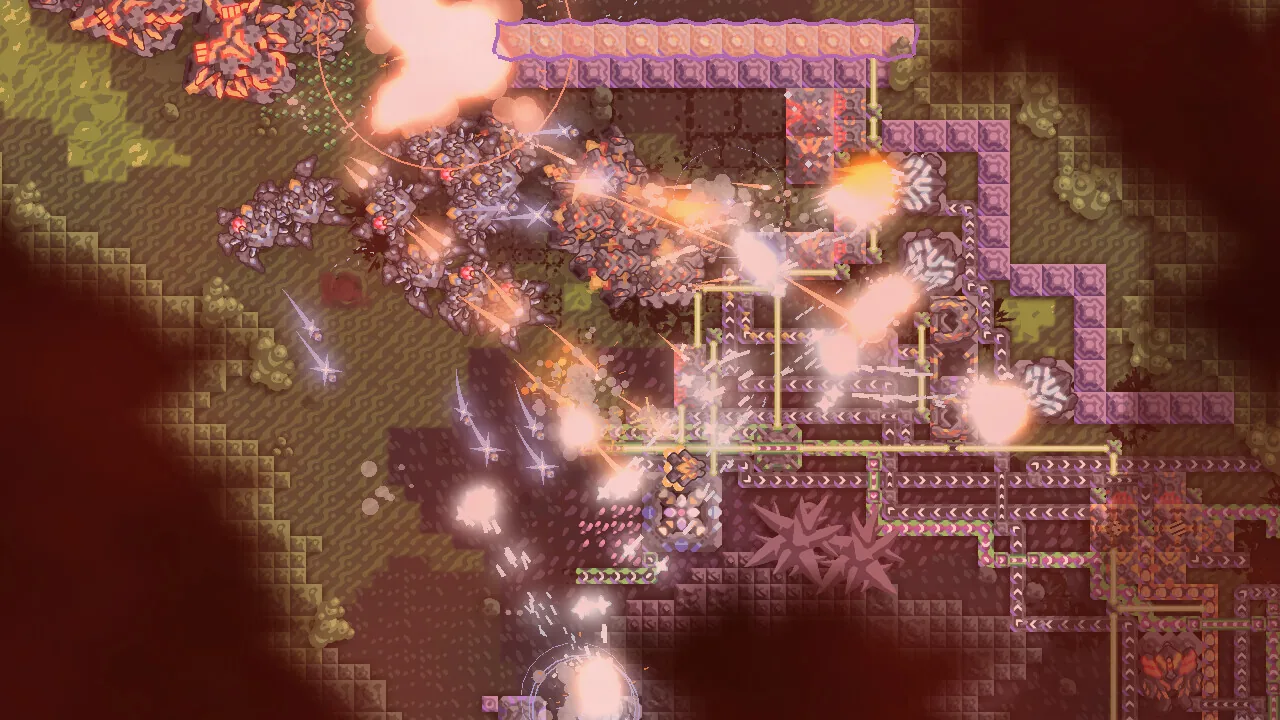
Rather than treating output growth as the factory’s only purpose, Mindustry turns ammunition and unit production into core defense and attacks on enemy bases.
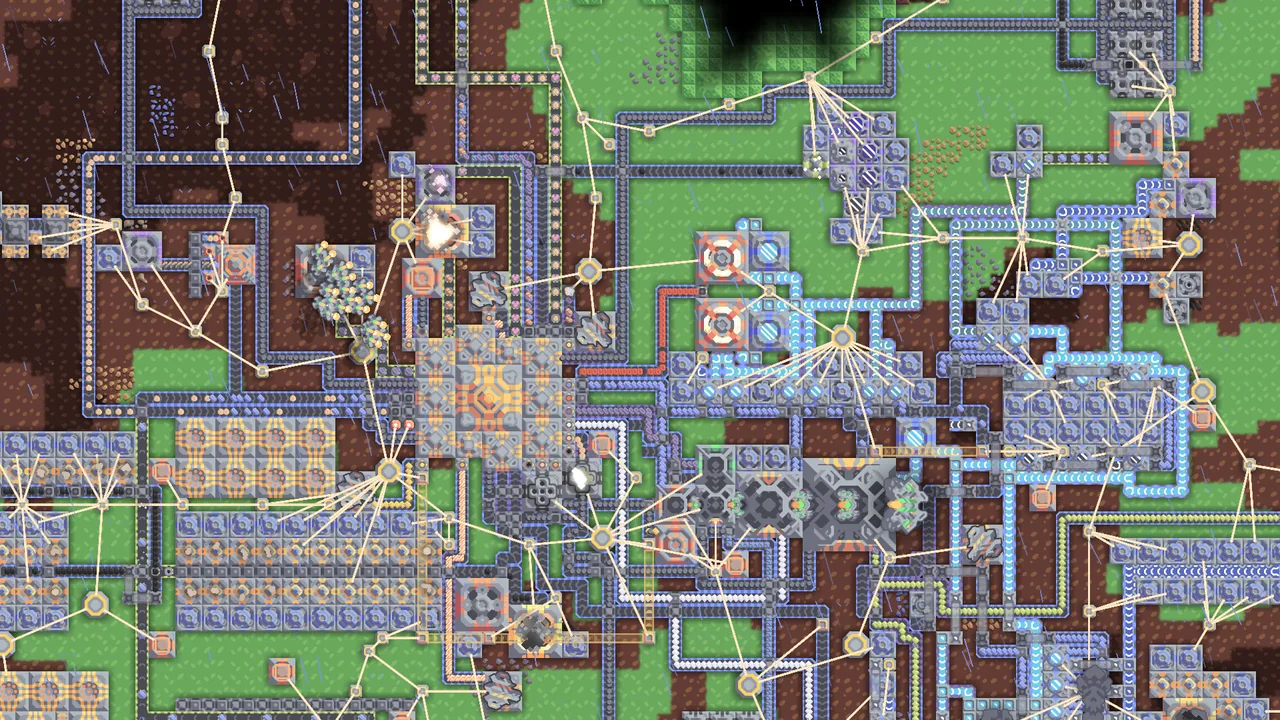
Conveyors and liquid networks deliver ammunition and coolant to turrets alongside power, so placing defenses also means designing the production that keeps them firing.
Expansion, turret supply and attack units all need resources, so you decide whether to build up production or prepare your forces first.
Serpulo and Erekir have separate campaigns. Capturing sectors and researching blocks expand your options, while Erekir has its own tech tree, buildings and units.
On Serpulo, Launch Pads send resources to Landing Pads in other sectors. The receiving pad also needs water, so the destination needs its own setup.
Beyond solo or cooperative campaigns, PvP, sandbox play, shared maps and schematics, and mods offer other ways to combine factories with combat.
For players who dig deeper
Processors such as the Micro Processor can read building states, switch buildings on or off and control units. That lets you build conditional controls alongside your transport lines.
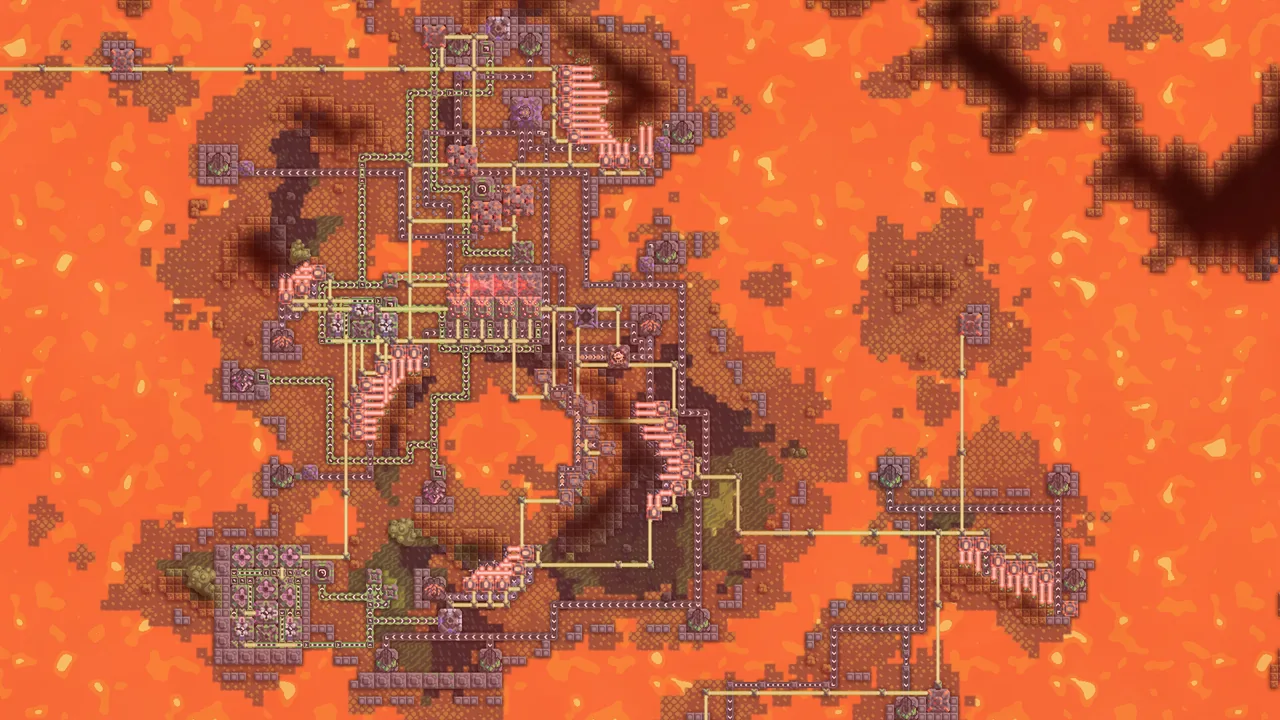
Erekir’s heat system powers or boosts certain buildings, adding heat-dependent combinations to the item and power layouts learned on Serpulo.
You can queue destinations for units and set Stances such as Patrol Path or Hold Fire, controlling their route and whether they shoot.
Reviews describe tracing resource flow and rebuilding production lines as part of the appeal of factory design.
What reviewers say
What reviewers liked
- Combining factory production with defense and RTS battles is a draw for reviewers.
- Reviewers enjoy building factories while taking sectors and defending against or attacking enemy bases in the campaigns.
- Players enjoy arranging buildings and transport to work out factory production and logistics.
- Sharing factories and battlefields with friends or other players makes co-op and competitive play enjoyable, according to reviews.
- Modest hardware requirements or smooth performance on their own systems are appreciated by players.
- Reviewers appreciate being able to install or make mods to expand what they can play.
- Reviewers find factory building and the game’s systems approachable to learn.
- Players value being able to dig into logic or programming alongside logistics and strategy.
Concerns
- Dealing with enemies or being held back by attacks is frustrating for players.
- Reviewers say campaign preparation and sector progression can take a long time.
- Reviewers describe feeling daunted by the buildings and transport systems.
Key facts
- Positive review rate
- 95% Overwhelmingly Positive25,013 reviews · all languages
- Price (US)
- US$9.99
- Languages
- Japanese Interface and subtitlesEnglish Interface and subtitlesSimplified Chinese Interface and subtitlesKorean Interface and subtitles22 languages in total
- Steam Deck
- Playable
- Release date
- Sep 27, 2019
- Developer
- AnukenDev
- Playtime (when reviewed)
- 32.1 hrsMedian when the reviews were posted (100 reviews)
Screenshots
Read the full game guide →View on Steam ↗Source: Mindustry on the Steam Store
Captain of Industry
Reshape an island through mining while keeping its residents and industrial supply systems running together.
Who it’s for
If you want food, water and healthcare to be part of production planning, the link between resident supply, Unity and industry suits that approach.
For players who want to shape mine depth, vehicle access and reclaimed coastlines as well as production lines, deformable terrain and heavy earthmoving give a concrete reason to choose it.
What kind of game?
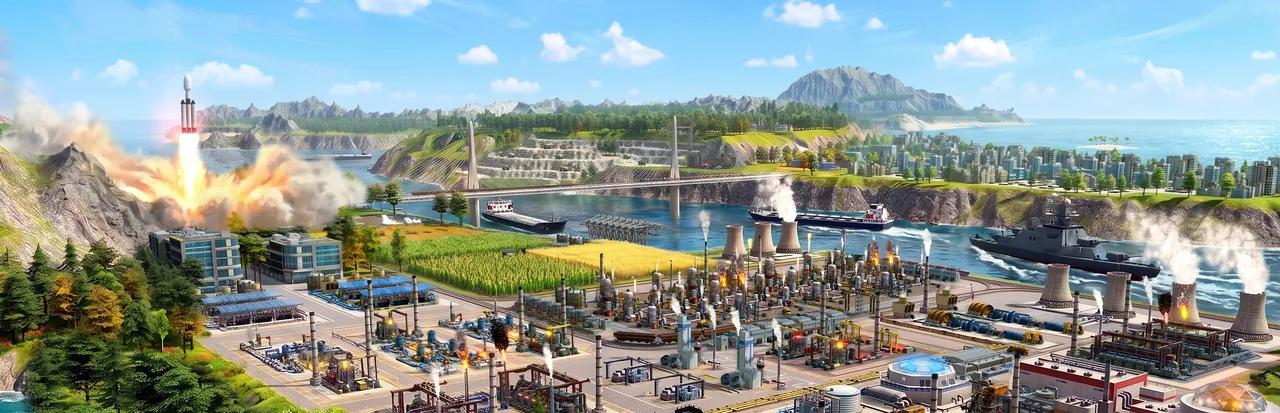
Captain of Industry goes beyond extending production lines across available land: mining reshapes mountains and reclamation turns sea into factory space.
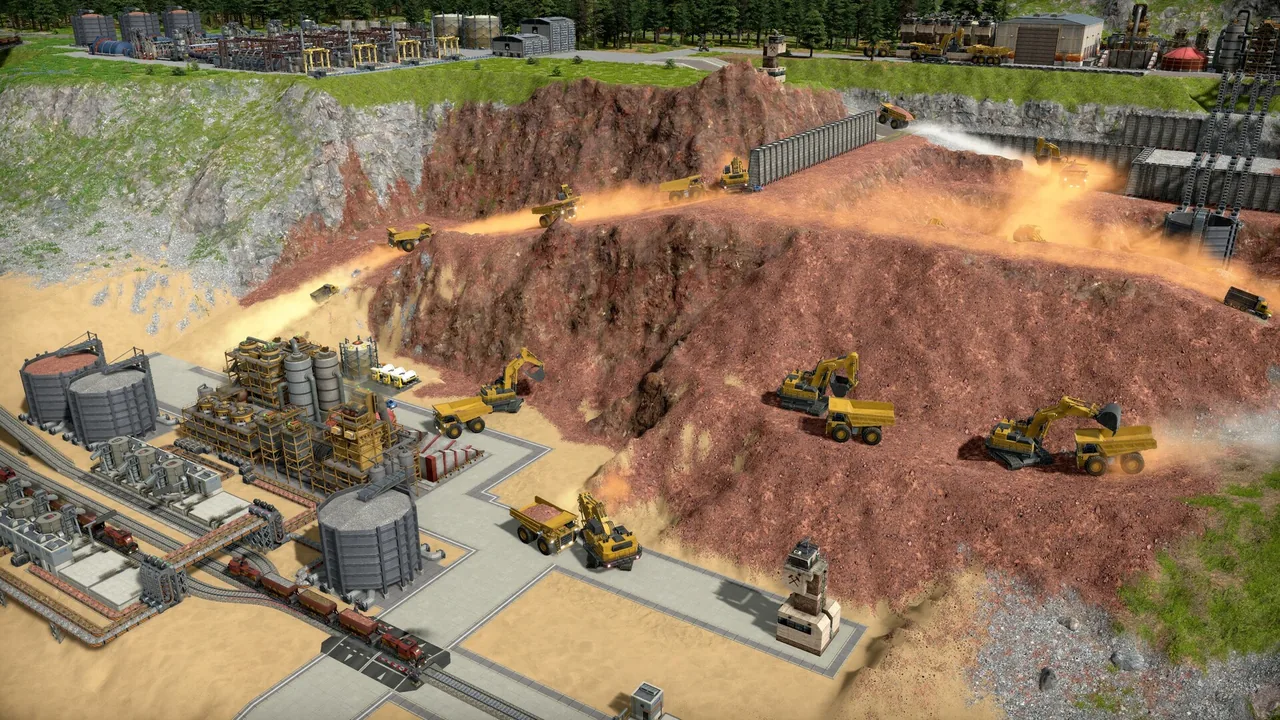
Reaching deep deposits with open-pit mines also means planning where excavated material goes and keeping vehicle ramps accessible, tying mining to earthmoving and transport.
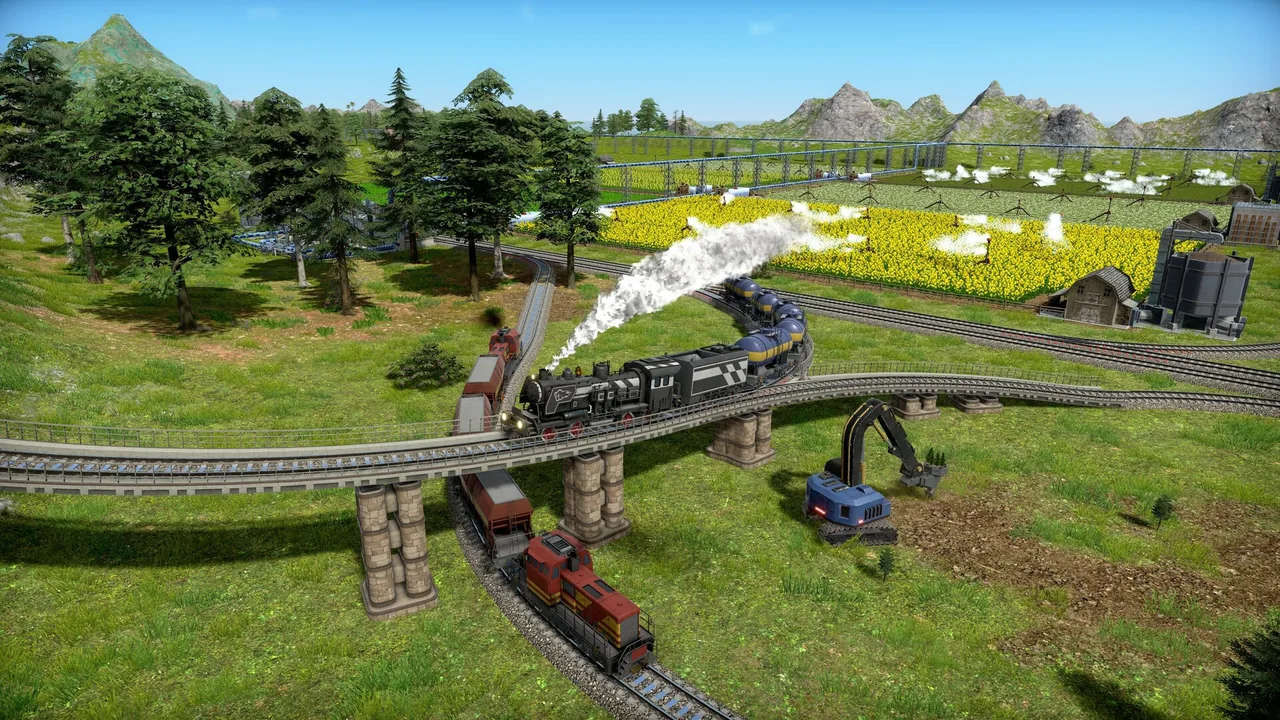
Trucks handle general deliveries, belts and pipes provide direct high-throughput links, and railways carry bulk cargo over longer distances as the island’s industry expands.
Keeping residents fed, healthy and supplied with water and healthcare earns Unity. You can spend it on faster construction, Edicts or resources on the world map.
Planning Mode lets you lay out designs before spending resources and save them as Blueprints for reuse. Research then takes production from smelting to oil refining, electronics and space projects.
Alongside the single-player pursuit of a self-sufficient island, sandbox mode makes buildings and resources free so layouts can be tested before establishing their supply systems.
For players who dig deeper
Logistics Zones let you assign vehicles to deliveries, refueling and construction within separate areas. You can decide whether distant factories share a fleet or use their own.
Product statistics break down production and consumption by recipe, letting you trace which processes use supplies rather than plan expansion from total stock alone.
Shipping contracts provide recurring exchanges, while quick trades cover urgent purchases. External trade can therefore become part of the island’s supply plan.
Reviews describe balancing byproducts or considering alternative recipes and production routes as rewarding ways to explore the factory systems further.
What reviewers say
What reviewers liked
- Connecting production and logistics, then reworking the island’s supplies, offers the design depth reviewers enjoy.
- Players appreciate making earthworks part of factory construction by changing the island through mining and terrain work.
- The look of reshaped terrain, heavy machinery and factories, or the pleasure of watching equipment work, earns praise.
- Production, logistics and equipment evoke real industry in a way players appreciate.
- Information, layout and logistics tools are welcomed for helping players understand and organize a complex factory.
- Research opening up production choices and the feeling of the island’s industry growing are rewarding to reviewers.
Concerns
- Selling paid DLC while the base game is still in Early Access makes reviewers uncomfortable.
- Players raise concerns about how the developers handle mods or community relations.
- Work and waits before expanding a factory can feel too long to reviewers who want faster growth.
- Continually supporting residents and machinery feels laborious, while cascading shortages can be hard to recover from, reviewers report.
- As production and resident needs intertwine, it can be hard to pinpoint a shortage when the factory stalls.
Key facts
- Positive review rate
- 90% Very Positive11,208 reviews · all languages
- Price (US)
- US$34.99On sale on Oct 29, 2026: US$24.49 (30% off)
- Languages
- Japanese Interface and subtitlesEnglish Interface and subtitlesSimplified Chinese Interface and subtitlesKorean Interface and subtitles20 languages in total
- Steam Deck
- Playable
- Release date
- May 31, 2022
- Developer
- MaFi Games
- Playtime (when reviewed)
- 114 hrsMedian when the reviews were posted (100 reviews)
Screenshots
Read the full game guide →View on Steam ↗Source: Captain of Industry on the Steam Store
Summary
Consider Satisfactory for adjusting output and power while walking through and shaping your factory, or Factorio for controlling production through inventory signals and reusing layouts.
Dyson Sphere Program is an option if you want to plan interplanetary supply priorities and keep the transport network supplied.
Look to shapez for designing a general-purpose machine that reads shape requests, or shapez 2 - Factory for reusable, multilayer processing modules linked by belts or trains between platforms.
Mindustry lets you split resources between turret ammunition and unit production. Captain of Industry adds terrain shaping for vehicle access and supplies for residents.