Predy Media › Detective › 7 picks
Feature7 Detective Games on Steam (October 2026) | Indie games with 90%+ Positive Reviews







Image source: Steam Store (Return of the Obra Dinn, Magical Girl Witch Trials, Murders on the Yangtze River, The Roottrees are Dead, Unheard - Voices of Crime, Back to the Dawn, Disco Elysium - The Final Cut)
Compare how Steam detective games turn frozen scenes, testimony, document searches or simultaneous conversations into conclusions, including RPGs where prison routines or a detective’s skills shape the investigation. Return of the Obra Dinn has you compare frozen scenes with a manifest, while The Roottrees are Dead connects documents found through searches. Unheard asks you to revisit simultaneous conversations in different rooms; Magical Girl Witch Trials and Murders on the Yangtze River bring statements and evidence into confrontations. Back to the Dawn adds prison life, and Disco Elysium adds character development, giving each investigation different points at which to select information and make judgments.
See the 7 games ▾
Chosen from indie games on Steam with 90%+ positive reviews and 500+ reviews (as of Oct 29, 2026). They are listed by share of positive reviews, not ranked.

Return of the Obra Dinn
Cross-reference death scenes revealed by Memento Mortem with the manifest to narrow down identities and fates.

Who it’s for
It suits players who want to compare what they see and hear through Memento Mortem with the manifest, narrowing down identities across scenes.
It also fits those who want to keep hypotheses open while awaiting confirmation, devising their own notes or order of observation.
What kind of game?
Rather than questioning living suspects, Return of the Obra Dinn has you investigate in first person as an insurance inspector, using the Memento Mortem watch to revisit moments of death.
After a brief conversation, you inspect a frozen scene and compare what you heard with people’s appearance and positions.
The book organises the crew manifest and chronology, letting you combine names, occupations and origins with clues in the scenes to narrow down identities.
Entering identities and fates requires deciding not just what a scene shows, but whose fate it explains and how.
Fates are confirmed in groups, so being sure of a theory is not the same as having the book confirm it.
You choose whether to spend your investigation time on a new death scene or revisit a scene to test an existing theory.
For players who dig deeper
Reviews describe investigation that goes beyond connecting small details to reconsidering identities or causes of death the player had felt sure about.
Reviews describe both organising information as memories unfold and opening scenes before assembling an account, making the order of investigation a meaningful choice.
Grouped confirmation is praised for allowing tests of narrowed candidates, but also criticised for making a mistaken premise hard to locate; deciding what to recheck while confirmation is pending becomes important.
What reviewers say
What reviewers liked
- Players enjoy piecing together clues from scenes and records to narrow down identities and fates themselves.
- Having identities and fates confirmed in the book gives reviewers a satisfying sense of progress.
- The fragmented storytelling earns praise for connecting people and events, as do the shipboard relationships uncovered through investigation.
- Reviewers say the monochrome art and frozen scenes help them spot details about people and other clues.
- Making notes or reference images outside the game to keep track of people and clues is part of the appeal for reviewers.
- Reviewers praise the music and voice acting for bringing the frozen scenes aboard the ship to life.
Concerns
- Moving between scenes and waiting through their presentation can make checking or revisiting them feel slow, according to reviews.
- Players report struggling to pick out the details that distinguish people or explain deaths in the monochrome scenes.
- Finishing the remaining identities left reviewers struggling for clues or turning to guesses and guides.
- Reviewers found the later story less surprising than they had hoped.
- Reviewers report eye strain from the game's visuals.
Key facts
- Positive review rate
- 96% Overwhelmingly Positive32,769 reviews · all languages
- Price (US)
- US$19.99On sale on Oct 29, 2026: US$13.39 (33% off)
- Languages
- Japanese Interface and subtitlesEnglish Full audioSimplified Chinese Interface and subtitlesKorean Interface and subtitles14 languages in total
- Steam Deck
- Verified
- Release date
- Oct 19, 2018
- Developer
- Lucas Pope
- Playtime (when reviewed)
- 10.8 hrsMedian when the reviews were posted (100 reviews)
Screenshots


Read the full game guide →View on Steam ↗Source: Return of the Obra Dinn on the Steam Store

Magical Girl Witch Trials
This discussion-led mystery asks you to test magical abilities against testimony while looking beyond the surface of the girls you suspect.

Who it’s for
It suits readers interested both in testing testimony against magical abilities and in understanding the characters’ emotional wounds and relationships of trust.
It also fits those who enjoy voices, illustrations and scene-specific music while revising their impressions of the cast as the story unfolds.
What kind of game?
This single-player mystery visual novel follows Ema and the witch candidates imprisoned in a remote mansion.
When a murder interrupts their shared life, you gather evidence and testimony around the mansion and seek the culprit in a Witch Trial.
The in-game witch encyclopedia (魔女図鑑) collects character information, evidence and maps; you consult these clues to identify contradictions in the discussion.
Unlike a mystery governed only by ordinary criminal methods, it also asks what each girl’s magic makes possible and how those abilities fit the testimony.
During a Witch Trial, statements advance automatically. Selecting a suspicious line opens a screen where you can consider a rebuttal.
Progress reveals new perspectives on the story, so solving cases also changes your understanding of the girls and their prison.
For players who dig deeper
Reviewers enjoy questioning whether a girl's stated ability is the whole truth, but also question how the game reveals assumptions and reaches conclusions. Testing a claim about magic is different from working around a condition you were never given.
Reviews welcome the low cost of trial mistakes for keeping the story moving, but also say it encourages trying every option. Whether you want to keep reading or work out why an answer is right changes how that system feels.
A reviewer describes identifying a culprit yet not wanting her executed, making it useful to distinguish the appeal of learning characters’ histories and relationships from the satisfaction of working out the motive for a crime yourself.
Readers describe later developments changing their view of earlier scenes and characters. That suits readers who like keeping track of their first impressions. Reviews also say that collecting missed illustrations takes work because there is no chapter select.
What reviewers say
What reviewers liked
- The girls' inner lives and relationships win praise for making them more than simple personality types.
- Reviewers enjoy how later reveals pay off earlier clues and offer a new perspective on past events.
- Optional bad endings appeal to readers for revealing other sides of the cast or world, or adding short stories off the main path.
- Each girl's magic earns praise as a source of clues and tricks that open up possibilities beyond an ordinary crime.
- Changes in arrangement or added vocals at key moments give familiar music a fresh emotional impact for reviewers.
- Readers welcome investigations that follow the key points in visual-novel form without tying up their time in detailed exploration controls.
Concerns
- The leap from evidence or magical premises to a conclusion leaves reviewers unconvinced and makes working out the cases feel less satisfying.
- Reviews say that when the answer is unclear, trial and error can get you through a Witch Trial.
- Reviews say motives can be hard to read in advance, while witch transformation or explanations given afterward do not always make them convincing.
- Late changes of heart and relationship resolutions can feel abrupt and underdeveloped to reviewers.
- These reviews say collecting missed illustrations takes work because you have to play through scenes you have already read.
Key facts
- Positive review rate
- 96% Overwhelmingly Positive30,762 reviews · all languages
- Price (US)
- US$29.99
- Languages
- Japanese Full audioEnglish Not supportedSimplified Chinese Interface and subtitlesKorean Not supported2 languages in total
- Steam Deck
- Verified
- Release date
- Jul 18, 2025
- Developer
- Acacia, Re,AER
- Playtime (when reviewed)
- 24.9 hrsMedian when the reviews were posted (100 reviews)
Screenshots


Read the full game guide →View on Steam ↗Source: Magical Girl Witch Trials on the Steam Store

Murders on the Yangtze River
Gather evidence, decide whose statement it contradicts, and follow cases along a river journey that leads back to the mystery of your brother’s death.

Who it’s for
This suits players who want to work out where testimony conflicts with evidence while also reading about the society and history behind a case.
It also suits readers who value the relationships among travelling companions and the gradual connections between apparently separate events, not just the resolution of an individual mystery.
What kind of game?
This single-player detective adventure follows an investigator travelling along China’s Yangtze River to uncover the truth behind his brother’s death.
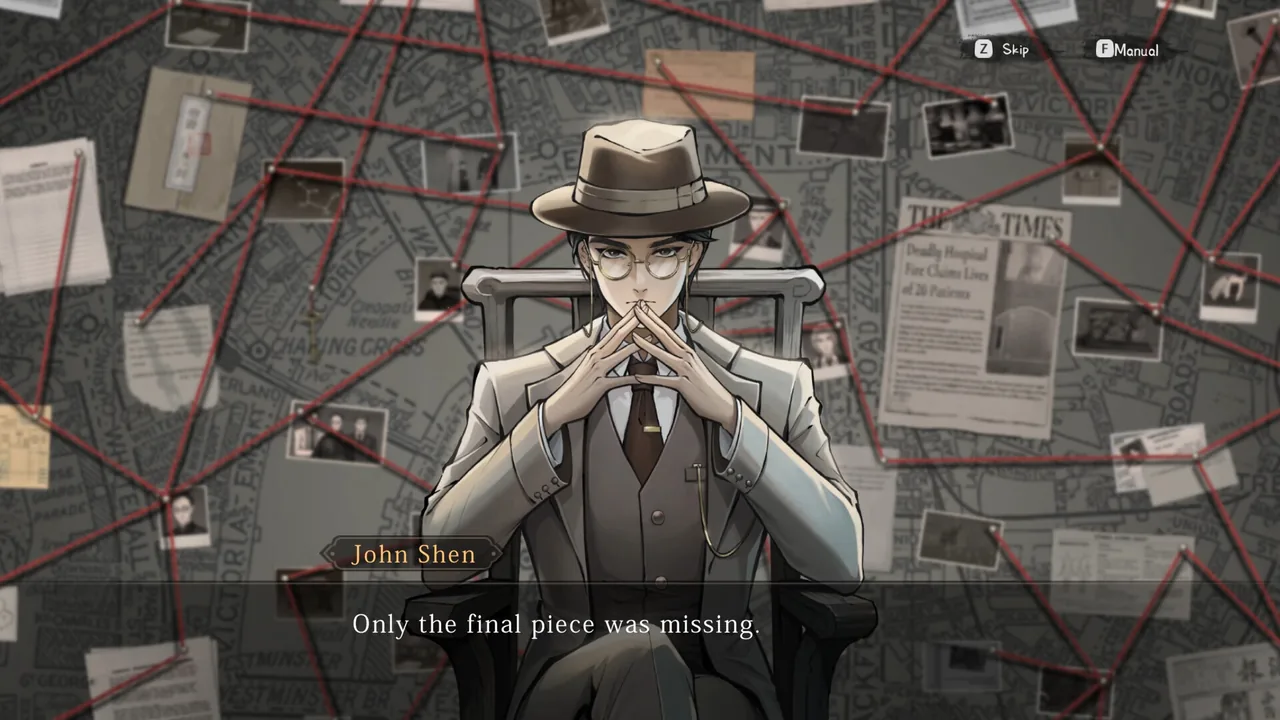
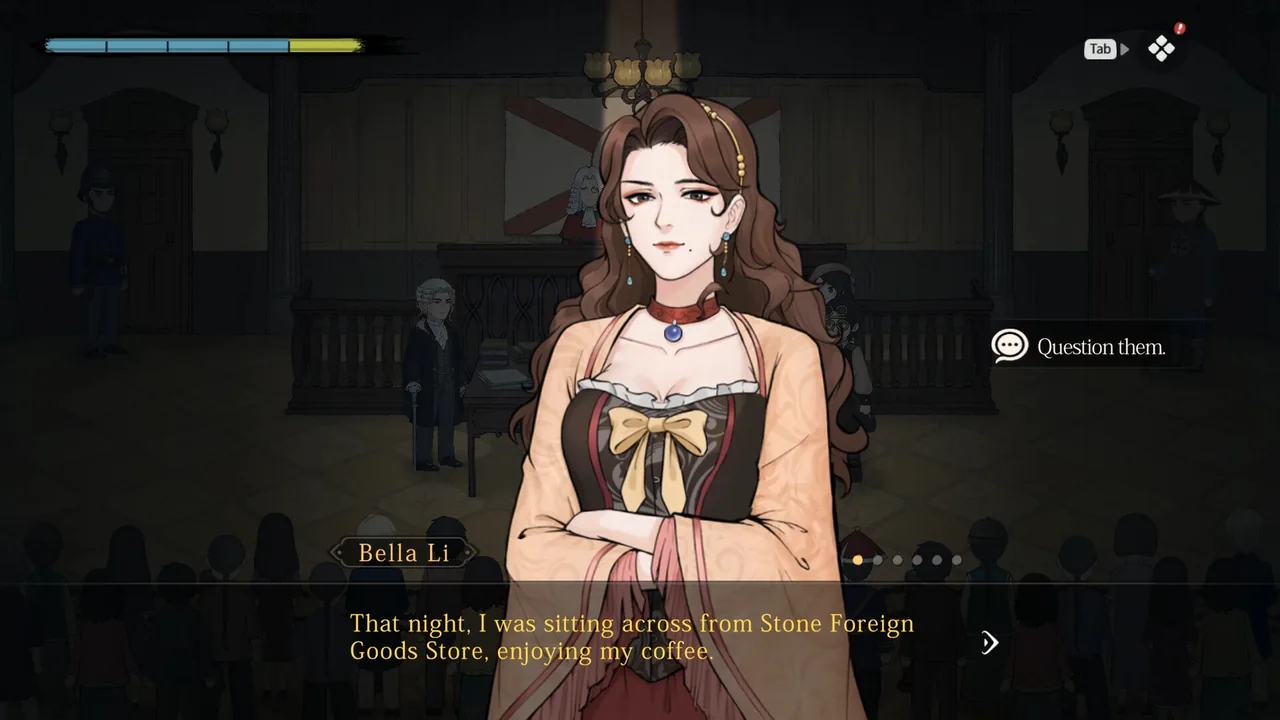
You investigate scenes, collect evidence and question suspects, then use the clues to expose contradictions in their testimony.
In confrontations labelled DEBATE, possessing evidence is only the beginning: you must decide which claim it undermines.
The GLOSSARY's Facts and Knowledge sections let you read about investigative terms and historical context.
The tutorial begins with straightforward controls and simple cases before gradually introducing more complex situations.
Rather than ending with the identification of a culprit in a single case, the journey continues to other places along the Yangtze, linking local investigations to the larger goal of uncovering the brother’s death.
For players who dig deeper
Collecting evidence and debating its meaning call for different kinds of attention: reviews contrast the calmer investigation with confrontations that ask you to interpret a clue and identify a weakness in someone’s account.
Reviewers describe using hints for direction without revealing the answer. Part of the appeal depends on whether you first work out where your theory clashes with the evidence or go straight to the solution.
Reading the knowledge sections is not the same as being given an answer: reviewers describe pausing their progress to explore historical or investigative terminology as a way to better understand the setting of a case.
After finishing, Chapter Select lets you return for missed achievements. Reviewers report missing requirements even with a guide, so revisiting is about checking overlooked conditions rather than discovering the truth for the first time.
What reviewers say
What reviewers liked
- Learning historical and investigative details, or seeing cases tied to their period, helps reviewers connect with the setting's society and culture.
- Reviewers enjoy how the cases and earlier clues come together as the story approaches its conclusion.
- Reviewers value the relationships between the brothers and their companions as part of the story.
- Reviewers praise confrontations that ask them to interpret evidence and expose a contradiction in an opponent's account.
- Changing how testimony and evidence are handled, or adding small puzzles, keeps progress from feeling like reading alone for these players.
- Reviewers praise the accents and shifts between Chinese and English for fitting the characters and setting.
- When the link between evidence and testimony becomes unclear, reviewers welcome hints that reveal an overlooked angle and let them return to their own reasoning.
Concerns
- Reviewers question leaps in case logic or struggle to see how the evidence connects to the required choice.
- The case mechanics and confrontations draw criticism for noticeable similarities to, or borrowing from, other works.
- Linear investigations or puzzles with limited scope or complexity leave players wanting more deduction.
- Awkward grammar and phrasing in the base game's English translation reportedly obscure explanations or finer nuances.
- Reviewers describe awkward controls or interruptions in short action sequences, including running and hiding.
Key facts
- Positive review rate
- 96% Overwhelmingly Positive15,945 reviews · all languages
- Price (US)
- US$14.99
- Languages
- Japanese Not supportedEnglish Interface and subtitlesSimplified Chinese Full audioKorean Not supported3 languages in total
- Steam Deck
- Playable
- Release date
- Jan 31, 2024
- Developer
- OMEGAMES STUDIO
- Playtime (when reviewed)
- 16.4 hrsMedian when the reviews were posted (100 reviews)
Screenshots
Read the full game guide →View on Steam ↗Source: Murders on the Yangtze River on the Steam Store

The Roottrees are Dead
Turn a newly discovered name into a search term, cross-reference articles and photographs, and reconstruct a family through genealogical detective work.

Who it’s for
It suits readers who want to pick out small textual or photographic details and build their own understanding of relationships through repeated searches and cross-references.
It also suits those who enjoy digging through an older internet and watching names on a family tree become people with individual lives and secrets.
What kind of game?
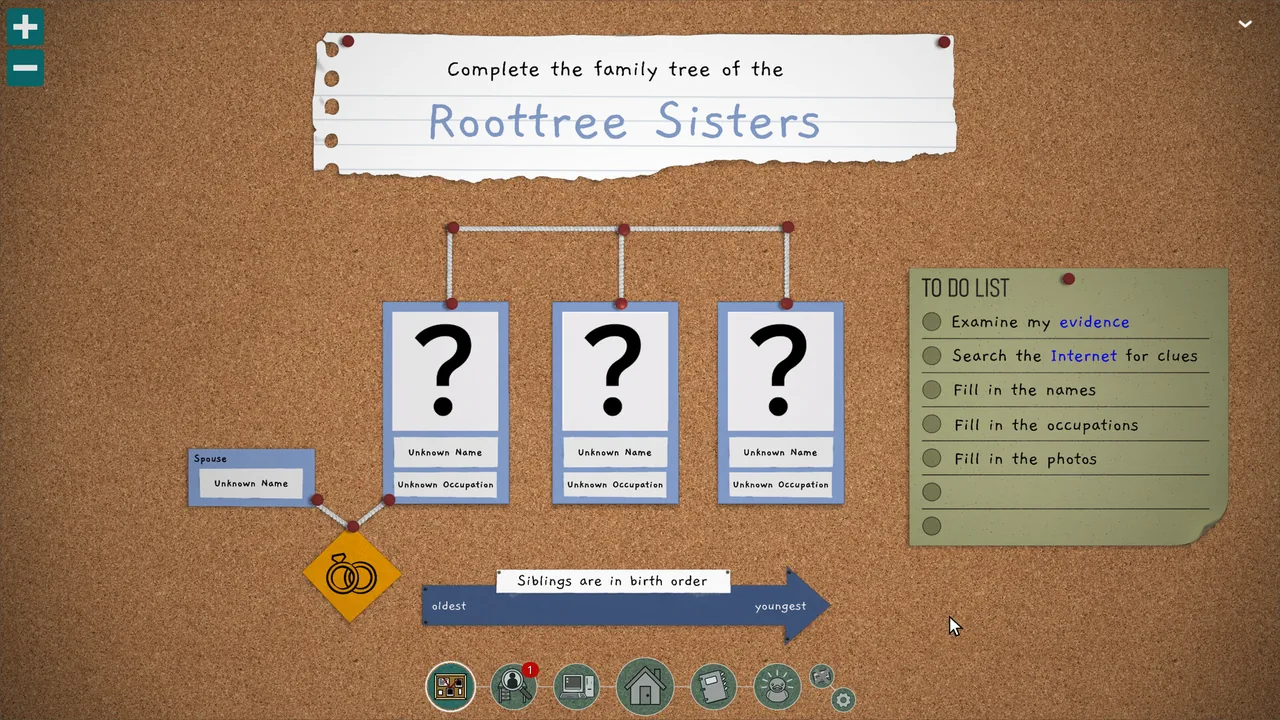
Rather than identifying a murderer, this single-player deduction game asks you to identify blood relatives on a family tree after a plane crash kills key family members and triggers an inheritance.
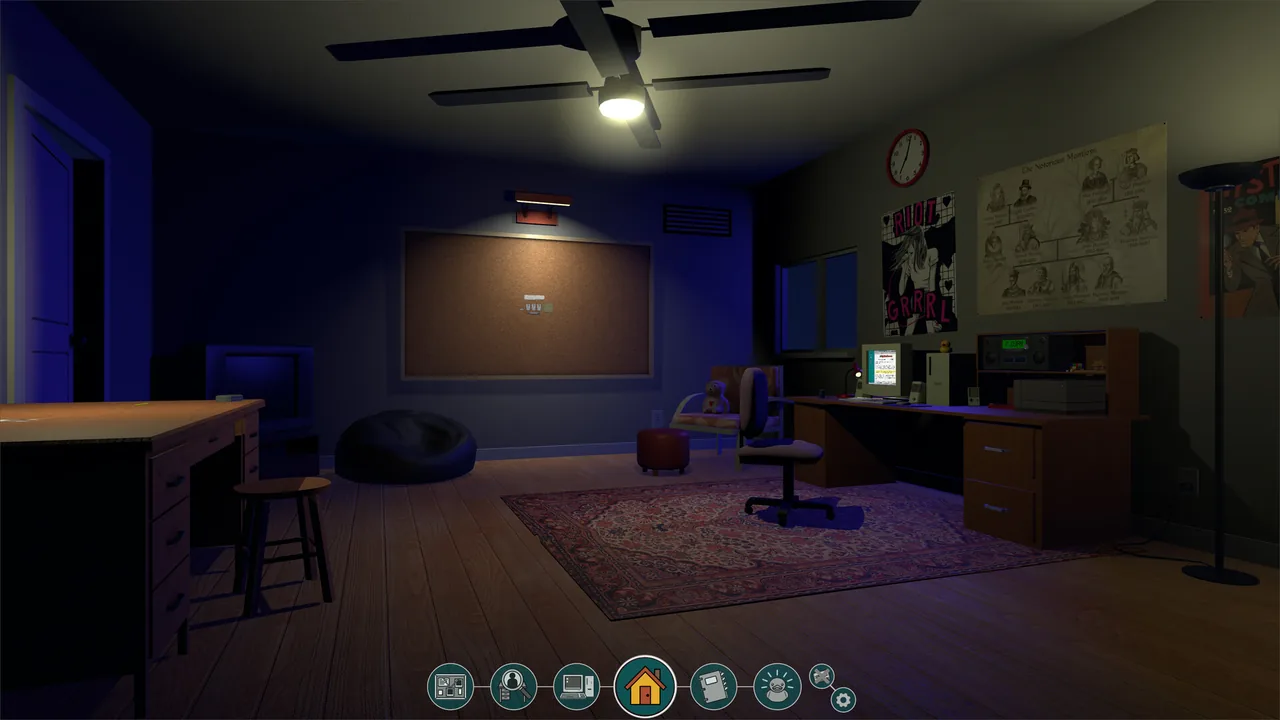
Using a simulated old computer and its in-game SpiderSearch engine, among other research tools, you find photographs, books and articles whose contents lead to further investigation.
On the family tree, you match names, occupations and photographs, deciding where each person belongs among the relationships.
Correct entries narrow the remaining possibilities, but evidence becomes harder to find as you progress, requiring you to connect the material you have gathered in new ways.
The included Roottreemania continues the research after the main story, following further family connections on a new tree.
For players who dig deeper
The investigation goes beyond reading each document: reviews value extracting names or bibliographic details as search terms, then comparing sources until a previously puzzling fragment helps identify someone.
Rather than simply filling blanks in order, you decide whether to narrow the candidates from established relationships or seek corroboration through another search; reviews describe revising deductions by comparing photographs, names and occupations.
Reviews describe tools that flag undiscovered clues and a duck that gives increasingly revealing hints. These help you rethink where to reread or how to approach a clue; you choose how much help to take before going back to your own reasoning.
In Roottreemania, reviews describe rereading familiar material for a new purpose. The expanding relationships appeal to players, but reviews also note a different burden from the main game: not knowing which old sources to revisit can lead to tiring, repeated searches.
What reviewers say
What reviewers liked
- Digging through documents draws readers into the family's secrets, relationships and individual lives.
- Reviewers enjoy the moment a small clue leads to new searches and separate sources click together to fill out the family tree.
- Roottreemania earns praise for exploring the family's later lives or new connections, or simply offering more genealogical mysteries after the main story.
- The old computer and search screens make reviewers feel like detectives on the early internet.
- Reviewers praise the gradual hints for pointing them in a useful direction without immediately giving away the answer.
- Reviewers praise the Chinese localization for adapting abbreviated names and initials so they still work as clues.
- Reviewers appreciate the in-game notes for keeping track of information they uncover.
Concerns
- Reviewers report struggling to match or search for people because of the number of unfamiliar names and variations in how they appear.
- Reviewers say the family's story and characters did not hold their interest.
- Reviewers found it tiring to revisit old sources and repeat searches in Roottreemania.
- Reviewers object to having to fill in people or relationships by guesswork when the clues do not seem conclusive.
- Reviewers find entering or copying search terms cumbersome.
Key facts
- Positive review rate
- 96% Overwhelmingly Positive10,040 reviews · all languages
- Price (US)
- US$19.99On sale on Oct 29, 2026: US$16.99 (15% off)
- Languages
- Japanese Not supportedEnglish Full audioSimplified Chinese Full audioKorean Not supported8 languages in total
- Steam Deck
- Playable
- Release date
- Jan 15, 2025
- Developer
- Evil Trout Inc.
- Playtime (when reviewed)
- 14.2 hrsMedian when the reviews were posted (100 reviews)
Screenshots
Read the full game guide →View on Steam ↗Source: The Roottrees are Dead on the Steam Store

Unheard - Voices of Crime
Listen to the same moment from another room and connect voices with actions in this audio-led deduction game.

Who it’s for
It suits players who enjoy returning to a scene from another person’s side and working out for themselves who knew what.
It also suits listeners who want to use vocal performances as clues and take an active role in the order of a radio drama.
What kind of game?
This single-player deduction game uses a system called 声探 in the Japanese store description to listen to past crime scenes, identify speakers and uncover what happened.
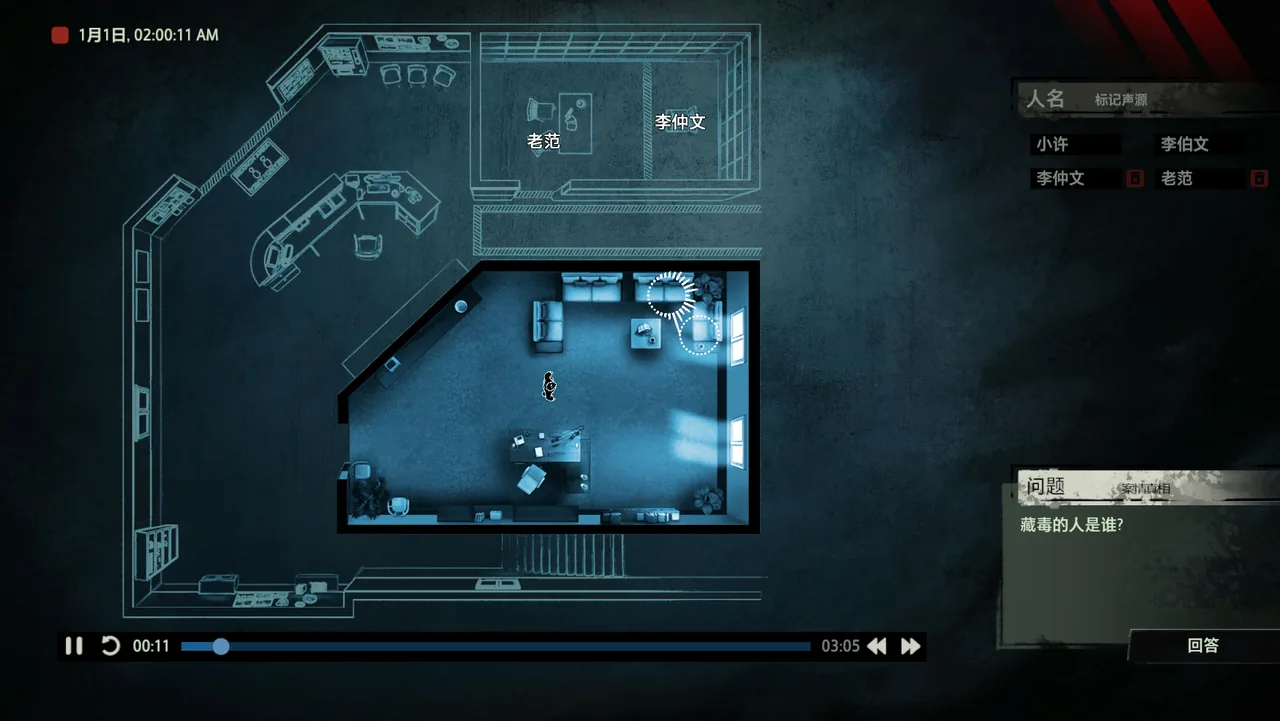
The investigation screen presents a building’s floor plan from above; rather than controlling a participant, you move your listening position and follow nearby conversations.
Names spoken aloud and relationships revealed in conversation help you label the voices and answer the case questions shown on screen.
While following one person, you cannot hear a simultaneous conversation in another room. Rewind and follow someone else to check the same moment from another perspective.
The playback bar at the bottom lets you return to earlier moments and replay the audio as often as needed to reach a conclusion.
Progress centres on picking clues from accessible conversations and reconstructing relationships across time, rather than finding keys to unlock rooms.
For players who dig deeper
Following one person lets you trace their actions, but finding out what happened elsewhere at the same moment takes another listen. Reviewers describe picking up events they missed the first time by following someone else.
Reviews welcome playback-position controls and notes attached to moments, but also ask for a freer notebook for relationships. Choosing which moment to revisit is a separate job from organising what the conversations tell you.
Even reviewers who found the base game mostly about collecting spoken information enjoy comparing narrative layers and relationships in the extra episodes. Steam DLC has no Japanese support: The Lethal Script supports English and Simplified Chinese, while the other additions support Simplified Chinese only.
Being able to replay a line is not the same as being able to understand it: reviews describe difficulty checking information in dialect-heavy or unsubtitled conversations, and the Steam language table lists audio support for the base game without listing dialogue subtitle support.
What reviewers say
What reviewers liked
- Reviewers found it fresh to follow different people’s conversations and piece together how a case unfolded.
- Late twists and connections between cases win praise for changing what earlier conversations and events mean.
- Reviewers found the extra episodes more tangled than the base game, with more to work out by replaying the audio.
- Colloquial lines and accents make the characters sound like people speaking naturally, according to reviewers.
- Reviewers like using the playback bar to return to a moment and find the conversation they need to hear again.
- Reviewers like getting used to following conversations before the cases grow harder.
Concerns
- Reviewers say the base game can reveal its answers once you collect the spoken information, leaving little to deduce.
- Reviewers say the lack of subtitles makes it hard to check dialogue they could not make out.
- Reviewers say repeatedly listening through long conversations can break their concentration or become tedious.
- Reviewers say the unnatural English acting is hard to ignore when the game depends on listening to conversations.
- Frequent coarse language and insults make the conversations uncomfortable to keep listening to, according to reviews.
Key facts
- Positive review rate
- 95% Overwhelmingly Positive31,128 reviews · all languages
- Price (US)
- US$6.99On sale on Oct 29, 2026: US$2.79 (60% off)
- Languages
- Japanese Full audioEnglish Full audioSimplified Chinese Full audioKorean Not supported4 languages in total
- Steam Deck
- Playable
- Release date
- Mar 29, 2019
- Developer
- NEXT Studios
- Playtime (when reviewed)
- 5.8 hrsMedian when the reviews were posted (100 reviews)
Screenshots
Read the full game guide →View on Steam ↗Source: Unheard - Voices of Crime on the Steam Store

Back to the Dawn
Turn information gathered in prison into an escape plan while balancing investigation with everyday prison life in this CRPG.

Who it’s for
It suits players who want an investigation to involve not only finding clues but also arranging the relationships, abilities and schedule needed to reach them.
It also suits readers who enjoy inmates’ conversations and histories, then seeing the prison differently through another protagonist or a later run.
What kind of game?
This single-player CRPG follows either Thomas, a reporter imprisoned on false charges, or Bob, an undercover agent, as they investigate a conspiracy within a prison.
You investigate inmates and facilities, gather clues through conversation and information trading, and look for places and tools that could enable an escape.
Within limited time, you choose between directly searching for clues or escape routes and spending time on relationships or skills to prepare for later actions.
You learn skills, collect equipment and craft tools, developing abilities suited to approaches such as force, stealth or persuasion.
Thomas’s New Eden Mode and Bob’s White Mode include the Groundhog Badge. At bedtime on the final day, using it repeats that day; declining takes the story toward its ending.
Rather than presenting a sequence of isolated riddles to answer, it links gathering evidence and investigating a conspiracy with exploration, relationships and character growth.
For players who dig deeper
Reviewers enjoy planning work and socialising around time, stamina and inventory to prepare for the day's investigation. The challenge is matching available time slots to resources, not rushing at the keyboard.
Skills and equipment influence checks and the efficiency of daily activities, while relationships can unlock skills, creating a choice between advancing escape preparations now and investing time in abilities that make later actions easier.
Deadline complaints depend on the mode. In Thomas’s New Eden Mode and Bob’s White Mode, the current Groundhog Badge lets you repeat the final day. The official announcement does not say it restores individual events missed earlier.
The free official Game Modifier Toolkit can adjust resources, dice checks and action time, but using its features disables achievements for that save, making an easier retry a separate choice from pursuing achievements.
What reviewers say
What reviewers liked
- Players enjoy discovering new developments by changing how they explore or choose between routes through problems and escapes.
- Reviewers praise how inmates’ histories and conversations reveal their personalities.
- Building abilities through skills, gear and relationships earns praise for feeding into checks, combat and daily efficiency.
- Reviewers enjoy seeing the same prison from a different position through Thomas and Bob's distinct goals, abilities and story perspectives.
- Carrying over skills or relationships, or using past experience to plan ahead, gives returning players welcome breathing room.
- Deciding where limited time or stamina goes between work, socialising, growth and escape preparations makes daily planning enjoyable for reviewers.
Concerns
- Players report needing guides or getting stuck on overlooked details when required conditions and next steps are hard to grasp on a first run.
- Deadlines and date-specific conditions leave reviewers less room to explore or prepare, with anxiety about time running out or the burden of restarting.
- Replaying the same prison routine and story beats can start to feel like a chore.
- Reviewers say that building bonds with inmates does not always pay off in the story or in how those inmates respond to you.
- Reviewers felt that changing the escape method made less difference to the ending than they expected.
Key facts
- Positive review rate
- 94% Very Positive8,640 reviews · all languages
- Price (US)
- US$23.99On sale on Oct 29, 2026: US$17.99 (25% off)
- Languages
- Japanese Interface and subtitlesEnglish Interface and subtitlesSimplified Chinese Full audioKorean Interface and subtitles9 languages in total
- Steam Deck
- Verified
- Release date
- Jul 18, 2025
- Developer
- Metal Head Games
- Playtime (when reviewed)
- 40.6 hrsMedian when the reviews were posted (100 reviews)
Screenshots


Read the full game guide →View on Steam ↗Source: Back to the Dawn on the Steam Store

Disco Elysium - The Final Cut
In this investigative RPG, you pursue a murder case while your skills chime in as inner voices and your dialogue choices shape the detective's behaviour.

Who it’s for
This suits players who want to read the skills’ inner dialogue and shape their detective’s perspective and behaviour as they investigate.
It also suits readers interested in exploring the city’s history, its residents’ politics and lives shaped by loss, alongside the answer to the case.
What kind of game?
You play a detective investigating a murder in a district of Revachol in this single-player RPG.
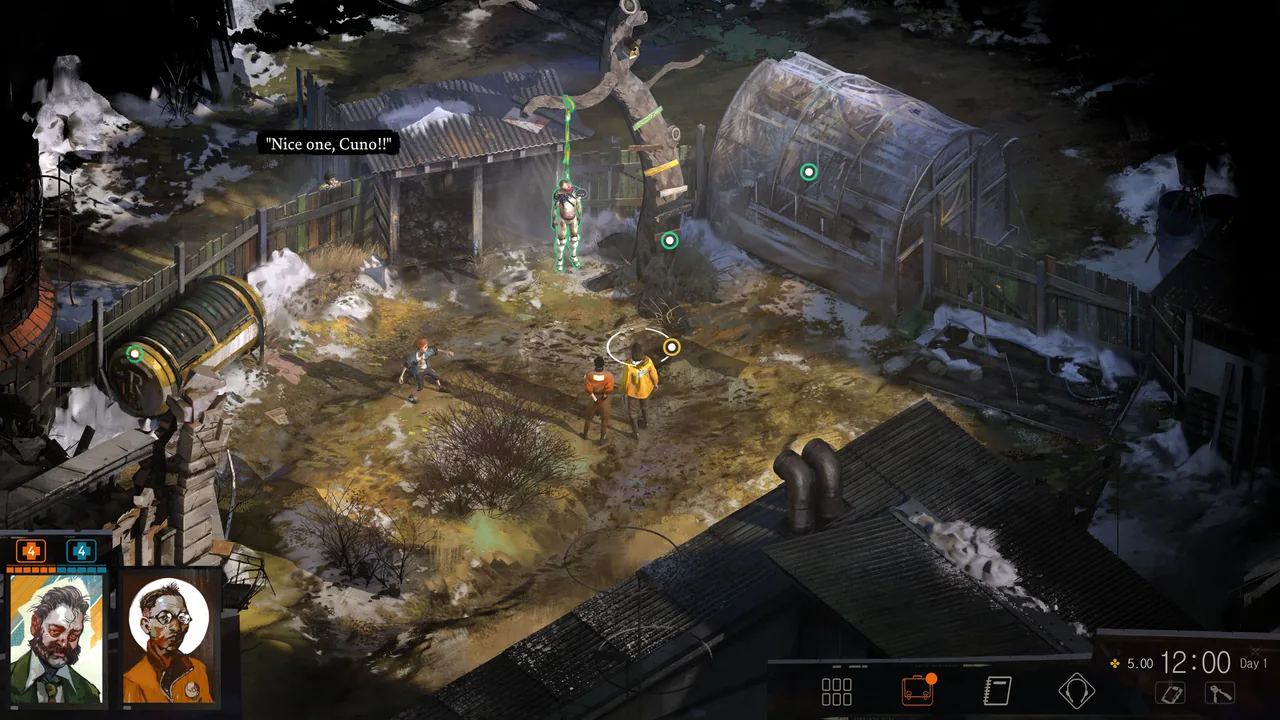
Explore the streets, examine people and objects, and choose questions or actions in conversations while following the central investigation and side cases.
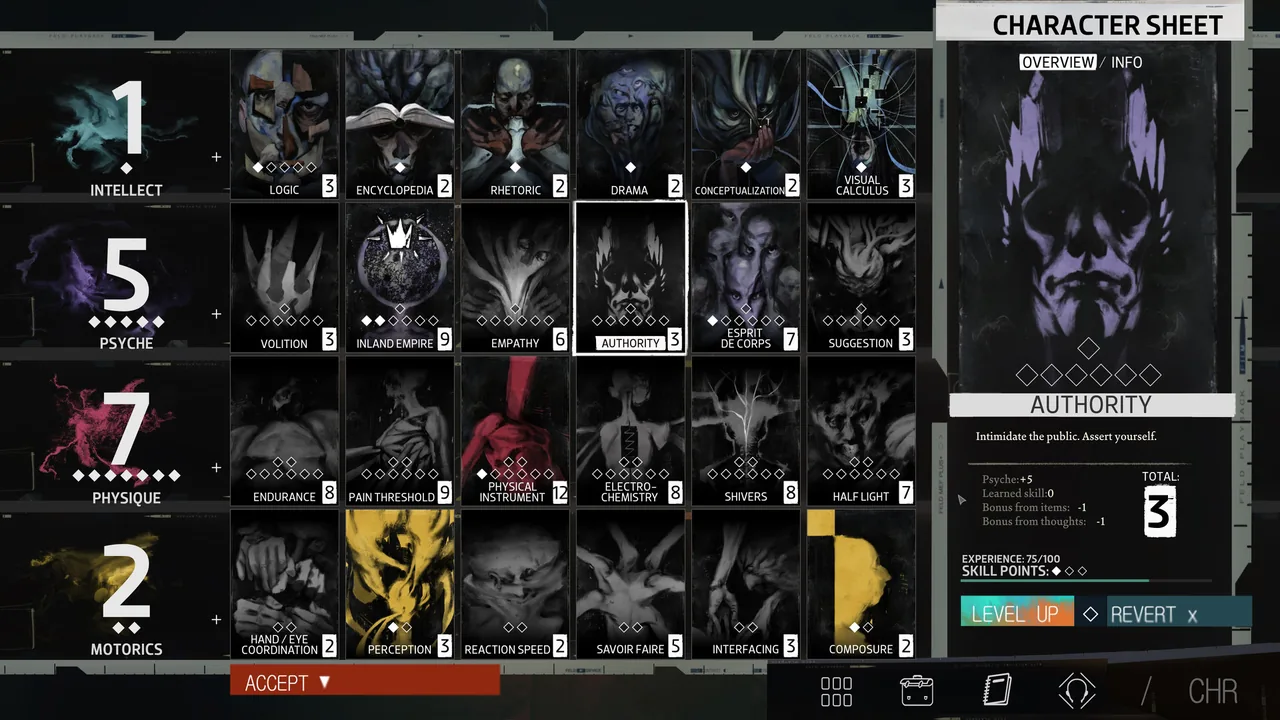
Skills do more than support checks: they interject as inner voices with information and interpretations, so developing different abilities also changes what catches your detective’s attention.
Internalizing Thoughts acquired through conversations and other encounters in the Thought Cabinet can unlock effects or new topics. Skill points used to open slots or forget Thoughts could instead improve skills.
The Final Cut includes full English voice acting and quests exploring political positions, while your expressed attitudes help shape the detective you play.
Rather than just finding the right combination of evidence, you also shape how your detective engages with the world through the abilities you build and the responses you choose.
For players who dig deeper
Reviews praise skill builds for changing the information and responses available even when talking to the same person. Choosing skills is about your detective's view of people, not just passing the next check.
The Thought Cabinet asks you to spend time internalizing Thoughts before their full effects are known. You must also decide whether to improve skills or spend skill points on slots and replacing Thoughts.
One reviewer enjoys the unexpected scenes caused by failed checks but wishes for a limited number of rerolls at important moments. Whether you chase success or accept failure as part of your detective’s story shapes how you play.
Reviews value talking about the residents and city beyond the case, but also describe tiring of long side threads. Consider whether you want to understand only the culprit or the people who live here too.
What reviewers say
What reviewers liked
- Choosing words, actions and abilities lets reviewers enjoy shaping a detective's personality and playing their own role.
- Reviewers found the detective's struggle with loss, past mistakes and the possibility of starting over memorable.
- Readers welcome political ideas they can weigh against the characters or their own judgments, rather than being handed a single right answer.
- Residents' conversations and the city's history give reviewers a sense of lives and society beyond the case's backdrop.
- Reviewers enjoyed the unexpected scenes that can follow a failed check.
- Skills earn praise for chiming in as inner voices, with different builds changing what players notice in conversations or their surroundings.
- Reviewers praise how the English performances and distinct voices bring conversations to life.
Concerns
- Reviewers describe tiring of long conversations and dense stretches of text, sometimes making it hard to keep going.
Key facts
- Positive review rate
- 92% Very Positive119,154 reviews · all languages
- Price (US)
- US$39.99
- Languages
- Japanese Interface and subtitlesEnglish Full audioSimplified Chinese Interface and subtitlesKorean Interface and subtitles13 languages in total
- Steam Deck
- Verified
- Release date
- Oct 16, 2019
- Developer
- ZA/UM
- Playtime (when reviewed)
- 35.8 hrsMedian when the reviews were posted (100 reviews)
Screenshots
Read the full game guide →View on Steam ↗Source: Disco Elysium - The Final Cut on the Steam Store
Summary
Consider Return of the Obra Dinn for identifying people by comparing scenes and records, or The Roottrees are Dead for turning words in documents into further searches and completed family-tree entries.
Unheard lets you check the same events through different voices, while Magical Girl Witch Trials and Murders on the Yangtze River let you challenge statements about a case.
Back to the Dawn suits an interest in balancing information-gathering actions with prison routines, while Disco Elysium lets you shape a detective’s perspective through abilities and responses.