Predy Media > Detective > Game page
Game pageReturn of the Obra Dinn: Features, Reception, and Who It Suits

Investigate scenes frozen at the moment of death and record each person's identity and fate in a book.
Names spoken aloud are only a starting point. This suits players who want clothing, bunks, positions, accents, and actions across scenes to count as evidence.
What makes it fun
Putting a name to a face
Even when nobody says a person's name, clothing, bunks, and positions in the Crew Sketches can narrow the Crew List. The payoff comes when a face and a name finally click.
Rebuild the voyage from its deaths
Flashbacks don't open in voyage order. Follow the same person across scenes, and the sequence behind those scattered deaths starts to take shape.
When your deductions lock in
The Book confirms correctly entered identities and fates in groups through Fate Validation. That makes each uncertain entry a decision: keep it, or revisit the evidence beside the entries you trust.
Game details
As of Oct 29, 2026- Steam Deck
- Verified
- Release date
- Oct 19, 2018
- Developer
- Lucas Pope
- Languages
- Japanese, English (Full audio), Simplified Chinese, Korean / 14 languages total
A typical run
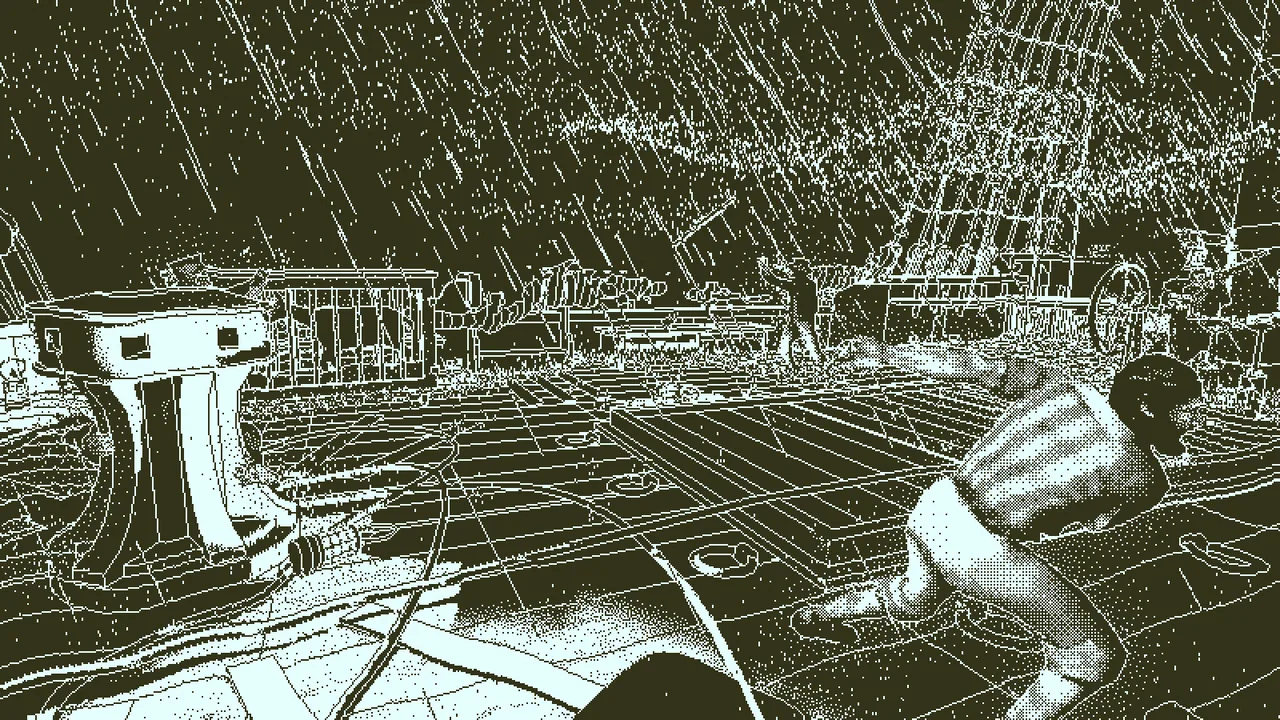
Board the Obra Dinn, returned with no crew in sight, and search the ship for remains.
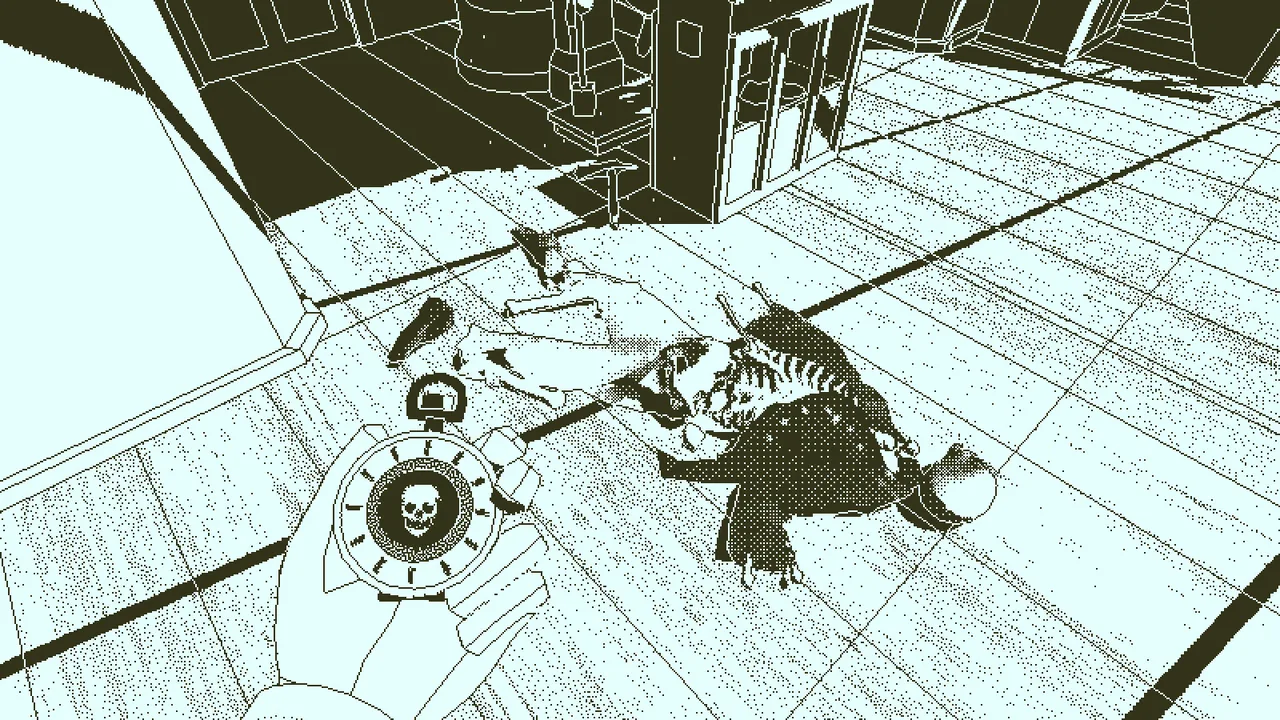
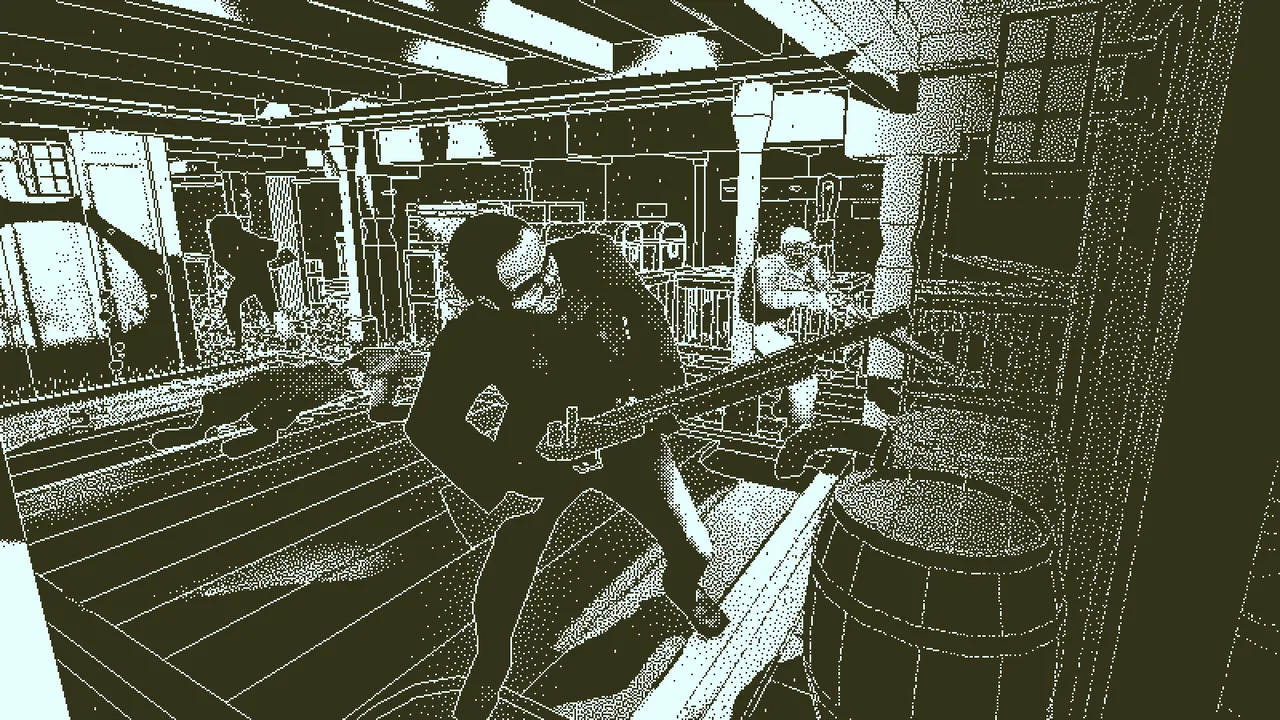
Use the pocketwatch to hear the moments before a death. Then walk through the frozen flashback to inspect it.
Compare what you find with the crew list and sketches in the book, and enter provisional identities and fates.
Follow clues to newly revealed bodies. Revisit earlier flashbacks to compare where people stood and what they carried.
Use confirmed fates to narrow the remaining candidates and fill out the insurance assessment.
Core systems
Pocketwatch
The pocketwatch opens a death flashback from a corpse. After a short audio sequence, you can walk through the frozen scene.
You can stop at the victim or look farther afield for other people and the direction of a projectile. How far you search changes which clues you find.
Book
The book holds chapters, deck maps, dialogue records, information about those aboard, and fate entries.
Keep a tentative identity in the book, or leave the field blank and inspect another flashback. Committing too early can make you misidentify other faces later.
Crew List
The list gives the names, occupations, and origins of people aboard. You can provisionally match a face from a flashback to one of its names.
When no one says a name, narrow the candidates through uniforms, work areas, nearby bunks, and language. If you know only a role, a placeholder can preserve that deduction.
Crew Sketches
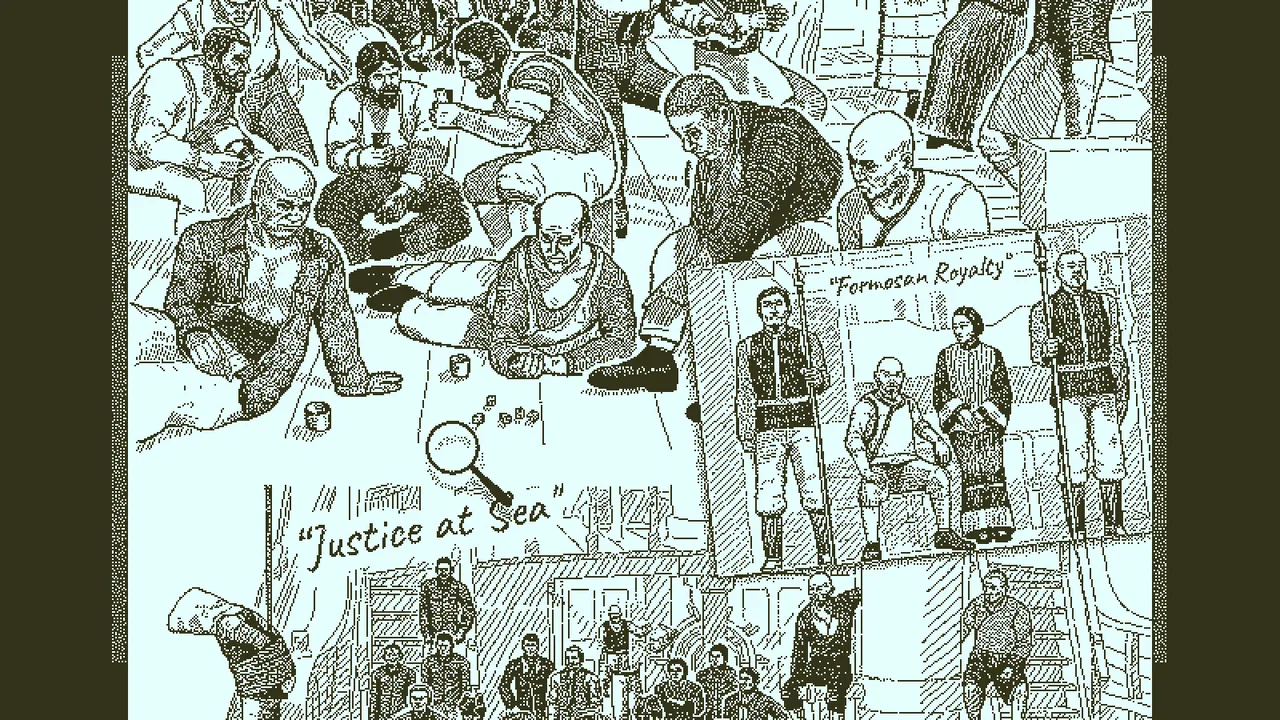
The sketches show faces and who stands near whom. As clues become available to identify someone, the display of that face changes.
When a face alone tells you little, look at its neighbours and clothing. Check whether the person belongs to a group with the same job.
Flashbacks
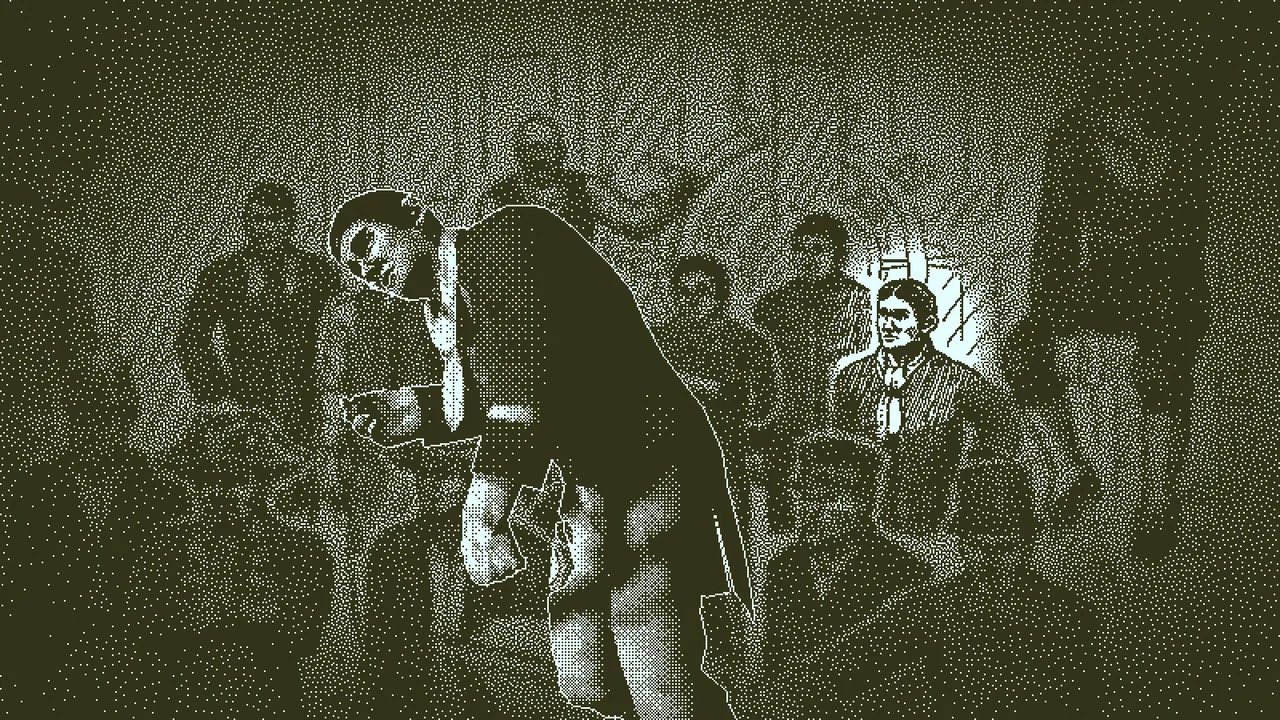
Hear the moments before death, then inspect a frozen scene on foot. Other flashbacks let you follow the same person at different points in the voyage.
Keep opening scenes, or first sort out the people in the one you just saw. Opening scenes in a rush brings more information but makes it easier to confuse their movements.
Fate Validation
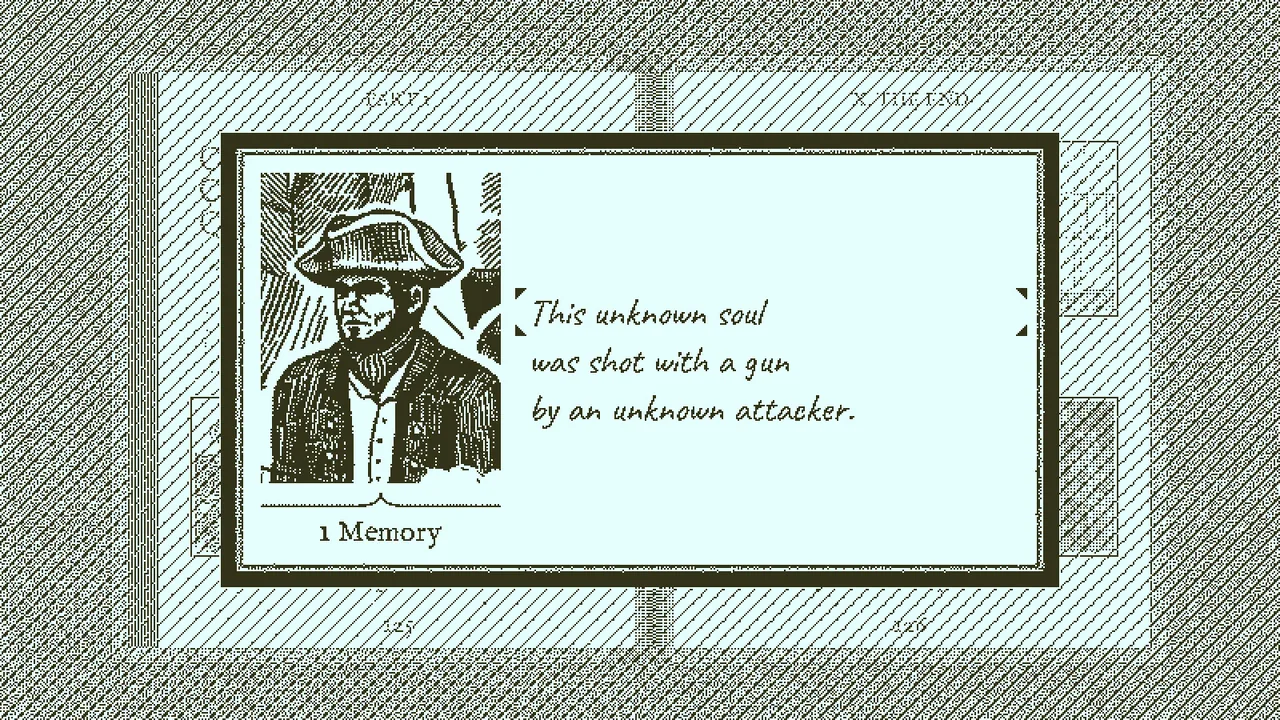
Correct identities and fates are confirmed in batches. An entry does not receive an immediate verdict.
You can keep entries you trust in place while testing an uncertain candidate. The more you rely on trial entries, the less reason you have to revisit the scene for evidence.
What sets it apart
You do not collect puzzle items or press suspects through dialogue choices. You reread events that have already happened through frozen scenes.
Ranks, bunks, relationships, and actions across scenes help link faces to names in the crew list.
The deaths do not appear in the voyage's order. As you fill in fates, you also piece together when events happened.
Learning curve and difficulty
The official material checked does not describe a difficulty setting. Progress often comes from noticing a clue outside the spoken dialogue.
Early on, fill in people whose names or roles are spoken. Their colleagues, bunks, and clothing can help narrow down unnamed faces.
Later, return to a flashback with a person or cause of death in mind. Compare locations, injuries, and projectile directions across scenes.
Accents and cultural knowledge can help. Reviews also describe making progress by matching scenes and eliminating candidates without identifying every accent.
In the closing stretch, you can test the remaining candidates through Fate Validation or go back to the flashbacks for another clue.
Builds and playstyles
Scene-by-scene accounting
After each new flashback, note the speaker, victim, nearby faces, and location before moving on. That makes it easier to keep people straight when another scene opens.
Role-and-group sorting
Group faces by uniforms, bunks, work areas, and positions in the sketches. Then compare those groups with occupations and origins in the crew list. This helps with sailors whose names are never spoken.
Timeline tracing
Track where a person appears, what they carry, and who moves with them across flashbacks. If one scene leaves a death unclear, compare earlier injuries and attack directions.
What longtime players say
These reflections concern the later work of telling similar-looking sailors apart. Repeated comparisons mean walking back to the bodies that open the relevant flashbacks, which can make the investigation drag.
Reviewers describe moving beyond names in dialogue to inspect uniforms, bunks, and positions in the sketches. They narrow down unnamed sailors by comparing where those faces appear in other scenes.
Reviewers describe thinking about relationships away from the ship, then connecting clues on a later visit to a flashback or when recalling a scene afterward.
What players like
Reviewers enjoy narrowing down an unnamed person through positions, clothing, bunks, possessions, and accents. Their accounts speak to players who want to connect a face to a name through surrounding clues.
The monochrome image and music leave an impression. Voices in different languages and accents do too; reviewers describe listening to both the words and the voices for clues.
Reviewers advise starting the investigation without looking up the story or solutions. Once you know an answer, you cannot rediscover it for the first time by examining a flashback.
Reviewers praise reconstructing the voyage from voices before death and frozen scenes. The order in which flashbacks open leaves players to connect the events themselves.
When provisional fates are confirmed together, earlier deductions finally click into place. The system also matters when a player holds secure entries steady and tests an uncertain candidate.
Revisiting a flashback can reveal that a background figure or small detail was a clue. Reviewers enjoy returning to the same scene with a new question after getting stuck.
Common complaints
Late in the investigation, narrowed candidates may still fail to confirm because the wording of a cause of death is unclear. Reviewers also describe swapping entries to test Fate Validation, a sticking point for those who want to finish by observation.
The monochrome dither can make a weapon, face, or cause of death hard to read. Reviewers also report eyestrain and motion sickness. Players who examine small details for long stretches can try the display settings.
Early flashbacks can open while much of the book stays blank, leaving players unsure what to use as a clue. Waiting through scene transitions can add to the slow start. Returning after a break or playing without notes makes the cast harder to sort out.
A known flashback cannot be opened directly from the book; you must walk back to its body. Reviewers who repeatedly compare distant scenes to track a person find that travel cumbersome.
Who it’s for
This suits players who like returning to a frozen scene until a background figure or sound becomes a clue.
It also suits players who enjoy moving among the crew list, sketches, and deck maps, using known identities to narrow down unfamiliar faces.
If you prefer comparing death scenes to reconstruct the voyage's order and causes yourself, the flashback structure should appeal.
Who might not enjoy it
It may not suit players who dislike walking back to a body whenever they want to compare a flashback, or inspecting the same scene repeatedly.
Long searches for small details may be uncomfortable for players sensitive to high-contrast visuals. The brief guidance also leaves players to organise the crew list and flashbacks themselves.
FAQ
- Does it support Japanese, Simplified Chinese, and Korean?
- Yes. Steam lists interface and subtitle support for all of them. Its audio-support column lists English only, though dialogue in the game also uses other languages.
- Is there cooperative play?
- Steam lists the game as single-player. Reviews describe people sharing a screen and discussing deductions together.
- Can the difficulty be changed?
- The official material checked does not describe a difficulty setting. You can choose which identities to pursue first and how freely to use provisional entries.
- Is there additional game content?
- The additional content shown on the Steam product page checked is the soundtrack. That page does not list added investigation or story content.
- What can help with visual discomfort?
- Official support suggests the Sharp output modes, framed display modes, and changing the Monitor setting. It also documents a launch option for systems with uneven performance.
These impressions are based on 100 Steam reviews sorted by “Most Helpful.” They do not represent the views of all buyers.

Image: Return of the Obra Dinn on Steam