Predy Media > Detective > Game page
Game pageMurders on the Yangtze River: Features, Player Impressions, and Who It Suits
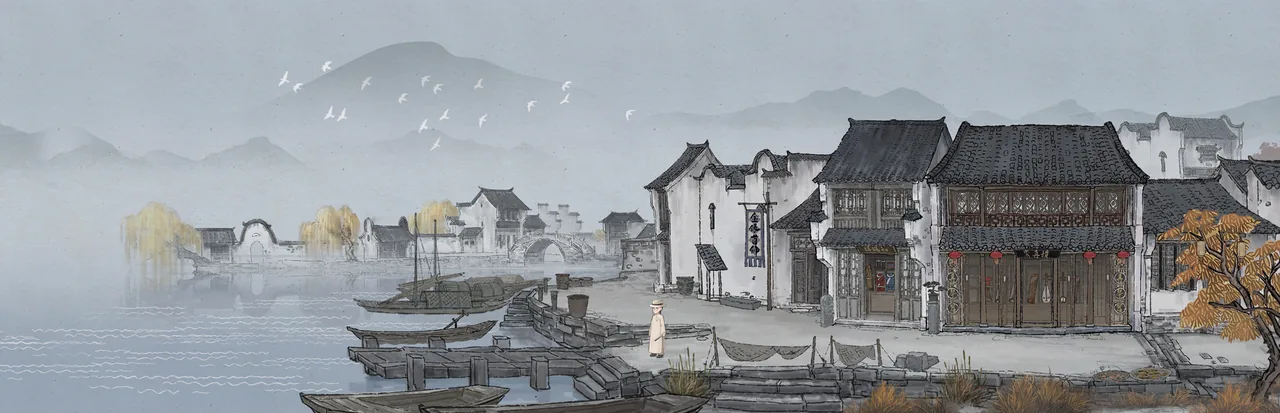
Travel through late-Qing China, inspect crime scenes, and use evidence to challenge testimony in this detective adventure.
It suits players drawn to connected cases and historical context more than those seeking large investigation areas and prolonged, difficult deductions.
What makes it fun
Match evidence to a claim
Spotting a contradiction is only part of the confrontation: you must choose which claim to challenge and which evidence to present. Clues gathered at the scene can unravel a character’s account.
Solved cases connect to his brother’s death
As Shen travels from case to case, people and clues that seemed unrelated become tied to his search for the truth behind his brother’s death. Earlier cases gain new meaning as those connections emerge.
Tasks change with the case
Alongside scene investigation and challenges to testimony, chapters introduce tasks such as reconstructing an event or solving a puzzle with chemicals. The way you work through a case changes with its circumstances.
Game details
As of Oct 29, 2026- Steam Deck
- Playable
- Release date
- Jan 31, 2024
- Developer
- OMEGAMES STUDIO
- Languages
- English, Simplified Chinese (Full audio) / 3 languages total
A typical run
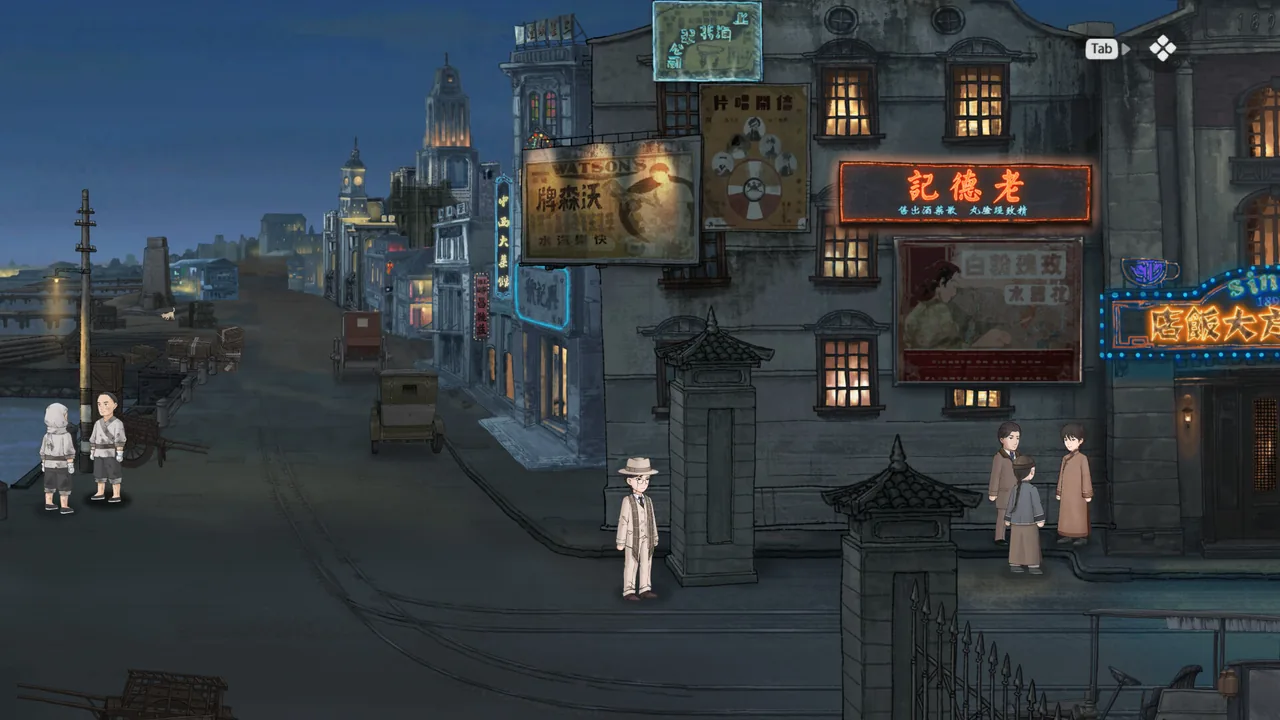
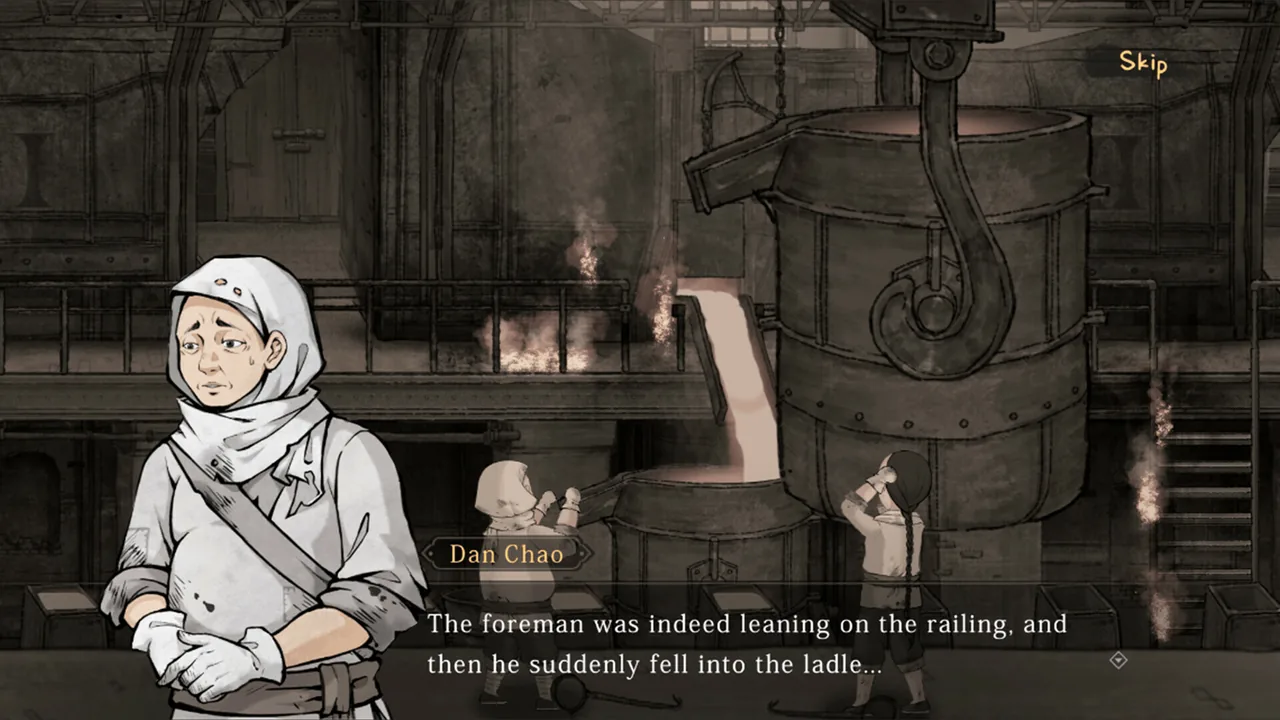
When a case begins, you move through side-view locations and inspect the scene.
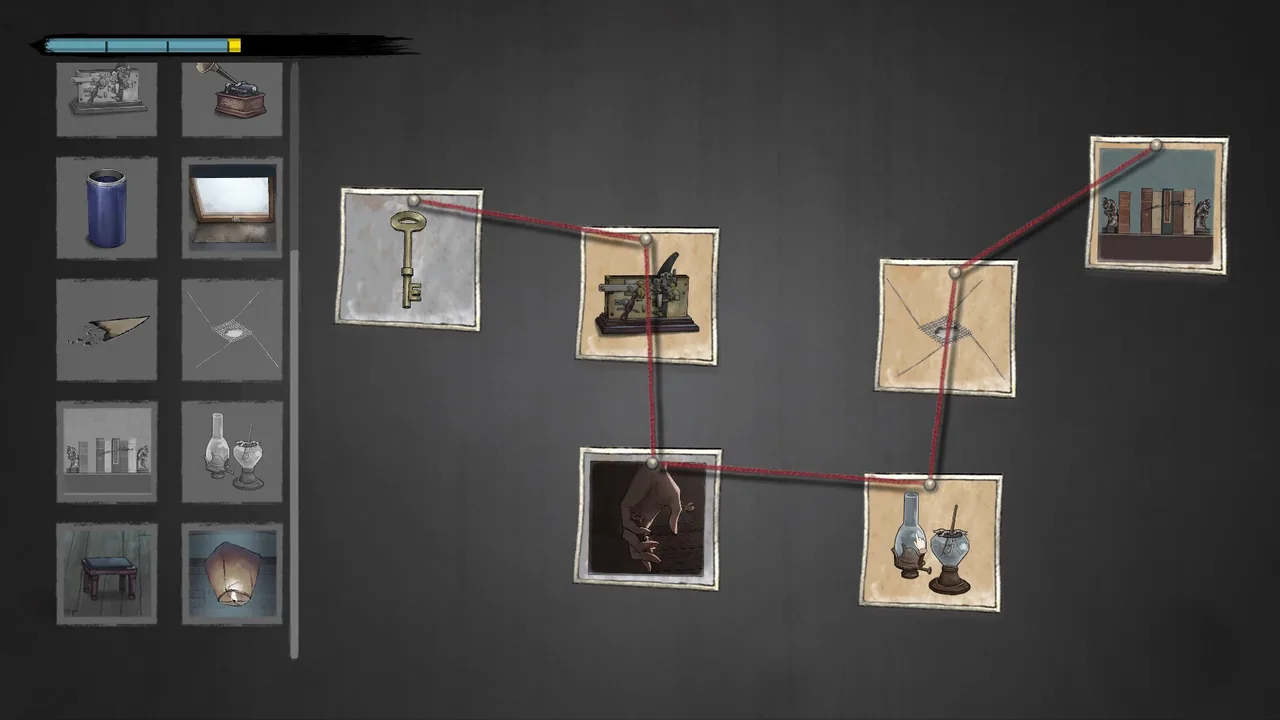
You collect objects and records, question people connected to the case, and sort out what you know.
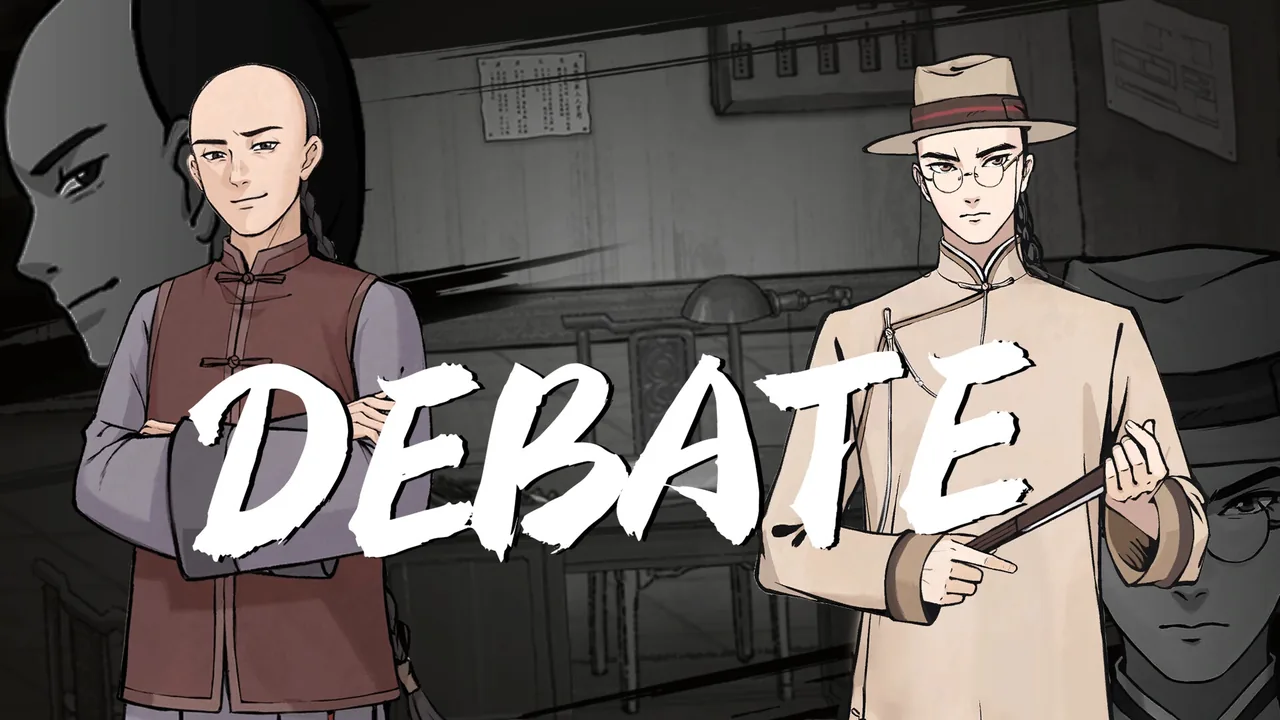
In confrontations, you find the weak statement and present evidence against it.
Chapter-specific puzzles and brief action sequences lead you toward the culprit and method.
After a case ends, its people and clues return to the investigation into Shen's brother's death.
Core systems
Investigating crime scenes
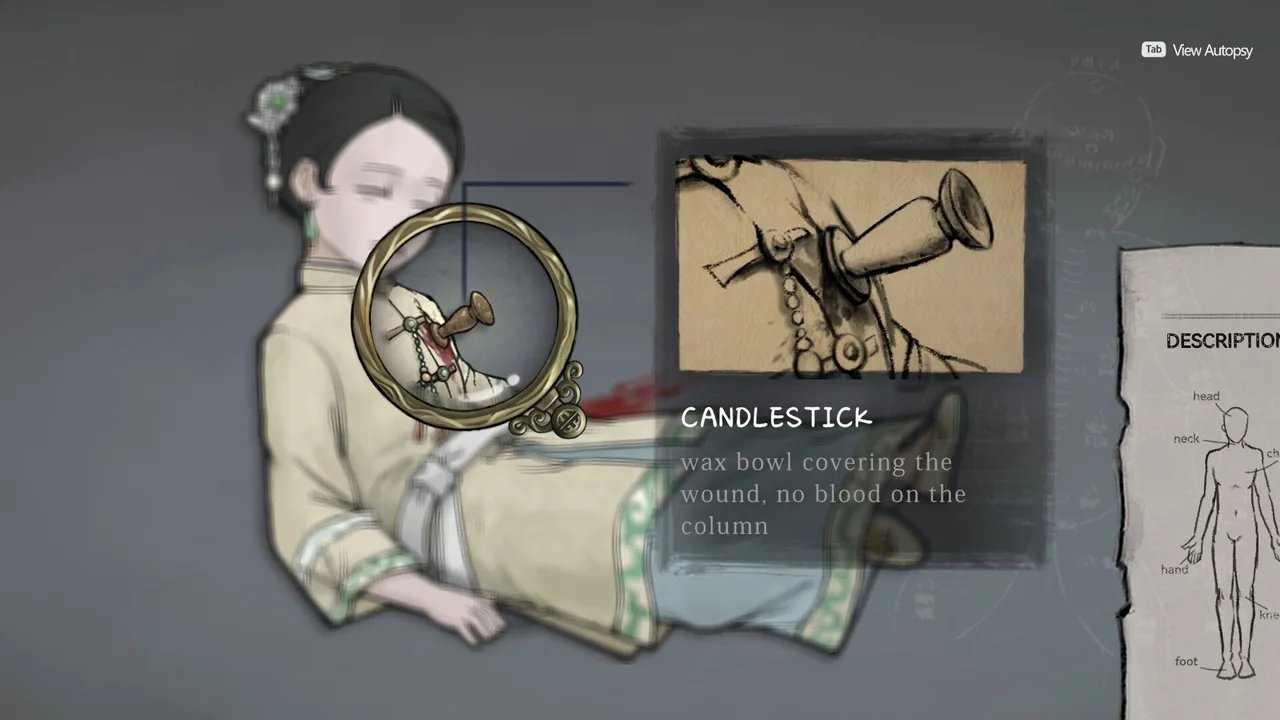
You walk through each scene and inspect points of interest. The game guides the search area instead of asking you to roam widely.
Choose what to inspect first, then compare people's accounts with the physical scene. Clues tend to be close at hand, leaving more attention for what they mean.
Searching for evidence
Objects and records found at a scene support later deductions. In confrontations, they become tools for challenging testimony.
Once you find an item, work out whose statement it disproves and where to present it. When several items seem plausible, you have to read the connection the current prompt expects.
Questioning people connected to the case
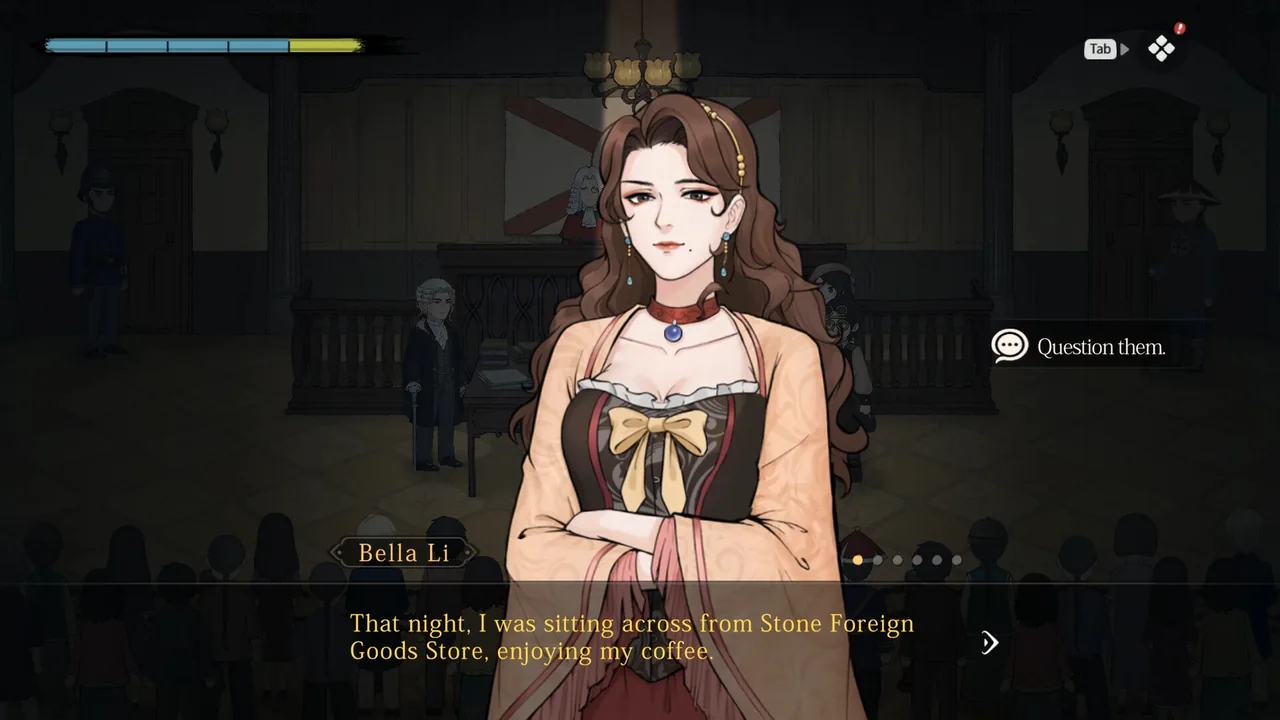
Accounts from people involved establish what happened around the crime and how they know one another. You check those accounts against the scene.
Look for omissions or mistakes in what they say. Interviews follow the disputes raised by the story rather than an open list of topics.
Finding contradictions in testimony
Select the statement that does not fit, then present evidence to challenge it. Confrontations center on reading dialogue and choosing an exhibit.
Even when you see the contradiction, choosing the wrong line or exhibit stops progress. If you have reasoned ahead, return to what the current prompt actually asks.
Puzzles and brief action sequences
Chapters introduce tasks involving chemicals, reconstruction, pursuit, or stealth. The format changes with the case.
Hints are available when a deduction stalls. Brief action sequences can be skipped when needed, so finishing them unaided is not required to follow the story.
What sets it apart
Each local case reaches a resolution. The search for Shen's brother continues through them, and earlier evidence and characters matter again near the end.
Historical and scientific explanations sit in optional reference sections. You can check the context without pausing for a long exchange of dialogue.
Short activities tied to each chapter appear between scene investigation and testimony confrontations, varying the case routine.
Learning curve and difficulty
The opening cases make the controls easy to learn. Later sections ask you to make more involved connections between evidence.
Progress depends less on guessing the culprit early than on matching the precise exhibit to the statement under question.
Hints first point you toward a line of thought. If you remain stuck, you can reveal the answer.
The deductions are generally approachable. Later evidence prompts can still be vague, leaving a reasonable theory hard to match to the available choices.
Builds and playstyles
Low-Hint Deduction
Connect testimony and evidence yourself, and hold off on revealing answers when stuck. This suits players who want to revisit earlier clues as the closing case takes shape.
Story-First Route
Use a hint when the required exhibit is unclear, and skip pursuit or stealth when needed. That keeps the investigation into Shen's brother moving.
Postgame Cleanup
Follow the story on the initial run, then use Chapter Select to revisit earlier chapters for missed achievements. Replaying a chapter does not guarantee every achievement can be recovered.
What longtime players say
Long-session reviewers remember how the local cases return to the brother's death. They point to the closing stretch, where earlier clues come together.
Players with extended time in the game also mention its historical and scientific reference entries. Late-Qing scenery and relationships among the cast stayed with them.
Achievement hunters can use Chapter Select, but tracking down missed items takes work. The bonus chapter's Simplified Chinese text adds another obstacle.
Experienced mystery players differ on the gentle difficulty. It lets the story keep moving for those who prefer that pace, while players seeking longer investigations and denser puzzles want more to work through.
What players like
Late-Qing history and scientific notes give the cases and journey context. References to opium and the Hanyang Iron Works help make the places visited feel tied to their period.
Reviewers remember the ink-wash scenery, travel sequences, and music. They also notice how Chinese and English voice work marks differences between places and characters.
Relationships among the cast and Shen's continued search for the truth about his brother carry across the cases. Reviewers remained invested in the characters after individual mysteries ended.
Near the end, cases that seemed separate return to the investigation into the brother's death. Earlier clues become worth recalling as the central mystery resolves.
Chapter-specific puzzles interrupt the move from scene investigation to testimony confrontations. Reviewers enjoy having a task to perform between longer stretches of dialogue.
Hints help when the right evidence is unclear, and skips get players past brief action sequences. That makes it easier to keep following the story.
Common complaints
Players familiar with courtroom mysteries recognize earlier games in the testimony mechanics and case presentation. Those hoping for unfamiliar tricks or a different structure may notice the resemblance.
Investigation points are guided, and the deductions tend to be approachable. Players who like gathering a wide set of clues and revising their own theories may find the casework brief.
English-language reviews flag awkward grammar and phrasing. They also report spoken lines that differ from subtitles and rougher writing later in the story.
Stealth and running tasks drew complaints about unclear controls. Their use within a single chapter can make them feel finished just as the player learns them.
In later evidence prompts, players can understand the contradiction yet struggle to infer which exhibit to use or when. Reviewers describe working through the options by trial and error.
Who it’s for
It suits players who enjoy deciding which exhibit answers a particular statement while tracking how each local case connects to the brother's death.
It also suits readers of the optional historical and scientific notes. Hints can keep the story moving when an evidence prompt stalls them.
Who might not enjoy it
Players who want to search large scenes independently and test difficult theories repeatedly may find the guided investigation and gentle deduction too light.
Those bothered by similarities to courtroom mysteries, or who rely on precise English wording to read clues, should consider the related feedback.
FAQ
- Does the Steam version include Japanese or Korean?
- Neither appears in the official store's supported languages. It lists English, Simplified Chinese, and Traditional Chinese.
- Is there cooperative play?
- The official store lists single-player and does not list cooperative play.
- Can the difficulty be adjusted?
- The official store does not advertise selectable difficulty. Reviewers report deduction hints and skippable brief action sequences.
- Is there additional content?
- The free crossover chapter Messages from the Shadow is included through a game update. An official announcement says it supports only Simplified Chinese and includes clues outside the game. The developer strongly recommends finishing the main story first.
- Can missed content be revisited?
- An official update says Chapter Select in the main menu lets players replay earlier chapters. It does not guarantee that every missed achievement can be recovered.
These impressions are based on 100 Steam reviews sorted by “Most Helpful.” They do not represent the views of all buyers.

Image: Murders on the Yangtze River on Steam