Predy Media › Puzzle › 7 picks
Feature7 Puzzle Games on Steam (October 2026) | Indie games with 90%+ Positive Reviews





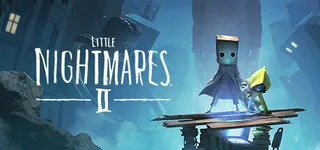

Image source: Steam Store (Chants of Sennaar, Firework, The Room, Return of the Obra Dinn, Human Fall Flat, Little Nightmares II, LIMBO)
Compare Steam puzzles through language hypotheses, identity deduction, box mechanisms and physical movement. Separate tools such as the notebook and eyepiece from player experiences in reviews, then choose by the kind of reasoning, control demands and storytelling that appeals to you. Chants of Sennaar tests language hypotheses through its notebook, while Return of the Obra Dinn uses a book to narrow down identities: each asks you to organize a different kind of information. The Room focuses on box components, and Human Fall Flat on moving objects and bodies. Alongside them, Firework ties small puzzles to its story, Little Nightmares II involves a companion and light, and LIMBO builds learning around failure; compare what you infer with how you act on or check it.
See the 7 games ▾
Chosen from indie games on Steam with 90%+ positive reviews and 500+ reviews (as of Oct 29, 2026). They are listed by share of positive reviews, not ranked.

Chants of Sennaar
Infer grammar and culture as well as glyph meanings, then put learned languages to work reconnecting people in this puzzle adventure.

Who it’s for
This suits players who want to propose rules for glyph shapes, test them against conversations and scenes, and develop their own readings in the notebook.
It also suits those who want to put a growing vocabulary into practice through translation and follow its effect on people’s relationships.
What kind of game?
Rather than merely substituting unfamiliar symbols for a familiar sentence, it asks you to decipher languages whose grammar differs between peoples.
You write provisional glyph meanings in the Journal, then match glyphs with pictures to check your deductions.
Vocabulary and writing reflect each people’s concerns and way of life, making their actions and conversations clues to what words mean.
You can open the notebook during dialogue and compare the glyphs in a line with your provisional readings.
White dots revealed by the Hint button mark things still to observe or interact with, helping you check an apparently explored place before reconsidering its words.
You use language to explore the tower, solve its puzzles and restore connections between peoples, while forbidden areas also call for stealth past guards.
For players who dig deeper
Reviewers describe predicting a glyph’s meaning or part of speech from recurring shapes, extending patterns to unfamiliar words rather than memorising each known word in isolation.
Accounts of translating between peoples emphasise rearranging word order or matching meanings for the other language, not simply knowing its vocabulary.
The developer says missing Journal pages mean an observation is missing. Working out a meaning is not the same as inspecting everything required.
The developer recommends regular checks, but also acknowledges completed runs that skipped optional validation. You can set yourself the challenge of keeping your own interpretations with less confirmation.
What reviewers say
What reviewers liked
- Reviews praise the story of peoples learning to understand one another and rebuilding their ties through language.
- Players enjoy working out unfamiliar glyphs from conversations, their surroundings or recurring shapes in the writing.
- Reviews praise the tower’s art, including its colours, architecture and uncluttered visuals.
- Reviews enjoy using the languages they have learned to translate between peoples and help them communicate.
- Reviews praise being able to write and try out their own provisional translations in the notebook.
- Players like how words and writing reveal what each people cares about, turning language into a way to understand its culture.
- Reviews praise the music and sound effects that accompany scenes throughout the tower.
- Reviews praise how language rules build gradually and give players new things to work out as they progress.
Concerns
- Reviews describe slow movement, getting lost and travelling back and forth through the tower as a chore.
- Stealth and chases draw complaints either for the sections themselves or for interrupting language work with tension or demanding controls.
- The later language or areas disappoint reviewers who find less to discover for themselves, or feel the challenges and content needed more development.
- Control complaints include a poor fit with input devices, awkward note entry, click movement or difficulty following the intended stealth route.
- Players feel the notebook’s picture clues or confirmed translations can crowd out their own attempts to understand the language.
Key facts
- Positive review rate
- 98% Overwhelmingly Positive31,458 reviews · all languages
- Price (US)
- US$19.99
- Languages
- Japanese Interface and subtitlesEnglish Interface and subtitlesSimplified Chinese Interface and subtitlesKorean Interface and subtitles14 languages in total
- Steam Deck
- Verified
- Release date
- Sep 6, 2023
- Developer
- Rundisc
- Playtime (when reviewed)
- 11.2 hrsMedian when the reviews were posted (100 reviews)
Screenshots


Read the full game guide →View on Steam ↗Source: Chants of Sennaar on the Steam Store

Firework
Follow small object-based puzzles and shifting scenes to uncover the people behind a mountain village’s uncanny events in this horror adventure.

Who it’s for
This suits players who want to find meaning in brief object puzzles and scene changes, following the story while revising their view of the people involved.
It also suits players who want to understand the family and community circumstances behind folk-horror imagery through dialogue, pictures and sound.
What kind of game?
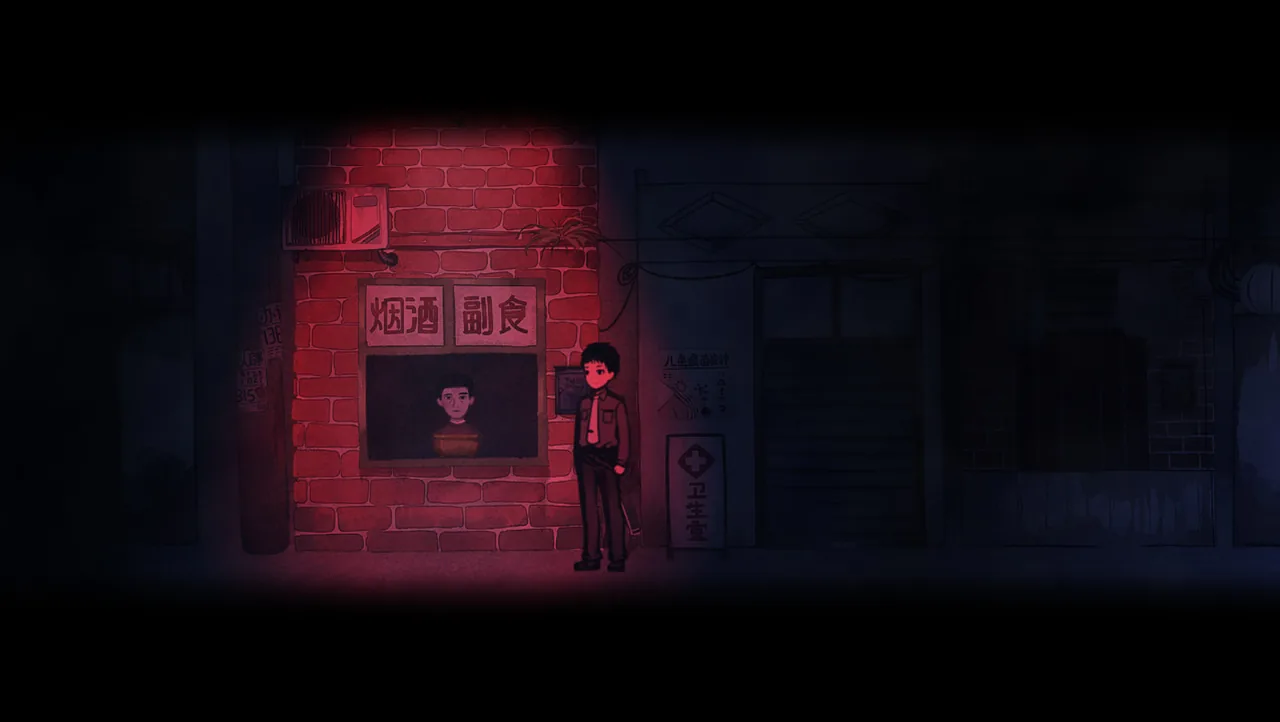
A fire at a funeral draws rookie police officer Lin Lixun into reinvestigating a family tragedy in a mountain village in this horror puzzle game.
You read conversations and descriptions of objects at the scene, choosing the actions presented on screen as the investigation proceeds.
Unlike a sequence of self-contained logic problems, its emphasis is on combining puzzles with the story to uncover the victims’ pasts.
New information unsettles what seemed to be the truth, so progress involves reconsidering events through people’s circumstances rather than looking only at their uncanny surface.
This is a single-player investigation presented in watercolor-style scenes, with dialogue and small puzzles leading deeper into the case.
For players who dig deeper
Reviews praise camera-driven scene changes or interactions with a toy camera, suggesting a way of playing that treats changes in the image as part of the investigation.
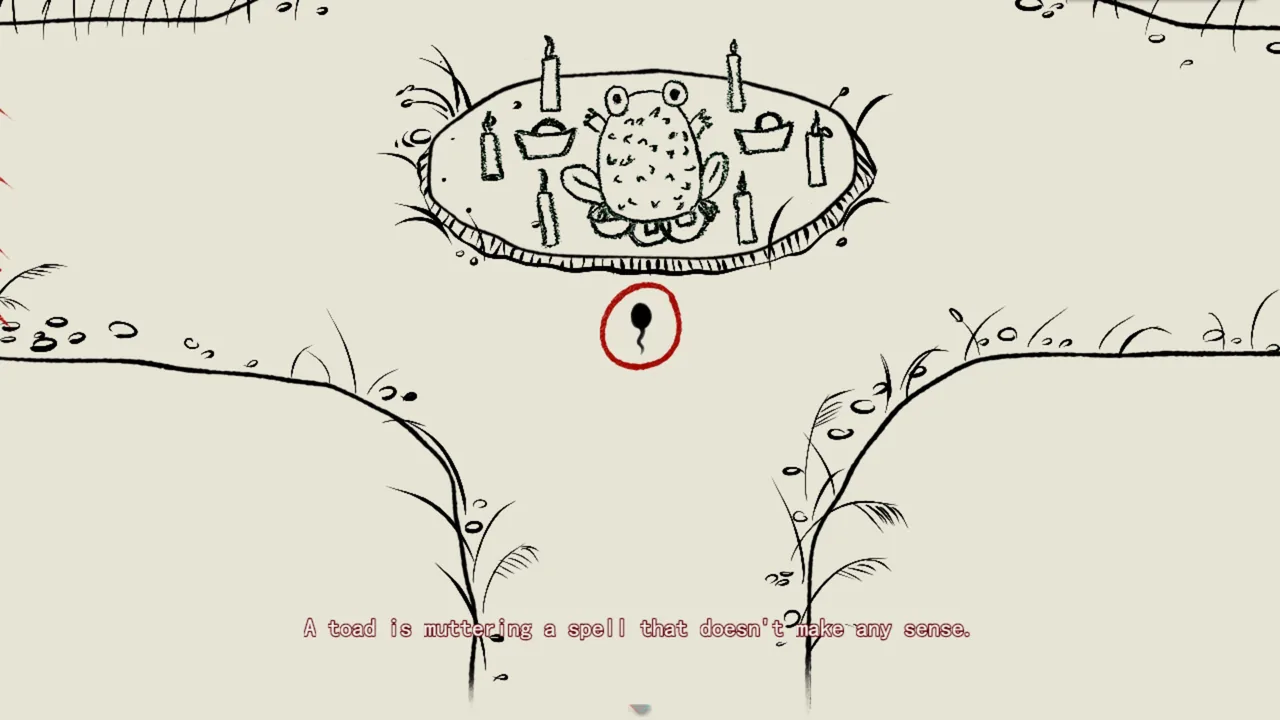
Reviews of the folded-paper and tadpole sequences remember their inventiveness, charm or emotional expression, inviting attention to what a brief interaction is there to show.
Reviews praise the way fragments come together, while other accounts find clues and motivations insufficiently explained.
Reviews also value clear guidance or being able to revisit information in objects, making this worth considering if interpreting the information matters more to you than memorizing it.
What reviewers say
What reviewers liked
- Reviews dwell on the tragedy of people constrained by superstition, family pressures and life in an isolated mountain village.
- Sound that sustains uneasy scenes, or music tied to memorable moments such as the closing stretch, earns praise.
- Players like piecing together the truth from fragments, or having later developments shake their earlier theories.
- Camera-based scenes, or the small folded-paper and tadpole sequences, stand out in reviews for their inventive touches.
- The way scenes are composed, or the art’s ability to convey unease and emotion, appeals to reviewers.
- Lower puzzle difficulty or clear guidance lets players follow the story without getting stuck for long, according to reviews.
Concerns
- Reviews find the puzzles unsatisfying if they expect a substantial challenge.
- Reviews find the ending rushed.
- Reviews point to the short playtime as a drawback.
- Reviews question whether the characters’ actions and motives are convincing.
- Reviews describe being startled by faces appearing suddenly or unnerved by the paper figure.
Key facts
- Positive review rate
- 97% Overwhelmingly Positive41,302 reviews · all languages
- Price (US)
- US$9.99On sale on Oct 29, 2026: US$4.99 (50% off)
- Languages
- Japanese Not supportedEnglish Interface and subtitlesSimplified Chinese Interface and subtitlesKorean Not supported2 languages in total
- Steam Deck
- Unsupported
- Release date
- Feb 4, 2021
- Developer
- Shiying Studio
- Playtime (when reviewed)
- 3.8 hrsMedian when the reviews were posted (100 reviews)
Screenshots
Read the full game guide →View on Steam ↗Source: Firework on the Steam Store
The Room
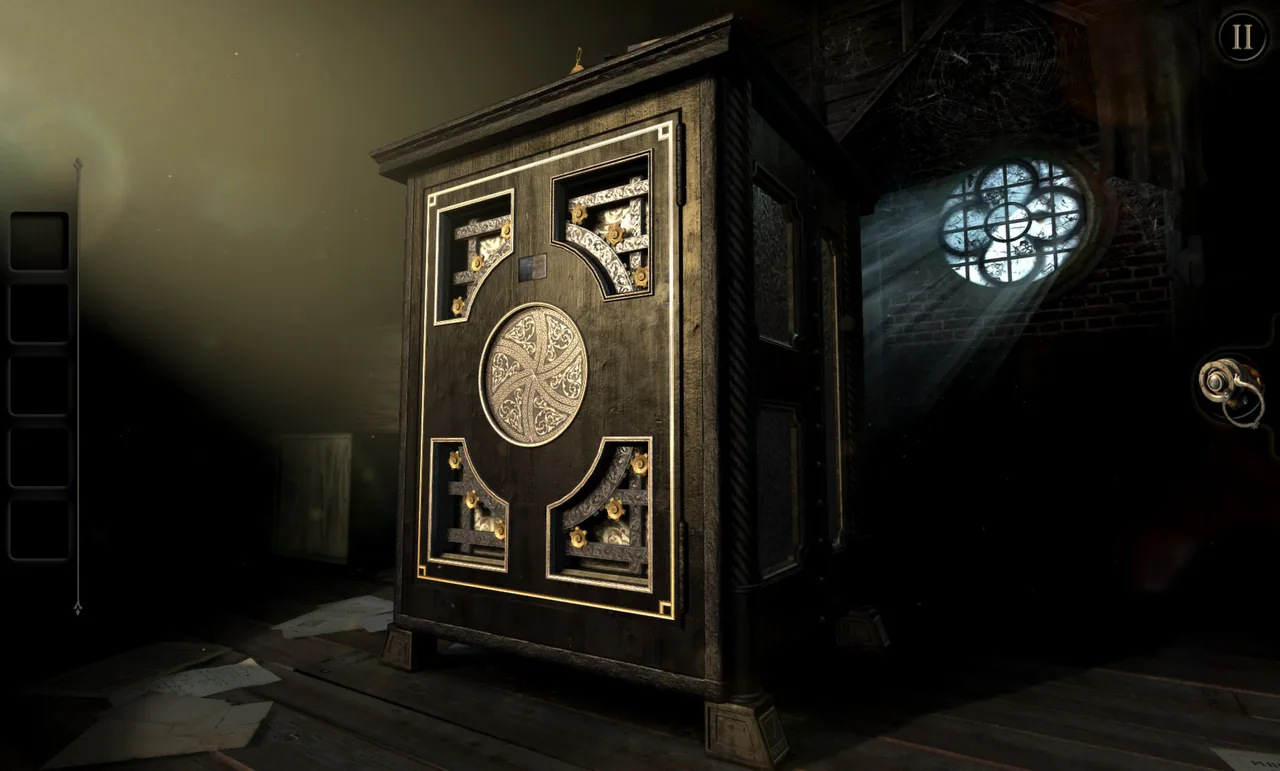
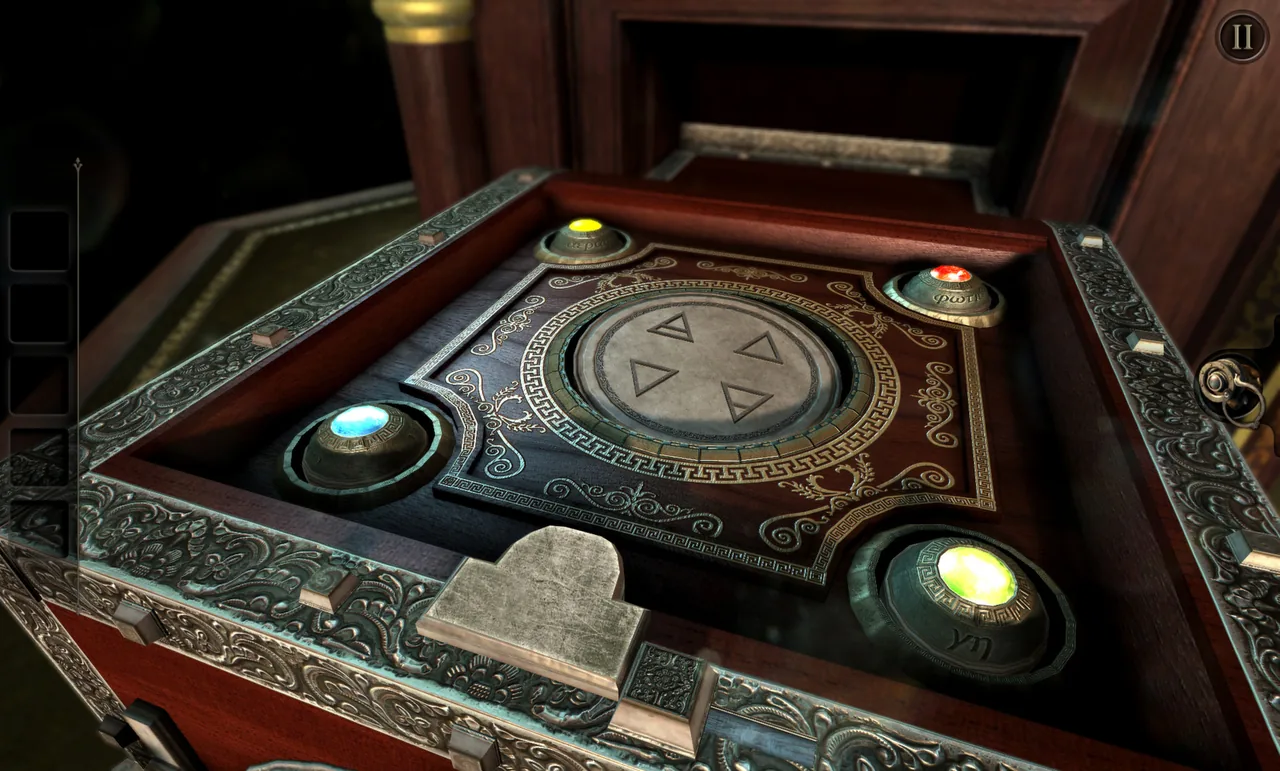
Each opening reveals another mechanism, asking you to connect visible parts with clues uncovered through an eyepiece.

Who it’s for
This suits players who want to inspect the parts revealed as boxes open and work out how objects and markings connect to mechanisms.
It also suits those who want to imagine the uncanny story in the letters while concentrating on responsive locks, sliding panels and successive discoveries.
What kind of game?
This single-player puzzle game advances through mechanisms built into elaborate boxes that unfold and transform as you solve them.
An eyepiece reveals hidden markings and writing that help you decipher codes and unlock mechanisms.
You can keep working out the relationships between visible components or switch to the Eyepiece to search for hidden information in the same box.
Rather than walking through a large environment to find separate challenges, you treat the intricate box itself as the space to investigate.
Cryptic letters lead into a world where machinery meets alchemy, and the PC release includes the additional EPILOGUE chapter.
For players who dig deeper
Players enjoy opening hidden parts to discover new connections. Reviews describe watching what changes in the mechanism, not just what they find.
Reviews praise using the Eyepiece to uncover hidden clues, making it worth considering whether checking the same box through another view would appeal to you.
Reviews describe both leaving optional hints unopened and using their gradual assistance, allowing a choice about how much time to preserve for independent discovery.
Reviews report getting stuck despite having the right idea because a click had to land on a precise spot. That control friction matters when judging the puzzle challenge.
What reviewers say
What reviewers liked
- Reviewers like the eerie sense that the box's mechanisms conceal a larger mystery.
- Opening part of a box to reveal hidden compartments or more mechanisms gives players an enjoyable chain of discoveries.
- Mechanical sounds or restrained music earn praise for the quiet, uneasy mood they give the box-solving.
- Players admire the detailed boxes and mechanisms, their materials or the way they transform as they open.
- Hints get credit for pointing players towards something worth inspecting, or helping them keep solving for themselves.
- Fragments of uncanny backstory in letters, or understated storytelling that sparks curiosity about the boxes, appeal to reviewers.
- Reviewers praise puzzles that yield when they inspect the box closely and spot a clue they missed.
- Dials, keys and panels feel weighty or tactile to players, giving them the pleasure of handling the mechanisms directly.
Concerns
- Reviews lament how quickly the box puzzles run out.
- Reviewers report that precise click targets can keep a mechanism from responding even when they have the right idea.
- Without a language they can read, players struggle with letters or hints, or have to turn to translation.
- Reviewers say the backstory is hard to piece together.
- Reviewers complain that searching and matching leave little room for reasoning.
Key facts
- Positive review rate
- 97% Overwhelmingly Positive30,539 reviews · all languages
- Price (US)
- US$4.99
- Languages
- Japanese Not supportedEnglish Interface and subtitlesSimplified Chinese Not supportedKorean Not supported6 languages in total
- Steam Deck
- Verified
- Release date
- Jul 28, 2014
- Developer
- Fireproof Games
- Playtime (when reviewed)
- 3.5 hrsMedian when the reviews were posted (100 reviews)
Screenshots
Read the full game guide →View on Steam ↗Source: The Room on the Steam Store

Return of the Obra Dinn
Cross-reference death scenes revealed by Memento Mortem with the ship's manifest to narrow down identities and fates.

Who it’s for
It suits players who want to compare what they see and hear through Memento Mortem with the manifest, narrowing down identities across scenes.
It also fits those who want to keep hypotheses open while awaiting confirmation, devising their own notes or order of observation.
What kind of game?
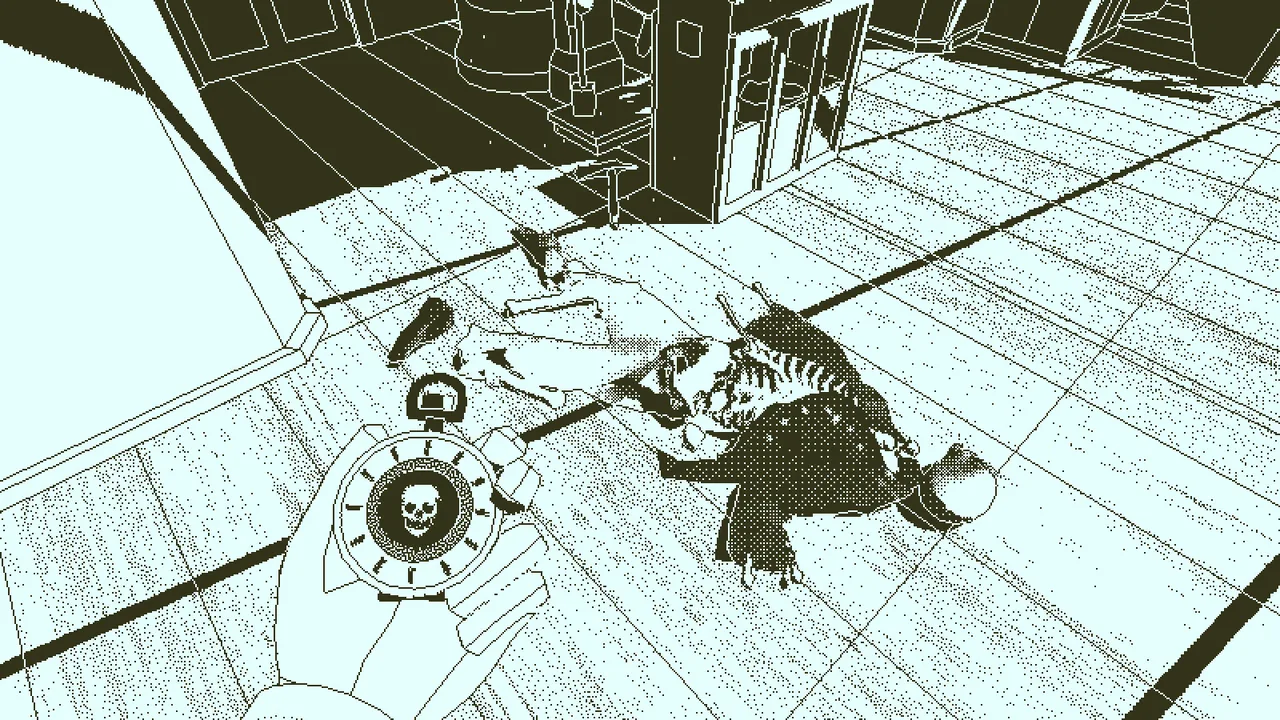
Rather than questioning living suspects, Return of the Obra Dinn has you investigate in first person as an insurance inspector, using the Memento Mortem watch to revisit moments of death.
After a brief conversation, you inspect a frozen scene and compare what you heard with people’s appearance and positions.
The book organises the ship's manifest and chronology, letting you combine names, occupations and origins with clues in the scenes to narrow down identities.
Entering identities and fates requires deciding not just what a scene shows, but whose fate it explains and how.
Fates are confirmed in groups, so confidence in an individual hypothesis must be distinguished from an entry the book has validated.
Choosing between an unseen death scene and one you have already investigated lets you alternate between gathering more information and testing an existing hypothesis.
For players who dig deeper
Reviews describe investigation that goes beyond connecting small details to reconsidering identities or causes of death the player had felt sure about.
Reviews describe both organising information as memories unfold and opening scenes before assembling an account, making the order of investigation a meaningful choice.
Grouped confirmation earns praise for letting players test a shortlist, but also criticism for making a wrong premise hard to find. What to recheck while waiting for confirmation becomes a key choice.
What reviewers say
What reviewers liked
- Connecting clues across scenes and records to work out identities and fates is what reviewers enjoy about the deduction.
- Reviewers like how the ship's story comes together as they investigate its death scenes.
- Having identities and fates confirmed in the book gives players a satisfying sense of progress.
- Reviewers praise the voice performances for making scenes aboard the ship memorable.
- Players find the simplified art or frozen scenes helpful for recognising faces and spotting details.
- Making notes or keeping reference images outside the game to organise people and clues is part of the appeal for reviewers.
Concerns
- Moving between scenes and waiting for presentation sequences makes revisiting clues feel slow to players.
- Players say the monochrome visuals can make details needed for deduction hard to see.
- Players describe trouble finding clues for the remaining identities, or using guesses or guides to finish them.
- The story uncovered during the investigation does not always give players the depth of revelation or resolution they expected.
- Players report eye strain when studying details in the monochrome visuals.
Key facts
- Positive review rate
- 96% Overwhelmingly Positive32,769 reviews · all languages
- Price (US)
- US$19.99On sale on Oct 29, 2026: US$13.39 (33% off)
- Languages
- Japanese Interface and subtitlesEnglish Full audioSimplified Chinese Interface and subtitlesKorean Interface and subtitles14 languages in total
- Steam Deck
- Verified
- Release date
- Oct 19, 2018
- Developer
- Lucas Pope
- Playtime (when reviewed)
- 10.8 hrsMedian when the reviews were posted (100 reviews)
Screenshots

Read the full game guide →View on Steam ↗Source: Return of the Obra Dinn on the Steam Store
Human Fall Flat
This physics puzzler asks you not just to find a solution, but to move objects with a floppy body and make a way forward with others.

Who it’s for
It suits players who want to test not only a solution, but where to move objects and how to manoeuvre a body to make it work.
It also fits groups that turn mistakes and detours into play, then extend the fun through shortcuts and community-made maps.
What kind of game?
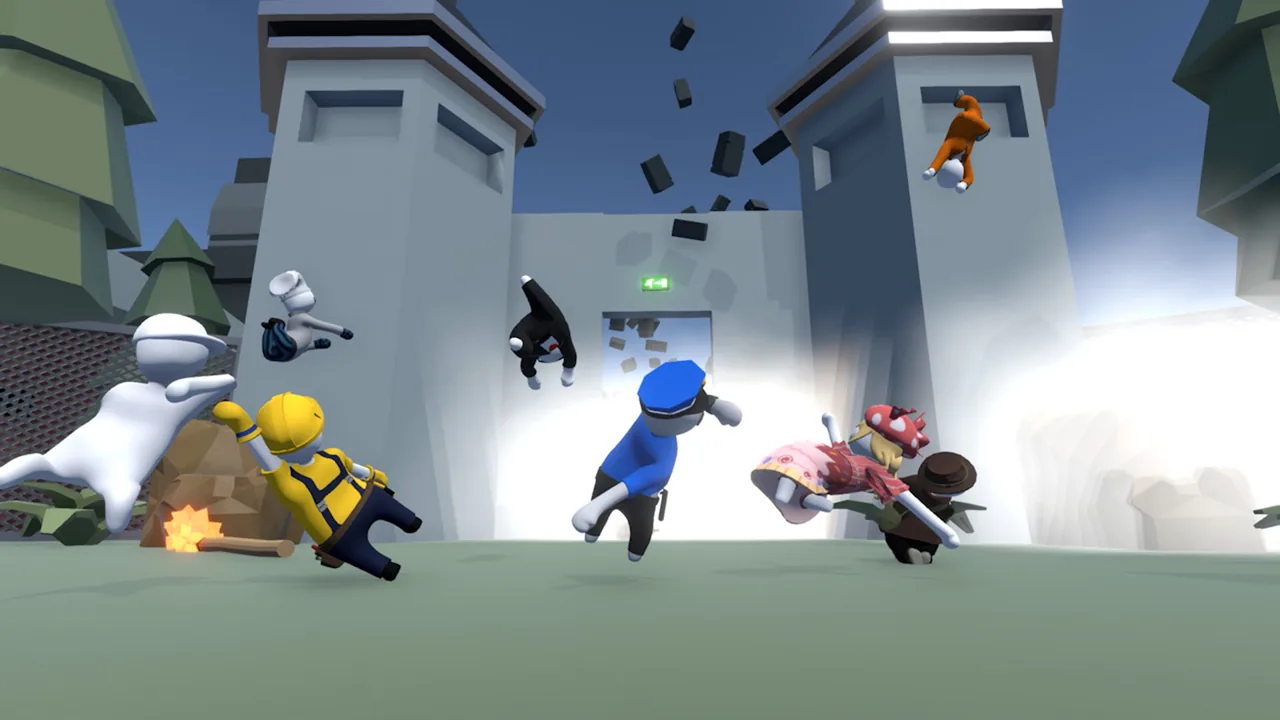
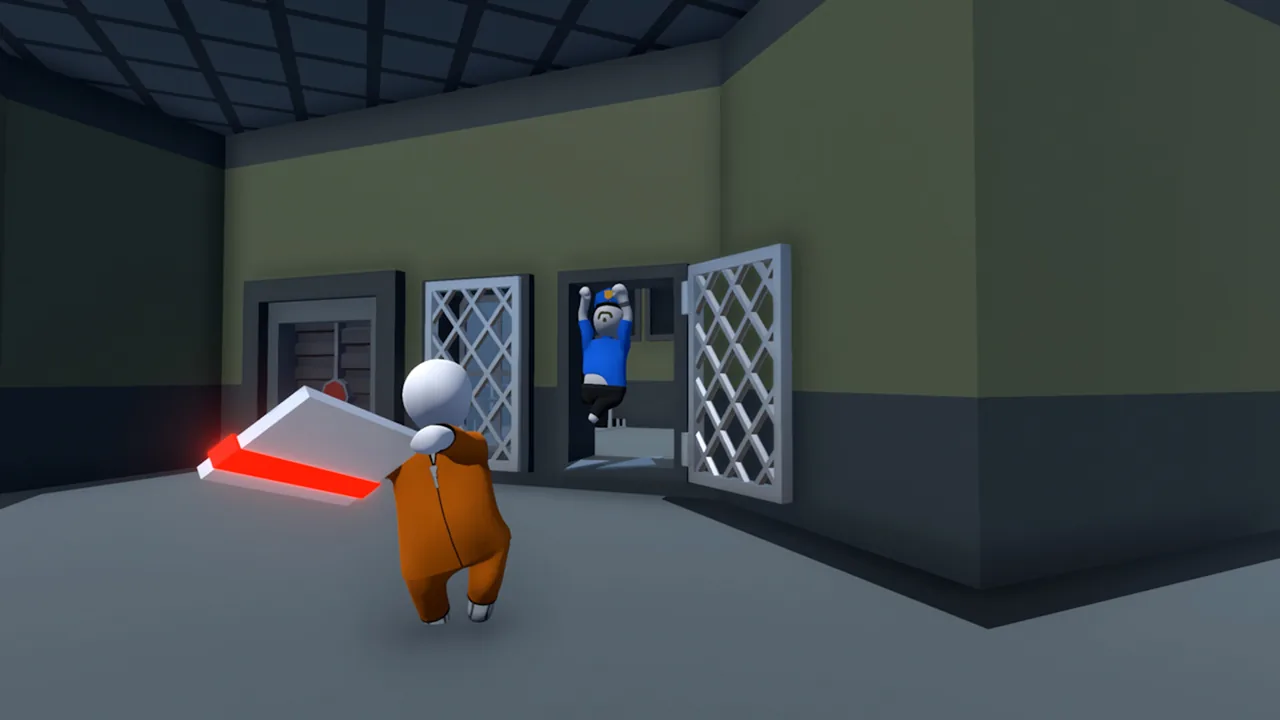
In floating dreamscapes, you push, pull, carry and climb your way through physics puzzles towards the exit.
Tasks such as loading a boulder onto a catapult or breaking a wall ask you to experiment with tools and bodily movement.
With multiple paths through each level, you can spend time trying to make a mechanism work or searching for another route.
Rather than selecting an answer from a list, you must carry an idea through into object movement and character control.
You can play solo or in online or local co-op. The Steam-exclusive Human Fall Flat Workshop lets you share levels made with Unity and download levels made by other players.
For players who dig deeper
Reviews find comedy in the awkward body, but also describe how much work it takes just to climb a wall. Consider solving a puzzle and carrying out its solution as separate challenges.
Reviews describe detours such as grabbing a teammate and sending them over an edge. How much time your group wants to spend on the puzzles or on these distractions will shape co-op play.
One review enjoys speedrunning, while another finds replaying levels for achievements a chore. It is worth weighing a level clear and achievement hunting separately.
Reviews praise Workshop maps but also note uneven quality, making it useful to decide whether you want more of the official levels’ approach or to explore another creator’s ideas.
What reviewers say
What reviewers liked
- Sharing laughs and spending time together is a draw for reviewers.
- Reviewers find the character’s awkward, floppy movements funny in their own right.
- Reviewers like being able to try another route or a different solution.
- Reviewers like finding and playing community-made levels through Steam Workshop.
- New levels give players reasons to come back after release, something reviews welcome.
- Reviewers also see achievement hunting as a goal after clearing the levels.
Concerns
- Apart from working out solutions, players find moving or climbing as intended laborious or frustrating.
- Without someone to join them, players find it harder to keep having fun or feel motivated to continue alone.
- Reviewers describe achievement hunting as a chore.
- Players report motion sickness when moving through the three-dimensional environments.
Key facts
- Positive review rate
- 94% Very Positive175,579 reviews · all languages
- Price (US)
- US$31.48On sale on Oct 29, 2026: US$19.60 (38% off)
- Languages
- Japanese Interface and subtitlesEnglish Full audioSimplified Chinese Interface and subtitlesKorean Interface and subtitles16 languages in total
- Steam Deck
- Verified
- Release date
- Jul 23, 2016
- Developer
- No Brakes Games
- Playtime (when reviewed)
- 8.9 hrsMedian when the reviews were posted (100 reviews)
Screenshots
Read the full game guide →View on Steam ↗Source: Human Fall Flat on the Steam Store
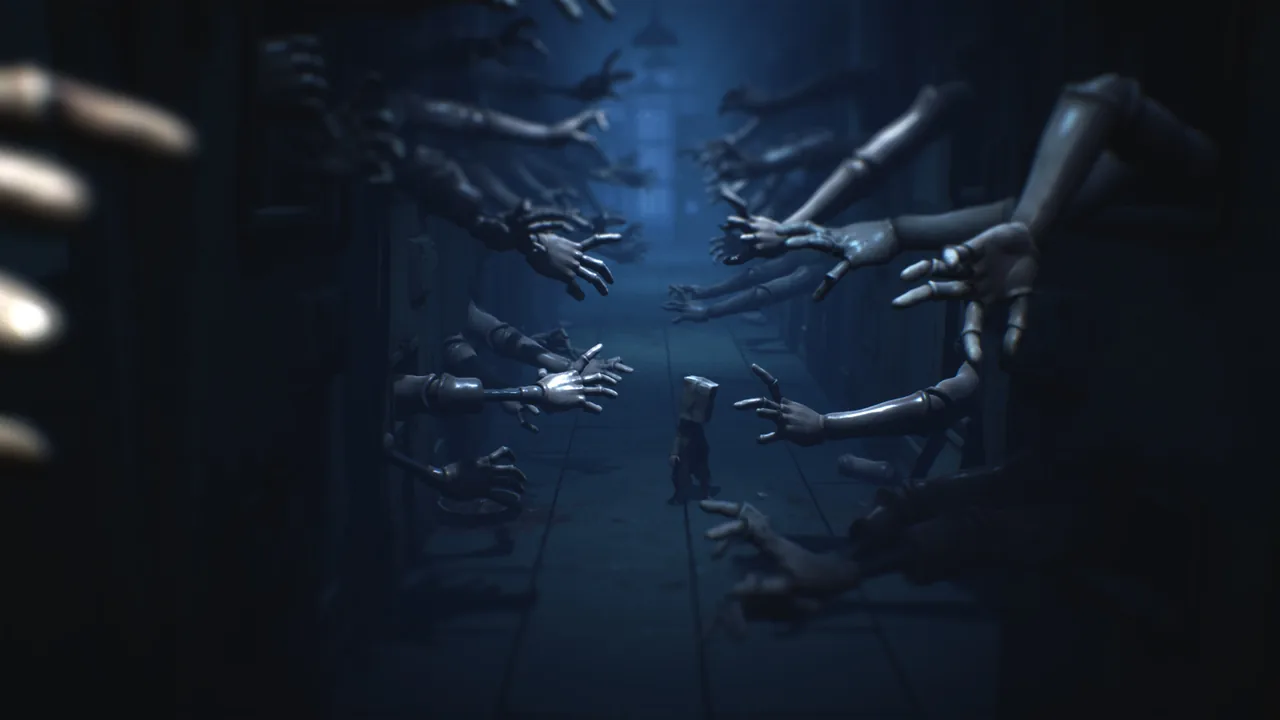
Little Nightmares II
Rely on Six and the tools at hand to link hiding, escaping and puzzle-solving through a nightmare journey.

Who it’s for
It suits players who want to combine working out mechanisms with the tension of watching for danger and deciding when to hide or move.
It also suits players who like reading a wordless story through the warped city and Six’s gestures.
What kind of game?
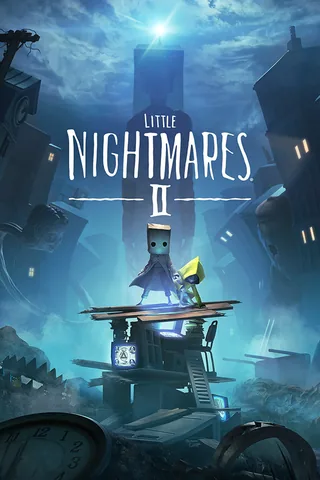
This single-player suspense adventure puts you in control of Mono, travelling with Six towards the Signal Tower through a world distorted by its transmission.
Six is a computer-controlled companion; calling her and watching her cues help you work together to open hidden trapdoors and climb oversized furniture.
You hide from enormous Residents and flee over obstacles when spotted, while certain encounters require you to time a swing with a found object to fight back.
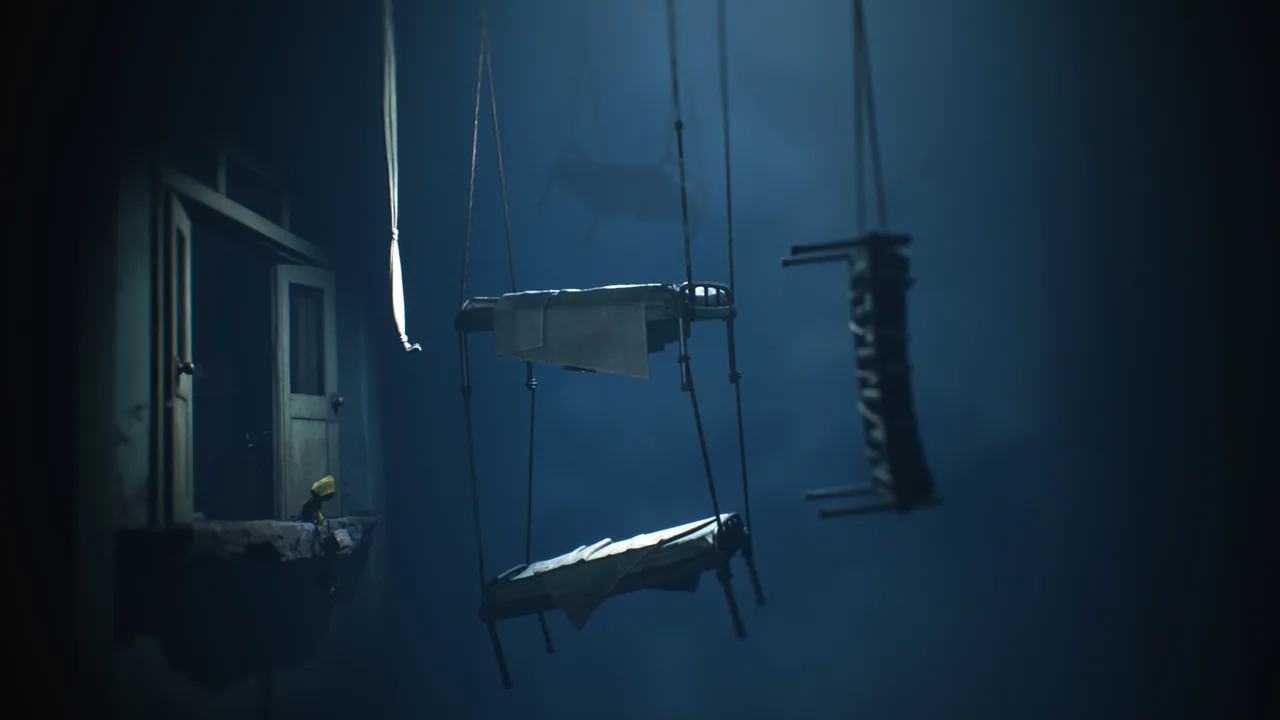
In the Hospital, Residents called Patients can be briefly stunned by the flashlight, asking you to judge what to hold back with its beam and which way to escape.
For players who dig deeper
Reviews praise puzzles they can think through, but also report trouble lining up depth or aiming the flashlight. Consider the mental challenge separately from the controls.
Reviews describe growing attached to Six through her help and hand-holding, making the experience of moving forward alongside a responsive companion another consideration beyond solving a puzzle alone.
Reviews say combat adds variety to hiding and fleeing. They also describe attack timing as unforgiving when weapons swing slowly.
Reviews enjoy imagining the story through settings and character actions, while others want clearer motives and connections; the distinction is whether interpreting its gaps is part of the experience you want.
What reviewers say
What reviewers liked
- Players enjoy the fear, unease or tension that the Residents or scene atmosphere creates.
- Reviews praise the pleasure of observing and solving mechanisms, or a puzzle difficulty that lets them think their way forward.
- Distorted scenery and inhabitants, or light and shadow, earn praise for giving the world its unsettling look.
- Reviews praise how the story emerges through the setting and characters’ actions without dialogue.
- Hunting for achievements and secrets, or finding completion approachable, appeals to reviewers.
- Reviews describe feeling accompanied or growing attached to Six while travelling with her.
- Music and sound earn praise for sustaining unease, fear or tension.
- Fighting back with found weapons adds welcome variety or tension to hiding and escaping, according to reviews.
Concerns
- Players struggle with depth alignment, direction or inputs when moving around or using tools.
- Repeated failures feel burdensome to players, or wear down the fear and pacing.
- Players want clearer character motives or background, or more substance and stronger connections in the story.
- Strict weapon timing, or combat itself, feels more like a burden than fun to reviewers.
- Reviews report required objects failing to appear or disappearing, and Six stopping in place.
Key facts
- Positive review rate
- 92% Very Positive50,658 reviews · all languages
- Price (US)
- US$29.99On sale on Oct 29, 2026: US$9.89 (67% off)
- Languages
- Japanese Interface and subtitlesEnglish Full audioSimplified Chinese Interface and subtitlesKorean Interface and subtitles14 languages in total
- Steam Deck
- Verified
- Release date
- Feb 11, 2021
- Developer
- Tarsier Studios
- Playtime (when reviewed)
- 9 hrsMedian when the reviews were posted (100 reviews)
Screenshots
Read the full game guide →View on Steam ↗Source: Little Nightmares II on the Steam Store
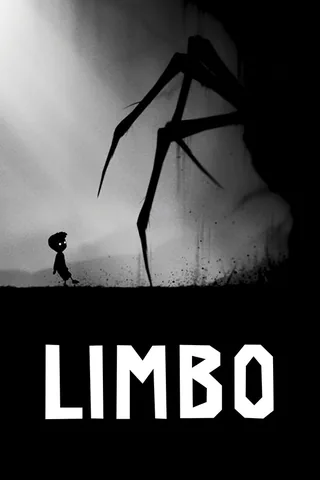
LIMBO
Read the mechanisms in the shadows and turn failure into your next move

Who it’s for
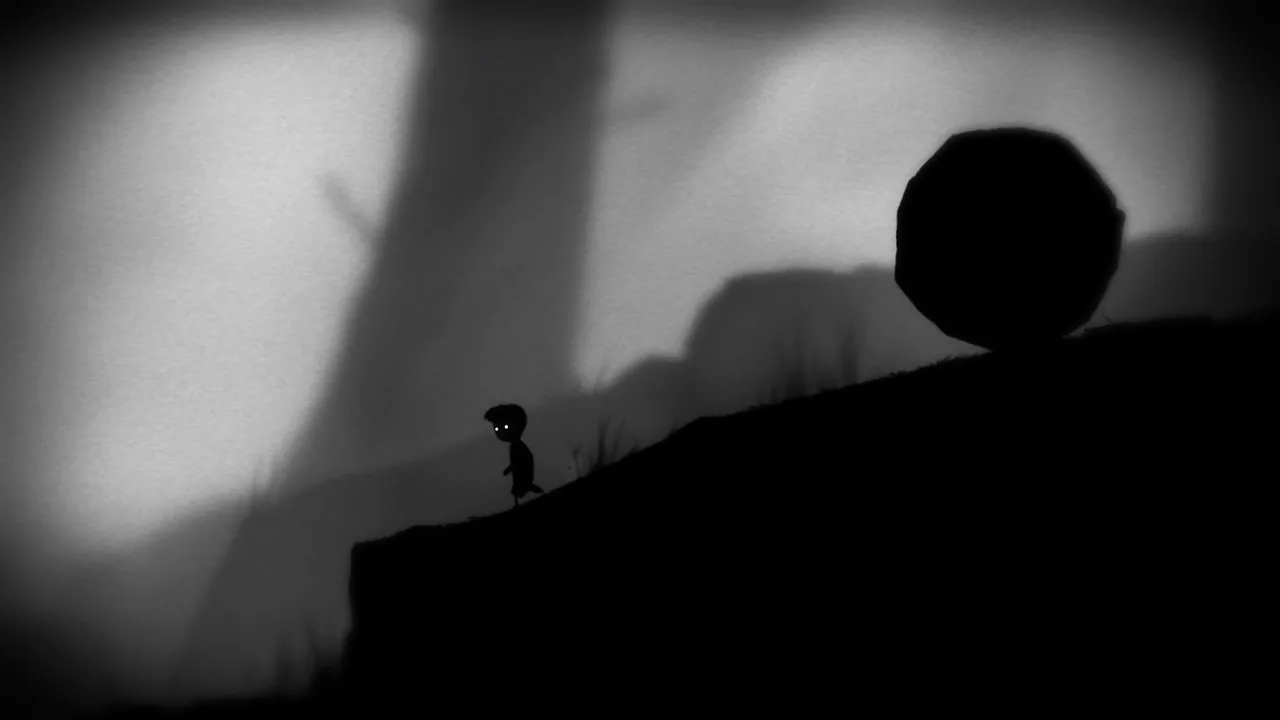
It suits players who enjoy inferring how a mechanism works from changes around them, then testing the idea through movement.
It also suits those who want to take in monochrome art and subtle sounds while forming their own interpretation of what goes unsaid.
What kind of game?
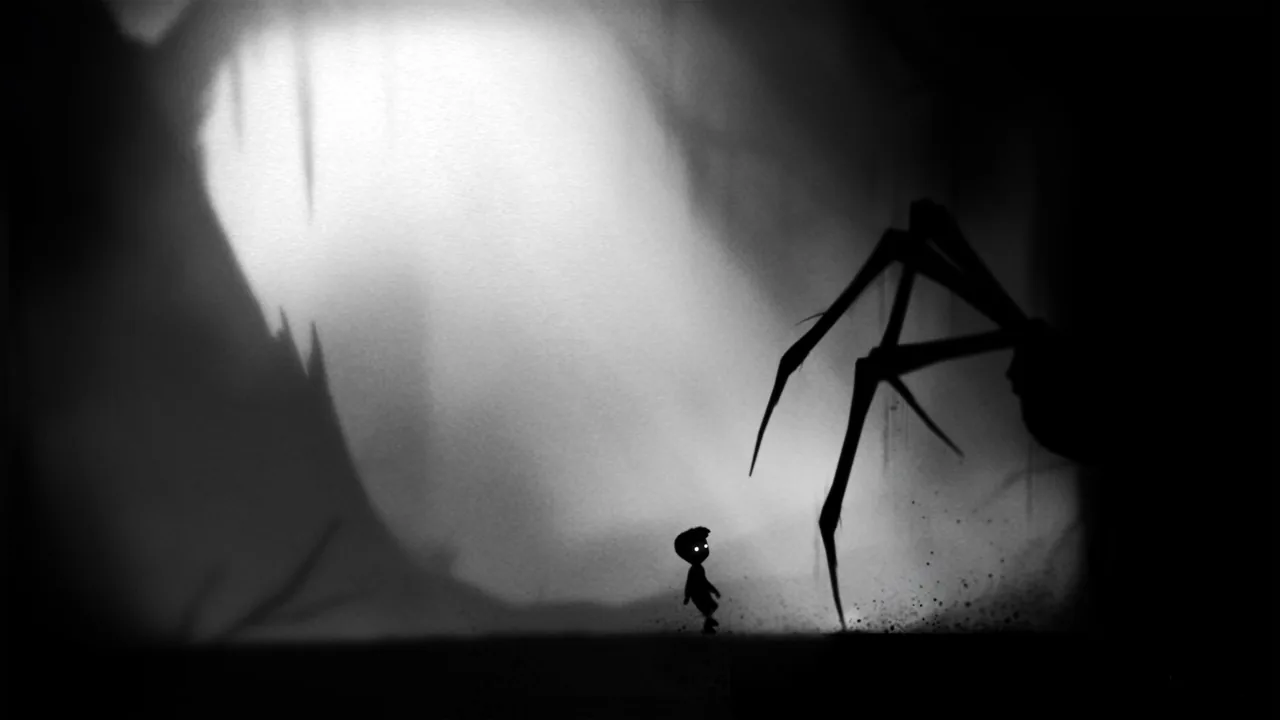
LIMBO is a solo puzzle-platformer in which you guide a boy into a dark world, uncertain of his sister’s fate.
Movement, jumping and an action command are the basic tools for confronting the obstacles and mechanisms ahead.
Failure is part of learning how the mechanisms work: what happens during an attempt informs what to try differently.
The No Point in Dying achievement asks you to finish in one sitting within its death limit. Checking your route matters more than repeatedly testing risky moves.
For players who dig deeper
A dividing line in the reviews is whether working out a mechanism, such as a gravity puzzle, and executing it with the right momentum or jump timing feel like equally rewarding parts of solving it.
Reviews value learning from death or well-placed checkpoints, but also describe retries turning fear into frustration after the solution is clear. Ask whether a failure still teaches you something new.
Following the journey and completing achievements make different demands. Practising movements and routes for achievements feels rewarding to reviewers, but draining to others.
The sparse storytelling is valued for leaving room to interpret events, but if you want explanations of the characters’ circumstances or the ending, satisfaction with a solved puzzle and satisfaction with an understood story need to be considered separately.
What reviewers say
What reviewers liked
- Inventive puzzles and the satisfaction of thinking through a way forward earn praise.
- Players feel drawn into the world’s uneasy or lonely atmosphere.
- Players appreciate how ambient sounds and audio design convey the world’s mood.
- The monochrome palette, shadows or silhouettes earn praise for giving dark spaces character or depth.
- Leaving room for emotion or interpretation instead of explaining everything appeals to reviewers.
- Discovering how things work by looking around rather than following detailed instructions appeals to players.
- Reviewers praise how dying can teach them about a trap and inform the next attempt.
- Reviewers enjoyed the game's secrets and hidden areas.
Concerns
- Trial and error or repeated failure leaves players frustrated or feeling that the pace has slowed.
- With little explanation of the story or ending, players find their meaning hard to grasp.
- Reviewers say the controls can feel sluggish.
- Reviewers describe the effort and difficulty of completing the achievements as a burden.
- Players find the experience short or limited, or question how much it offers for the price.
Key facts
- Positive review rate
- 91% Very Positive40,917 reviews · all languages
- Price (US)
- US$12.49On sale on Oct 29, 2026: US$1.24 (90% off)
- Languages
- Japanese Interface and subtitlesEnglish Interface and subtitlesSimplified Chinese Interface and subtitlesKorean Interface and subtitles14 languages in total
- Steam Deck
- Verified
- Release date
- Aug 3, 2011
- Developer
- Playdead
- Playtime (when reviewed)
- 4.8 hrsMedian when the reviews were posted (100 reviews)
Screenshots
Read the full game guide →View on Steam ↗Source: LIMBO on the Steam Store
Summary
Consider Chants of Sennaar for testing tentative meanings in a journal and using learned languages in translation, or Return of the Obra Dinn for comparing people across scenes and revisiting hypotheses in a book.
The Room suits following changes in a box and finding hidden information through an eyepiece; Human Fall Flat suits putting solutions into physical motion while enjoying detours with friends.
Firework follows an investigation reopened after a fire at a funeral, gradually revealing the victims’ past. It suits players who want small puzzles involving tools and scene changes woven into that story.
Consider Little Nightmares II for navigating danger while watching a companion’s responses and where you aim the light, or LIMBO for learning mechanisms and movement timing through failure.