Predy Media > Puzzle > Game page
Game pageThe Room: Features, Player Feedback, and Who It Suits
Rotate a box, inspect its faces, and find hidden parts. Each mechanism you operate exposes another.
It suits players who would rather search for a latch or an item's purpose than work through a long logic problem.
What makes it fun
One opening leads to another
Solve a mechanism and a hidden compartment or inner layer opens up. Each discovery gives you a fresh part of the box to inspect.
Solutions move the machinery
Turn a dial or slide a latch on a puzzle box, and the mechanism responds with movement and sound. You get to work the box open yourself.
Look again through the eyepiece
The ornate eyepiece reveals markings and mechanisms on a surface you already checked with the naked eye. A familiar side of the box can suddenly mean something new.
Game details
As of Oct 29, 2026- Steam Deck
- Verified
- Release date
- Jul 28, 2014
- Developer
- Fireproof Games
- Languages
- English / 6 languages total
A typical run
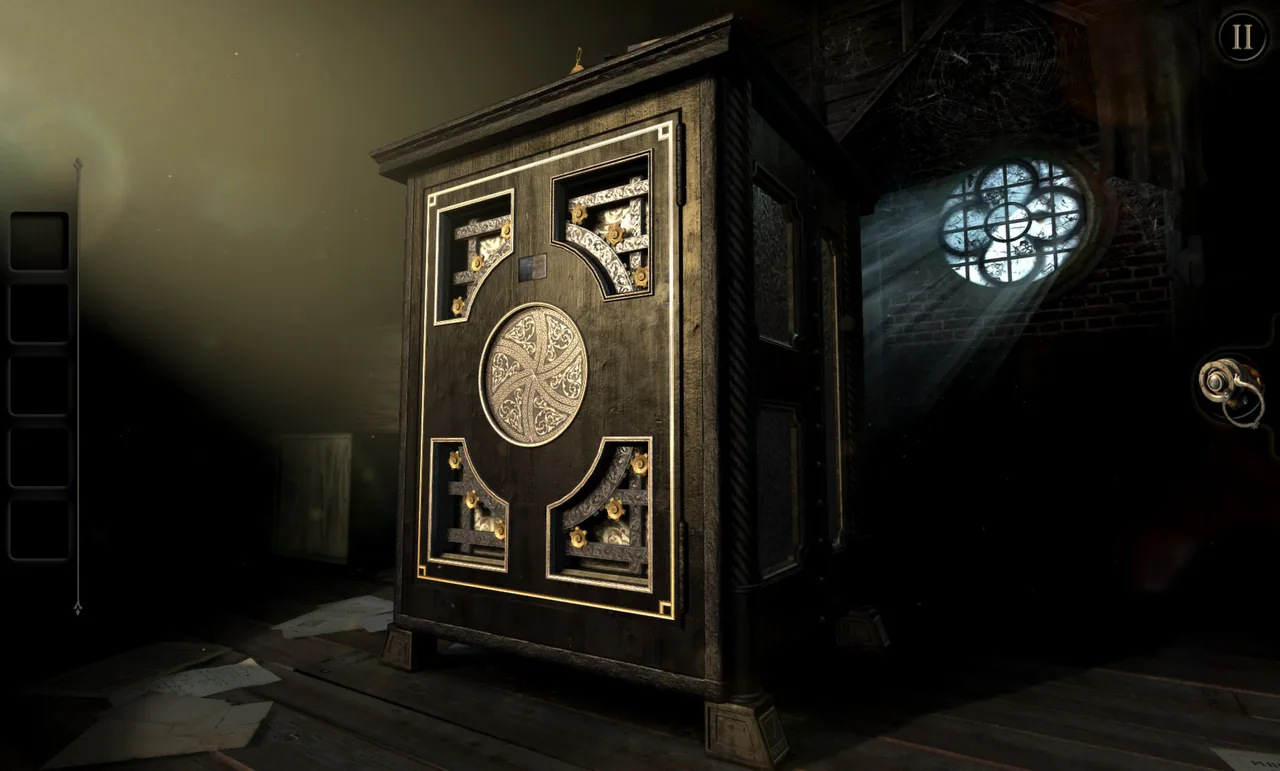
A mysterious invitation leads you to a safe in an attic.
You rotate the box, zoom in, and inspect its latches, markings, and hidden compartments.
Using a found item where it fits changes the box and exposes another mechanism.
Once you have the ornate eyepiece, you compare what the naked eye sees with the hidden markings it reveals.
The chain of mechanisms leads into the EPILOGUE DLC included with the PC release.
Core systems
Puzzle boxes
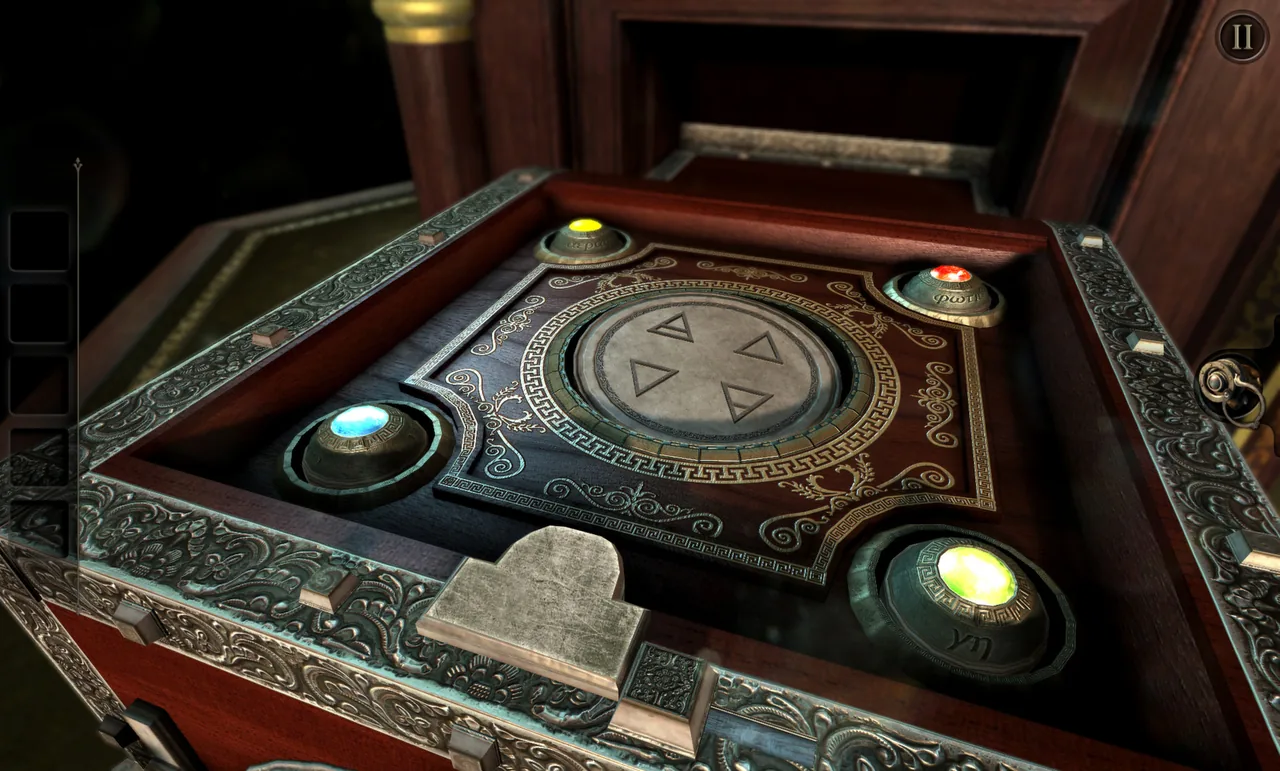
Rotate each box to reach its latches, dials, keyholes, and drawers, then manipulate them directly. Solving a mechanism opens another face or an inner structure.
Before testing the part in front of you, you can rotate the box and check its other faces. Staying with the newest opening may leave a clue elsewhere unnoticed.
Ornate eyepiece
The eyepiece reveals markings and mechanisms invisible to the naked eye. It gives you another way to inspect the same box.
At a dead end, check the visible shape of the parts, then look again through the eyepiece. Certain clues need both views to make sense.
Cryptic letters
Letters found during the search gradually reveal the experiments and disturbances behind the boxes. There are no long explanatory scenes.
As you inspect the mechanisms, you can separate passages that bear on a clue from those that explain the setting. The letters also help explain why you keep opening the box.
Hints
When progress stalls, hints point you toward a place to inspect or an action to try.
Even when a hint becomes available, you can leave it closed and keep checking the box and unused items. Reviews also describe the initial prompt as vague.
EPILOGUE DLC
This continuation of the main game is included with the PC release.
You continue the investigation with the habits learned in the main game. It follows the progression rather than offering a separate difficulty mode.
What sets it apart
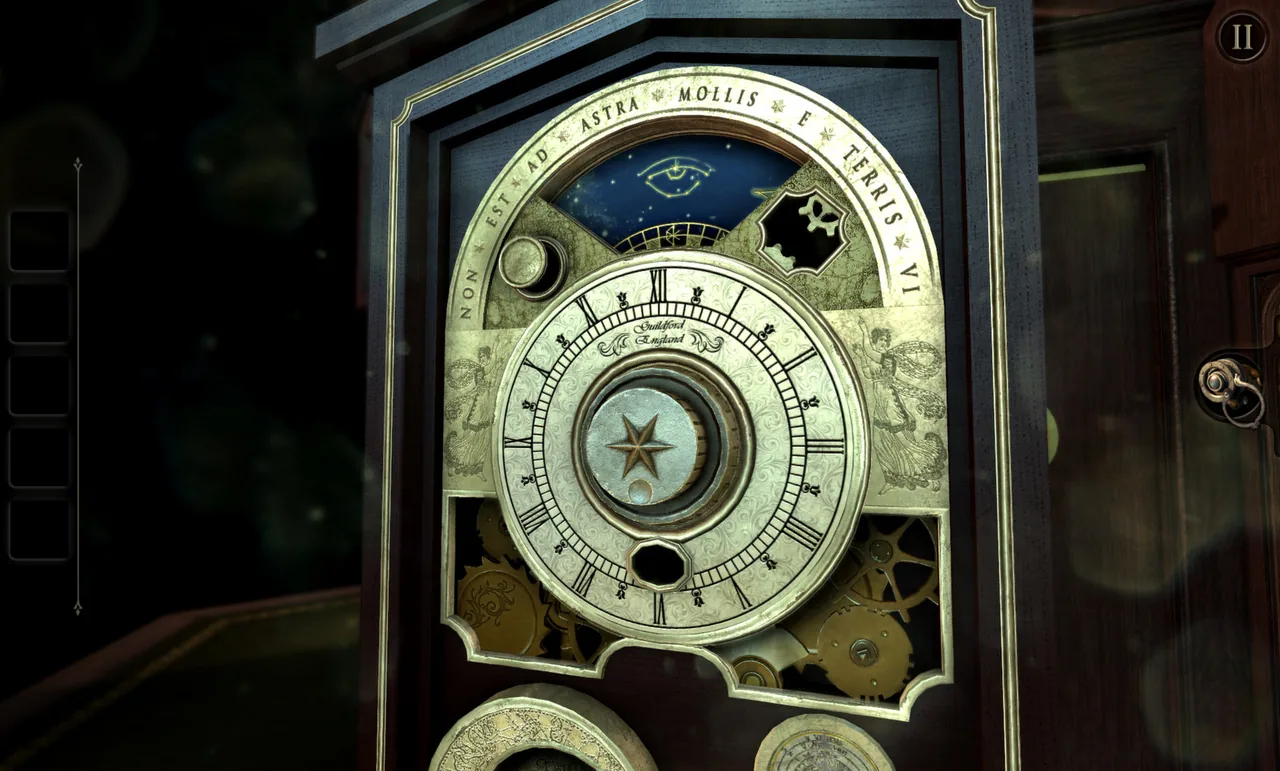
Rather than roaming between rooms, you inspect the surface and interior of each box up close.
Finding a clue does not end with entering an answer. You advance by turning, pulling, or inserting a part.
Each opening reveals another layer or mechanism, changing what you can examine in the same space.
Learning curve and difficulty
How soon you notice a small part, and when you open a hint, changes where you get stuck.
Once you know the game's habits, the shape of an unused key or component can suggest where it fits.
When stuck, check unused items and rotate the box to another face. The eyepiece may expose a missed marking or internal shape.
With tiny parts or precise zoom targets, it can be hard to tell whether the idea is wrong or the input failed to register.
Builds and playstyles
Full sweep
When the box changes shape, rotate it before working on the mechanism in front of you. A small latch may have appeared on another face.
Item-first search
Study the outline of an unused key or component, then search the box for a fitting place. This narrows the options before you try parts at random.
Double-view pass
Recheck an unreadable face through the eyepiece. Hidden markings and internal shapes can both provide a clue.
Deferred hints
Leave an available hint closed and review unused items and box faces. This approach suits players who want to spot the connection between parts themselves.
What longtime players say
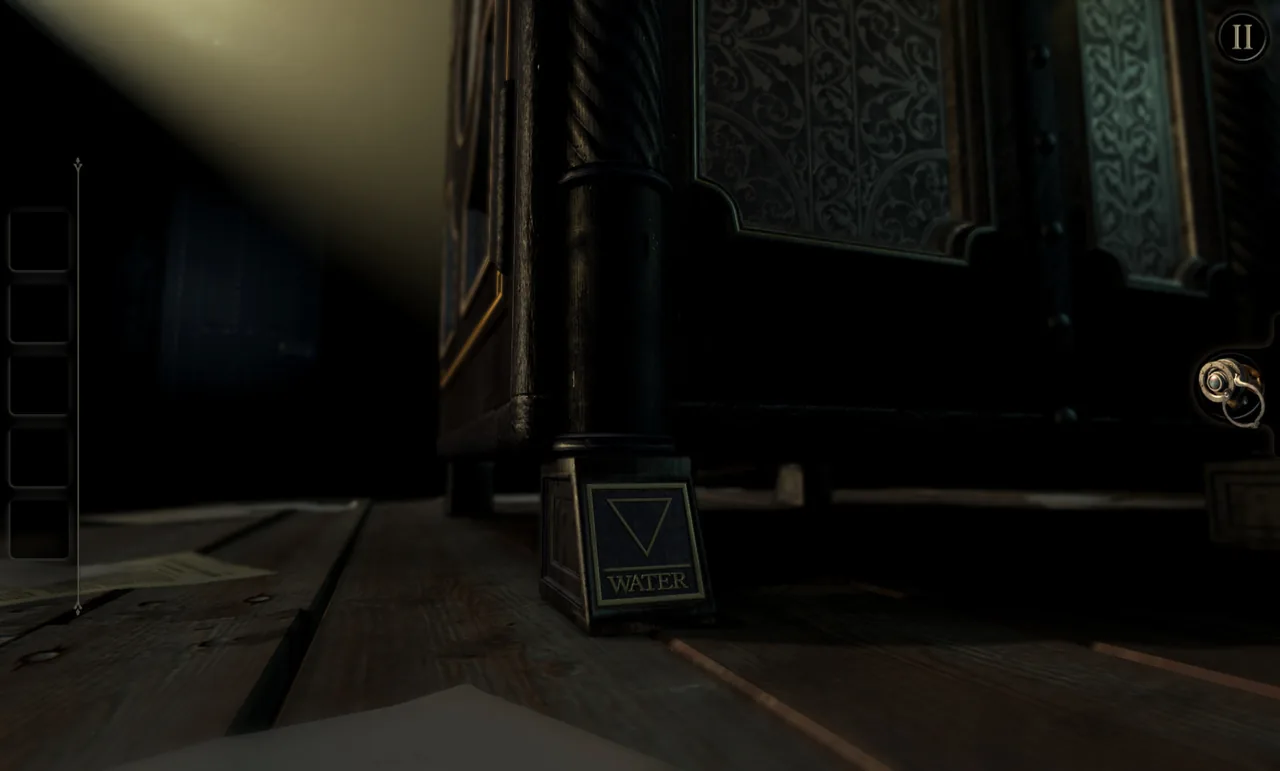
Returning players and escape-room enthusiasts enjoy revisiting the box's faces until an overlooked mechanism becomes clear.
Reviews from people returning after an earlier release value the chance to follow clues themselves and work through a mechanism before asking for help.
Reviews from players with longer playtime mention the detailed boxes and the satisfaction of spotting a hidden clue that opens a mechanism.
What players like
Creaks and lock clicks punctuate the time spent examining boxes in a dim room. Reviewers find that uneasy quiet suited to close inspection.
Opening a mechanism exposes another layer to inspect on the same box. Reviews enjoy that continuing sequence of discoveries.
Release a latch or turn a dial and heavy-looking machinery moves. Its motion and sound make the result of a solution tangible.
From the opening puzzles through the end, reviewers describe solutions they could trace after looking again at the box. The answer makes sense once the missed clue is found.
Letters found between mechanisms make reviewers curious about what lies deeper in the box. They appreciate a story that stays in the background.
When another pass over the box yields nothing, opening a hint helps reviewers decide where to look next.
Looking again through the eyepiece reveals markings or internal shapes missed by the naked eye. That change in how the same face reads stays with reviewers.
Common complaints
The game ends while reviewers still want to open mechanisms and examine more of the boxes.
The letters explain little, and the wider mystery remains unresolved within this game. Players following the story more closely than the box may find the ending leaves them waiting for more.
There is no official Japanese, Simplified Chinese, or Korean text. Reviews from players who need those languages describe difficulty following the letters.
When a tiny part or precise zoom target fails to respond, it becomes hard to tell whether you misread the clue or missed the interaction point.
For players seeking extended logic problems, too much time goes to finding hidden items, while matching patterns or symbols feels slight.
Who it’s for
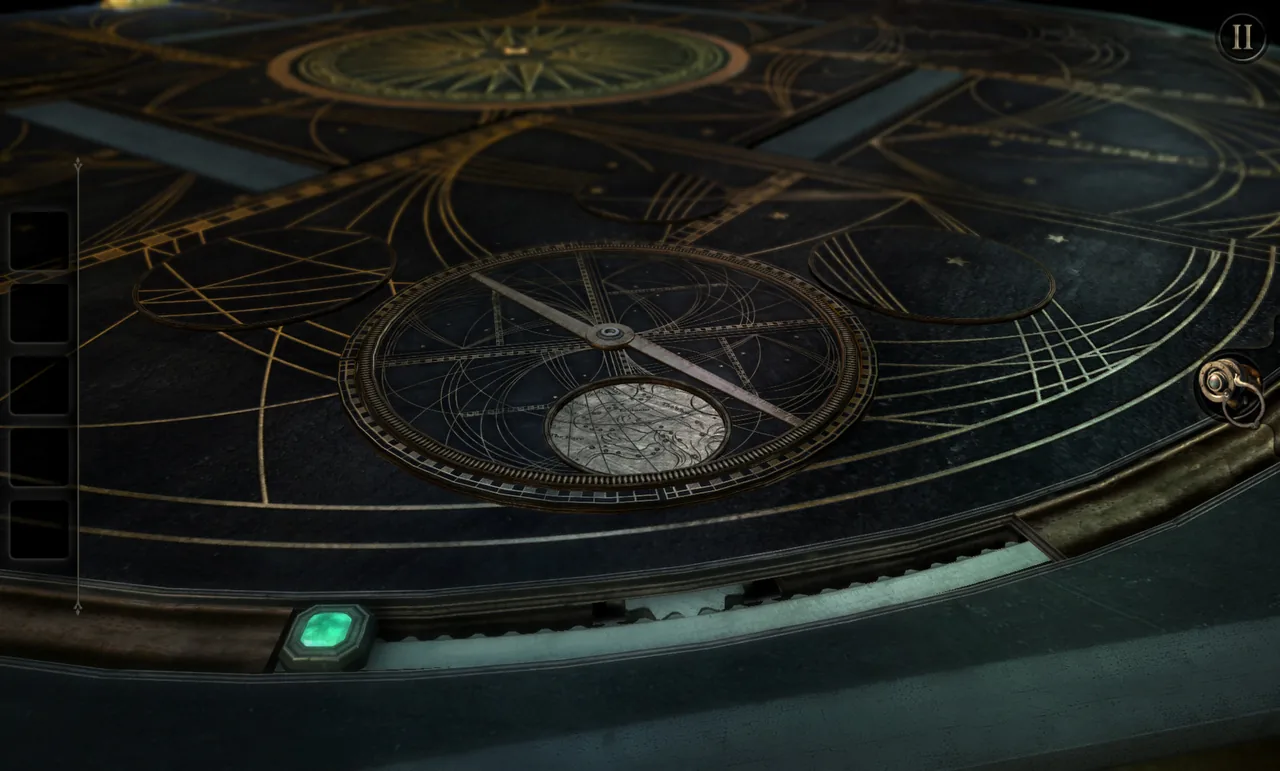
It suits players who enjoy rotating a box to spot a small latch, then using an item's shape to work out where it belongs.
It also suits those who want to recheck a face through the eyepiece while following the unsettling letters and mechanical sounds at their own pace.
Who might not enjoy it
Players seeking long logic problems or several valid solutions may find the sequence of item searches and short mechanisms too light.
Anyone who needs official Japanese, Simplified Chinese, or Korean text should consider the difficulty of reading the letters. The story also remains unresolved within this game.
FAQ
- Does it support Japanese, Simplified Chinese, or Korean?
- No. Those languages are not listed among the official interface languages on Steam.
- Is there cooperative play?
- Steam lists The Room as a single-player game.
- Are hints available?
- Yes. Reviews describe hints becoming available after progress stalls and offering guidance in stages.
- Does the additional content require a separate purchase?
- No. The PC release includes the EPILOGUE DLC.
- Does it work on Steam Deck?
- The supplied Steam data marks it as Steam Deck Verified, although a reviewer prefers a mouse for precise interaction points.
These impressions are based on 100 Steam reviews sorted by “Most Helpful.” They do not represent the views of all buyers.
Image: The Room on Steam