Predy Media > Puzzle > Game page
Game pageFirework: Features, Player Impressions, and Who It Suits

Firework is a story-led horror game set in an isolated mountain town. A funeral fire brings a family's deaths back under investigation.
Your taste for demanding puzzles, or for reading the characters' pasts through hauntings and old objects, will shape how well it suits you.
What makes it fun
Visions meet police work
The protagonist revisits a family's deaths while glimpsing the memories of the dead. Those visions offer clues, but the case takes shape through investigation rather than supernatural proof.
A camera and notebook come alive
A camera switches between hand-drawn and real-world scenes, while a school notebook lets you swim as a tadpole. Familiar objects become the setting for unusual interactive sequences.
Unease in every scene change
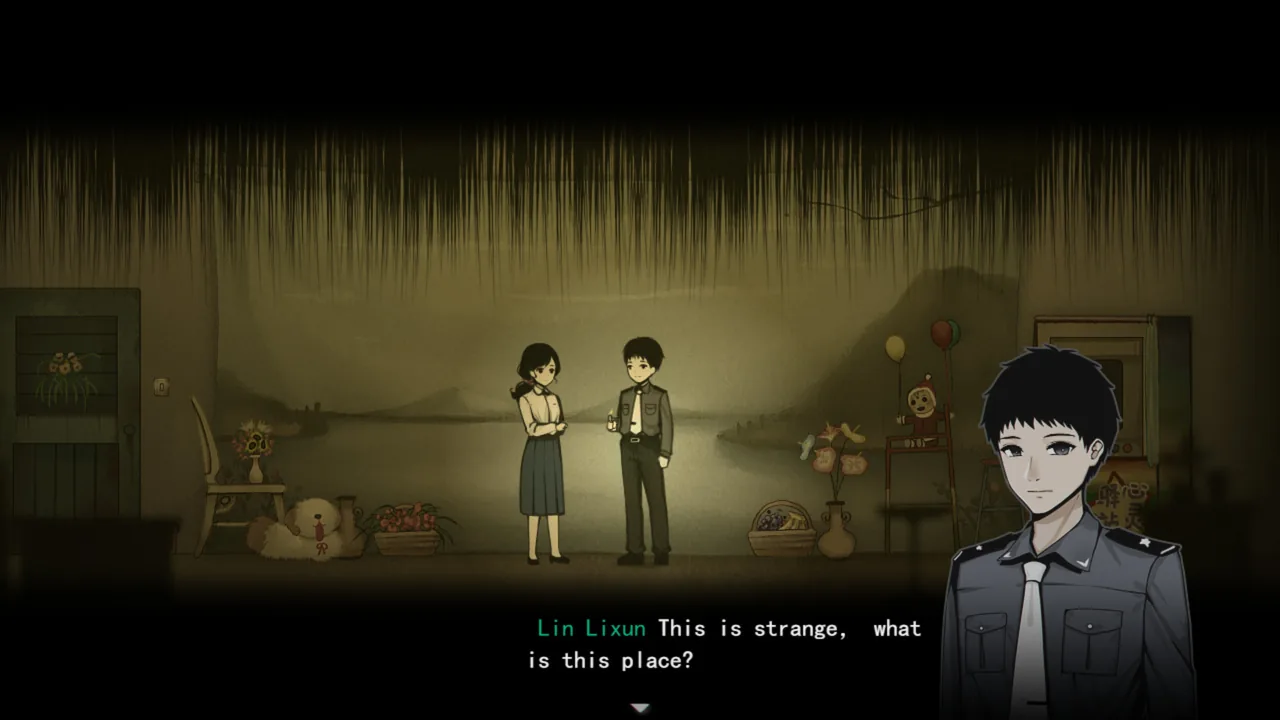
Sound and abrupt scene changes build tension as you move through the dark town in side view. Even without a chase, stepping into the next screen can feel unnerving.
Game details
As of Oct 29, 2026- Steam Deck
- Unsupported
- Release date
- Feb 4, 2021
- Developer
- Shiying Studio
- Languages
- English, Simplified Chinese / 2 languages total
A typical run
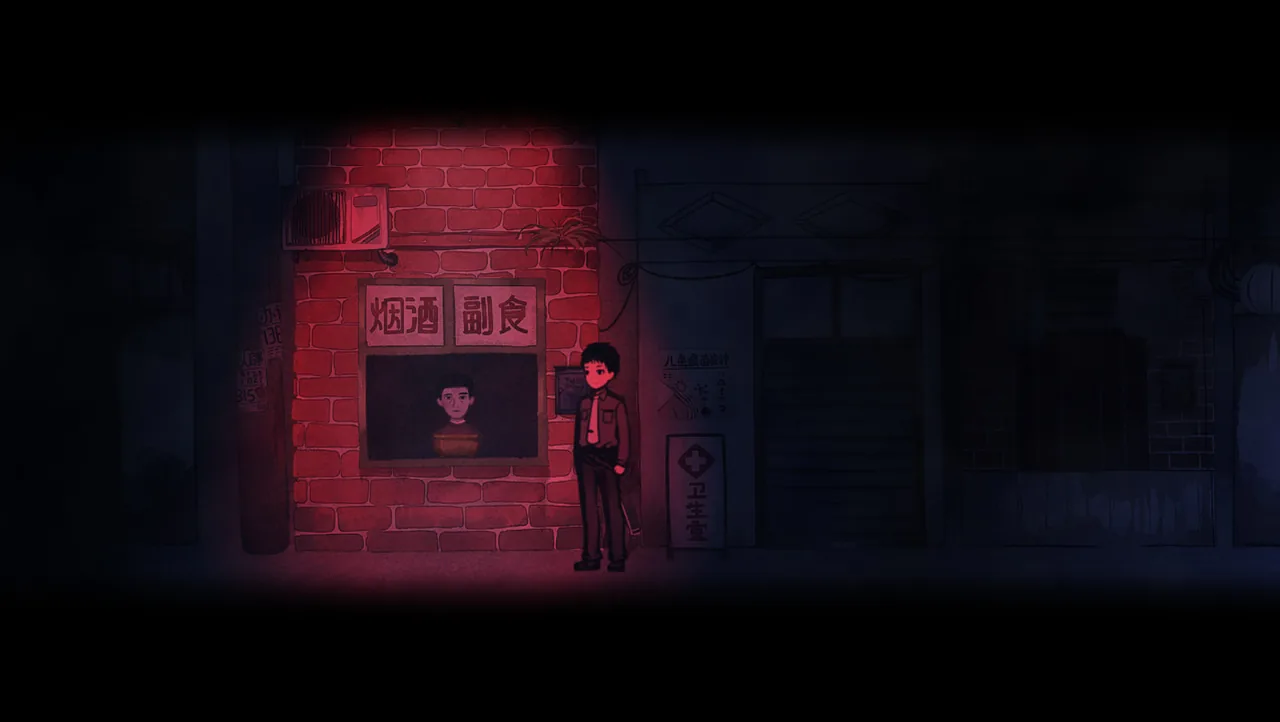
As rookie officer Lin Lixun, you investigate the case brought back to light by the funeral fire. You begin by looking for clues tied to the family's deaths.
You walk through town and examine objects and records. Between parts of the investigation, you follow scenes of memory and the supernatural.
Puzzles ask you to read the arrangement of objects or changes in an image. Solving them gradually reveals the characters' pasts.
As the investigation advances, earlier scenes take on different meanings. You approach the cause of the tragedy, though questions remain unstated at the end.
Core systems
Re-investigation of a closed massacre case
The funeral fire reopens a case thought to be settled. Following the clues brings the victims' histories into view.
A haunting alone does not settle the case. Compare what the investigation establishes with what you learn about the characters' pasts.
Puzzles tied to the story
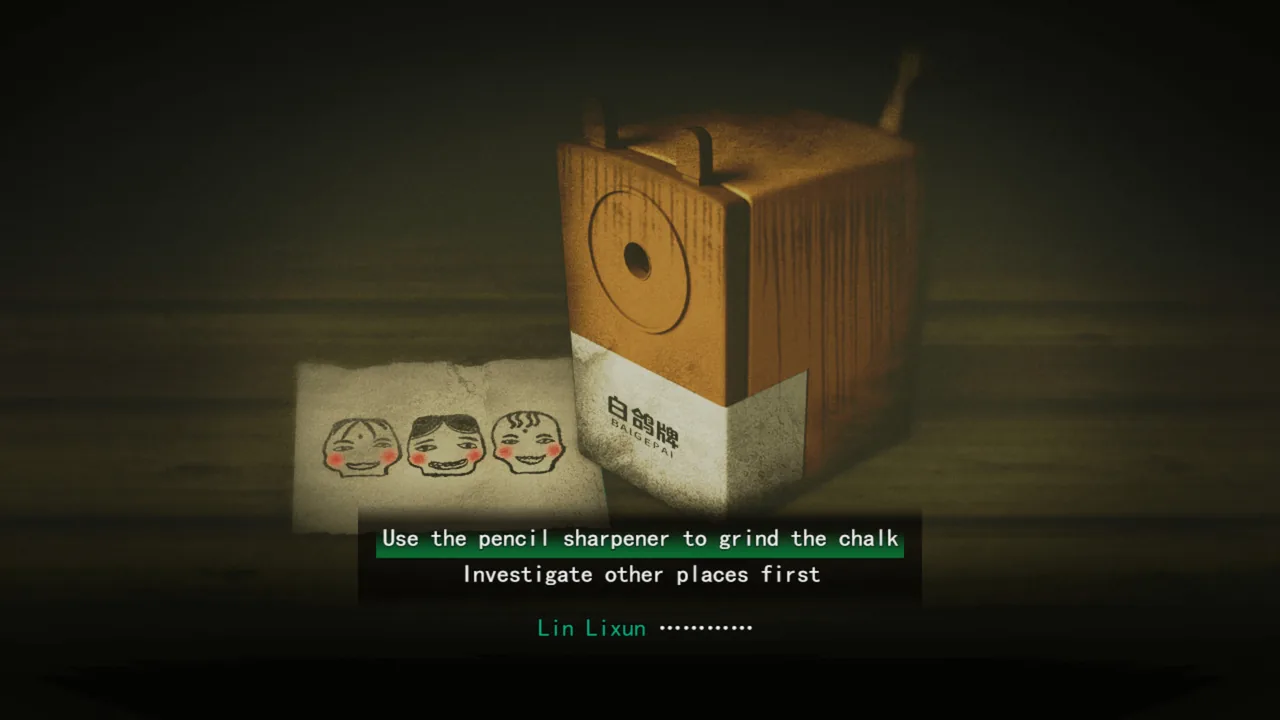
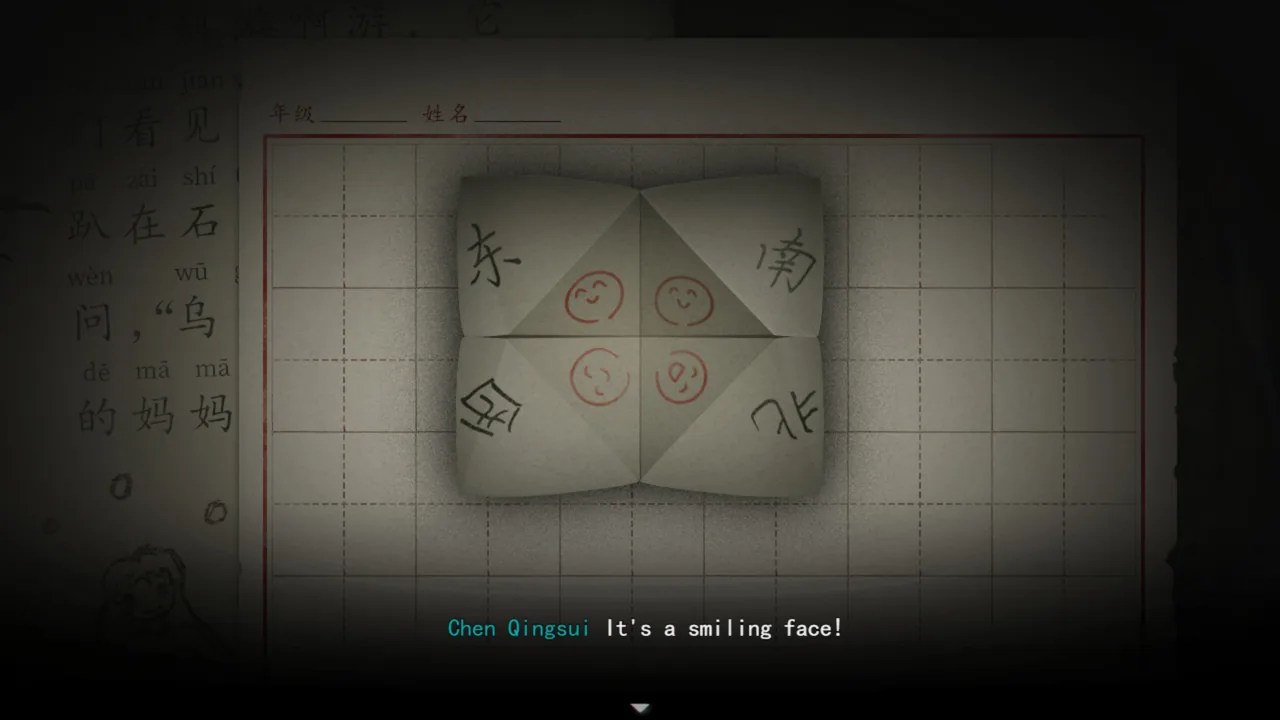
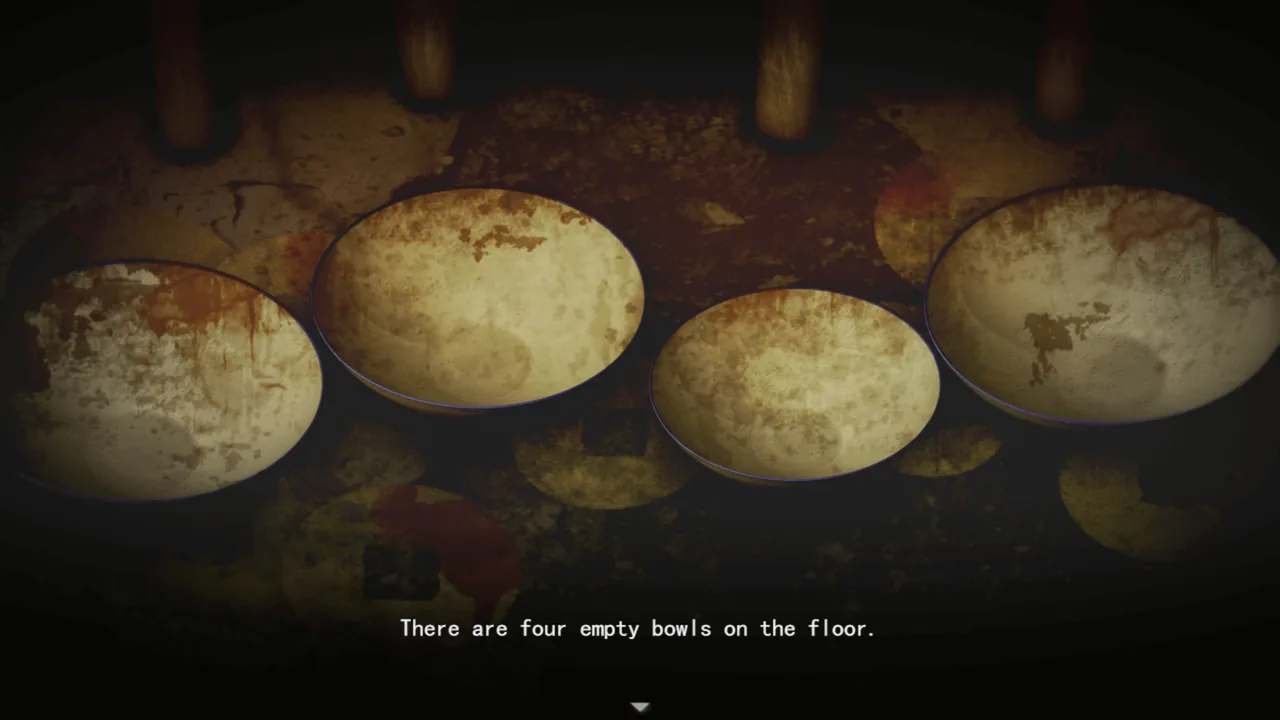
Puzzles built around photographs, schoolwork, and household objects also give you clues to the characters' lives.
Read the images and words on screen, then inspect places you can interact with. Looking again at what the scene shows matters more than working through a long procedure.
Veiled representation of oriental horror
Dark screens, sound, paper figures, and folk beliefs create unease. Reviews also mention images that startle without warning.
Consider what a haunting suggests while keeping track of what the investigation reveals about human actions.
Nostalgic watercolor style
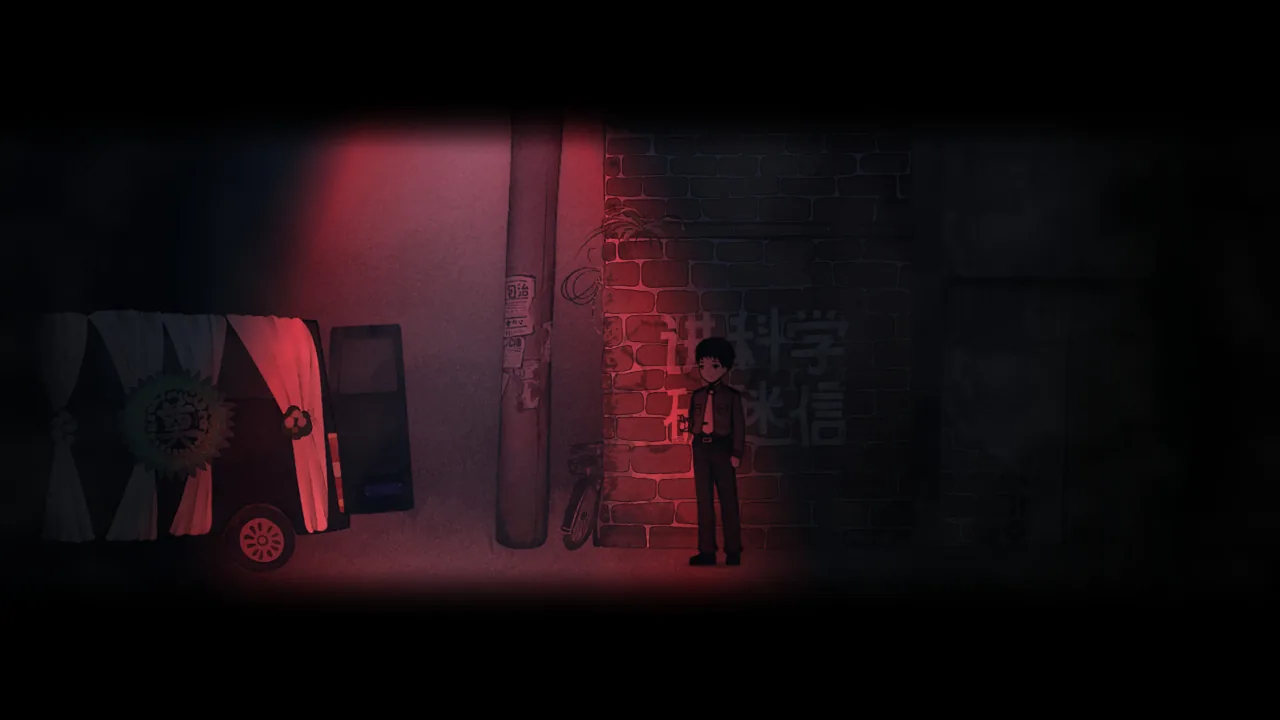
Muted watercolor backgrounds and a side-on view depict the cold mountain town and the characters' memories.
Watch the composition as scenes change, as well as the objects you can inspect.
Period Easter eggs
Landline phones, photo equipment, and school objects evoke daily life in China at the time.
Looking at background objects between leads lets you pick up details of life in the town.
What sets it apart
Combat and escape are not the focus. Supernatural scenes help reveal the case and the characters' pasts.
The schoolwork and photographs you read while solving puzzles also reveal the characters' circumstances.
Learning curve and difficulty
The official description says the puzzles are kept approachable and tied to the story.
When you get stuck, revisiting an image or line on screen helps more than difficult inputs.
To think ahead about the case, separate the impression a haunting gives you from what the investigation has confirmed.
Names and family ties matter later on. Reading dialogue and records carefully makes connections to earlier scenes easier to follow.
Builds and playstyles
Clue-linking read
Read dialogue, records, and memories together. When the case looks different, reconsider the scenes you saw earlier.
Presentation-focused route
Let scene transitions and changes in sound play out, and pay attention to how each moment is shown.
Cultural-context read
Read superstition alongside family pressure and the town's isolation when considering why characters make their choices.
What longtime players say
After learning how the case ends, these reviewers still carried the sadness of characters who sought freedom from the isolated town.
The watercolor presentation and art stayed in these reviewers' minds after finishing.
Puzzle guidance worked for someone who wanted the story to keep moving. A player seeking more to reason through found the puzzles lighter.
What players like
These reviews remember how human actions and the isolated town's circumstances, along with superstition, lead to the family's tragedy.
Scene transitions and watercolor backgrounds stand out in these reviews. The way the story uses the screen leaves its own impression.
For players who prefer unease to combat or pursuit, the dark imagery and sound made the horror work.
These players enjoyed seeing a case that was hard to grasp at first come together as the investigation continued.
The closing song brought back the characters' farewells for these reviewers and stayed with them after the game ended.
Clear puzzle guidance let players who wanted to follow the story keep investigating without a long roadblock.
Common complaints
For reviewers who wanted to account for the whole case, the later pace felt rushed, and questions about motives or surrounding events remained.
Players who wanted more time with the town and its cast found the story short. They also saw little reason to investigate again.
Players looking to solve demanding puzzles themselves felt the guidance came too close to giving away the answers.
Edge-of-screen prompts, frequent scene changes, and slow walking interrupted the act of exploring town for these reviewers.
Who it’s for
If you would rather interpret how hauntings relate to the family's case than escape them, the reopened investigation should suit you.
It also suits readers who want puzzles to keep moving while photographs, schoolwork, and household objects fill in the characters' lives.
Who might not enjoy it
If you want to work out elaborate codes on your own or fear being chased, the strong puzzle guidance and story-led progression may disappoint.
If you want every motive and question around the case explained at the end, the gaps in the final stretch may bother you.
FAQ
- Does Firework have official Japanese or Korean support?
- Steam does not list Japanese or Korean among the supported languages. Simplified Chinese and English are listed.
- Is there cooperative play?
- Steam lists Firework as a single-player game and does not list cooperative play.
- Can the difficulty be changed?
- Steam does not list difficulty settings. Its description says the puzzles are approachable and tied to the story.
- Is there additional story content?
- The additional content listed on Steam is the original soundtrack. No story expansion is listed.
These impressions are based on 100 Steam reviews sorted by “Most Helpful.” They do not represent the views of all buyers.

Image: Firework on Steam