Predy Media > Puzzle > Game page
Game pageChants of Sennaar: Features, Player Impressions, and Who It Suits

Read unfamiliar glyphs through conversations and murals, then use the languages you learn to reconnect the peoples of the Tower.
Much of the appeal lies in writing tentative translations in the Notebook and testing them. Your taste for the game may depend on how you feel about its eventual confirmation of each glyph's meaning.
What makes it fun
Your guesses appear in dialogue
Write a tentative meaning in the Notebook and it appears in dialogue. Your own guess can make a line sound oddly funny, giving you room to rethink it before the glyph's meaning is confirmed.
Read the shape of a glyph
A new glyph may share a line or frame with one you already know. When that pattern fits what is happening in the scene, an unreadable word starts to make sense.
Put your translations to work
Translating between the tower's peoples means following another word order and working through terms that do not quite match. The words you learned become tools for connecting their conversations.
Game details
As of Oct 29, 2026- Steam Deck
- Verified
- Release date
- Sep 6, 2023
- Developer
- Rundisc
- Languages
- Japanese, English, Simplified Chinese, Korean / 14 languages total
A typical run
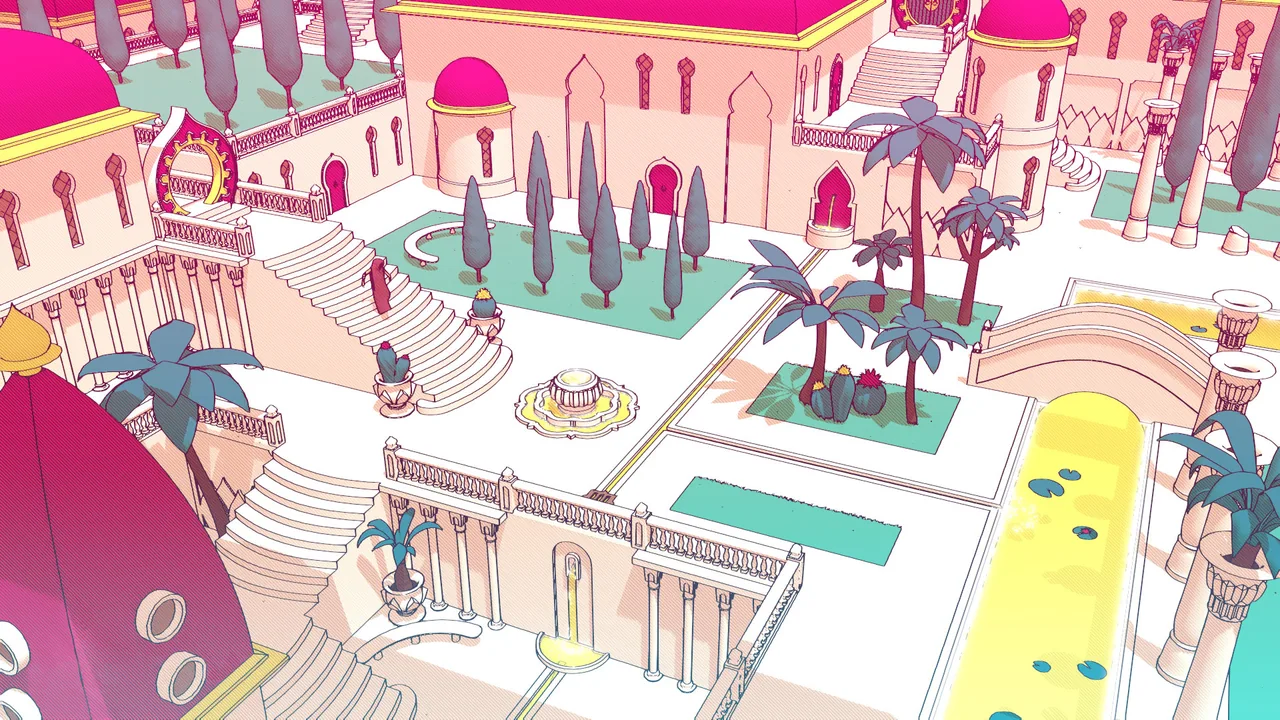
As the Traveler, you explore the Tower and look for meaning in speech, murals, and the way objects respond.
You can write a tentative meaning beside each new glyph in the Notebook.
When you have enough clues, you match glyphs to drawings to check your guesses.
Known words and environmental clues help you operate devices, open routes, and solve puzzles.
Translation across floors also changes the relationships among the peoples of the Tower.
Core systems
Notebook
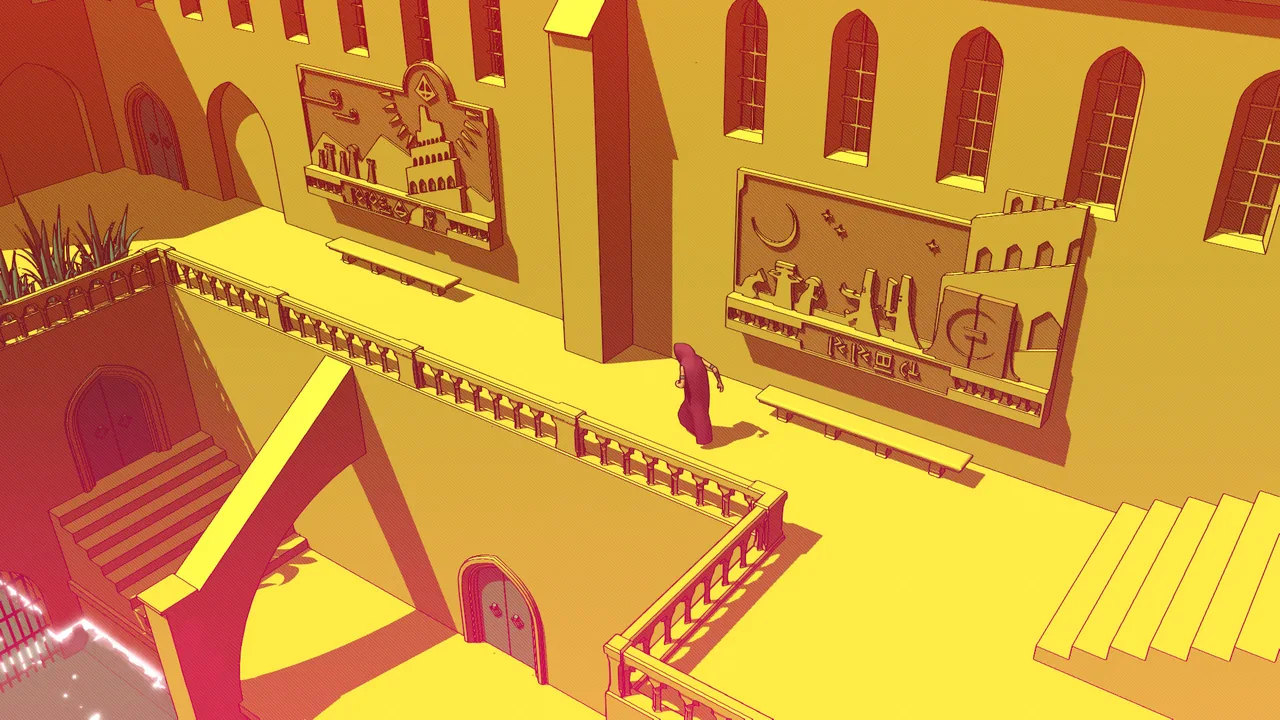
The Notebook records glyphs you find and lets you write tentative meanings. Pages that pair drawings with glyphs let you check those guesses.
You can label a new glyph at once and use that guess to read dialogue, or leave it open until you see another context. On a matching page, you can try combinations or use the clues you gathered to test your reasoning.
Glyphs
Glyphs appear in dialogue, murals, and signs. Strokes or frames shared with known glyphs can help narrow down a meaning.
You can read a glyph from the scene in front of you or compare its shape with words you know. If an early guess fails in another conversation, you revise it.
Five different interconnected languages
Each People has its own vocabulary, with differences in word order and ways of expressing plurality. What they do and value also shows in the words they use.
When translating between Peoples, check the listener's word order before placing familiar words. If there is no direct equivalent, look for a nearby idea in the listener's culture.
Puzzles
Decoded words help you handle devices, routes, and objects. Other puzzles ask you to observe the surroundings without relying chiefly on language.
You can investigate an unread word first or work back from a device and its surroundings. Even if you see how a puzzle works, you may still need to find a clue in the area.
Stealth
These passages have you avoid watchers and cross forbidden areas. Disguises or a particular order of movement also come into play.
Watch for an opening, then decide whether to wait or move while the route is clear. Your attention shifts from word meanings to position and timing.
What sets it apart
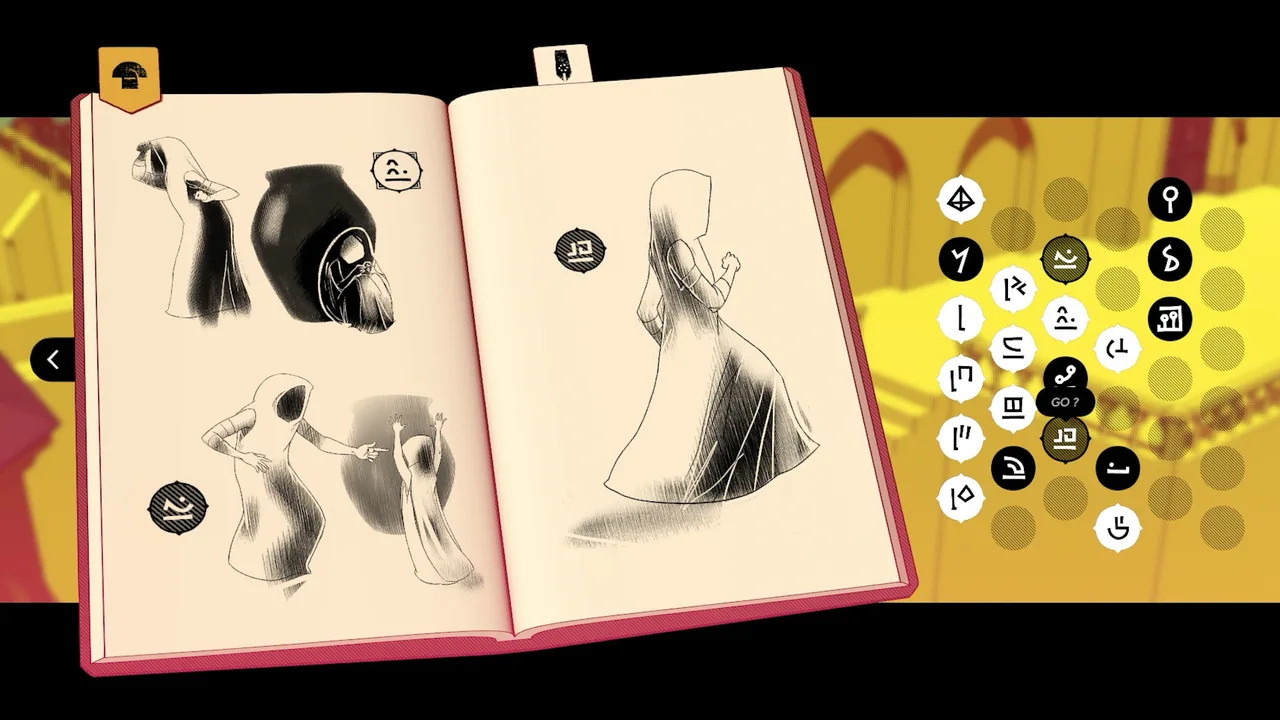
After learning a glyph's meaning, you may need to express that idea in another People's word order.
A concept may be missing from one vocabulary, while a name can carry a different view of its subject. Apparent equivalents do not always match directly.
The Notebook eventually confirms glyph meanings, so your working translations do not remain entirely open through the ending.
Learning curve and difficulty
When a translation seems plausible, check whether it still makes sense in another conversation before treating it as settled.
Shared glyph parts, each People's word order, and their ways of expressing plurality help narrow the meaning of an unfamiliar sentence.
In cross-language sections, you sometimes need to check the listener's word order before arranging words you already know.
Broad floors can make clues and return routes hard to track. Stealth and pursuit also ask you to switch from decoding to careful timing.
Builds and playstyles
Working translation
Give a new glyph a short tentative label, then change it if later dialogue reads strangely. Treat the next scene as a chance to test that first guess.
Shape-first reading
Compare strokes and frames with known glyphs to narrow a word toward a person, place, or action. This helps when the immediate scene leaves several readings open.
Grammar-first translation
Sort out the current People's word order and way of expressing plurality before filling in vocabulary. This helps with the Bard language and with translation between Peoples.
What longtime players say
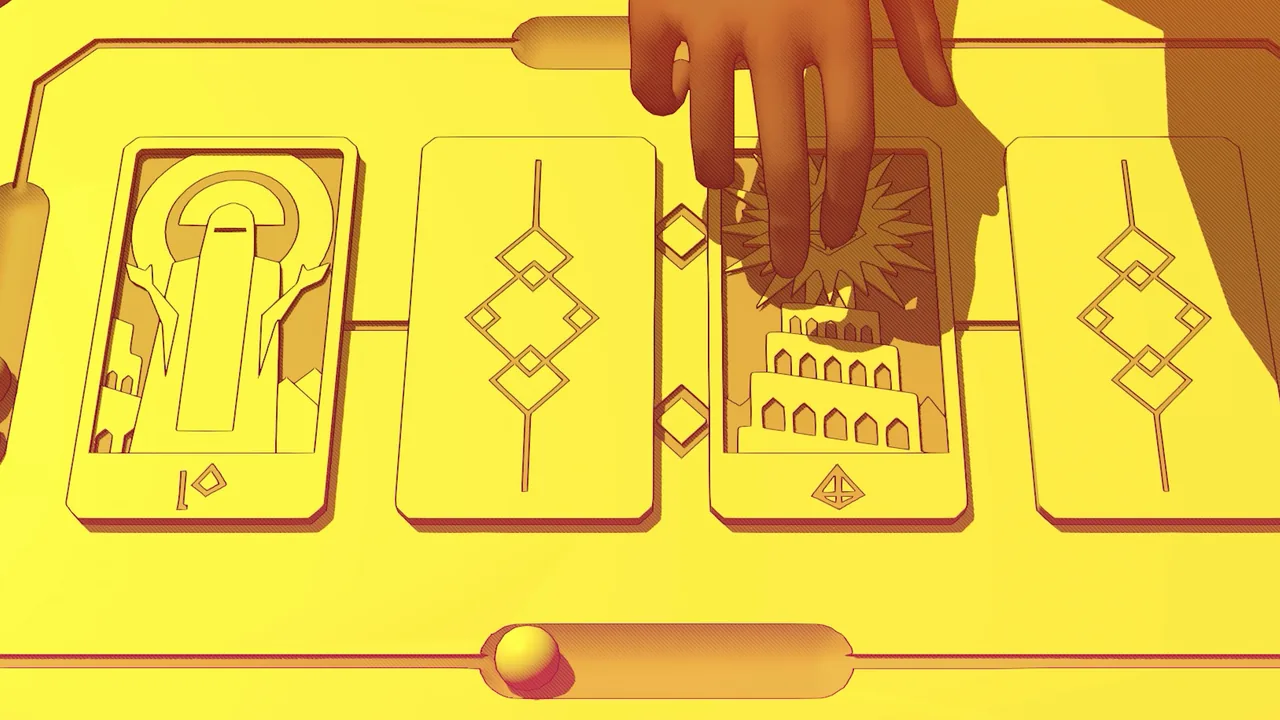
For players who spent time with the decoding, the need to read a new word order and glyph structure with each People stayed with them.
After finishing, players wished they could discover the glyphs for the first time again. One account suggests waiting before a replay while the languages are still familiar.
Searching broad areas for the next clue meant repeated trips. Route finding and slow movement became a burden on the way back to decoding.
What players like
Language enthusiasts respond to the changes in word order, plurality, and glyph construction between Peoples. The words each group uses also suggest how it lives.
A new language begins unreadable. Comparing scenes and collecting clues lets players make the connection for themselves.
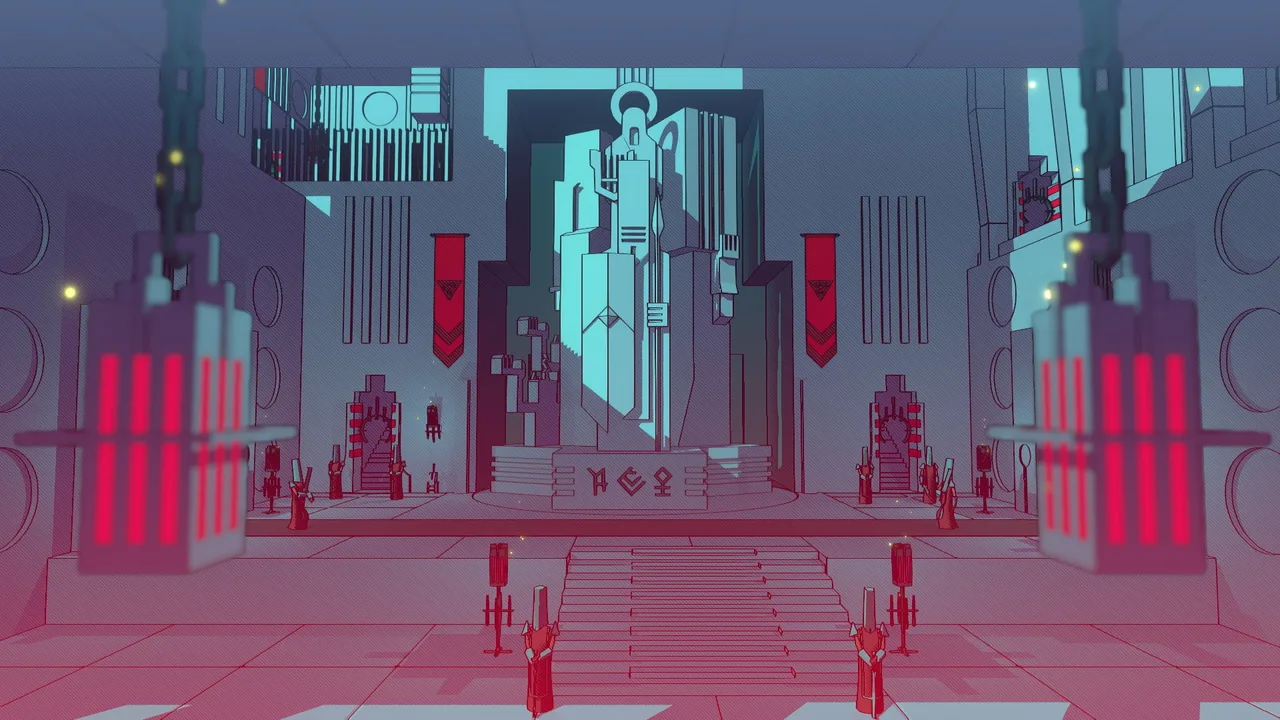
The colors, architecture, and music of each floor also stand out. They give players something to take in while stopping to study a clue.
Near the end, the languages players have decoded help change relationships through translation. That development stayed with reviewers.
Translation between Peoples puts learned words to use in their conversations. Players can feel what their earlier decoding has made possible.
Players enjoy making a tentative reading from dialogue or surroundings, then changing their Notebook annotation when a later scene challenges it.
Common complaints
Getting lost on broad floors or in the sewers means slowly retracing mapless routes. Reviewers found themselves spending time locating the next clue instead of reading glyphs.
For players seeking quiet language puzzles, stealth and pursuit can be an unwelcome switch to movement and timing.
Players who want to keep their own translations find that the Notebook confirms answers too readily. Others struggled to read particular drawings and tried glyph combinations instead.
The final language and closing challenges leave less time to infer words from scenes than earlier floors did. Players hoping to keep decoding found that stretch brief.

Who it’s for
It suits players who like comparing dialogue with murals and glyph shapes, then revising their Notebook guesses.
Players who want to read word order and culturally shaped names after learning the vocabulary will find more to do in the interconnected languages and translation scenes.
It also suits those happy to explore the Tower and solve device puzzles between stretches of decoding.
Who might not enjoy it
It may frustrate players who do not want the Notebook to confirm a translation, or who want to work on language without interruption.
Mapless backtracking, stealth, and pursuit may also trouble players who dislike those activities.
FAQ
- Does it support English?
- Yes. The Steam version includes an English interface. The store's language table does not list full audio.
- Is there cooperative play?
- The store lists it as a single-player game and does not list cooperative play.
- Can the difficulty be adjusted?
- Selectable difficulty settings could not be confirmed in the official store or developer information.
- Is there additional content?
- The additional content listed on Steam is the Original Soundtrack. No story expansion is listed.
- Does it work on Steam Deck?
- The Steam public data supplied for this page lists it as Steam Deck Verified.
These impressions are based on 100 Steam reviews sorted by “Most Helpful.” They do not represent the views of all buyers.
Image: Chants of Sennaar on Steam