Predy Media > Puzzle > Game page
Game pageLittle Nightmares II: Features, Player Impressions, and Who It Suits
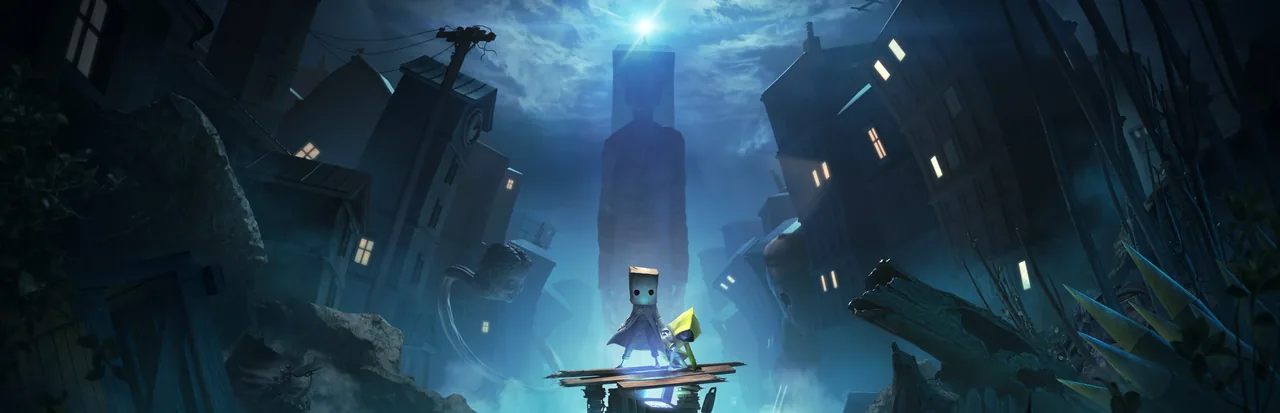
You guide Mono through a wordless nightmare alongside Six, a companion who watches her surroundings and acts on her own.
Cooperation with Six and a story told through rooms and Residents shape the journey. Chases and combat leave little room for a missed route or mistimed swing.
What makes it fun
Reach Higher with Six
Six gives Mono a boost onto high ledges and helps move heavy objects. Finding where to meet up with her becomes part of working out a route through each room.
Hide from the Teacher, Then Run
At the school, the Teacher stretches her neck as she closes in. Hide while you can; when she gives chase, the corridor becomes an escape route.
Read the Story in the Scenery
Dialogue does not explain what these events mean. The people in the school and hospital, the televisions across the city, and Six's reactions leave you to connect the places you have passed through.
Game details
As of Oct 29, 2026- Steam Deck
- Verified
- Release date
- Feb 11, 2021
- Developer
- Tarsier Studios
- Languages
- Japanese, English (Full audio), Simplified Chinese, Korean / 14 languages total
A typical run
Mono wakes in the Wilderness, avoids its traps, and finds Six.
After they meet, watch Six's gestures. Look for movable objects and places to climb, and use her help to reach ledges Mono cannot reach alone.
When Residents are close, avoid their attention and stay out of sight. Once there is nowhere to hide, escape over the obstacles ahead.
If a small enemy blocks the way, pick up a nearby tool. Its slow swing means the attack must start before the enemy reaches Mono.
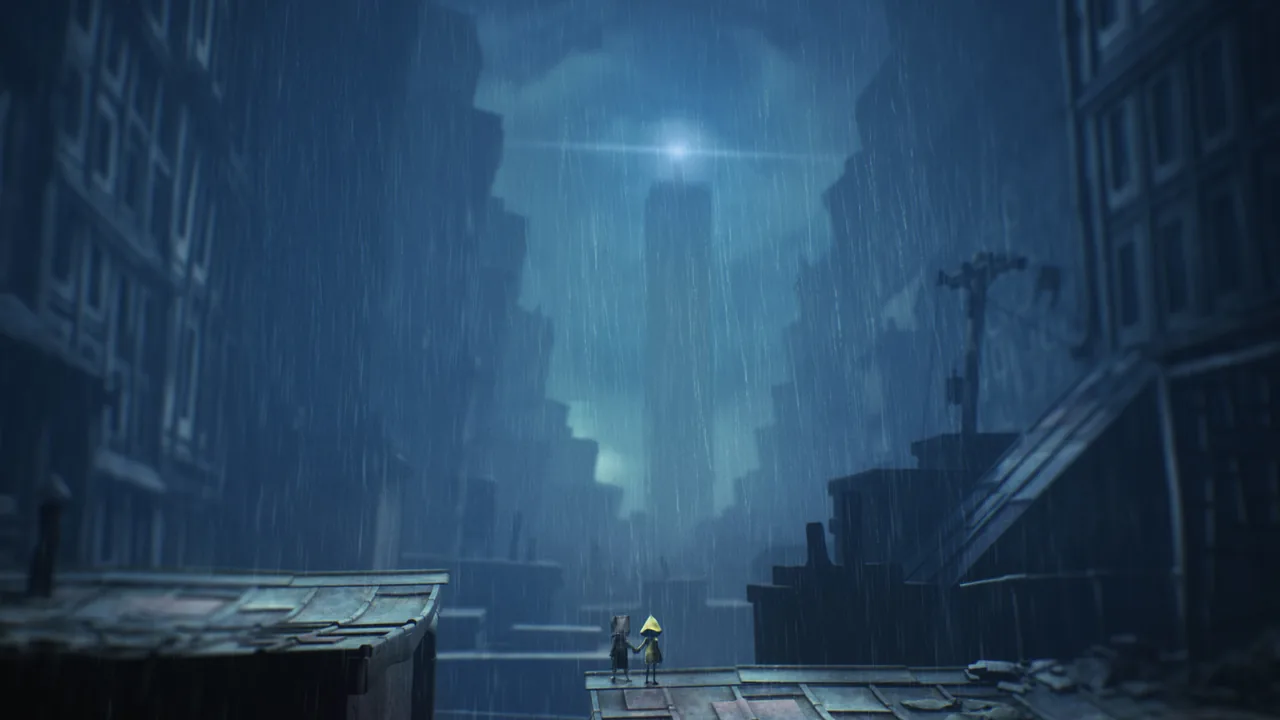
The route passes through the Wilderness, School, Hospital, and Pale City toward the Signal Tower, whose transmission distorts the world through television screens.
Core systems
Work Together or Die Alone
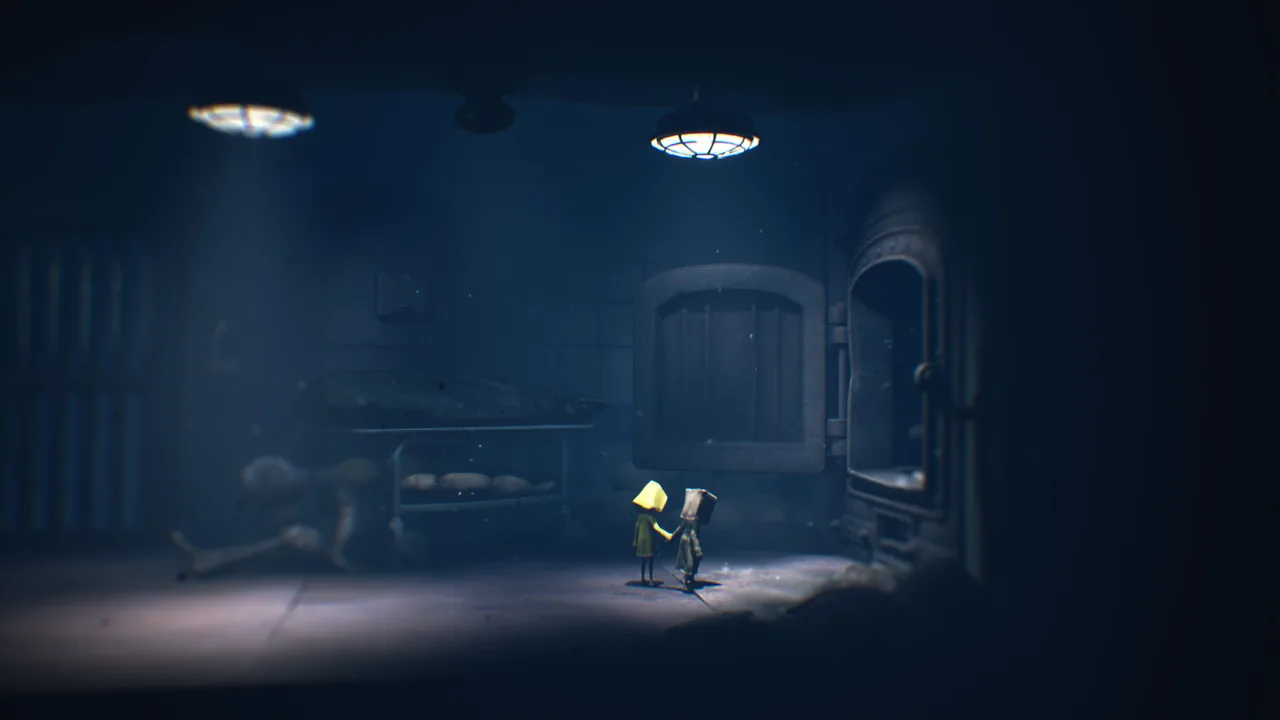
Six does not wait for constant instructions. She watches the surroundings, opens hidden trapdoors, and helps Mono reach high ledges.
Use her position and gestures to decide whether Mono should move first or take her help. When they separate, you have to find a way forward without her.
Stay Hidden to Stay Alive
Move past Residents such as the Teacher and Hunter without drawing their attention or entering their sight.
Choose whether to cross at once or wait behind cover for a gap in their movement. Once spotted, Mono may have little room to recover.
Run for Your Life
When hiding is no longer possible, Mono runs and climbs past obstacles to escape.
Spot the next passage or ledge before reaching it. There is little time to stop and search, and drifting into the scenery can make recovery difficult.
If You Can't Run and You Can't Hide, You Have to Fight
Mono can pick up nearby objects and swing them to fend off small enemies.
Picking up a tool and swinging it takes time. Start before the enemy reaches him, and allow for the fact that a missed swing may leave no chance for an immediate follow-up.
Flashlight
In the Hospital, Mono moves through dark corridors while directing light at Patients that move in darkness.
Keep the light on the Patients while steering Mono toward a passage. Aim and movement have to work together.
What sets it apart
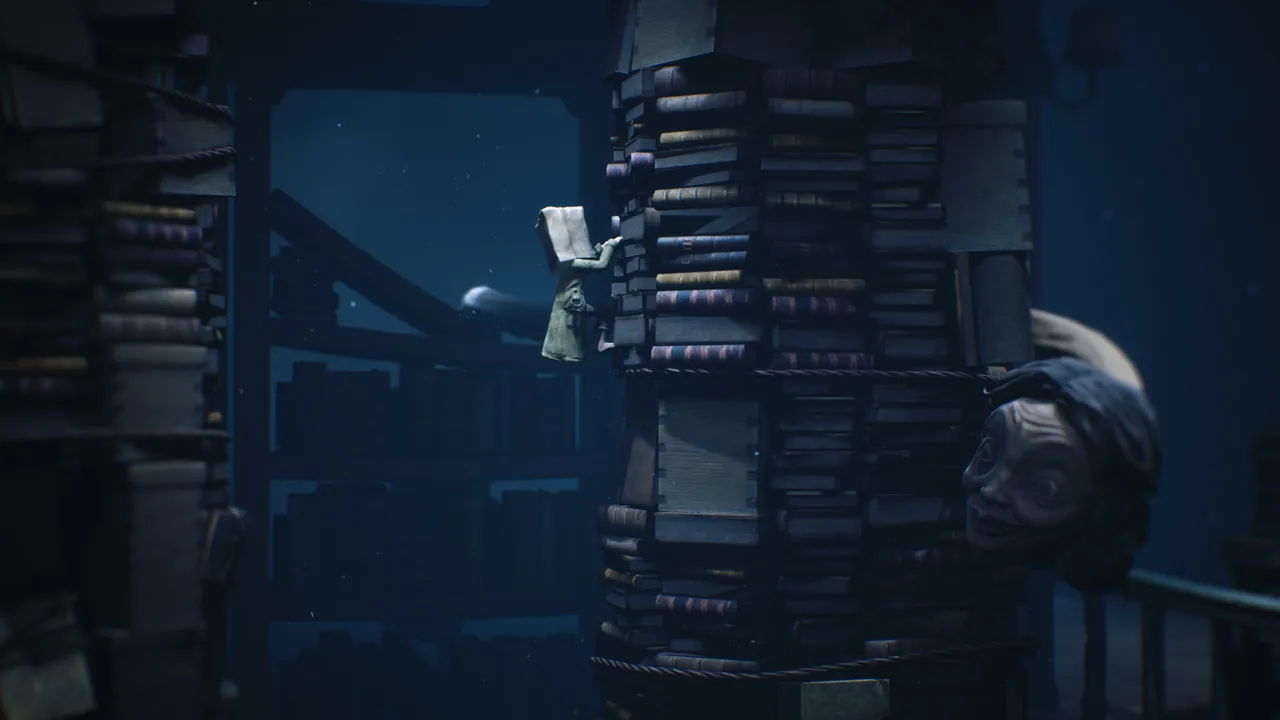
Six is not controlled by another player. This is a single-player journey with a companion who observes the surroundings and acts on her own.
You hide from Residents and run when pursued. There are also fights with found objects and Hospital passages where you move while aiming a flashlight.
Dialogue does not explain the story. Six's reactions, the Residents' routines, televisions, and room layouts give you details to read.
Learning curve and difficulty
Find a usable route before a chase starts, then line Mono up with openings in a scene that has visible depth. Catching a wall can make the escape hard to recover.
Start a swing before a small enemy reaches Mono. In the Hospital, keep the Patients lit while moving him through the room.
A trap or escape route can become clear only after a failed attempt. Reviews describe repeated chases in which correcting the movement begins to crowd out the fear.
Builds and playstyles
Moving between cover
Find places that break a Resident's line of sight, then cross the gaps in short moves. This works in stealth scenes before a chase begins.
Planning the escape route
Line up with the next ledge or opening before the pursuer appears. If depth is misread and Mono catches the scenery, recovery is difficult, so read the route before committing to the run.
Timing a close swing
Watch a small enemy approach and begin swinging the heavy tool just before it comes into range. The method relies on spacing and timing rather than repeated attacks.
What longtime players say
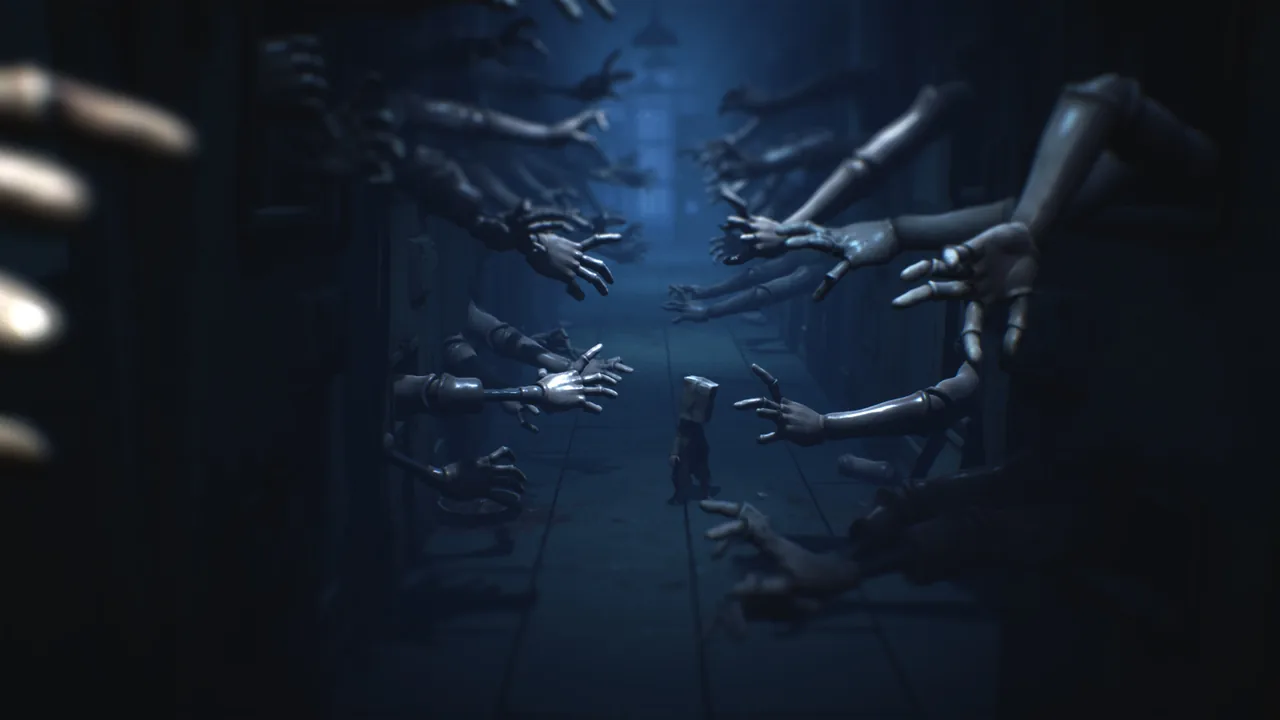
Reviews from players with long playtimes dwell on how Residents look and move. The changing darkness and sound of each location also keep the walk uneasy.
Players with long playtimes return to an ending that dialogue never settles. They keep weighing what Mono and Six do late in the story after finishing it.
Their reviews also pick out Six's help with ledges and puzzles. Her presence changes how Mono gets through a scene.
What players like
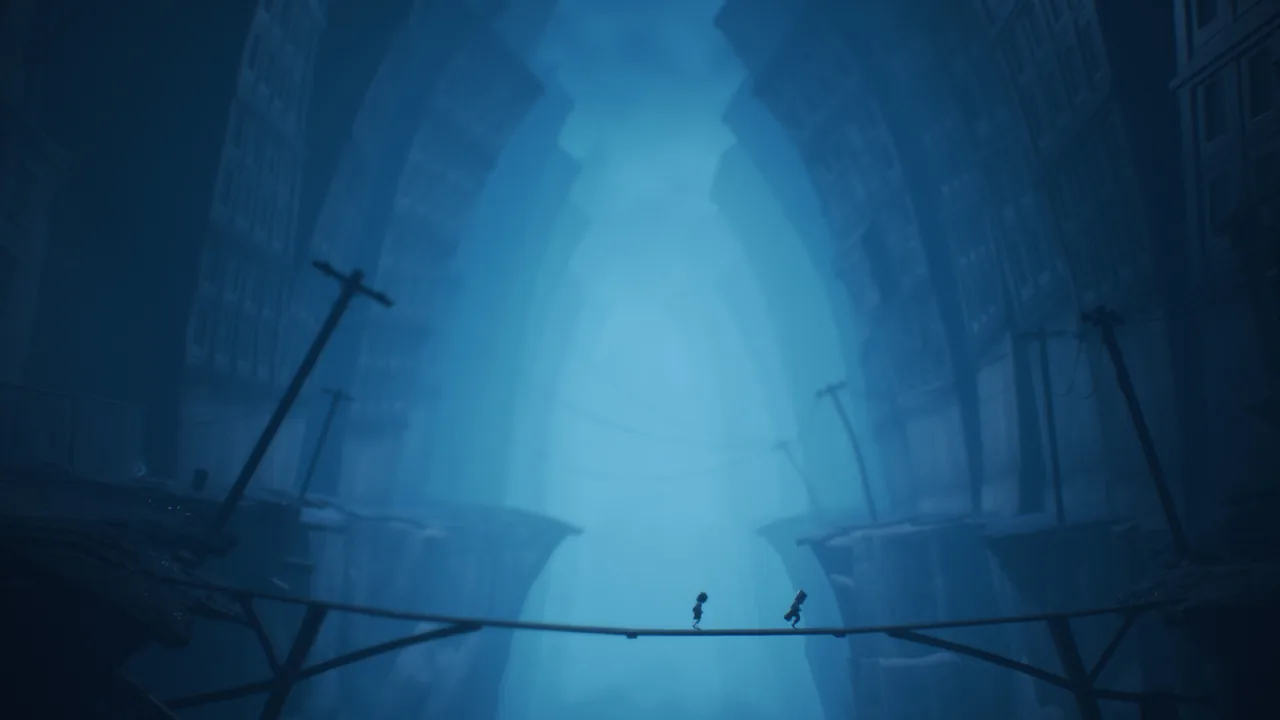
From the Wilderness to Pale City, rain, dim light, sound, and the Residents' movement make the walk uneasy. These reviews favor the tension that persists between scares.
With no dialogue to settle its meaning, the ending and the Transmission remain open to interpretation. Players who kept thinking about Mono's and Six's actions after finishing valued that room to read the story.
The Teacher at the School and the Doctor and Patients at the Hospital make those places frightening through their bodies and movement. Seeing a Resident before the pursuit starts adds tension.
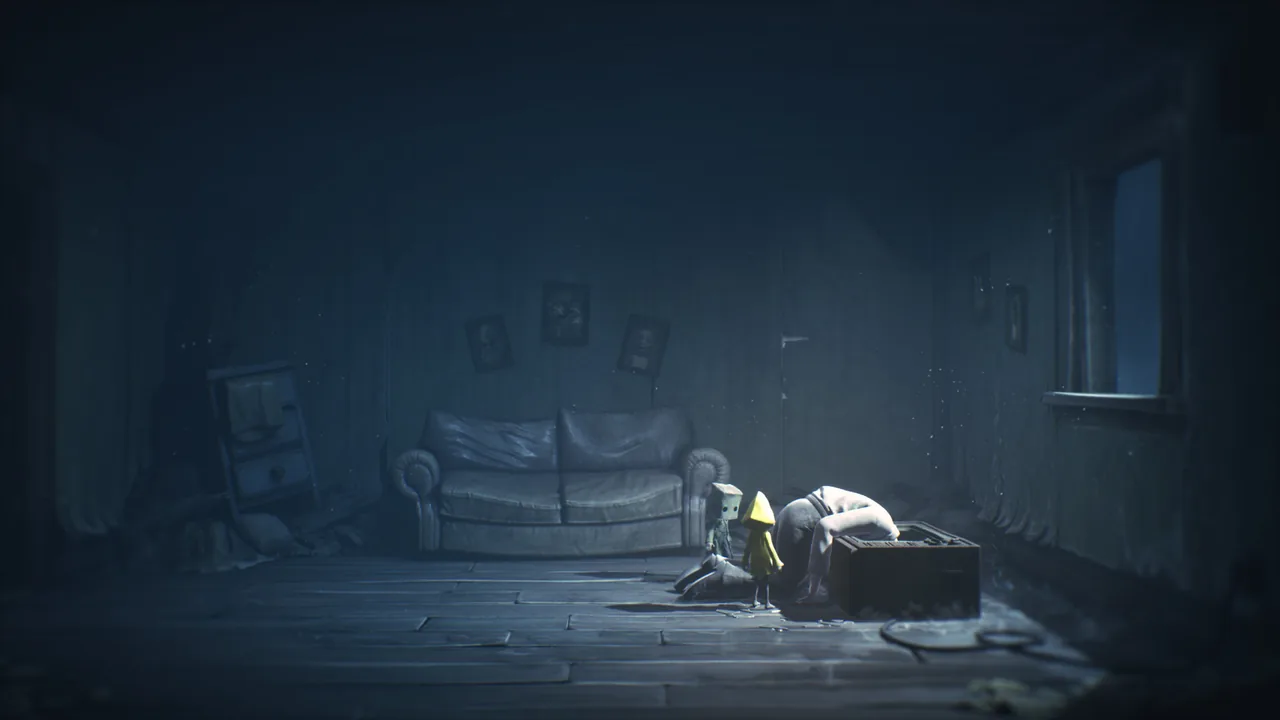
Six helps at ledges, moves objects, and reacts to her surroundings on her own. That gives the solo journey a sense of company; players also remember holding hands as a way the relationship is shown.
Early puzzles ask you to read Six's help; the Hospital changes the task to flashlight aim. Players liked that the solutions changed with the location without keeping the story waiting for long.
Once the story is known, hats, glitching remains, and situational achievements give players a reason to inspect rooms again. Chapter selection helps them return for anything missed.
Common complaints
During chases, scene depth can be hard to judge: a hatch or doorway looks aligned, yet Mono catches the wall. Keyboard and mouse players also report trouble aiming the Hospital flashlight and grabbing while running.
A chase route or trap may be unclear on the first attempt, leaving players to learn the required move through failure. Rewatching the same sequence on retries turned fear into irritation for those reviewers.
Reviews describe failed grabs, Six standing still, and required objects failing to appear. Those problems can look like a missed puzzle step; returning to a checkpoint fixed reported cases.
In fights such as those at the School, enemies close in while Mono picks up and swings a tool. A mistimed attack often means a retry, interrupting the stealth and puzzles that these players wanted to focus on.
Who it’s for
It suits players who want to read Six's gestures for help with ledges and puzzles. Those who like piecing together a story from rooms and Residents' behavior also have plenty to examine.
It fits players who enjoy shifting from waiting behind cover to a short escape, then adapting to found-object combat or flashlight control in the Hospital.
After learning the story, players who want to search rooms for hats, glitching remains, and situational achievements have a reason to revisit chapters.
Who might not enjoy it
If lining Mono up with hatches and doors in fixed-camera scenes with visible depth feels awkward, the chases may be frustrating. The Hospital also asks you to manage flashlight aim while moving.
Players who want to see every trap and escape route before failing, or who expect room to recover after a missed swing, may find the chases and combat unforgiving.
FAQ
- Does the game support English?
- Yes. The Steam version includes English interface text, subtitles, and full audio.
- Can it be played in co-op?
- No. Six is a computer-controlled companion in a single-player game.
- Does Enhanced Edition require a separate purchase?
- Steam owners of the main game receive access at no additional charge. It adds upgraded reflections, shadows, environmental detail, particles, and spatial sound.
- Is there additional content?
- The Nomes' Attic adds a special puzzle reached by following the Nomes, with a Nome hat as its reward.
These impressions are based on 100 Steam reviews sorted by “Most Helpful.” They do not represent the views of all buyers.
Image: Little Nightmares II on Steam