Predy Media > Articles > Comparison
ComparisonSlay the Spire vs Balatro:
Deckbuilding and Win Conditions
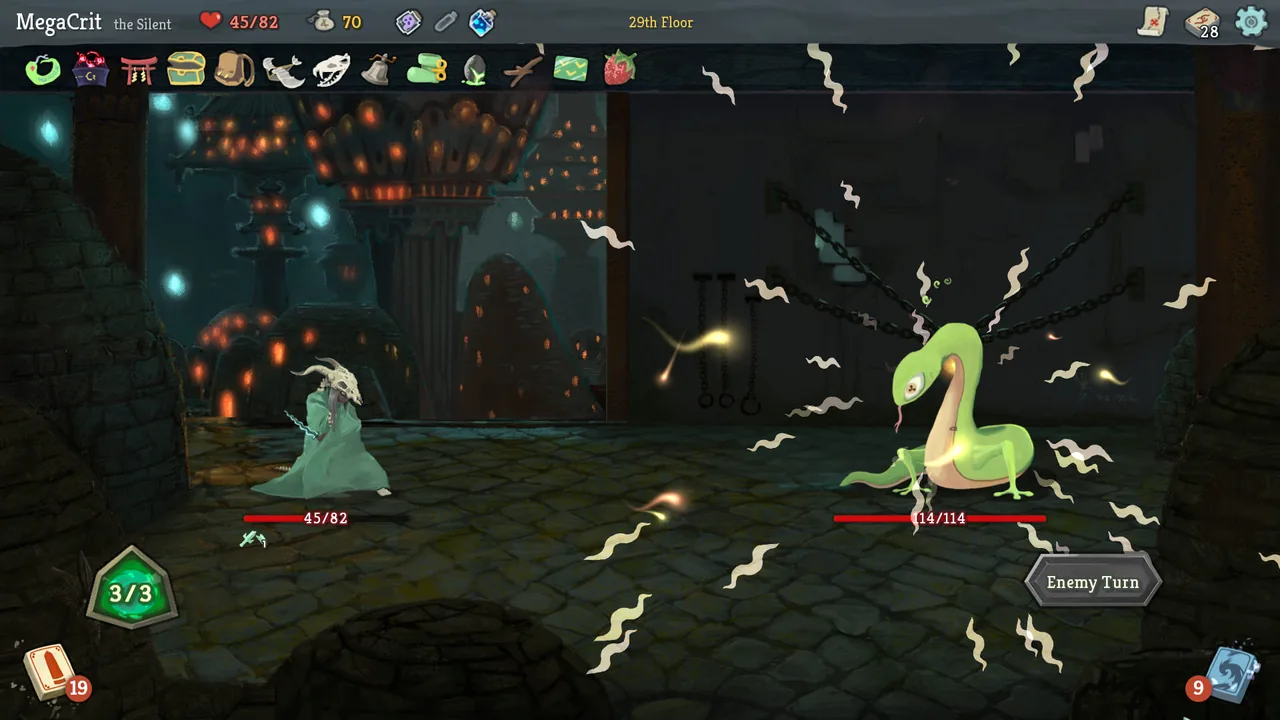 Slay the Spire
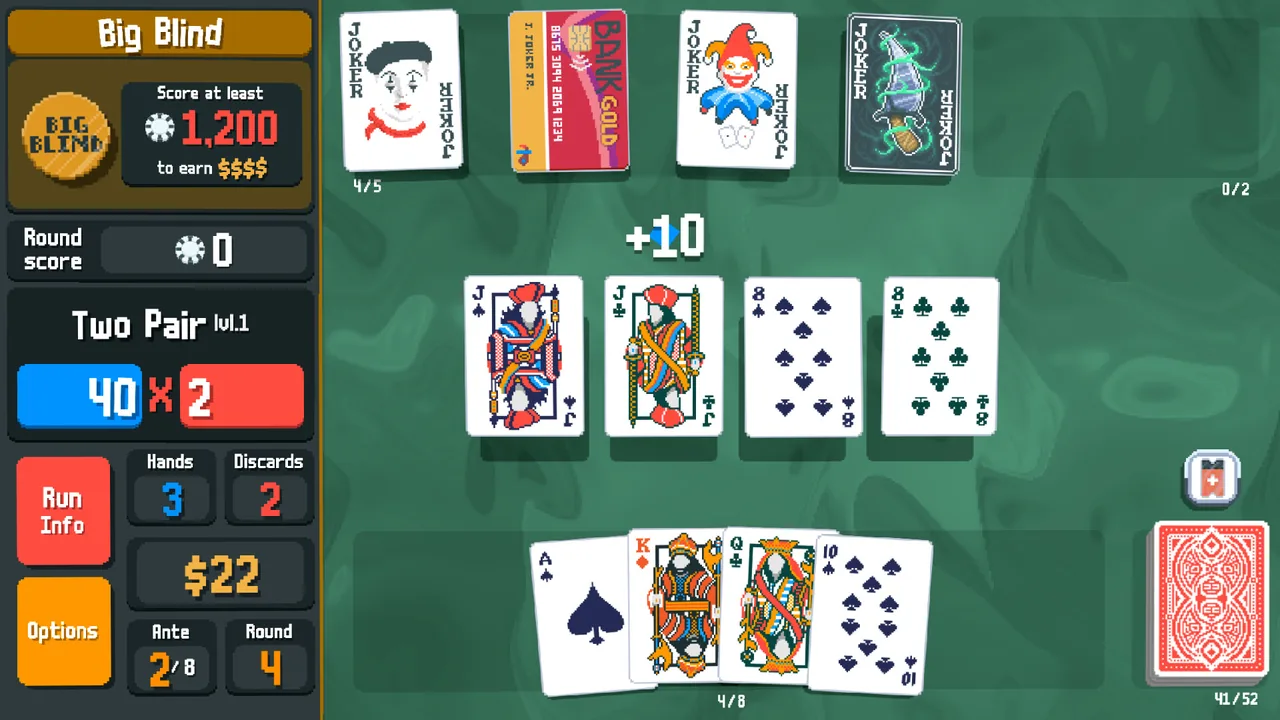 Balatro
Images: Steam store (Slay the Spire, Balatro)
Start with the choice you want to make: read enemy actions to balance survival and upgrades, or combine a scoring engine with shop purchases to clear Blinds.
We compare Slay the Spire’s route choices with Balatro’s shop decisions, then consider which decisions you want to sharpen as the difficulty rises.
Which one is for you
 Slay the Spire is for you if…This suits players who want to read Intents for immediate attack and defence decisions while also planning routes and Relics around later fights.It also fits players who want to get better at deciding when to take or skip card rewards as they work through Ascension.
 Balatro is for you if…This suits players who want to build around Joker interactions, then use Tarot and Planet cards to get different scoring results from a familiar hand.It also fits players who want to decide whether to spend on a shop reroll or buy what is already offered, then deepen their understanding of builds through Stakes or Challenges.
Screenshots
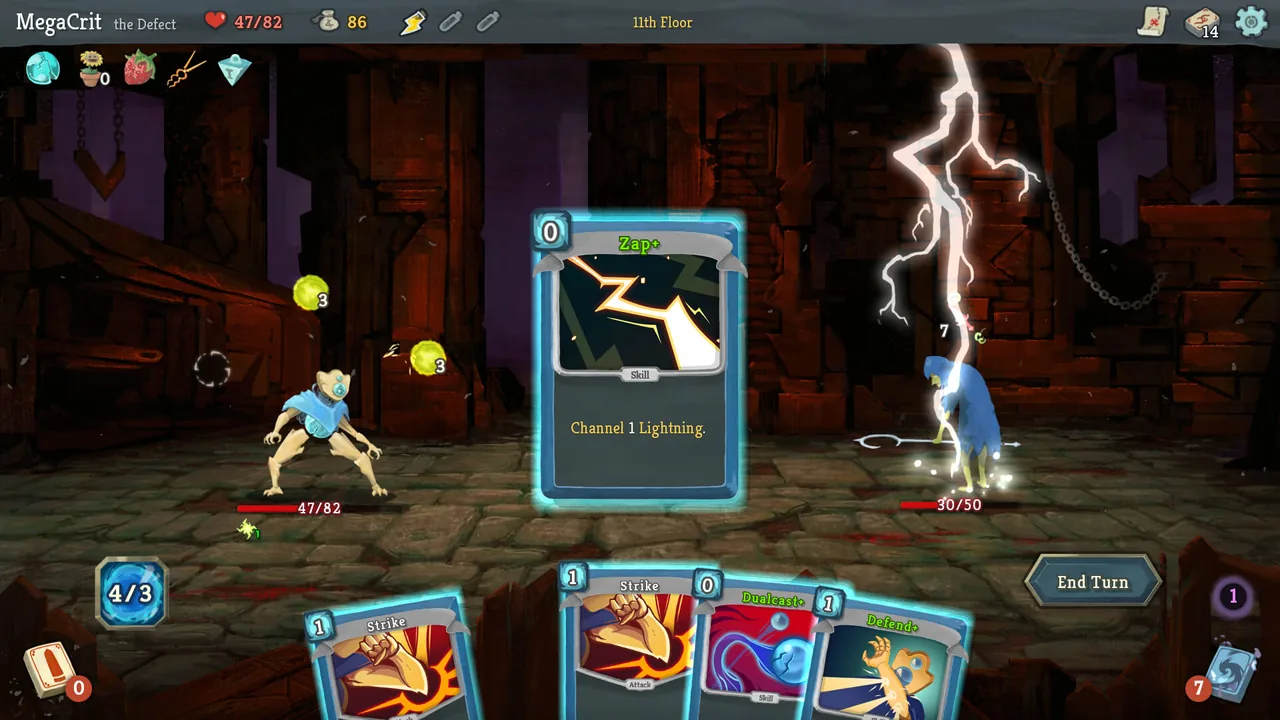
Slay the Spire
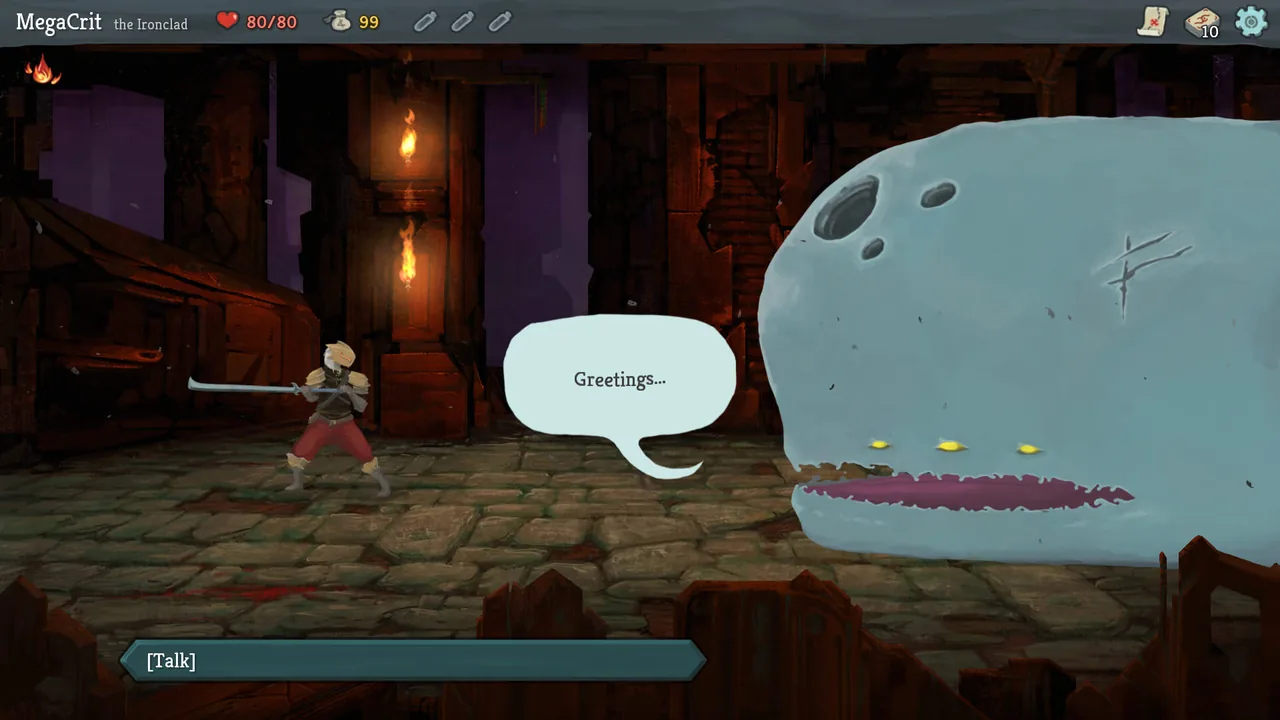
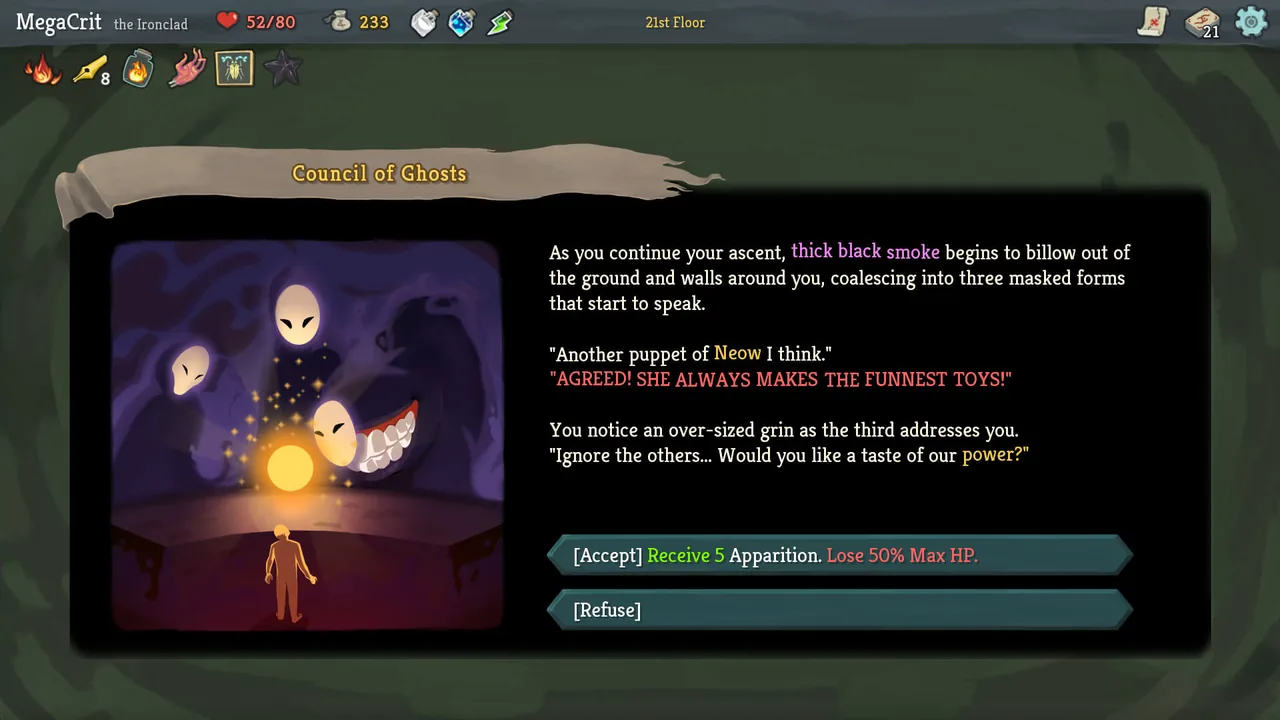
Balatro
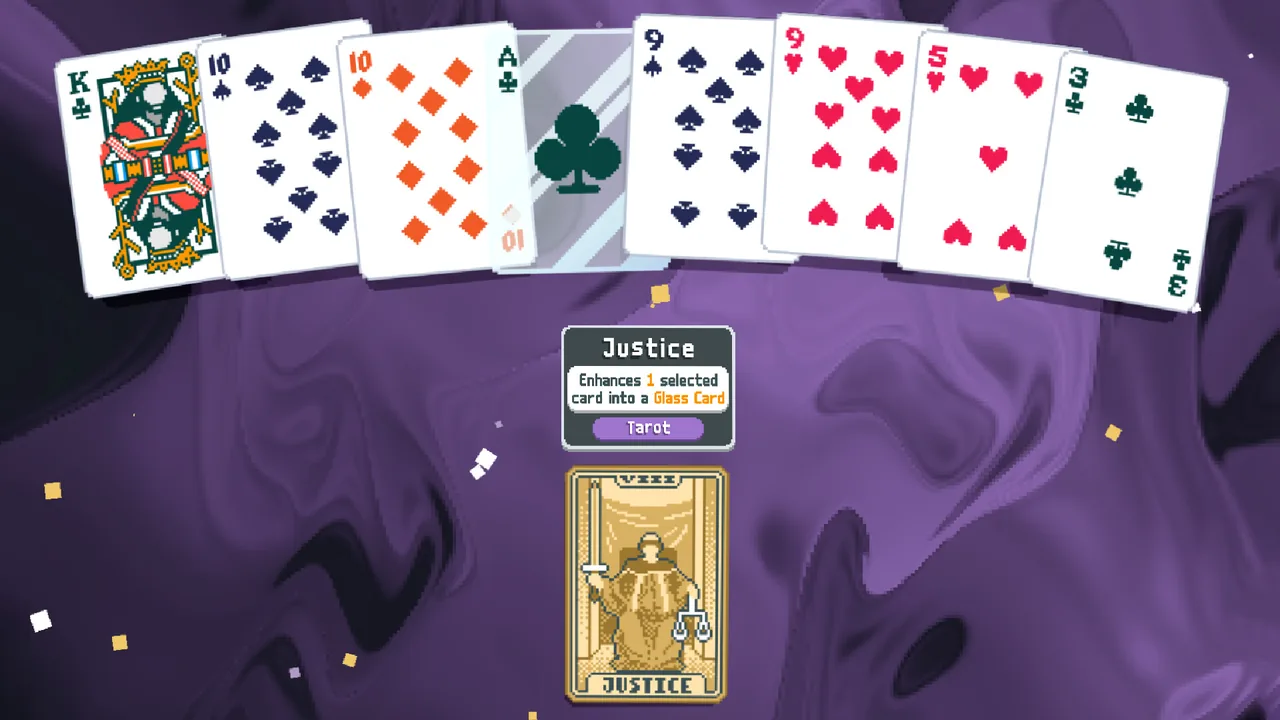
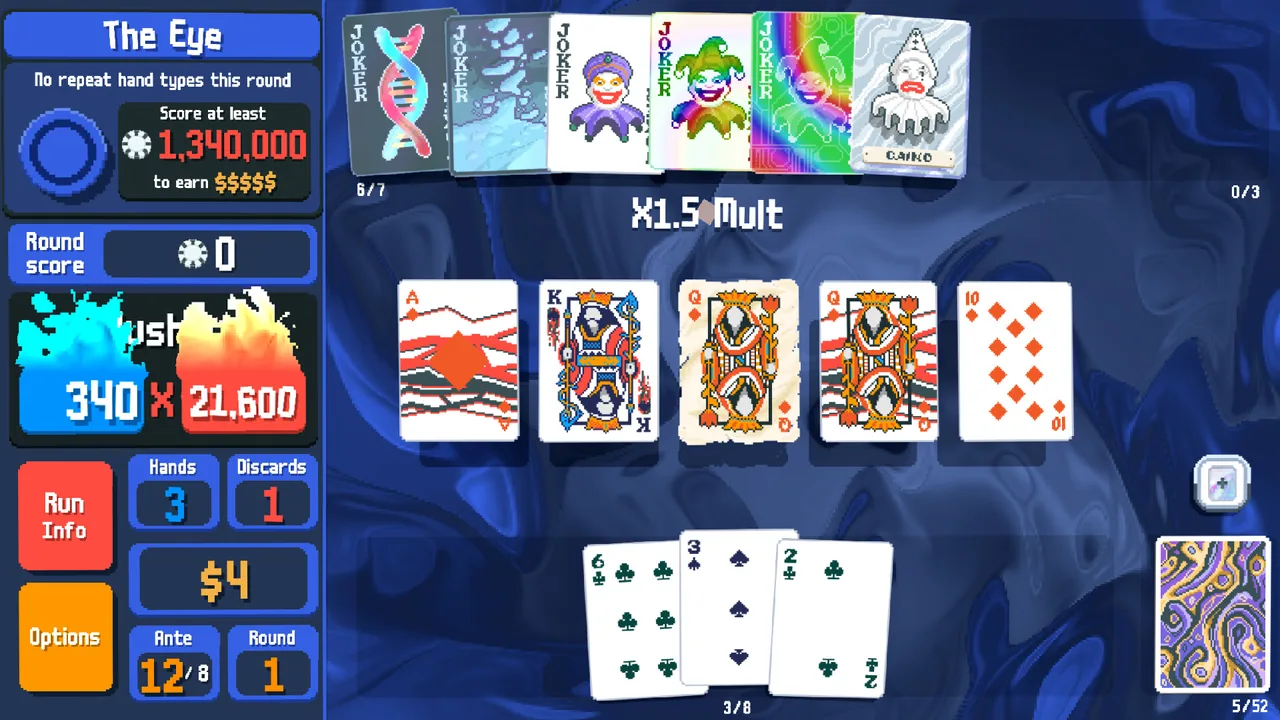
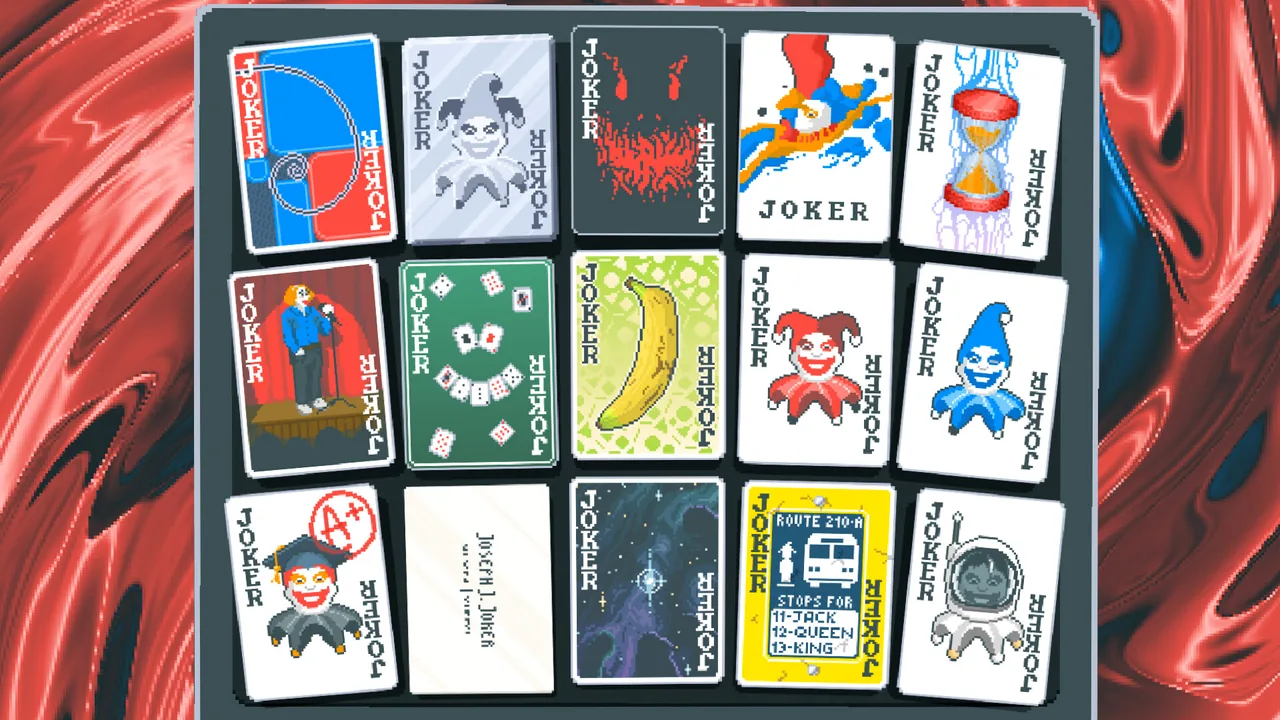
Steam data side by side
| Slay the Spire | Balatro | |
|---|---|---|
| 97%Overwhelmingly Positive192,995 reviews · all languages | Positive reviews | 97%Overwhelmingly Positive162,352 reviews · all languages |
| US$6.24-75% | Price (United States) | US$11.99-20% |
| 94.2 hours | Playtime at review | 45.2 hours |
| Verified | Steam Deck | Verified |
| Jan 24, 2019 | Release date | Feb 20, 2024 |
| Mega Crit | Developer | LocalThunk |
| Japanese, English, Simplified Chinese, Korean | Languages | Japanese, English, Simplified Chinese |
What each game is
Slay the Spire
Slay the Spire shows enemies’ next actions through its Intent system, letting you decide how to use your hand for attack and defence.
Each character has a distinct card pool, and cards chosen along the climb reshape the starting deck into a build that works for that run.
Relics alter card combinations, so a card’s value also depends on how it interacts with effects already in the build.
The tower’s routes change between runs, leaving you to choose a riskier or safer path towards the top.
At Council of Ghosts, you decide whether to reduce maximum HP for Apparition, weighing a stronger deck against your margin for survival.
Balatro
In Balatro, you score with poker hands to clear each Blind and beat the final Ante’s Boss Blind.
Jokers can alter multipliers, income and other effects, making their limited slots a choice about which functions to combine.
Tarot cards modify playing cards while Planet cards improve poker hands, letting you develop the deck itself or the value of the hands it makes.
Rerolling the shop costs money, so searching for different options competes with the budget available to buy what is already offered.
Some Boss Blinds restrict how you play. The Fish turns cards drawn after a played hand face down, changing how you read your hand.
For experienced players
Slay the Spire
Ascension provides higher-difficulty goals, and reviews value continuing to refine card evaluation and ways to win at those levels.
The developer says acquired cards do not influence later card offers, so decisions revolve around adapting to what appears rather than expecting a planned build to arrive.
Reviews value the decision to skip card rewards, or learning to weigh removal alongside adding cards.
Balatro
Alongside Stakes for individual decks, Challenges offer another goal, with a review valuing how they teach ways to make a deck work with limited resources.
Reviews describe learning to value deck modification beyond Jokers, or broadening builds by reconsidering which hands to pursue.
Seeded runs are also available, and a review describes revisiting the same conditions to examine where a failed attempt went wrong.
How they play differently
Preparing for what comes next
Read enemy Intents and use that forecast to plan the current attack and defence.
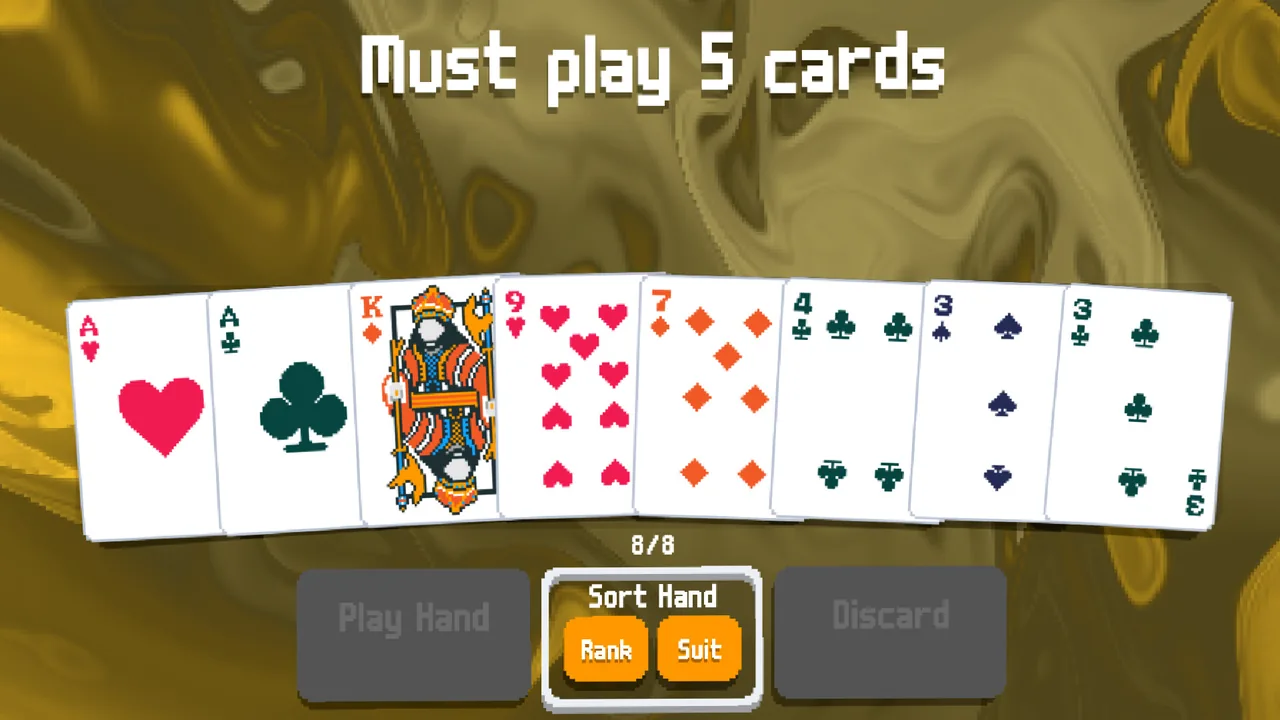
Read the Boss Blind’s restriction and consider whether the intended hand and card handling will still work.
Giving something up to improve
Council of Ghosts asks whether gaining Apparition is worth reducing maximum HP.

At the shop, choose whether to save money for purchases or spend it rerolling for other options.
Reshaping the build
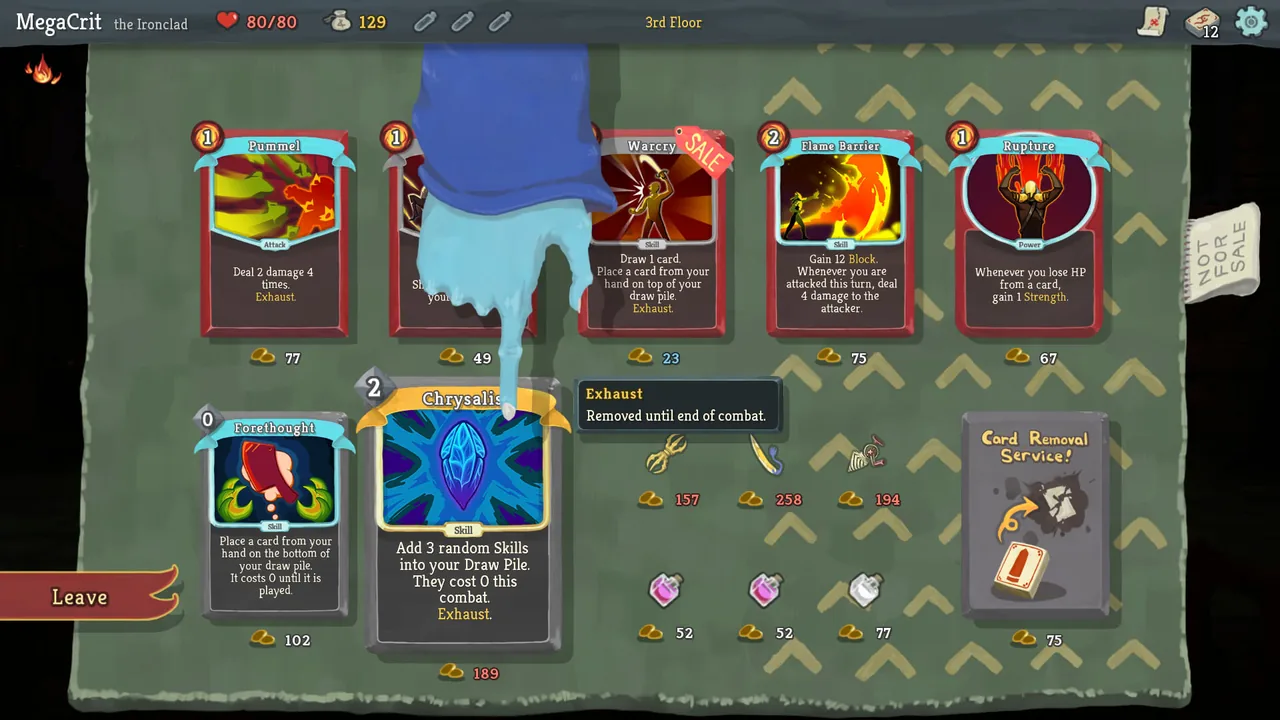
Build around a character’s card pool and your Relics, adapting as new cards appear along the climb.
Combine Joker effects with Tarot changes to playing cards and Planet upgrades to poker hands.
What reviews praise
Slay the Spire
- Finding combinations among the cards and Relics a run offers is part of the fun reviewers describe.
- Players appreciate fitting a climb into spare moments or taking their time when their schedule allows.
- Switching characters opens up different cards and combat approaches to explore, a change reviewers enjoy.
- Even at higher difficulties, reviewers like having room to rethink card values and sharpen their decisions.
- Extra characters, co-op and input assistance are among the mod additions praised for expanding play or improving usability.
- Planning routes and resource use beyond the current hand appeals to reviewers.
- Learning when to skip a card reward or consider removal alongside new cards is a satisfying process for reviewers.
Balatro
- Reviewers enjoy shaping a run's scoring around Jokers and their interactions with playing cards or special cards.
- Chasing high scores and watching the numbers climb is a pleasure players highlight.
- Playing casually in spare moments, then continuing when time allows, suits the sessions described in reviews.
- Players welcome being able to start without knowing poker, or learning its hands along the way.
- Reviewers praise the visual response to card actions and the sound of multiplier effects.
- Stakes and Challenges are valued as goals that test a player's understanding of builds.
What reviews flag
Slay the Spire
- Missing cards or an awkward draw order can stop a planned build from working, leaving reviewers frustrated by a loss.
- Reviewers describe the art and card-battle presentation as plain and lacking visual flair.
- Players describe builds that feel constrained, or familiar strategies and openings that grow repetitive over time.
Balatro
- Players describe the frustration of a run ending while they still wait for the draws or shop pieces their scoring hand or engine needs.
- Reviewers describe struggling to keep their builds ahead of the score targets at higher Stakes.
- Reviewers describe a narrow pool of Jokers they find useful.
- Reviewers describe completing deck difficulties or Joker-related achievements as a lengthy grind.
Slay the Spire
About the data and reviews
Table values are public Steam data; prices are from the United States store. Review points come from the 100 most helpful reviews of the past year for each game, and only points raised in at least three reviews are included. They do not represent every buyer's opinion.
These summaries group opinions from the sampled Steam reviews by topic. Read them separately from the official features.