Predy Media > Articles > Comparison
ComparisonMonster Train vs Monster Train 2:
upgrades, deployment and choosing your next run
 Monster Train
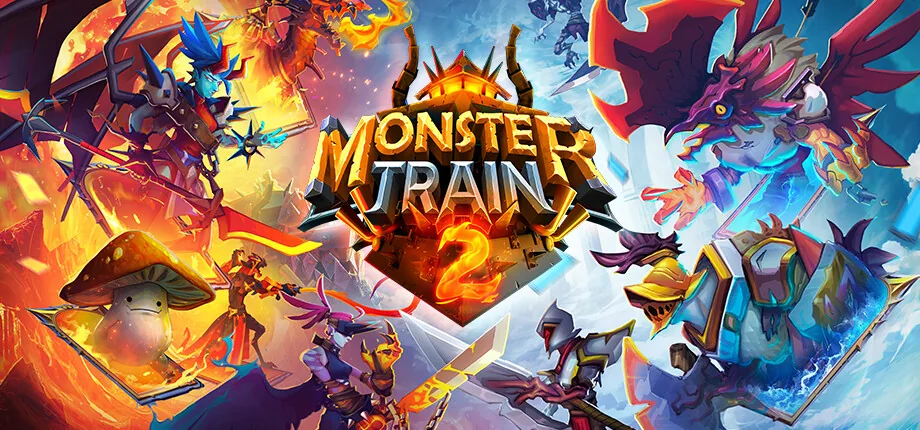
 Monster Train 2
Images: Steam store (Monster Train, Monster Train 2)
Monster Train and Monster Train 2 combine deckbuilding with unit placement across a train’s floors.
This comparison looks at planning routes for card upgrades and duplication, and at combining pre-battle deployment with Room Cards and Equipment Cards.
Which one is for you
 Monster Train is for you if…Monster Train suits players who want to pair primary and allied clans and decide how to upgrade the cards in their deck.It also suits players who enjoy planning for the final battle by weighing a duplication route against other upgrades.
 Monster Train 2 is for you if…It suits players who want to change clan pairings and consider how Equipment Cards enhance units while Room Cards boost the train.It also appeals to players who like testing choices again to understand how their combinations work.
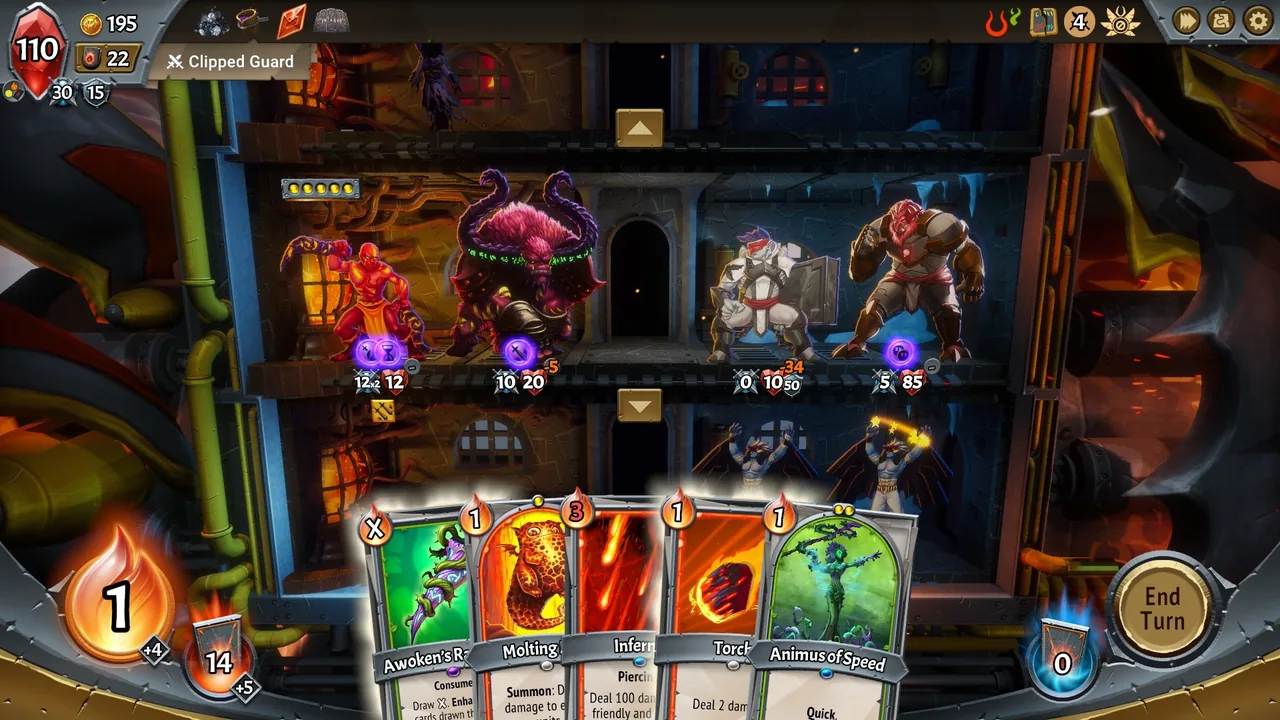
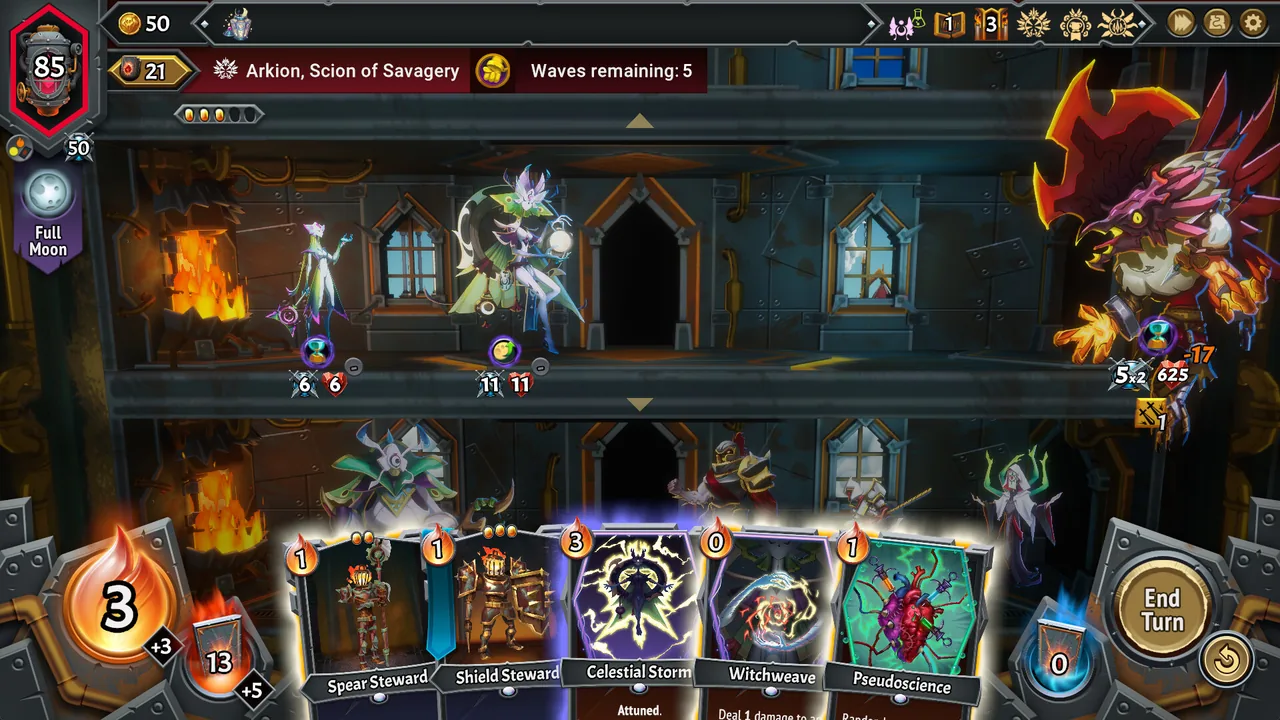
Screenshots
Monster Train
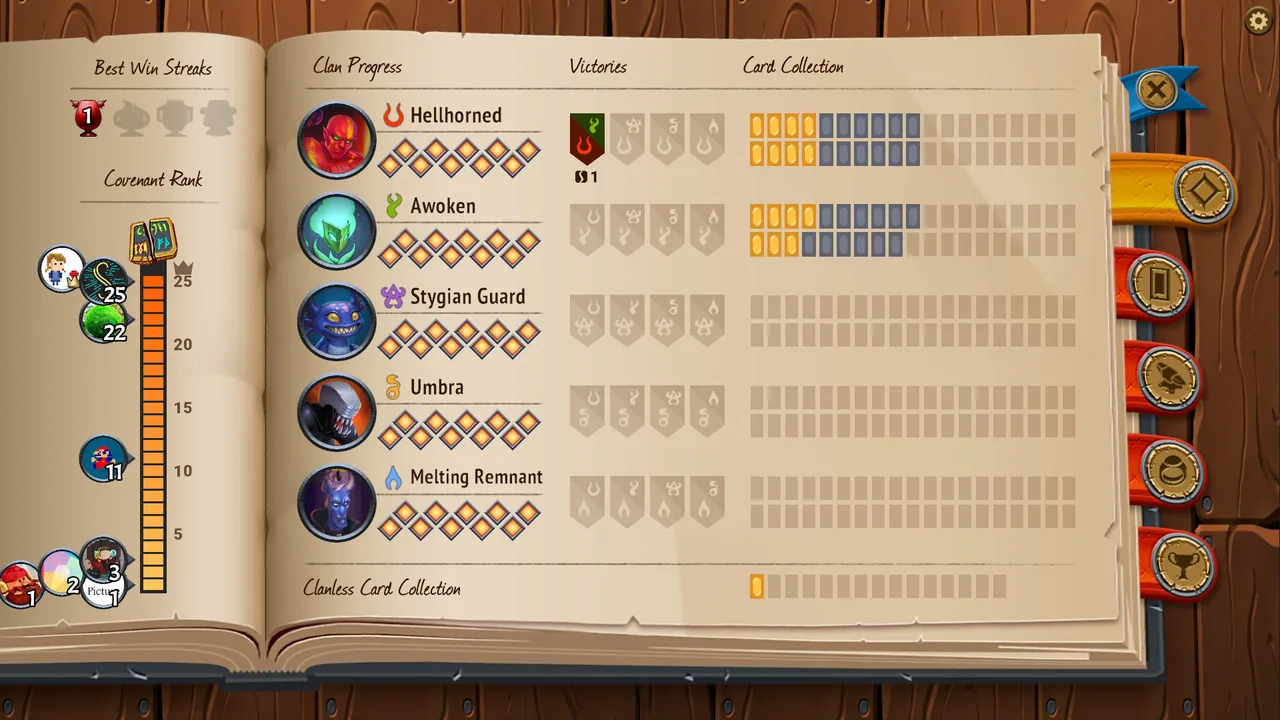
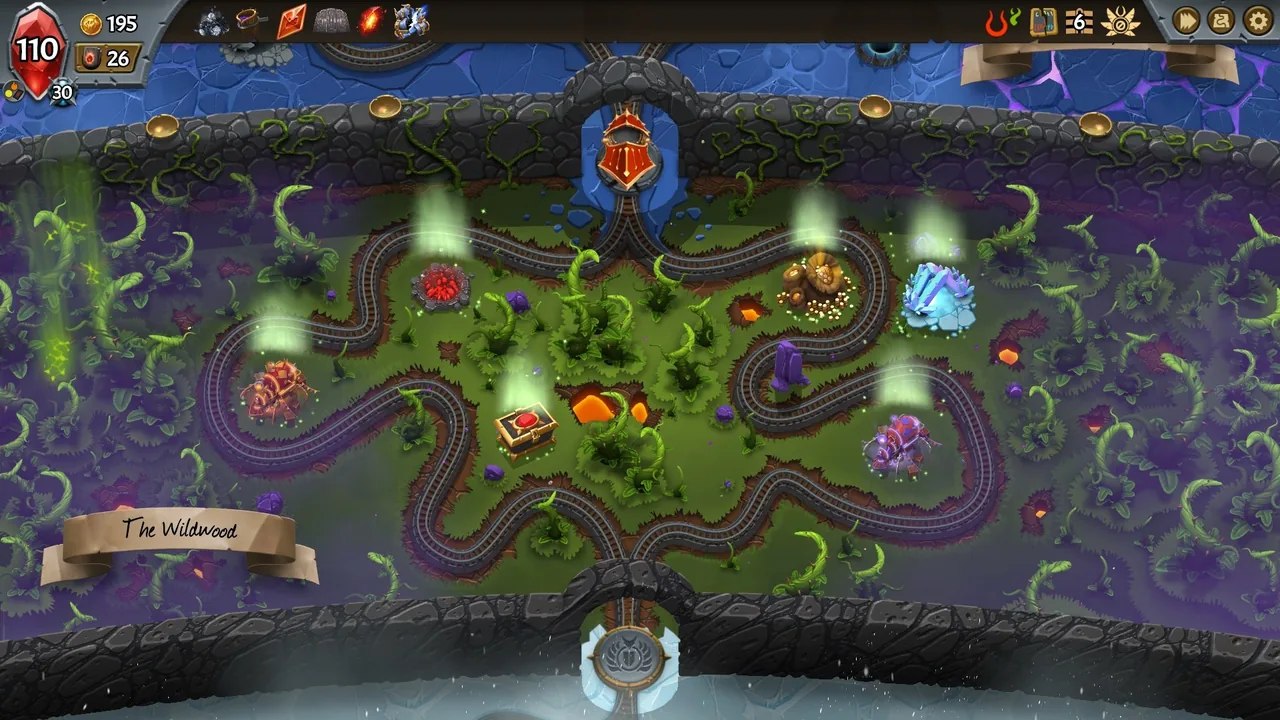
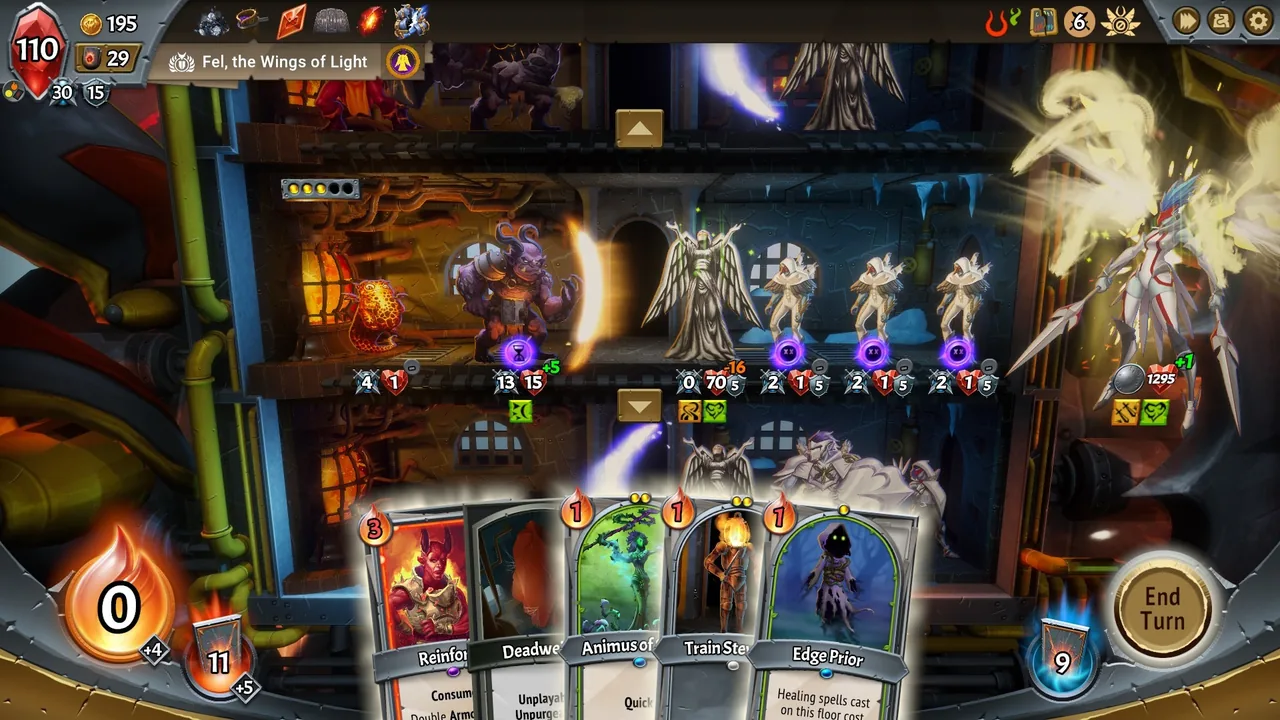
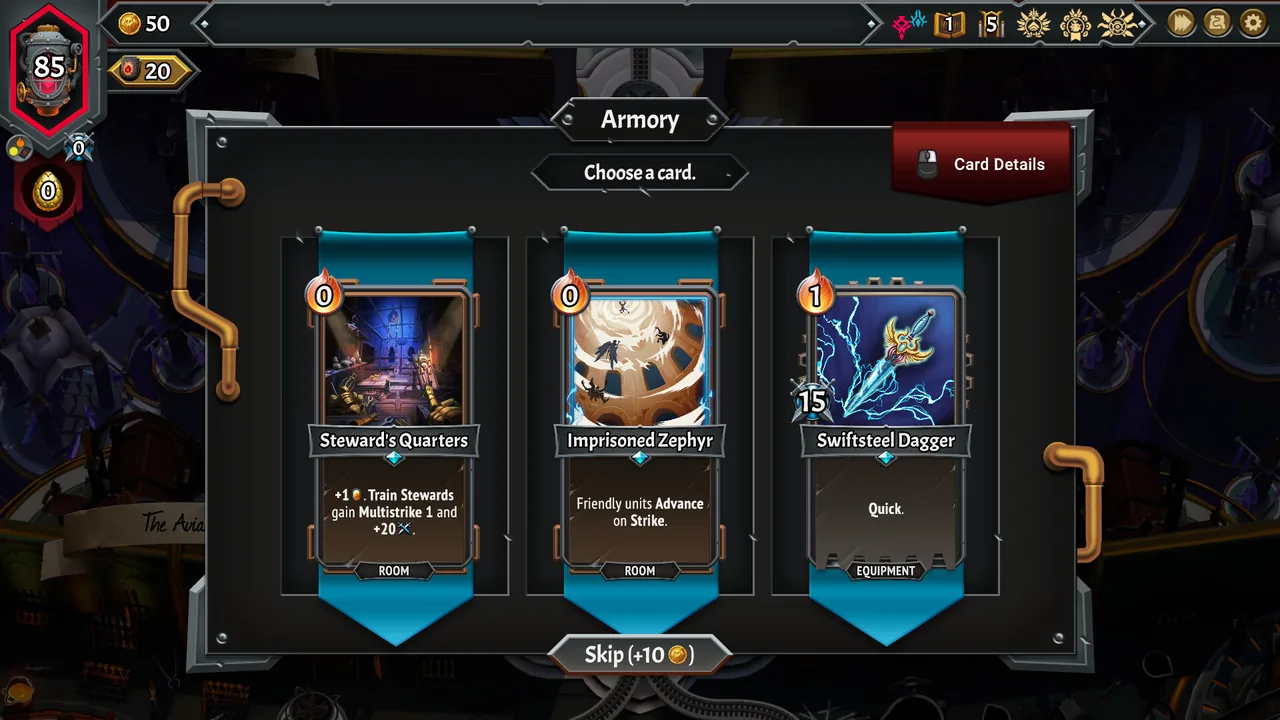
Monster Train 2
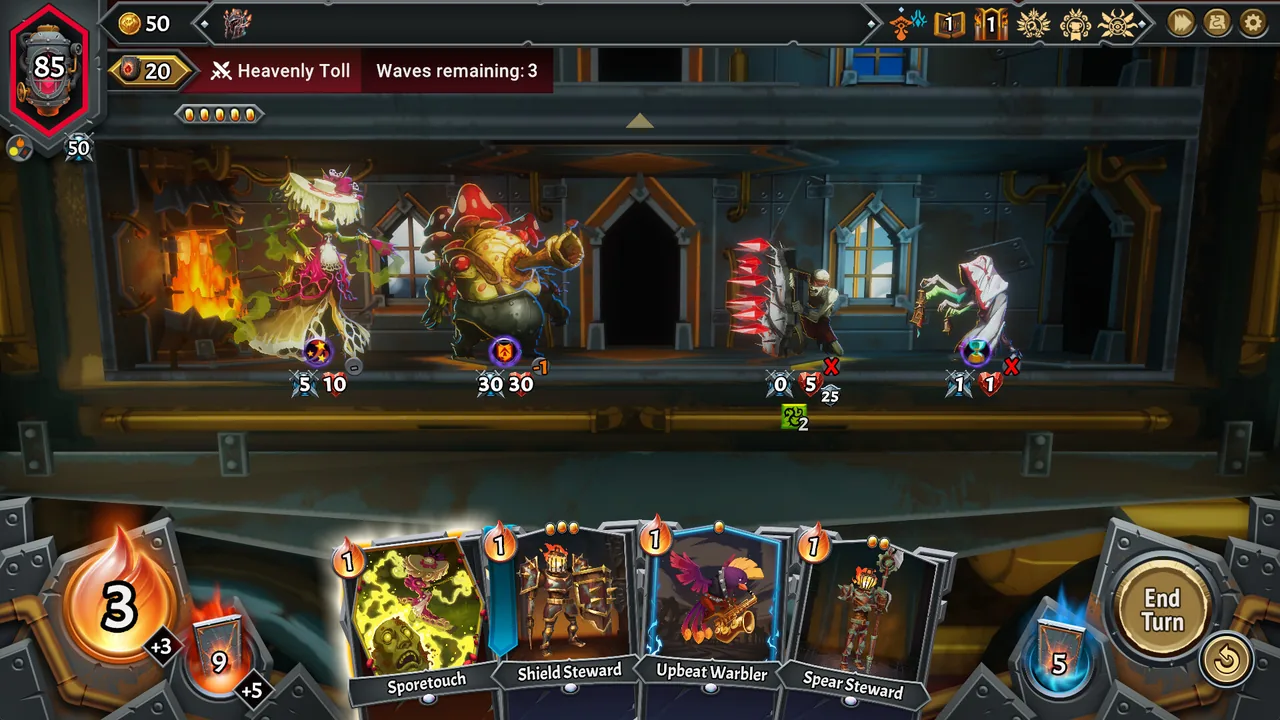
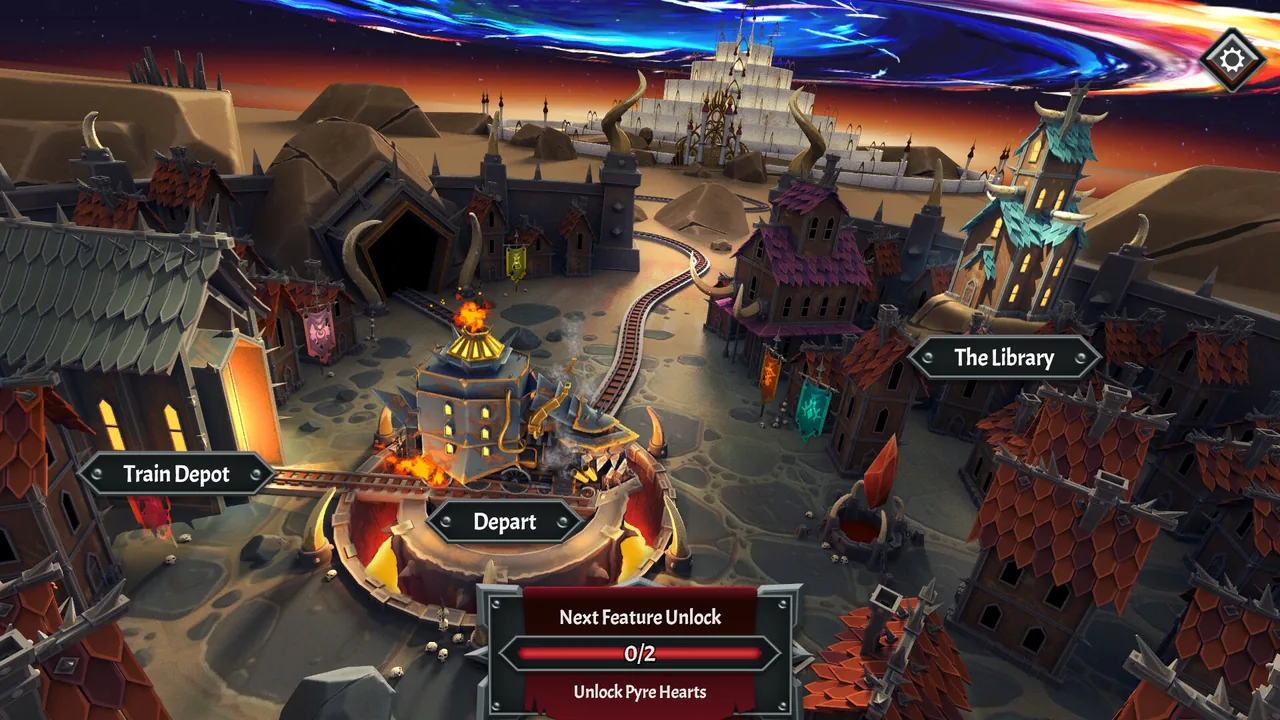
Steam data side by side
| Monster Train | Monster Train 2 | |
|---|---|---|
| 95%Overwhelmingly Positive19,988 reviews · all languages | Positive reviews | 95%Overwhelmingly Positive8,784 reviews · all languages |
| US$24.99 | Price (United States) | US$24.99 |
| 34.4 hours | Playtime at review | 76.3 hours |
| Playable | Steam Deck | Verified |
| May 22, 2020 | Release date | May 21, 2025 |
| Shiny Shoe | Developer | Shiny Shoe |
| English, Simplified Chinese | Languages | Japanese, English, Simplified Chinese, Korean |
What each game is
Monster Train
Monster Train has you develop a deck and place units across vertical battlefields to protect the train’s Pyre.
Your primary and allied clans provide access to their cards, making the interaction between their roles an opening decision.
Between battles, routes offer unit recruitment, champion development, card upgrades and duplication.
Your route determines whether you duplicate a card to add another copy or take an upgrade that fills a different role in the deck.
Stacking upgrades on cards makes this about shaping the role of an existing card, not just collecting new ones.
Daily Challenge changes the conditions through mutators, while Custom Challenge lets you set up and share your own challenge.
Monster Train 2
Monster Train 2 retains the multi-floor defense and brings unit combinations into a deployment phase before combat.
You can play unit cards before enemies appear, establishing a formation before the invasion begins.
Along the route, you recruit units and upgrade cards, with Room Cards boosting the train and Equipment Cards enhancing units.
The Pyre Heart chosen before departure has attack and health tuned around its special power, making that power a trade-off against defensive resilience.
After a run, the Covenant Outpost provides character conversations and access to unlocked features before the next attempt.
Dimensional Challenges offer handcrafted conditions, while Endless Mode lets a victorious build continue into further battles.
For experienced players
Monster Train
Reviews describe moving up Covenant difficulty as a reason to try new approaches and pursue wins with different clans.
Reviews also highlight the fun of pairing a protective front line with attackers behind it and planning each floor’s role.
The base game’s FRIENDS & FOES update provides previews of intermediate bosses at departure, informing which cards to upgrade or duplicate.
Monster Train 2
Luna Coven can turn the Magic Power gained through Conduit into unit attack through the Moonlit Glaive equipment card.
Aquath’s Reservation is a Pyre Heart with an Ember-generating ability, creating a choice between activating it for an expensive card now and saving the activation for a later turn.
Reviews appreciate restarting a turn or battle to change decisions and see how the outcome differs.
How they play differently
What do you decide before fighting?
Primary and allied clans determine the available cards, while previews of intermediate bosses help shape an upgrade plan at departure.
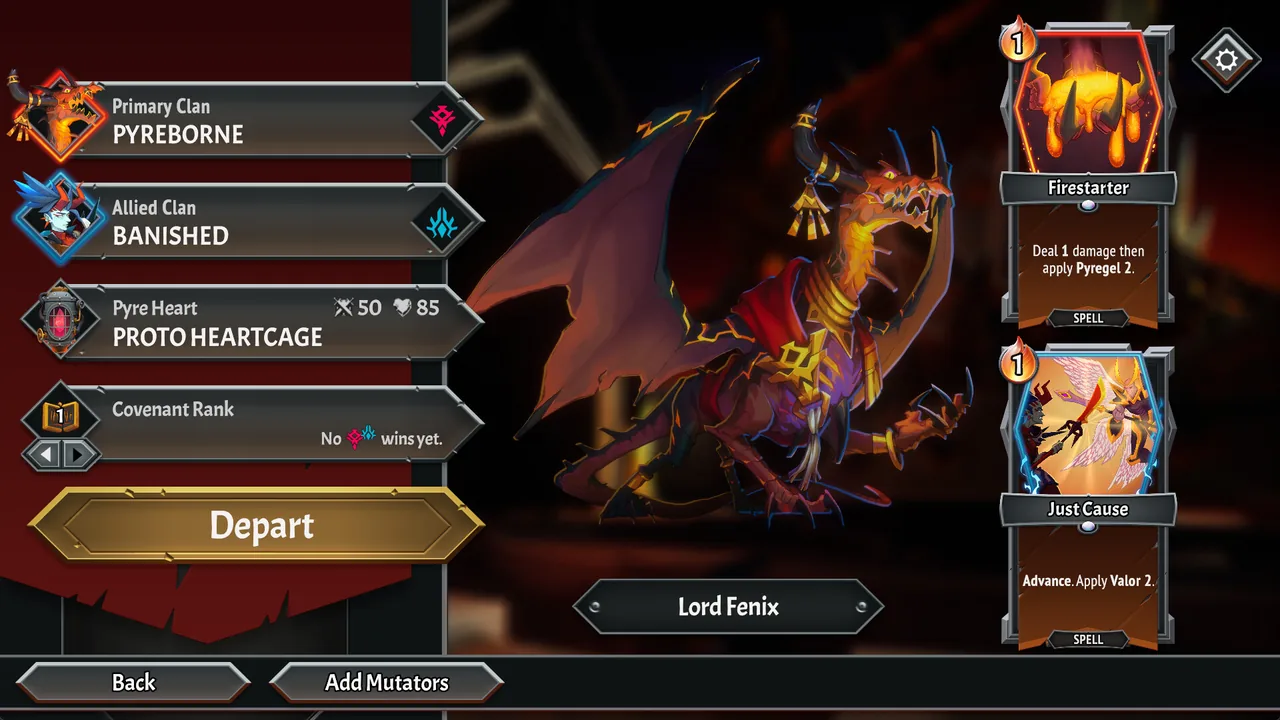
Alongside clans, you choose a Pyre Heart, then place units in a deployment phase before enemies appear.
How do upgrades work together?
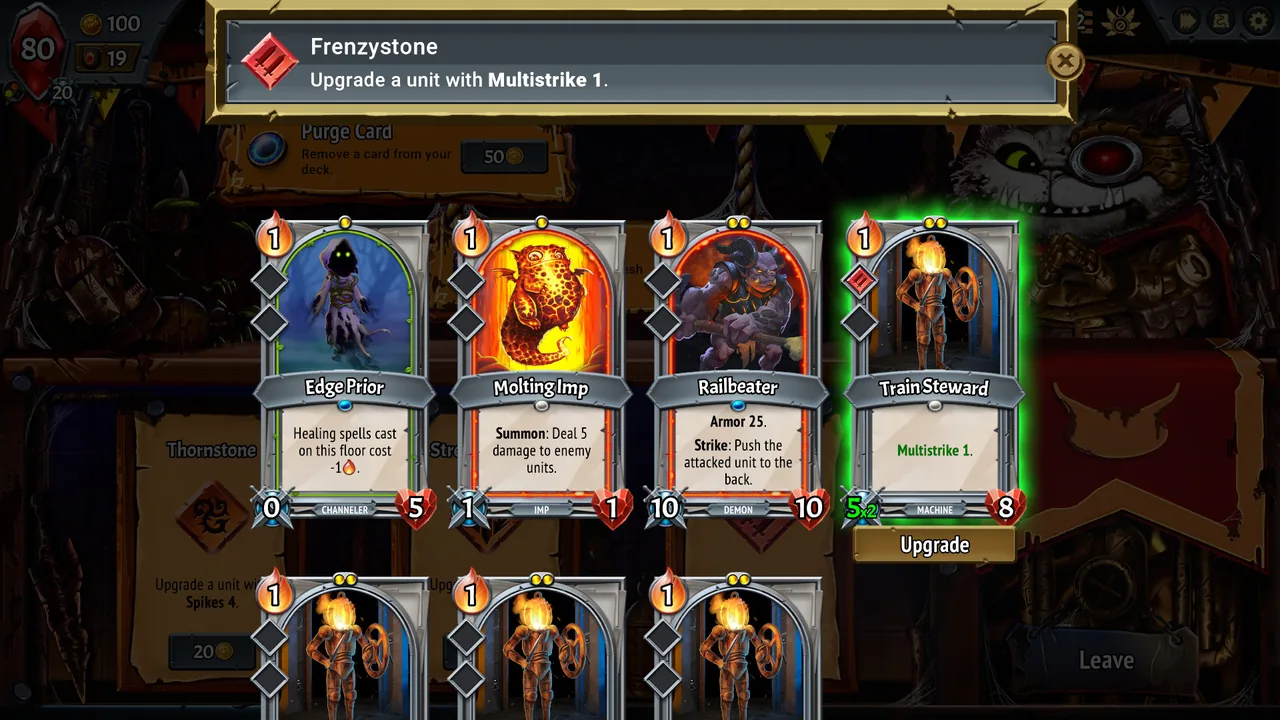
You can stack upgrades on a card, then duplicate a card you’ve developed at a special location.
Room and Equipment Cards join card upgrades, letting you combine effects applied to the train and its units.
What do you weigh when choosing?
Different routes offer different benefits, so you weigh duplication against recruitment or another upgrade.
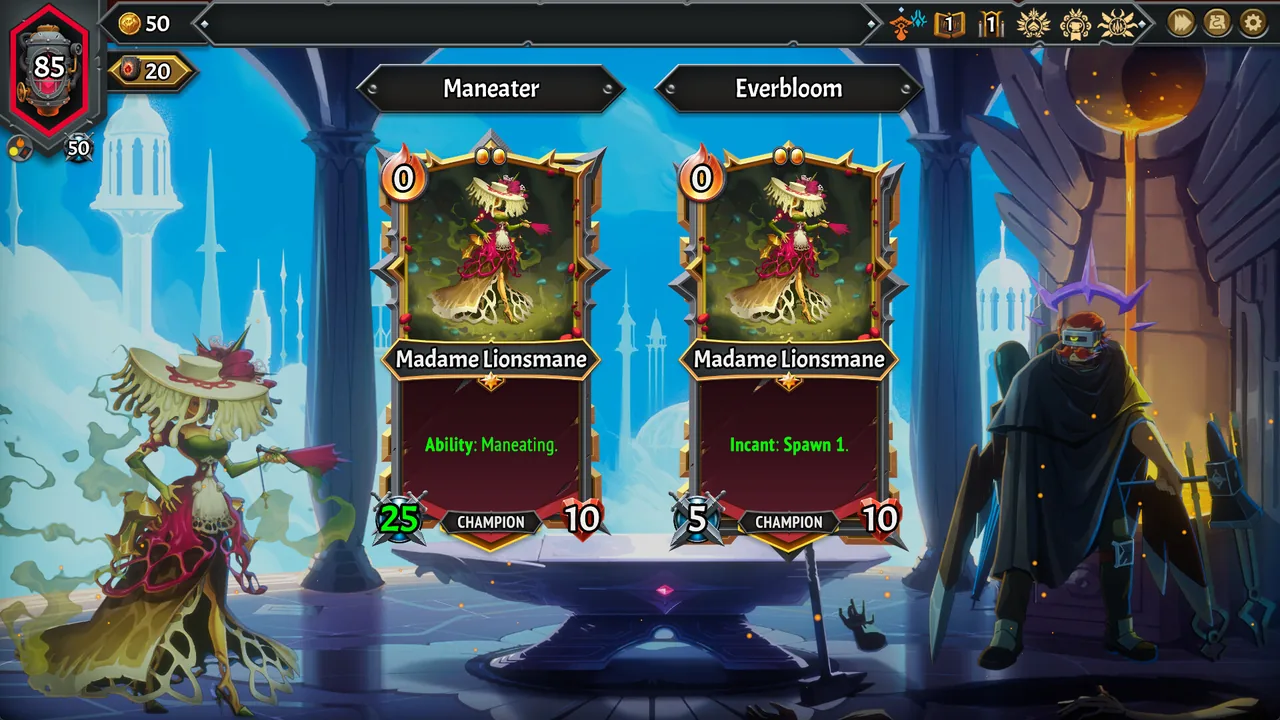
Pyre Hearts vary in special power, attack and health, so you weigh the power you want against how much damage your Pyre can withstand.
Where do you test a build?
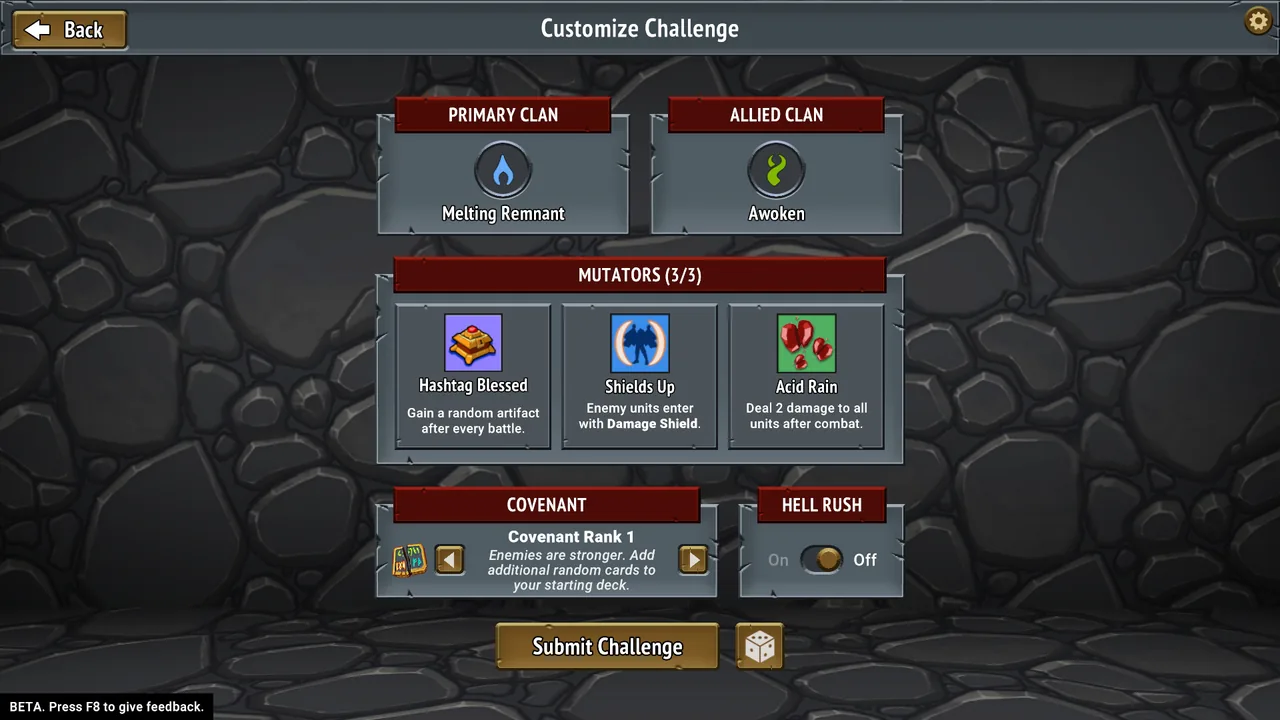
Covenant increases difficulty, while Daily Challenge and Custom Challenge let you play under different conditions.
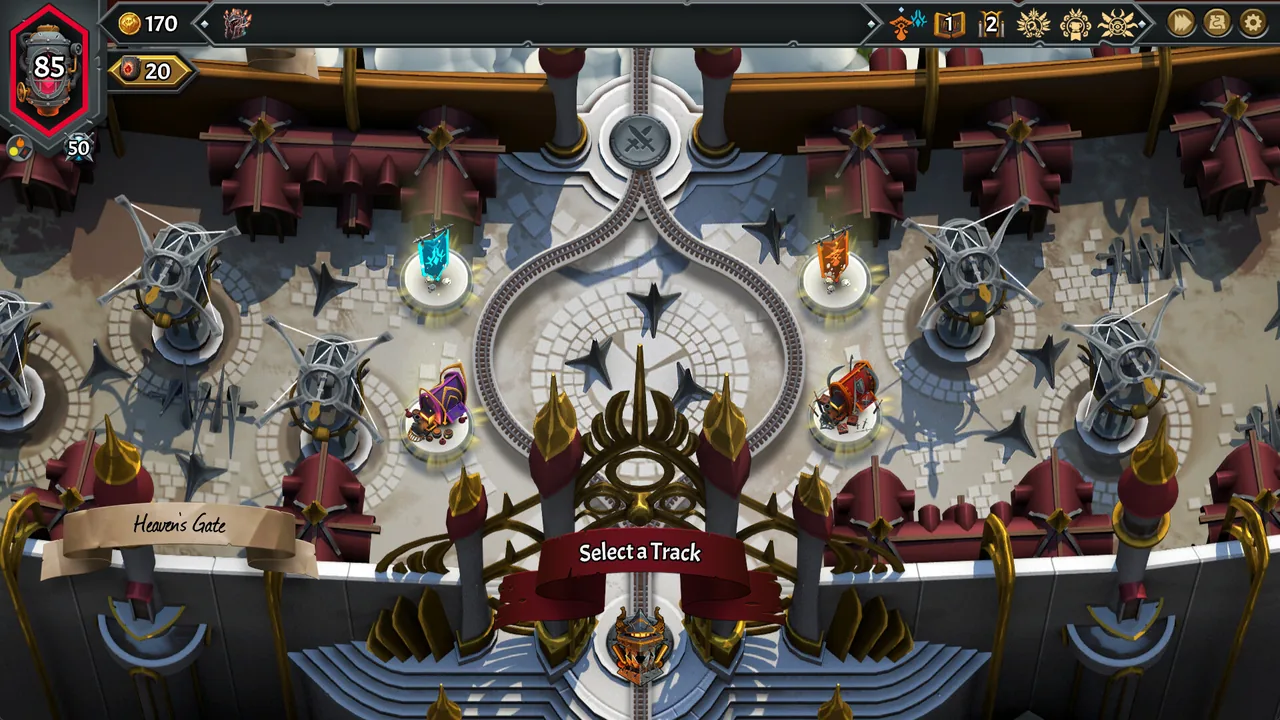
You can test a build in handcrafted Dimensional Challenges or keep testing a victorious build in Endless Mode.
What reviews praise
Monster Train
- Reviewers enjoy thinking about unit placement across floors alongside the contents of their deck.
- Players enjoy pairing a primary and an allied clan and trying builds that make use of their cards and units.
- Players appreciate being able to fit runs into spare moments or step away when something else needs their attention.
- Growing a powerful carry or assembling an explosive combo gives reviewers a satisfying sense of their build taking off.
- Reviewers enjoy aiming for a win at a higher Covenant difficulty on a new run.
- Players enjoy unlocking new cards or clans and gaining more options to try.
- Reviewers appreciate an approachable start that lets them get to grips with the cards and basic loop before taking on harder challenges.
- Players appreciate having ways to influence the result through decisions or deck adjustments rather than relying only on draw luck.
Monster Train 2
- Players enjoy the surge in power when interacting effects come together in a unit or deck.
- Players enjoy changing clan combinations to explore different builds.
- Reviewers value retrying turns or battles to test how different choices change the result.
- The deployment phase is appreciated for making it easier to establish a force before fighting.
- Reviewers enjoy thinking about unit placement across floors alongside the contents of their deck.
- Players appreciate being able to get to grips with the cards and effects as they learn the systems.
- Players enjoy working towards wins and rethinking their approach as the difficulty rises.
- Players appreciate having ways to influence the result through decisions or deck adjustments rather than relying only on draw luck.
What reviews flag
Monster Train
- Reviewers find card choices or clan combinations restrictive or uneven in strength.
- Players find it frustrating when a run hinges on finding the units, upgrades or timely draws their build needs.
- Runs spent raising the difficulty or pursuing wins with different builds can feel repetitive to reviewers.
Monster Train 2
- Reviewers find card choices or clan combinations restrictive or uneven in strength.
- Reviewers describe a burden in learning the mechanics or anticipating their results.
- Players find it frustrating when a run hinges on finding the units, upgrades or timely draws their build needs.
- Reviewers criticize power scaling that can make combat feel too extreme or loosely balanced.
Monster Train
Monster Train 2
If you're still deciding
Monster Train suits you if you want to plan routes around card upgrades and duplication; Monster Train 2 suits you if you want to combine deployment with Room Cards and Equipment Cards.
About the data and reviews
Table values are public Steam data; prices are from the United States store. Review points come from the 100 most helpful reviews of the past year for each game, and only points raised in at least three reviews are included. They do not represent every buyer's opinion.
These points summarize opinions in the sampled Steam reviews for the stated period. They do not represent every buyer or establish current mechanics, and the number of review points is not a basis for choosing between the games.