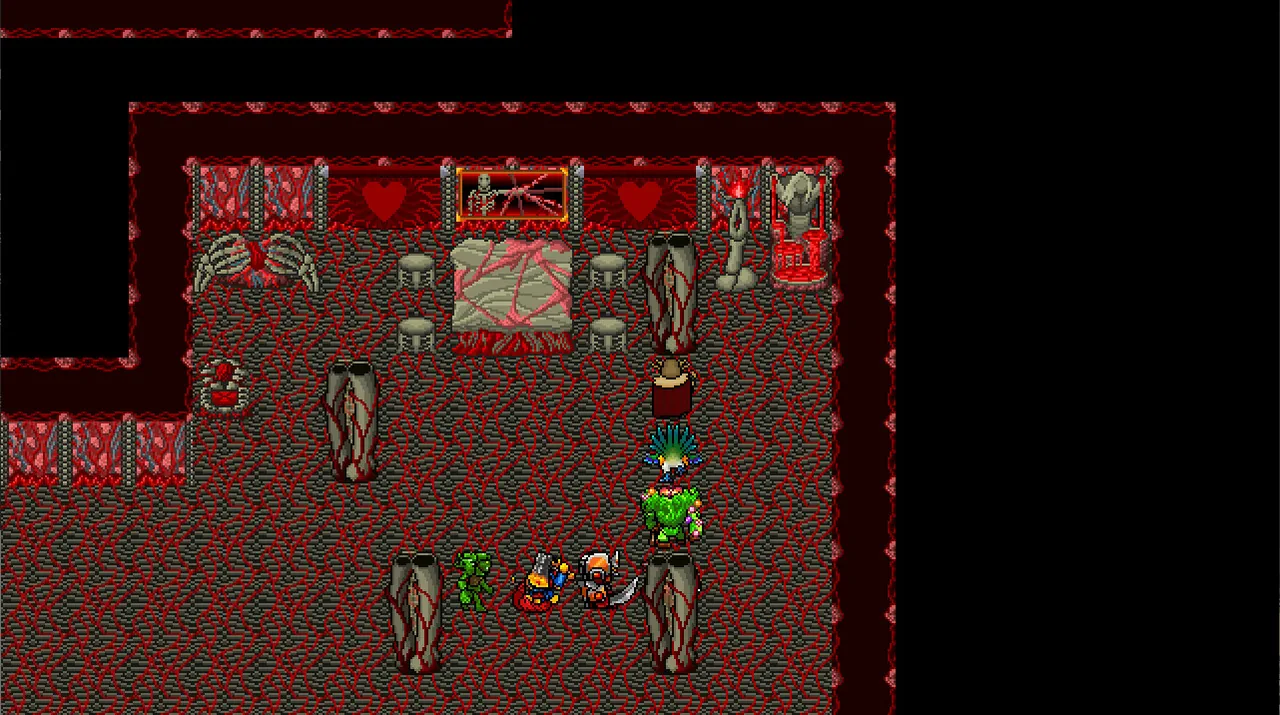
An RPG about collecting and fusing creatures, equipping them with gear and spells, and exploring randomized dungeons; building a team involves combining inherited traits and equipment effects rather than merely gathering creatures.
Exploration provides creatures and resources for decisions about fusion parents and equipment, while turn-based battles let you examine how prepared traits interact with actions.
What makes it fun
Combine what the parents do
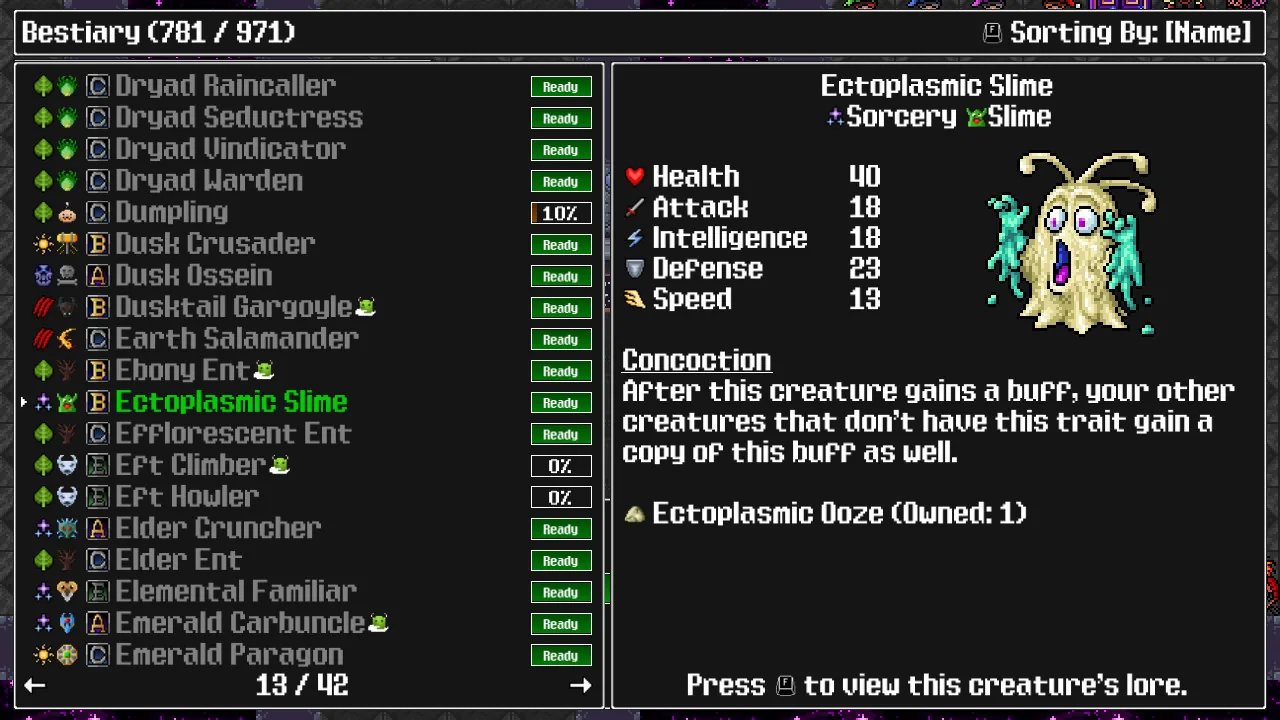
Because fusion inherits both parents’ traits, finding a creature also invites you to consider which partner would create an effect combination you want to try.
Shape equipment and spells separately
Artifact materials and Spell Gem properties offer separate adjustments, leaving room to consider what to add to a creature’s traits.
Turn exploration finds into team ideas
Creatures and resources found in dungeons provide material for decisions about summons and equipment, connecting exploration with team building.
Game details
As of Nov 17, 2026- Languages
- Japanese, English, Simplified Chinese, Korean / 16 languages total
- Official website
- thylacinestudios.com
A typical session
Defeating creatures encountered in the wild can unlock them for summoning; summon them into your party and consider which traits to add.
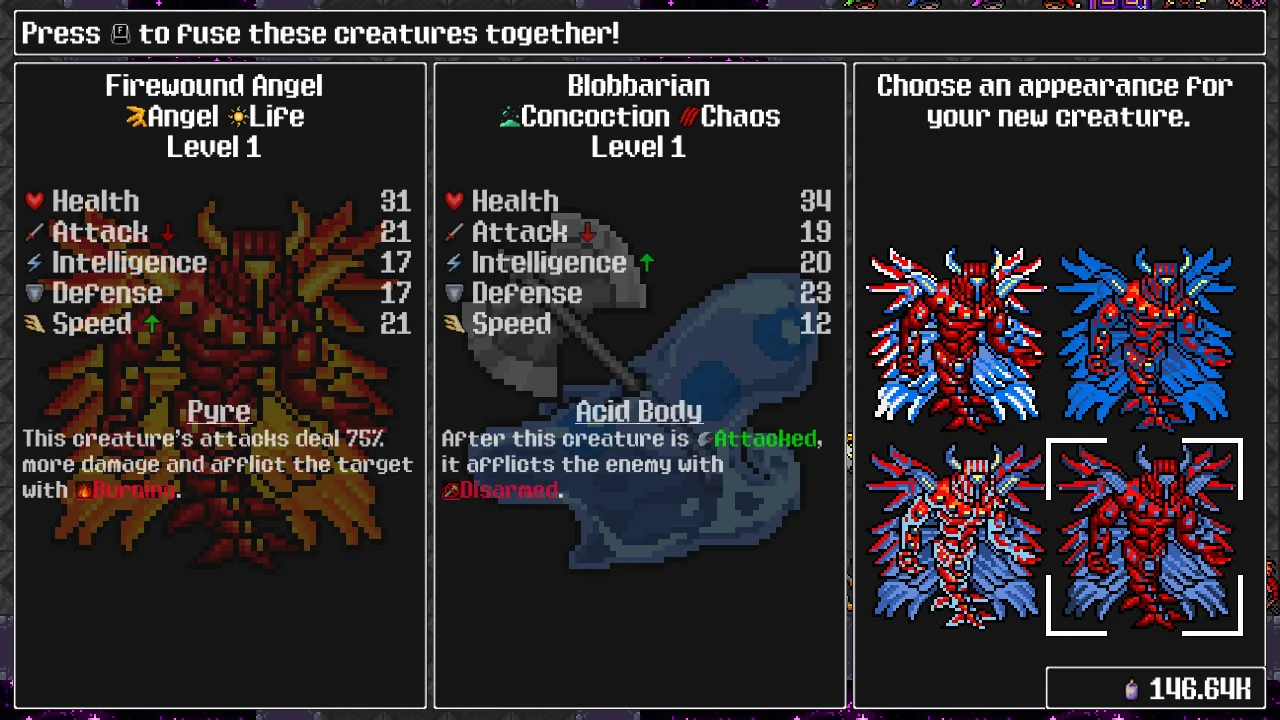
Fusion passes on both parents’ stat spreads and traits, so choose the parents to create a combination of effects.
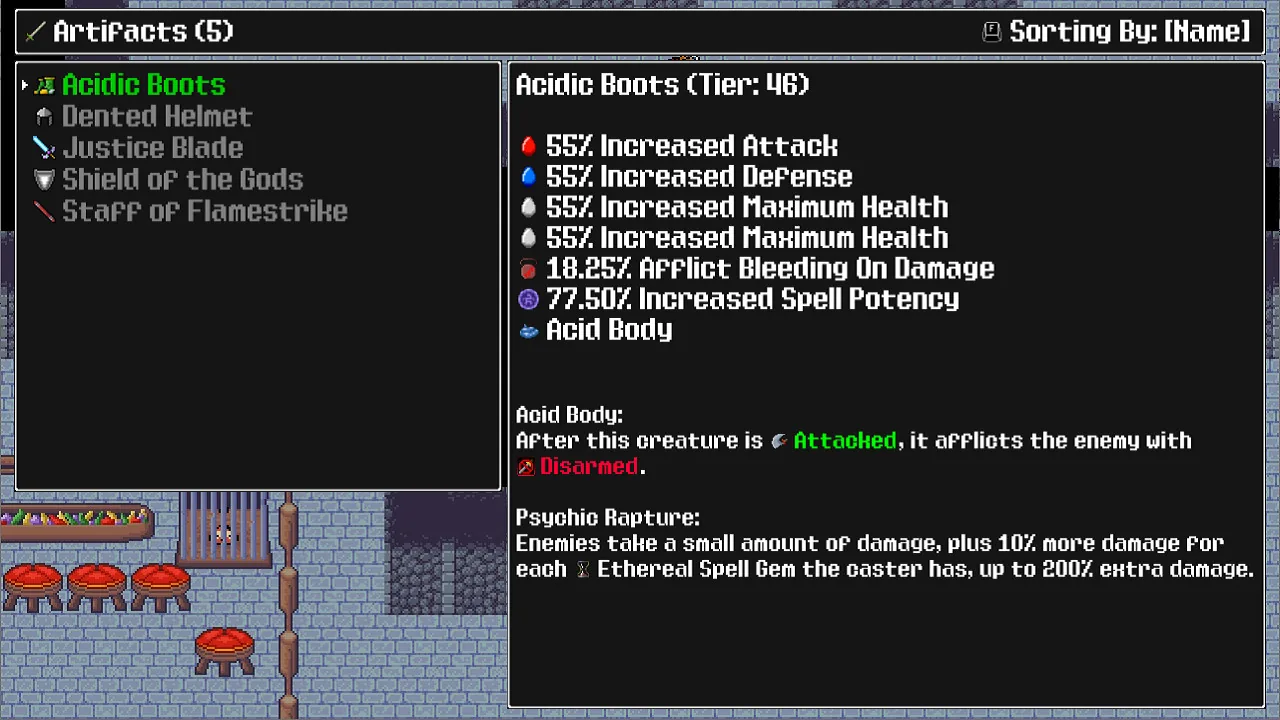
Socket materials into Artifacts forged at the blacksmith, choosing who equips them and which properties to add.
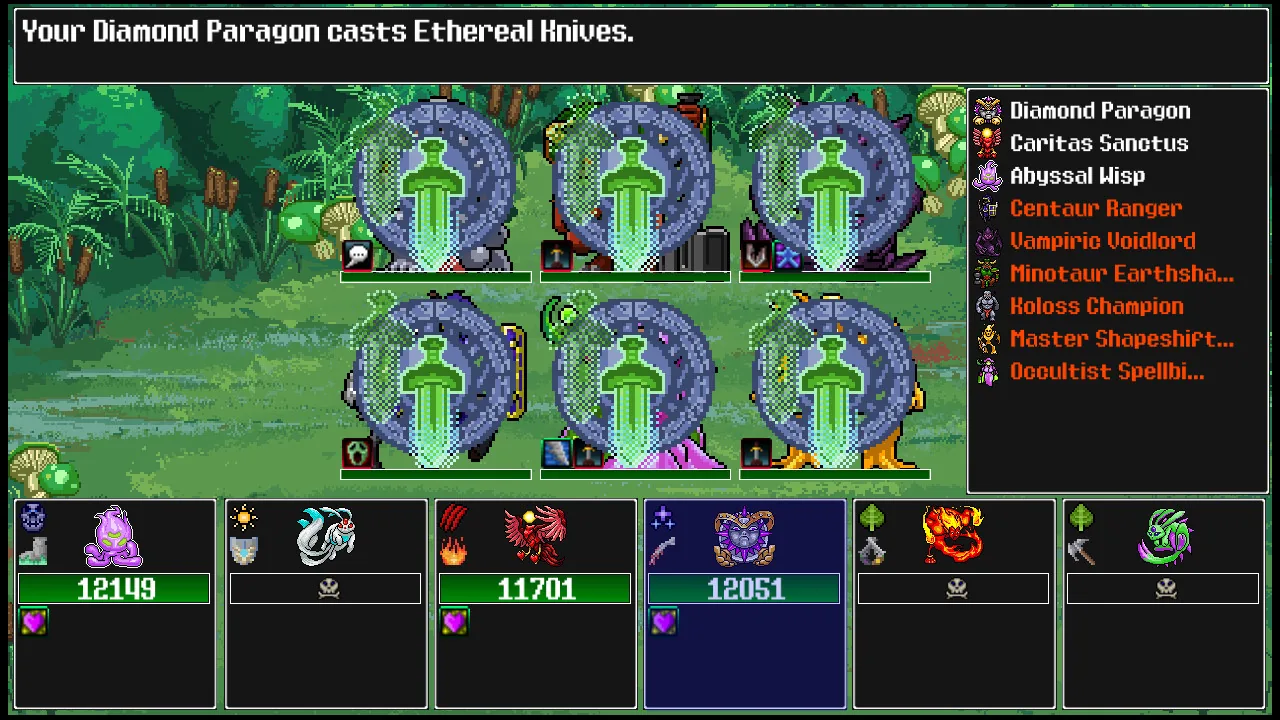
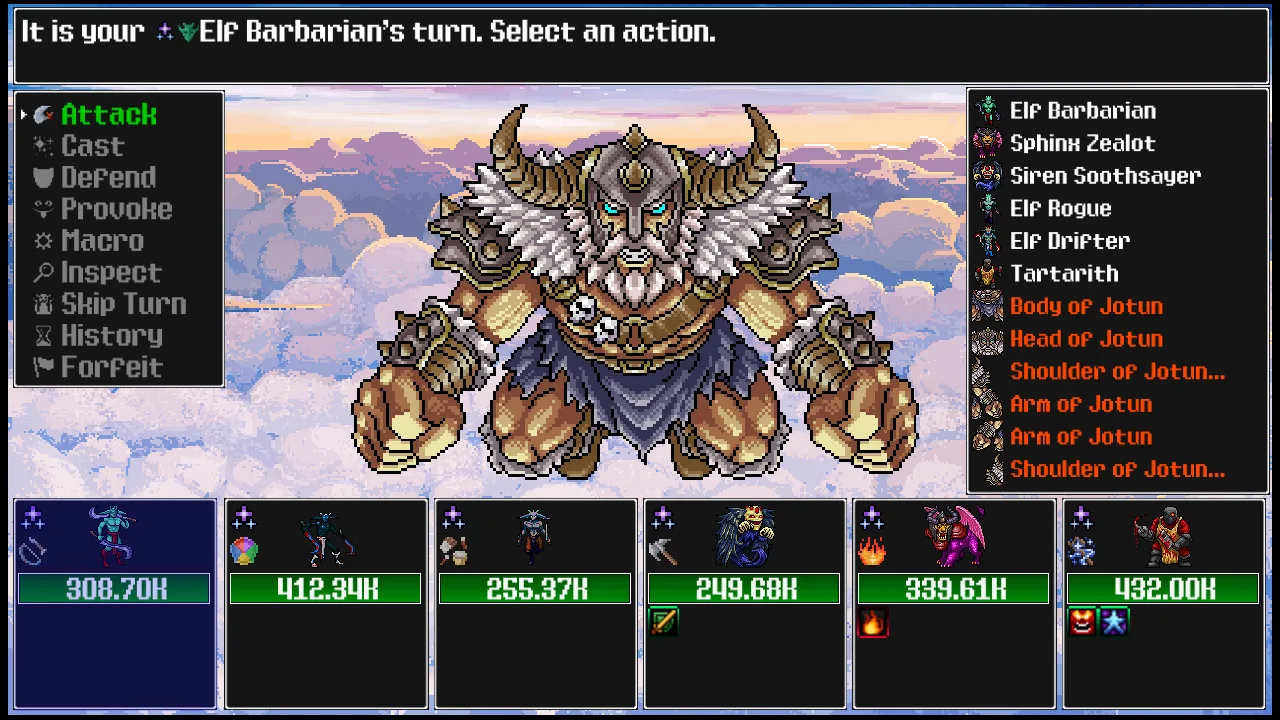
Equip Spell Gems to prepare spells, then examine how your creatures’ traits and actions interact in dungeon battles.
After collecting creatures and resources, consider what to add to your team and return to reviewing fusion, equipment and spells.
Core systems
Creature recruitment
Many creatures become available to summon after being encountered and defeated in the wild, while others come from quest rewards or other activities; defeating one is not the same step as summoning it into your party.
Consider traits you want in the party, as well as appearance, when choosing creatures to summon.
Creature fusion
A fused creature inherits both parents’ stat spreads and traits, and traits are passive battle effects, so choosing parents affects what the resulting creature does.
Compare stat spreads and traits separately when deciding which combination to try.
Artifacts
Artifacts are forged at the blacksmith and equipped by creatures; socketing materials adds properties, while upgrades unlock additional socket slots.
Consider a material’s effect together with which creature should carry the equipment.
Spell Gems
Equipped Spell Gems let creatures cast their spells; an Inscription teaches the crafting recipe, and slots unlocked through upgrades can add properties that change how a spell works.
Consider the choice of spell separately from properties that change how it works.
What sets it apart
Beyond combining traits through fusion, you can adjust Artifact properties and Spell Gem spells, allowing separate choices about which part of a team to change and test.
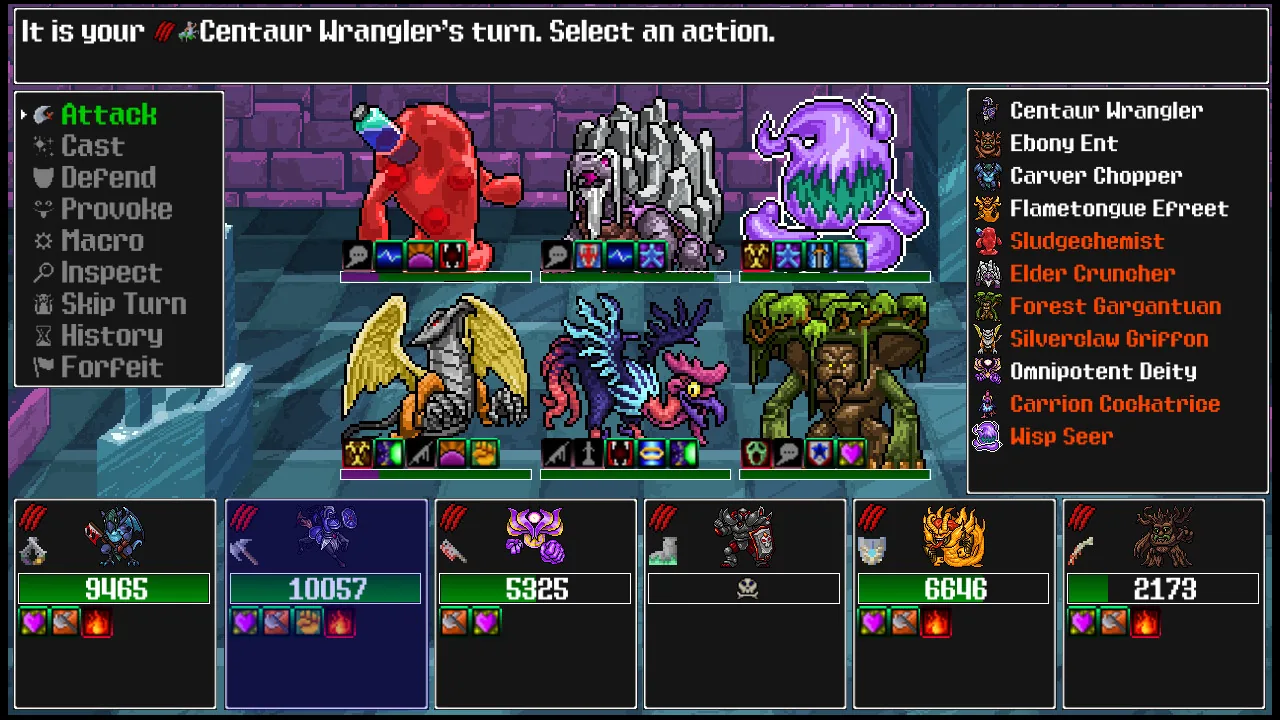
Battle actions interact with traits, giving team planning another layer: considering which actions will work with the effects you prepared.
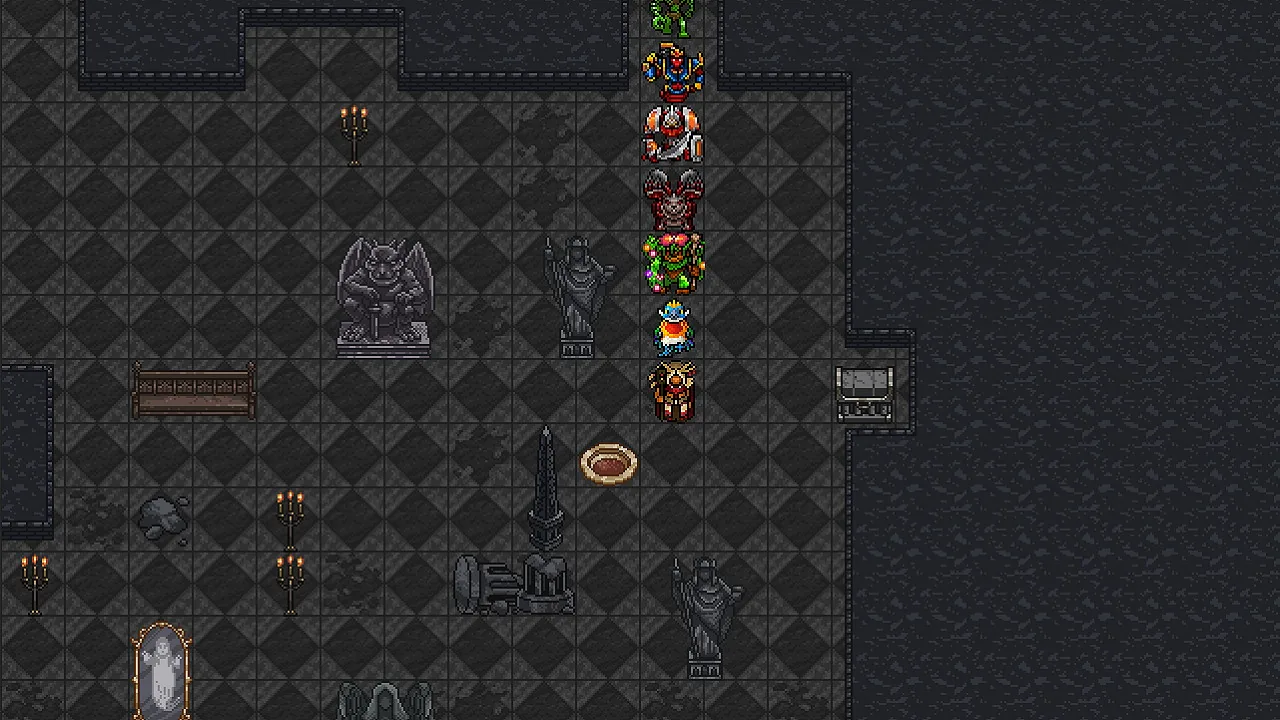
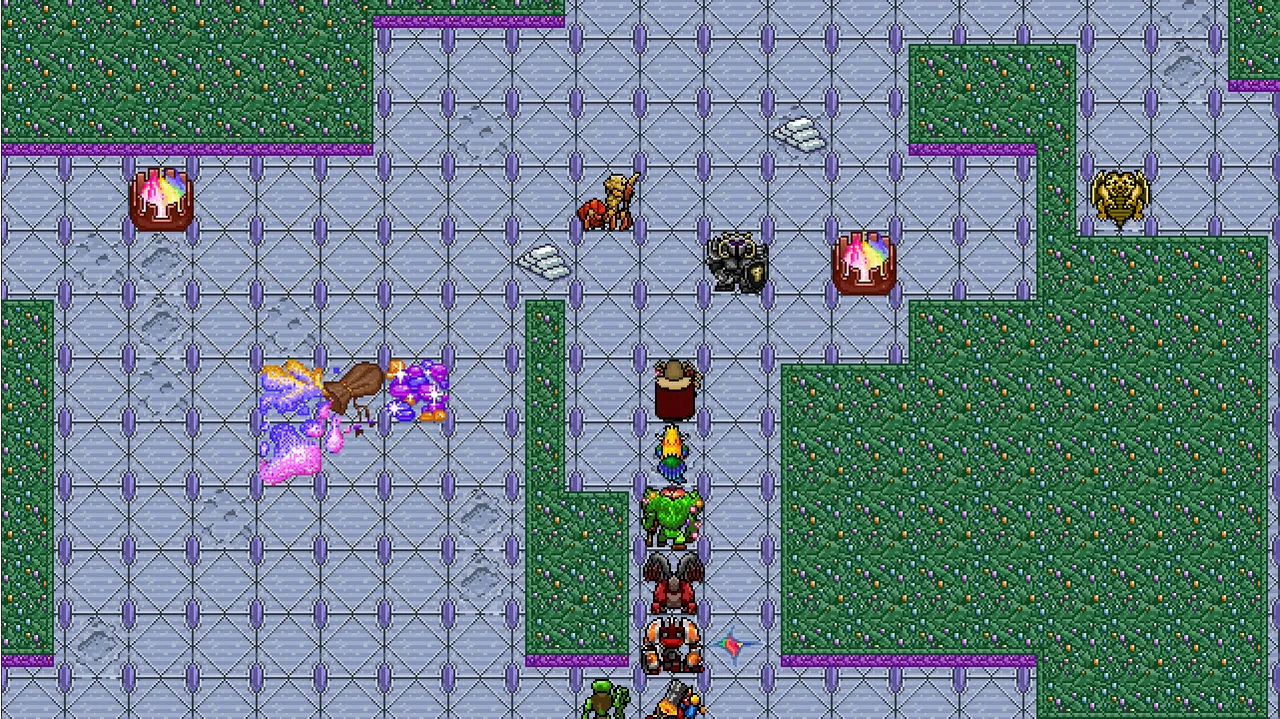
Randomized dungeons are both a place to test your party and a source of creatures and resources, linking exploration finds to the next round of team planning.
Learning curve and difficulty
When planning fusion, read stat spreads and trait effects separately and look for parents suited to the role you want the creature to play.
Because battle actions interact with traits, compare effect descriptions with the actions taken and keep track of what you tested when reviewing the team.
Treat equipment materials and spell properties as separate adjustments, distinguishing changes to creatures from changes to what they carry when planning a test.
Builds and playstyles
Start with fusion traits
Start by considering inherited trait combinations, then decide which equipment and spells the resulting creature should carry.
Start with equipped spells
Start with a spell you want to use, then consider who should equip its Spell Gem and which properties to add.
What longtime players say
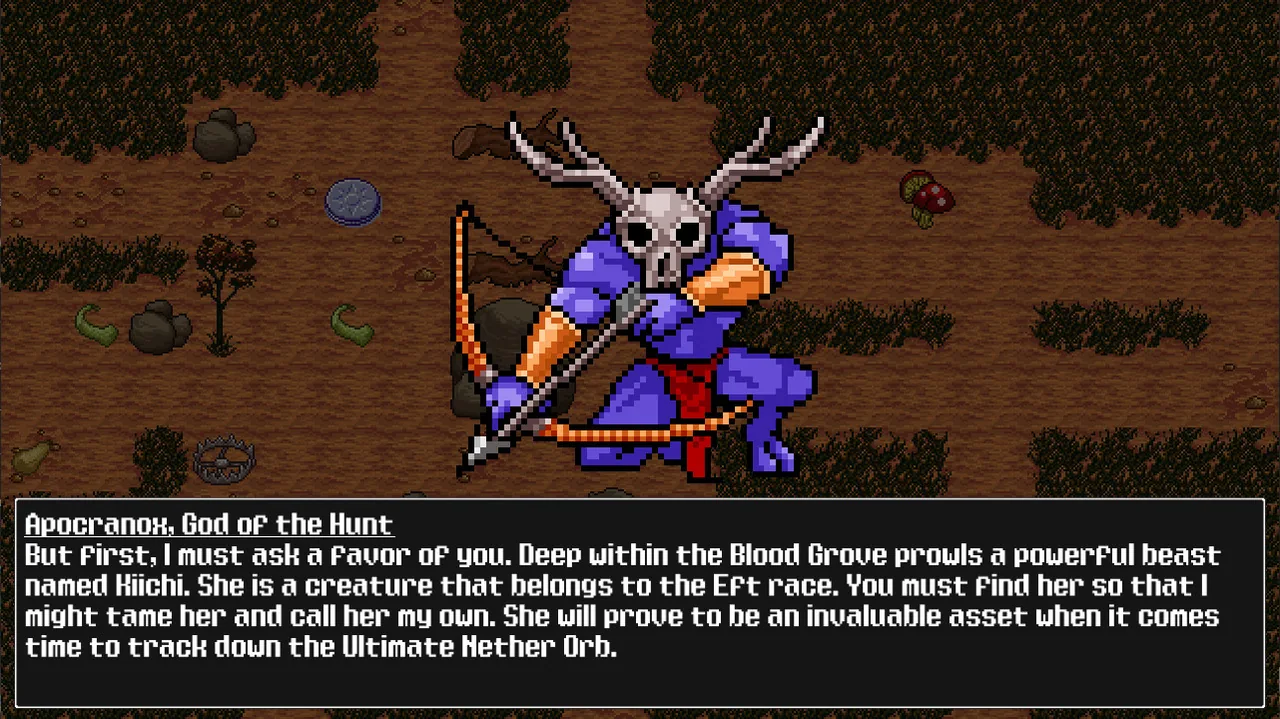
The official post-story activities include drafting a team for arena battles and randomly generated side quests for unique creatures and items, offering different activities beyond continuing exploration.
Specialization perks change how creatures fight, and other specializations can eventually be unlocked on the same save, allowing you to consider familiar creatures with different perks.
Separate collecting more creatures from testing another team setup rather than treating every later activity as one goal when deciding what to try next.
What players like
Collecting new creatures can be enjoyable.
Planning creature combinations can be enjoyable in itself.
Creating trait combinations through fusion can be appealing.
Tailoring equipment and spells to your creatures can be enjoyable.
Common complaints
When effects overlap, it can feel difficult to follow what happened in combat.
Using the interface can feel cumbersome.
The repeated cycle of exploration and combat can feel monotonous.
Who it’s for
A fit if you want not only to collect creatures but to compare parents’ traits and stat spreads and decide what role a fused creature should have.
A fit if you want to consider equipment materials and spell properties, test your team in dungeons and return to revising it.
Who might not enjoy it
If you mainly want to progress through dungeons, note that reading traits and planning combinations of fusion, equipment and spells are central activities too.
FAQ
- What does fusion pass on?
- Both parents’ stat spreads and traits.
- How do you give creatures spells?
- Equip Spell Gems to let a creature cast the spells they contain.
- Is the interface available in Japanese?
- Steam’s official language table lists Japanese interface support.
92% Very Positive · US$19.99
View on Steam ↗Image: Siralim Ultimate on Steam