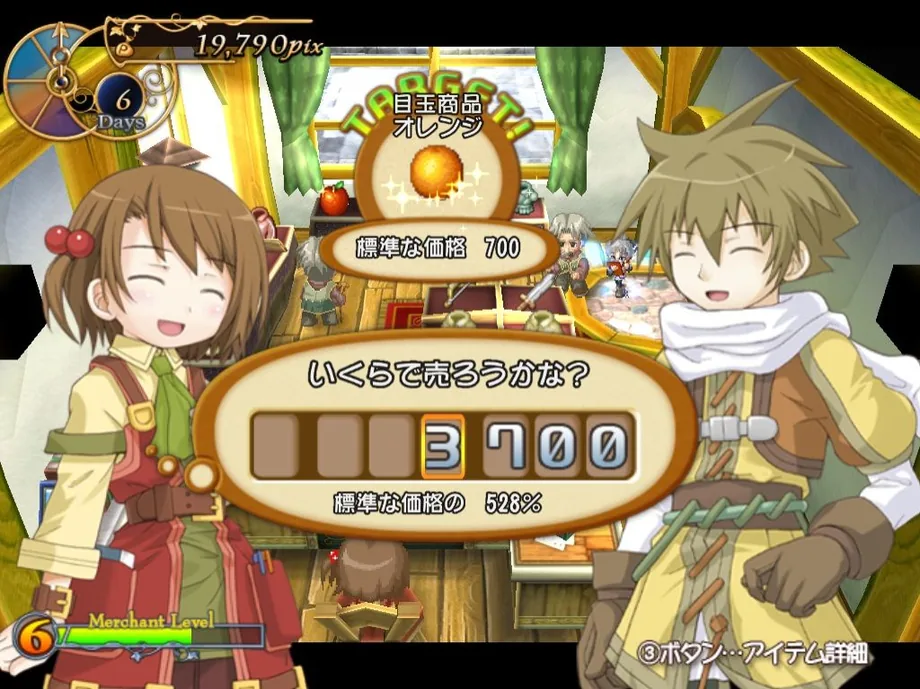
A girl takes charge of the item shop in her home, sourcing goods in town or on adventures and selling them to repay a loan. Collecting stock is only part of the job: you also decide what price to offer customers.
Arrange goods and the shop interior, then explore dungeons with adventurers whose play styles differ. The game moves between decisions about merchandise and action-based expeditions to obtain it.
What makes it fun
Bring expedition finds to the shop
Goods collected in dungeons become merchandise, connecting exploration with what you sell.
Make your own price offer
Choosing what to ask for your stock gives you a direct part in shaping each transaction.
Try different adventurers
Distinct adventurer play styles offer action-based choices alongside shop decisions.
Game details
As of Nov 17, 2026- Languages
- Japanese (Full audio), English / 2 languages total
A typical session
First decide how to obtain stock: buy it at the town markets or go exploring with an adventurer.
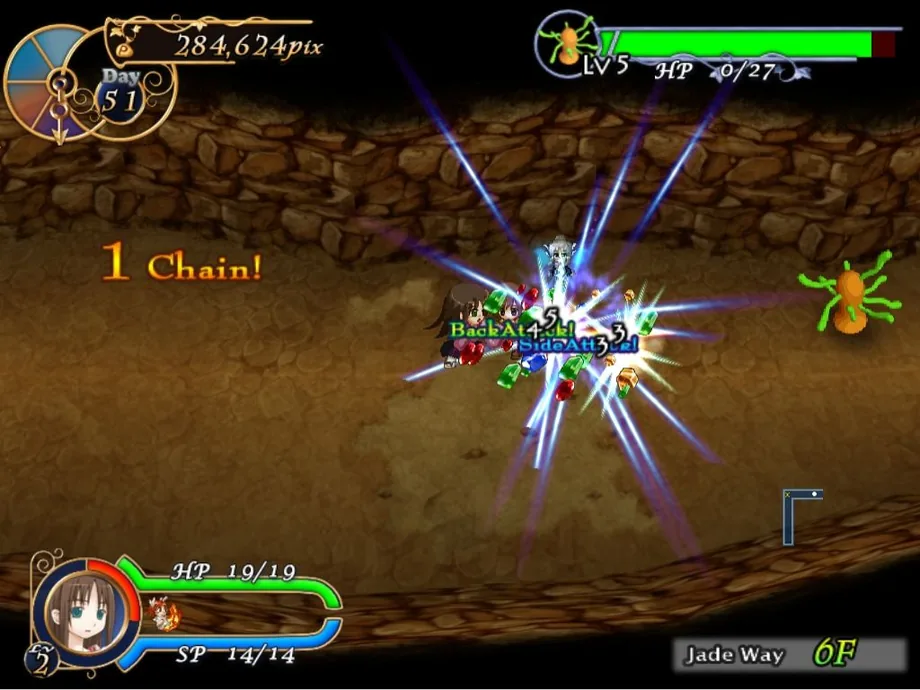
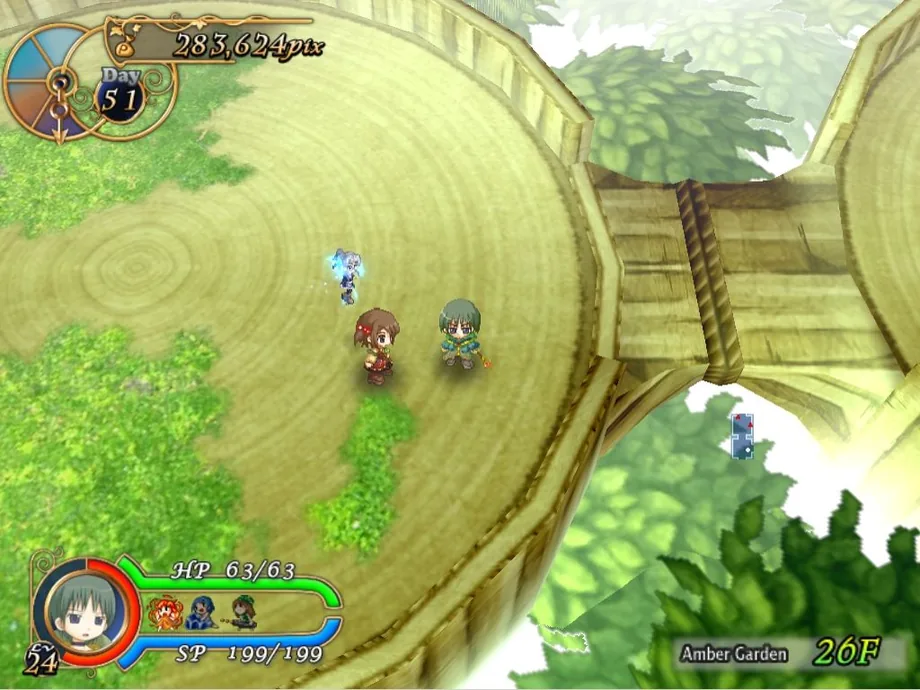
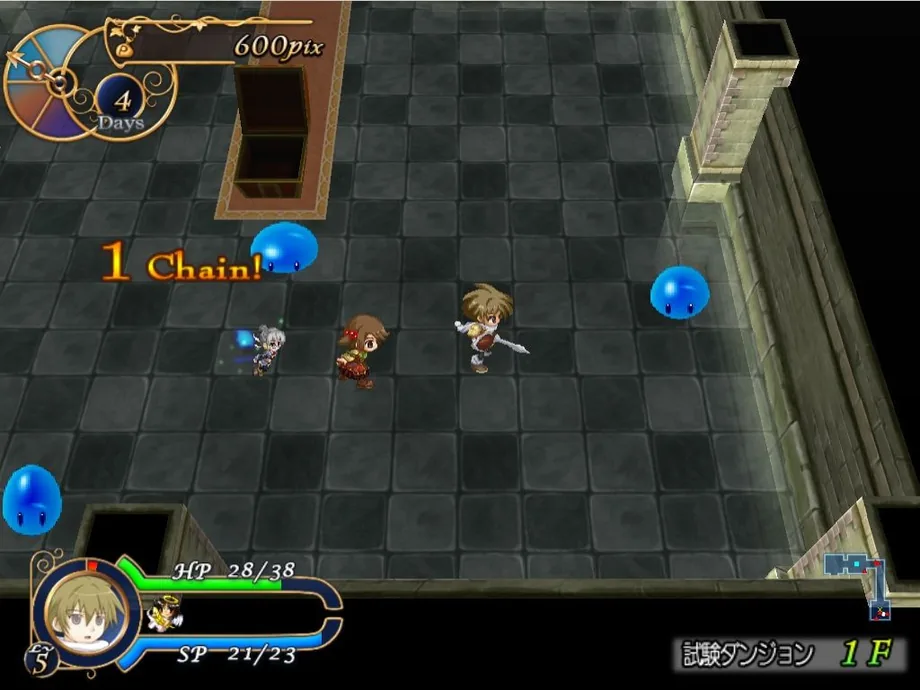
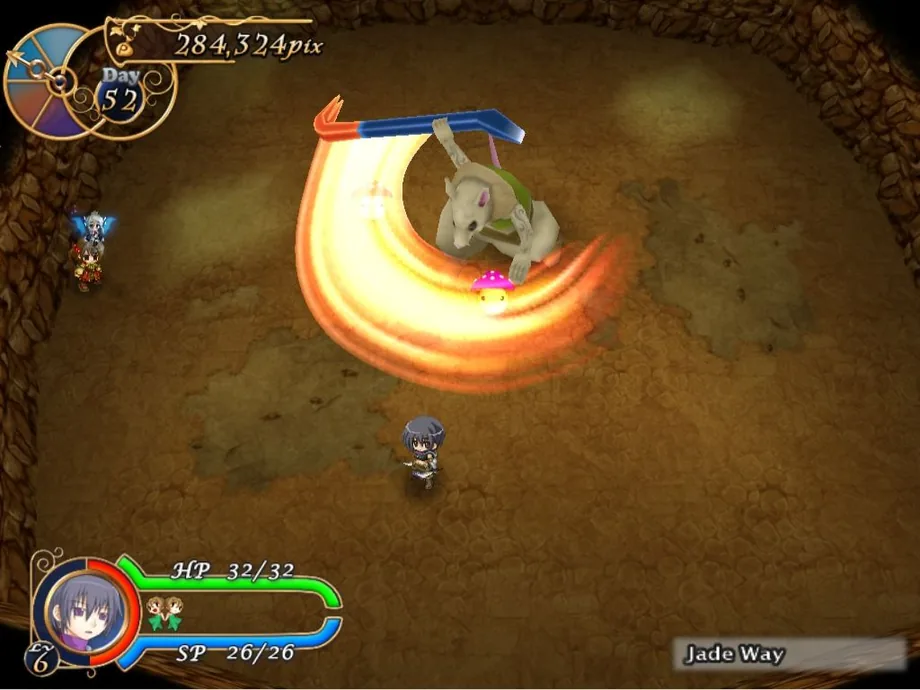
For a dungeon trip, choose an adventurer with a distinct play style and gather goods while fighting through a randomized layout.
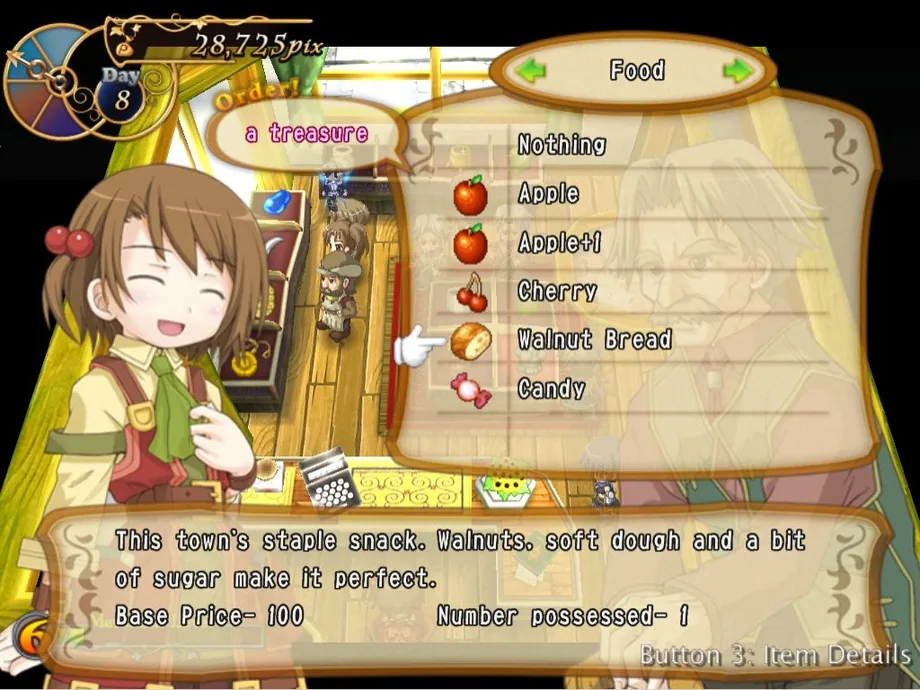
Prepare the collected goods in the shop and offer customers your own prices. Items found on adventures become merchandise too.
Decide how to use sales income for further stock and loan repayments, continuing the cycle of gathering and selling.
Core systems
Stock sourcing
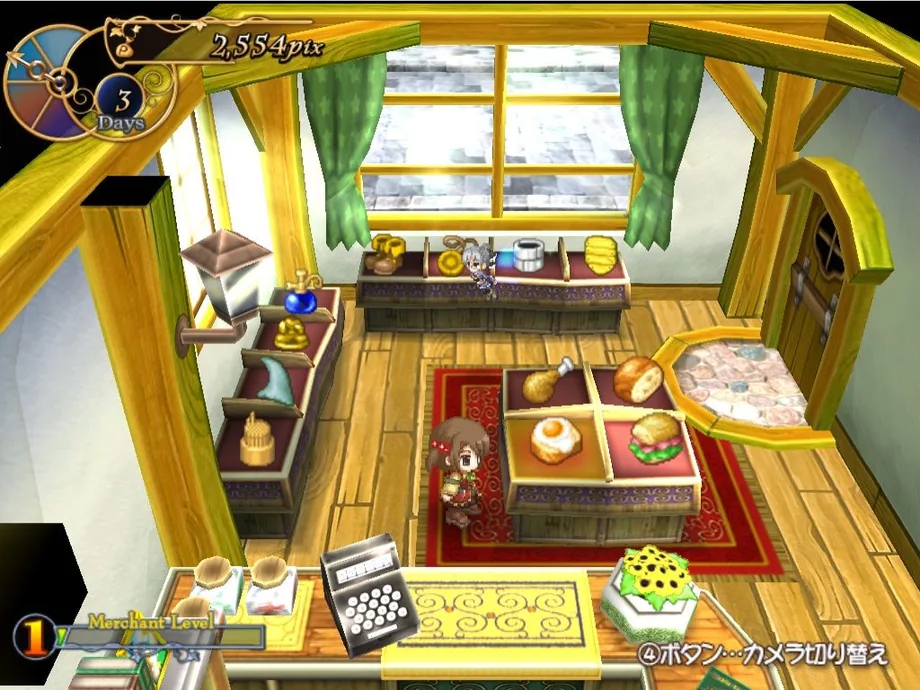
Obtain merchandise at the town markets or by finding it in dungeons with an adventurer. Shopkeeping therefore includes deciding how to acquire goods before selling them.
Choose between buying stock in town and exploring with action combat.
Price negotiation
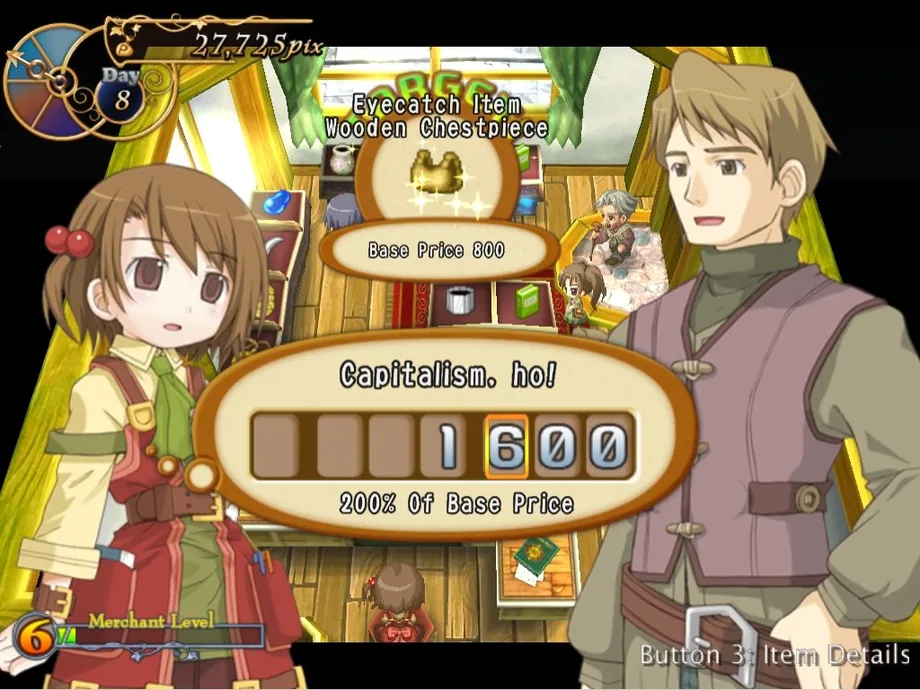
Offer your own selling price to customers in the shop. Having goods in stock leads to a separate decision about how much to ask for them.
Decide how much to ask for the stock you have.
Dungeons
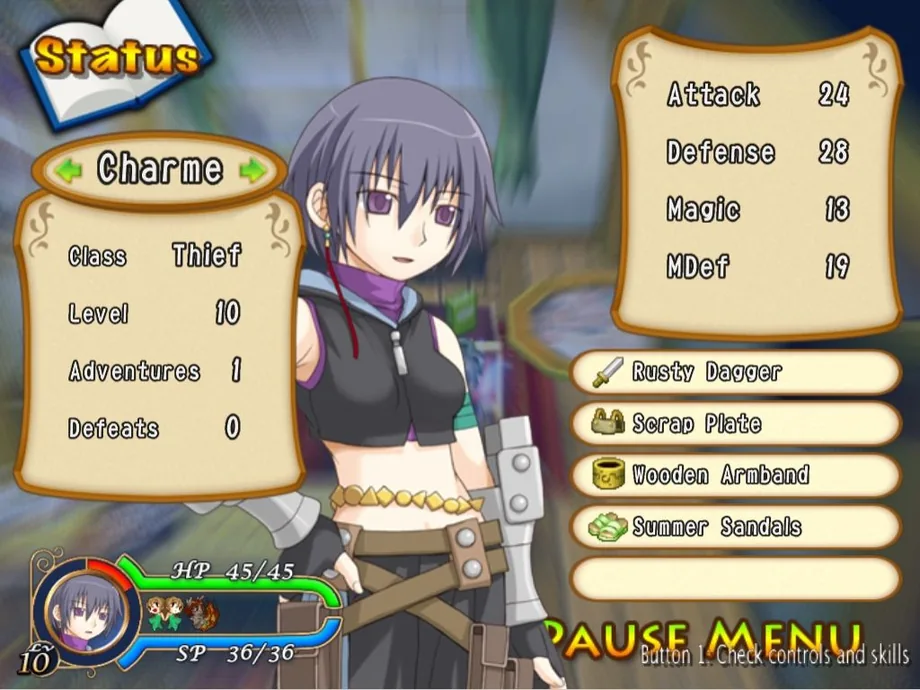
Fight in randomized dungeons with action-based controls that vary between adventurers.
Choose your adventurer and consider how to move through the dungeon.
Shop interior
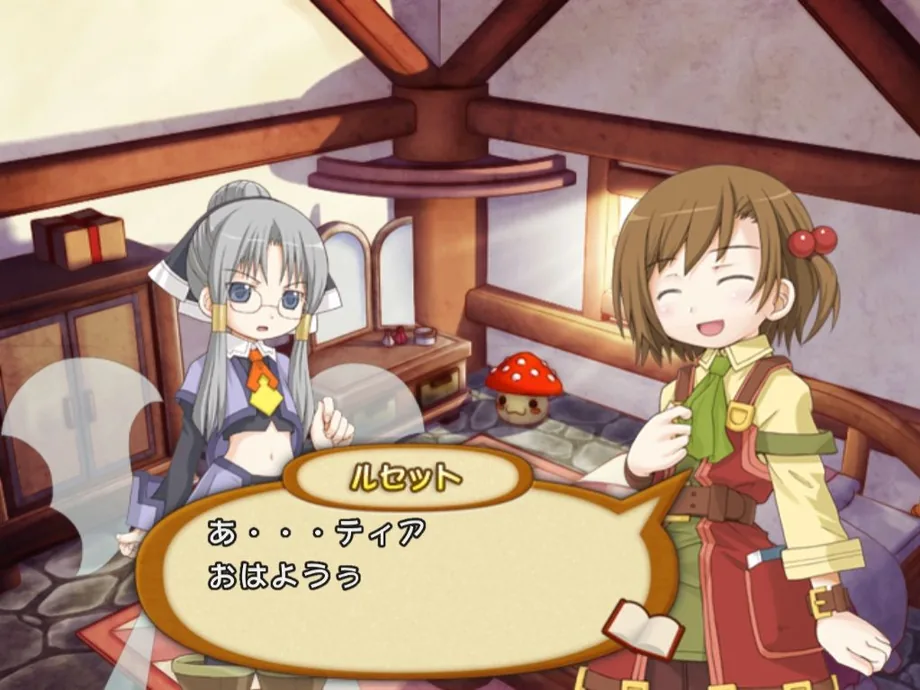
Changing walls and floors alters the shop’s appearance and affects its clientele. Decorating also relates to the kind of customers the shop attracts.
Decide what kind of interior you want to welcome customers into.
Market changes
Market conditions can change item prices. Even with the same goods, buying and offering prices calls for considering the current market.
Watch the market when deciding what to stock and what prices to quote.
What sets it apart
Combat expeditions and shop sales connect through the goods you bring back. Town markets offer another source of stock, leaving a choice about where to obtain merchandise.
Running the shop includes changing its walls and floors as well as setting prices, and the interior affects its clientele. Choosing stock sits alongside deciding what sort of shop customers will enter.
Learning curve and difficulty
When market prices change, reconsider what to buy and what price to offer rather than simply repeating an earlier price. Treat stock selection and pricing as decisions to review together.
Because adventurers play differently, learning your chosen companion’s controls is another part of exploration, separate from decisions about merchandise.
With randomized dungeon layouts, consider the route in front of you rather than relying solely on a previous path.
Builds and playstyles
Focus on shop trading
Focus on stock bought at the town markets and the prices offered in the shop, linking purchases to sales and repayments.
Gather stock on adventures
Choose an adventurer by play style and turn goods gathered in dungeons into shop stock.
What longtime players say
After completing the game, Survival Mode and Endless Mode are available. The official description presents the former as a challenge and the latter as a way to keep playing, offering another choice for continued shop management.
Stock sourcing, adventurer controls and the clientele affected by interiors offer different things to consider. With experience, distinguish changing the shop’s appearance from trying another approach to stock or dungeon play.
What players like
Closing a sale through price negotiation can feel rewarding.
Gathering goods on expeditions and selling them in the shop makes the management and action work well together.
Reading the character interactions and humor offers enjoyment alongside running the shop.
The help offered when starting over after failure can make another attempt feel more approachable.
Common complaints
Keeping up with repayments while sourcing stock and running the shop can feel demanding.
Fighting familiar enemies and gathering goods in dungeons can start to feel repetitive.
Parts of how pricing works with customers can feel hard to grasp from the explanations.
Who it’s for
Suited to players who want to shape shop transactions by choosing both their stock and the prices they offer.
A fit if you want to run a shop and also choose an adventurer for action-based expeditions.
Who might not enjoy it
If decorating alone is the appeal, note that pricing, stock sourcing and loan repayments are central too. Do not choose it solely as a shop to decorate and look at.
FAQ
- Where do goods come from?
- Buy them at the town’s markets or collect them on expeditions with an adventurer.
- Do you set your own selling prices?
- You quote prices to customers when trading in the shop.
- What do you do outside the shop?
- Choose an adventurer and explore randomized dungeons with action combat.
- Can you keep playing after completion?
- Survival Mode and Endless Mode are available after completing the game.
95% Overwhelmingly Positive · US$19.99
View on Steam ↗Image: Recettear: An Item Shop's Tale on Steam