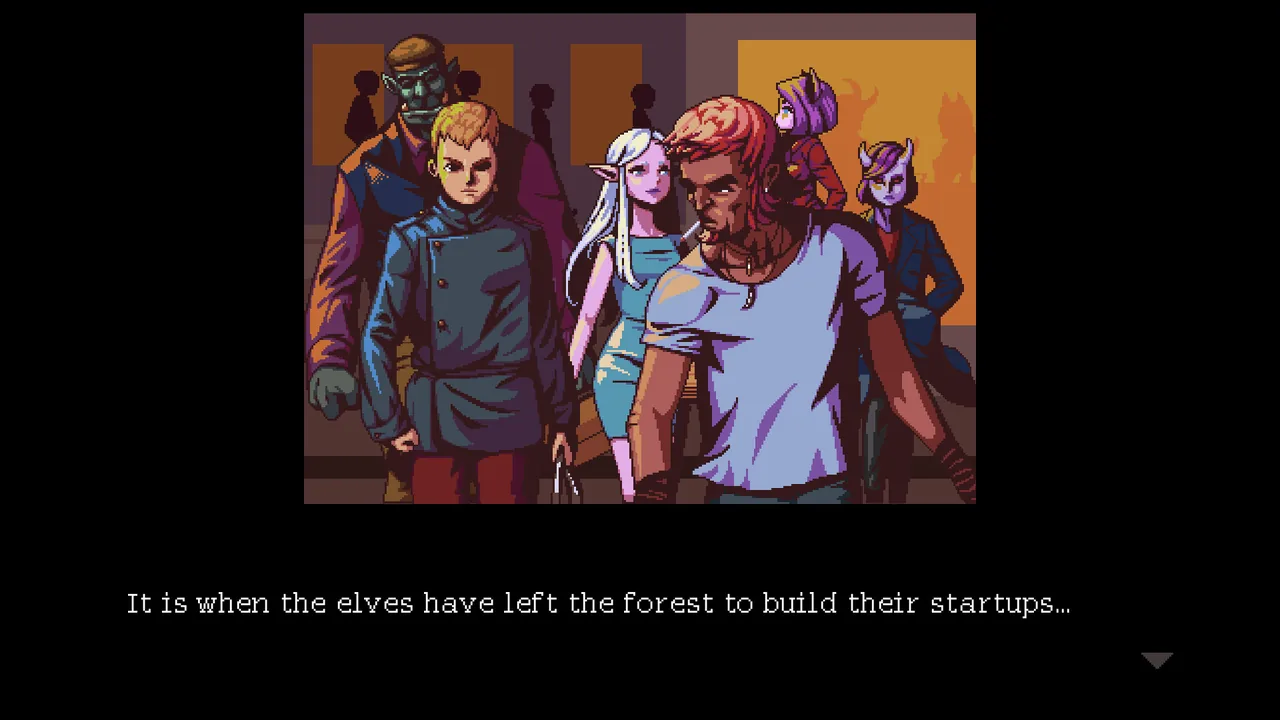
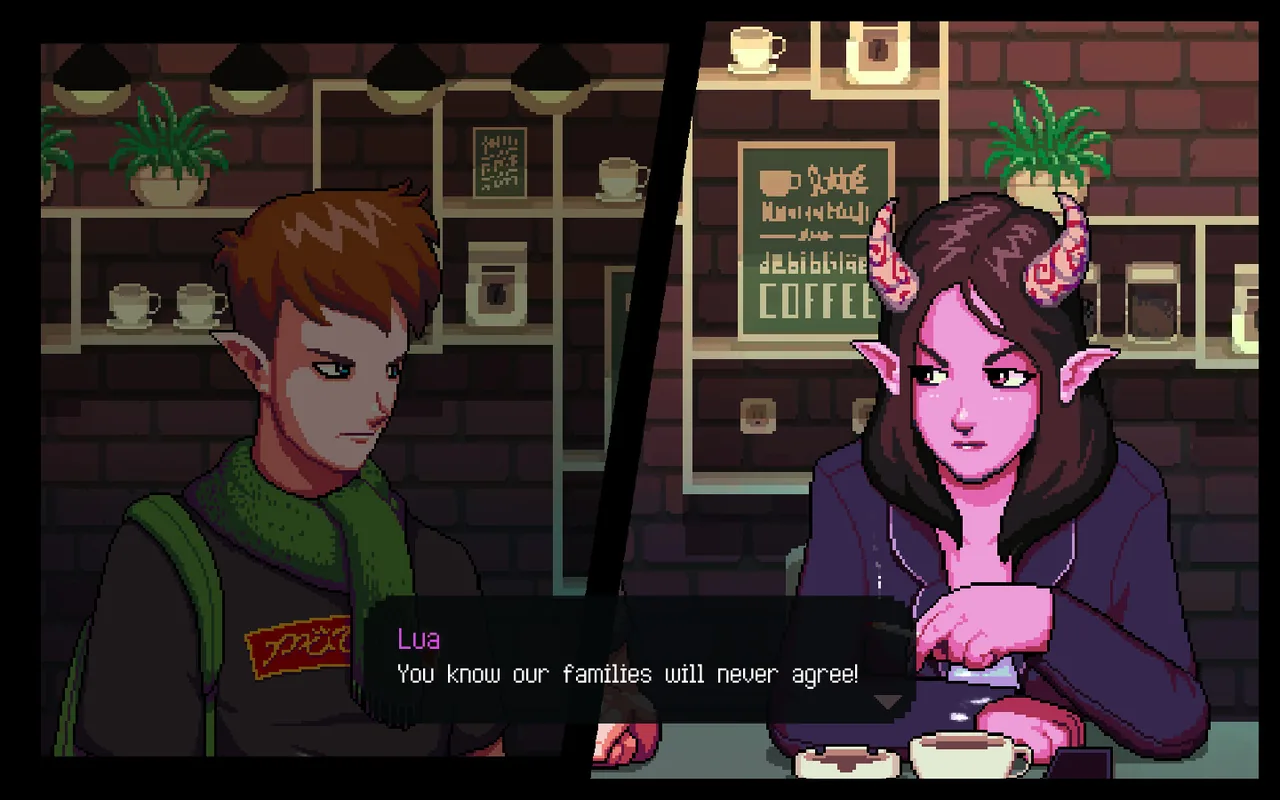
Set in a café in an alternative Seattle shared by humans, elves, and other fantasy peoples. Listen to visitors’ problems and serve warm drinks made from the ingredients in stock. Reading conversations is paired with taking part by preparing a drink.
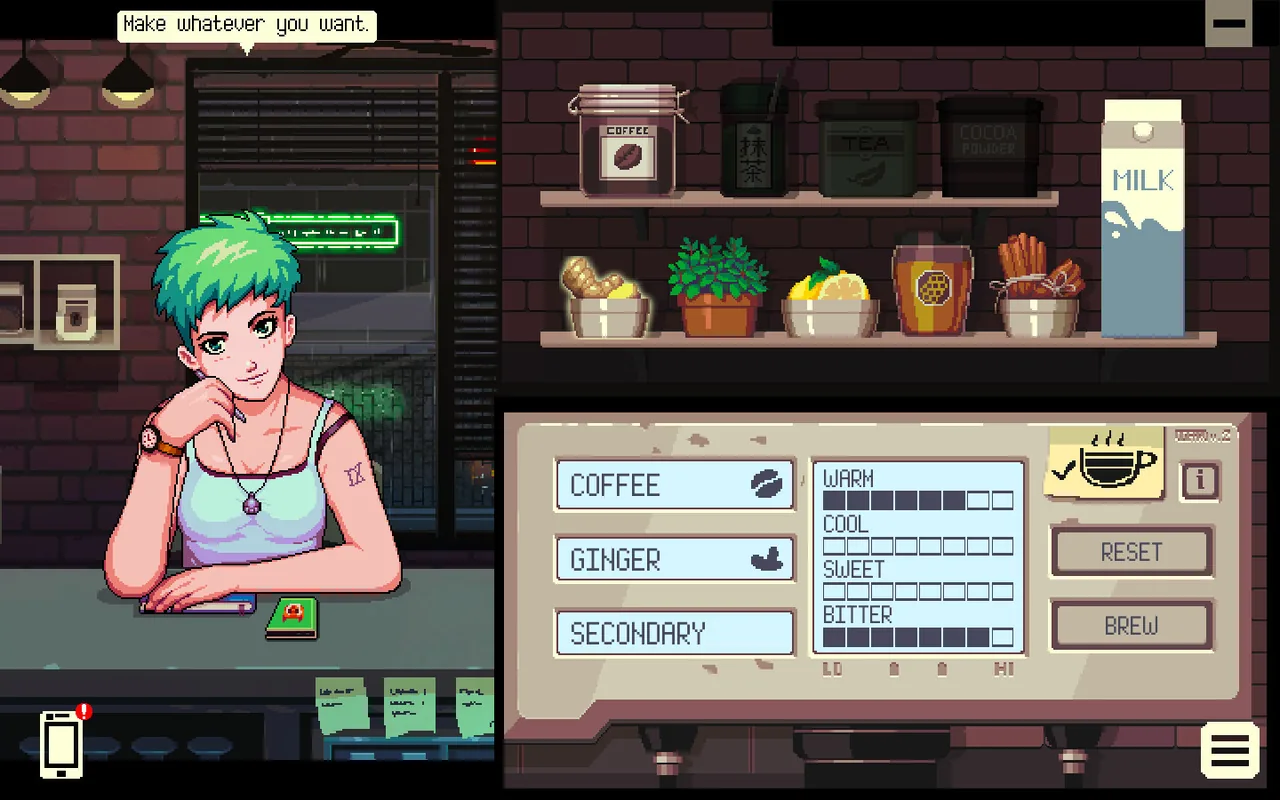
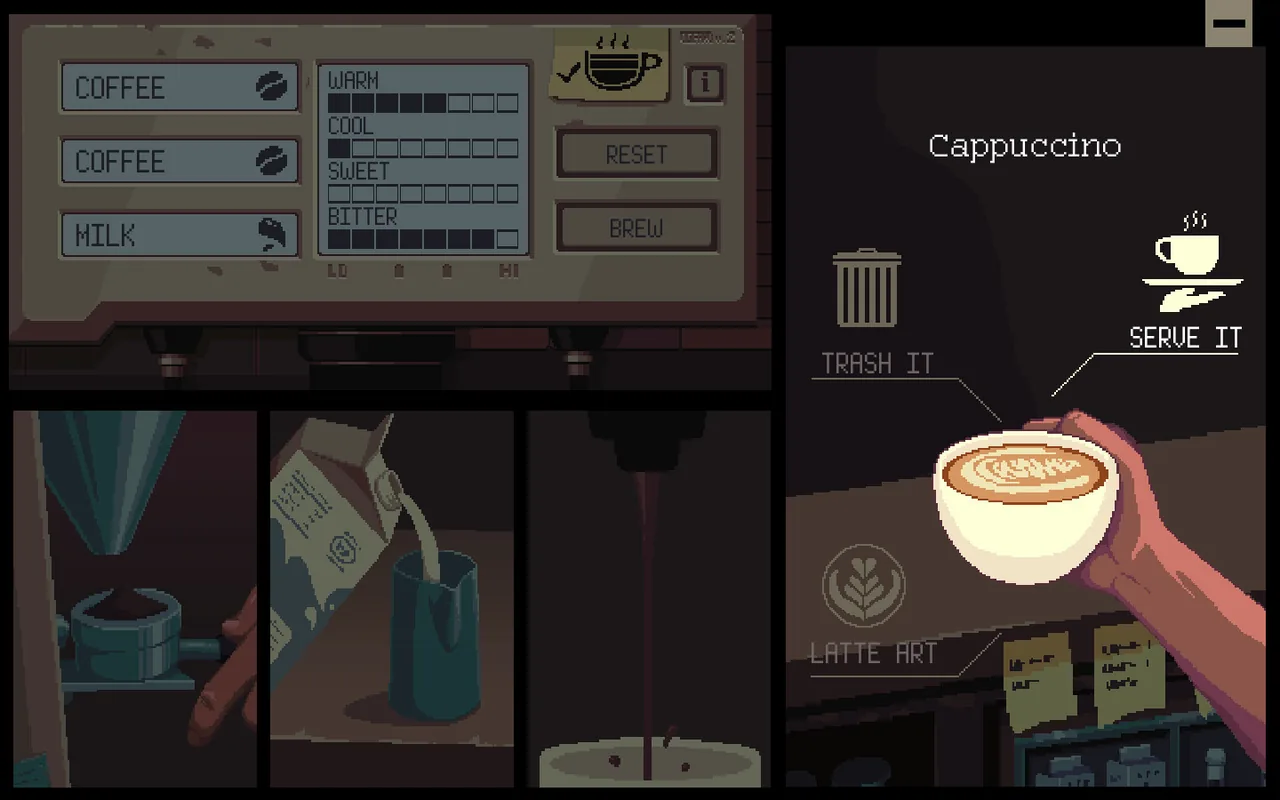
The ingredient screen shows properties such as warmth and sweetness. What you prepare and serve is part of the service that shapes the story’s branches, making it a fit for players who want drink-making connected with conversation.
What makes it fun
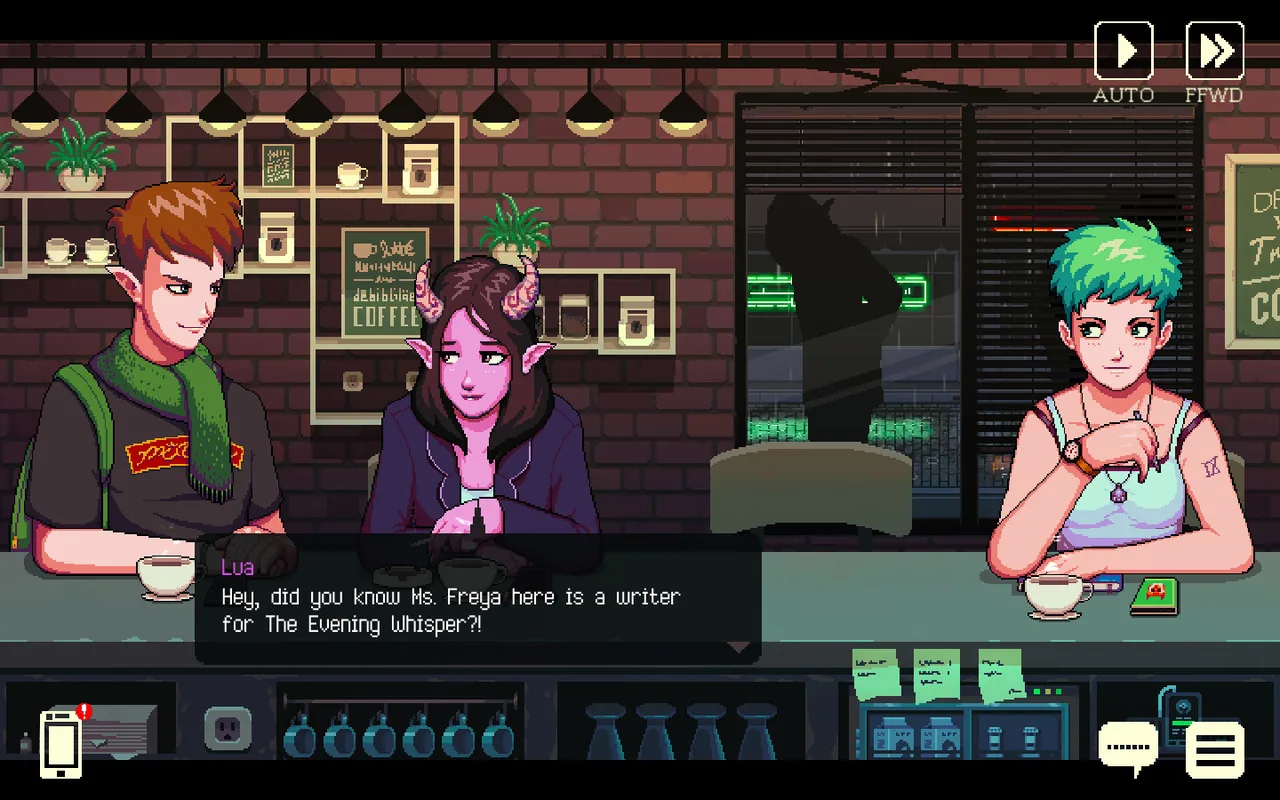
Settle into the café’s art and sound
Enjoying the café atmosphere created by its art and music can be part of the appeal.
Grow familiar with the customers
Listening to the customers can be enjoyable as their personalities grow familiar.
Make a drink between conversations
Making drinks yourself can be enjoyable alongside reading conversations.
Game details
As of Nov 17, 2026- Languages
- Japanese, English, Simplified Chinese, Korean / 12 languages total
- Official website
- coffeetalk.info
A typical session
Read the café visitors’ stories and prepare drinks from your stock. Listening to their problems and serving drinks take place within the same café setting.
Fill the ingredient slots and check the bars for warmth, coolness, sweetness, and bitterness. Consider the drink using both ingredient names and its displayed properties.
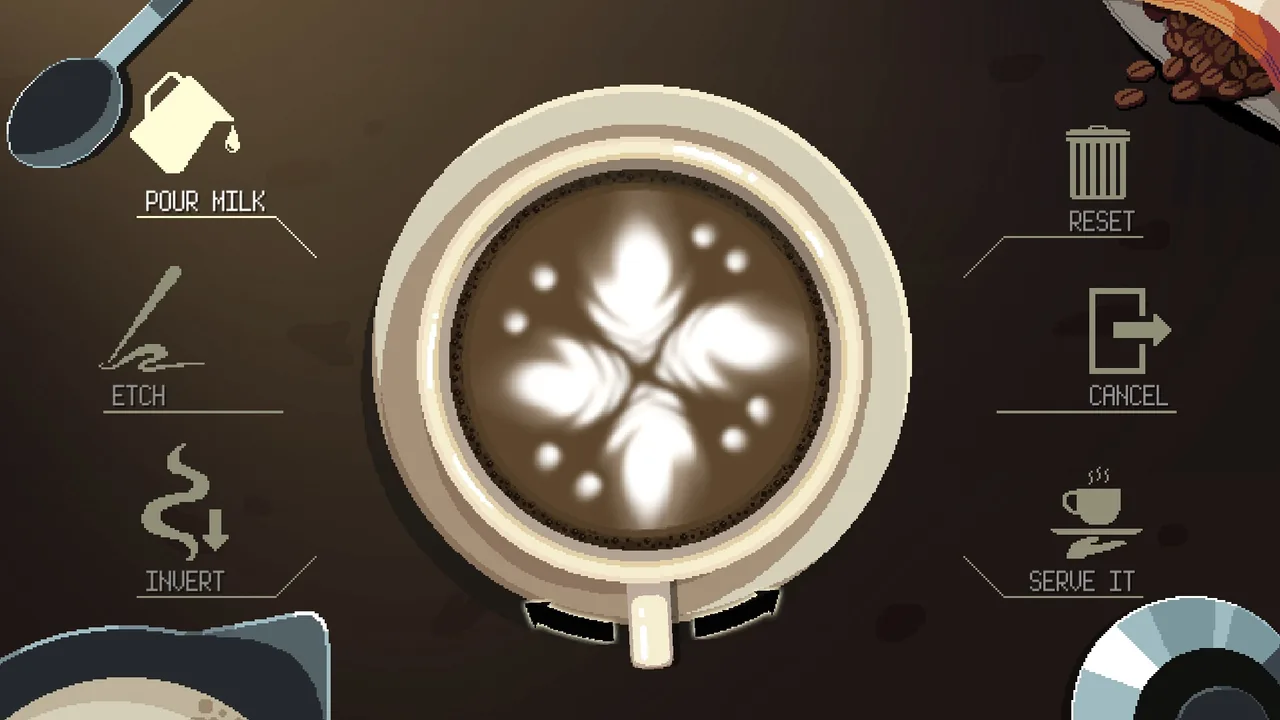
Check the name of the finished drink and serve it. On the latte-art screen, pouring milk and etching let you create a pattern on the surface.
Continue reading conversations and following the customers’ lives after serving drinks. Consider what to serve next with the role of service in story branching in mind.
Core systems
Ingredient selection
Combine ingredients such as coffee and ginger on the brewing screen.
Consider ingredient names alongside the drink made from their combination. Prepare what to serve from the ingredients you have in stock.
Drink properties
The brewing screen shows bars for warmth, coolness, sweetness, and bitterness.
When choosing ingredients, check the four properties as separate bars. Read them as information on the screen, not as a prescribed recipe for a particular order.
Service and story
Service to the café’s customers shapes the story’s branches. The screen for handing over a finished drink is part of that service.
Check the finished drink’s name and consider what to serve. Focus on the connection between the drink and the story without anticipating any individual character’s outcome.
Latte art
The latte-art screen lets you pour milk and etch patterns.
Consider a pattern for the cup’s surface. Pouring and etching let you take part in shaping the drink’s appearance.
What sets it apart
The brewing screen connects with conversations about customers’ lives. Combining ingredients concerns both the drink itself and the service decision of what drink to serve the customer.
Humans and fantasy peoples such as elves live in the same city and discuss their problems in the café. The setting invites you to engage with the shop as a place to listen to everyday lives, even with fantastical characters.
Jazzy and lo-fi music accompanies late-night drinks and conversations. Consider whether the café’s art and sound appeal to you alongside ingredient selection.
Learning curve and difficulty
Look at the four property bars alongside the ingredient names. Distinguish the ingredients chosen from the properties displayed for the drink.
A finished drink displays its name, allowing a check before serving. Distinguishing ingredient selection from handing over the drink provides a way to reflect on your choices.
Treat pouring milk and etching as separate latte-art tools. Rather than prescribing a correct pattern, consider which tool fits the shape you want to draw.
Builds and playstyles
Consider what to serve
Check ingredients and displayed properties, then confirm the finished drink’s name before serving. This approach attends to both the drink and the act of service.
Shape the pattern in the cup
Use poured milk and etching to shape a design on the cup’s surface. This approach focuses on creating its appearance as a separate interest from combining ingredients.
What players like
The art and music work together to create a quiet café atmosphere to settle into.
The customers’ personalities make them feel familiar and leave you wanting to hear more of their stories.
Making drinks offers an enjoyable change of pace between conversations.
The problems in this world of fantasy peoples can feel familiar from everyday life.
Common complaints
Trial and error in finding ingredients that match an order can feel like a chore.
The customers’ problems and personalities can leave you wanting a deeper portrayal.
Drawing latte art as intended can feel difficult.
Who it’s for
A fit if you want to read about customers’ problems and take part by preparing their drinks.
A fit if you want to draw latte art as well as choose drink ingredients.
Who might not enjoy it
If you only want to keep mixing drinks, note that reading customers’ stories is also central to the main experience.
FAQ
- What does the player do?
- Listen to customers and serve warm drinks made from the ingredients in stock.
- Does serving drinks affect the story?
- How you treat and serve the café’s customers influences the story’s branches.
- Can you see a drink’s properties?
- The brewing screen shows bars for warmth, coolness, sweetness, and bitterness.
- What do you control when making latte art?
- Pour milk and etch patterns on the surface of the drink.

94% Very Positive · US$12.99
View on Steam ↗Image: Coffee Talk on Steam