Predy Media > Articles > Comparison
ComparisonReturn of the Obra Dinn vs The Case of the Golden Idol:
Turning Clues into Answers
 Return of the Obra Dinn
 The Case of the Golden Idol
Images: Steam store (Return of the Obra Dinn, The Case of the Golden Idol)
Do you want to trace identities and fates across scenes aboard a ship, or explain a crime using words gathered at the scene?
The book and Thinking screen also differ in how you test hypotheses and spend time rechecking clues.
Which one is for you
 Return of the Obra Dinn is for you if…It suits players who want to compare what they see and hear through Memento Mortem with the manifest, narrowing down identities across scenes.It also fits those who want to keep hypotheses open while awaiting confirmation, devising their own notes or order of observation.
 The Case of the Golden Idol is for you if…It suits players who want to explain links between people and actions from scene evidence before rearranging words in Thinking.It also fits those who enjoy building answers to subproblems into a complete account and using knowledge of earlier cases to understand later developments.
Screenshots
Return of the Obra Dinn
The Case of the Golden Idol
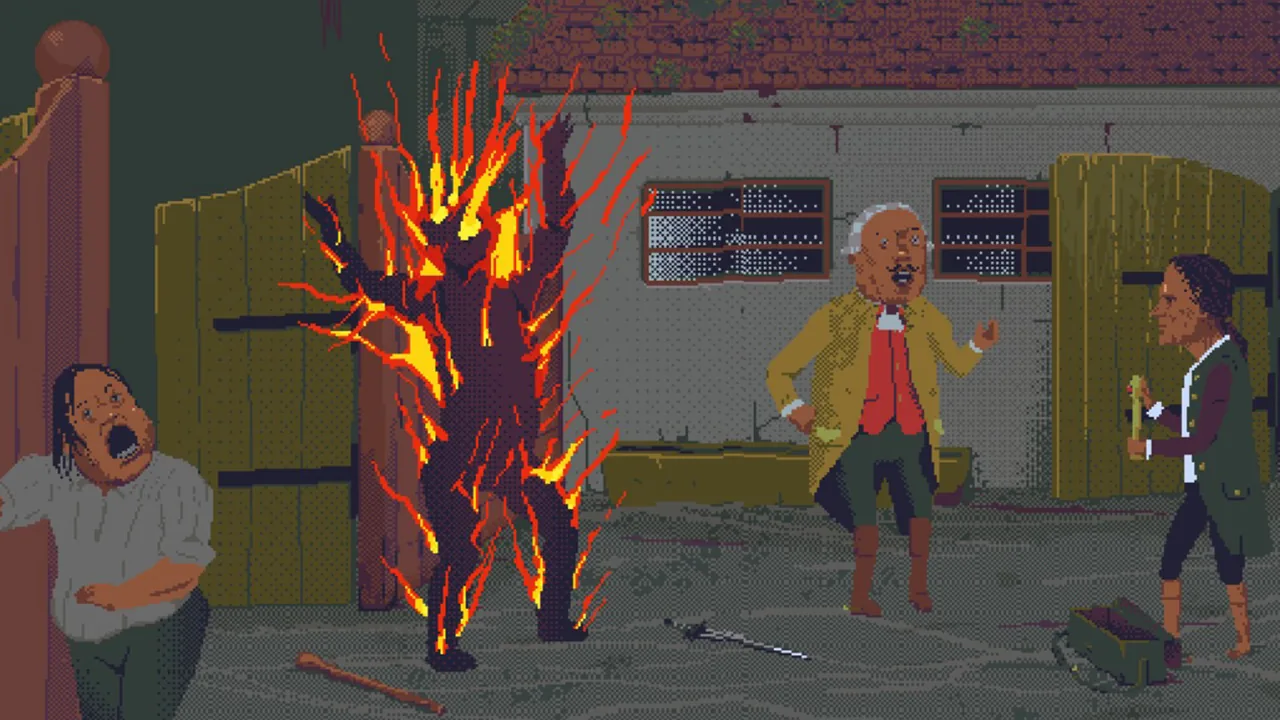
Steam data side by side
| Return of the Obra Dinn | The Case of the Golden Idol | |
|---|---|---|
| 96%Overwhelmingly Positive32,769 reviews · all languages | Positive reviews | 97%Overwhelmingly Positive9,923 reviews · all languages |
| US$13.39-33% | Price (United States) | US$17.99 |
| 10.8 hours | Playtime at review | 8.3 hours |
| Verified | Steam Deck | Verified |
| Oct 19, 2018 | Release date | Oct 13, 2022 |
| Lucas Pope | Developer | Color Gray Games |
| Japanese, English, Simplified Chinese, Korean | Languages | Japanese, English, Korean |
What each game is
Return of the Obra Dinn
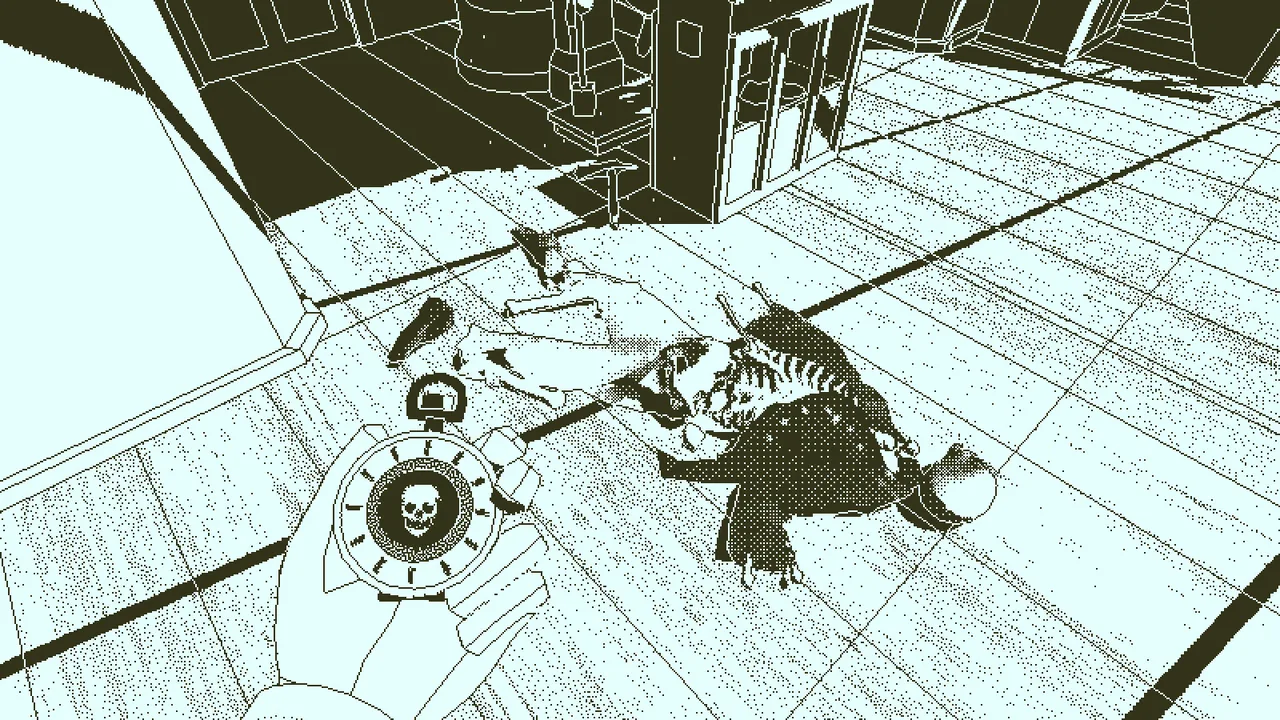
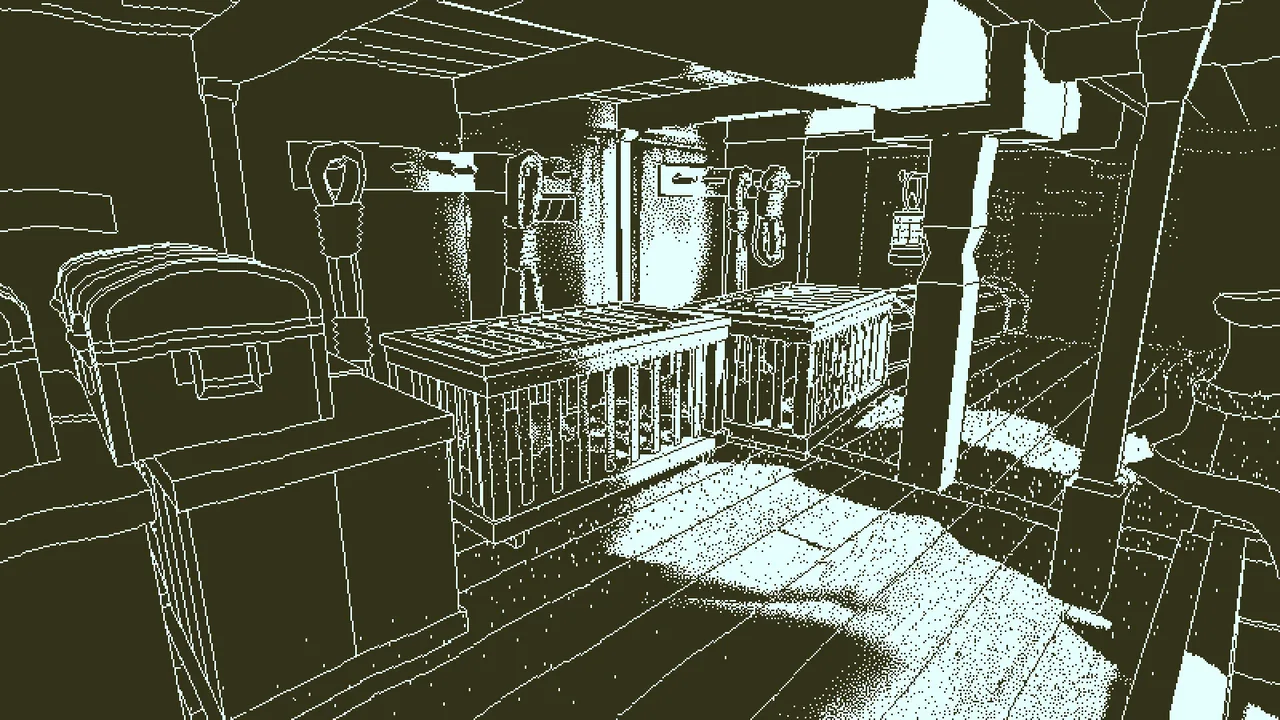
In Return of the Obra Dinn, you investigate the ship in first person as an insurance inspector, using the Memento Mortem watch to revisit moments of death.
After a brief conversation, you inspect a frozen scene and compare what you heard with people’s appearance and positions.
The book organises the crew manifest and chronology, letting you combine names, occupations and origins with clues in the scenes to narrow down identities.
Entering identities and fates requires deciding not just what a scene shows, but whose fate it explains and how.
Fates are confirmed in groups, so confidence in an individual hypothesis must be distinguished from an entry the book has validated.
The Case of the Golden Idol
In The Case of the Golden Idol, you construct explanations of events from words found at the scene.
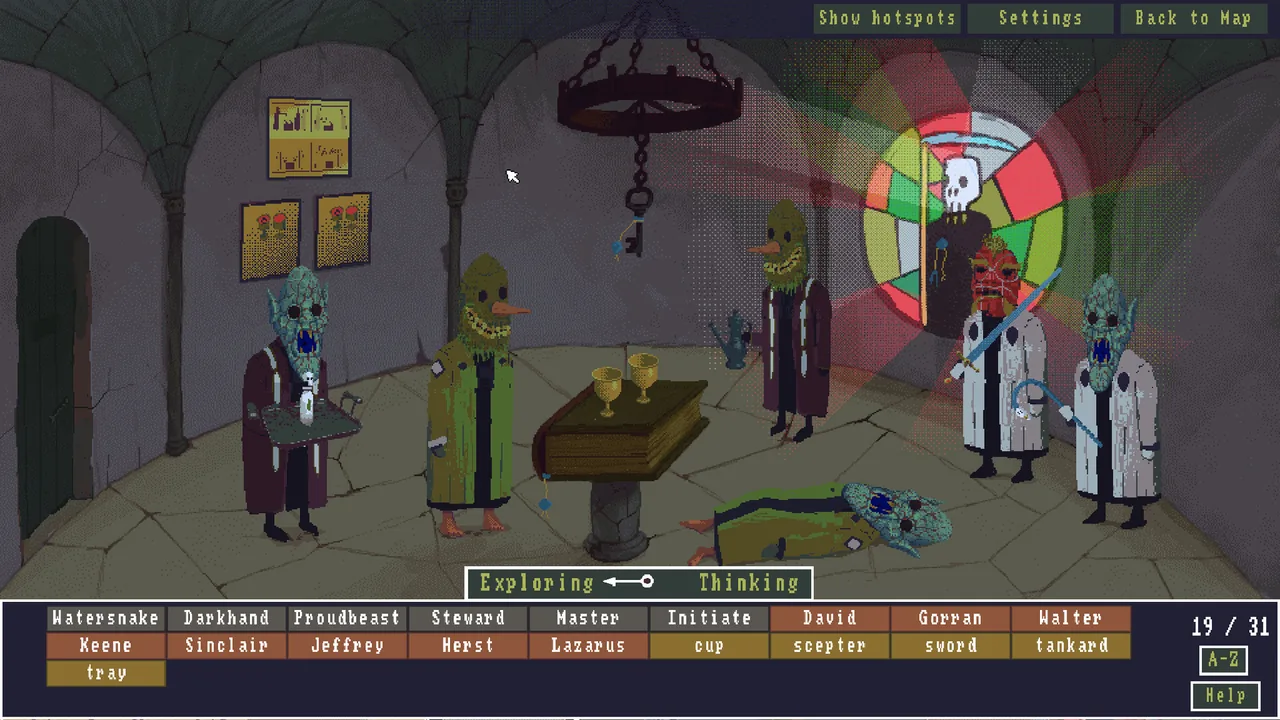
In the original version, Exploring is for inspecting people and objects, while Thinking uses names and actions in blanks to connect who did what.
The notepad tells you whether your theory is correct, so collecting words and using them to explain the event are separate steps.
Connected cases lead through people’s motives and actions towards the larger conspiracy surrounding the golden idol.
A purchase includes the original and Redux versions, with different interfaces and help because Redux revises the UI and hints.
For experienced players
Return of the Obra Dinn
Reviews describe investigation that goes beyond connecting small details to reconsidering identities or causes of death the player had felt sure about.
Reviews describe both organising information as memories unfold and opening scenes before assembling an account, making the order of investigation a meaningful choice.
Grouped confirmation earns praise for letting players test a shortlist, but also criticism for making a wrong premise hard to find. What to recheck while waiting for confirmation becomes a key choice.
The Case of the Golden Idol
Players describe starting with smaller questions and identity fields in Thinking, then building them into an account of the whole case.
They also recall understanding people and the story better through information from earlier cases, or details spotted when revisiting them.
The prequels The Spider of Lanka and The Lemurian Vampire earn praise for matching or exceeding the base game’s late-case difficulty, or for investigating the same scene at different moments.
How they play differently
What do you compare?
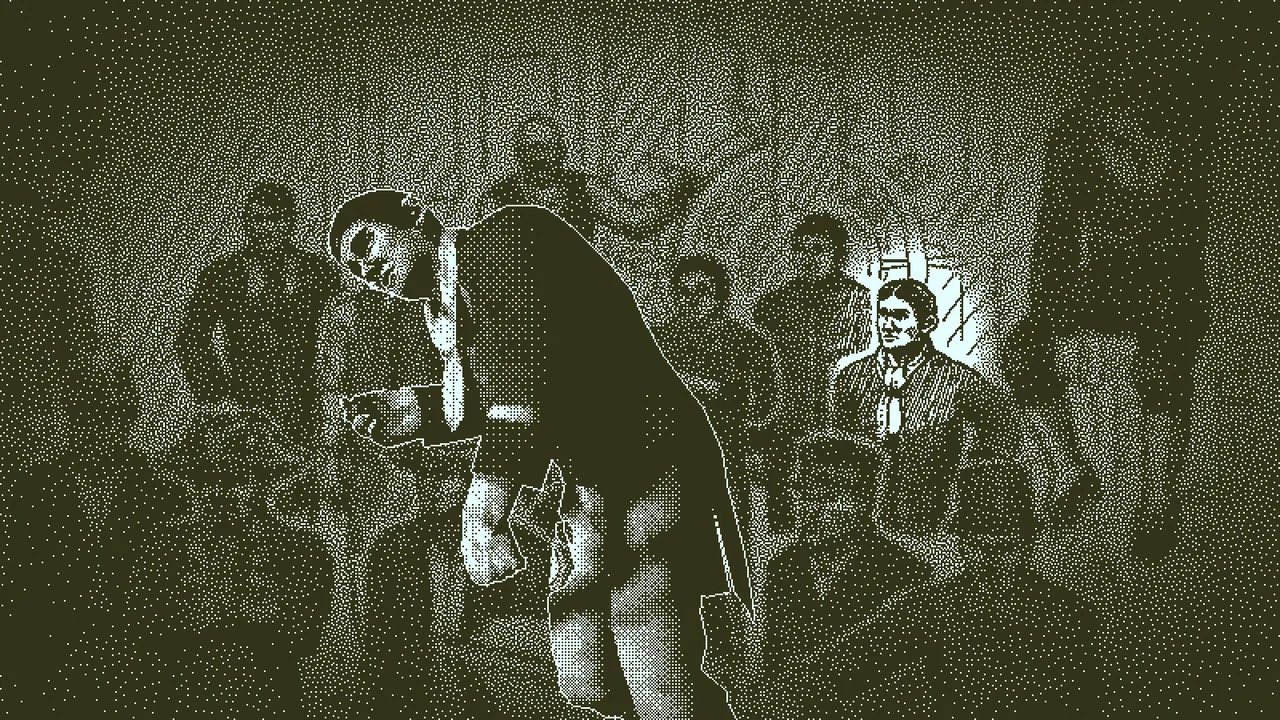
Match conversations and positions in death scenes against the manifest and other scenes.
Use clues from the original version’s Exploring screen to decide which collected words fit the identity and event blanks in Thinking.
How do you test a hypothesis?
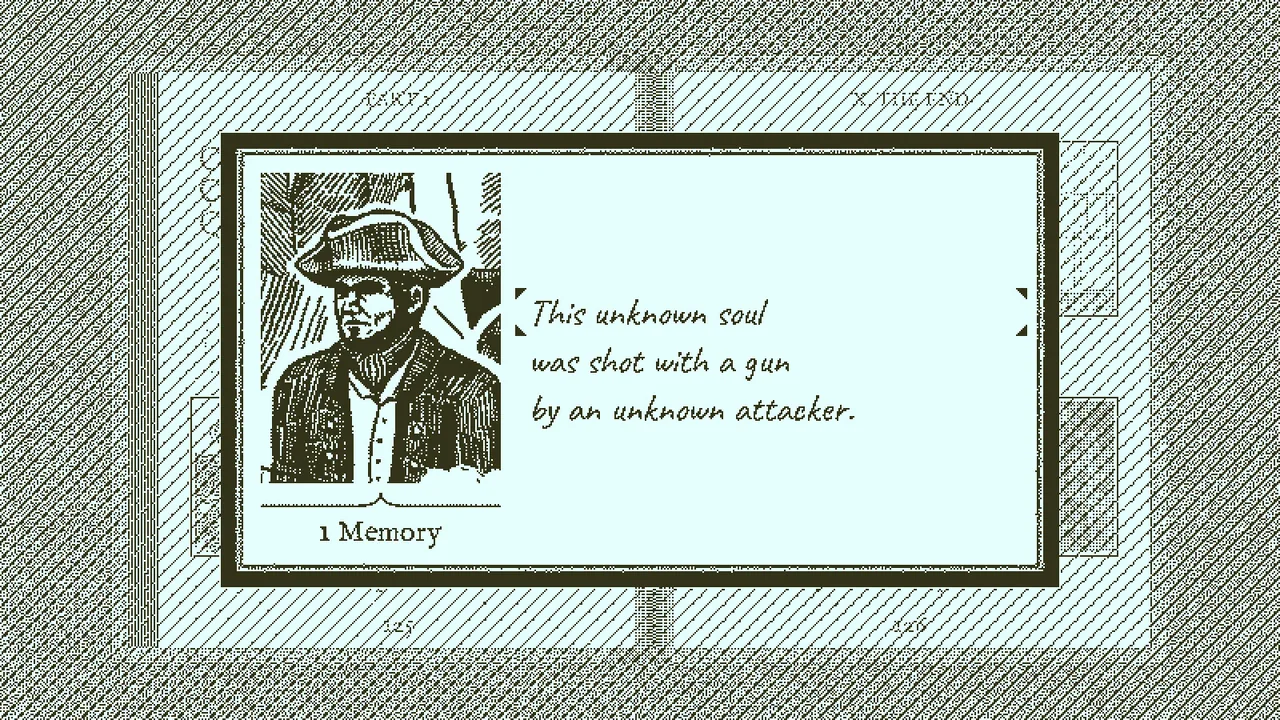
Enter identities and fates in the book, reconsidering individual hypotheses until grouped confirmation arrives.
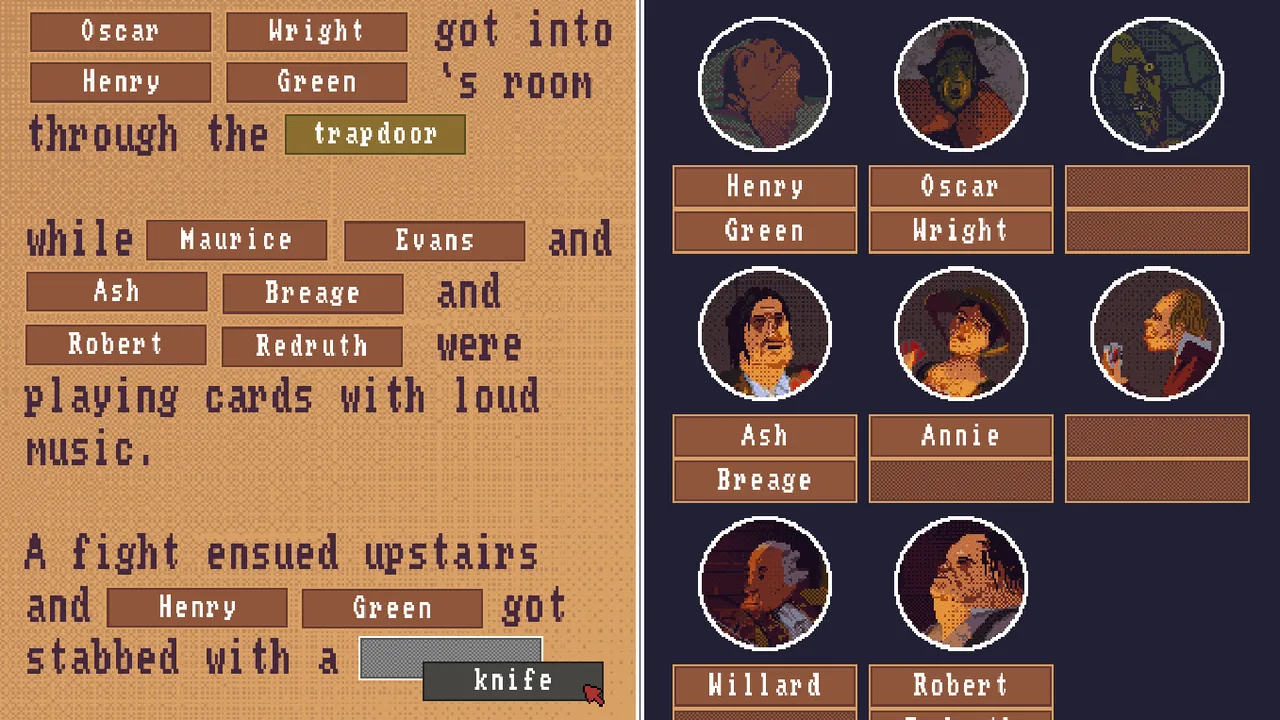
Use words to explain the event, then rethink your theory using the notepad’s feedback on whether it is correct.
Where does investigation time go?
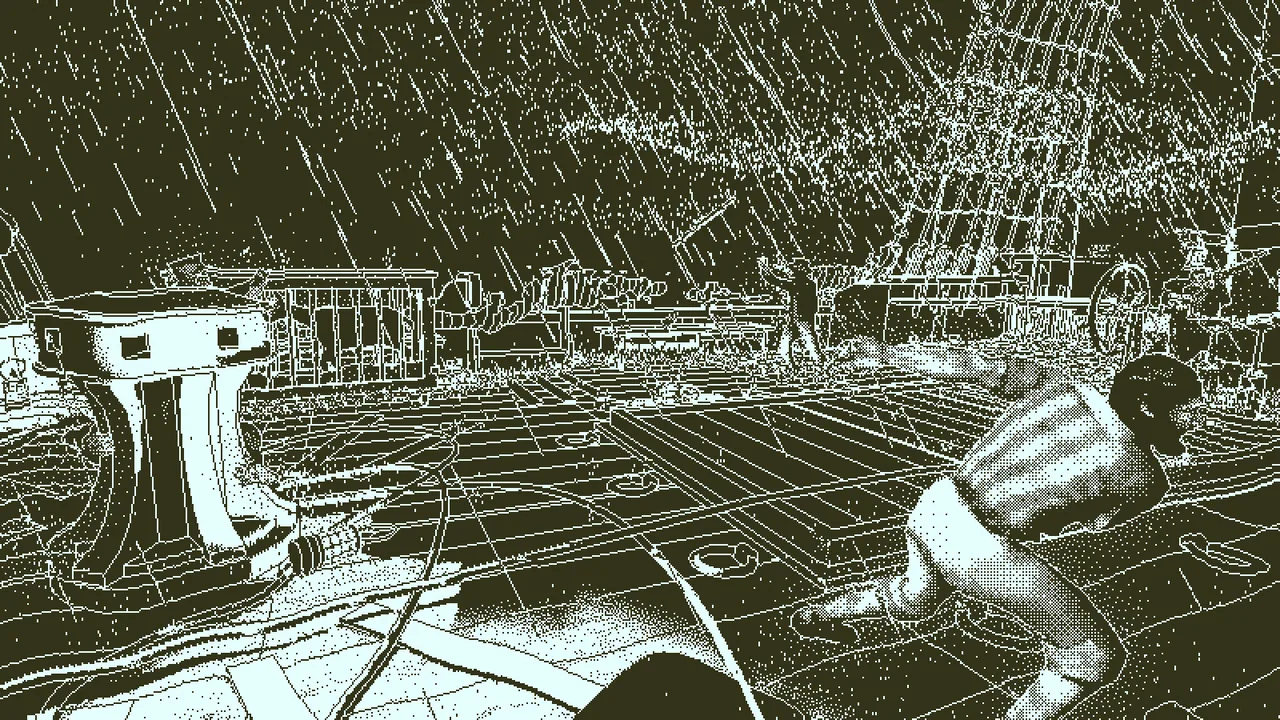
Choose between another death scene for new information and a previous scene to test a hypothesis.
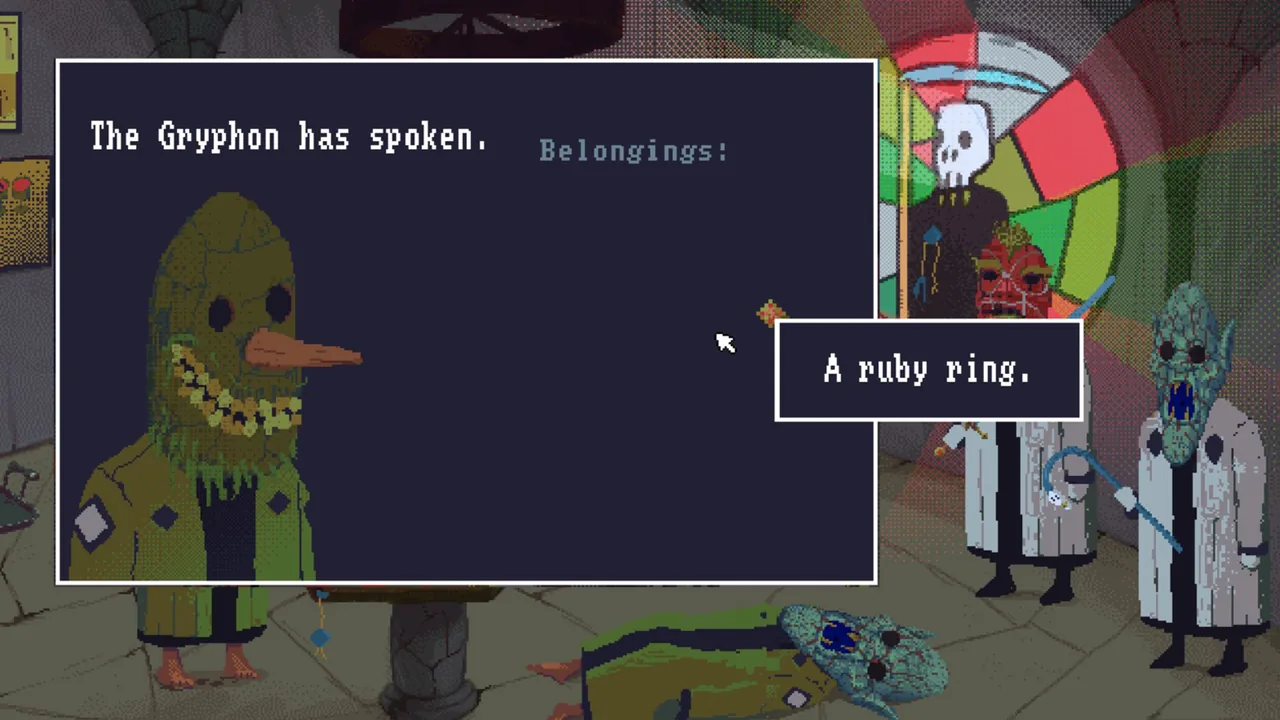
Choose between inspecting the scene again and rebuilding an explanation with words already collected.
What reviews praise
Return of the Obra Dinn
- Connecting clues across scenes and records to work out identities and fates is what reviewers enjoy about the deduction.
- Players appreciate piecing people and events together from fragments, or discovering relationships aboard the ship through investigation.
- Having identities and fates confirmed in the book gives players a satisfying sense of progress.
- Music or voice acting earns praise for bringing out the investigation’s atmosphere or the people aboard the ship.
- Players find the simplified art or frozen scenes helpful for recognising faces and spotting details.
- Making notes or keeping reference images outside the game to organise people and clues is part of the appeal for reviewers.
The Case of the Golden Idol
- Players appreciate how cases or added prequel stories connect, revealing the characters’ paths and the bigger story.
- Working out who did what and why events unfolded that way by connecting scene information is a draw for reviewers.
- Answer feedback, hints or inspection markers earn praise for helping players catch omissions or keep investigating.
- Players like the way difficulty builds across cases, or the challenge of sorting through more information as they go.
- The eccentric, retro-looking people and scenes fit the cases’ atmosphere, according to reviewers.
- Music suited to each scene earns praise for supporting the world’s atmosphere.
- Reviewers enjoy investigating scenes and piecing together events in the prequel cases.
What reviews flag
Return of the Obra Dinn
- Moving between scenes and waiting for presentation sequences makes revisiting clues feel slow to players.
- When identities or causes of death depend on fine monochrome details, players can struggle to make out the information they need.
- Players describe trouble finding clues for the remaining identities, or using guesses or guides to finish them.
- The story uncovered during the investigation does not always give players the depth of revelation or resolution they expected.
- Eye strain or motion sickness gets in the way of examining details or exploring the ship, according to player reports.
The Case of the Golden Idol
- In a game that asks you to explain events with chosen words, players using Japanese, Chinese or Korean report awkward translations or contradictory answer text.
- Keeping track of faces, names and returning characters feels like an extra burden when players reason through cases.
- Players question the amount of play for the price, or have reservations about the cost and purchase conditions of additional cases.
- The connected story’s direction or logic leaves players wanting more depth to the mystery or a more convincing account.
- Connections between words or clues can feel vague to players, leaving answers hard to accept in places or prompting trial-and-error entries.
Return of the Obra Dinn
The Case of the Golden Idol
If you're still deciding
If you want to compare clues across scenes and decide when to revisit unconfirmed theories, return to Return of the Obra Dinn’s overview and deeper-play sections.
For building small answers into a full explanation and looking back at earlier cases, revisit The Case of the Golden Idol’s Thinking and deeper-play sections.
About the data and reviews
Table values are public Steam data; prices are from the United States store. Review points come from the 100 most helpful reviews of the past year for each game, and only points raised in at least three reviews are included. They do not represent every buyer's opinion.
These summaries group opinions from the sampled Steam reviews by topic. Read them separately from documented features.