Predy Media > Action roguelike > Game page
Game pageHades Features and Reception
Who It Suits
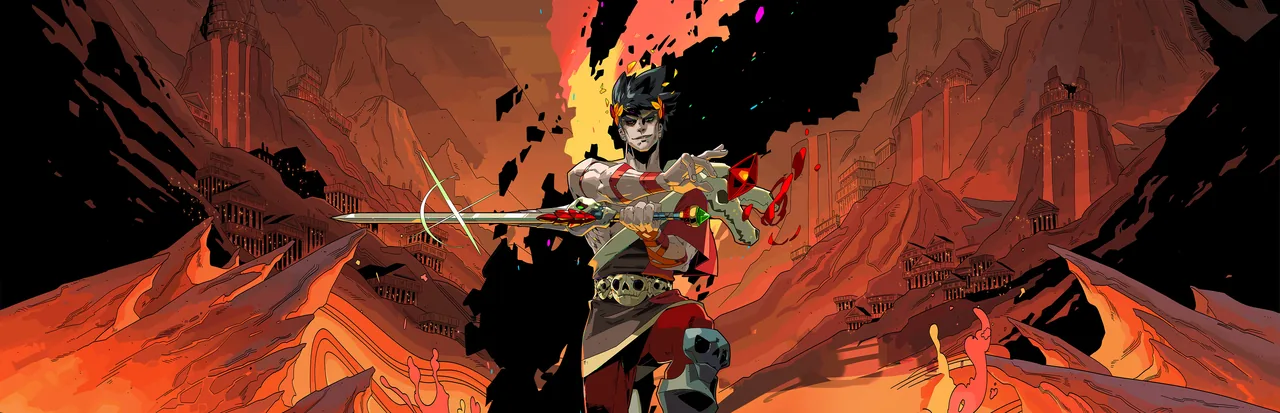
Hades is a fast action roguelite about escaping the Underworld. Defeat sends you home, where conversations and resources brought back can help you prepare for another attempt.
Its builds take shape as you match Boons to a weapon during an escape. Returning to the House also gives you more to learn about its characters.
What makes it fun
Shape a build around your Boons
Add Zeus’s lightning to a flurry of punches, or use Athena’s Deflect to deal with projectiles. The Boons you find along the way give you reasons to rethink how you fight.
The story follows you home
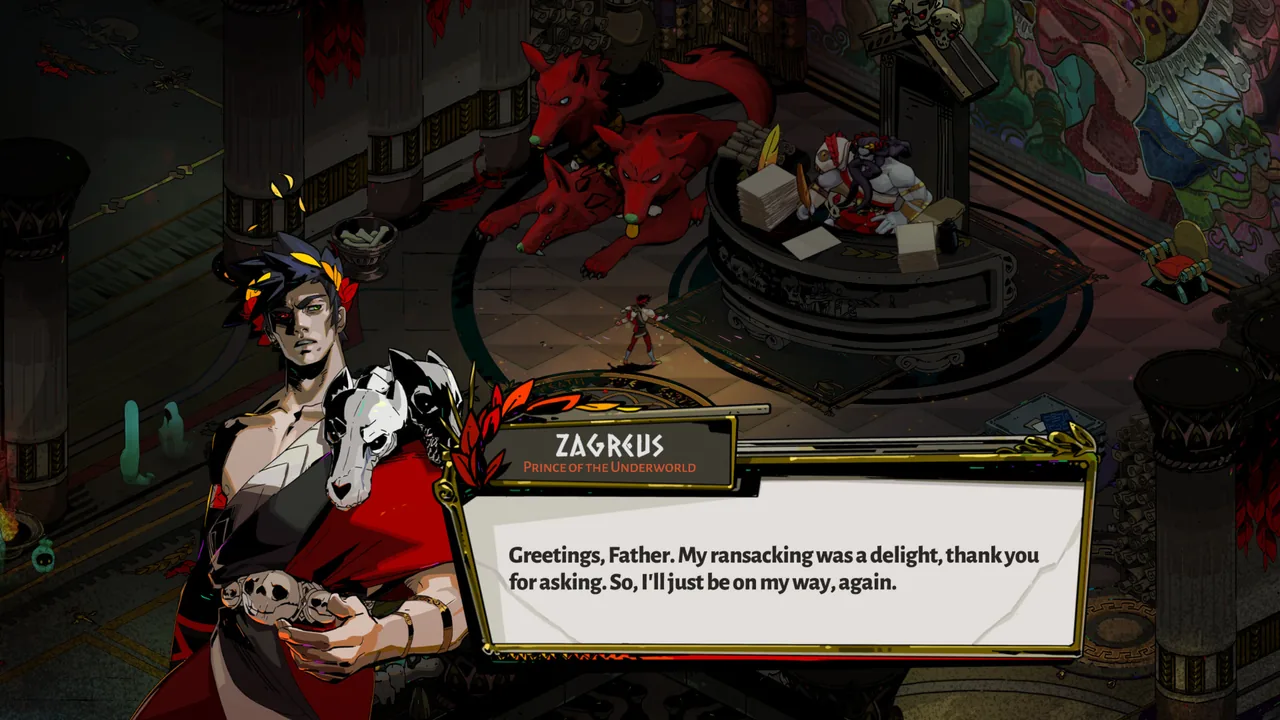
After a failed escape, people in the House of Hades respond to what you did and how the attempt ended. Wondering who has something to say gives you a reason to look around before heading out again.
Game details
As of Oct 29, 2026- Steam Deck
- Verified
- Release date
- Sep 17, 2020
- Developer
- Supergiant Games
- Languages
- Japanese, English (Full audio), Simplified Chinese, Korean / 11 languages total
A typical run
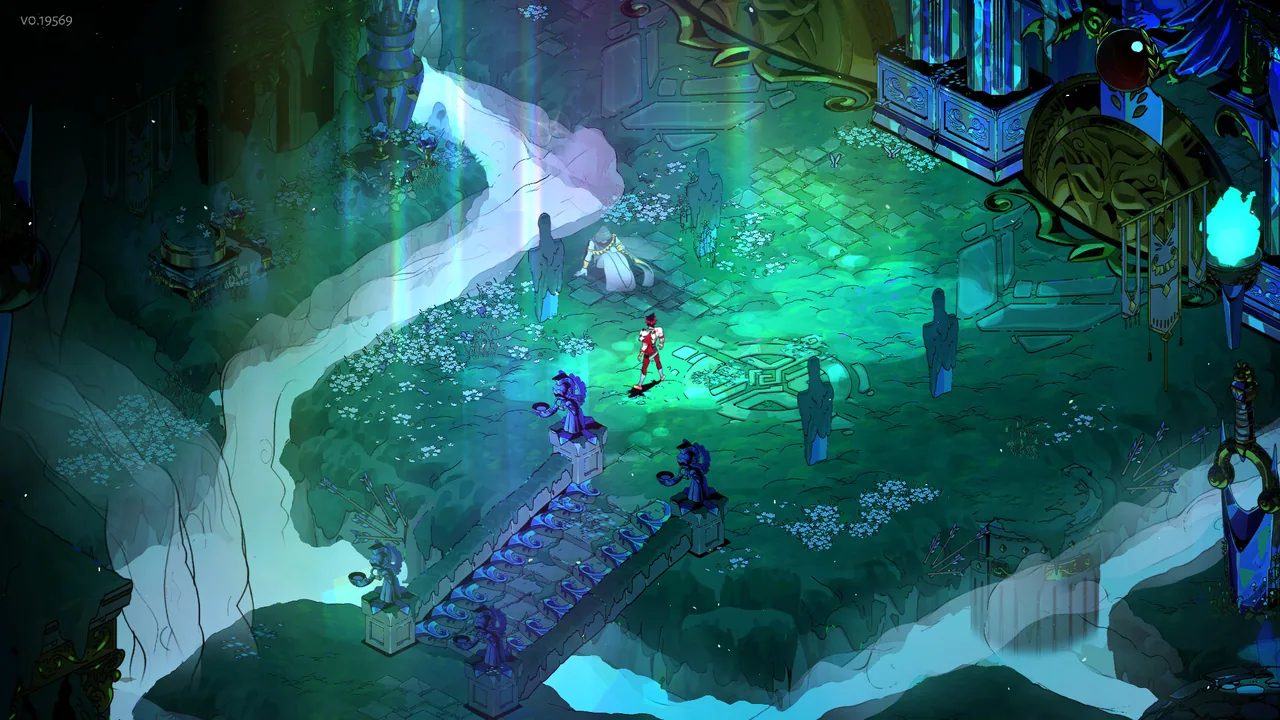
Choose a weapon in the Courtyard and set out to escape the Underworld.
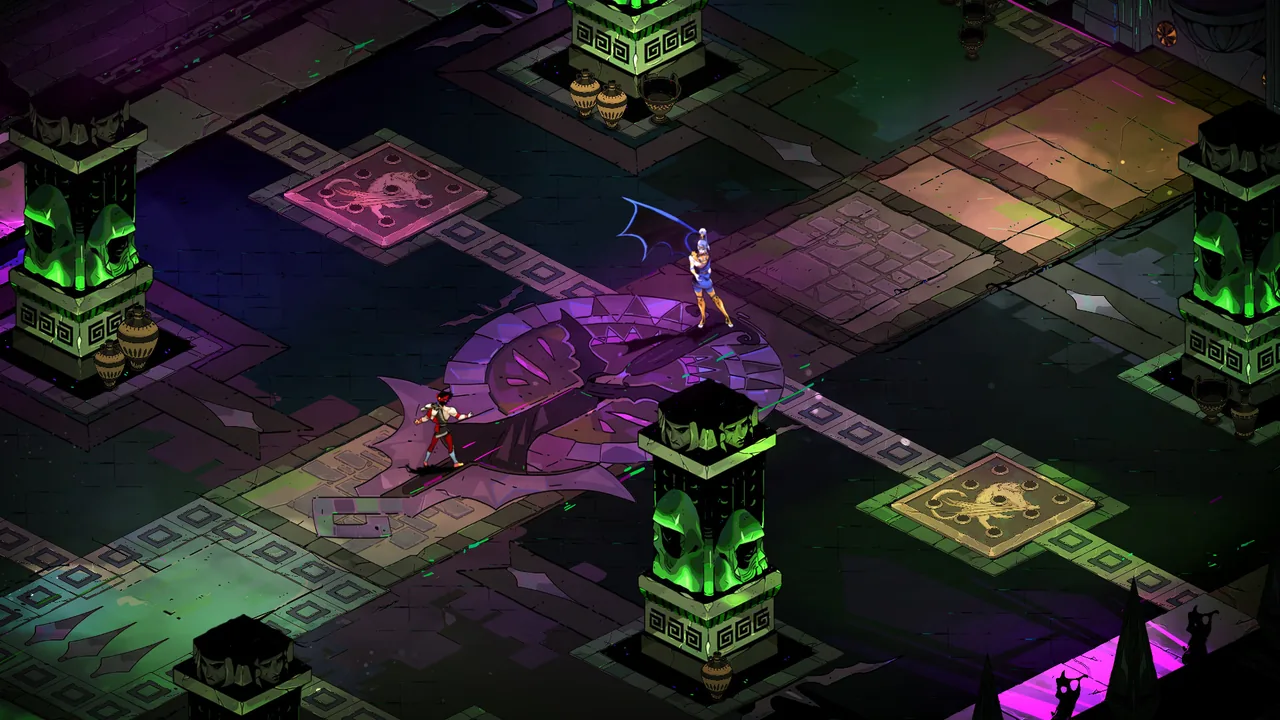
Clear the chamber. When there is a choice of routes, compare the rewards shown on the next doors before entering.
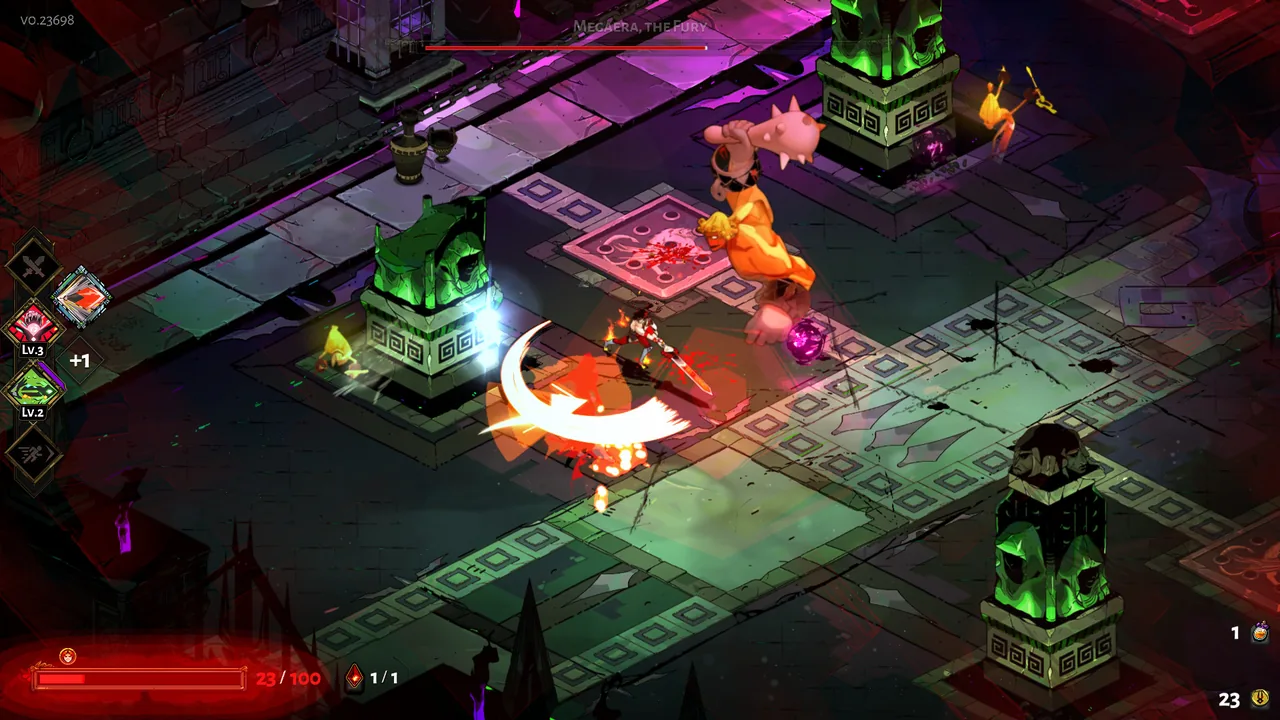
Pick up Boons and weapon upgrades along the way. Their effects change how you use Attack, Special, Cast, and Dash.
Pass each region's boss to move on. Defeat strips away temporary Boons and money, then returns Zagreus to the House of Hades.
Talk to the House's residents. Spend resources you brought back on systems such as the Mirror of Night before setting out again.
Core systems
Boons
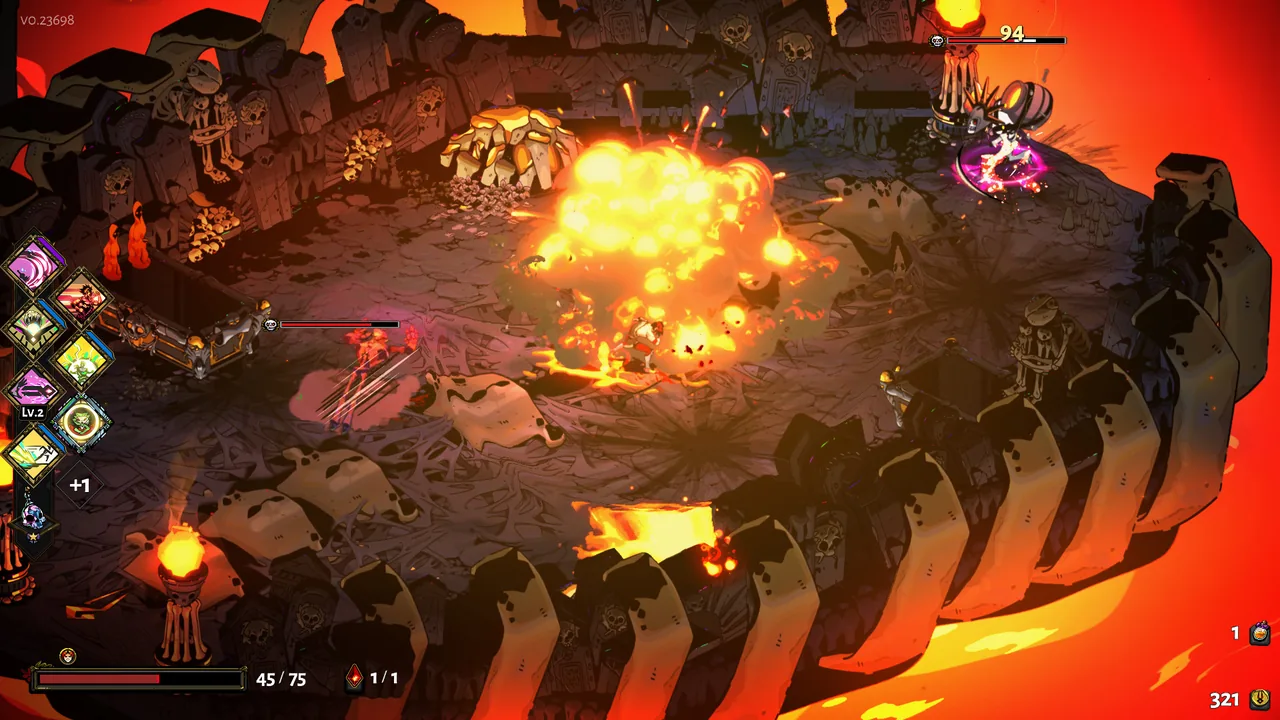
Olympian gods add effects to attacks and movement for the current escape. Zeus offers lightning, Athena offers Deflect, and Dionysus offers Hangover, among their differing effects.
With rapid weapons such as the Fists or Rail, consider how a Boon works across repeated hits. With the Shield, reach and defense matter. A door leading to the god you want may mean giving up healing or a persistent resource behind another door.
Mirror of Night
The Mirror spends Darkness on abilities that remain available between escapes. Only one Talent from each pair can be active.
If you keep taking hits, you can favor survival; if fights drag on, you can invest in damage. Other Talents affect rewards. Choosing the other side of a pair requires switching off the effect you currently use.
House of Hades
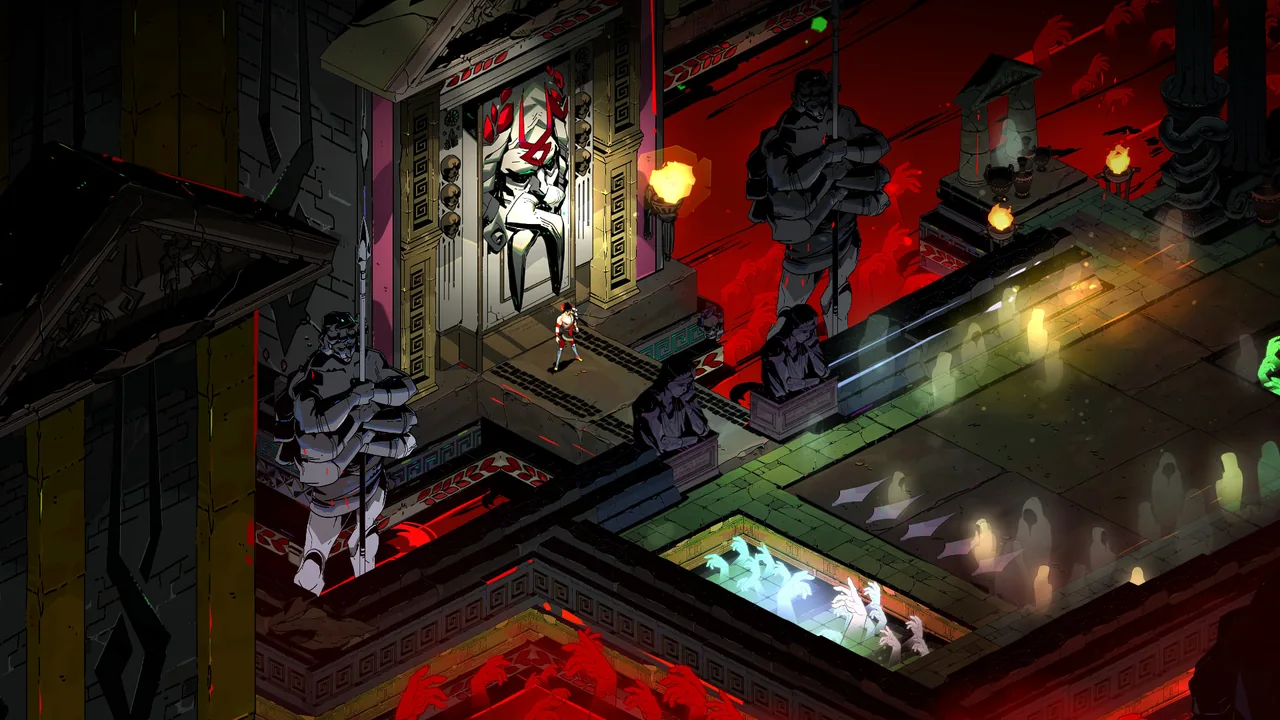
Between escapes, the House is where you talk to residents, give gifts, and work on permanent upgrades and renovations. Residents respond to earlier attempts and events.
You can set out again immediately or spend time in the House on conversations, gifts, and preparation. If you are following a character's story, it is worth looking around before leaving.
Pact of Punishment
The Pact becomes available late in the game. Its Conditions can strengthen enemies and bosses or impose a deadline. Your selections set Heat, which also affects the requirements for weapon-specific Bounties.
Choose Conditions your weapon and build can handle. A deadline makes clearing chambers quickly matter; enemy or boss Conditions call for a fresh approach to familiar fights.
God Mode
God Mode is an optional setting that makes Zagreus more resistant to damage each time he dies.
It is available if you are stuck and want to follow the next conversation or try another build. You can also leave it off while learning enemy attacks under the usual pressure.
What sets it apart
A defeat returns you to the House, where conversations and story events can continue. Resources brought home can prepare you for the next escape.
Boons shape the build during an escape. Back at the House, you can develop Mirror of Night abilities and character relationships.
Late in the game, the Pact of Punishment lets you choose the pressure you accept, including deadlines and changes to enemies or bosses.
Learning curve and difficulty
Early on, watch an enemy's tell before rushing in. Dash can carry you away from an attack or into range after the enemy finishes one.
Once a weapon feels familiar, compare its hit rate and reach with the effects of available Boons. The reward behind your next door can also change the build you are able to make.
Under the Pact, a deadline rewards faster chamber clears. Conditions affecting enemies or bosses make you reconsider how you dodge and attack in familiar fights.
God Mode is available if you get stuck. It lets you keep learning encounters while following the next conversations at the House.
Builds and playstyles
Shield and Deflect control
Use the Shield to block, then pair its ranged Special with Athena's Deflect. It suits a careful approach that deals with projectiles before moving through a chamber.
Rapid hits and lightning
Pair frequent hits from the Fists or Rail with Zeus's lightning. Keep attacking, but move before an enemy can answer at close range.
Mobile Dash-Strike pressure
Link Dash and Attack to cut down the time spent standing still. Move in after an enemy finishes attacking rather than relying on speed to carry you through a hit.
What longtime players say
For players finishing achievements and collections, returning through familiar regions can become a chore. Runs spent gathering resources or waiting for character dialogue make that repetition more noticeable.
Later on, players find goals of their own in taking on Pact Conditions and learning to use different weapons.
New lines tied to actions and progress can still appear after a long time playing. Checking how residents respond at the House remains a reason to keep attempting escapes.
Even after the controls become familiar, players return for the next part of a character's story.
What players like
Players remember the art across the regions, the music during combat, and the voices given to the cast. Together, these make the Underworld and its conversations engaging to follow.
The quick move from Dash into Attack feels good to players. Switching weapons changes hit patterns and reach, giving them another way to approach a chamber.
An unsuccessful escape can still lead to conversations and story at the House. That gives players a reason to make the next attempt instead of treating the defeat as wasted time.
Players following the relationships enjoy dialogue that responds to what Zagreus has done and how far he has progressed. It gives them a reason to look around the House after an attempt.
A different weapon and the Boons found along the route can change how each attack is used. Players who like testing builds enjoy working with those combinations.
Early defeats can still leave resources for permanent upgrades and other unlocks. Players value having something to carry into the next attempt even when they did not reach the next region.
When difficulty stalls progress, God Mode helps players keep learning encounters and following the story.
Common complaints
After a clear or while pursuing achievements, passing through the same regions and fighting familiar enemies and bosses can wear on players who want more change in the combat route.
Players trying to finish character stories and collections can tire of runs spent gathering resources or waiting for the next dialogue to appear.
Late in the game, missing a desired Boon can leave a build feeling weak. Players also describe falling back on the builds they already know will work.
Who it’s for
It suits players who like reading a weapon's hit rate and reach, then changing how they attack around the Boons they find. Choosing between a god's door, healing, and a resource to take home is part of that appeal.
It also suits players who want to check the House for new reactions and follow relationships between attempts. Dialogue after a defeat fits into the reason to try again.
Who might not enjoy it
Revisiting the same regions may grate if you want a changing route each time. The story also arrives in short conversations between attempts, which may frustrate players who want to follow it in one stretch.
If you want to finish achievements and collections quickly, runs spent gathering resources or waiting for character dialogue may feel drawn out.
FAQ
- Which languages and audio are supported?
- The Steam version has English interface text, subtitles, and audio. Japanese, Simplified Chinese, and Korean have localized interfaces and subtitles; the audio is in English.
- Is there cooperative play?
- No. Hades is designed as a single-player game, and the official product information says multiplayer is not planned.
- Can the difficulty be adjusted?
- You can enable God Mode in the settings. Late in the game, the Pact of Punishment lets you choose Conditions that add pressure.
- Does it work on Steam Deck?
- The supplied Steam public data lists the game as Deck Verified and records full controller support.
These impressions are based on 100 Steam reviews sorted by “Most Helpful.” They do not represent the views of all buyers.
Image: Hades on Steam