Predy Media > Action roguelike > Game page
Game pageDead Cells: Features, Player Feedback, and Who It Suits

Dead Cells is a roguevania set in a shifting castle. Each run asks you to rethink your route and fighting style around the equipment you find.
It suits players who enjoy fast action and want to learn enemy behavior and routes by examining what went wrong after a death.
What makes it fun
Keep the fight moving
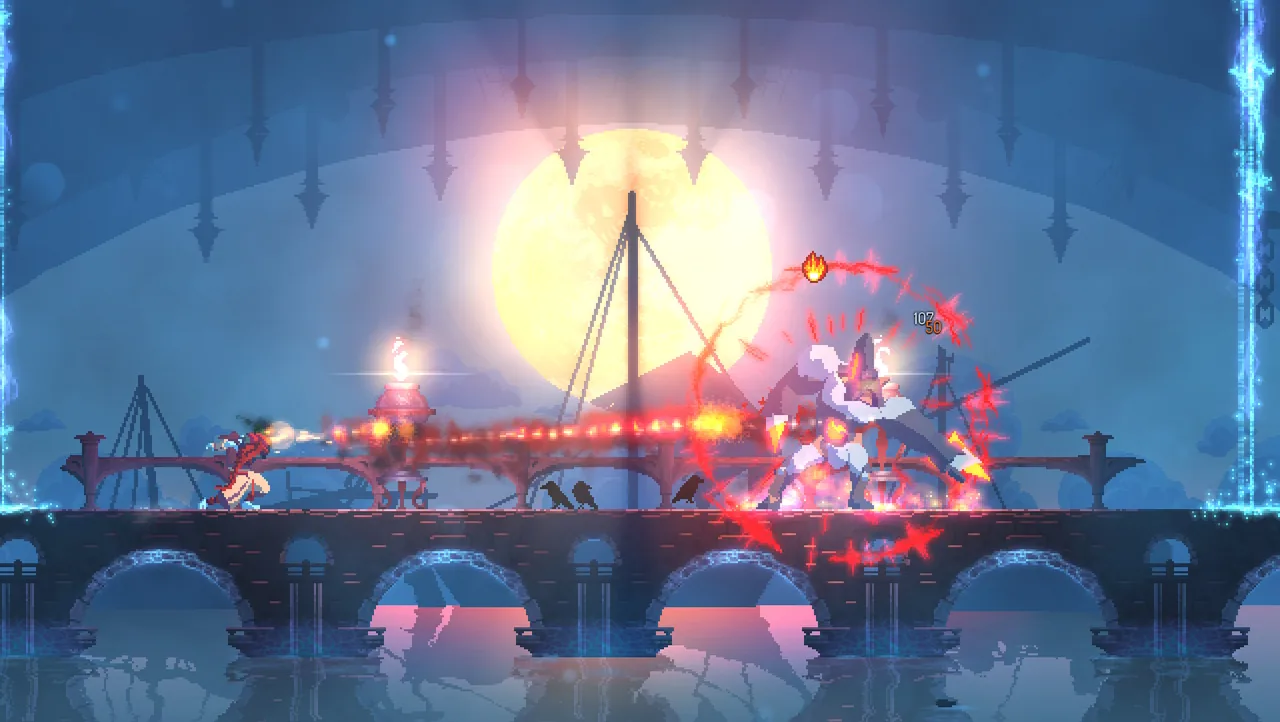
Attacks flow into rolls, parries, and jumps. Slipping past an enemy's strike and turning straight into a counterattack feels good.
Build around what you find
Check a weapon's color and effects, then pair it with skills and Mutations. An unexpected drop can give you a new combination to build from what you have.
Choose where the run goes
Search changing biome layouts for exits, then choose where to go next. Each run gives you a new layout to read and a route to piece together.
Game details
As of Oct 29, 2026- Steam Deck
- Verified
- Release date
- Aug 7, 2018
- Developer
- Motion Twin
- Languages
- Japanese (Full audio), English (Full audio), Simplified Chinese (Full audio), Korean (Full audio) / 15 languages total
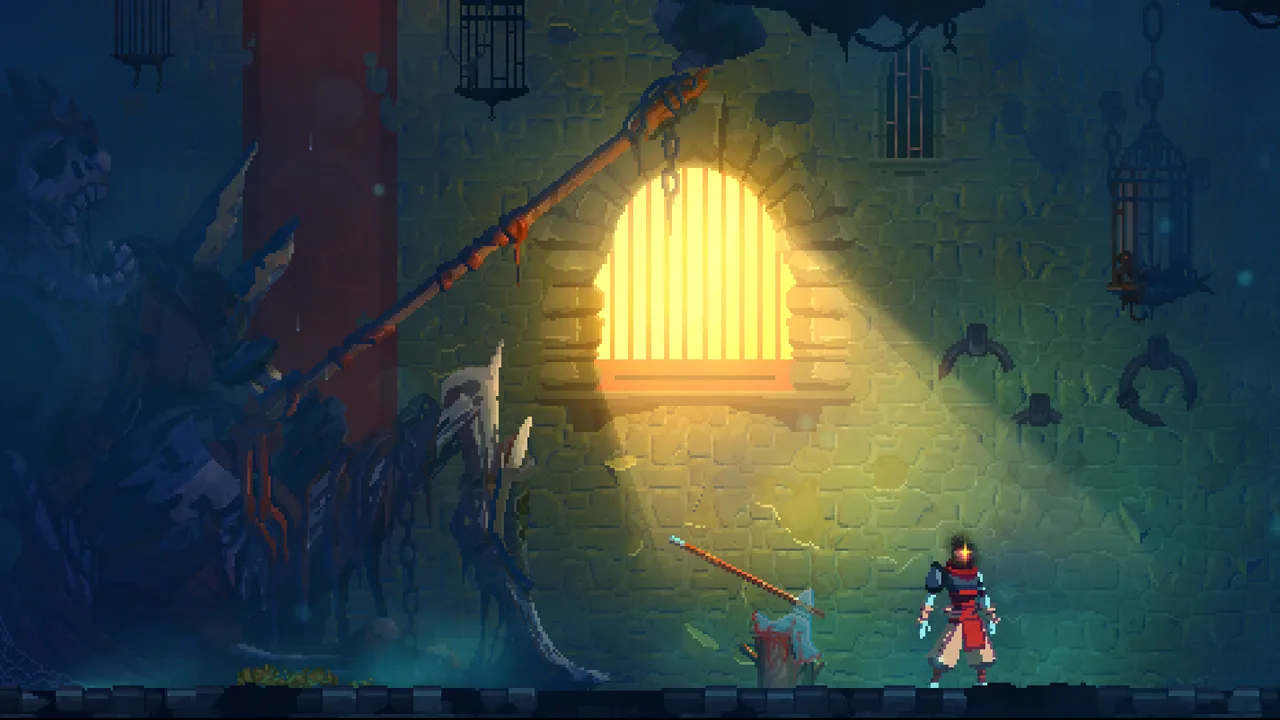
A typical run
Choose a weapon in the Prisoners' Quarters, then enter a biome whose layout changes between runs.
Collect equipment from enemies and chests. When you find a scroll, choose the color that will carry your build.
At an exit, weigh the danger and rewards before choosing the next biome.
Between biomes, spend Cells on blueprint unlocks or permanent upgrades. This is also where you choose Mutations.
Losing the host sends you back to the prison. Unlocked equipment, Mutations, abilities, and routes remain available on later runs.
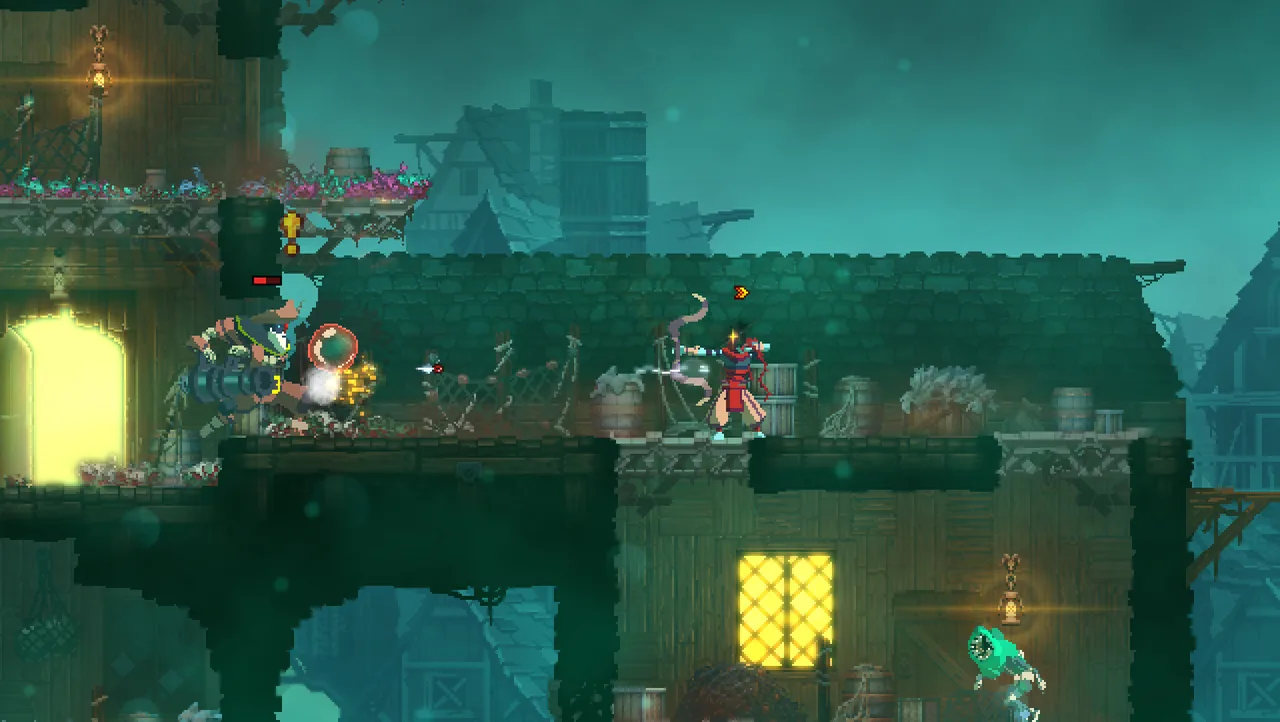
Core systems
Brutality, Tactics and Survival
Weapons, skills, and shields have associated colors. Scrolls raise a color's stat and increase the damage of matching equipment. Colorless equipment scales with your strongest stat in that run.
Putting scrolls into your main color raises the damage of your chosen loadout. You gain less health from the other colors, though, and their equipment becomes less useful to you.
Mutations
Mutations are extra effects chosen between biomes. They can support melee, ranged weapons, shields, or healing. Certain effects also scale with a color.
Slots are limited. A Mutation that strengthens your current loadout competes with one that offers healing or a way to recover from mistakes.
Boss Stem Cells
Boss Stem Cells change the conditions of post-clear runs in stages. They alter enemies and healing, as well as the routes available to you.
You can push into harsher conditions or return to a familiar setting to collect blueprints. Lowering the setting also gives you room to practice against enemies.
Assist Mode
Assist Mode lets you adjust enemy health and damage, the parry window, and continuation after death.
You can widen the parry window while practicing that move or use continuation while learning enemy attacks. Standard settings remain available.
Custom Mode
Custom Mode changes available equipment, starting conditions, and other run settings so you can test a chosen setup more easily.
Keep a broad equipment pool and build around what appears, or narrow it to practice an interaction between particular weapons and skills.
Curse
A Curse can make a hit fatal until it is cleared. Certain rewards carry that risk. Cursed Biomes contain special enemies and are more likely to contain Cursed Chests.
Take the upgrade and get through the Curse without a hit, or leave the reward and choose a safer route.
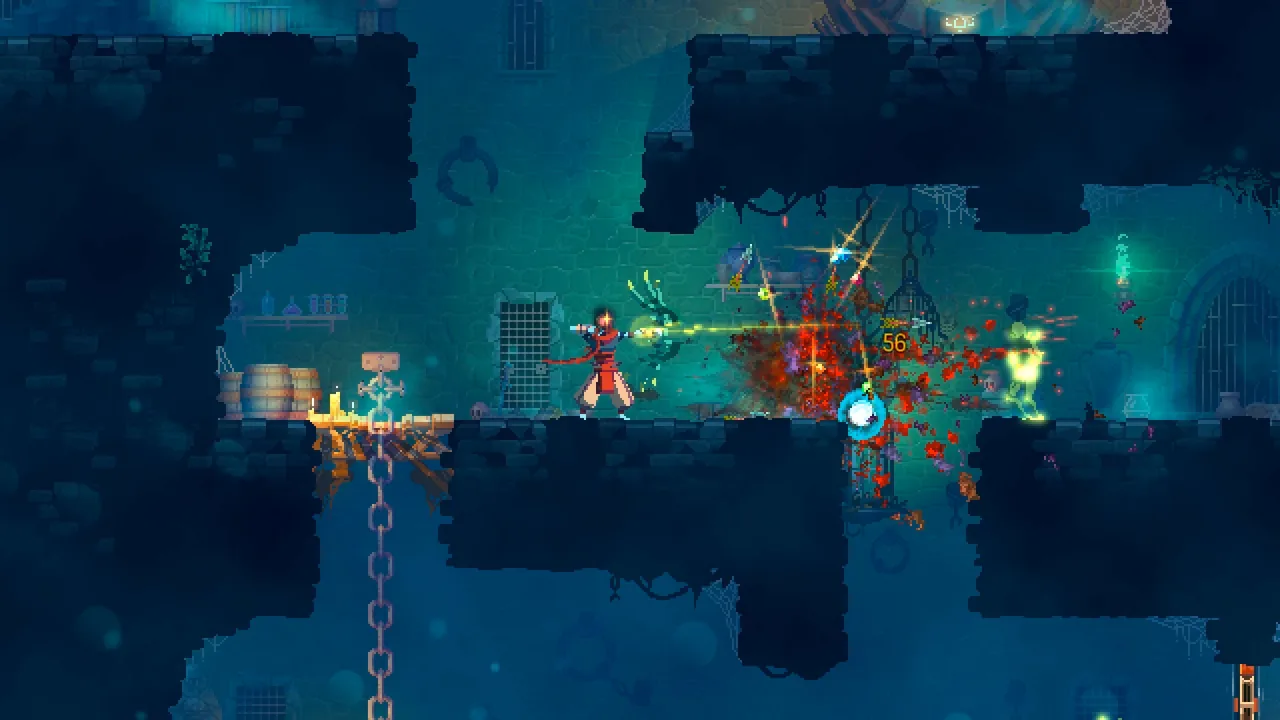
What sets it apart
Ability-gated routes stay open for later runs. Biome layouts and the equipment you carry still change each time.
Combat is not a series of sealed rooms. You move, fight, and search for exits in the same stretch of play. Your chosen exit determines the next biome.
Drops alone do not decide whether a run survives. Dodging or parrying an enemy attack and knowing the routes matter just as much.
Learning curve and difficulty
Activating Boss Stem Cells makes enemy and healing conditions harsher. Available routes change too.
As you learn attack cues, you can decide whether to roll through an attack or meet it with a parry.
Scrolls need to support your main color. It also helps to check whether a weapon's affixes work with status effects such as bleeding or poison.
At higher difficulty, a small hit can affect later biomes. There are moments to move quickly and others to separate enemies before fighting.
Assist Mode changes the conditions of a run. The Training Room lets you practice with particular weapons or enemies.
Builds and playstyles
Brutality melee
Fast melee weapons bring you close enough to link bleeding, fire, or effects triggered by a kill. You can keep attacking, but missing an enemy's cue leaves you open to a hit.
Tactics ranged control
Bows and deployables let you keep your distance while poison or electricity helps finish enemies. The build has low durability, so dodges and useful affixes still matter.
Survival shield and heavy weapons
Shields and slow heavy weapons pair with freezing or rooting to set up a counterattack. Before starting a heavy swing, you need to read the enemy's next move.
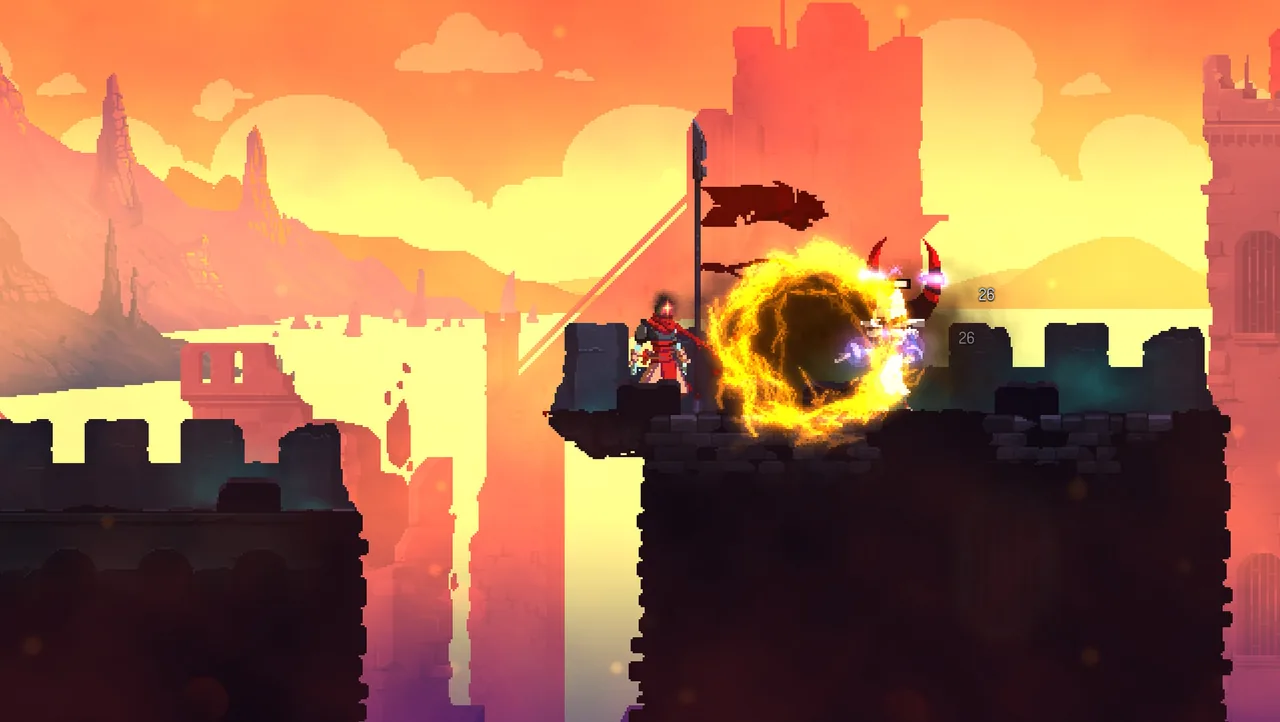
What longtime players say
Even after runs become familiar, a different weapon drop or exit can make you rethink your loadout and route. That keeps repeat runs engaging for these players.
Unlocking more equipment expands the pool, but collecting every weapon or achievement can take patience and repeated runs.
Long-time players describe learning terrain and enemy behavior as they work through tougher Boss Stem Cell settings.
What players like
You can run into an attack, then quickly roll or parry. Players praise how readily movement leads into combat and back out again.
Weapons and skills found during a run can change the build you had in mind. Trying new combinations is part of the appeal.
The music, biome scenery, and character animation suit the island's atmosphere as you explore.
Clearing a demanding setting makes learned enemy behavior and practiced execution visible in the result. These players value that payoff.
After a death, players can revisit a missed attack cue, poor position, or badly timed dodge. They like having a specific mistake to correct next run.
Biomes branch and their layouts change. Even when players know the destination, finding an exit and choosing a route remains interesting.
Common complaints
Players hoping for more of the story express disappointment about where it ends. Others regret the end of content updates.
On tougher Boss Stem Cell settings, a small mistake can follow you into later biomes. Limited healing makes that pressure unpleasant for these players.
For players collecting equipment or achievements, returning through familiar biomes and bosses can make the unlock work feel tiring.
A desired weapon or affix may fail to appear, leading players back to the same small set of equipment. They question how much of the wider pool they actually use.
Who it’s for
It suits players who like moving from an attack into a roll or parry, then correcting the cause of a hit on the next run.
It also suits players who check color scaling, Mutations, and affixes before building around the equipment they find.
Players who enjoy learning branching routes and deciding whether a Cursed reward is worth the risk should find plenty to consider.
Who might not enjoy it
It may not suit players who dislike revisiting early biomes after death or repeating runs to unlock equipment.
Players seeking generous healing on tougher Boss Stem Cell settings or a clearly completed story may be left wanting more.
FAQ
- Does it support English?
- Yes. The Steam version supports an English interface, subtitles, and audio.
- Is there cooperative play?
- No. Steam lists it as a single-player game.
- Can the difficulty be adjusted?
- Yes. Assist Mode can adjust enemy health and damage, the parry window, continuation after death, and related options.
- Can the base game be played without additional content?
- Yes. The base progression can be played on its own. Additional content adds biomes, enemies, bosses, equipment, and routes.
- What remains after death?
- Unlocked equipment, Mutations, abilities, and routes remain available. Equipment carried during the failed run and unspent Cells are generally lost.
These impressions are based on 100 Steam reviews sorted by “Most Helpful.” They do not represent the views of all buyers.

Image: Dead Cells on Steam