Predy Media > Articles > Comparison
ComparisonTUNIC vs Death's Door:
Clues, Exploration and Combat Choices
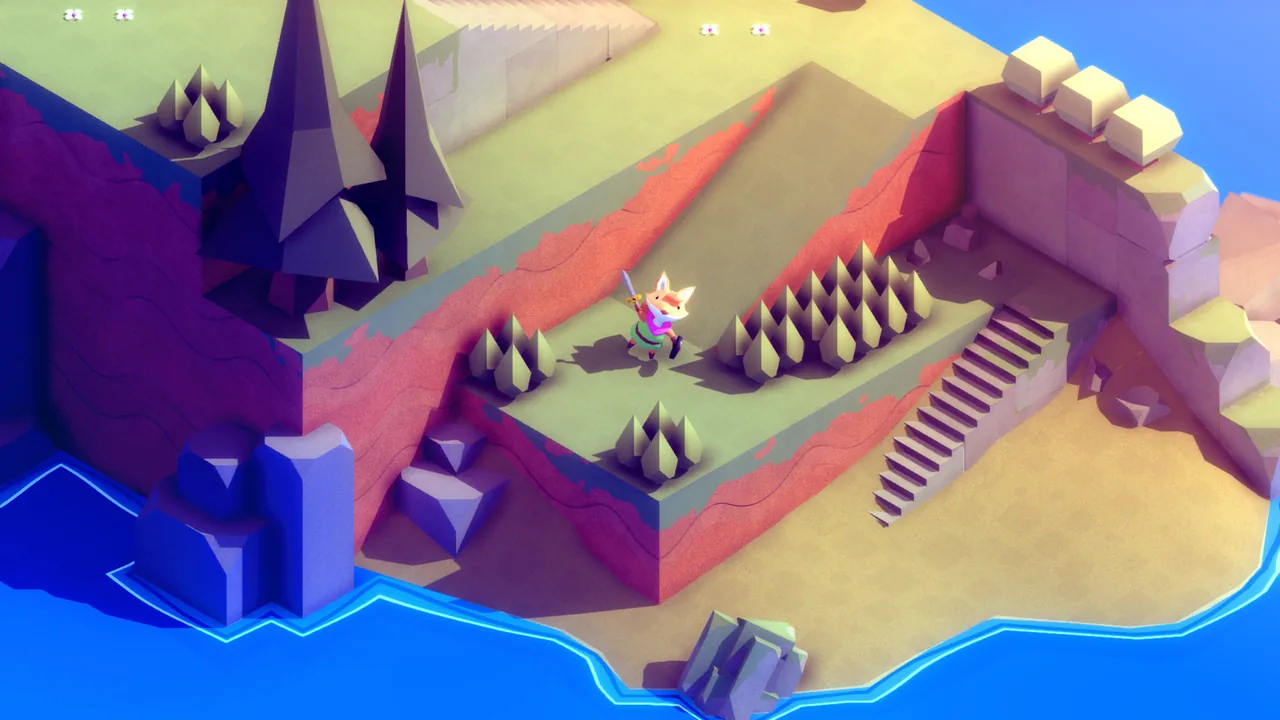 TUNIC
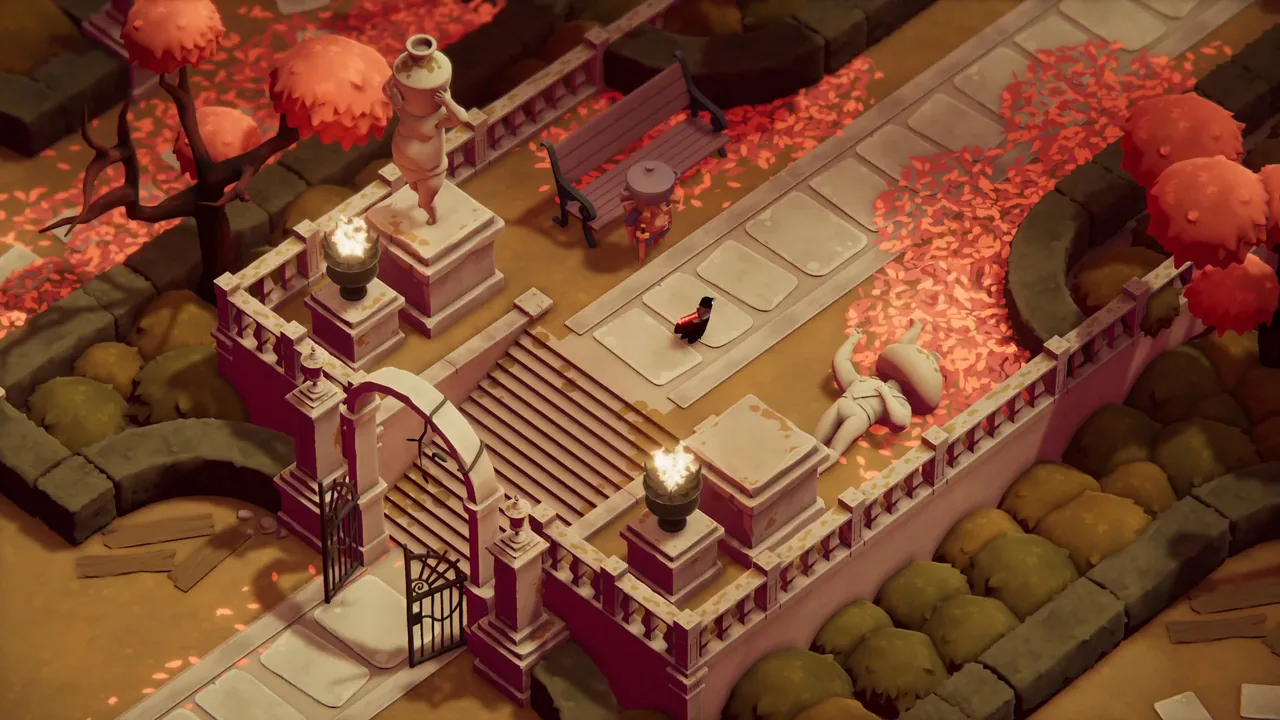 Death's Door
Images: Steam store (TUNIC, Death's Door)
TUNIC and Death's Door both involve exploring a world, fighting enemies and uncovering secrets.
Compare how each game gives you clues for moving forward and what you consider during combat.
Which one is for you
 TUNIC is for you if…TUNIC suits readers who want to examine manual fragments and connect their illustrations and clues with exploration.Consider it if reinterpreting a world through what you have learned sounds like part of the adventure.
 Death's Door is for you if…Death's Door suits players who want to learn combat while travelling with melee weapons, arrows and magic.It is also a candidate if you want to follow a soul-reaping Crow through a world of unusual characters and dark humor.
Screenshots
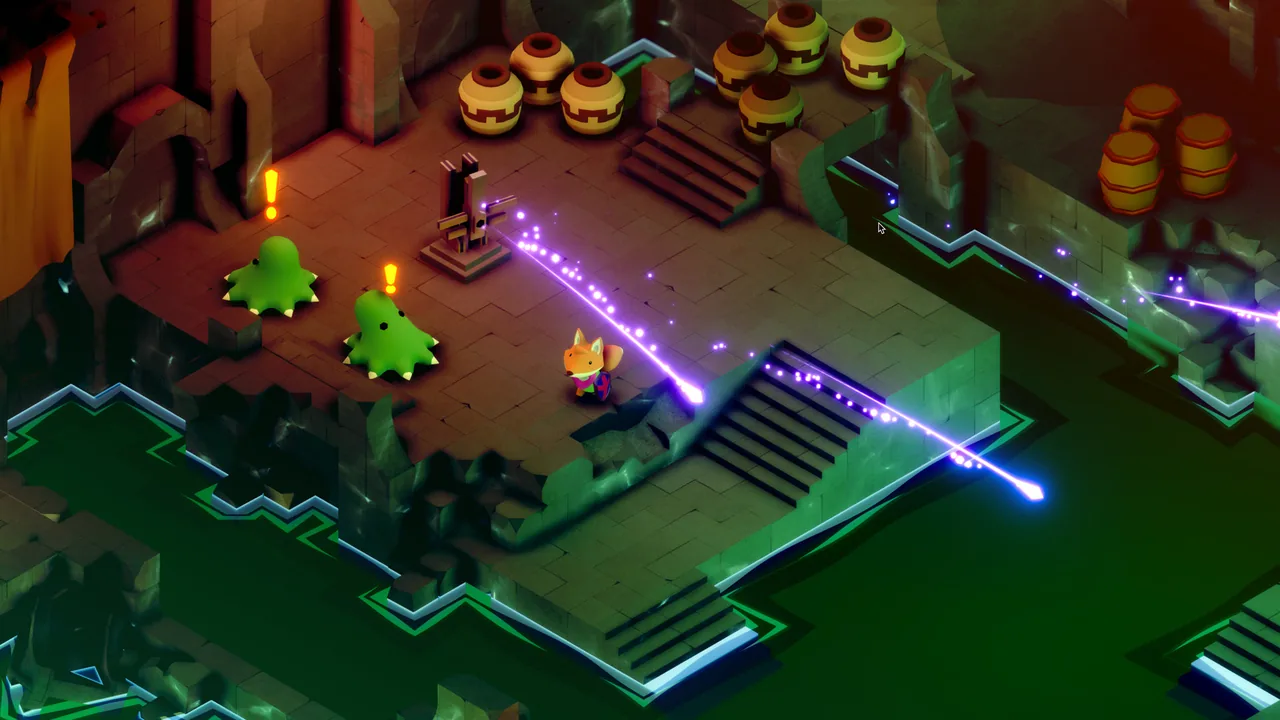
TUNIC
Death's Door
Steam data side by side
| TUNIC | Death's Door | |
|---|---|---|
| 91%Very Positive16,929 reviews · all languages | Positive reviews | 92%Very Positive20,511 reviews · all languages |
| US$29.99 | Price (United States) | US$19.99 |
| 22.8 hours | Playtime at review | 15.3 hours |
| Verified | Steam Deck | Verified |
| Mar 17, 2022 | Release date | Jul 20, 2021 |
| TUNIC Team | Developer | Acid Nerve |
| Japanese, English, Simplified Chinese, Korean | Languages | Japanese, English, Simplified Chinese, Korean |
What each game is
TUNIC
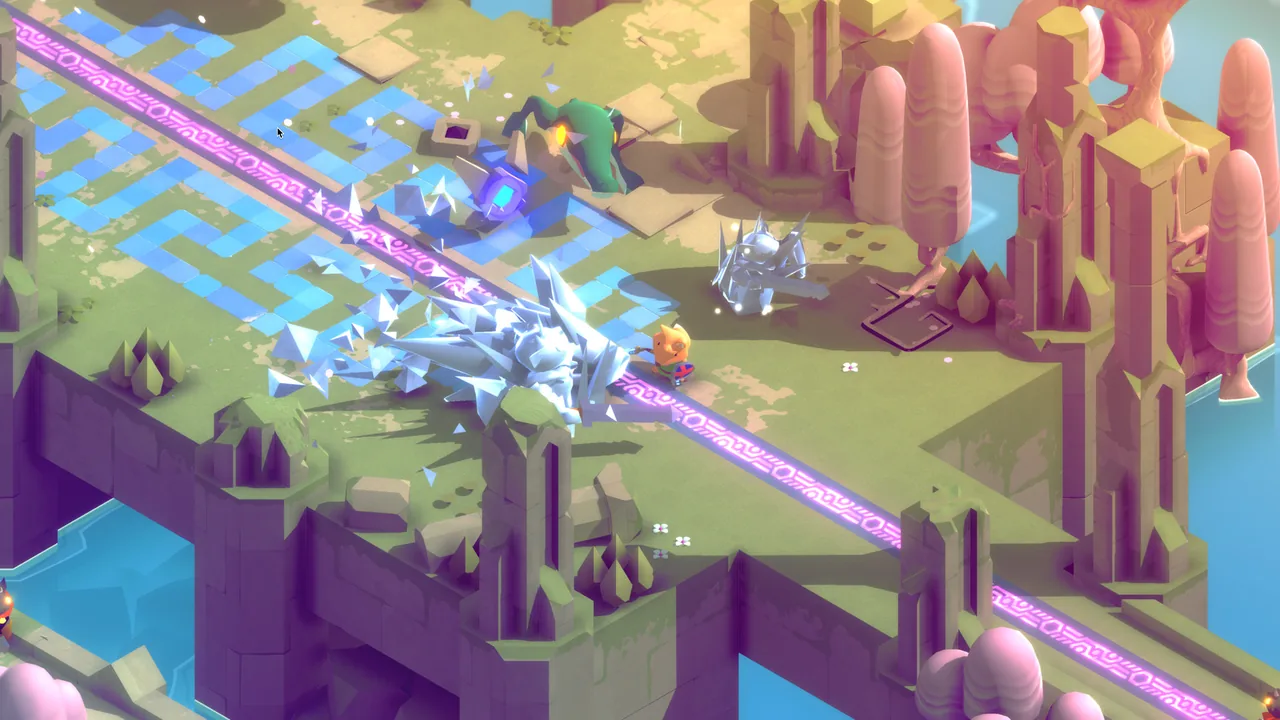
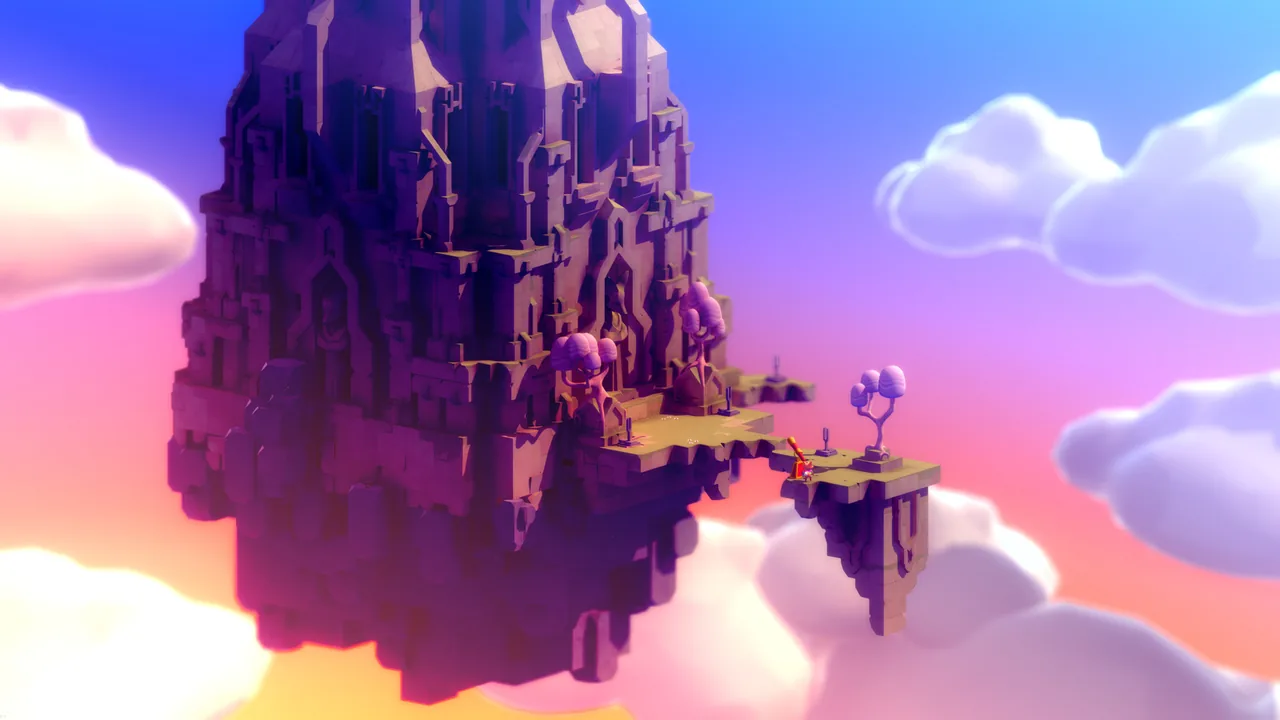
In TUNIC, a small fox explores a world of ruins.
You collect manual pages and read them for maps, hints and clues to techniques.
Forests, ruins and underground spaces connect as you search for treasures and secrets.
In combat, you can dodge, block, parry and strike.
The developer explained that you can still attack and dodge without stamina, but incoming hits deal more damage.
This single-player adventure combines discovery through its manual with fighting.
Death's Door
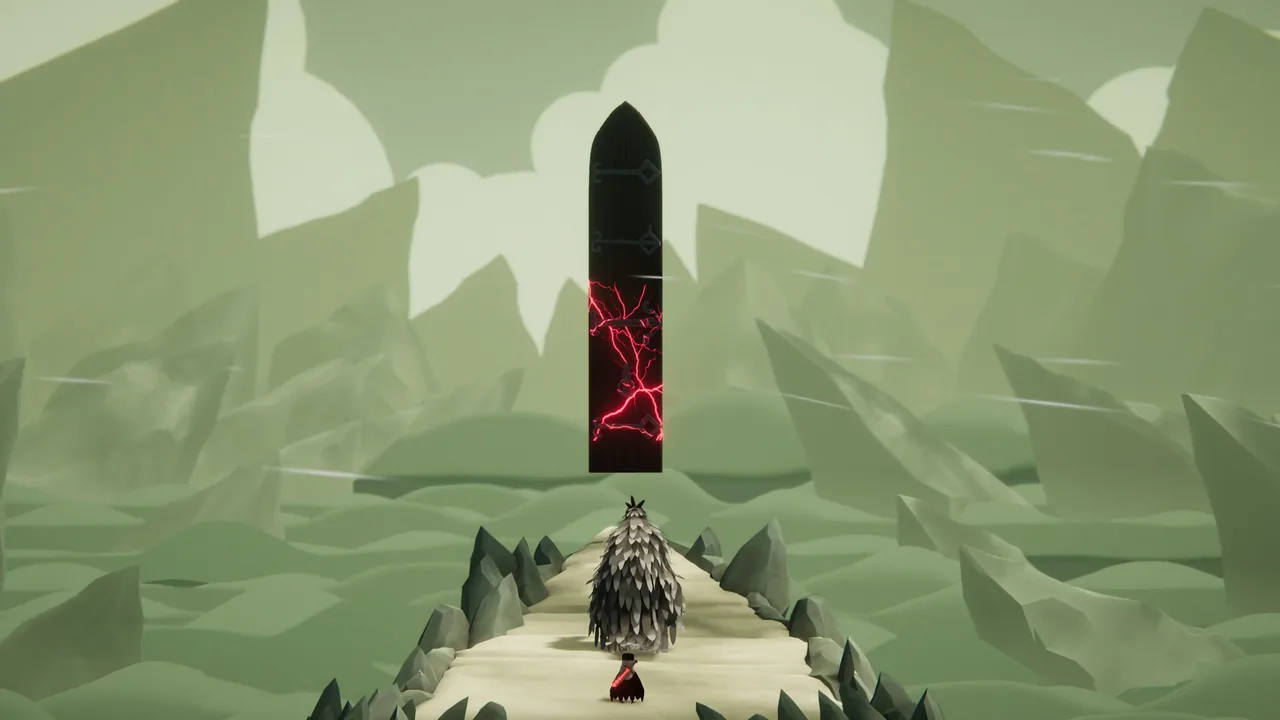
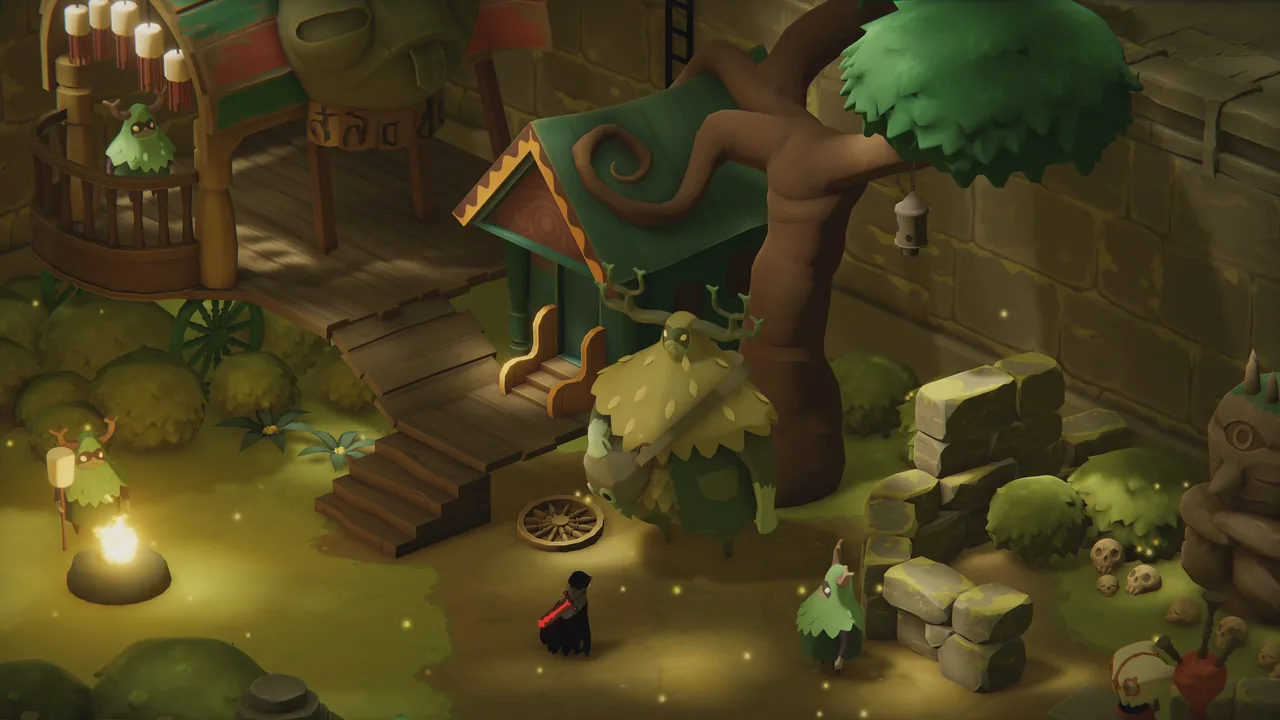
In Death's Door, you play a Crow whose job is reaping souls.
A stolen assignment sends you after the thief into a land untouched by death.
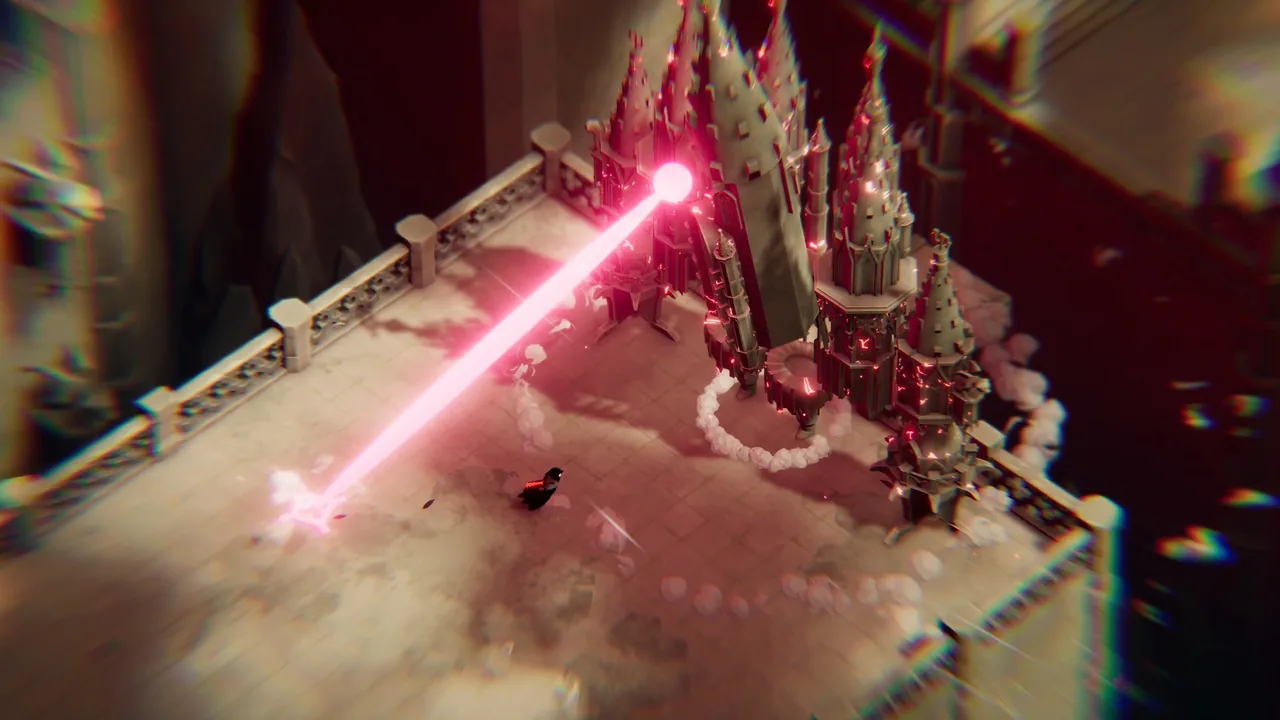
You fight with melee weapons, arrows and magic, while improving stats and abilities.
Melee hits replenish the energy for ranged attacks. To keep firing, you sometimes need to close in on enemies.
Beyond the doors, you explore for secrets and become involved with the people you meet.
This single-player adventure combines combat and exploration with dark humor about death.
For experienced players
TUNIC
The developer explained that communicating the game’s systems was itself framed as a mystery.
Reviews describe the pleasure of reconsidering familiar information or places and noticing new meaning.
A review links deaths to overcommitting, mistimed dodges and overlooked stamina. Consider whether deciding when to keep attacking sounds enjoyable.
Death's Door
Reviews describe satisfaction in learning how to respond to opponents and getting through fights.
Reviews also praise how gaining abilities opens up more places to explore.
Reviews also describe trouble remembering earlier places. Keeping track of places to revisit may matter to your choice.
A review describes the burden of gathering resources alongside the chance to progress by learning enemy actions. Consider whether you would rather spend time on upgrades or improve your responses through retries.
How they play differently
What to try when finding a way forward
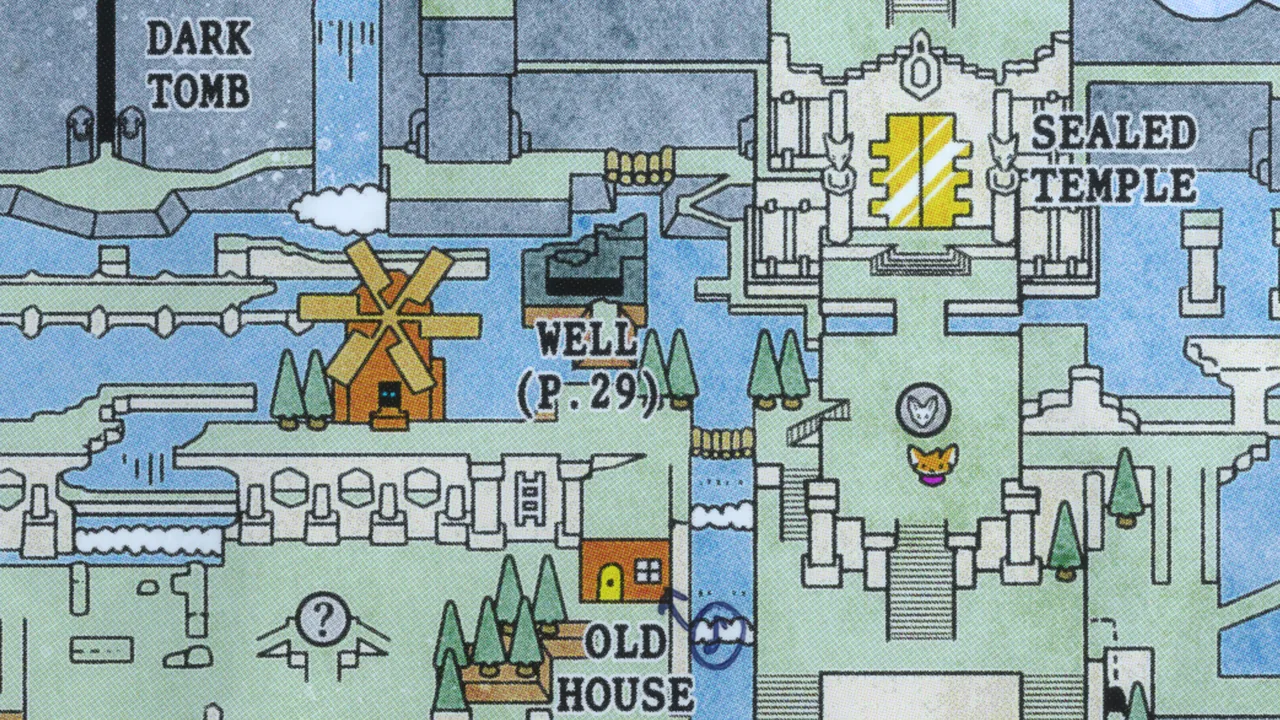
Revisit the manual’s maps and clues to techniques when deciding what to try next.
Adjust stats and work on using the abilities and upgrades you obtain.
Deciding on a detour
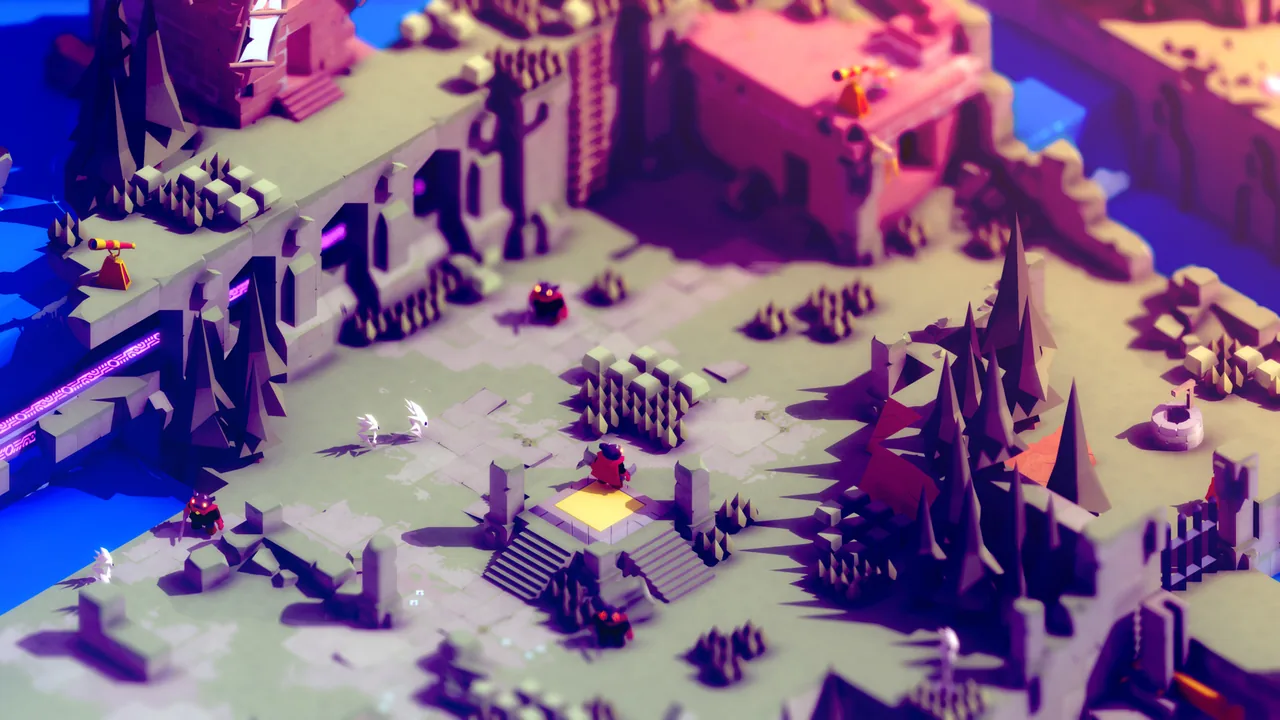
Use the manual’s maps and hints when searching for treasures and secrets.
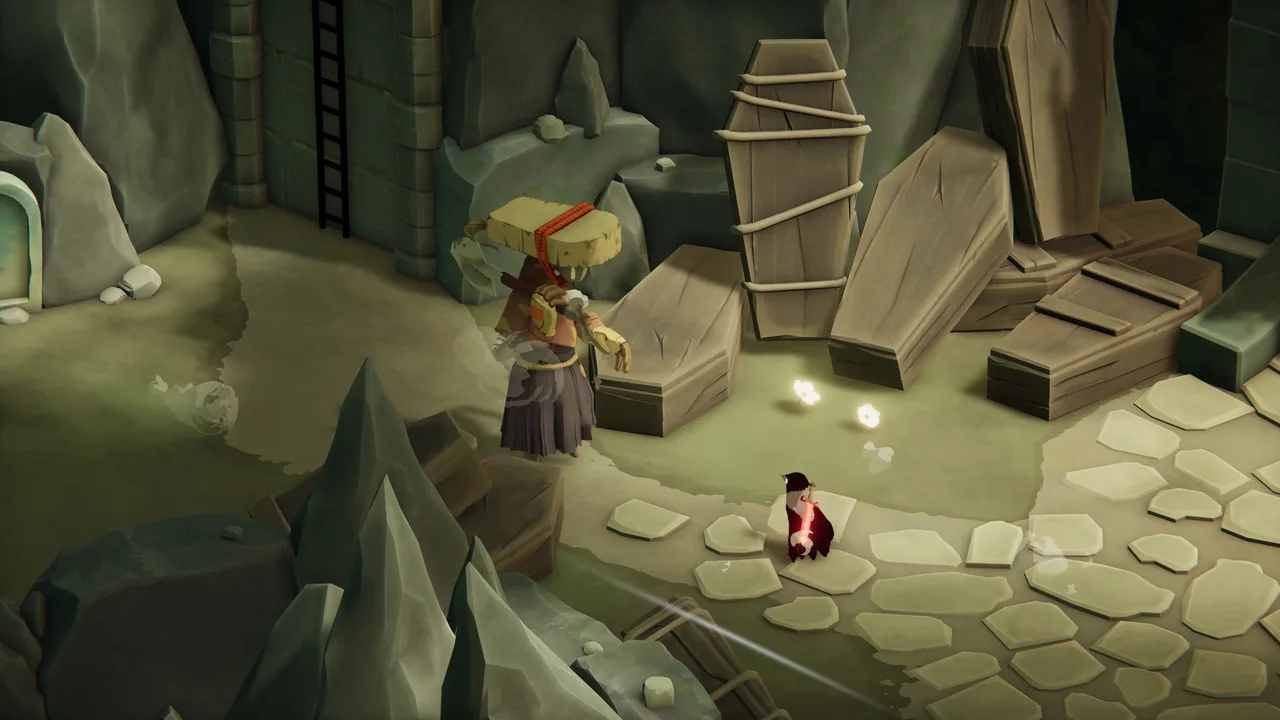
According to the developers, you can choose to revisit places with new powers to search for secrets.
What to change against an enemy
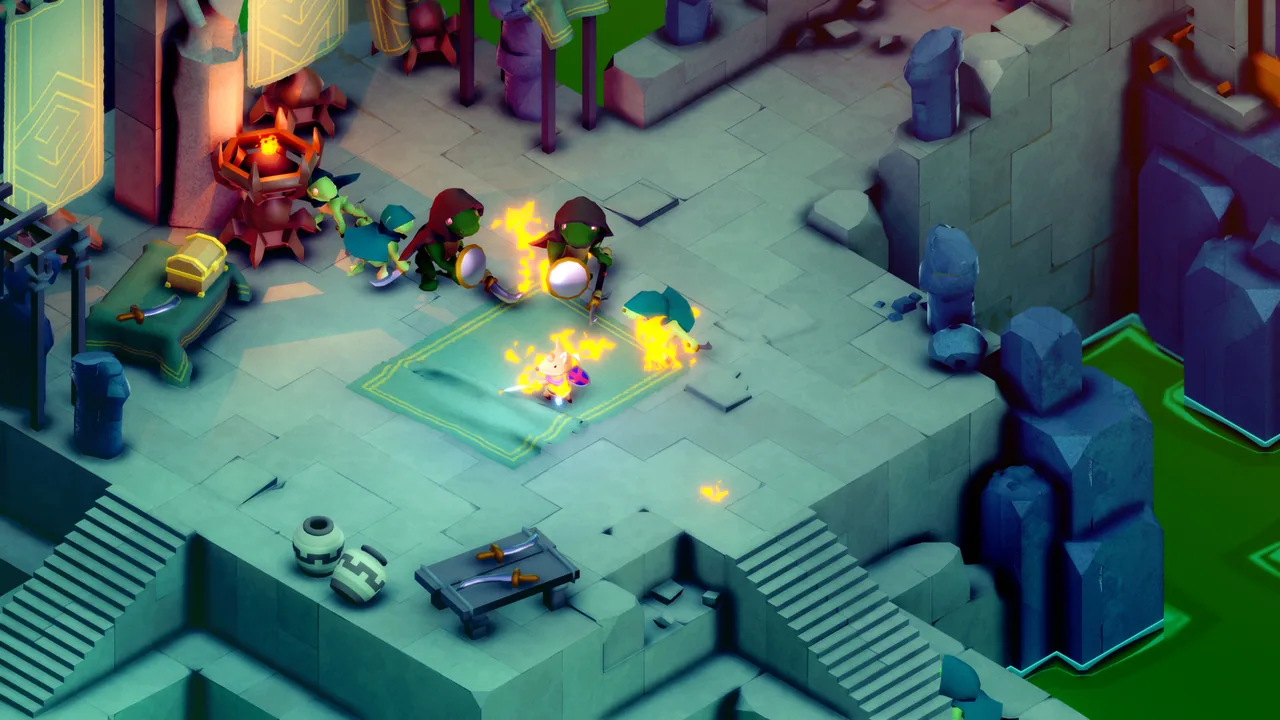
Switch between dodging, blocking, parrying and striking while learning how to overcome an enemy.
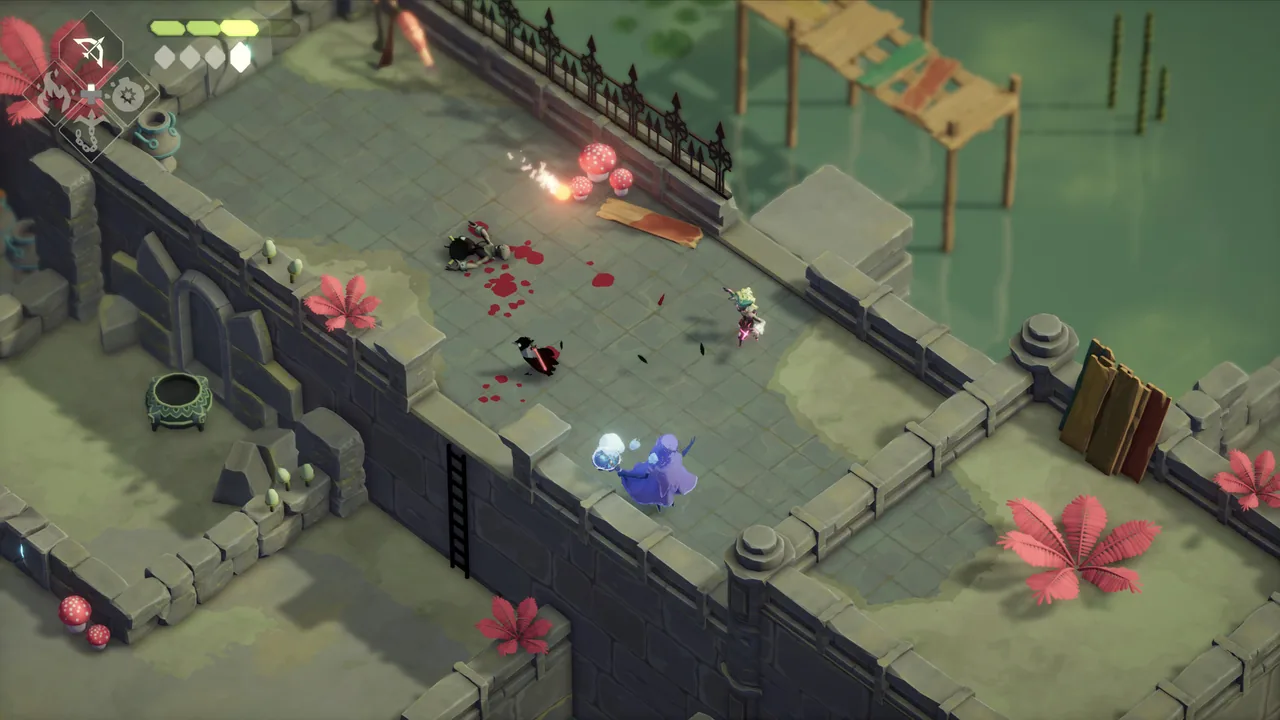
Consider which melee, arrow or magic approach to use, with stat customization another way to gain an edge.
What reviews praise
TUNIC
- Reviewers enjoy working out what the manual means.
- Reviewers enjoy the sense of achievement that comes from solving puzzles themselves.
- Reviewers point to assist settings as an option when lower combat difficulty is wanted.
- Finding concealed routes or shortcuts is enjoyable for reviewers.
- The music or sound feels right for the world’s mood, according to reviewers.
- Boss encounters earn praise for their design or how enjoyable they feel.
- Working out how to fight in response to enemy behavior is enjoyable for these reviewers.
Death's Door
- Enjoyable or well-designed boss encounters earn praise in reviews.
- Responsive controls or smooth character handling earn praise from reviewers.
- Music that fits the scenes or encounters supports the experience for reviewers.
- The story or themes about life or death feel engaging to reviewers.
- Humor in character dialogue is part of the appeal for reviewers.
- Abilities opening up places to explore are a source of enjoyment for reviewers.
- Understandable puzzles without prolonged stumbling blocks earn praise from reviewers.
- Learning how to respond and getting through fights feels rewarding to these reviewers.
What reviews flag
TUNIC
- Demanding fights feel frustrating or punishing to these reviewers.
- Puzzle clues or solutions feel hard to work out for reviewers.
- Walking around to find the way or missed locations feels burdensome to these reviewers.
- Combat handling or aiming feels awkward to these reviewers.
- Reviewers found the later shift toward puzzles at odds with the adventure or combat they had come to expect.
Death's Door
- Reviewers struggle to remember routes or find previously seen places again.
- Repeated enemies or attack routines make combat feel monotonous to these reviewers.
- Repeating travel or ordinary enemies after failure wears on these reviewers.
- Fights feel too easy or predictable to provide the challenge these reviewers want.
- Earning enough for upgrades feels burdensome to these reviewers.
Death's Door
If you're still deciding
Consider TUNIC if interpreting manual clues sounds like an adventure in itself, or Death's Door if you want to learn combat while following the Crow's journey.
About the data and reviews
Table values are public Steam data; prices are from the United States store. Review points come from the 100 most helpful reviews of the past year for each game, and only points raised in at least three reviews are included. They do not represent every buyer's opinion.
The experiences below come from the review samples read for this comparison. They are distinct from documented systems and do not represent every purchaser.