Predy Media > Articles > Comparison
ComparisonAgainst the Storm vs Timberborn:
settlement runs or water engineering?
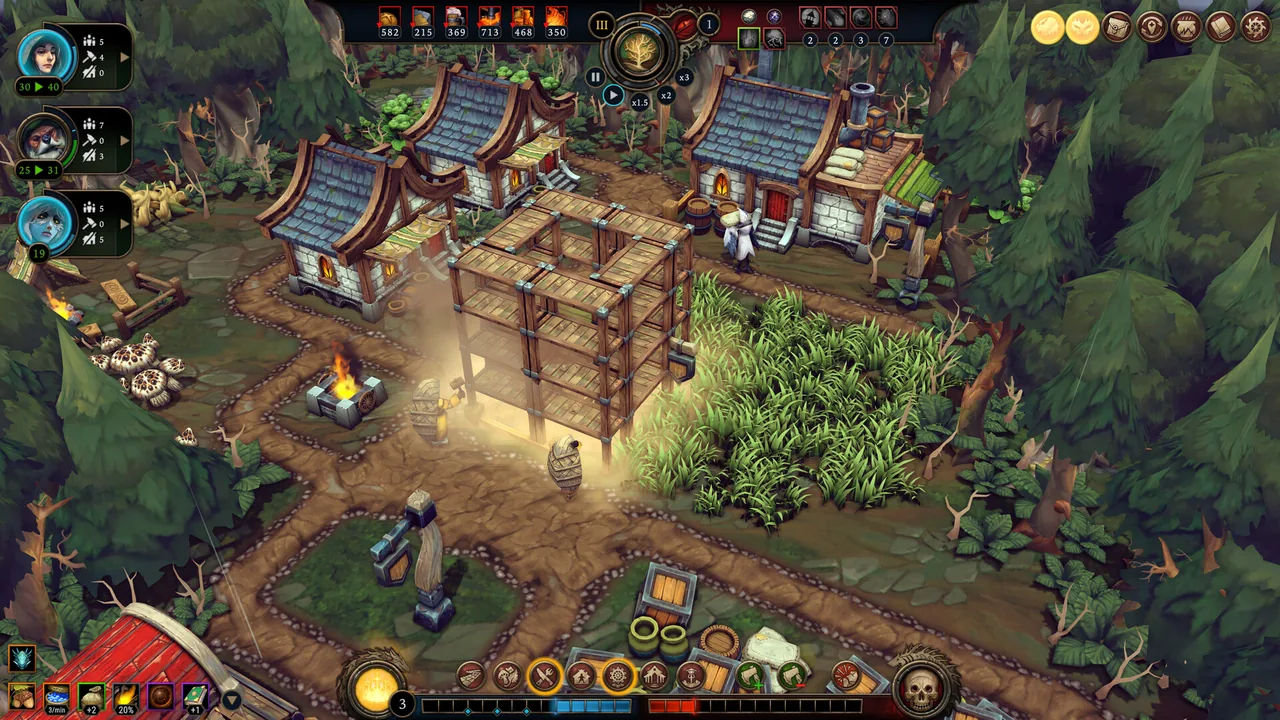 Against the Storm
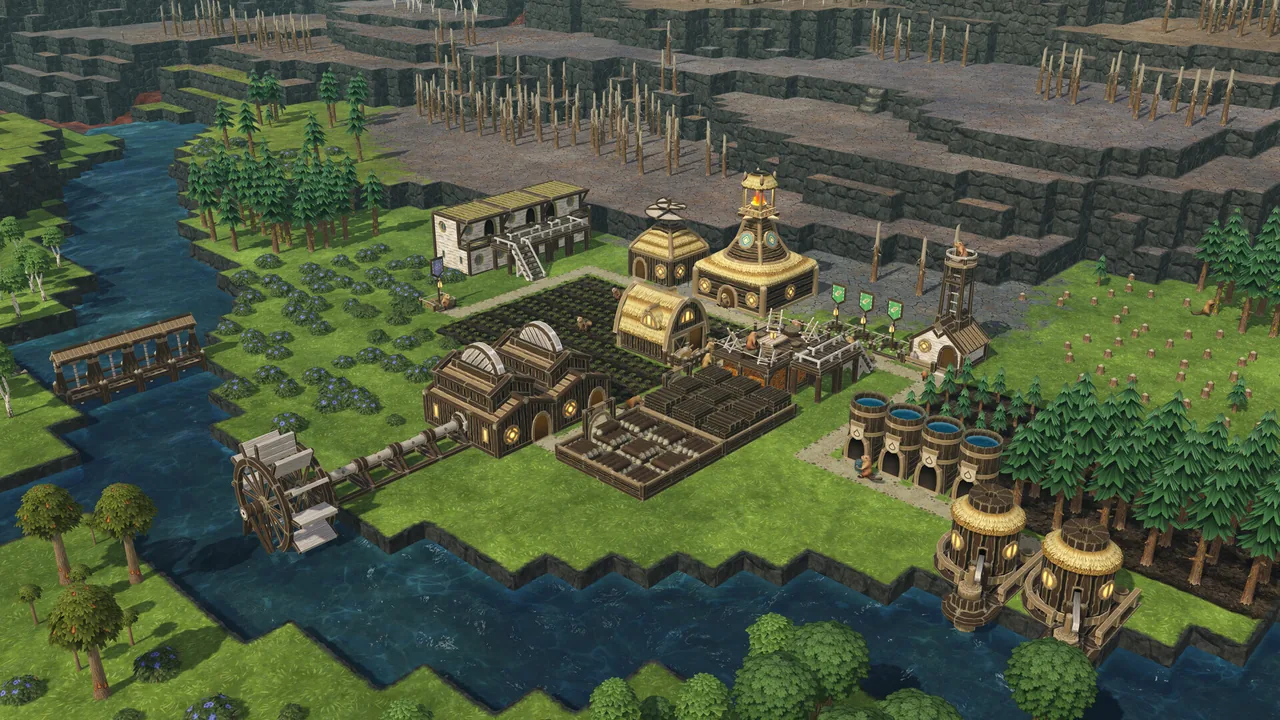 Timberborn
Images: Steam store (Against the Storm, Timberborn)
Do you want to win settlements with the blueprints and resources at hand, or keep improving waterways and daily life on the same land?
Against the Storm's species needs and Prestige sit alongside Timberborn's waterways and automated controls here, so you can choose which decisions about spending resources appeal to you.
Which one is for you
 Against the Storm is for you if…Against the Storm suits players who want to revise a production plan around the blueprints and settlers they actually receive.It also suits players who want to carry lessons from a settlement victory into the next expedition and test their choices through Prestige.
 Timberborn is for you if…Timberborn suits players who want to design reservoirs and waterways, using the shape of the land to plan for droughts.It also fits those who want to keep improving the same established colony through stacked construction and automated controls.
Screenshots
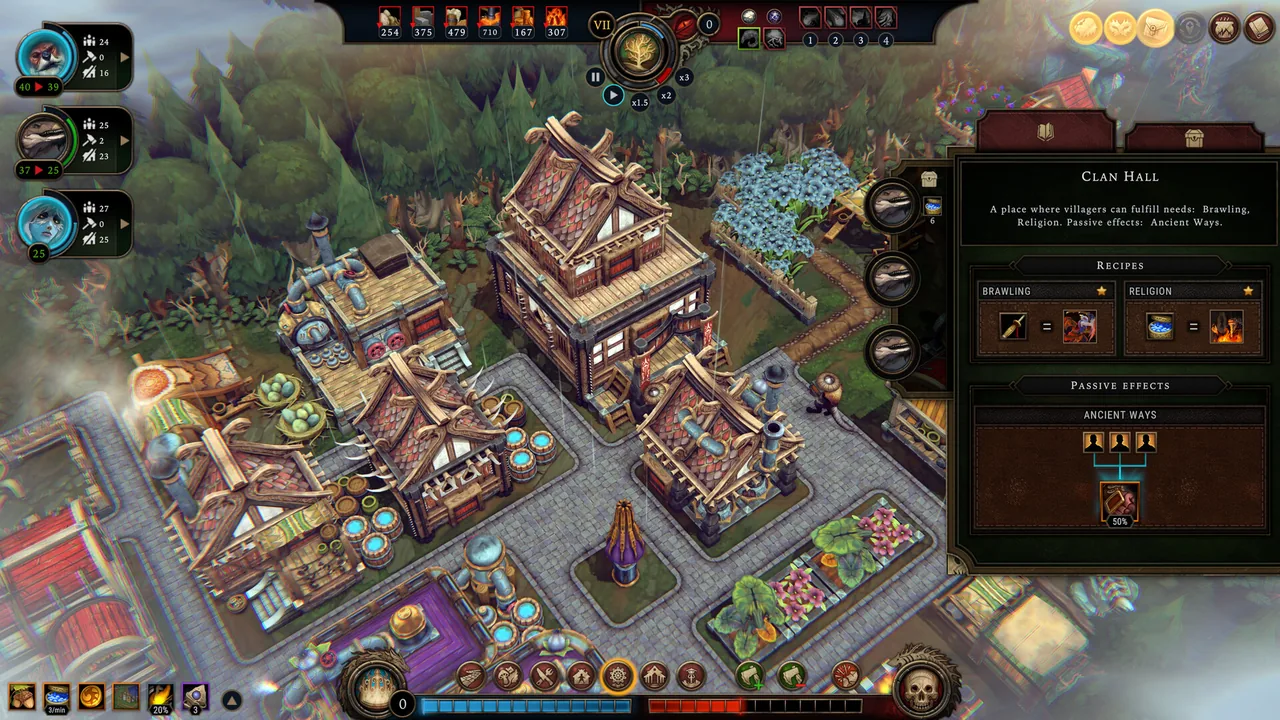
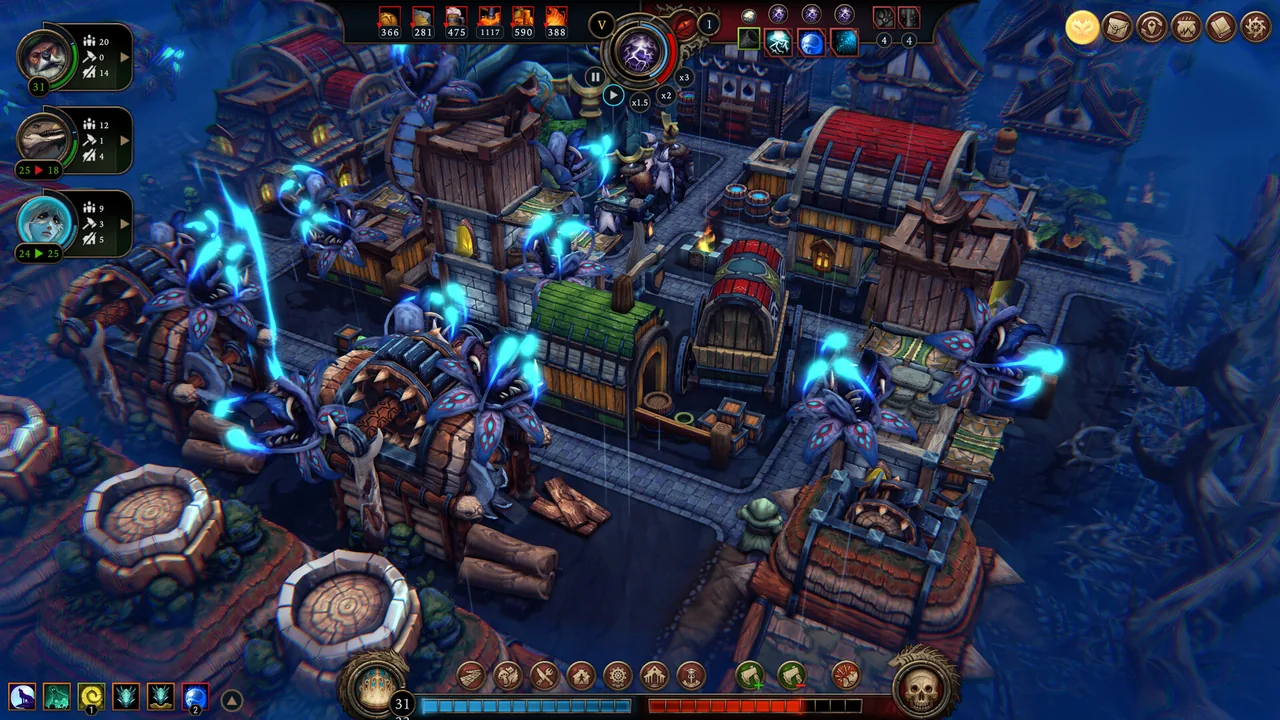
Against the Storm
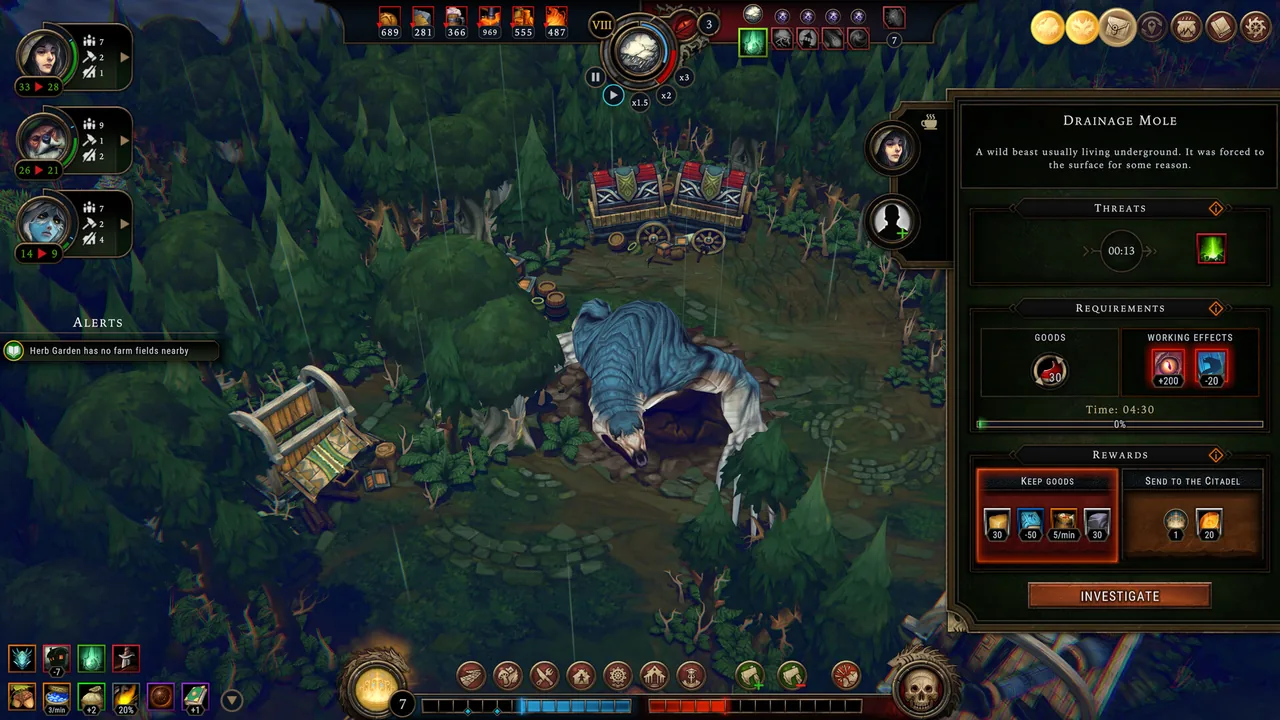
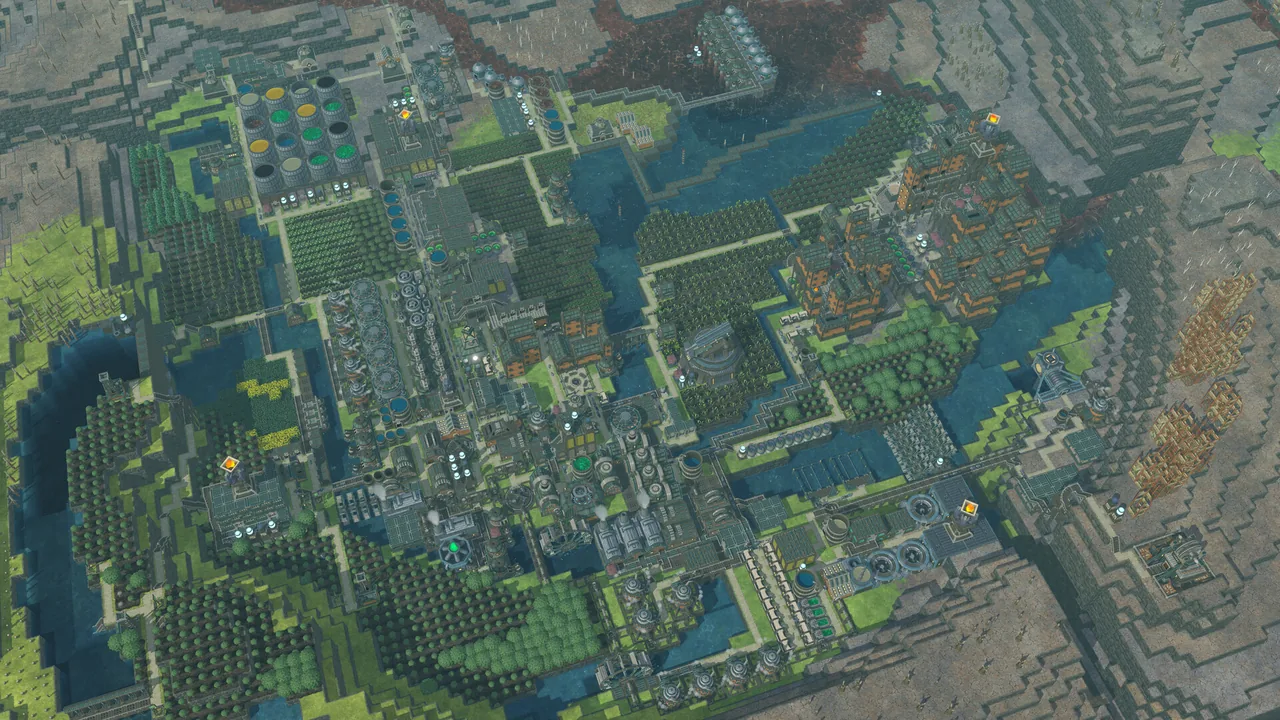
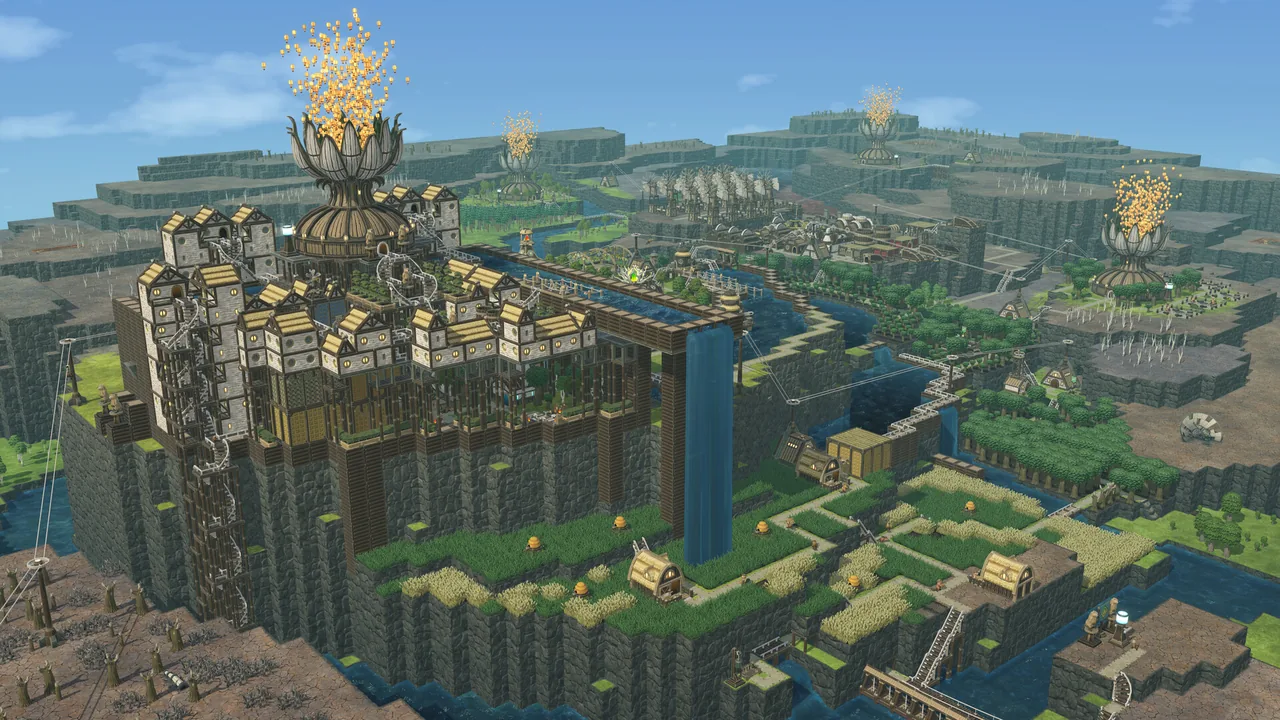
Timberborn
Steam data side by side
| Against the Storm | Timberborn | |
|---|---|---|
| 94%Very Positive33,594 reviews · all languages | Positive reviews | 95%Overwhelmingly Positive39,113 reviews · all languages |
| US$29.99 | Price (United States) | US$34.99 |
| 79.7 hours | Playtime at review | 97.2 hours |
| Playable | Steam Deck | Playable |
| Dec 9, 2023 | Release date | Mar 13, 2026 |
| Eremite Games | Developer | Mechanistry |
| Japanese, English, Simplified Chinese, Korean | Languages | Japanese, English, Simplified Chinese, Korean |
What each game is
Against the Storm
Against the Storm is a roguelite where you establish settlements from a base in the Smoldering City.
Biomes, blueprint choices and perks change, so you choose production combinations that work on the land at hand, not just facilities you want to build.
Species want different housing, food and recreation, so you choose whether to spend resources on meeting more needs or prioritising a particular group.
Going deeper into the forest offers resources and boons but also ancient threats, so you weigh exploring further against working with what you have.
Under the Queen’s demand for progress, you build Reputation to secure a settlement’s success before establishing another.
Timberborn
Timberborn is a sandbox where you keep developing the same land, reshaping reservoirs and waterways as the colony grows.
Folktails and Iron Teeth have different buildings and technologies, so your faction shapes how you organise production and life in the colony.
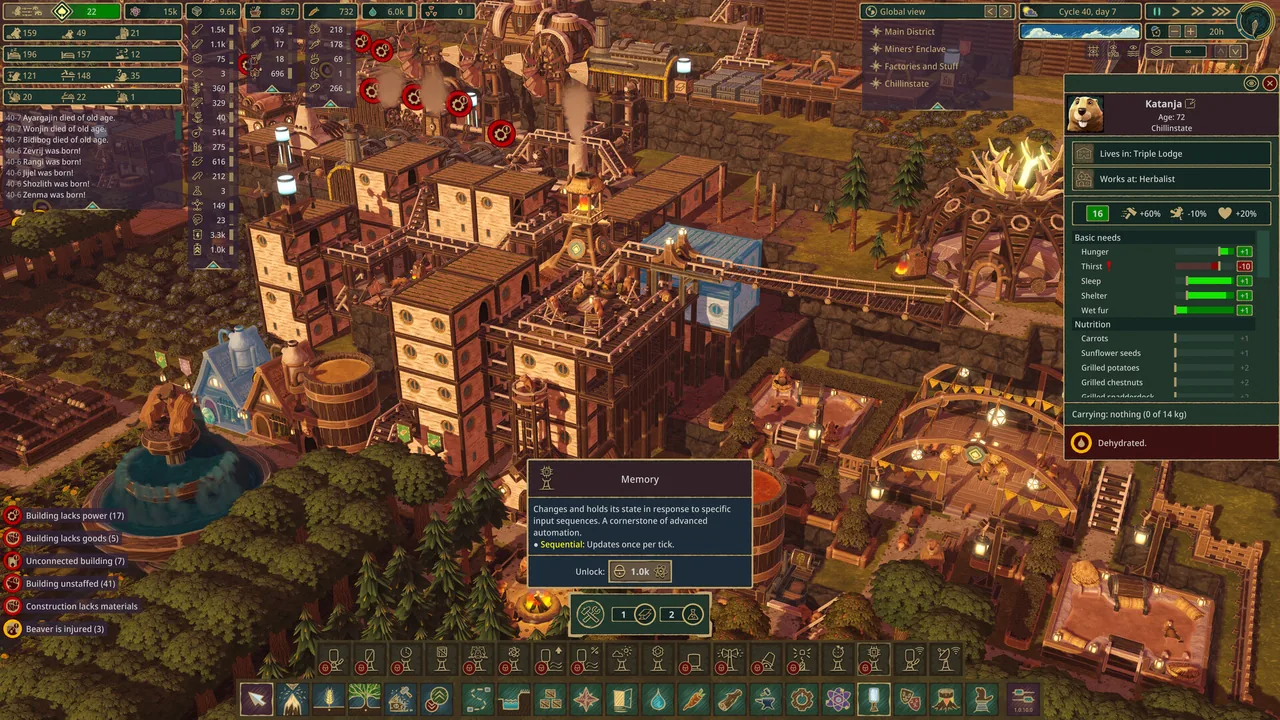
Droughts and toxic tides call for food reserves and the use of dams, floodgates and irrigation to keep fields and forests alive after rivers dry up.
Instead of only spreading outward, you can stack lodges and workshops on limited land, planning upward with platforms and bridges.
Bots can work in hazardous areas, but you also need to put resources into their power and maintenance.
As the population grows, you improve food and recreation, then add monuments as you continue developing the same colony.
For experienced players
Against the Storm
When Prestige limits your choices, you can spend resources to widen the selection of blueprints or Cornerstones, or keep those resources instead.
Unlock Commons at the central city, then pay resources to activate them at the Hearth to meet service needs without a dedicated building. The trade-off is less Resolve than the dedicated building provides.
Reviews describe weighing the risks and rewards of opening glades, or changing plans to fit available blueprints, as reasons to keep playing.
Timberborn
Sensors, relays and counters let you set conditions for operating dams and factories and build control systems around them.
You can view goods and population statistics for the whole colony or each district, checking changes in supply and population before deciding to expand.
Reviewers enjoy improving hauling routes, water storage and terrain after the colony stabilises. A different map also gives them reasons to rethink familiar combinations of facilities.
How they play differently
What carries into the next building project?
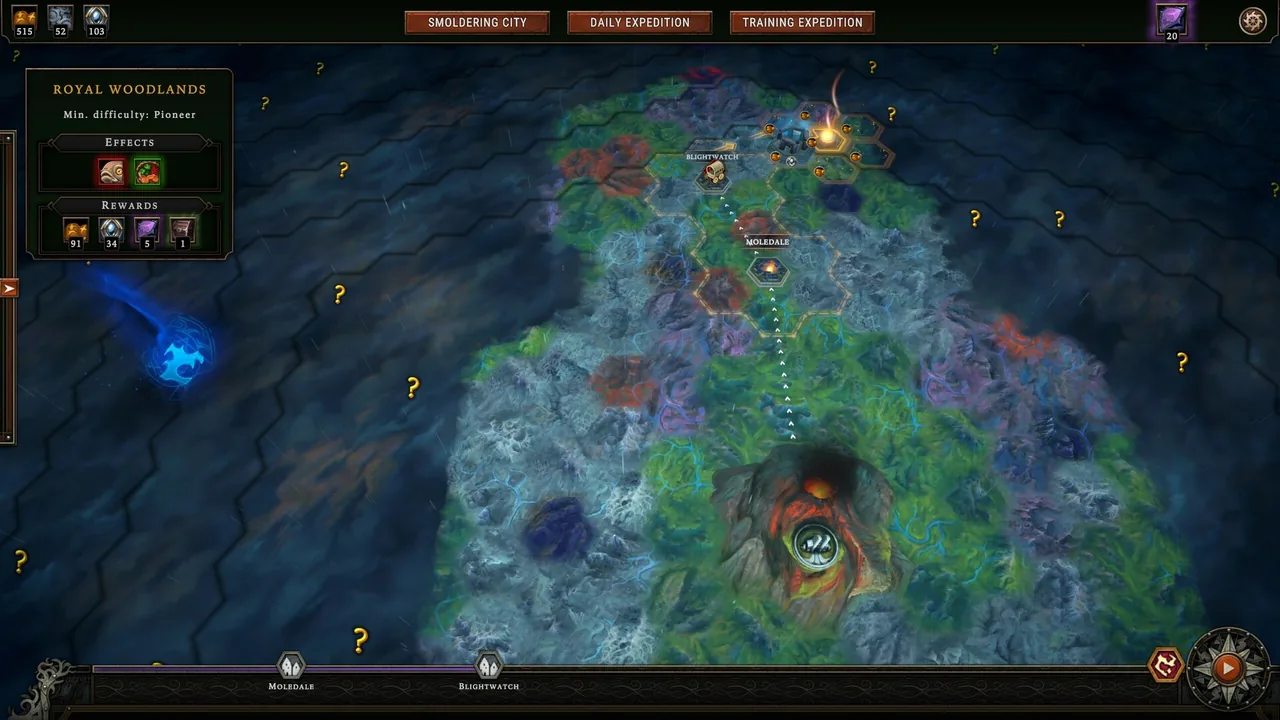
Expedition resources fund Smoldering City upgrades that prepare you for the next settlement.
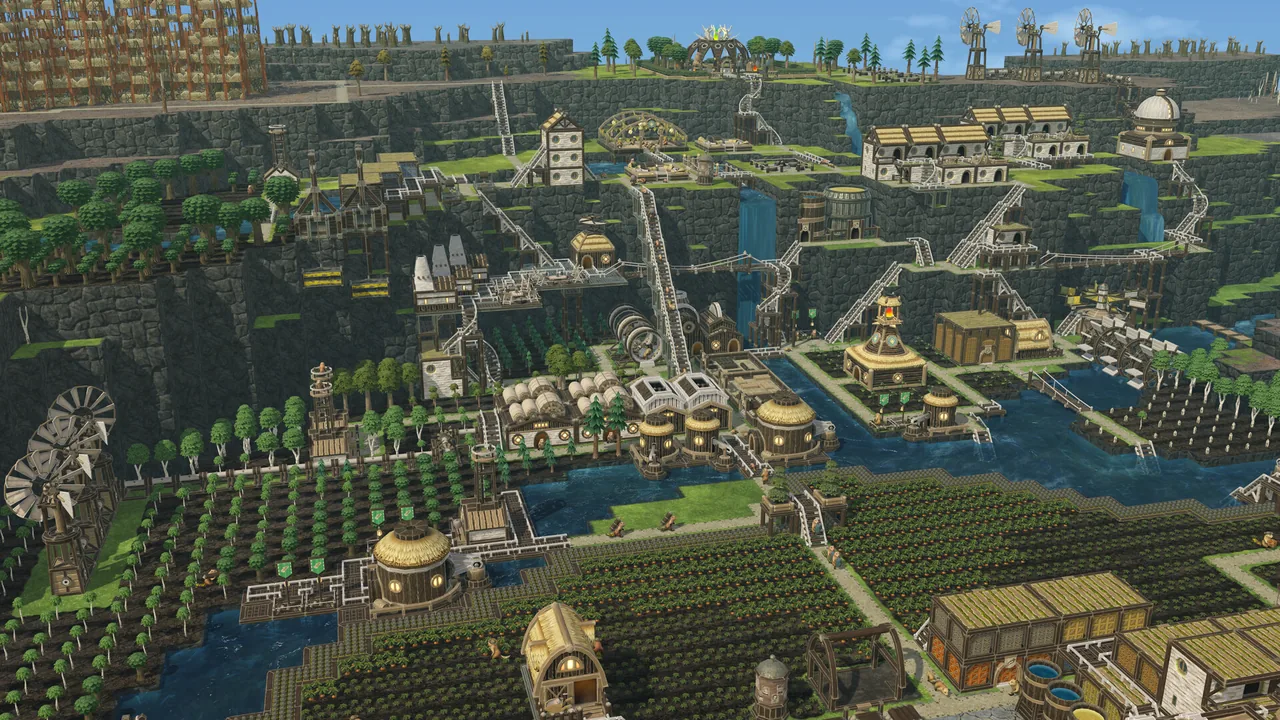
You improve waterways and production facilities in the same colony while expanding food and recreation, eventually adding monuments.
How do you use the land?
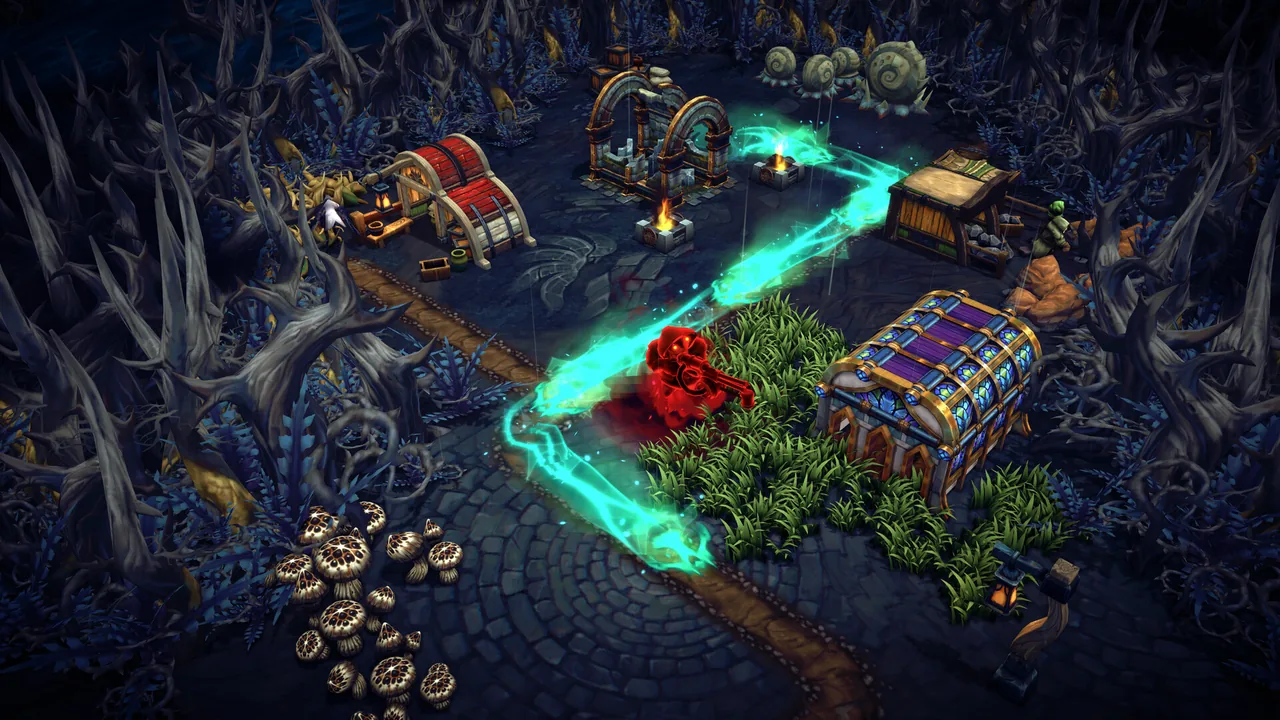
Choose between exploring the forest for resources and boons, and avoiding threats by working within the area already available.
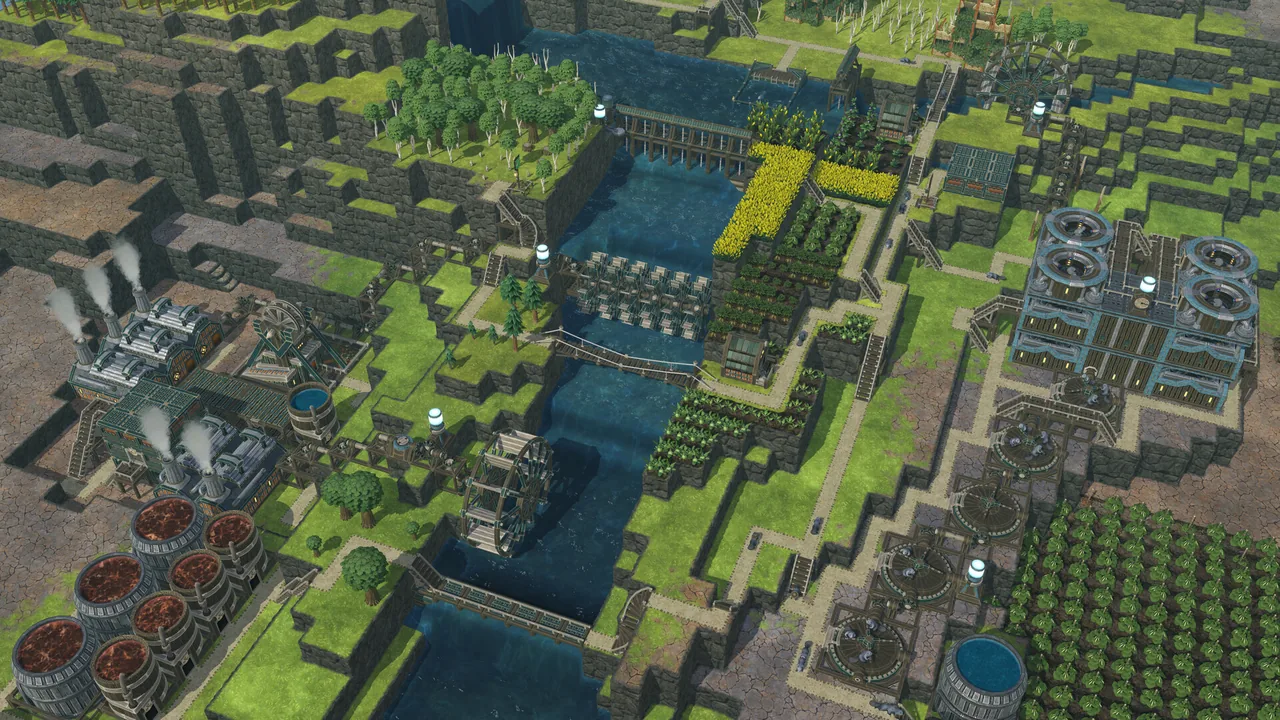
Use dams, floodgates, canals and tunnels to reshape terrain and water flow in preparation for droughts and badwater.
What do you provide for the workforce?
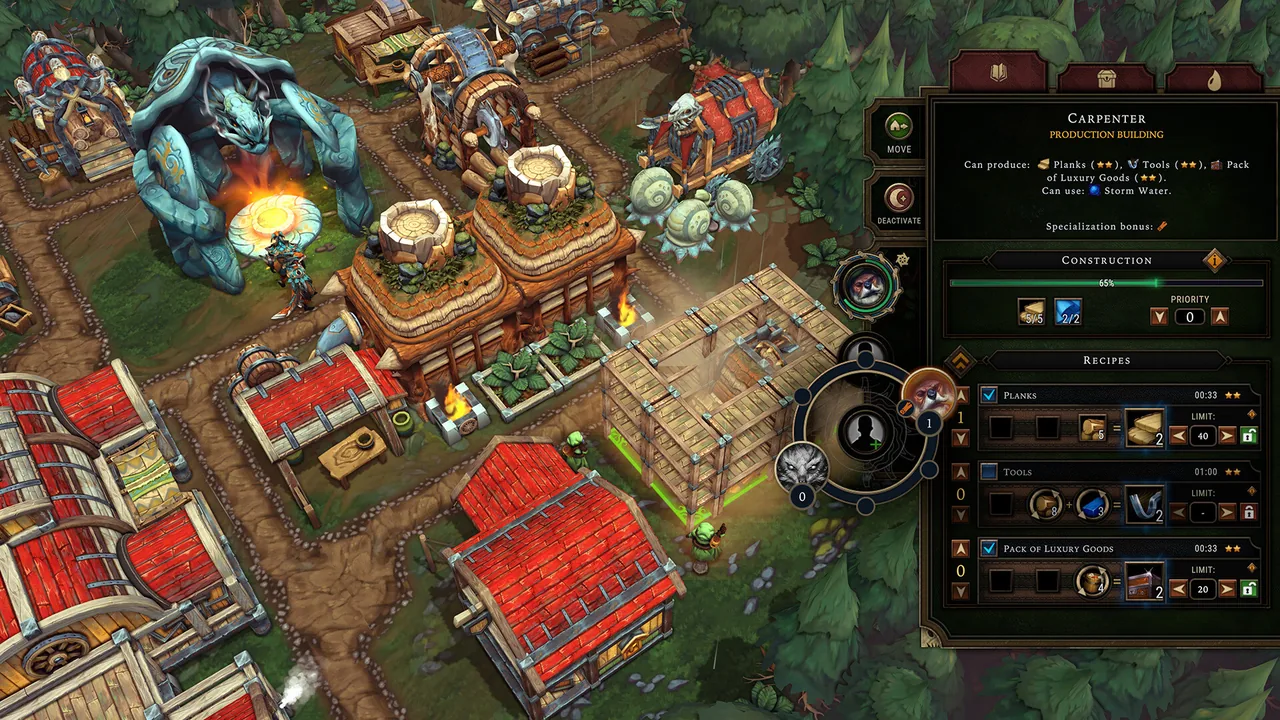
Choose between broadly meeting species-specific food and recreation needs, and prioritizing a particular species.
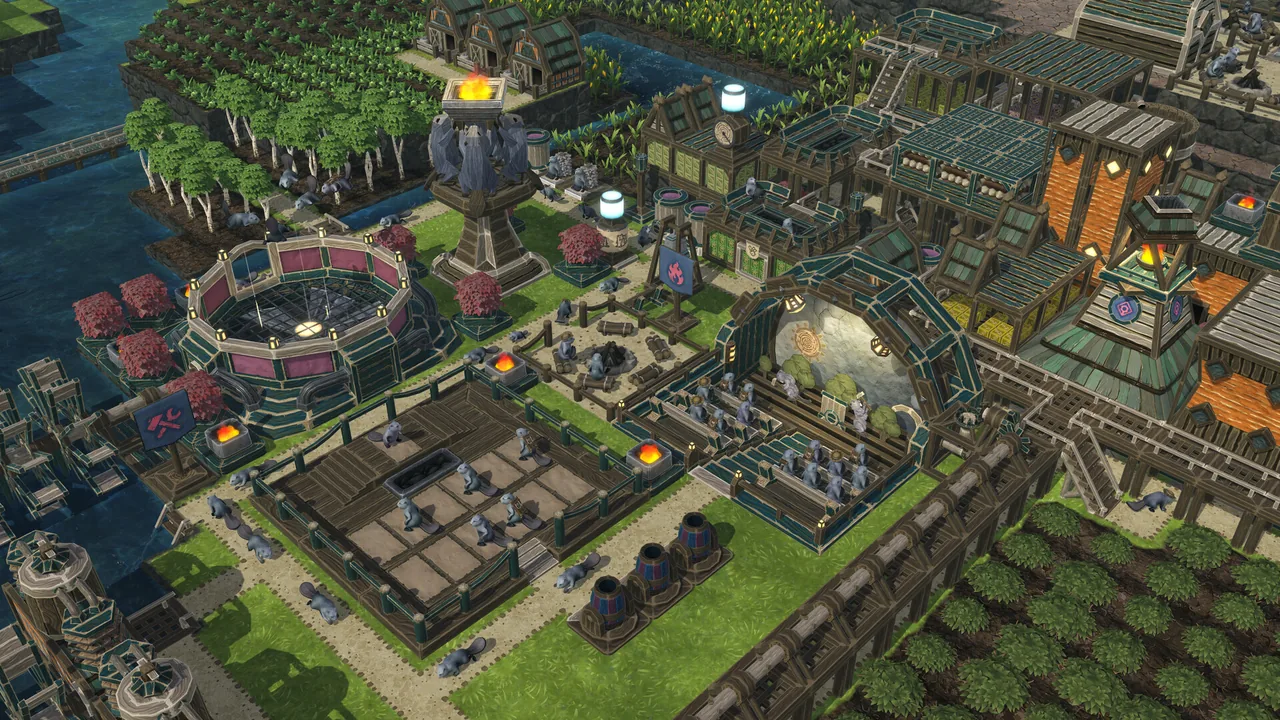
Provide food and recreation for settlers, while also supplying power and maintenance if you employ bots.
What reviews praise
Against the Storm
- Players enjoy finding a way forward by changing familiar plans to suit the biome, settlers and blueprints they receive.
- Repeatedly getting settlements on their feet appeals to reviewers who do not want play to centre on maintaining a finished city.
- Weighing settlers' needs against available resources makes deciding what to produce and where it goes satisfying for reviewers.
- Upgrades and unlocks between expeditions give players a welcome reason to start another settlement.
- Reviewers like having a clear break between settlements and a contained building project that fits their spare time.
- Choosing a difficulty or moving through Prestige earns praise for testing settlement decisions step by step.
- Production readouts and management controls help reviewers make sense of complex settlements and adjust them.
- Tutorials and gradually introduced systems are welcomed as ways to learn production and settlement management.
Timberborn
- Working with water flow and trying out dam or waterway designs is part of the fun for reviewers.
- Players enjoy rethinking production, hauling or population growth to balance resource supply and use.
- Reviewers praise stacking buildings and using platforms and bridges to build upward.
- After survival is secure, reviewers enjoy setting their own goals for reshaping terrain or improving the settlement.
- Reviewers welcome mod support and the availability of community-made maps.
- Different terrain or water sources make choosing maps and rethinking a workable plan enjoyable for reviewers.
- Switching factions is praised for letting players develop colonies with different buildings or approaches to growth.
- Players enjoy designing control circuits to automate waterworks or other facilities.
What reviews flag
Against the Storm
- The push to win and finish each settlement clashes with reviewers' wish to refine a developed city or enjoy its results over time.
- After repeated settlements, players find that openings or routes to victory can feel alike even when conditions change.
- Missing blueprints or resources reportedly narrow the production chains or routes to victory players want to pursue.
- Keeping up decisions and management at high difficulty or under time pressure leaves reviewers strained or tired.
- Repeatedly building settlements for permanent upgrades and unlocks can feel drawn out or monotonous to reviewers.
Timberborn
- Beyond survival and expansion, reviewers wish the game offered more goals or challenges of its own.
- The initial guidance leaves players struggling to understand buildings or the systems needed to survive.
- Players report slowdowns once populations or cities grow large.
- Large construction or hauling jobs leave reviewers waiting a long time before they can move on to the next task.
Against the Storm
Timberborn
If you're still deciding
For reshaping production around local options and focusing decisions on a settlement victory, revisit Against the Storm’s overview and Prestige discussion.
To keep refining waterways and vertical layouts on the same land, return to Timberborn's water engineering and automation sections, and check what reviews say about play after the colony stabilises.
About the data and reviews
Table values are public Steam data; prices are from the United States store. Review points come from the 100 most helpful reviews of the past year for each game, and only points raised in at least three reviews are included. They do not represent every buyer's opinion.
These are opinions from the Steam reviews read for this article, not a view of all buyers. They include older updates and test builds, so read them separately from features confirmed through official sources. A blank category does not mean a feature or problem is absent.