Predy Media > Articles > Comparison
ComparisonAgainst the Storm vs Farthest Frontier:
food priorities, farming and storage
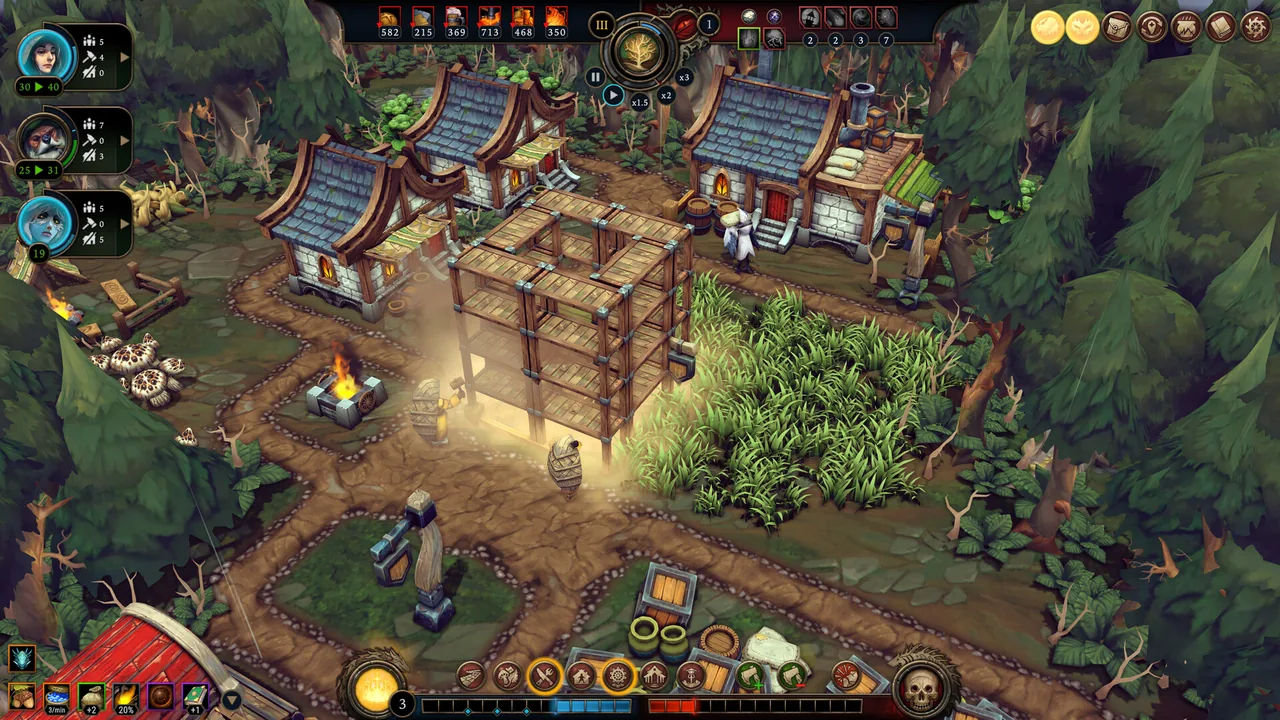 Against the Storm
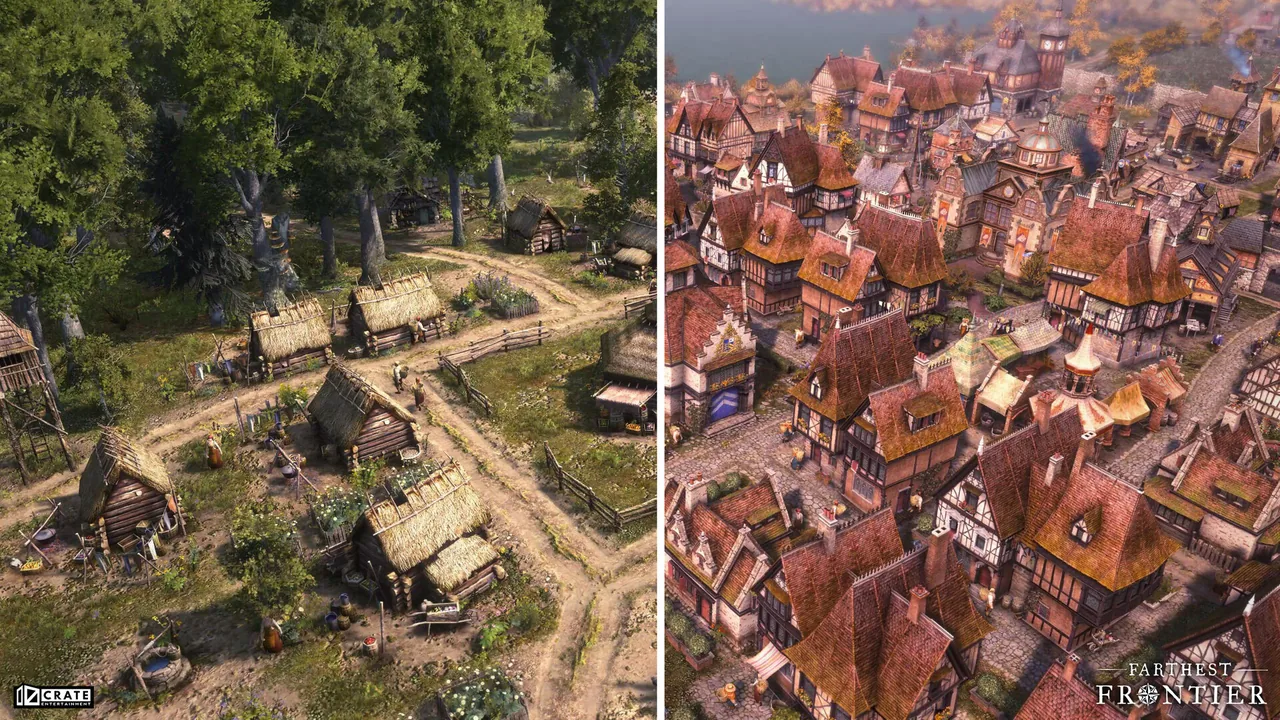 Farthest Frontier
Images: Steam store (Against the Storm, Farthest Frontier)
Would you rather decide which species gets the food it prefers, or plan the route from field to table?
We look at production shaped by species’ food preferences in Against the Storm, and at soil care, processing and storage in Farthest Frontier.
Which one is for you
 Against the Storm is for you if…Against the Storm fits players who want to choose which species’ needs their available production can support.Its changing blueprints and resources suit those who enjoy revising that choice rather than repeating a fixed supply plan.
 Farthest Frontier is for you if…Farthest Frontier fits players who want food planning to include soil condition, crop choice and the route into storage.Its crop rotations and delivery network suit those who enjoy improving how a growing town is supplied.
Screenshots
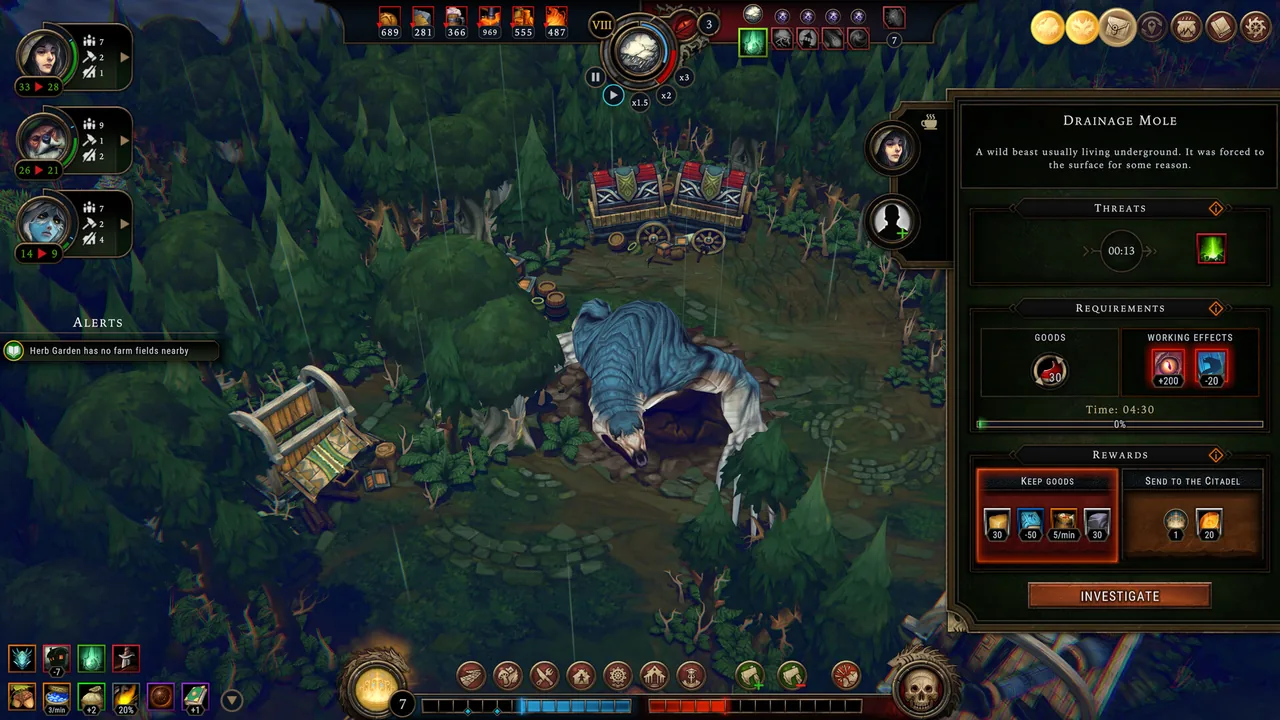
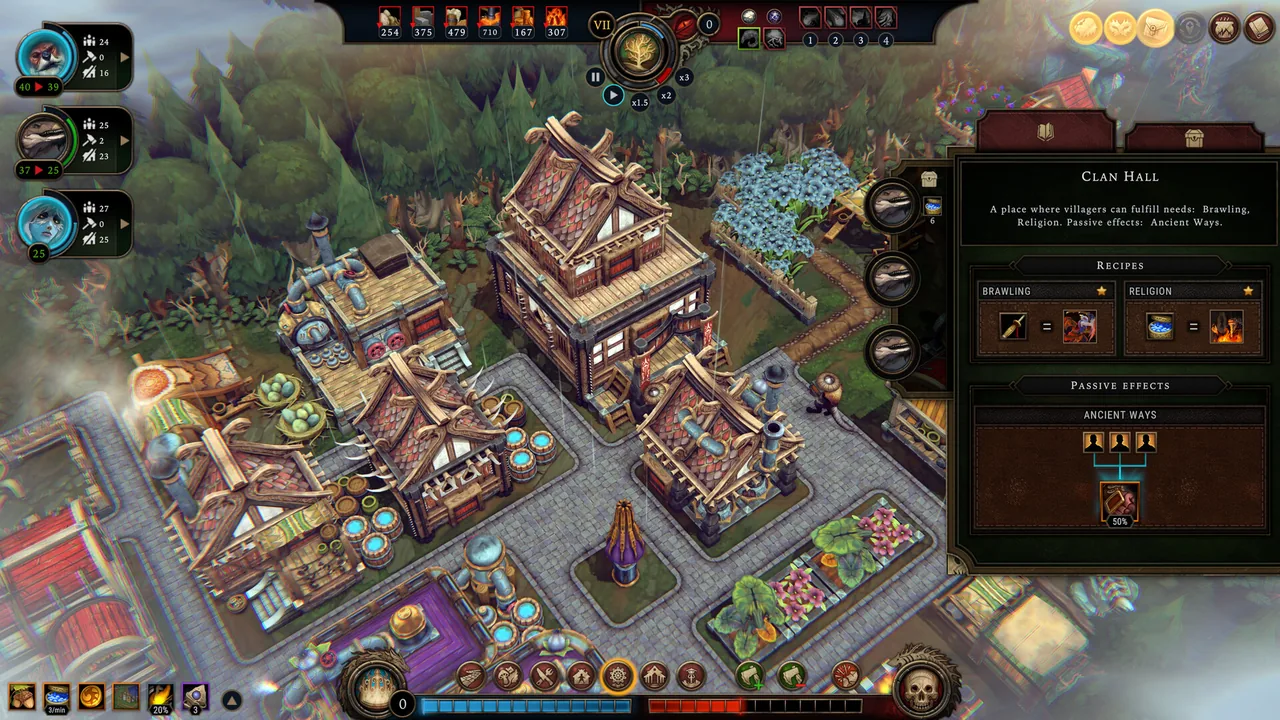
Against the Storm

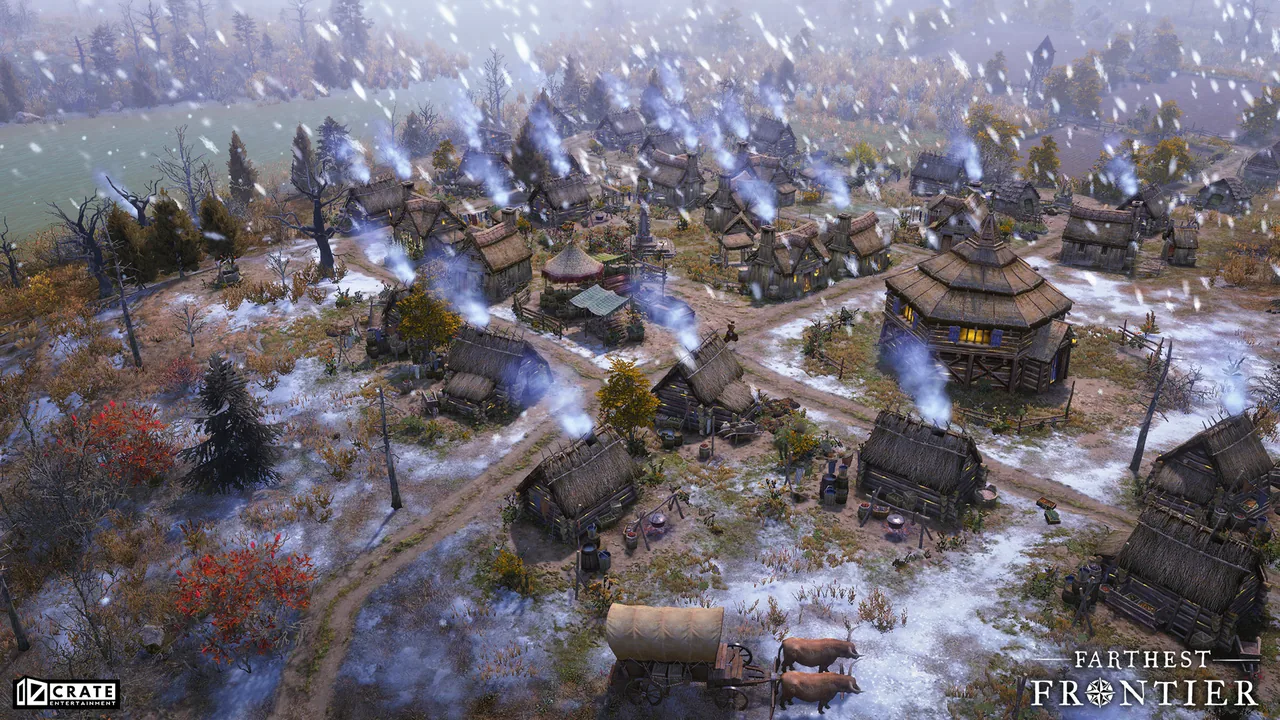
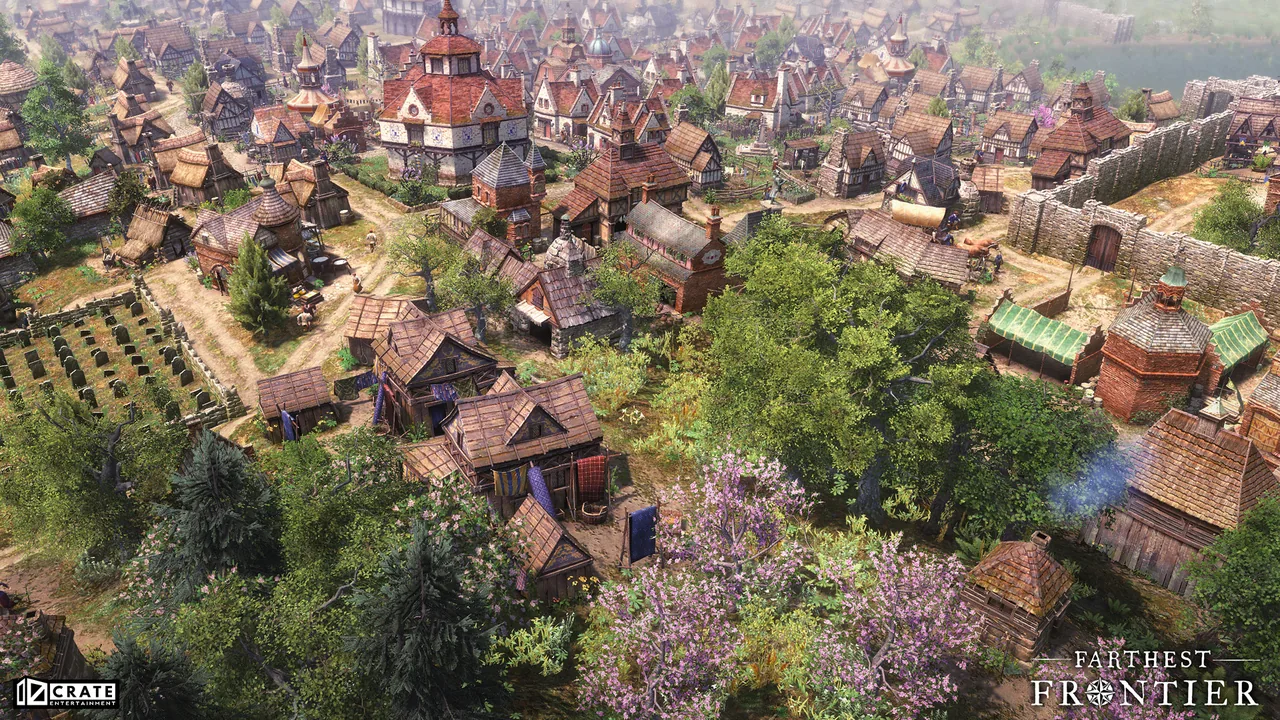
Farthest Frontier
Steam data side by side
| Against the Storm | Farthest Frontier | |
|---|---|---|
| 94%Very Positive33,594 reviews · all languages | Positive reviews | 86%Very Positive24,648 reviews · all languages |
| US$29.99 | Price (United States) | US$34.99 |
| 79.7 hours | Playtime at review | 50.2 hours |
| Playable | Steam Deck | Playable |
| Dec 9, 2023 | Release date | Oct 23, 2025 |
| Eremite Games | Developer | Crate Entertainment |
| Japanese, English, Simplified Chinese, Korean | Languages | Japanese, English, Simplified Chinese, Korean |
What each game is
Against the Storm
In Against the Storm, each species’ strengths and food preferences shape the production plan.
You choose whether to support a wider range of needs or give a particular species priority under the forest’s hostility.
Changing biomes, building blueprints and perks mean the production plan must fit the options available.
Exploring the forest can bring resources and boons, but also threats that compete for your attention.
Reputation advances a settlement toward success, while resources from expeditions develop the Smoldering City for later journeys.
Farthest Frontier
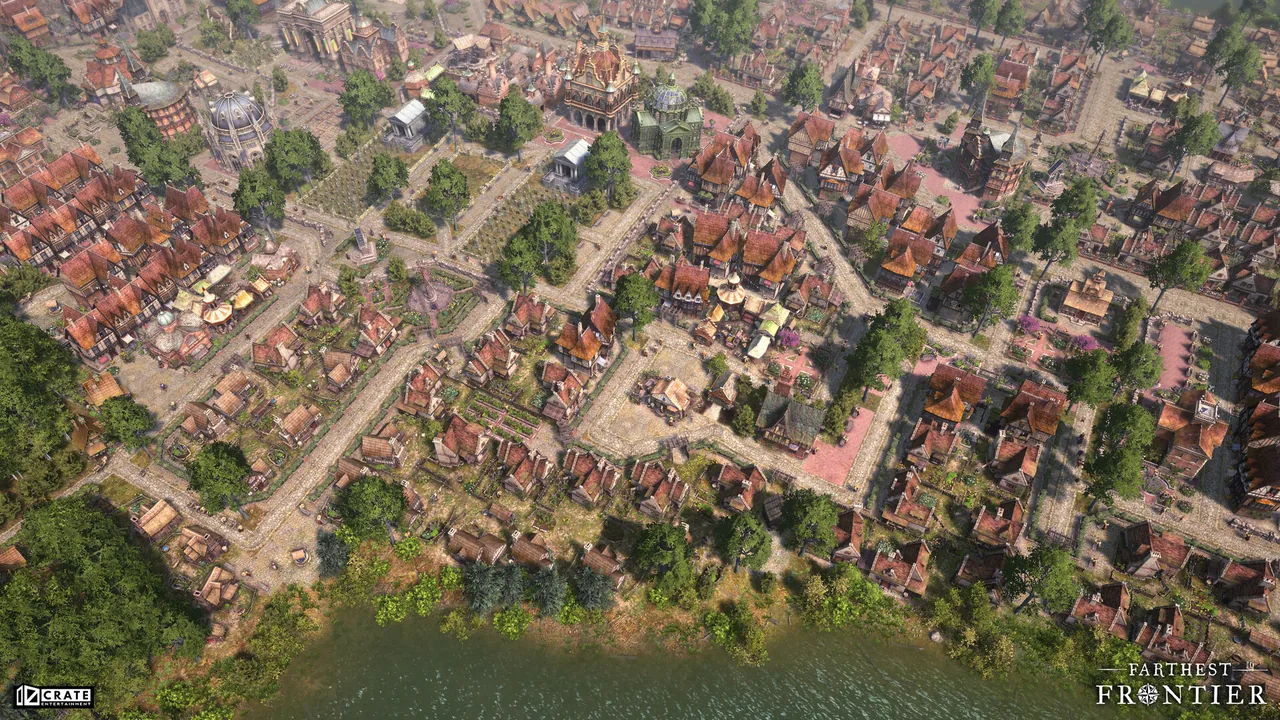
Farthest Frontier ties food production to the land through crop rotations, soil fertility and crop diseases.
Clearing land for farming can mean giving up wild forage or medicinal plants, so expansion changes what the surrounding land provides.
Crop choices and soil care shape the harvest.
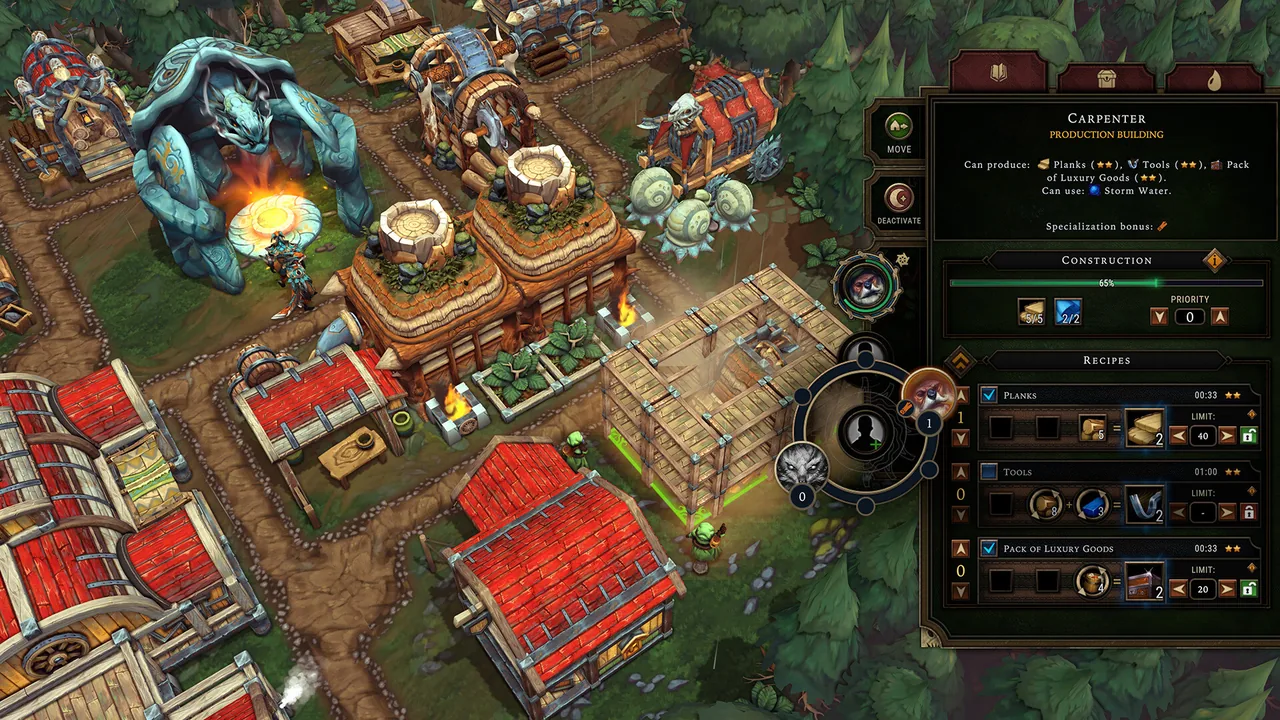
Villagers transport goods from work sites to processing buildings, homes and storage, making roads, wagons and storage part of the supply plan.
Town and production upgrades support further development, while pacifist mode lets players leave combat out of that process.
For experienced players
Against the Storm
Once unlocked, Consumption Control lets you choose food access by species.
Restricting preferred food can conserve stock but reduce Resolve.
The question is which species’ needs the available production can keep meeting.
Farthest Frontier
Field Maintenance replaces planting in the rotation, trading a harvest opportunity for removing weeds and rocks.
Grain lasts longer than flour or bread but cannot be eaten raw; milling and baking make it edible but shorten its storage life.
Smoking meat, on the other hand, extends its shelf life.
How they play differently
Where does the food decision start?
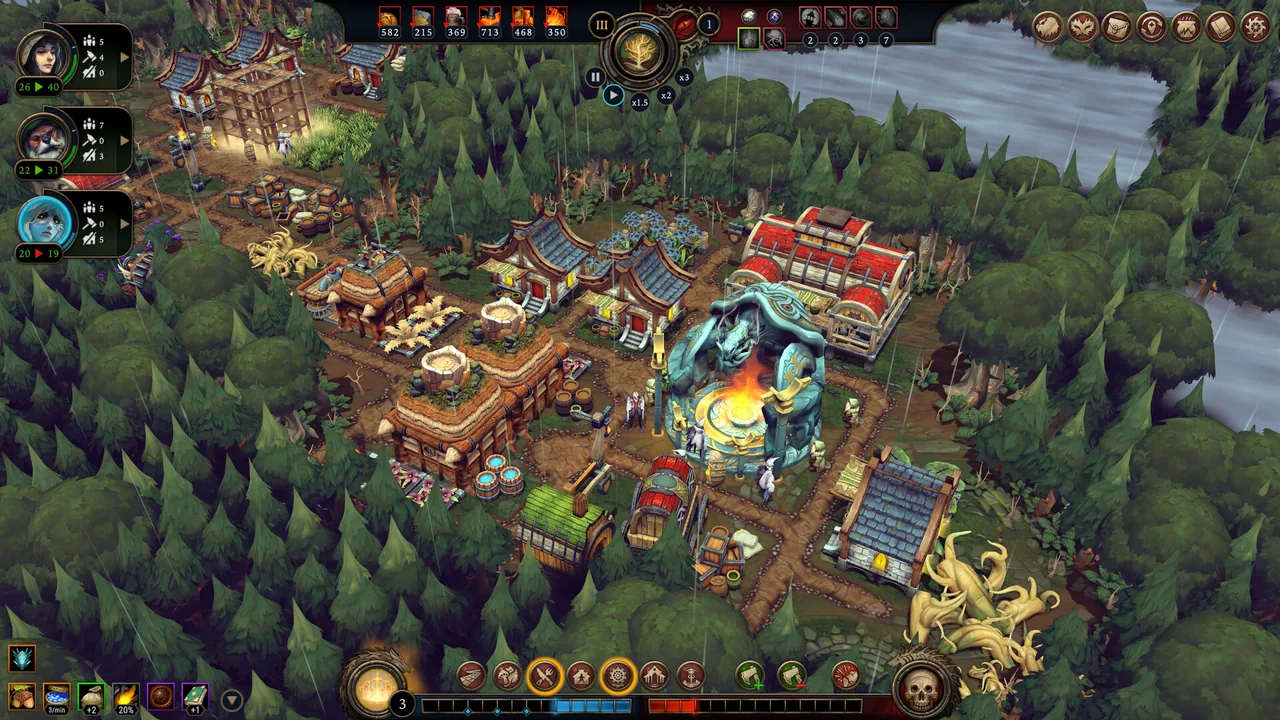
Species have different culinary preferences; deciding whose needs to prioritise shapes what you produce.
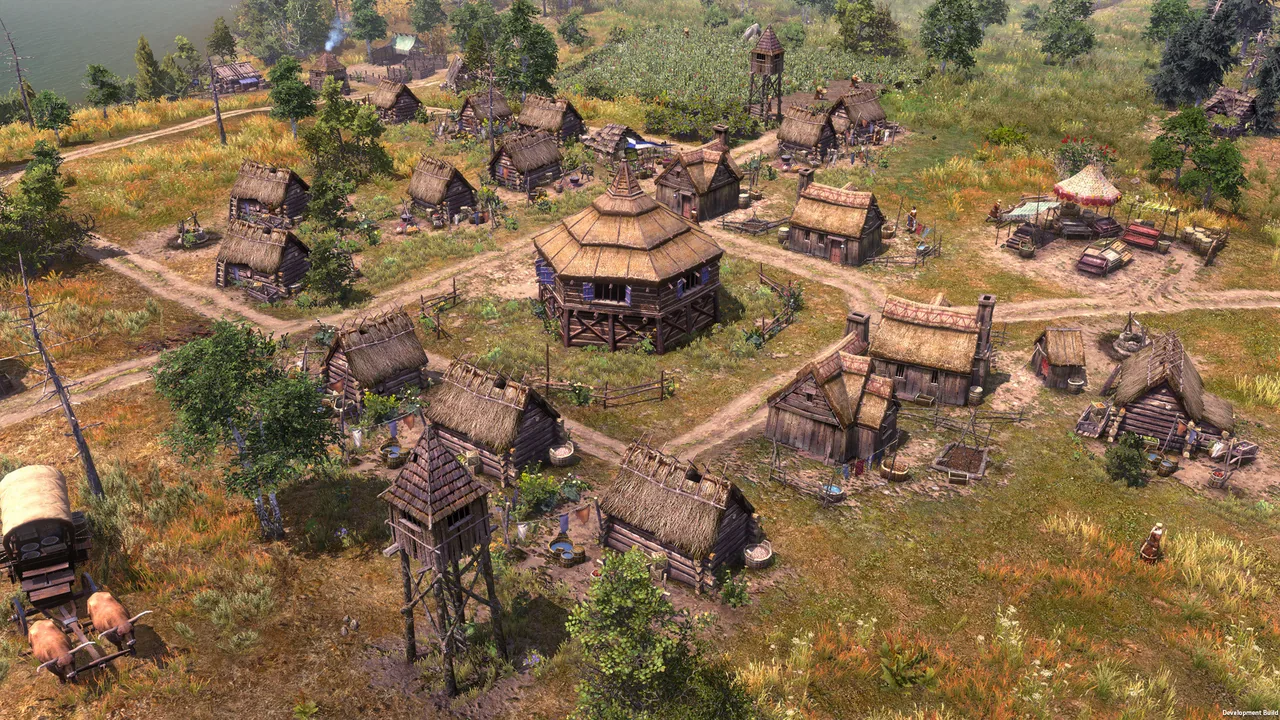
Crops have different growing characteristics; rotation and soil conditions shape what you plant.
What do you have to work with when producing food?
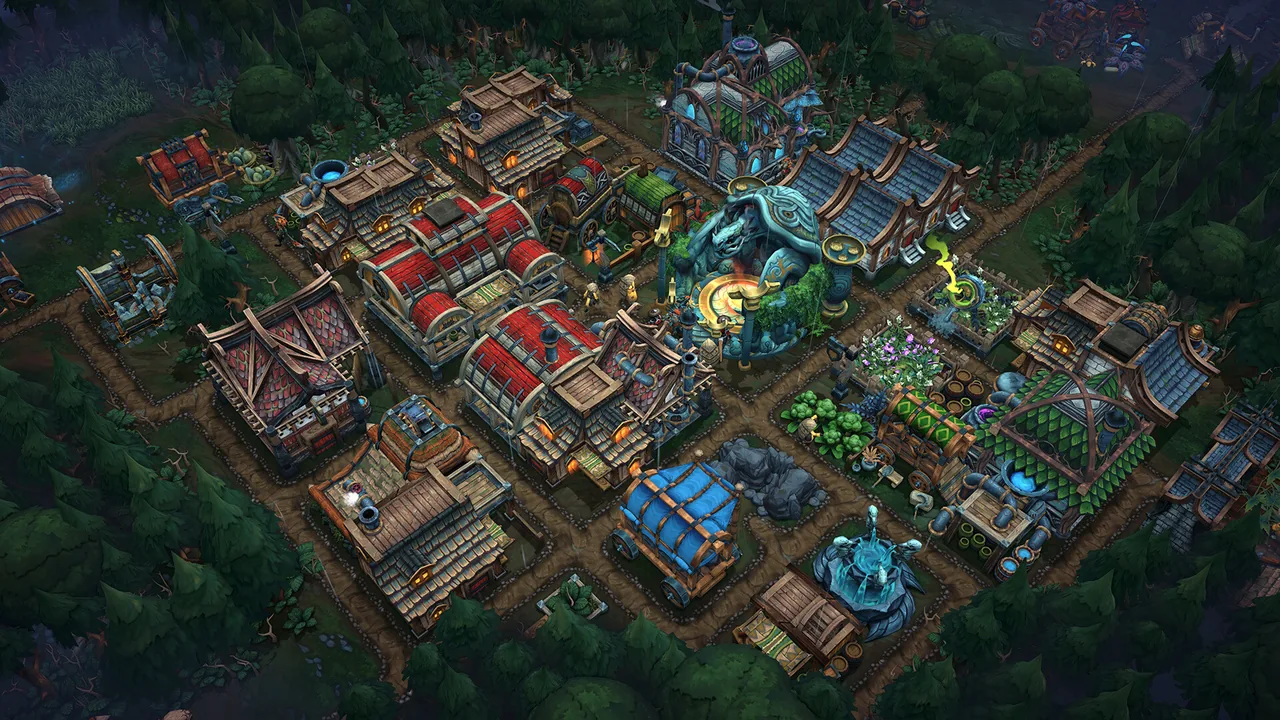
To produce food that meets species’ needs, you work with the blueprints and resources available.
You decide which land to clear for farming and which to leave for wild food and medicinal plants.
What do you adjust after production?
Consumption Control selects food access by species.
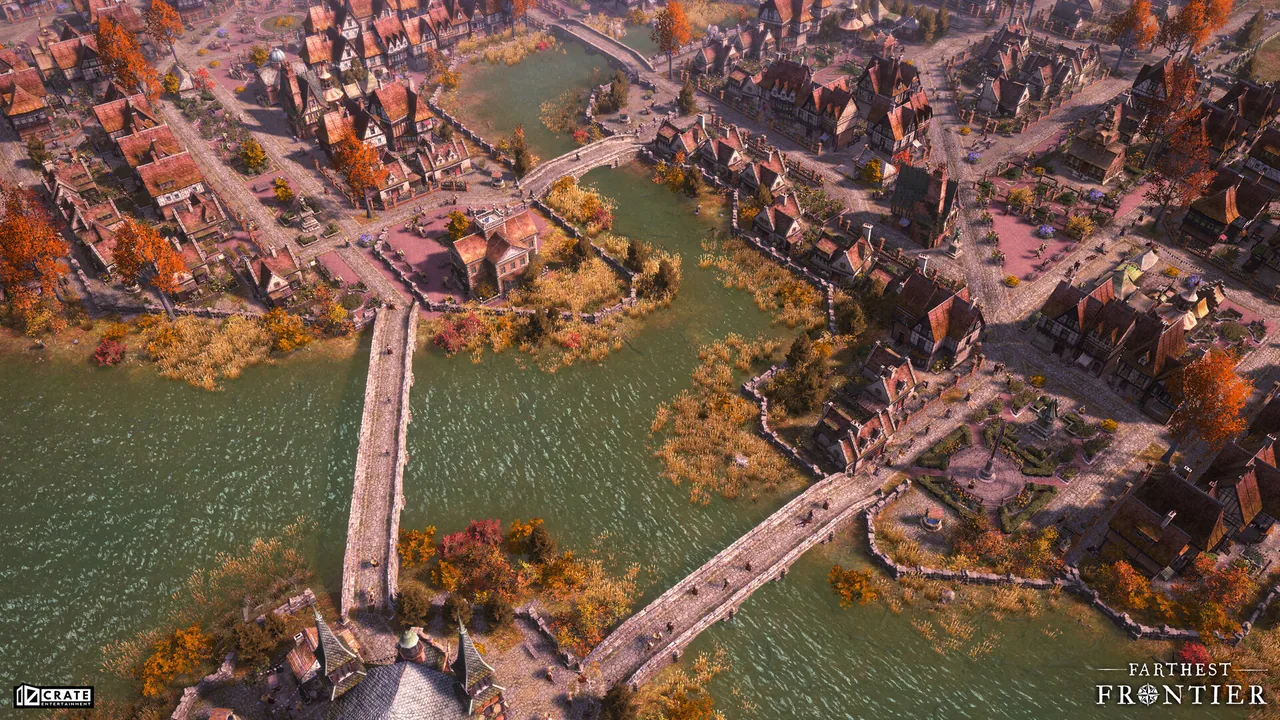
Roads and wagons help organise deliveries, while storage choices help limit spoilage.
What reviews praise
Against the Storm
- Reviewers appreciate building temporary settlements or returning to fresh starts.
- Reviewers enjoy changing familiar building plans to fit the conditions each settlement gives them.
- Reviewers appreciate upgrades or unlocks that carry progress from one settlement to the next.
- Reviewers enjoy making settlement decisions under time or environmental pressure.
- Reviewers enjoy weighing settlers’ needs against available resources when deciding what to produce.
- Choosing a difficulty or moving through Prestige earns praise for testing settlement decisions step by step.
- Reviewers like having a clear break between settlements and a contained building project that fits their spare time.
- Production readouts and management controls help reviewers make sense of complex settlements and adjust them.
Farthest Frontier
- Players enjoy having outside threats to defend against alongside town building.
- Reviewers enjoy the appearance of their townscapes or buildings.
- Reviews, including early-game and earlier-version accounts, describe enjoying calm or low-burden town management.
- Reviewers appreciate farming systems that account for crop rotations or soil conditions.
- Reviewers appreciate building interconnected production chains.
- Players enjoy working out how to improve the flow of goods through their settlement.
- Reviewers enjoy developing a small settlement into an established town.
- Reviewers appreciate the research and technology-tree systems.
What reviews flag
Against the Storm
- The push to win and finish each settlement clashes with reviewers' wish to refine a developed city or enjoy its results over time.
- After repeated settlements, players find that openings or routes to victory can feel alike even when conditions change.
- Reviewers find that randomly offered options or resources can restrict the plans they want to pursue.
- Keeping up decisions and management at high difficulty or under time pressure leaves reviewers strained or tired.
- Repeatedly building settlements for permanent upgrades and unlocks can feel drawn out or monotonous to reviewers.
Farthest Frontier
- Reviews criticize awkward town-management operations or unclear management readouts.
- Reviews describe the effort of preparing for raids and fighting them off as a burden.
- Reviews, including Early Access experiences, report slowdowns in larger towns or later stages of play.
- Once a town is established, reviewers want more goals or changes to keep play engaging.
- Reviews say that tutorials or explanations leave game systems and actions unclear.
Against the Storm
Farthest Frontier
About the data and reviews
Table values are public Steam data; prices are from the United States store. Review points come from the 100 most helpful reviews of the past year for each game, and only points raised in at least three reviews are included. They do not represent every buyer's opinion.
The views here come from the Steam reviews examined for this comparison and include experiences with earlier versions.