Predy Media > City builder > Game page
Game pageFarthest Frontier: Growing a Town Through Farming and Logistics
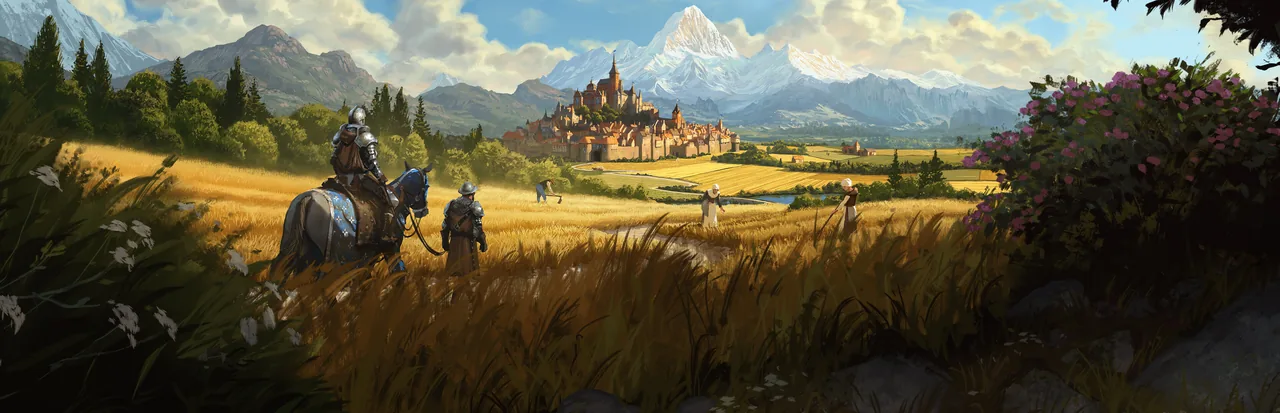
Gather food and resources in the wilderness, then connect production and transport as a settlement grows.
Supporting its inhabitants means looking beyond more fields to soil conditions and food storage.
What makes it fun
Make the fields work
Crop rotations make you plan each crop around soil fertility and disease. Clearing weeds and rocks and adjusting the soil mix make the field itself something to develop.
Fix the route, fix the town
If a smokehouse worker travels far for firewood and fish, roads and storage placement are worth revisiting. Town planning extends beyond where goods are made to the routes villagers take to move them.
See the town change shape
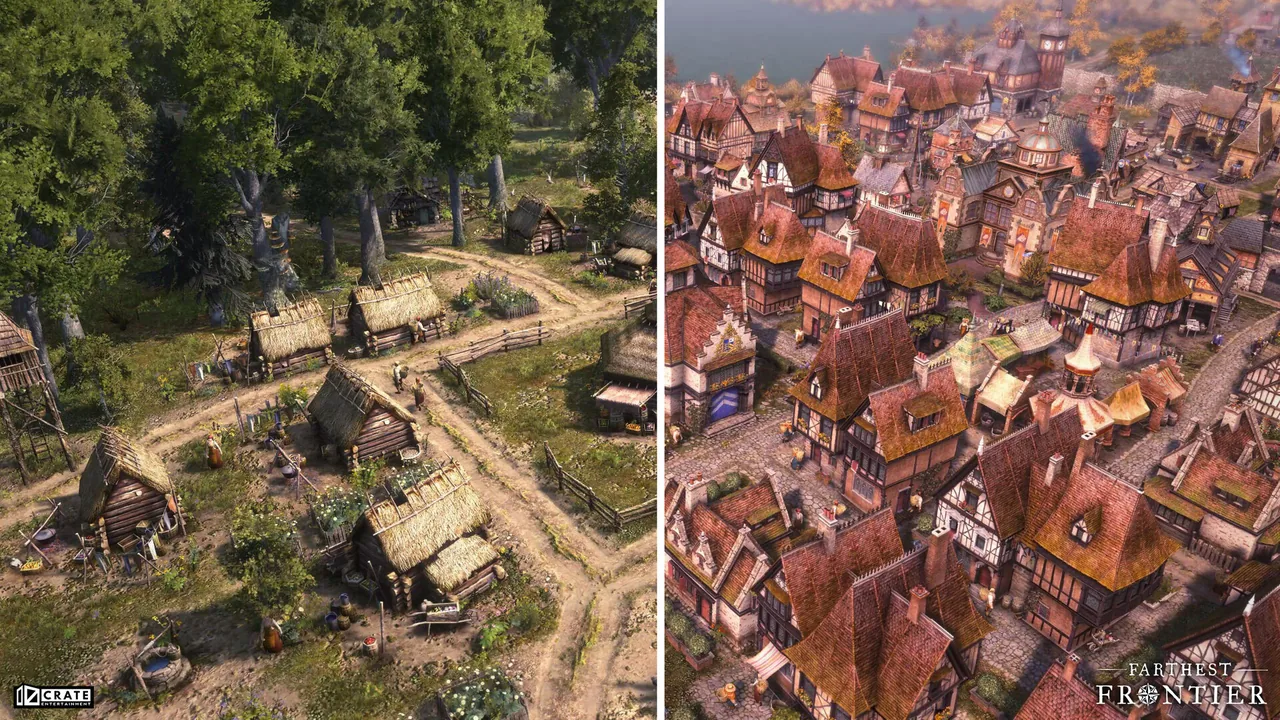
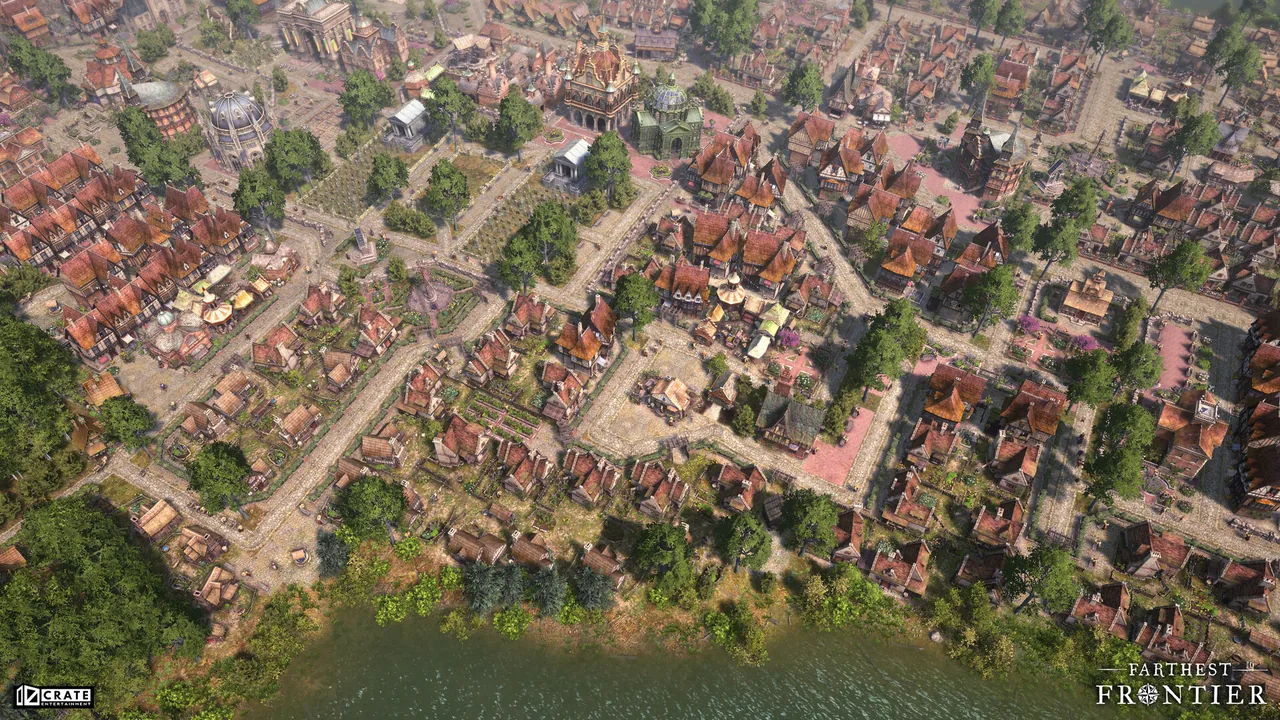
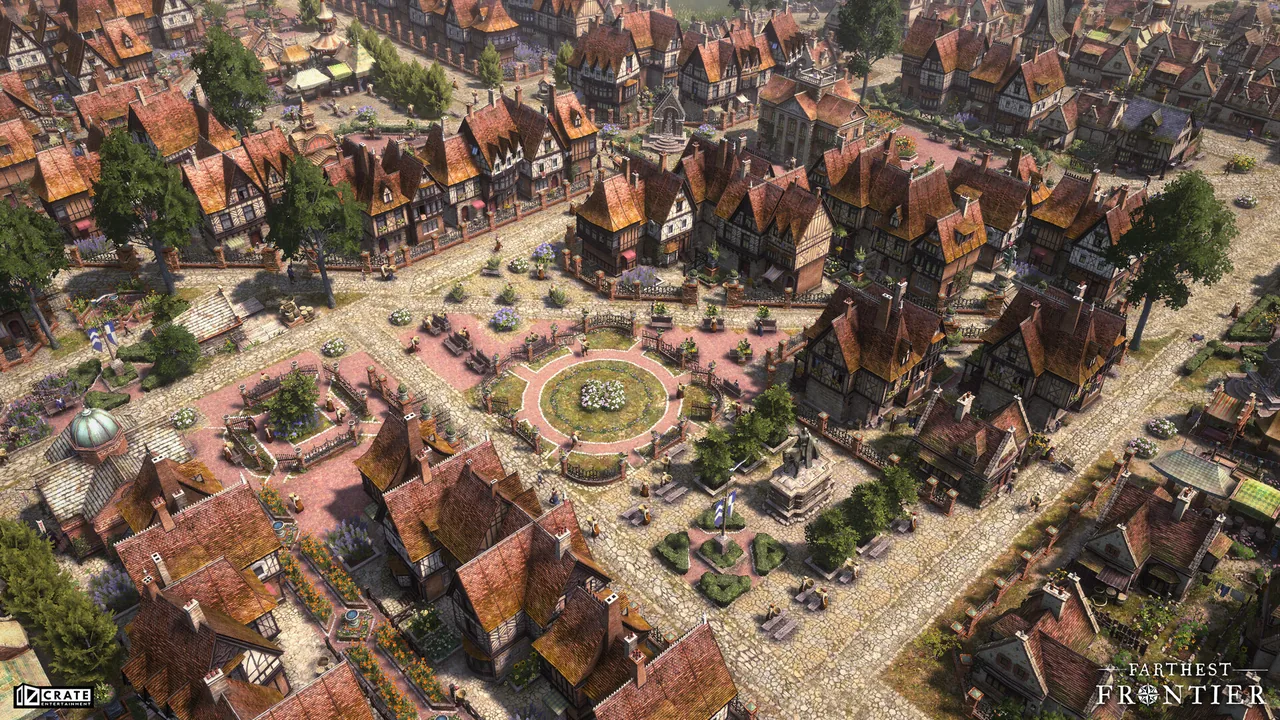
A small settlement securing food and firewood can grow into a town with workshops. As prosperity and desirability rise, homes and the town center advance, making that progress visible in the streets.
Game details
As of Oct 29, 2026- Steam Deck
- Playable
- Release date
- Oct 23, 2025
- Developer
- Crate Entertainment
- Languages
- Japanese, English (Full audio), Simplified Chinese, Korean / 15 languages total
A typical run
Inspect the generated land’s resources and establish food supplies through hunting, fishing and gathering.
Build workplaces and processing facilities to make goods for daily use, trade and equipment.
Arrange crop rotations around crop characteristics, soil fertility and disease risks.
Improve roads, wagons and storage to move goods from workplaces to homes and the trading post.
Develop buildings as prosperity, desirability and technology advance, adding defenses when combat is enabled.
Core systems
Crop Rotations
Crops have different characteristics. Rotations help maintain fertility and address heat, frost and disease, while fields can be cleared of weeds and rocks and their soil mixture adjusted.
Choose crops around soil and climate rather than simply planting more of the same.
Advanced Town Simulation
Villagers carry goods from workplaces to homes, the trading post and storage. Roads, wagons and storage methods can be improved.
Revisit routes and destinations as well as deciding where to increase production.
Environmental Interaction
Wild medicinal plants and forage remain useful alongside cultivated land. Tree-cover management also affects groundwater.
Decide which areas to cultivate and where to retain natural resources.
Build and Advance
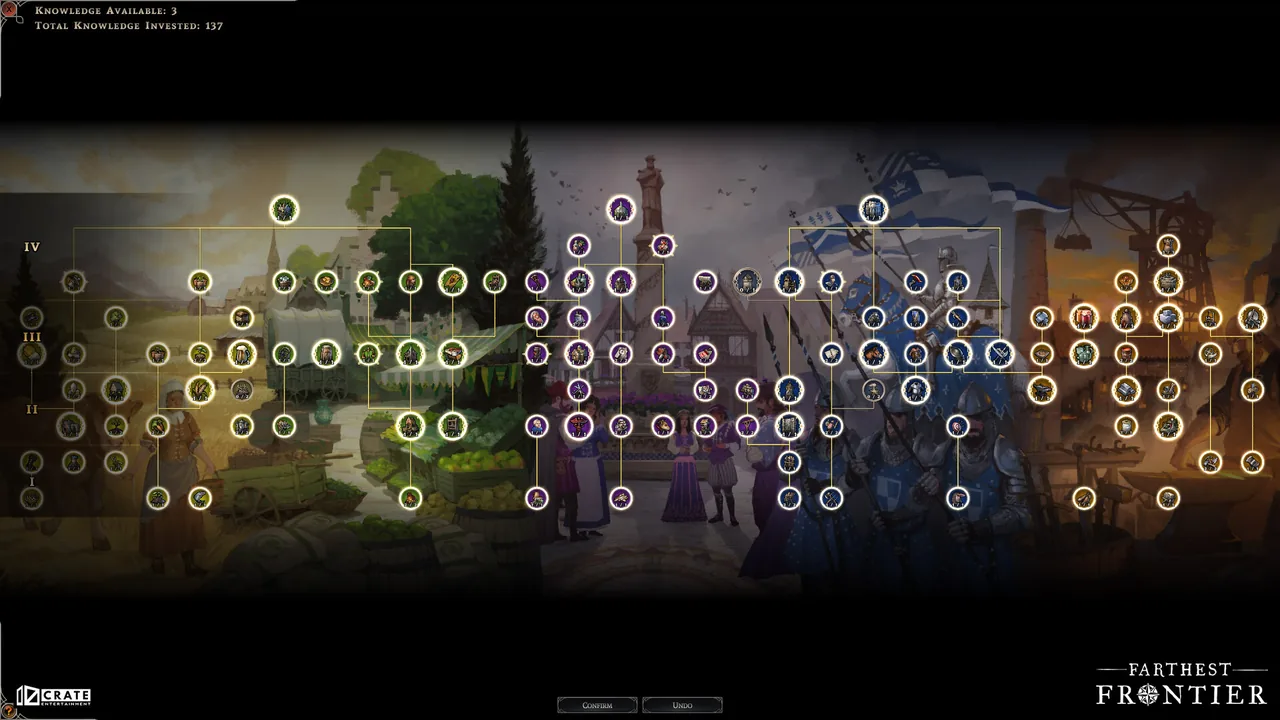
Turn abundant local resources into trade goods and trade for what is missing. The Tech Tree and production-building upgrades also support development.
Consider building around what the land provides or using trade to expand production beyond those resources.
Fend Off Would-Be Invaders
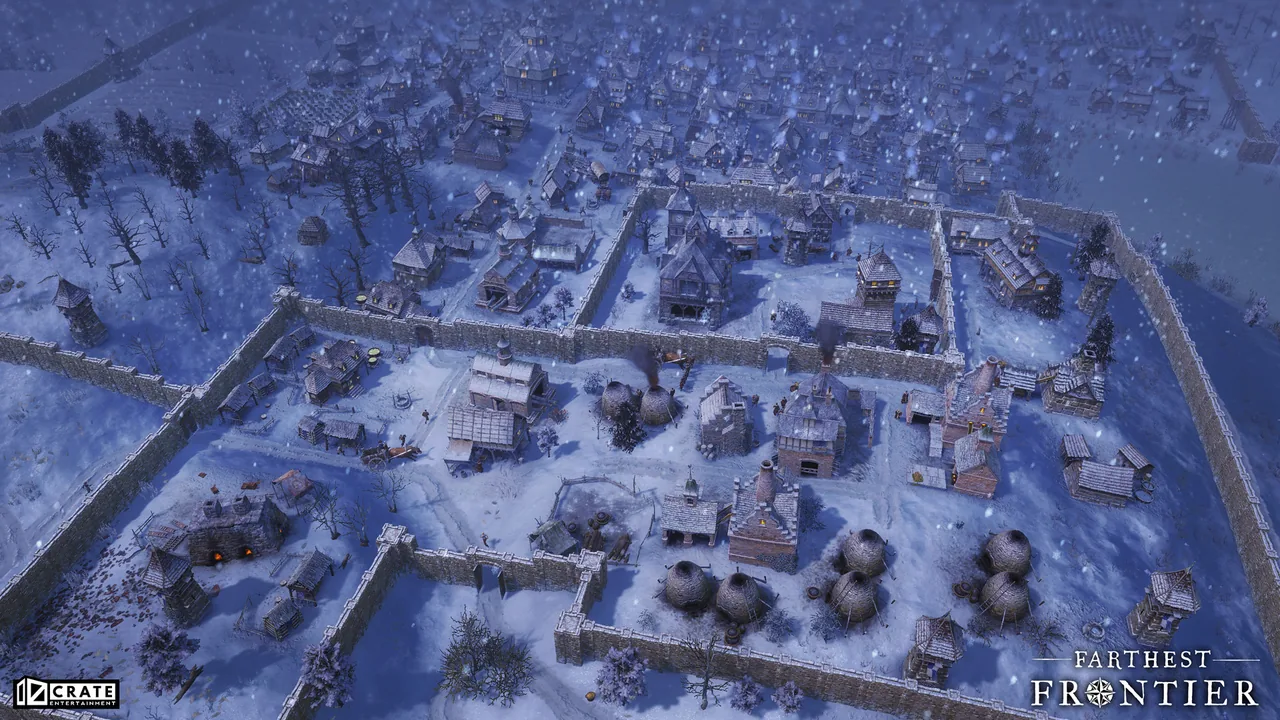
With combat enabled, prosperity attracts raiders and armies. Palisades, walls, towers, barracks and equipped soldiers can defend the town; pacifist mode is also available.
Choose whether defense belongs in your town-building plans or whether to focus on settlement management without combat.
What sets it apart
Farming considers weeds, rocks, soil mixture and tolerance of heat and frost, not just crop selection.
Clearing land for fields competes with preserving wild food and medicinal plants.
Villagers visibly carry goods, making the connections between production, consumption and storage part of town planning.
Learning curve and difficulty
Build an economy around locally abundant resources, then trade finished goods for what the area lacks.
Food planning also involves its route through town and its storage, so spoilage prevention becomes part of the layout.
When deciding how much land to clear, consider wild plants and forage as well as the tree cover that helps protect groundwater.
What players like
Reviewers enjoy the appearance of their townscapes or buildings.
Players enjoy having outside threats to defend against alongside town building.
Reviews, including early-game and earlier-version accounts, describe enjoying calm or low-burden town management.
Reviewers enjoy developing a small settlement into an established town.
Players enjoy working out how to improve the flow of goods through their settlement.
Reviewers appreciate farming systems that account for crop rotations or soil conditions.
Reviewers appreciate building interconnected production chains.
Reviewers appreciate the research and technology-tree systems.
Common complaints
Reviews criticize awkward town-management operations or unclear management readouts.
Reviews criticize raid pressure, combat controls, or the cost or effectiveness of defensive options.
Reviews, including Early Access experiences, report slowdowns in larger towns or later stages of play.
Once a town is established, reviewers want more goals or changes to keep play engaging.
Reviews say that tutorials or explanations leave game systems and actions unclear.
Who it’s for
A good fit if you want to improve the links between homes and workplaces by watching fields and the movement of goods.
It also suits players who want to develop local industries and use trade to cover resource gaps.
Who might not enjoy it
If you want goods to move as intended without much adjustment, consider the reviews describing frustrating logistics.
If you want new goals or changes after a town is established, consider the reviews describing unsatisfying later play.
FAQ
- Can I play without combat?
- Pacifist mode avoids combat. Difficulty settings also let you adjust elements such as invaders and disease.
- Which languages are supported?
- The Steam listing includes support for Japanese, English, Simplified Chinese and Korean.
- Can I adjust map conditions?
- Terrain and resources are generated. You can set the amount of water and mountains, as well as which resources can appear.
- Does it support cooperative play?
- The Steam listing identifies it as single-player.
These impressions are based on 100 Steam reviews sorted by “Most Helpful.” They do not represent the views of all buyers.
Image: Farthest Frontier on Steam