Predy Media > Articles > Comparison
ComparisonSlay the Spire vs Monster Train:
Building Around Routes and Upgrades
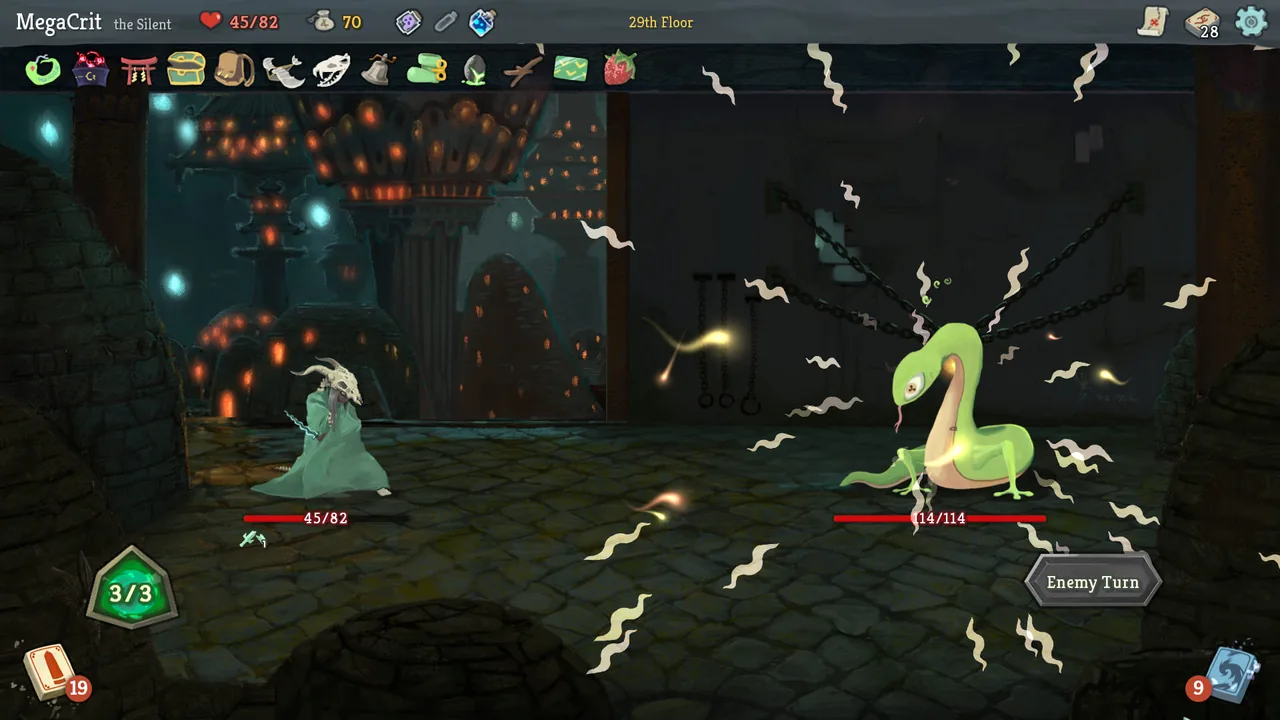 Slay the Spire
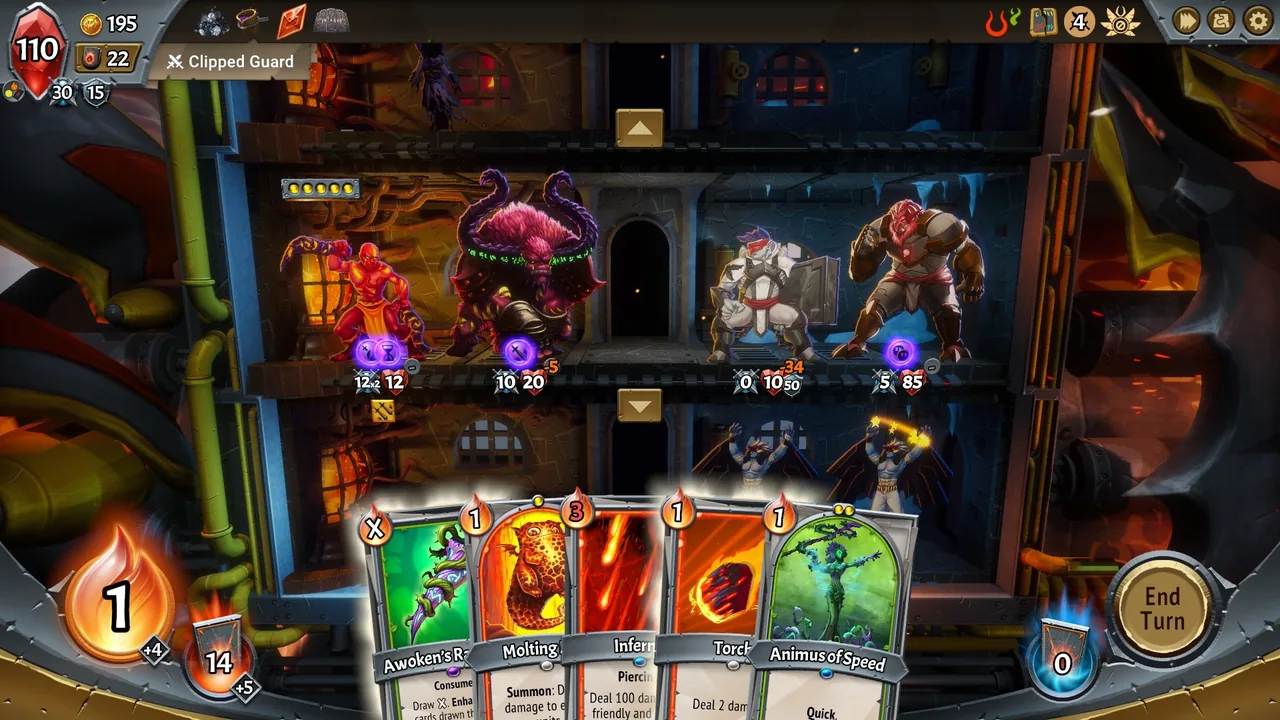 Monster Train
Images: Steam store (Slay the Spire, Monster Train)
In Slay the Spire, the cards and relics you find shape how much risk you take on a route. In Monster Train, clan pairings and unit placement shape which routes you take towards upgrades and duplication.
This comparison covers the original base games of Slay the Spire and Monster Train, not their sequels or the additions in The Last Divinity.
Which one is for you
 Slay the Spire is for you if…A fit for players who want to reassess their cards and relics before deciding which risks their current build can take.It also suits those who want to learn when to skip or remove cards, then carry that understanding into higher Ascension levels.
 Monster Train is for you if…A fit for players who want clan pairings and the floors their units occupy to be part of the same build plan.It suits those who want to develop the roles of cards they already have by choosing routes towards upgrades and duplication.
Screenshots
Slay the Spire
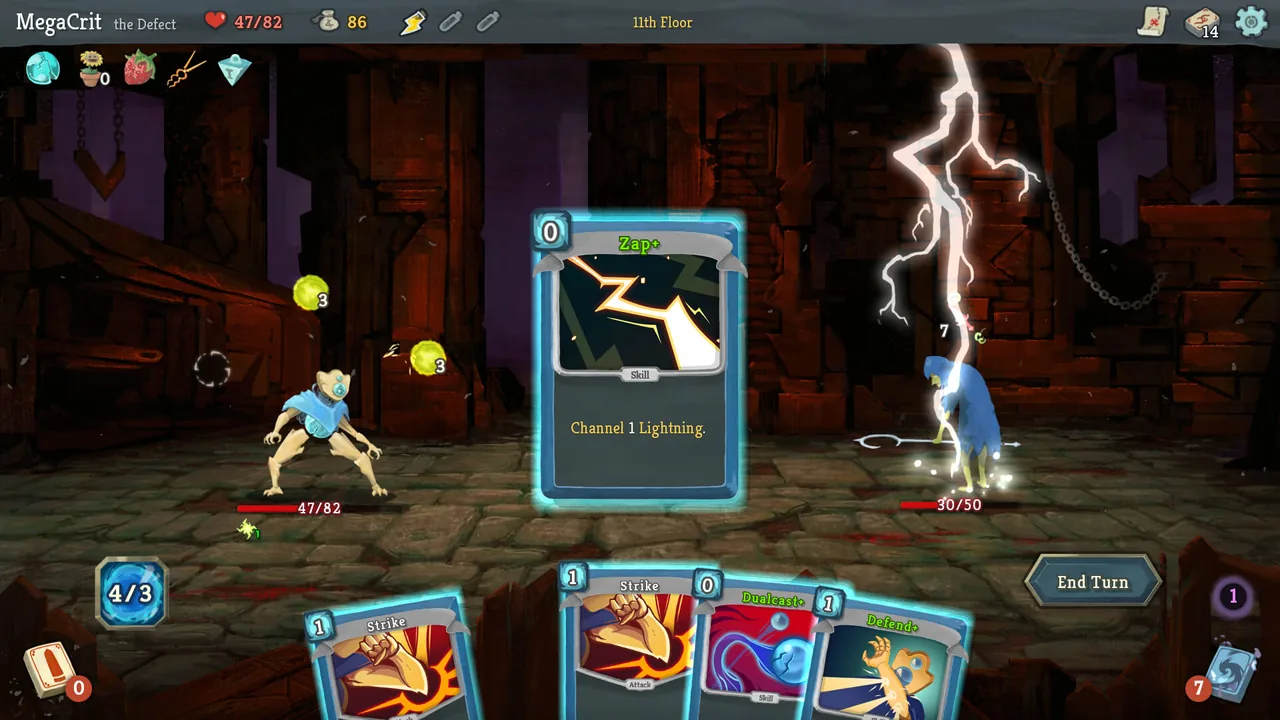
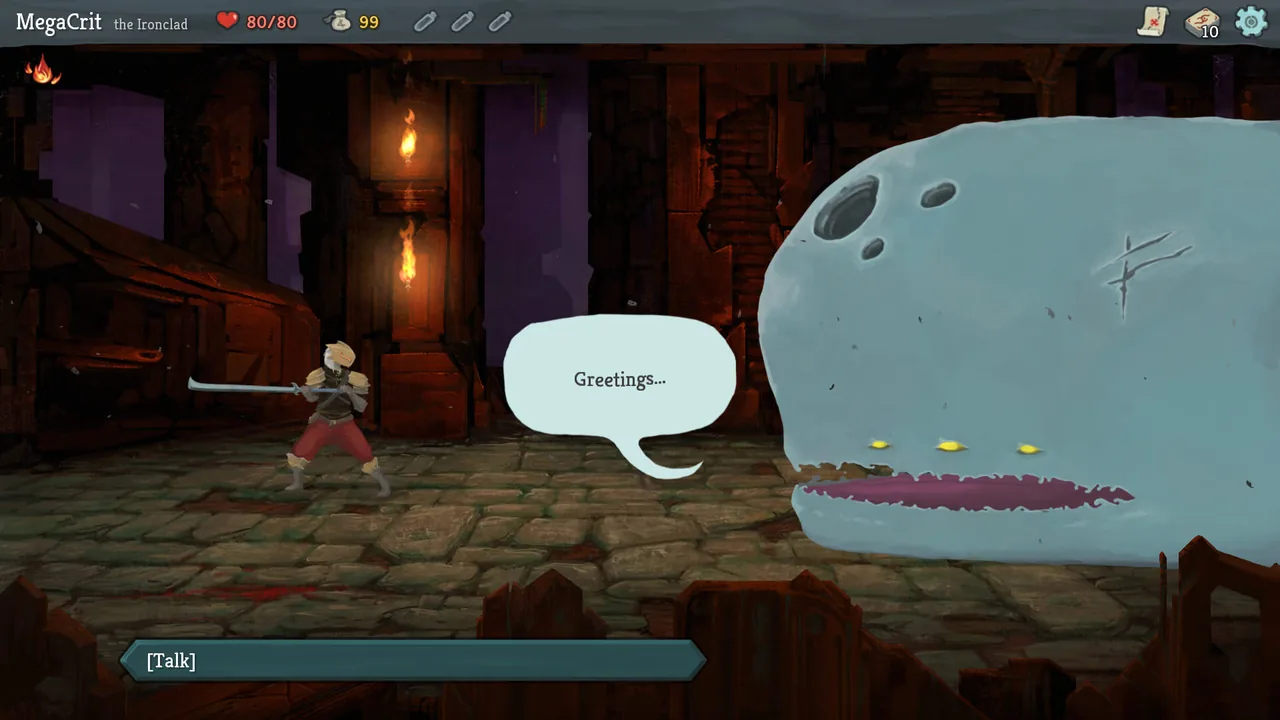
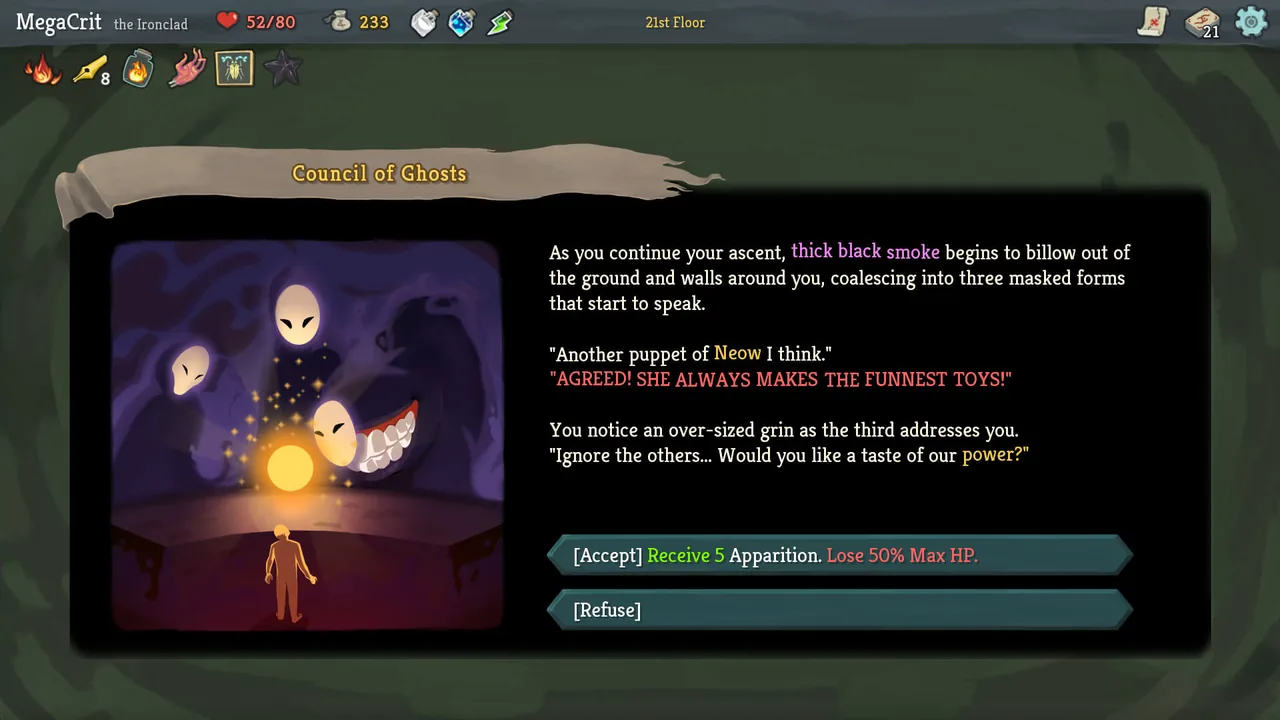
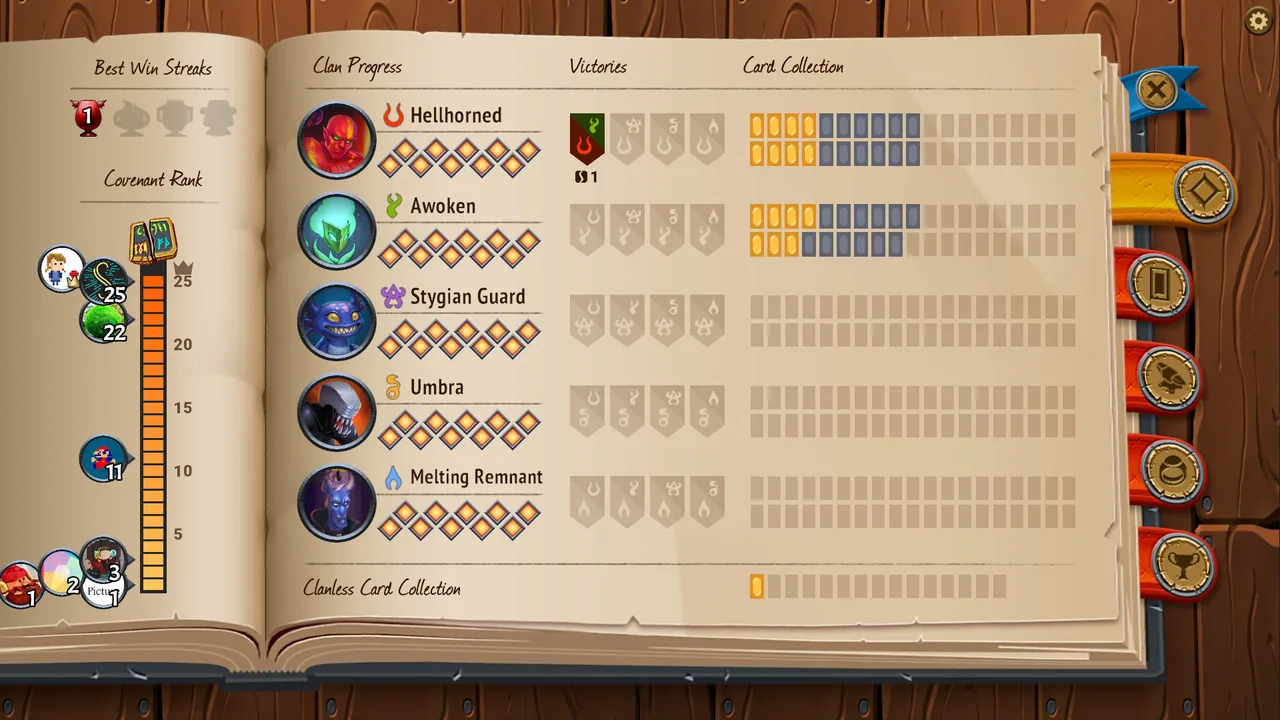
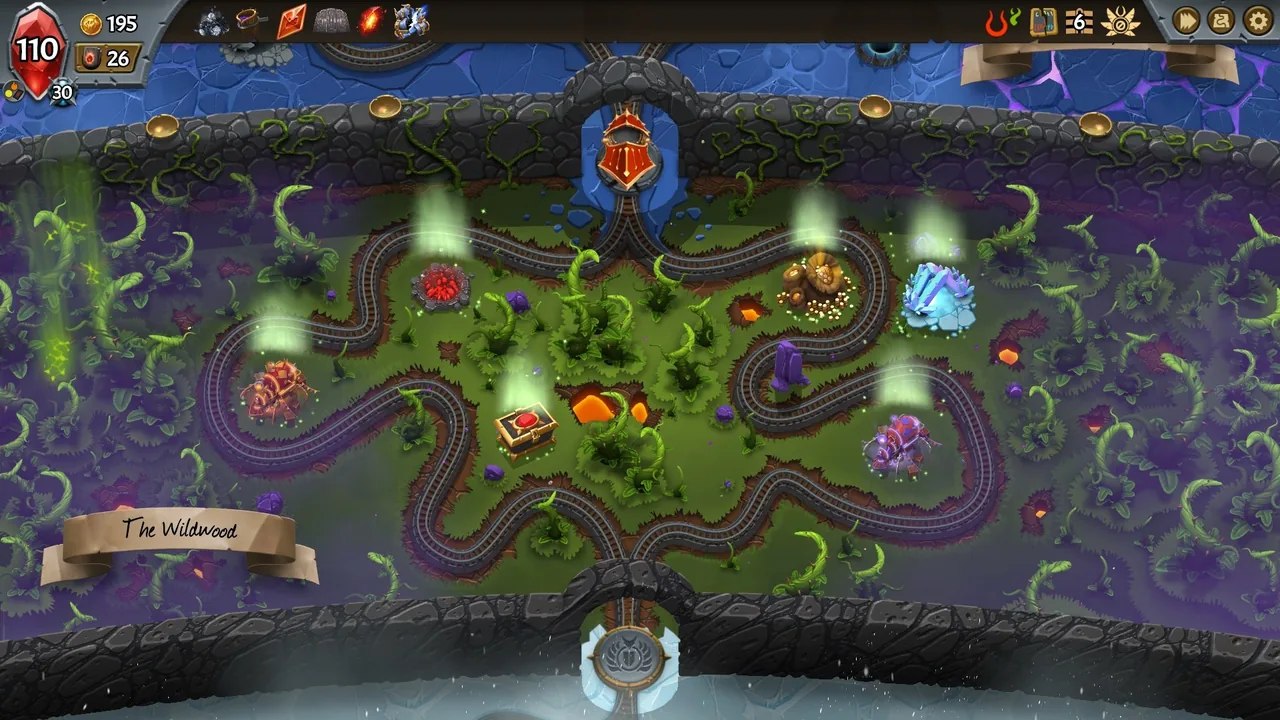
Monster Train
Steam data side by side
| Slay the Spire | Monster Train | |
|---|---|---|
| 97%Overwhelmingly Positive192,995 reviews · all languages | Positive reviews | 95%Overwhelmingly Positive19,988 reviews · all languages |
| US$6.24-75% | Price (United States) | US$24.99 |
| 94.2 hours | Playtime at review | 34.4 hours |
| Verified | Steam Deck | Playable |
| Jan 24, 2019 | Release date | May 22, 2020 |
| Mega Crit | Developer | Shiny Shoe |
| Japanese, English, Simplified Chinese, Korean | Languages | English, Simplified Chinese |
What each game is
Slay the Spire
In Slay the Spire, the cards and relics you choose during a climb reshape your deck.
Each character has a distinct card pool, so even route decisions start from the combinations available to that character.
The tower layout changes between attempts, leaving you to weigh riskier and safer routes against the build you currently have.
Relics interact with cards, making the effects already in your possession part of the decision to take a new card.
Coffee Dripper disables resting, which also affects how you plan later routes.
Monster Train
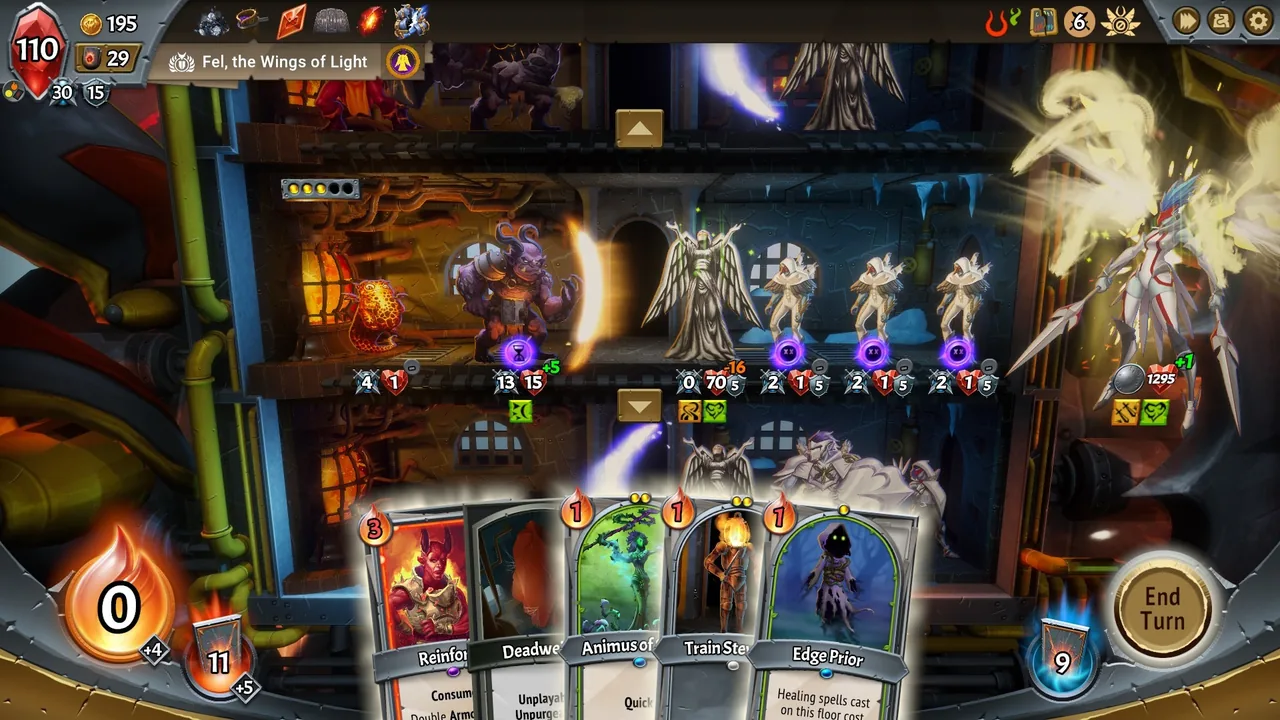
In Monster Train, you build a deck and place units across vertical battlefields to defend the train.
Choosing a primary and supporting clan gives access to both card pools, so combining their roles begins before the journey.
Locations offer different benefits, including champion development, unit recruitment, card upgrades and duplication, making route choice a question of priorities.
Upgrades can be combined on cards, letting you develop the role of a card you have rather than only looking for new additions.
Special locations can duplicate a card in your deck, so you can route towards another copy for the final boss or pursue a different improvement.
For experienced players
Slay the Spire
Players who have progressed through Ascension appreciate still being able to reassess cards and refine their approach at higher difficulties.
Reviews describe the satisfaction of learning to skip card rewards or remove cards, thinking about what to keep as well as what to add.
Route planning earns praise for weighing upcoming fights, spending and rest after taking damage, with room to change plans as a run develops.
Monster Train
Covenant increases difficulty in stages, and reviewers enjoy using it to pursue wins with different clans or new approaches.
Placement-focused reviews praise deciding which floors to defend as enemies climb toward the Pyre.
The official base-game update description for FRIENDS & FOES says you can preview bosses at set points on the route when a run begins. That information can guide upgrade and duplication plans.
How they play differently
What does your route prioritize?
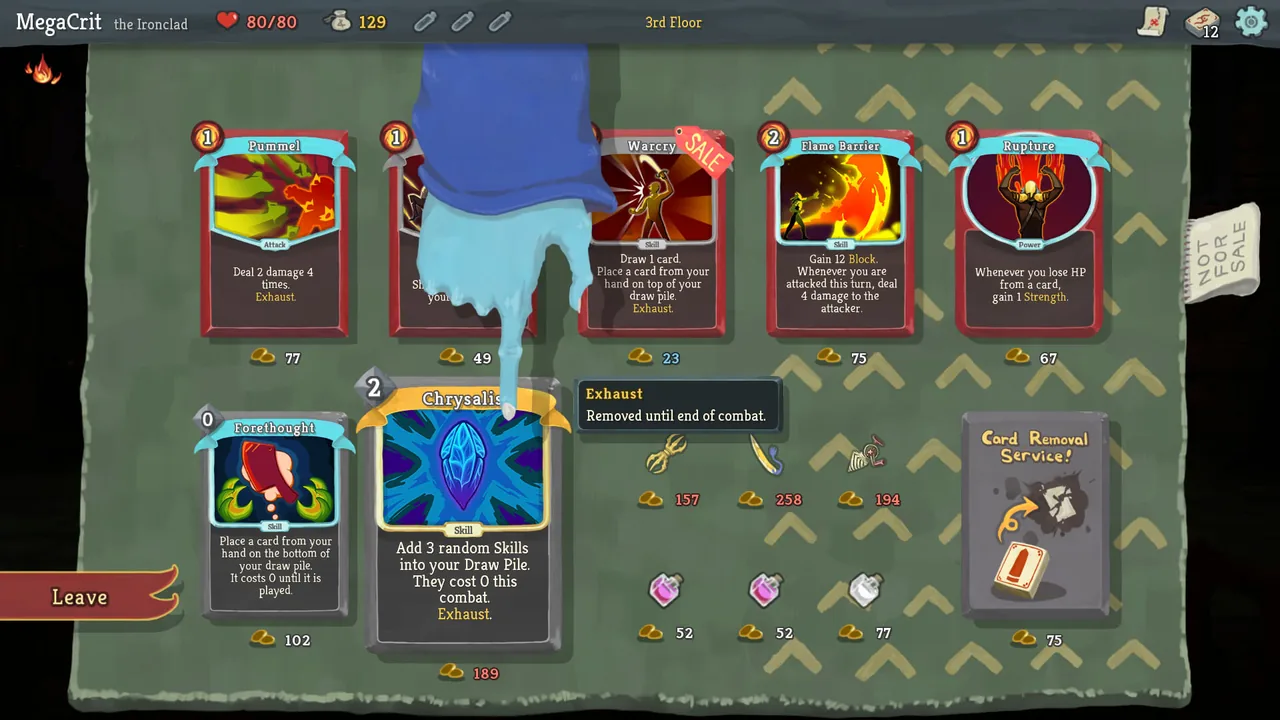
Weigh riskier and safer paths through a changing tower against your current card and relic combinations.
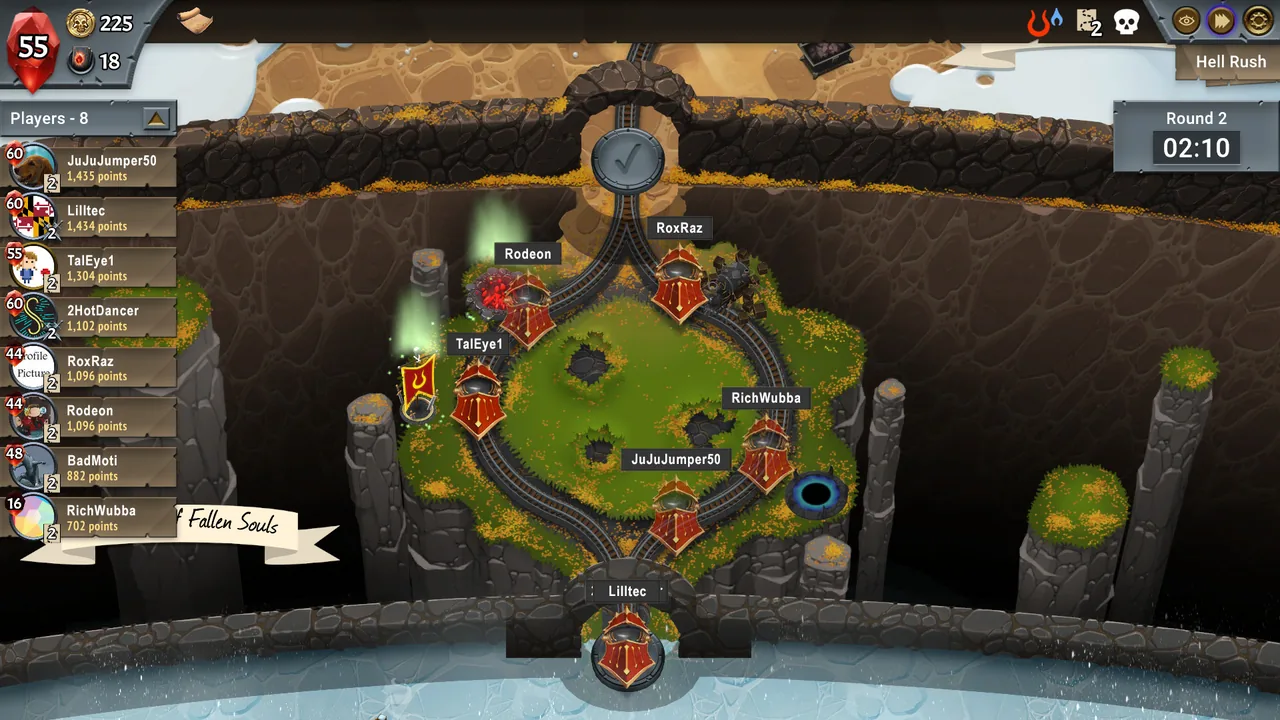
Compare recruitment, upgrade and duplication opportunities at different locations to decide what the build needs next.
How do you reshape a build?
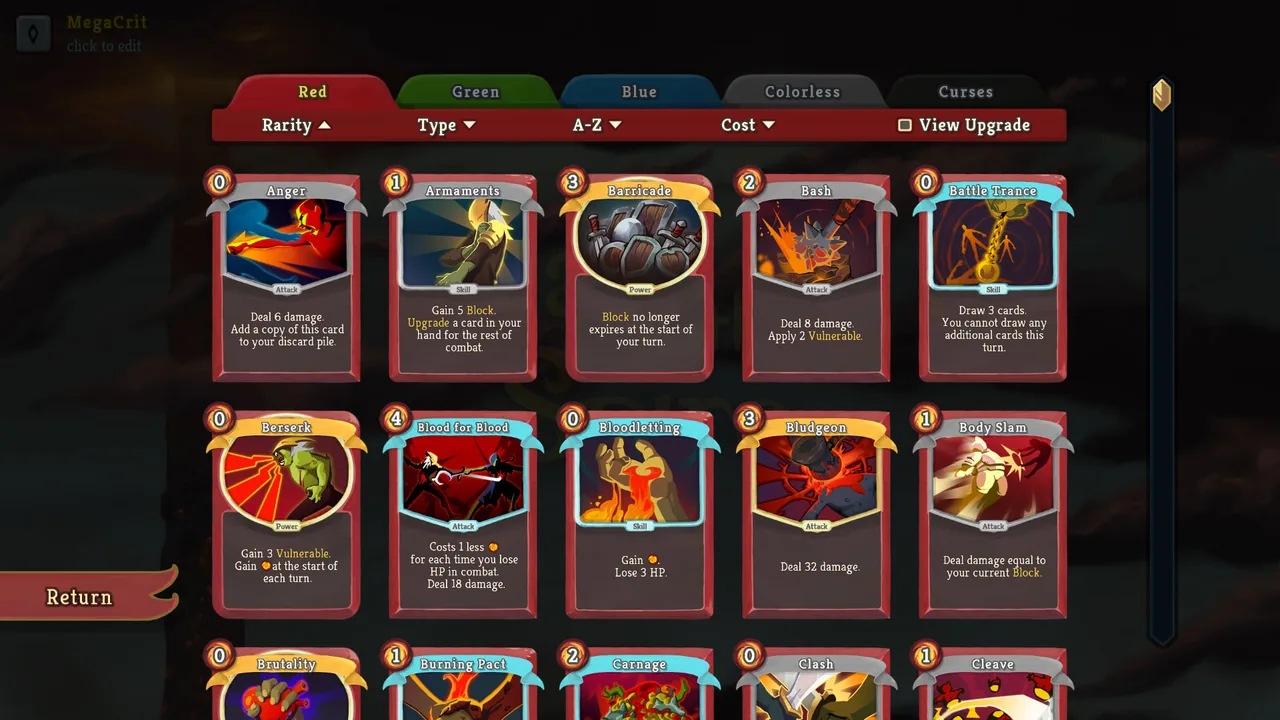
Choose cards from the character’s pool around the relics and effects acquired along the way.
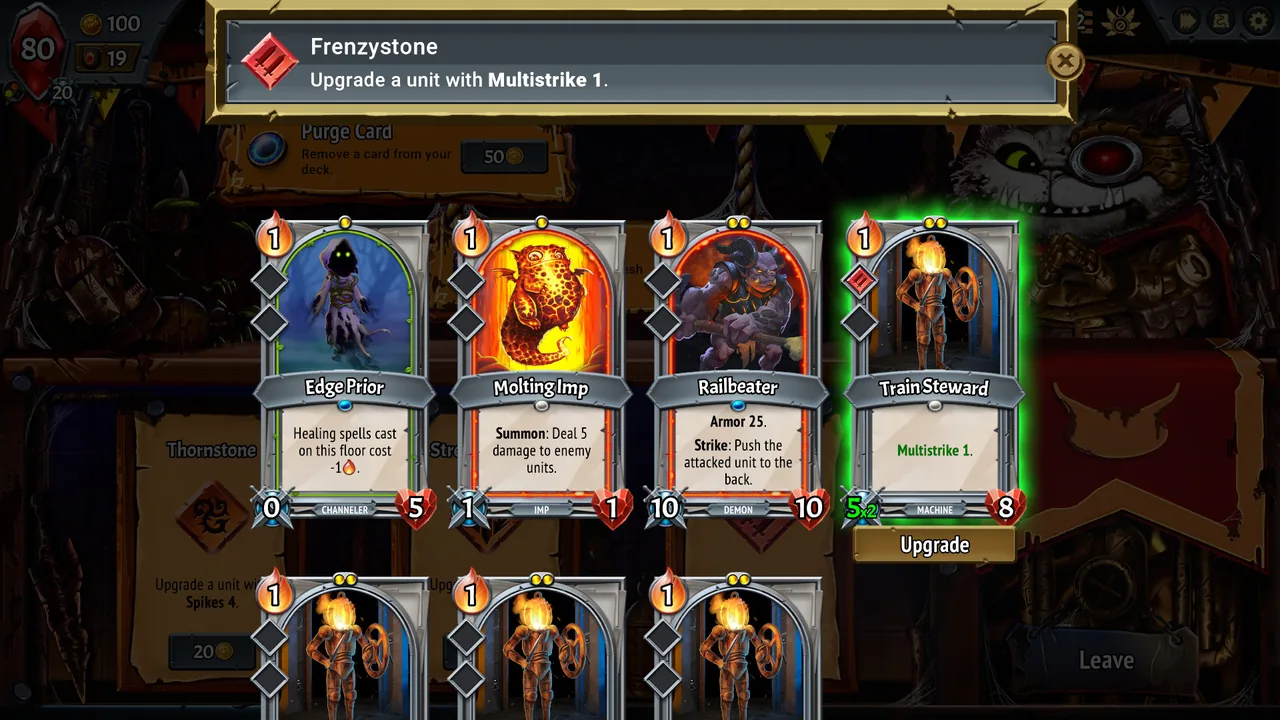
Combine upgrades on cards and use duplication locations to work selected cards into your build.
What matters beyond the cards?
Accept a relic’s restrictions alongside its effects, such as losing the ability to rest with Coffee Dripper.
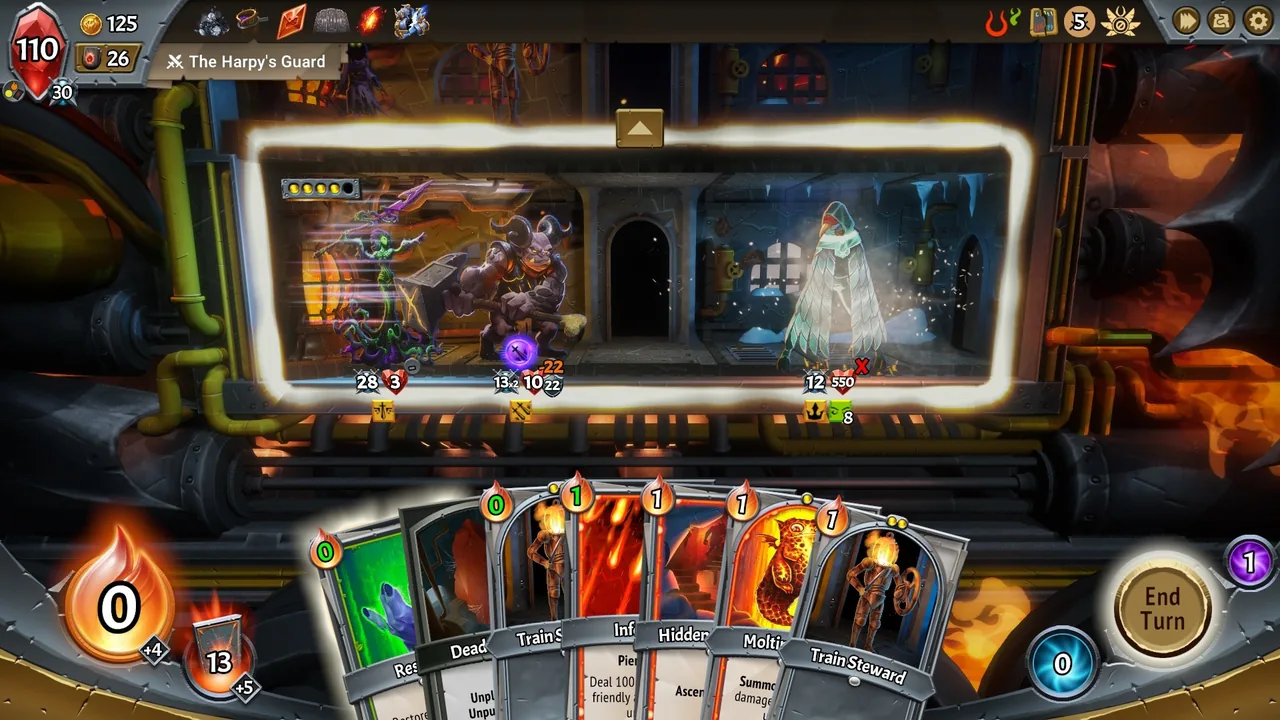
Combine primary and supporting clan cards, then think about which floors your units will defend.
What reviews praise
Slay the Spire
- Reviewers enjoy finding combinations between cards or with relics and building a deck that makes those interactions work.
- Players appreciate being able to fit a climb around daily life or settle in and think through their choices.
- Changing characters brings different cards and playstyles, giving players a reason to rethink their builds.
- Reviewers value having more to learn at higher difficulties, from reassessing cards to refining how they win.
- Mods earn praise for adding new ways to play or making repeated climbs more convenient.
- Learning when to skip rewards or remove cards, rather than simply adding them, is a rewarding part of the experience for reviewers.
- Players enjoy planning beyond the current hand, weighing routes and available resources for the fights ahead.
Monster Train
- The need to think about unit placement across floors adds an appealing spatial problem to deckbuilding.
- Players enjoy pairing a primary and an allied clan and trying builds that make use of their cards and units.
- Players appreciate being able to fit runs into spare moments or step away when something else needs their attention.
- Reviewers find the cards and basic loop approachable, including when they are new to deckbuilders.
- Growing a powerful carry or assembling an explosive combo gives reviewers a satisfying sense of their build taking off.
- Increasing the difficulty and working towards wins with different approaches or clans gives players goals for repeated runs.
What reviews flag
Slay the Spire
- Missed key cards and awkward draw orders can make a carefully built deck fail, which reviewers find frustrating.
- Reviewers can find the artwork and battle presentation plain on first impression.
- Repeated climbs can start to feel familiar when the cards and strategies players want to use narrow down.
Monster Train
- Reviewers can find the viable cards and clan combinations restrictive, pushing builds towards familiar patterns.
- Reviewers find it frustrating when a run depends on finding the units or upgrades they need and drawing the right cards in time.
Slay the Spire
Monster Train
About the data and reviews
Table values are public Steam data; prices are from the United States store. Review points come from the 100 most helpful reviews of the past year for each game, and only points raised in at least three reviews are included. They do not represent every buyer's opinion.
Opinions grouped from Steam reviews are presented separately from official game features.