Predy Media > Turn-based tactics > Game page
Game pageWildermyth Features and Reception
Who It Suits
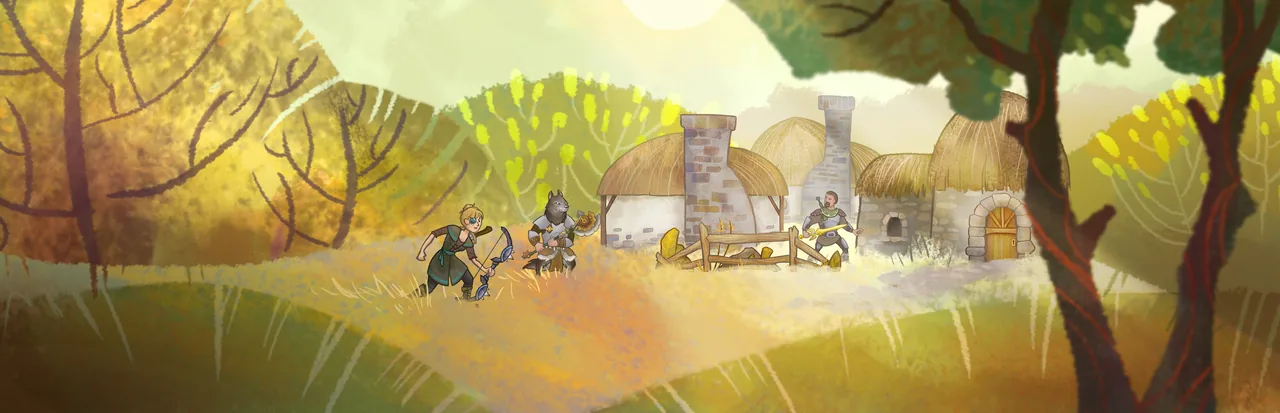
Wildermyth is a procedural story RPG where battles and story choices leave heroes older, injured, transformed, and bound to one another.
A decision that wins the current battle may look different if you want that hero in a later campaign. It affects which abilities you choose and what you do when a hero falls.
What makes it fun
Choices become a hero's history
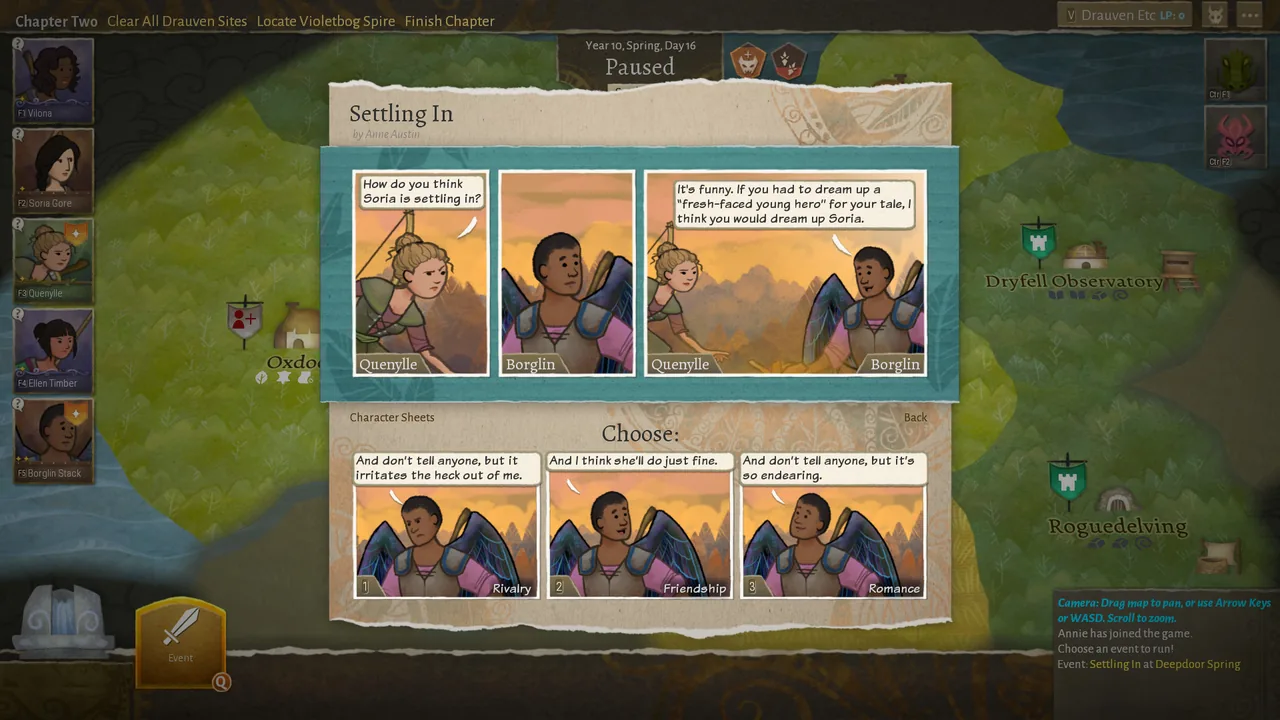
Story choices and battles leave heroes with scars, transformations, and relationships. Choosing what fits a hero can matter as much as choosing what makes them stronger.
The battlefield is your toolkit
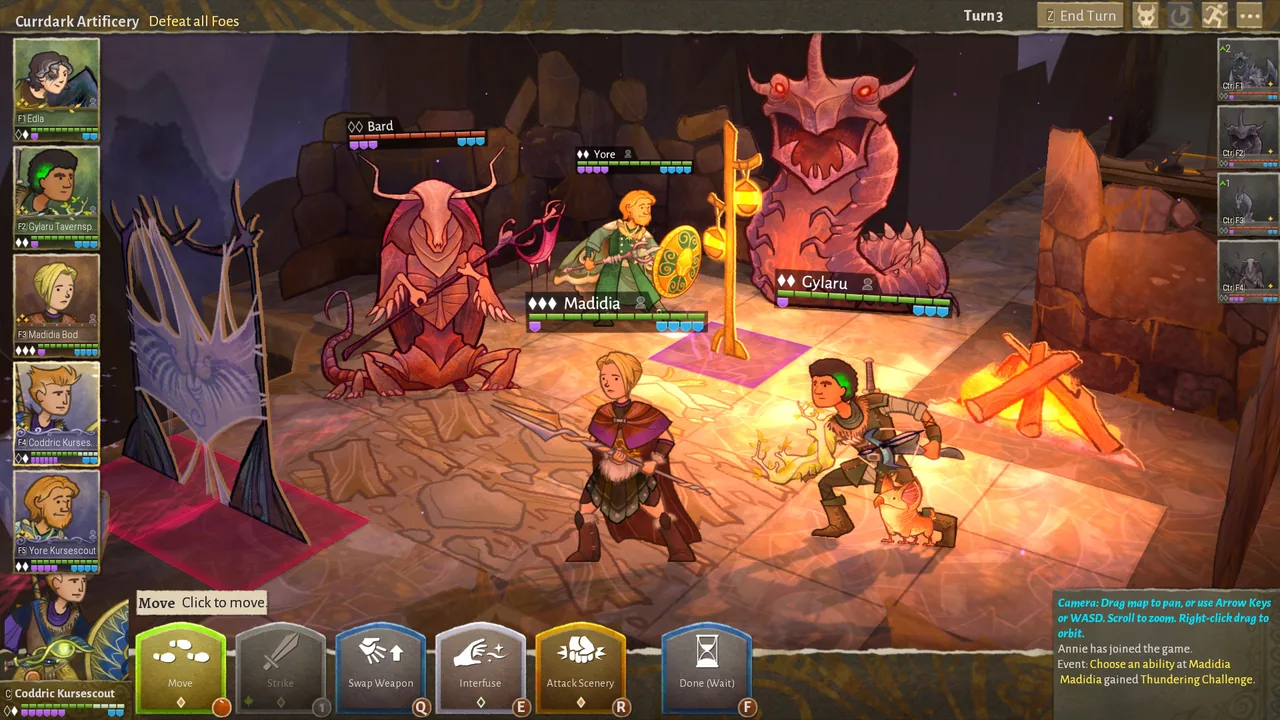
Mystics can Interfuse with stone to launch a disc or with wood to blast an area with splinters. Those attacks originate from the objects, so choosing what to link with changes how you approach the fight.
Bring a hero back
Heroes kept in your Legacy can return in another campaign. Deciding whom to keep makes the end of an adventure part of planning the next party.
Game details
As of Oct 29, 2026- Steam Deck
- Verified
- Release date
- Jun 16, 2021
- Developer
- Worldwalker Games LLC
- Languages
- English, Simplified Chinese / 7 languages total
A typical run
Recruit heroes who start as farmers, then use their personalities and histories to decide their roles.
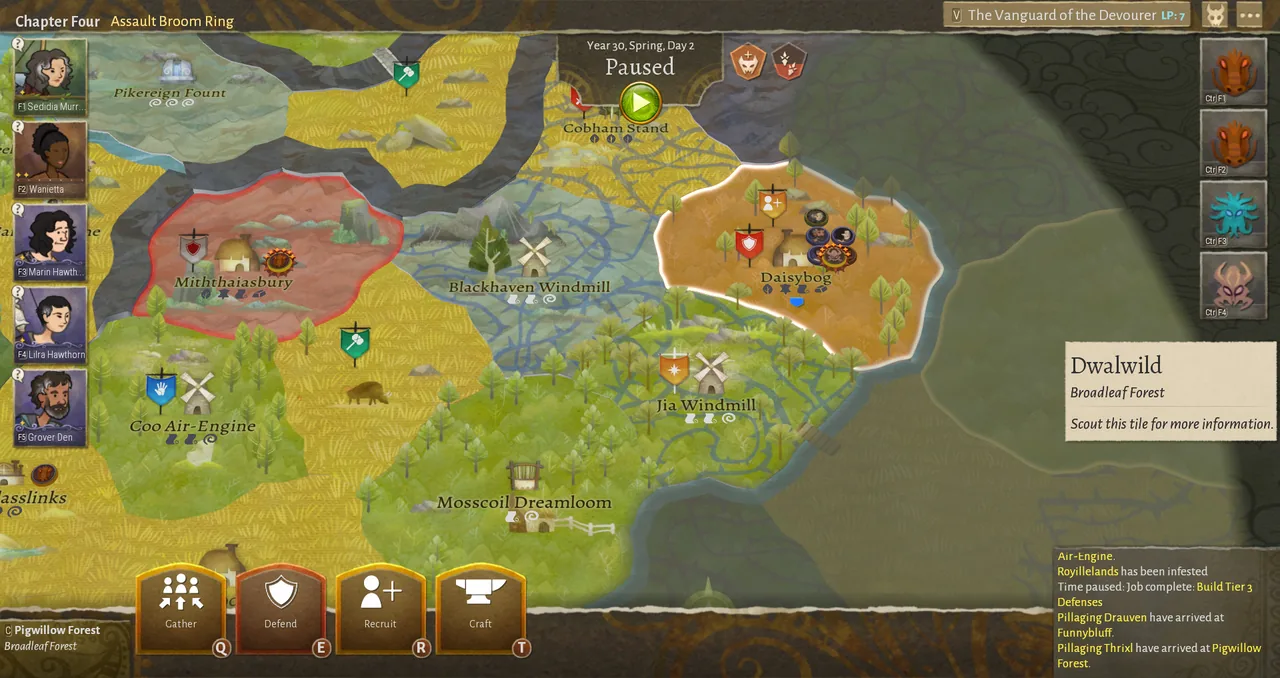
Scout the overland map and choose whether to attack an enemy site or spend time patrolling and building.
Story choices can carry forward through relationships, transformations, equipment, and abilities.
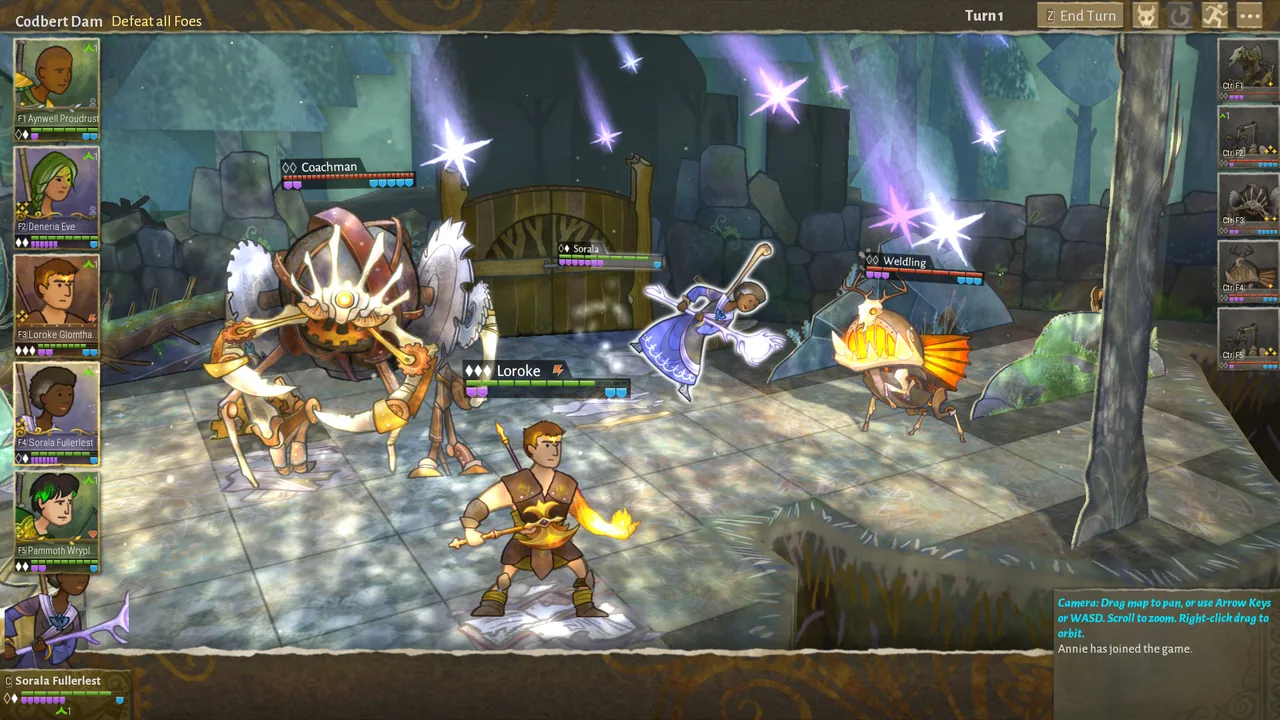
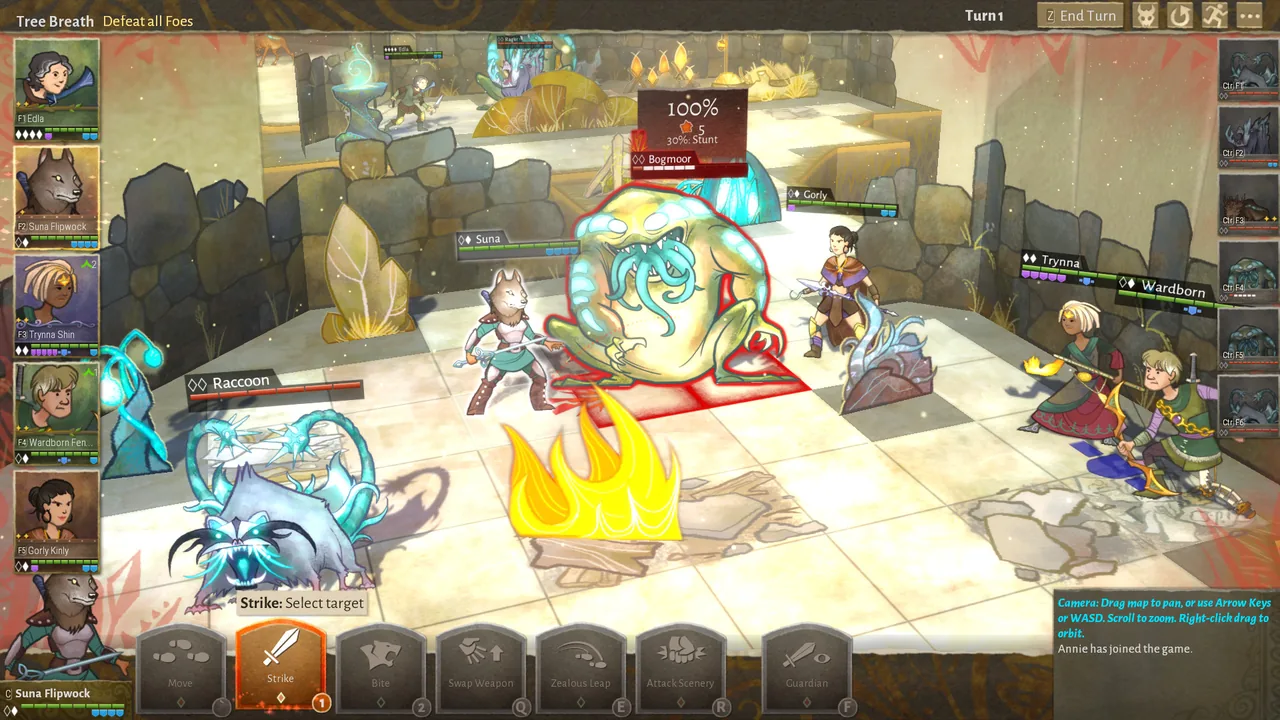
In battle, decide whether to stay together for Walling or spread out for a Flanking angle. Check what the Mystic can Interfuse, then choose your attack order and when to withdraw an exposed hero.
Sort out equipment between chapters. As older heroes retire, the remaining company prepares for the next threat.
Core systems
Walling
Heroes standing directly beside each other reduce the physical and magical damage both receive.
Keeping them together protects the group. Opening a flank or a line of attack may require breaking that formation.
Flanking
Attack an enemy from another angle after it has already been attacked that turn, and the flank is guaranteed to hit. Daggers and certain effects gain an extra benefit.
An opening attack can establish the angle instead of dealing the largest hit. If the next attacker would end up exposed, giving up the flank may be safer.
Interfuse
A Mystic links with fire, wood, stone, tools, and other scenery to use attacks or hindering effects tied to the object.
Use a nearby object now or leave it available for a later turn. Check the effect's reach from the interfused object.
Relationship
Heroes become friends, lovers, or rivals as they fight and work together. Each relationship type has its own combat effect.
Decide who belongs in the same party with their story in mind. That assignment also affects which combat links can develop.
Theme
Themes gained from events change a hero's appearance, abilities, and stats. A transformation can spread to an arm or leg.
Changing an arm can provide a new attack but alter how the hero uses a current weapon. You may have to choose which setup to keep.
Mortal Choice
When a hero first runs out of health within a chapter, they may withdraw with an injury or lost limb, or die and leave an immediate benefit for the party.
Keep a developed hero alive for later, or spend their life to help win the battle in front of you. The choice comes when they fall.
Legacy
Heroes who survive or retire enter the Legacy when a campaign ends and can return in later campaigns. Transformations, maiming, equipment, and abilities follow different carryover rules.
Choose whom to promote and which abilities a returning hero keeps. How you develop them now matters in a later campaign.
What sets it apart
Heroes do not reset after a battle. Old injuries, transformations, romances, and age stay in their histories.
There is no fixed protagonist. Heroes you create move through authored campaigns and generated events.
Battlefield scenery provides cover, but Interfuse can also turn it into the source or fuel for an effect.
Learning curve and difficulty
Combat and overland difficulty can be set separately. Storyteller, Adventurer, Tragic Hero, and Walking Lunch are available.
Combat settings change hero and enemy durability and attack conditions. Overland settings change the time pressure from Calamities, Incursions, and Infestations.
In combat, the attack that starts a flank matters. So does reading an Interfuse effect's range from its object and deciding when an injured hero should withdraw.
Raise overland difficulty and time spent scouting or building needs closer attention. Calamities advance at a different pace, which also changes how you plan a route to enemy sites.
Builds and playstyles
Walling Front Line
Place a durable hero beside an ally to narrow the path to the back line. Spreading out creates a Flanking angle, but the pair gives up Walling's protection while apart.
Flanking and Grayplane
Use the opening attack to establish a Flanking angle, then hit from another direction. For a Hunter entering Grayplane, Rogue fits by hiding them again after a kill.
Scenery-Control Mystic
Position the Mystic by checking where an effect reaches from the interfused object. Wood can shred armor; textiles can hinder movement. The available scenery determines the choice.
What longtime players say
Reviews from long-time players describe reading the stories closely while enjoying the board-like tactical battles.
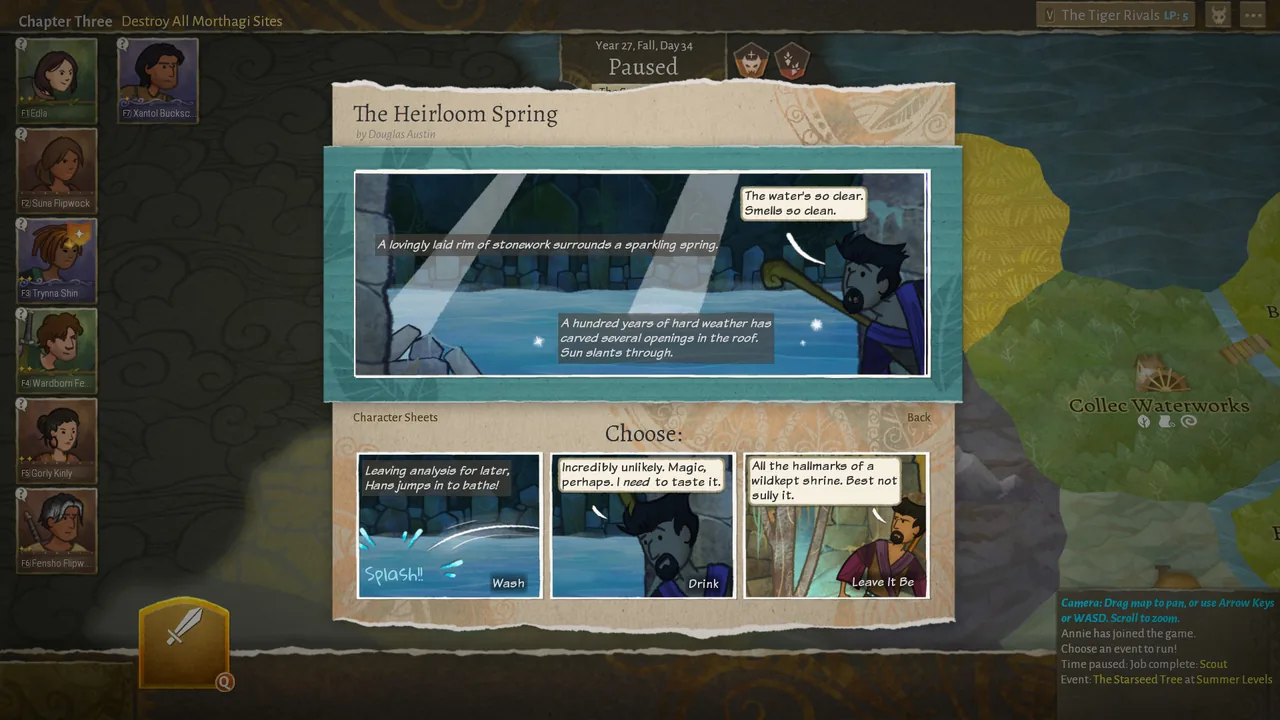
Repeat campaigns reveal that a familiar event can have different dialogue according to a hero's traits. Trying new personality combinations remains part of the appeal.
After working through story events, players also turn to the combat-focused Omenroad. The reviews include play at higher difficulties.
What players like
Campaign choices and generated events give players stories they remember as belonging to their own company. That appeals to people who want to shape a story as they play.
Heroes age, take injuries, transform, and form relationships. Watching those histories develop made the characters matter to the reviewers.
Players who build their heroes' fighting styles enjoy combining abilities with transformations. Reviews also mention the Mystic's use of scenery and the value of positioning.
The moving paper-doll stage suits time spent reading the story. Reviewers also point to the storybook art and music.
Finishing a campaign need not mean leaving its heroes behind. Reviewers like adding them to the Legacy and recruiting familiar faces in a later story.
Co-op groups divide up heroes and read dialogue aloud. The reviewers enjoy playing their parts together in a way that recalls a tabletop RPG session.
Common complaints
Across repeated campaigns, previously seen events return. For players replaying to read the stories, recognizing an event from its opening can make them want to skip ahead.
Events before battles and lengthy conversations can slow the path back to combat. Reviewers also describe prose they found hard to read and began skipping.
For players refining tactics over repeated campaigns, effective abilities or weapons can pull builds toward similar choices. Battles may then follow familiar routines.
Enemy upgrades, reinforcements, and incursions can become hard to handle. Time spent moving or building on the overland map feeds into that pressure.
In co-op, different reading speeds create waits that can stall conversation. Reviews also report connection and loading trouble.
Who it’s for
It suits players who want a hero's history to emerge through injuries, relationships, and retirement instead of starting with a finished character.
It fits players who want to choose Interfuse effects from the scenery, move for a flank, and rethink weapon use after a transformation.
The Legacy system suits players who want to recruit familiar heroes in another campaign and continue the stories of a company they raised.
Who might not enjoy it
Players who want to read every event may find it frustrating when the same scenes return in later campaigns.
Players seeking continuous combat, or co-op without waiting for others to read dialogue, should consider how much time story events take.
FAQ
- Which languages are officially supported?
- Steam lists English and Simplified Chinese for the interface. Japanese and Korean are absent from its official language list.
- Does it support cooperative play?
- Yes. It supports online co-op, LAN co-op, and Remote Play Together. Participants can take responsibility for different heroes.
- Can story-focused players reduce the difficulty?
- Yes. Combat and overland difficulty have separate settings, so you can adjust battle danger and the time pressure from Calamities and Incursions independently.
- Is there additional content?
- Omenroad and Armors and Skins are available. Omenroad includes the combat-focused Challenge mode and a story campaign. A soundtrack is also sold separately.
These impressions are based on 100 Steam reviews sorted by “Most Helpful.” They do not represent the views of all buyers.
Image: Wildermyth on Steam