Predy Media > Precision platformer > Game page
Game pageThomas Was Alone

Reviews link controlling companions with different abilities with attachment through narration.
Choose it for differing roles and narration rather than relentless difficulty.
What makes it fun
Make a path together
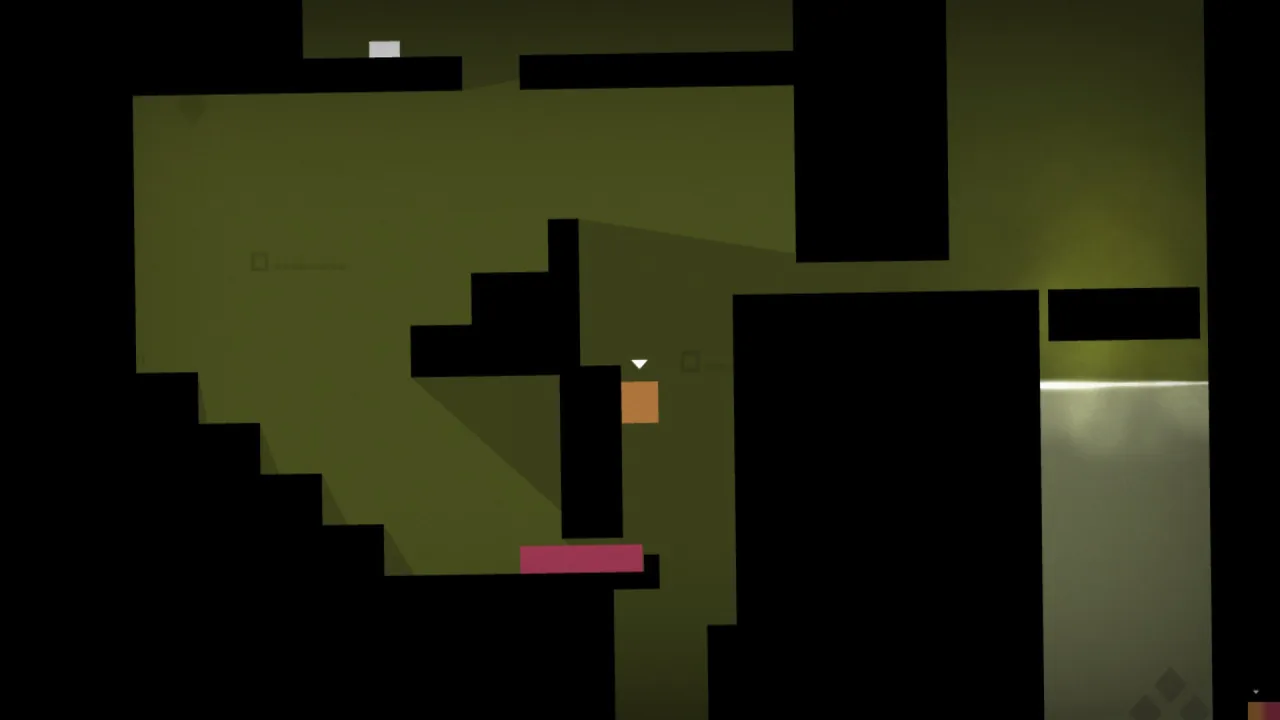
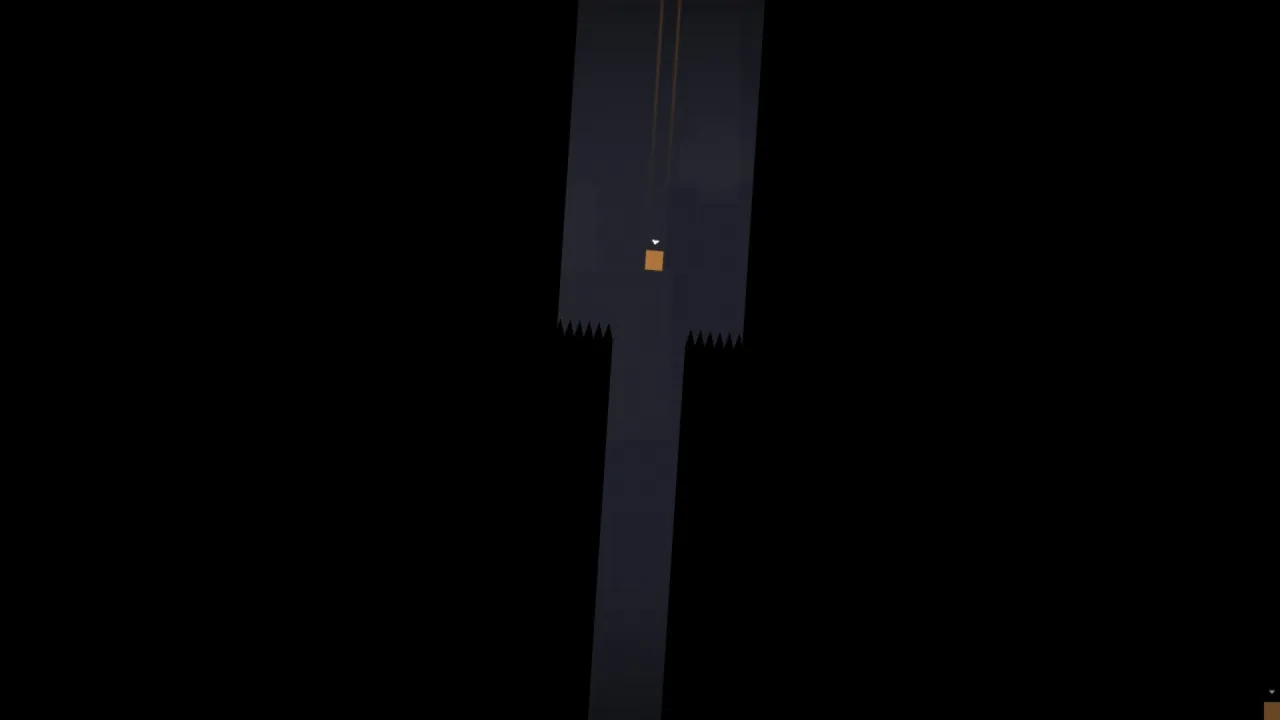
One rectangle jumps higher, another floats, and another can give its companions a bounce. Using their abilities together opens a route to each character's exit portal.
Personality in every move
A character's jump height or ability to float echoes the personality described by the narrator. As you move these faceless rectangles, they begin to feel like companions.
New characters change the puzzle
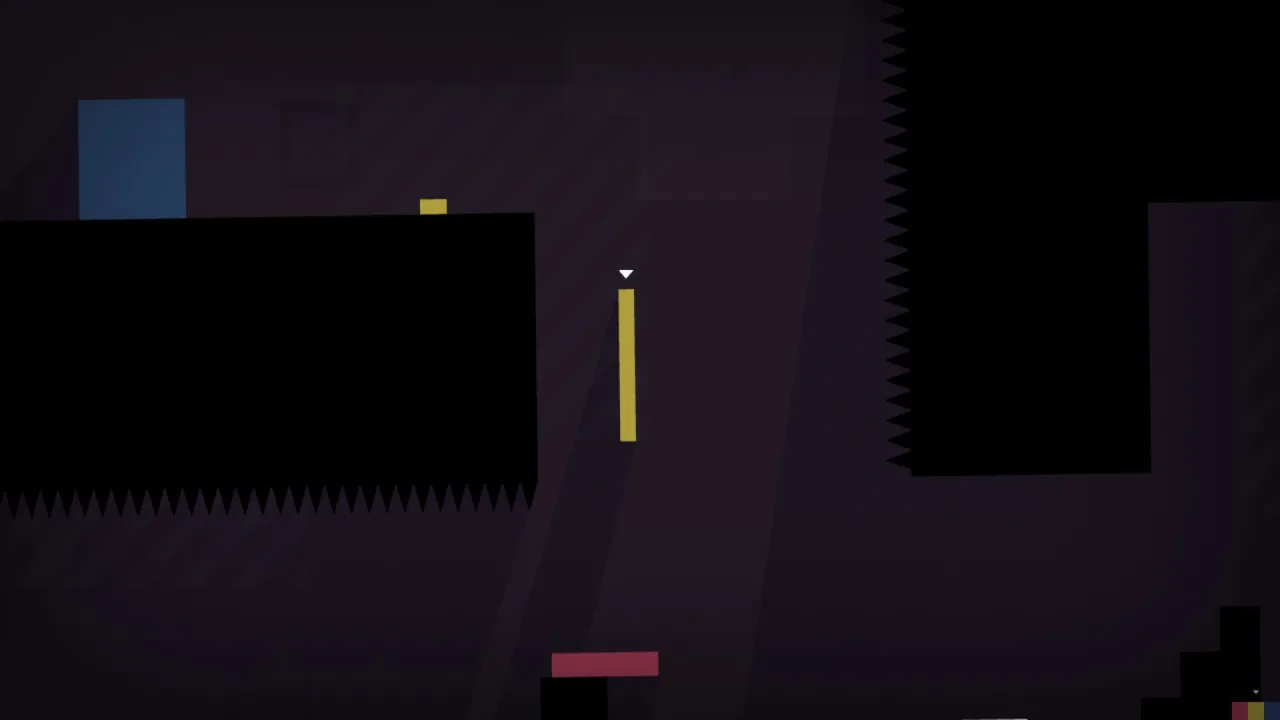
You begin with a jumping rectangle, then gradually meet characters with different abilities. Each addition gives you a new role to work into the moves you have learned.
Game details
As of Oct 29, 2026- Steam Deck
- Unsupported
- Release date
- Nov 13, 2012
- Developer
- Bithell Games
- Languages
- English (Full audio) / 1 languages total
A typical run
Guide everyone to their own exit.
Use each companion’s distinct abilities.
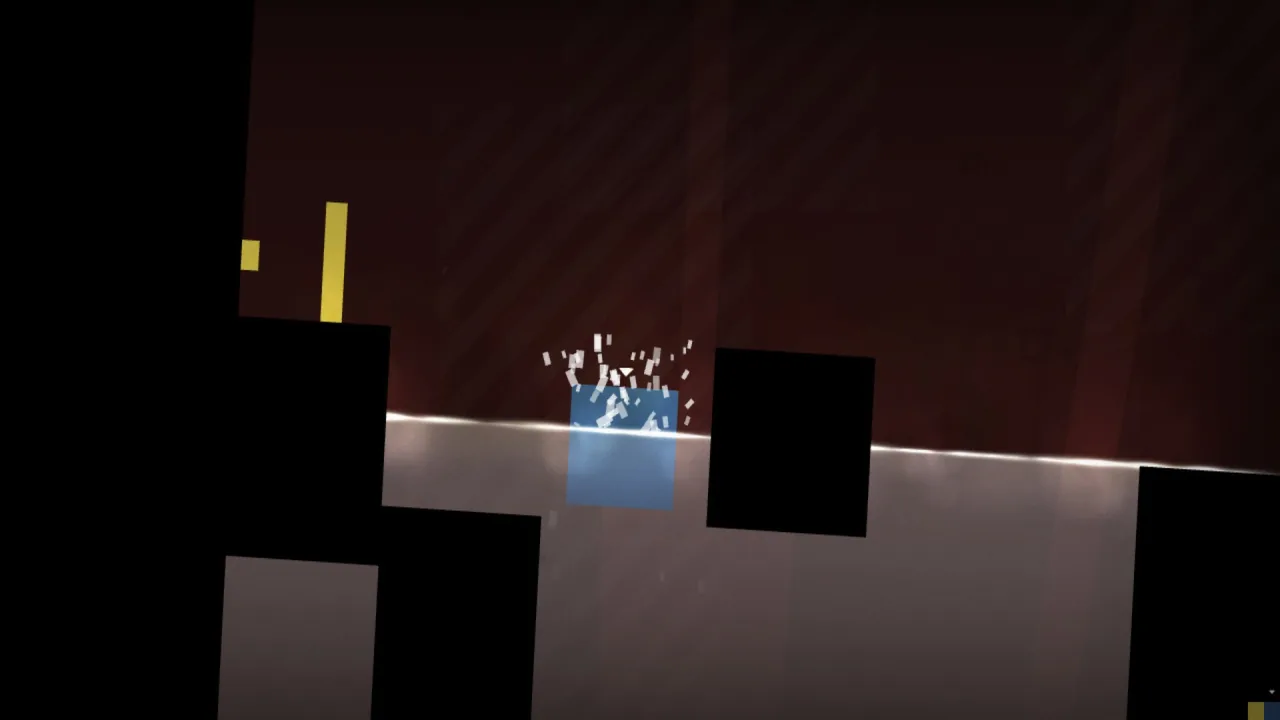
Bounciness is another ability.
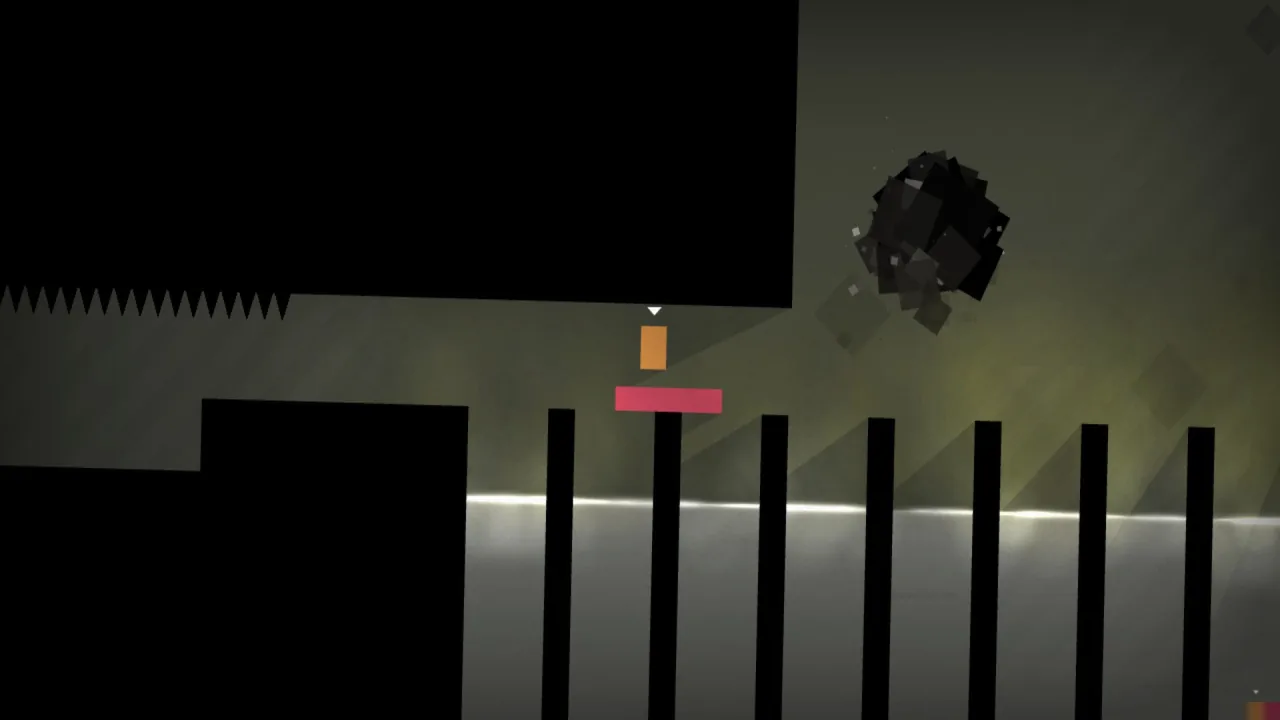
Consider how to move those left behind, not just the character that can advance.
Reviews also describe time spent moving and switching after solving a puzzle.
Core systems
Exit portals
Guide every character to their own exit portal.
Plan for companions needing assistance, not only those that can advance.
Individual abilities
Companions have different abilities.
Reviews praising gradual introductions offer a guide to learning their roles.
What sets it apart
Reviews weigh the appeal of different abilities against the work of managing movement.
Players describe narration and ability differences making simple shapes endearing.
Distinguish appreciation of moderate challenge from complaints about repetition.
Learning curve and difficulty
Separating independent movement from needed assistance is a way to plan the order.
Reviews of gradual mechanics suggest comparing how roles change between scenes.
Judge whether following the story matters to you, rather than expecting movement alone to carry the ending.
What players like
Narration or story makes the rectangular characters endearing.
Moderate challenges make for relaxed platforming.
Different characters’ abilities vary obstacle solving.
Minimalist shapes suit the presentation.
Gradual new mechanics make learning manageable.
Music supports the atmosphere of scenes and story.
Common complaints
Repeating simple solutions or movement can feel slow or monotonous.
Physics or missed inputs can interfere with precise jumps.
Managing and switching several characters can disrupt flow.
Late plot turns or endings can feel unsatisfying.
Players report music tracks overlapping unexpectedly.
Who it’s for
It suits considering abilities alongside narration and attachment to characters.
For gradual learning, consider reviews praising how mechanics are introduced.
Who might not enjoy it
For demanding execution alone, examine both praise and criticism of its simplicity.
If switching bothers you, read complaints about managing a larger group.
FAQ
- Should I expect demanding execution?
- Reviews also appreciate moderate challenge; this is not a promise of extreme execution difficulty.
- Can narration be my main reason to choose it?
- Weigh attachment to characters against complaints about repeated movement.
- May I stream it?
- The official terms grant a licence for personal use. We could not verify blanket permission to stream, so check with the developer before publishing.
These impressions are based on 81 Steam reviews sorted by “Most Helpful.” They do not represent the views of all buyers.

Image: Thomas Was Alone on Steam