Predy Media > Rhythm > Game page
Game pageRhythm Doctor: How It Plays and Who It Suits

Listen to a patient's heartbeat, then defibrillate on the called beat.
Beyond the story and its screen effects, you can chase ranks in Night Shifts or try custom levels.
What makes it fun
One button, changing rhythms
The game begins with a press on the seventh beat, then adds other target beats, patient lanes, polyrhythms, and changing time signatures. The button stays the same as you learn to count overlapping heartbeats.
Keep the beat as the window moves
In boss songs, the game window moves with the music and can hide visual cues. Listening for the heartbeat and keeping time as the view shifts makes each press tense.
Stories unfold through the treatment
A couple's strained relationship and a doctor's exhaustion are woven into songs and charts. As you press along with patients' heartbeats, the music reveals what is happening in the hospital.
Game details
As of Oct 29, 2026- Steam Deck
- Verified
- Release date
- Dec 7, 2025
- Developer
- 7th Beat Games
- Languages
- Japanese, English (Full audio), Simplified Chinese (Full audio), Korean / 10 languages total
A typical run
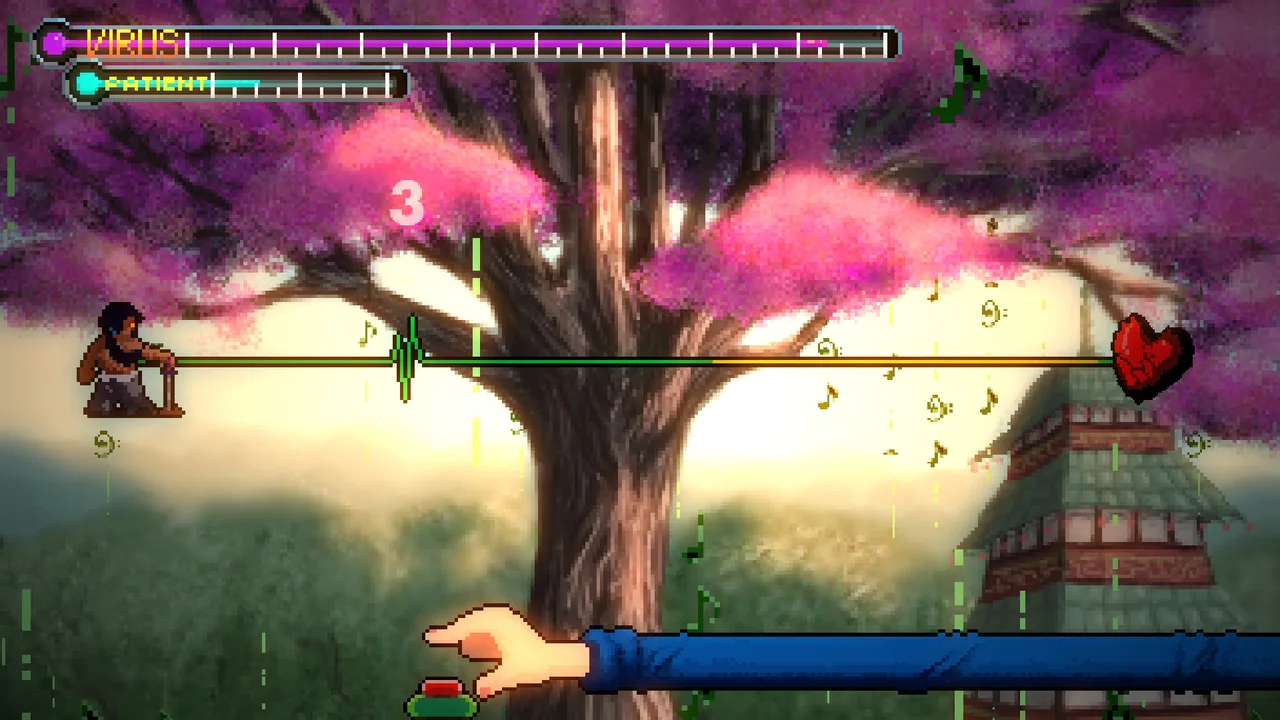
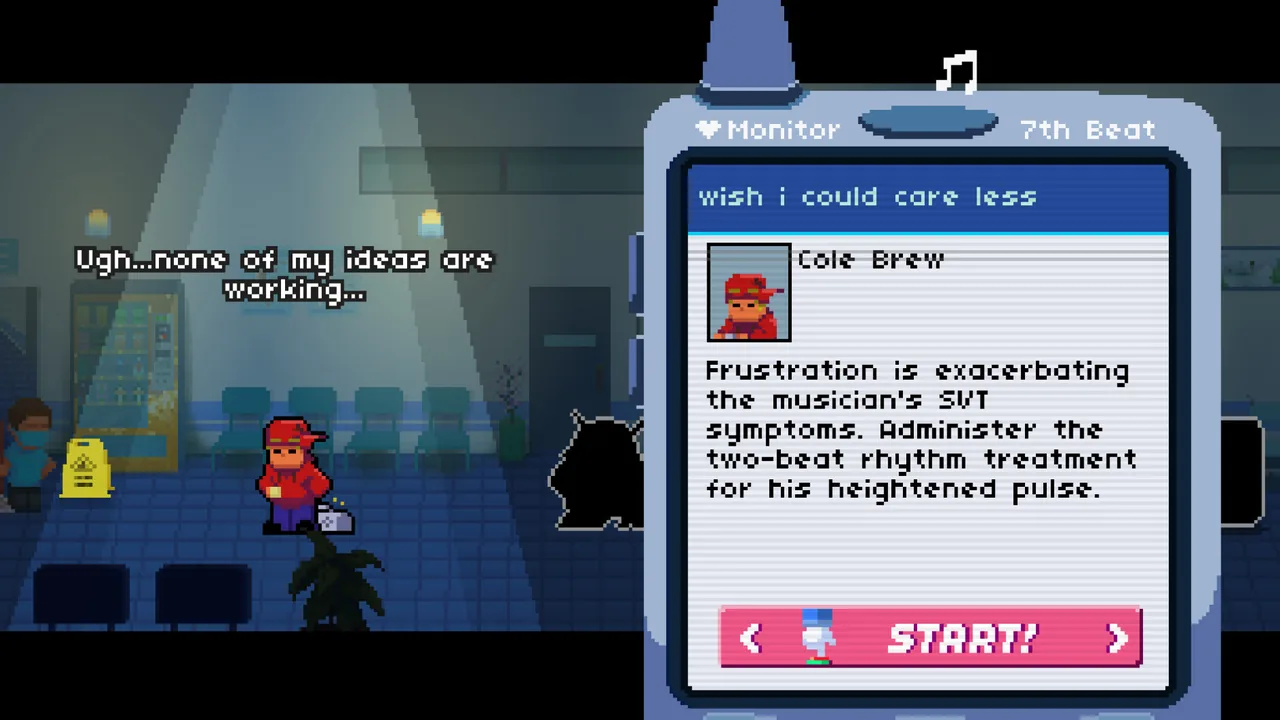
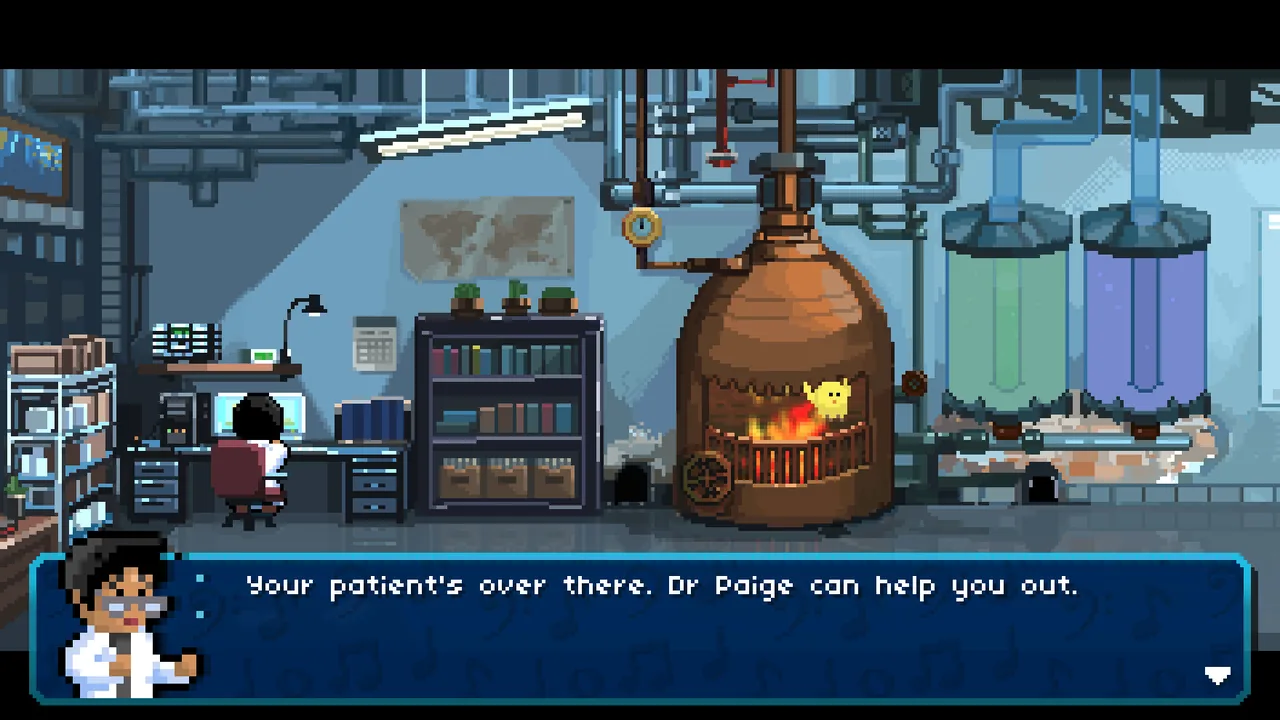
Choose a patient's stage in the ward. A short tutorial teaches each new rhythm when needed.
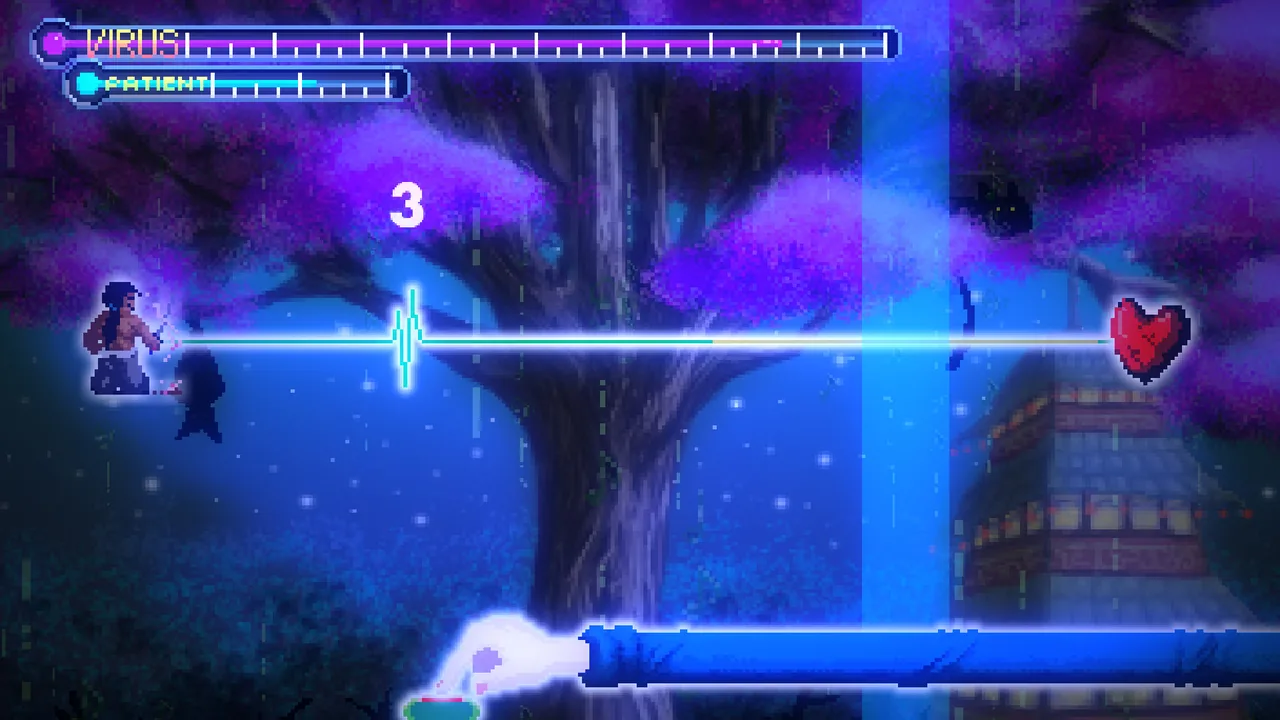
Once the song starts, listen for heartbeat cues and press on the seventh beat or another specified beat.
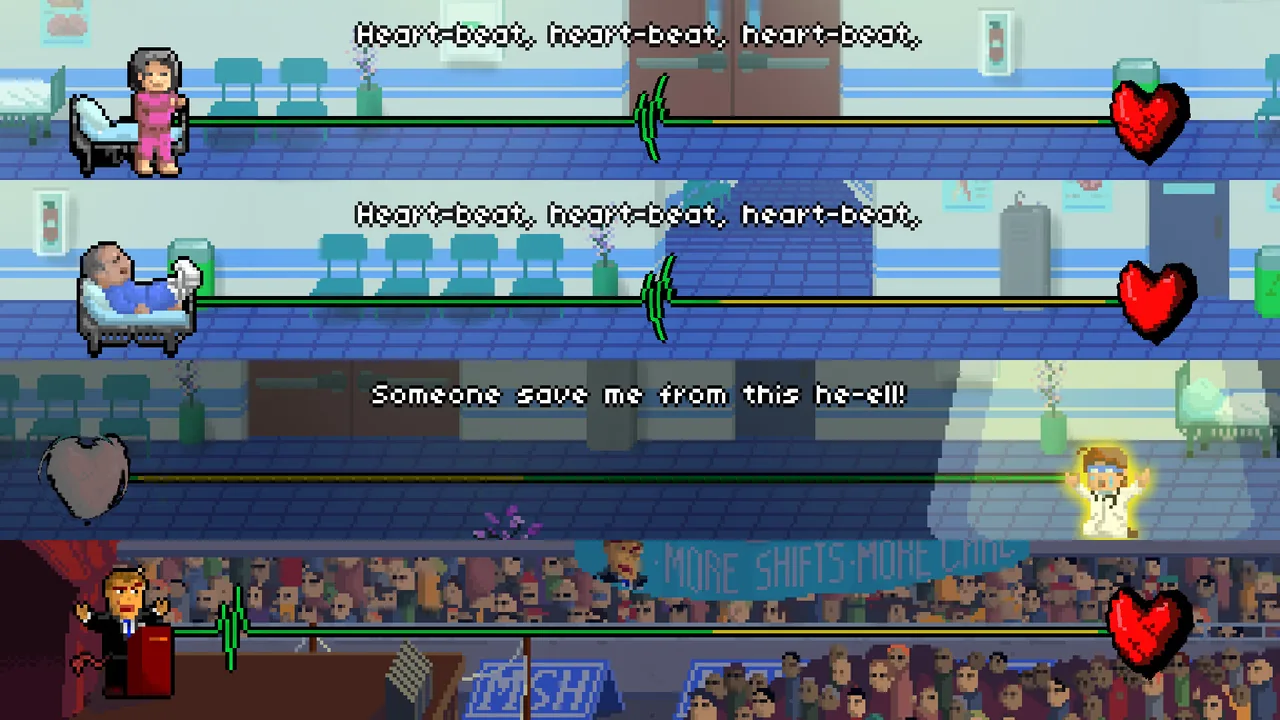
When patients overlap, keep each row's cycle running separately in your head.
Boss stages move the game window and disrupt the image. You still need to find the beat by ear.
A rank follows each song. You can continue the story, retry the song, or return for its Night Shift.
Core systems
Classic Beat
Count the preceding heartbeat cues and press Space on the seventh beat to treat the patient.
You can follow the visual marker or count the cycle by ear. When a stage disrupts the image, listening makes the beat easier to keep.
Polyrhythms and Irregular Time Signatures
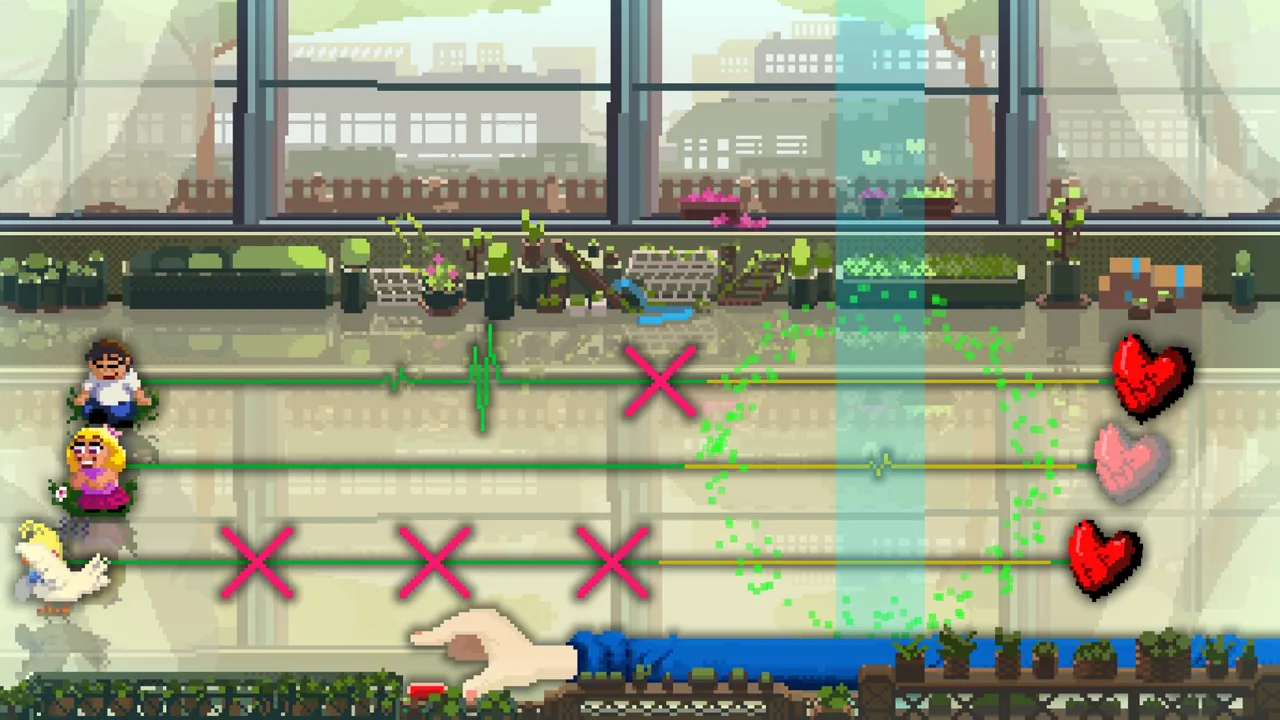
Different patient cycles can overlap, and the grouping of beats can change during a song.
Count each row's cue separately. If you give one patient all your attention, another cycle can slip away.
Window Dance
The game window moves or shrinks as part of the song and story staging.
Following the window can cost you the beat. In those passages, hold the tempo you just heard and press by ear.
Night Shift
Night Shifts revisit story stages with altered charts and tougher combinations.
A counting pattern learned in the regular chart may need reworking. Chasing a rank can also mean replaying the song to reach one troublesome passage.
Level Editor
Use your own music, place notes on beats, and build custom stages with backgrounds and visual effects.
Creators choose which sounds call for an input and whether an effect helps or distracts. Players can find finished charts on Steam Workshop.
Local Multiplayer
A friend can join or leave the story campaign during local cooperative play.
Listen for the handoff cue and work out whose beat comes next. Remote Play Together is available, though the developer warns about network latency.
What sets it apart
The button count stays the same. New counts and overlapping patient rows change what you do with that input.
The screen does not always help. A moving window or disrupted image leaves you relying on the tempo you heard.
A patient's condition and the events in the story enter the music and shape the chart.
Learning curve and difficulty
Early stages teach the seventh-beat count. Later songs add other beat types, overlapping rows, polyrhythms, and held inputs.
Reading notes quickly matters less than keeping a cycle after its cue has gone.
Difficulty settings can help you continue the story. Night Shifts and demanding ranks still call for recovering your count after a timing error.
If the difficult passage comes near a song's end, replaying the familiar opening to practice it can wear on you.
Builds and playstyles
Play by ear
Keep time with the counting voice and heartbeat cues, checking the screen for patient changes. That approach helps when Window Dance effects disrupt the view.
Follow the story
Lower the difficulty and follow the story and staging through to the end, leaving rank attempts for later. It is a way past a stage that has stopped your progress.
Chase ranks
Return to cleared songs and repeat the beats that still cause misses. Night Shifts ask you to adapt the count you learned in the regular charts.
Explore custom levels
After the campaign, look for charts on Steam Workshop. If you want to make one, the Level Editor lets you place inputs on a song's beats and arrange its backgrounds and effects.
What longtime players say
Players who followed development through its updates describe what it meant to reach the completed release. They also look back on the story and songs added along the way.
Rank chasers return even after clearing a song, replaying its chart until they earn the rank they want.
After the campaign, players return to listen to songs or move on to custom levels on Steam Workshop.
Players who do not rely on sight value the distinct audio cues and built-in screen narration.
What players like
Across changing musical styles, the counting voice and heartbeat cues remain easy to pick out from the accompaniment. Players who follow the beat by ear point to that clarity.
Patients' and doctors' stories enter the charts and mid-song staging. For players following the campaign, the way earlier events reconnect near the end stays with them.
The opening seventh-beat count grows into other beat types and overlapping rows. Players enjoy having to change how they count from song to song while using the same button.
A window moving with the music makes a strong first impression. Players also describe the pressure of holding the beat by ear when the screen stops being dependable.
After the campaign, the Level Editor offers a place to make charts, while Steam Workshop offers demanding ones to try.
Difficulty settings and checkpoints help players who want to see the story move on. Others keep replaying songs for their ranks.
Players with visual impairments value following the beat and story without watching the screen, using audio cues and screen narration.
Common complaints
From the middle of the campaign, new beat types and patient rows start to overlap. Night Shifts alter the charts again. Players describe getting stuck and retrying even after lowering the difficulty.
Later stages can feel closer to memorizing a pattern than listening for a rhythm. A miss near the end of a song also means replaying familiar parts before another attempt at that passage.
Tutorials before new mechanics can slow the pace for players eager to get to the next chart. Mid-song story inserts can interrupt it too.
Strong flashing is a concern. A player reports that the remaining effects made the game unplayable even with Reduced Flashing enabled.
Who it’s for
It suits players who like holding a heartbeat cycle by ear. When the window moves, the count still has to continue without a reliable visual marker.
It fits players who enjoy a patient's story unfolding through the song and its screen effects, including the surprise of seeing a stage for the first time.
Night Shifts give rank chasers altered charts after the campaign. Players seeking new charts can turn to custom levels.
Who might not enjoy it
If you want to play charts back to back, the tutorials and story inserts may make the gaps between songs feel long.
If strong flashing affects you, take care: Reduced Flashing does not remove every potentially uncomfortable effect.
FAQ
- Can I play in Japanese, Simplified Chinese, or Korean?
- All three support interface text and subtitles. Simplified Chinese also has full audio; Japanese and Korean do not.
- Does it support cooperative play?
- You can play the full story in local co-op. Remote Play Together is available, though the developer warns that latency can interfere.
- Can I adjust the difficulty?
- Yes. Settings can help you continue the story, while Night Shifts offer altered charts to tackle.
- Can flashing effects be reduced?
- The Accessibility menu includes Reduced Flashing. The developer says it does not remove every effect that could cause eyestrain.
- What is available after the story?
- You can play Night Shifts, collaboration stages, and Steam Workshop levels, or make stages with the Level Editor.
These impressions are based on 100 Steam reviews sorted by “Most Helpful.” They do not represent the views of all buyers.

Image: Rhythm Doctor on Steam