Predy Media > Colony sim > Game page
Game pagePlan B: Terraform Features and Reception
Who Is It For?
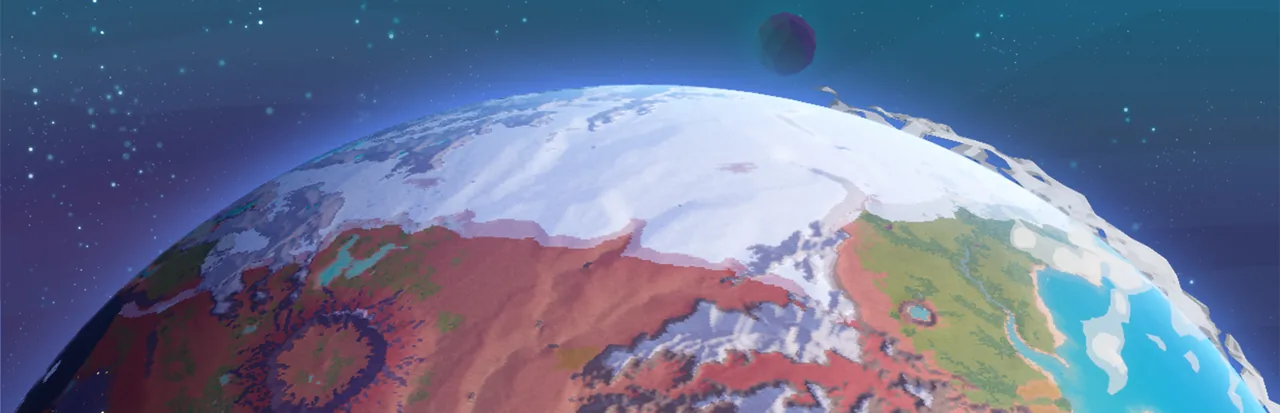
Plan B: Terraform is an automation game about supplying cities across a planet whose temperature, waterways, and vegetation keep changing.
Its appeal lies in clearing Depot bottlenecks, then rerouting freight when cities demand new goods or lowland facilities flood.
What makes it fun
Build around rising water
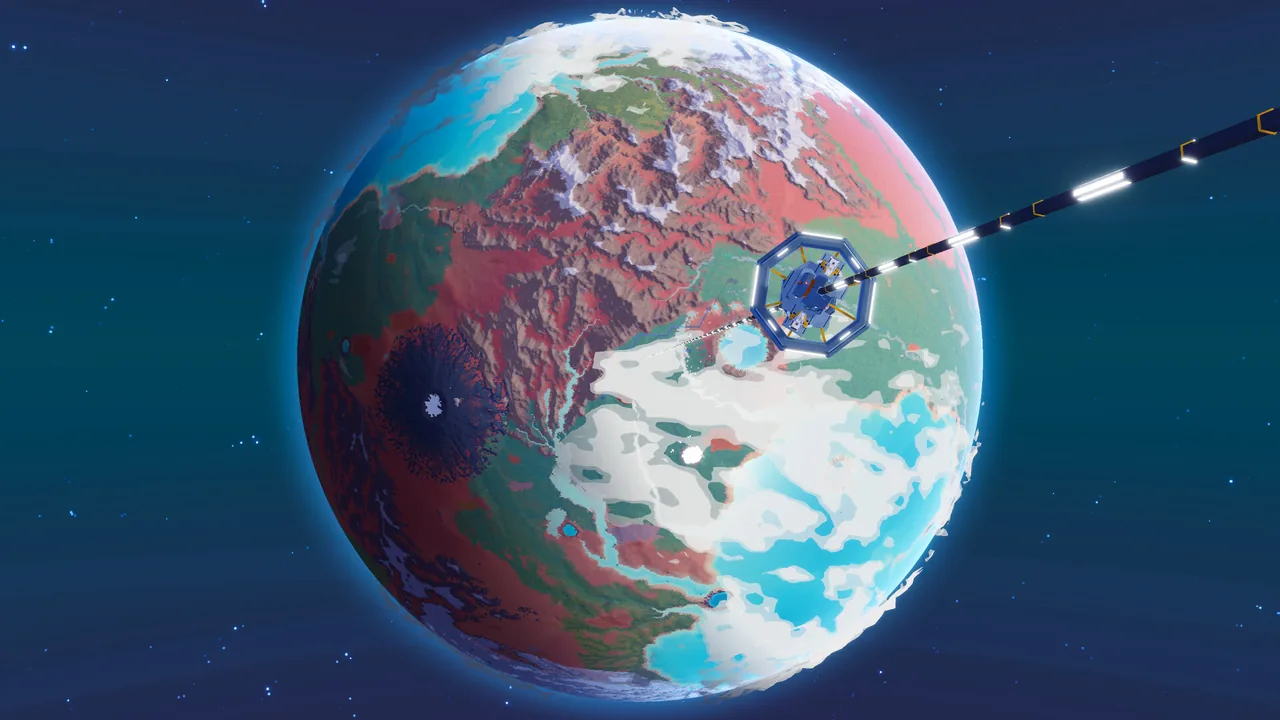
Greenhouse Gas Generators warm the planet, bringing rivers and seas into the space your factories and routes use. Deciding what to move and where boats could take over makes the changing landscape part of the logistics puzzle.
Keep up with a growing city
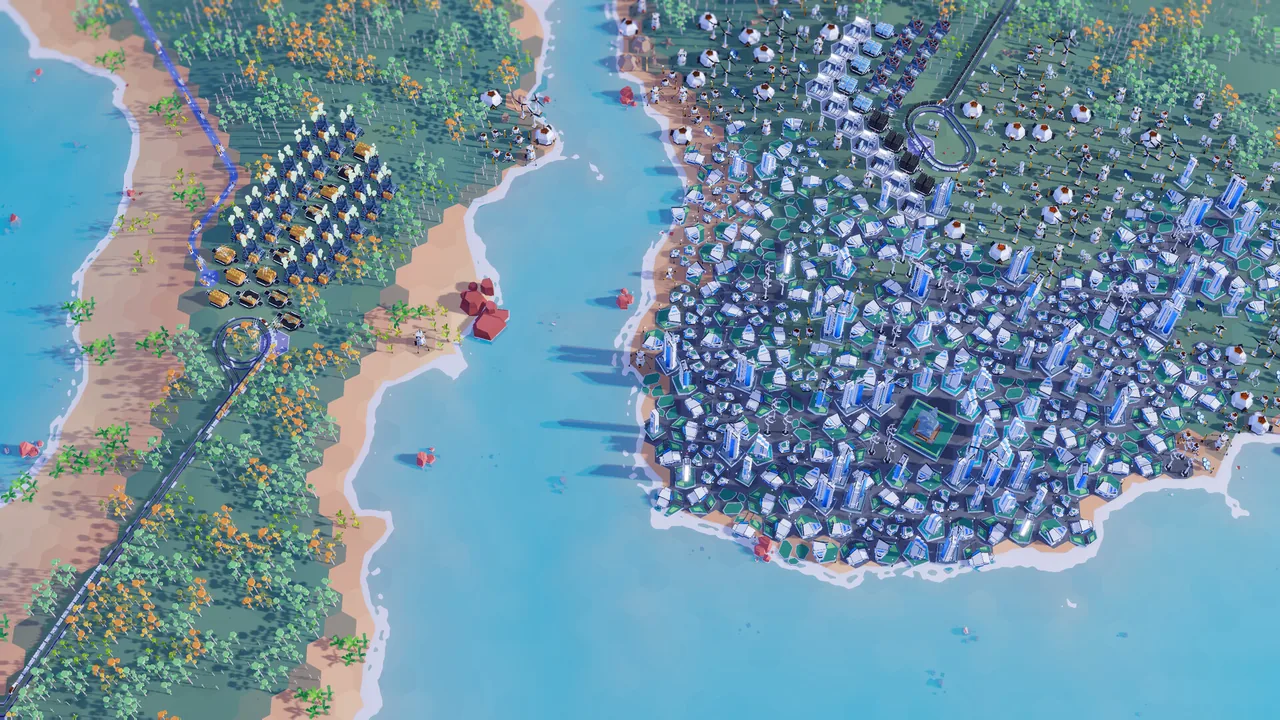
Deliver goods to a Supply Center and the city grows, changing what it needs and how much. Tracing a shortage back through your network, then choosing between more production and a new delivery route, is a satisfying problem to solve.
Game details
As of Oct 29, 2026- Steam Deck
- Playable
- Release date
- Aug 29, 2025
- Developer
- Gaddy Games
- Languages
- Japanese, English, Simplified Chinese, Korean / 16 languages total
A typical run
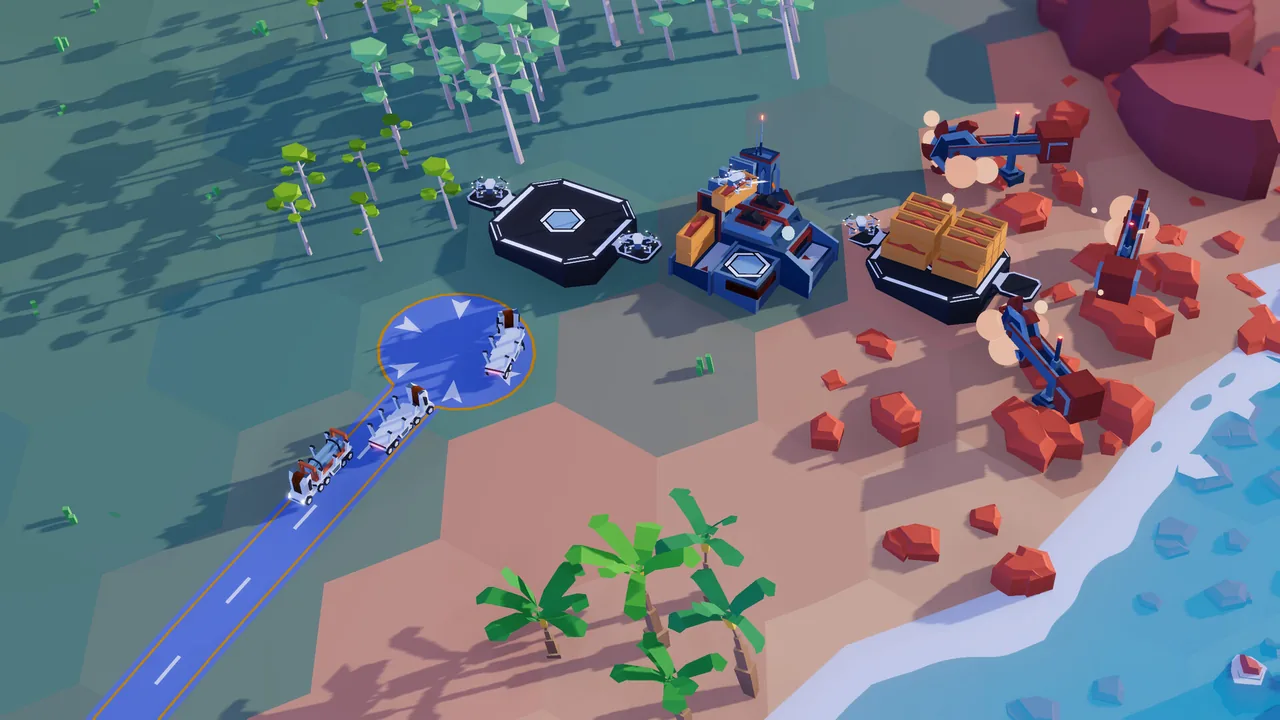
Place Extractors on mineral deposits, then use Factories and Assembly Plants to turn resources into goods and equipment.
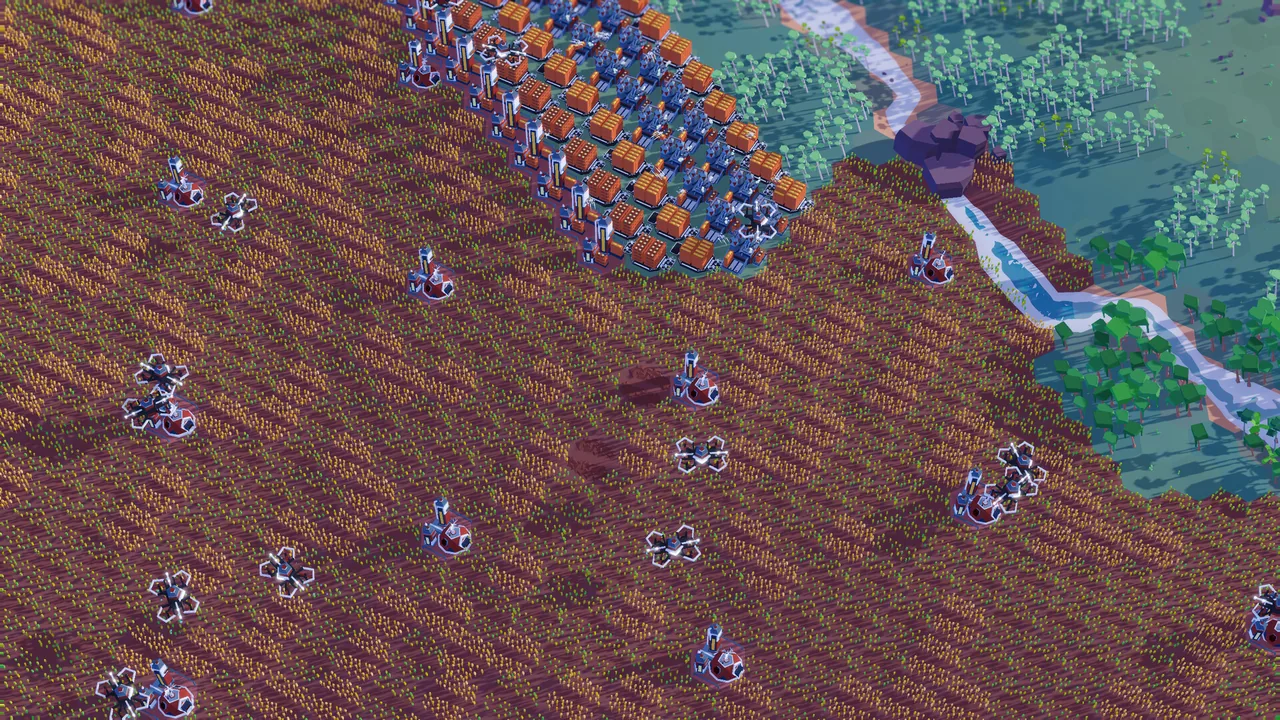
Depot drones link buildings to transport routes and carry each city's requested goods to its Supply Centers.
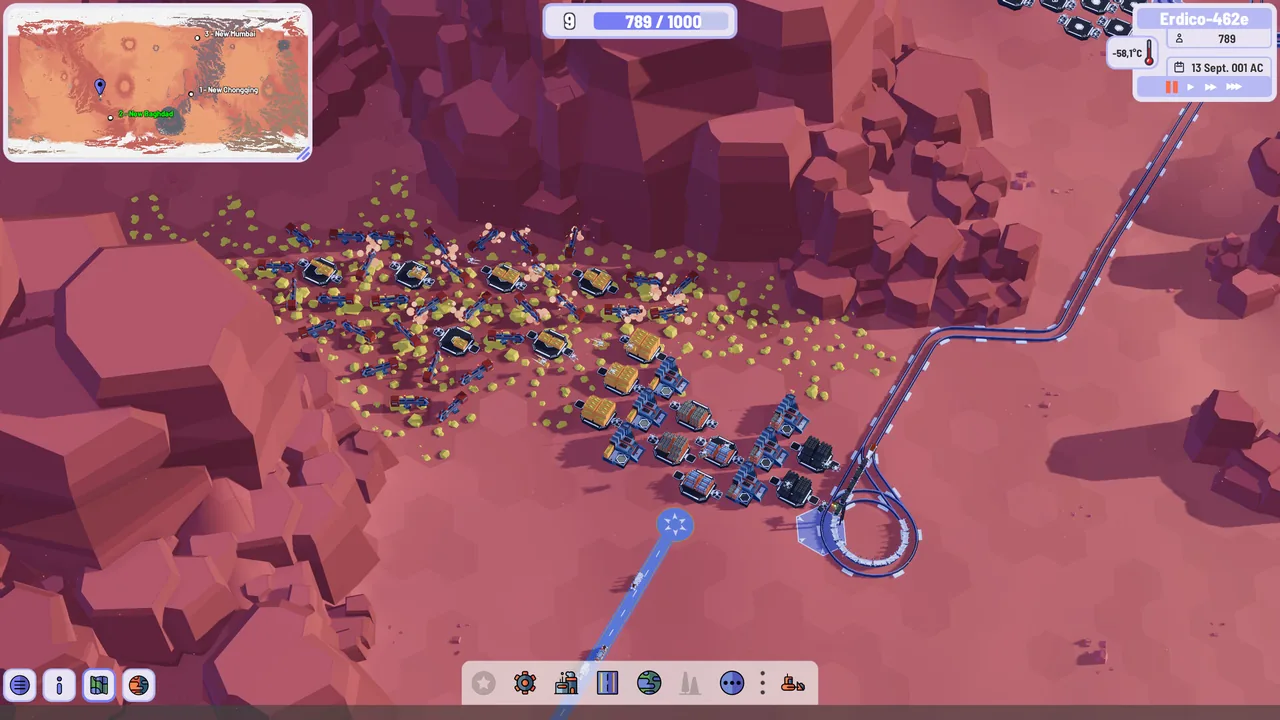
As cities grow, their required goods and waste output change. You expand production and revise delivery and collection routes.
Greenhouse Gas Generators warm the planet, changing ice, water, rainfall, and vegetation. Facilities in the path of rising water may need to move.
Larger city populations earn research points faster. Tech Tree choices unlock buildings, transport upgrades, and terraforming tools.
Core systems
Tech Tree
Research points accumulate faster as city population grows. They unlock buildings, transport upgrades, and ways to change the planet.
If deliveries to a city are stalling, you might unlock a transport upgrade first. You can also choose a tool that prepares your network for later environmental change.
Depot
Its drones carry containers between producers, consumers, and transport stops within range.
Check storage, range, and how busy the drones are before placing one. Cover too many buildings with a single Depot and loading at a transport stop can fall behind.
Supply Center
Placed beside a city, it receives the goods that city requests. The items and quantities change as the city grows.
When deliveries fall short, decide whether to raise production or split incoming freight between more Supply Centers and Depots. Slow waste collection also affects city growth.
Waste Disposal and Recycling Center Waste Disposal / Recycling Center
Waste Disposal beside a city collects waste. Recycling Centers turn the collected waste back into usable resources.
You can process waste near the city or carry it to a more distant production site. Even with goods arriving, slow waste removal can affect growth.
Greenhouse Gas Generator
It releases greenhouse gases to warm the planet, changing where ice, liquid water, and plants can exist.
Before warming the planet further, check lowland deposits and freight routes. You can wait until mining and relocation are done or proceed while planning for flooding.
Water (terraforming)
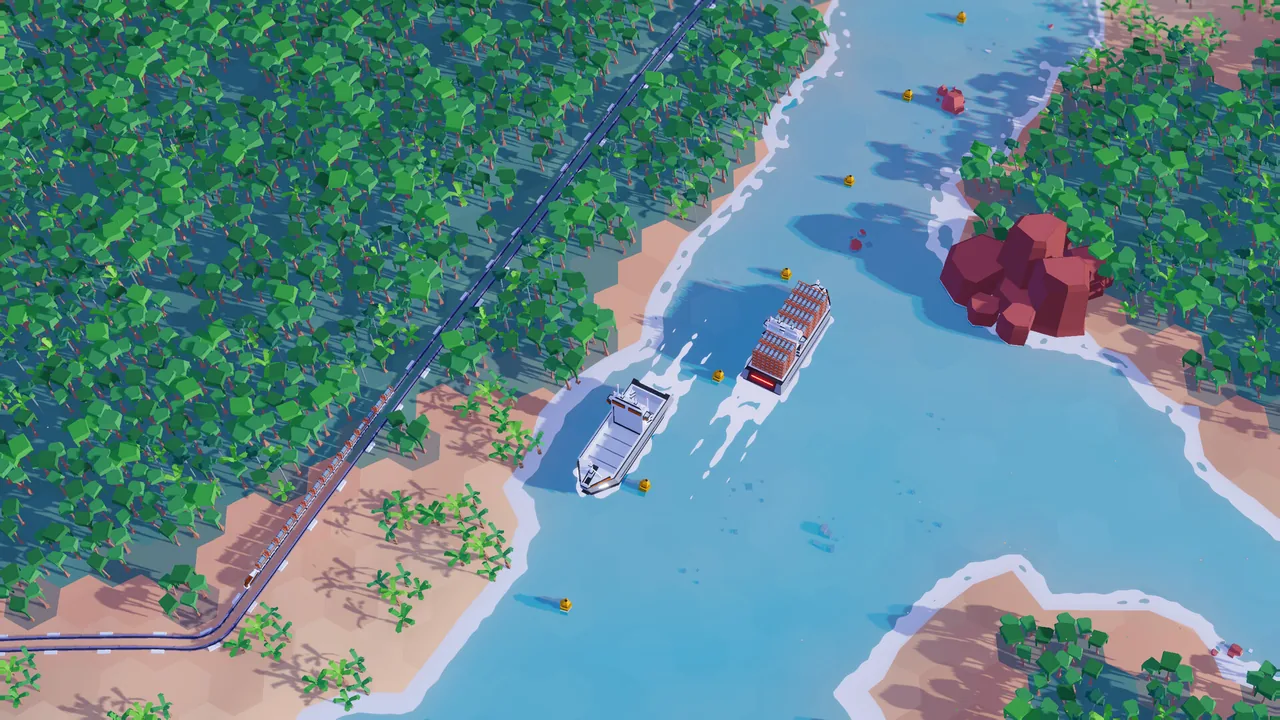
As temperatures rise, rivers and seas form, wet ground spreads, and waterways open to ships.
Move lowland facilities uphill, protect selected ground with dams, or use the new water for shipping. Leaving more equipment in lowlands means more relocation later.
What sets it apart
There are no power grids, fuel supplies, or vehicle collisions to manage. When freight stalls, you look at Depot drones and the capacity of long routes.
Terraforming can flood factories, create wet ground, and open waterways for ships. Changes to the planet lead directly to changes in the freight network.
Buildings are easy to replace, but city demands and terrain keep changing. You repeatedly decide whether to extend an existing route or move an entire hub.
Learning curve and difficulty
Starting settings can ease resource depletion and city consumption.
Enough factory output does not guarantee delivery. Depot drones and loading at transport stops can still hold goods up, so you need to trace where freight stops moving.
Preparing processing facilities and waste collection before a city asks for new goods can reduce the slowdown after its requirements change.
One approach is to put trunk routes and industry on high ground, leaving lowlands for facilities that are easier to relocate.
Builds and playstyles
Processing Near the Mines
Process ore near its deposit before sending goods onto intercity trunk routes. This reduces the raw material load over long distances.
Staggered City Growth
Concentrate equipment and freight on a chosen city before developing the others. Use the unlocked tools and lessons from that layout in the next city.
High-Ground Backbone
Place industry and trunk routes above likely flood zones. Use lowlands for mining and facilities that are easier to move, reducing the chance of relocating the entire backbone as seas expand.
Recycling Priority
Move waste out of cities early and route recycled resources back into production. Setting Backup Supply on facilities or transport stops receiving mined resources can help recycled stock get used first.
What longtime players say
Longtime players describe the late game bringing larger city demands and more waste to remove. Expanding production and revising supply routes can start to feel repetitive.
Spreading water forces another look at lowland mines and factories. Longtime players describe both the appeal of that change and the work of moving infrastructure.
For other longtime players, the changing planet is a reason to keep trying new layouts and routes. They continue looking for new ways to supply cities after a network is already running.
What players like
Rivers, seas, and forests alter the view and the placement of buildings and routes. These players enjoy revising their plans around the new water as well.
The game moves from early mining toward city supply and new equipment. Players appreciate having time to learn each newly unlocked system.
Growing cities change the goods and quantities they need, while adding waste collection to the job. Players enjoy rebuilding supply routes in stages.
With no time limit, players can fix a blocked route at their own pace. Reviews also mention settings that ease resource depletion and city consumption.
Skipping power and vehicle collisions lets players focus on city deliveries and production across the planet.
Selection, copy, cut, and paste tools make it easier to revise layouts when flooding or new city demands disrupt them.
Common complaints
Late in the game, cities need more goods and produce more waste, calling for further production and supply route changes. Waiting for population growth can add to the sense of repeating the same work.
Depot drones, loading at transport stops, and route restrictions can all hold up freight. Repeatedly adding or moving the same buildings to clear those limits wears on these players.
Players report difficulty judging when and where water will spread or how it will flow after terrain changes. Moving flooded lowland mines and factories adds to the work.
As cities and factories spread, players report stuttering while moving the view and slower performance.
Who it’s for
It suits players who would rather find overloaded Depot drones and expand long freight routes to meet city demand than manage vehicle collisions.
It also suits players who enjoy moving working factories and redrawing supply routes when flooding or new goods upset the layout.
Who might not enjoy it
Players who want a production layout to stay in place may find late game expansion and waste collection tiring.
If you want to predict water precisely and shape terrain with immediate, clear results, its slow and hard to read changes may frustrate you.
FAQ
- Is the game available in English?
- Yes. The interface supports English.
- Does it have cooperative play?
- No. Steam lists it as a single-player game.
- Can the difficulty be adjusted?
- Yes. Starting settings can change resource depletion and city consumption.
- Is there additional content?
- Worlds of Fire and Water adds planets based around fire and water. A free update released alongside it added the Tech Tree, transport upgrades, and terraforming tools.
These impressions are based on 100 Steam reviews sorted by “Most Helpful.” They do not represent the views of all buyers.
Image: Plan B: Terraform on Steam