Predy Media > Colony sim > Game page
Game pageOxygen Not Included Features and Reviews
Who Is It For?
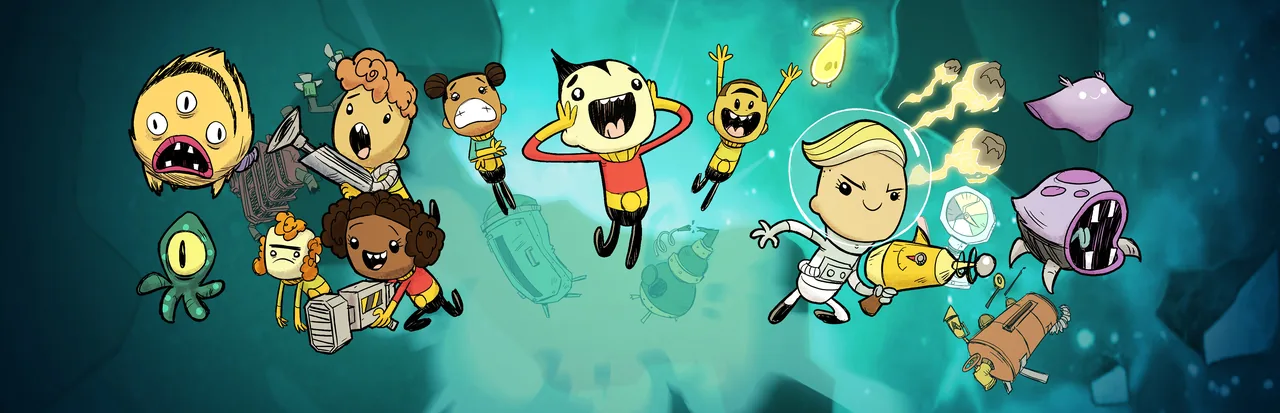
Heat, gases, liquids, power, and Duplicant labor can set off problems across the colony.
It suits players who enjoy tracing a collapse through their pipes and heat flow, then rebuilding the design.
What makes it fun
Trace a colony's problems to their source
Following the oxygen and tracking where heat builds up can reveal how an earlier excavation or machine placement caused today's problem. The fun is in finding the cause and rebuilding around it.
Design a route for wastewater
You can collect and treat wastewater from toilets, account for germs, and route the water into another process. The fun extends beyond placing a bathroom to designing where its output goes.
Let stored power control generation
You can automate generators based on how much power is stored. Set the conditions with fuel use and heat in mind, then watch the power grid follow the rules you built.
Game details
As of Oct 29, 2026- Steam Deck
- Verified
- Release date
- Jul 31, 2019
- Developer
- Klei Entertainment
- Languages
- English (Full audio), Simplified Chinese (Full audio), Korean (Full audio) / 4 languages total
A typical run
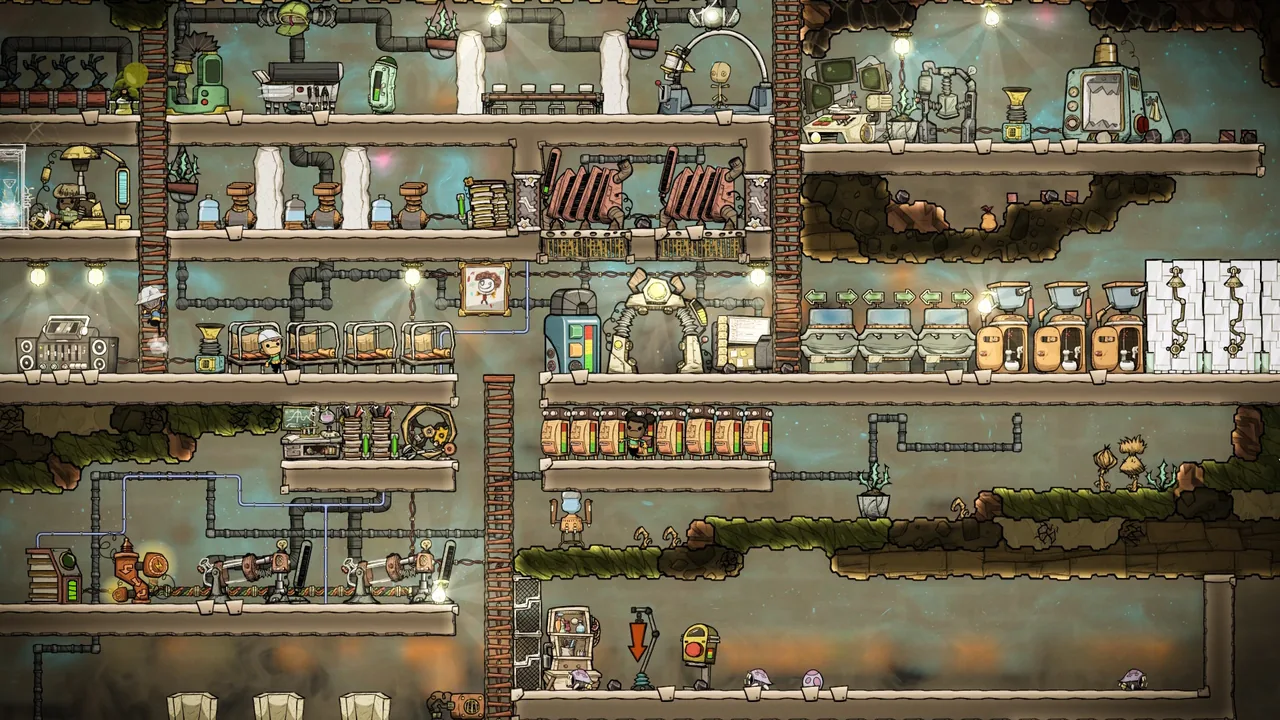
Choose Duplicants, dig into the rock, and provide beds, food, and sanitation.
Survey nearby materials. As you expand the living area, watch where oxygen reaches and carbon dioxide collects.
Research plumbing, ventilation, and power. Connect farming and ranching to the colony's food and resource production.
As the colony grows, you can treat wastewater and feed usable output into another process.
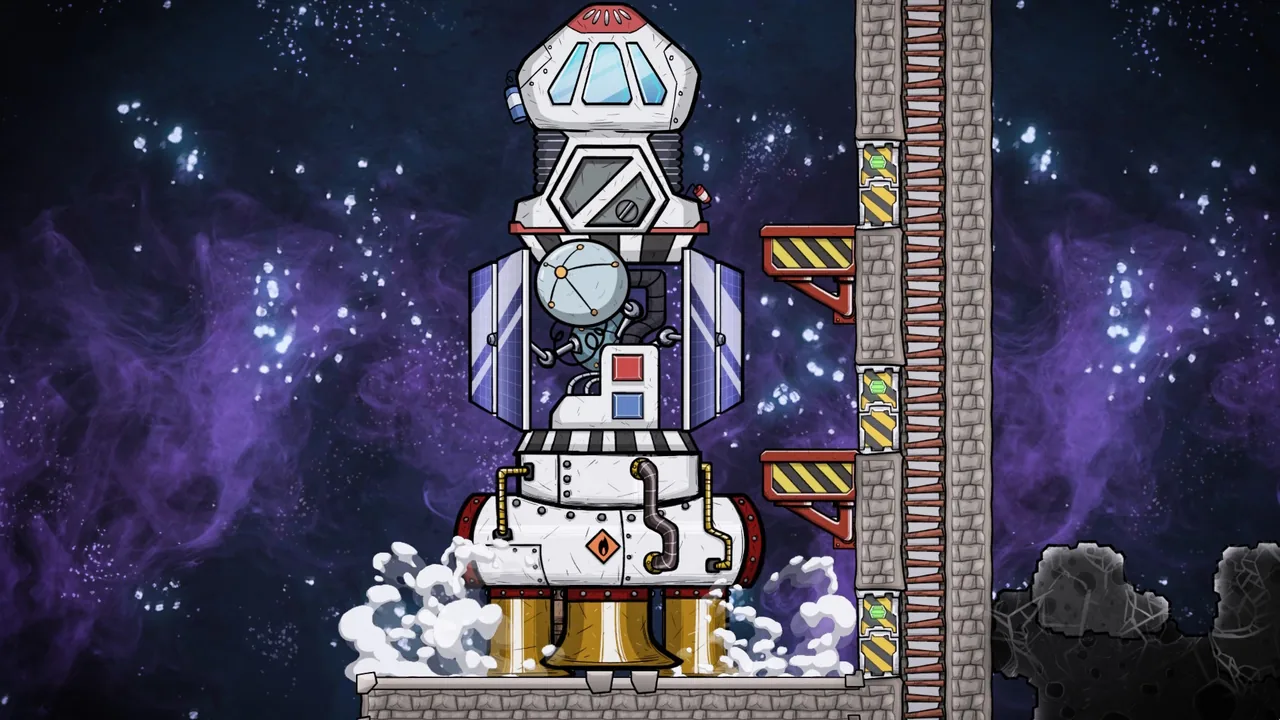
Once production keeps running, space exploration and other projects remain open.
Core systems
Stress Simulations
Living conditions, food, and morale affect Duplicant stress. Each Duplicant has a particular reaction when stress reaches its limit.
Check morale before assigning more skills. If it falls short, decide how much to put into rooms and food.
Thermodynamics
Heat from equipment moves into nearby materials, affecting crop temperatures and machinery.
Move heat-producing work away from living areas, insulate it, or transfer heat into another material. Cooling equipment may generate heat too, so check where that heat ends up.
Complex Gas and Liquid Simulations
Gases and liquids spread through the environment. Inside conduits, they follow connection and flow rules.
Use pumps and filters, or put terrain and gas accumulation to work. Overlook conduit crossings, temperature, or the output destination, and you may have to reroute the system later.
Power Grid Simulations
Generation consumes fuel, while machinery adds load and heat. Where and when you run generators affects the rest of the colony.
Keep generators running, or have them shut off according to stored power. Running them only when needed cuts fuel use and heat.
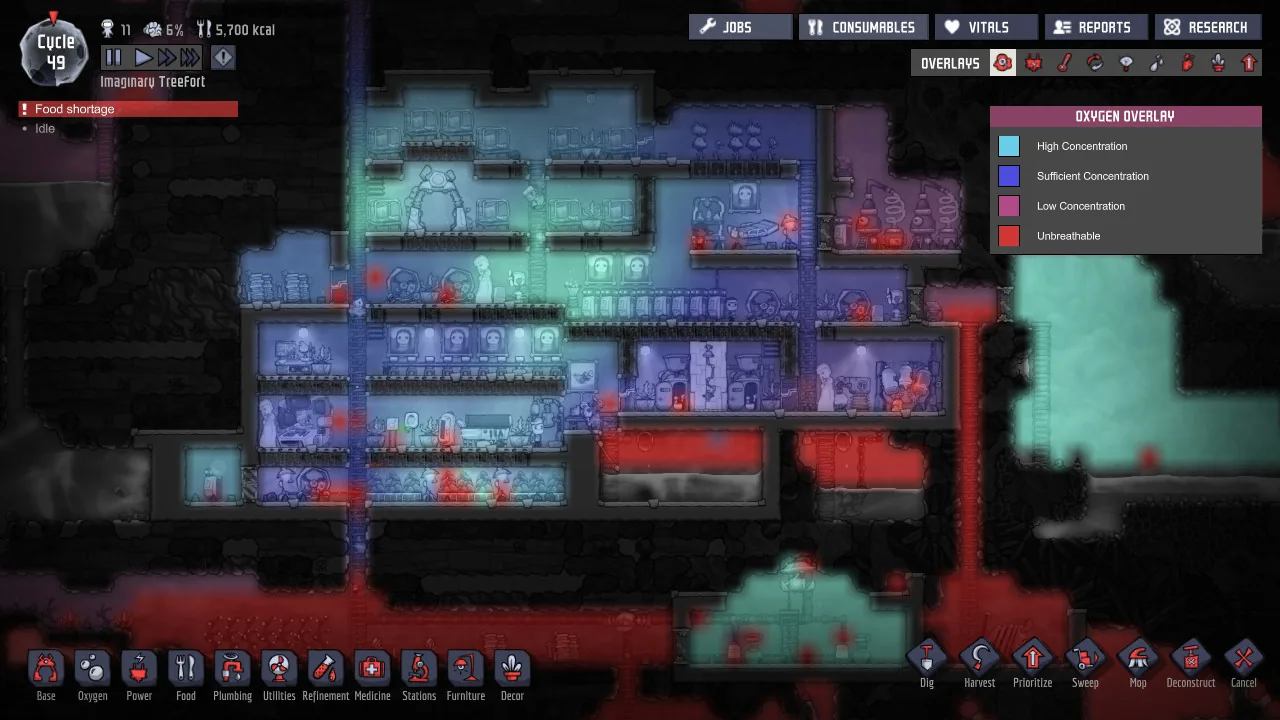
Oxygen Overlay
The overlay shows the distribution of breathable air, making oxygen shortages and carbon dioxide buildup easier to locate.
Before adding oxygen production, check whether the passages or room shapes need changing.
Extreme Recycling
Waste and byproducts can be treated and used as resources in another production process.
Move waste out of the way, or add treatment equipment and return it to production. A reuse loop also brings heat, germs, and power use to manage.
What sets it apart
Placing a building leaves questions about how materials reach it and where its output goes. Heat, byproducts, and Duplicant travel routes are part of the design.
A poor plumbing or excavation choice can cause trouble long after the colony seemed stable. A breakdown gives you an earlier decision to trace.
Combat is not the focus. You learn how gases and heat move, then rebuild the process that stopped working.
Learning curve and difficulty
At the start, you can choose Survival or No Sweat and adjust pressures on Duplicants such as hunger and stress.
No Sweat still leaves you watching where oxygen reaches and what goes into and comes out of buildings. You also have to learn how temperature fits into a working base.
With experience, you check where heat will collect and how long resources will last before patching an immediate shortage. Long Duplicant travel routes become part of expansion plans.
Once the colony settles down, you can build automation and resource loops, then leave them running long enough to find the next heat or power bottleneck.
Builds and playstyles
Resource Loop
Treat sanitation wastewater and power-generation byproducts, then return usable resources to production. This conserves inputs but adds plumbing, germs, and heat to manage.
Sensor Automation
Use temperature, gas pressure, and stored power as sensor inputs. Signals then run generators, pumps, and cooling equipment under the conditions you set.
Compact Low-Population Colony
Delay recruitment to keep oxygen and food consumption low. Expansion takes longer, but it is easier to see whether the current supply meets demand.
Ranching Production
Manage creature food, temperature, and reproduction, then use their products for food or industrial materials. You need ranch space and Duplicant time for care.
What longtime players say
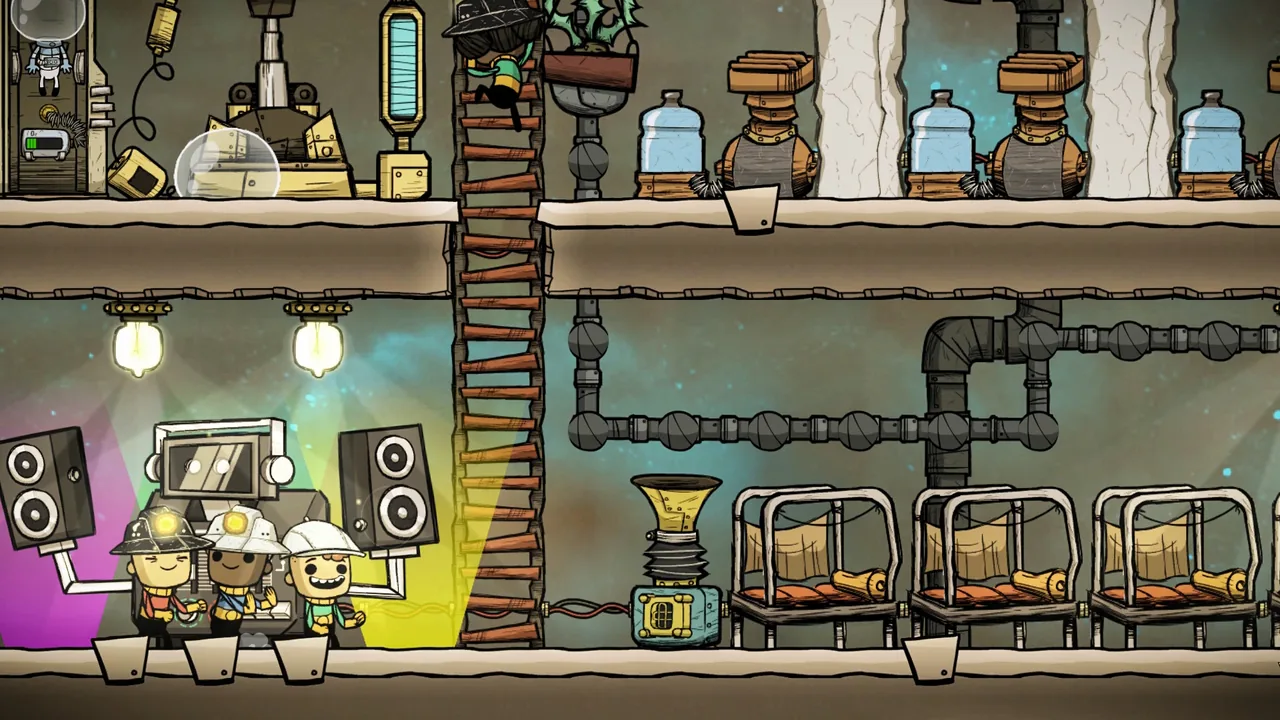
After survival is secure, players can set goals such as expanding farms or rebuilding automation. Longtime players describe the pleasure of continuing to test new equipment.
Longtime players welcome updates that add equipment and ways to play. Changes to familiar ranching and food-production designs can also frustrate them.
Shared designs offer a starting point. Players enjoy rebuilding their modules to suit their own colonies and understanding of the rules.
After building a resource loop, players may leave it running to see where heat or supply fails next. Watching the finished system is part of the activity.
What players like
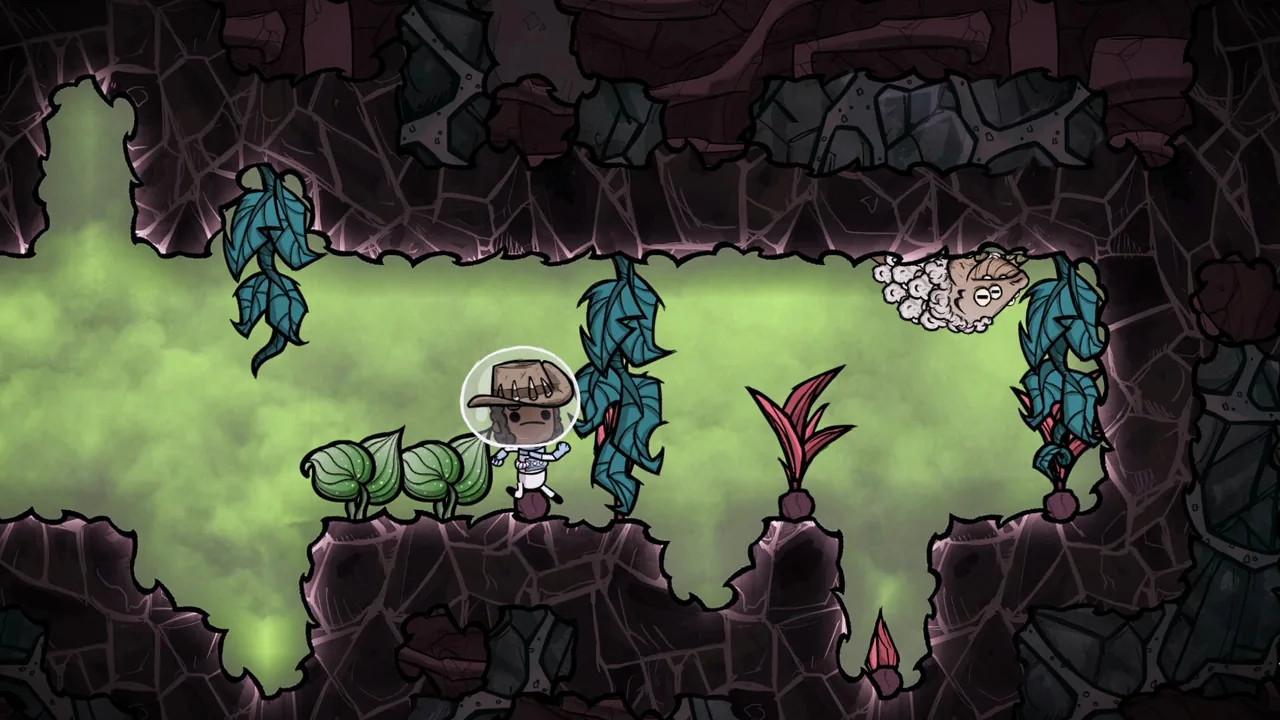
Early oxygen and carbon dioxide problems lead into plumbing, power, and heat that can halt crops. Players enjoy how food and Duplicant stress remain tied to those systems.
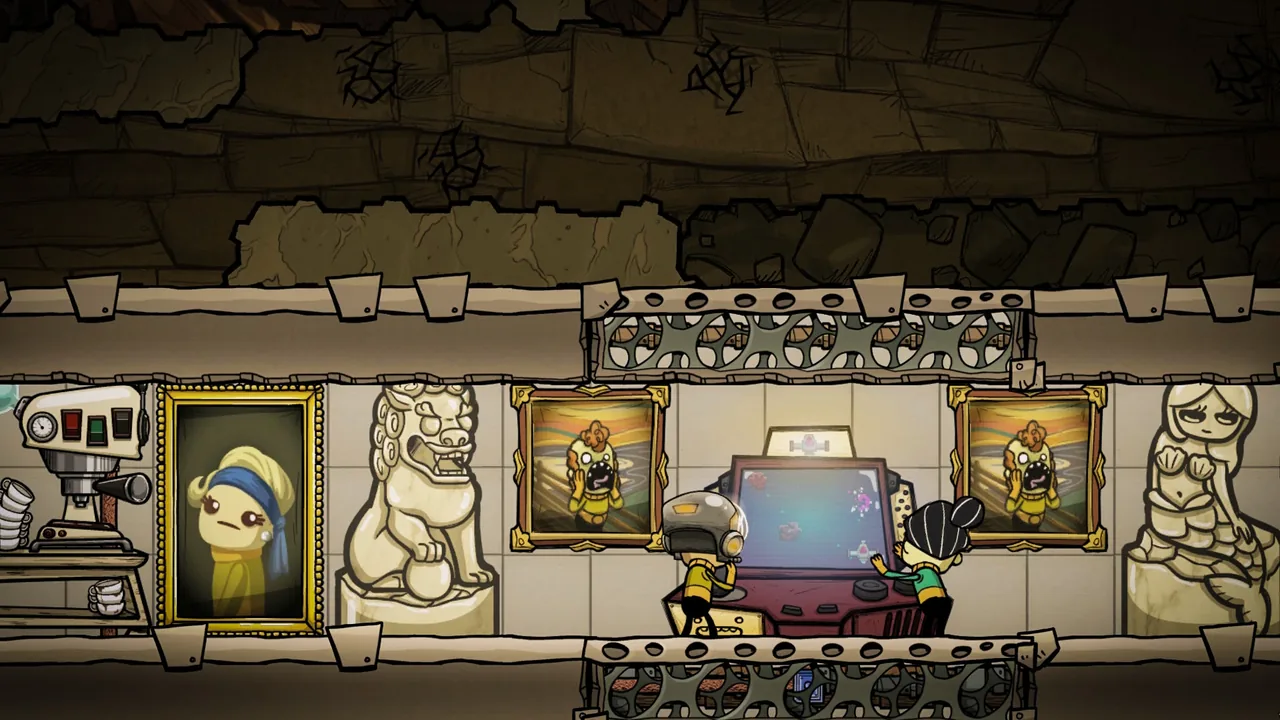
For players who like watching Duplicant expressions and routines, the friendly art is part of the appeal. Underneath it, gases and heat follow unforgiving rules.
When an early or middle-stage colony collapses, players can trace carbon dioxide buildup or heat that spread over time. Changing the excavation or equipment layout in the next colony is part of the fun.
Moving beyond copied layouts lets players build around their current Duplicants and resources. They value finding a solution that serves a goal they chose themselves.
Players who keep a colony for the long term can redesign farms and automation after survival is secure. Choosing the next project is part of the appeal.
From the middle stages onward, sensors and signals can control power, shipping, and temperature. Players enjoy handing routine work over to a system they wired themselves.
Common complaints
Early and middle-stage gas flow, plumbing, and heat can be hard to diagnose. Even players who want to experiment may turn to videos or a wiki when the in-game explanations fall short.
In large late-game colonies, growing networks of pipes and buildings can bring stuttering and slower simulation.
Players who manage job priorities and routes closely can be frustrated when Duplicants take jobs in an unexpected order or build themselves into a corner.
For players who have built ranching and food-production modules around familiar rules, updates to creature care or food values can break established designs.
Players using interface or convenience mods have to check compatibility after updates. There are also concerns about the effect on saved colonies.
Who it’s for
It suits players who want to account for the temperature of gases and liquids in their pipes while linking power to production.
It fits players who like tracing a collapse to carbon dioxide buildup or equipment heat, then changing the next design.
After survival is secure, players can set their own projects by controlling generators with sensors or returning wastewater to production.
Who might not enjoy it
Players who want in-game explanations to carry them through plumbing and heat problems may find the early need for videos or a wiki tiring.
Players planning a large late-game colony with convenience mods may mind slower simulation and compatibility checks after updates.
FAQ
- Does it support Japanese?
- The official Steam listing does not include Japanese support. It lists English, Simplified Chinese, Korean, and Russian.
- Is there cooperative play?
- Steam lists single-player as the official play feature.
- Can the difficulty be adjusted?
- You can choose Survival or No Sweat and adjust settings such as hunger and stress. Sandbox Mode is also available.
- Is downloadable content required?
- The base game works on its own. Spaced Out! adds modular rockets and management across several bases, while other packs offer new environments, creatures, and related content.
These impressions are based on 100 Steam reviews sorted by “Most Helpful.” They do not represent the views of all buyers.

Image: Oxygen Not Included on Steam