Predy Media > > Game page
Game pageMy Time at Portia: Features, Player Feedback, and Who It Suits

You run a workshop, process raw materials into parts, and build machines and public facilities for Portia.
Workshop commissions shape the day more than farming does. The appeal depends on whether you enjoy keeping machines running while preparing the next delivery.
What makes it fun
Put the waiting time to work
While machines process parts for a commission, you can smelt bars for the next job. Keeping production moving turns the wait into preparation for another build.
Your builds stay in town
Build a bridge or transport facility in your workshop, and the finished structure becomes part of the town or its travel network. You can walk through Portia and see what your commissions have added.
Personal quests beyond the workshop
Getting to know residents through gifts and other interactions can open personal quests. After starting your machines, a trip into town gives you a chance to follow their stories.
Game details
As of Oct 29, 2026- Steam Deck
- Playable
- Release date
- Jan 15, 2019
- Developer
- Pathea Games
- Languages
- Japanese, English (Full audio), Simplified Chinese (Full audio), Korean / 12 languages total
A typical run
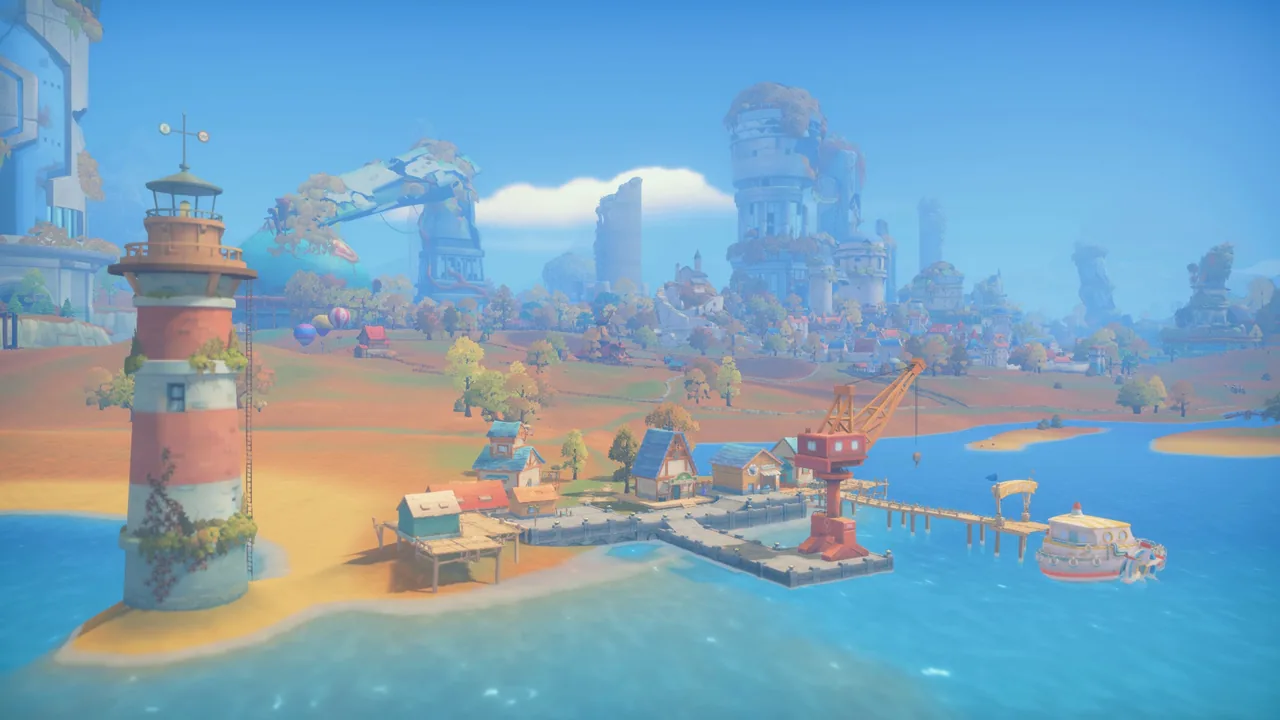
Check Commerce Guild commissions and resident requests in the morning. For a timed job, work out which materials need processing before delivery.
Head into the Ancient Ruins for missing ore or outside town for wood.
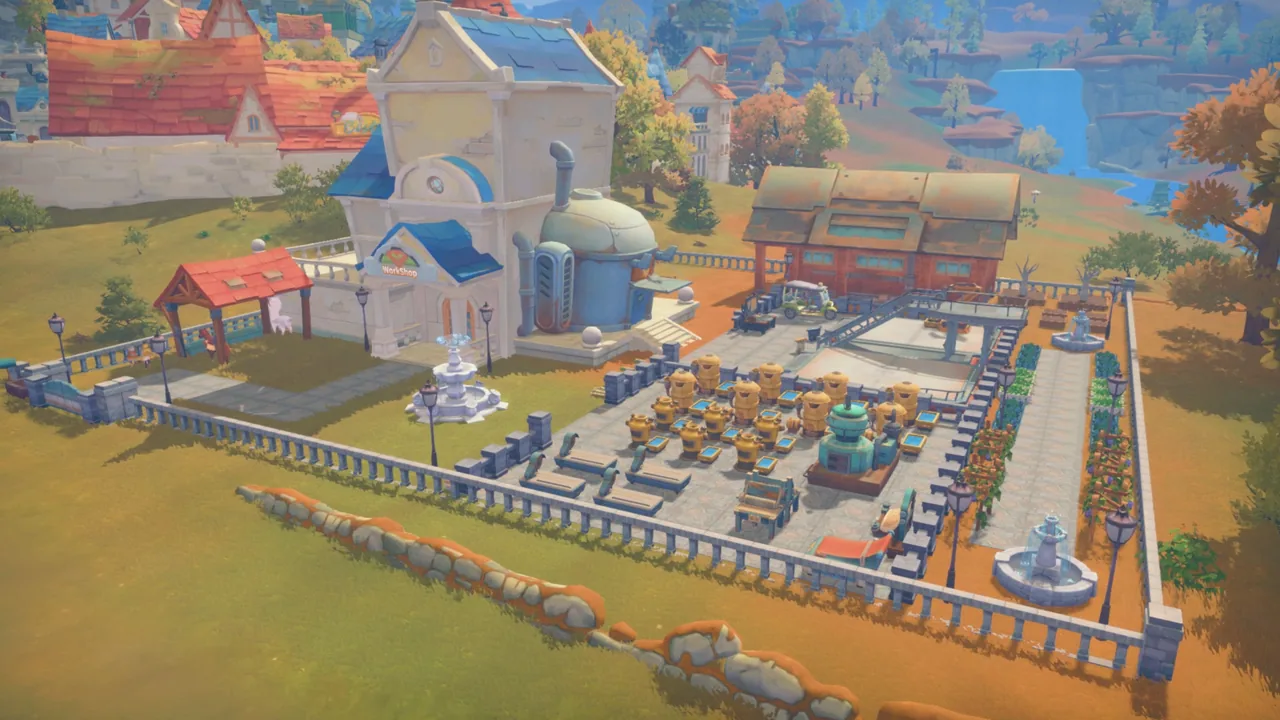
Back at the Workshop, load the furnaces and other stations. While a requested item processes, you can start parts for the next job.
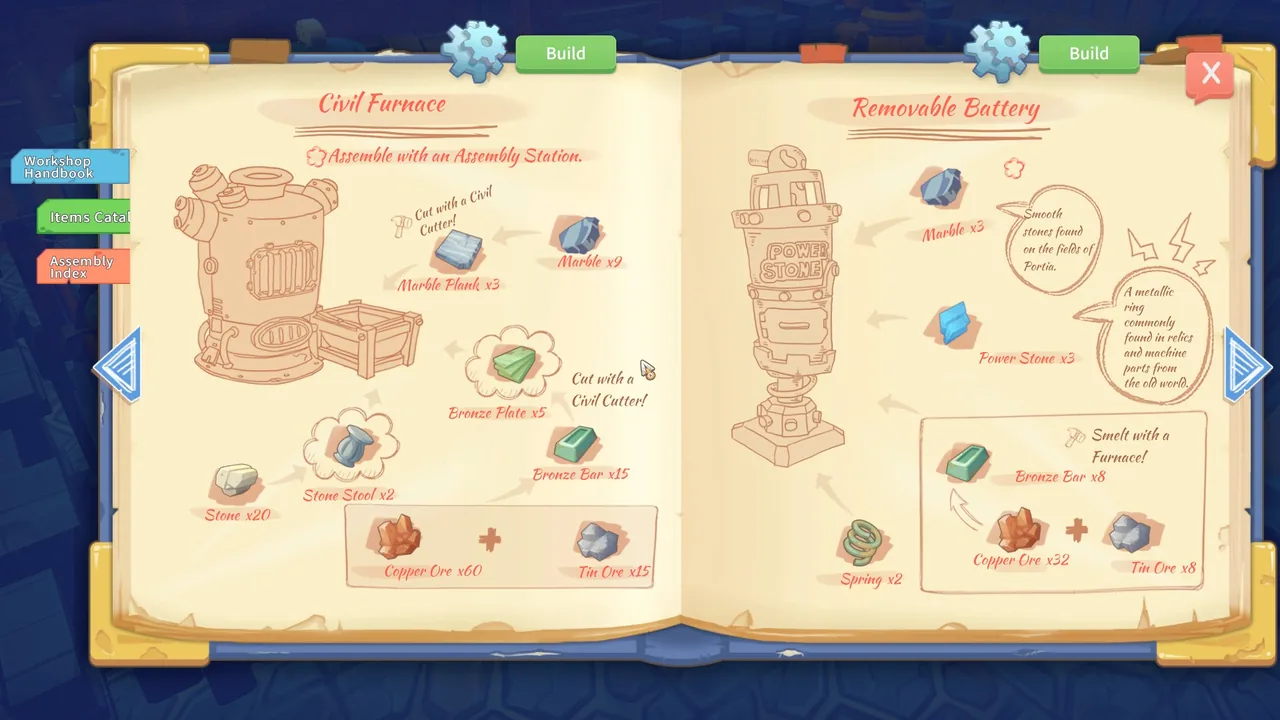
A large project takes more than parts made at the Worktable. Bring the processed components together at the Assembly Station.
Finish deliveries and visit residents before sleeping. That is when the day's progress is saved.
Core systems
Daily Commissions and Villager Requests
Residents and the town ask for goods you make at the Workshop. Crafting also moves the story and town construction forward.
You can rush the current delivery or build up machines and materials for later work. Make only the requested item, and the next job may begin with another wait for parts.
Worktable
The Worktable makes tools and construction items from raw materials and processed parts. Its recipes also use intermediate materials from other stations.
Spending a material on a delivery instead of a new machine affects how soon you can start later work. Keep commonly used parts in reserve to avoid processing them after a commission arrives.
Ancient Ruins and Relic Scanner
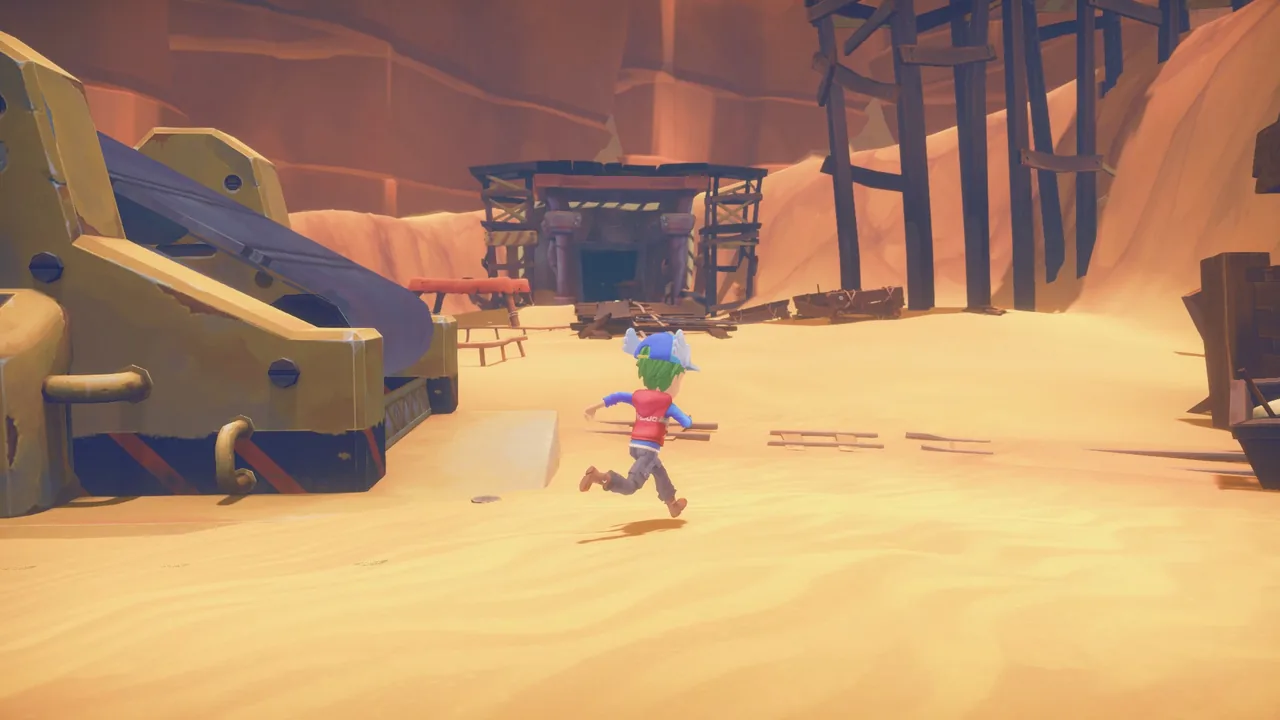
Dig through the Ancient Ruins for ore and follow Relic Scanner signals to buried relic pieces. Collected pieces can be restored, and completed relics can go to the Museum.
A trip can focus on ore for a commission or on scanner signals. Before using up your stamina on relics, collect the material holding up the delivery.
Planter Boxes and Semi-automatic Irrigation Systems
Crops grow in Planter Boxes rather than directly tilled ground. Irrigation systems can also be used for farming.
Space given to Planter Boxes is space unavailable for processing stations or storage. You decide how far to expand farming while workshop production drives progress.
Skills
Skills improve crafting, combat, and social activities. You can choose effects that match the work and detours in your usual day.
Points can ease gathering and production or go toward combat and relationships. Reaching later effects in the skill tree requires points in earlier skills.
Factory
The Factory is an automated production building available after harbor construction missions. It can queue processing from raw materials through intermediate and finished goods.
Once you have it, you can keep tending separate yard machines or bring production into the Factory. Before then, it pays to make likely commission parts in advance.
What sets it apart
The schedule spends more time on processing machines and town construction than on seasonal crop rotation.
Delivered bridges and transport facilities remain in Portia. Workshop output becomes a visible change to the town and its travel routes.
The Ancient Ruins do not lead you down fixed corridors. You dig through walls and ground, following Relic Scanner signals.
Learning curve and difficulty
Commissions stall more often on processing time than on combat. Seeing which parts are needed and starting the furnaces early makes a difference.
Keeping furnaces busy with commonly used bars and boards reduces the wait after a commission arrives.
Early stamina and yard space are limited. Gather the ore needed for the current job and start the next parts at the Workshop to keep work moving.
The Factory later changes the routine of loading individual machines. You spend more time checking raw materials and production queues.
Builds and playstyles
Stockpile Production
Keep machines running and store bars and boards before a commission calls for them. This approach suits players who dislike stopping a recipe to wait for parts.
Fishing Income
Sell fish for income alongside commissions. It can help fund yard and inventory expansion earlier.
Relationship First
Make gifts and resident requests part of the daily route to open relationship perks and personal stories earlier. Workshop jobs move more slowly as a result.
Daily Detours
Spend days without pressing deadlines fishing, mining, or hunting relics. Rather than rush the story, follow a small goal chosen for that day.
What longtime players say
Players who followed the town's construction found satisfaction in seeing delivered facilities remain in the scenery. Their Workshop jobs visibly change Portia.
Players who kept building relationships grew attached to the personal events those relationships opened. That gave them a reason to keep visiting residents between jobs.
Players who spent a long time crafting and gathering enjoyed that work, but also looked back on repeated processing and resident dialogue.
Achievement hunters point out that achievements can be missed. Repeating commissions and social activities also remains part of the work.
What players like
For players who follow relationships, requests and gifts lead to personal events and romance. They also give those players a reason to visit town between Workshop jobs.
Reviewers like the bright town and the gentle tone of its post-apocalyptic setting. Trips out for materials and returns to the Workshop feel at home in that setting.
Setting out machines, processing materials, and feeding the parts into commissions appeals to these reviewers. Players who like keeping production active enjoy the work itself.
Material gathering can take different routes. One day can go to ore and relics in the Ancient Ruins; another can include a fishing detour.
Without a pressing deadline, a day can be devoted entirely to fishing or mining. Players can set a tight production routine or follow a small goal of their own.
For players advancing town construction, a delivered bridge or transport facility has a visible payoff. Their work remains in Portia and changes how they travel through it.
Common complaints
In the early and middle game, a commission item may need intermediate materials made by yet another machine. Going back for resources and waiting for processing can stretch out the job.
Movement, storage, item placement, and machine controls feel awkward to these reviewers. The friction is especially apparent when tending yard machines individually.
Progress is saved when you sleep at the end of the day. In environments where the game freezes or crashes, gathering and deliveries from that day may have to be repeated. The reports include Mac users.
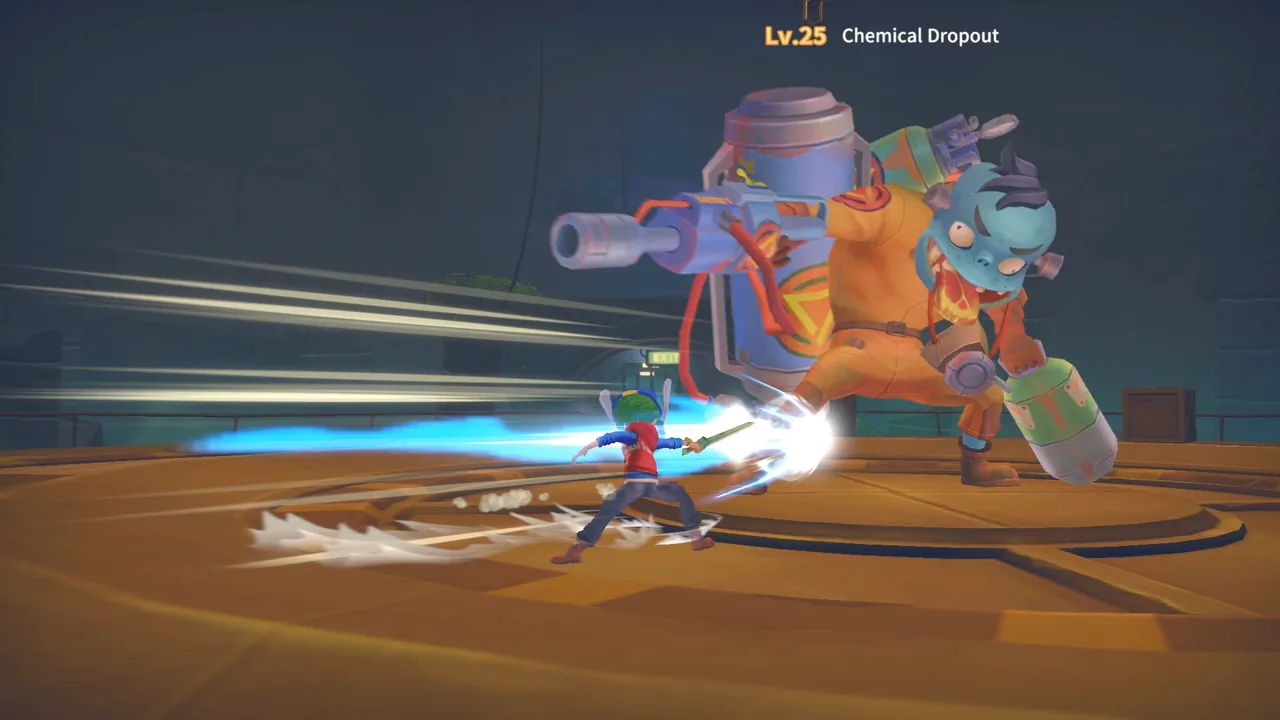
Combat can settle into repeated attacks and dodges. Because gathering materials can take you into ruins with fights, reviewers notice the stiff controls there too.
Players who want to talk to residents every day notice repeated dialogue. They also find reactions limited after relationships change or major events occur.
Who it’s for
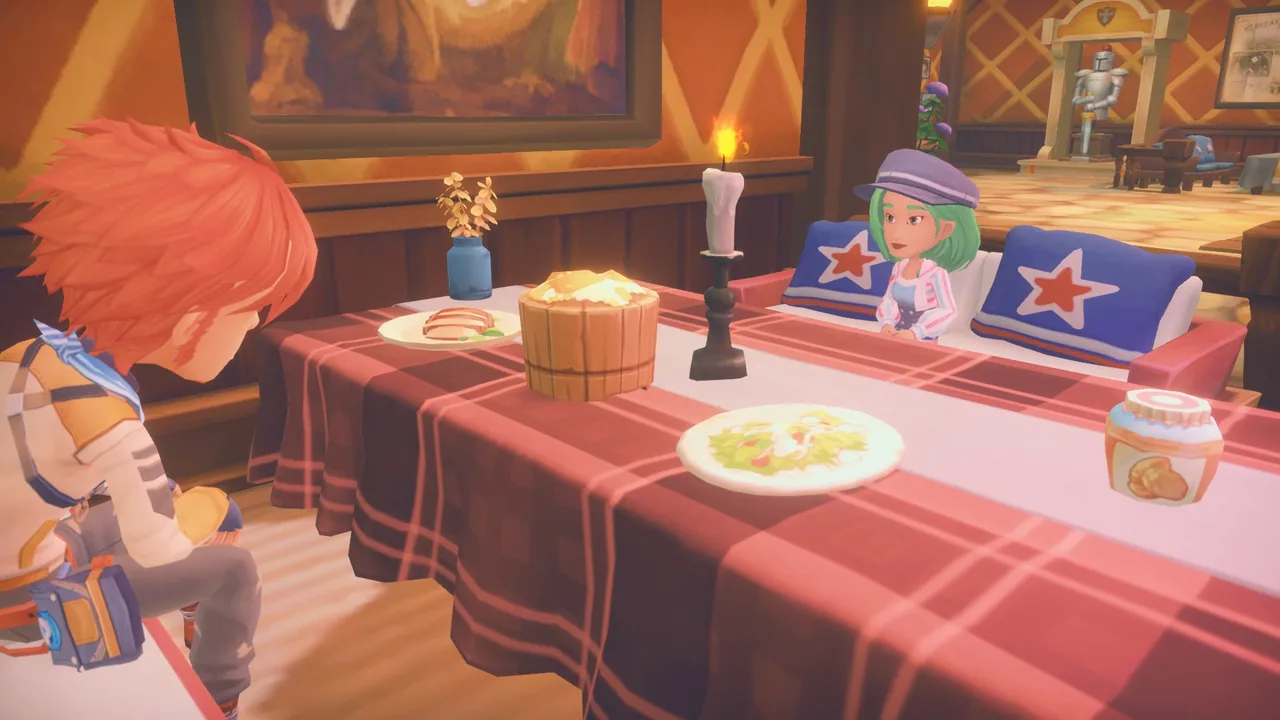
It suits players who enjoy keeping furnaces and other stations busy, with bars and boards ready before a commission arrives.
It also fits players who want to see their bridges and transport facilities remain in town. Mining and resident visits can sit alongside Workshop jobs in the same daily routine.
Who might not enjoy it
Players who want farming to lead each day may find Planter Boxes too secondary. Those who dislike making intermediate materials in sequence may find commissions slow.
Saving requires ending the day, which may frustrate players who want manual saves. Material gathering can also involve combat, so players looking for responsive action may find that part unsatisfying.
FAQ
- Is Japanese supported?
- Yes. The Steam version supports Japanese interface text and subtitles, but not Japanese voice acting.
- Is there co-op?
- No. Steam lists it as a single-player game.
- Does it run on Steam Deck?
- Steam rates it as Playable on Steam Deck.
- Do the add-ons expand the story?
- The add-ons listed on Steam are a soundtrack and outfits for the player and residents.
These impressions are based on 100 Steam reviews sorted by “Most Helpful.” They do not represent the views of all buyers.

Image: My Time at Portia on Steam