Predy Media > Deckbuilding > Game page
Game pageMonster Train: Unit Placement, Card Upgrades and Player Views
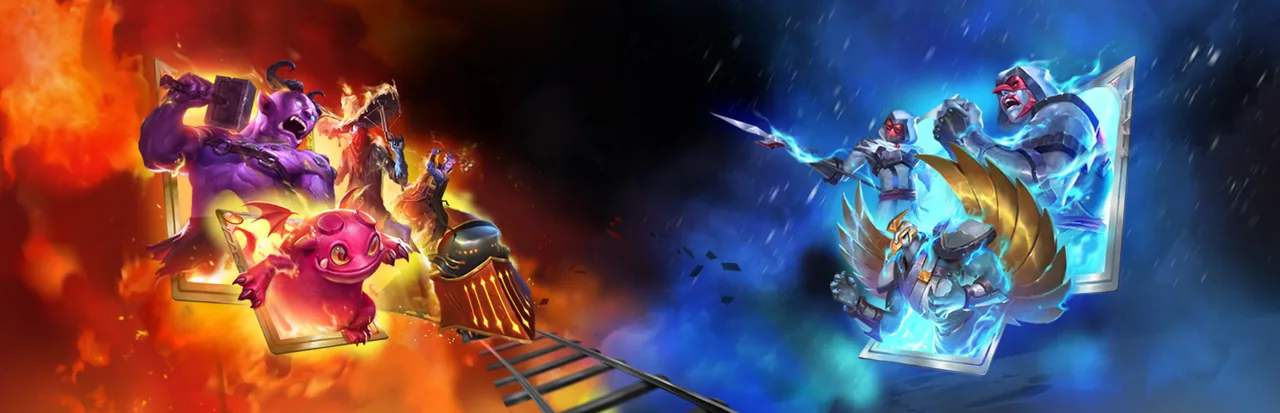
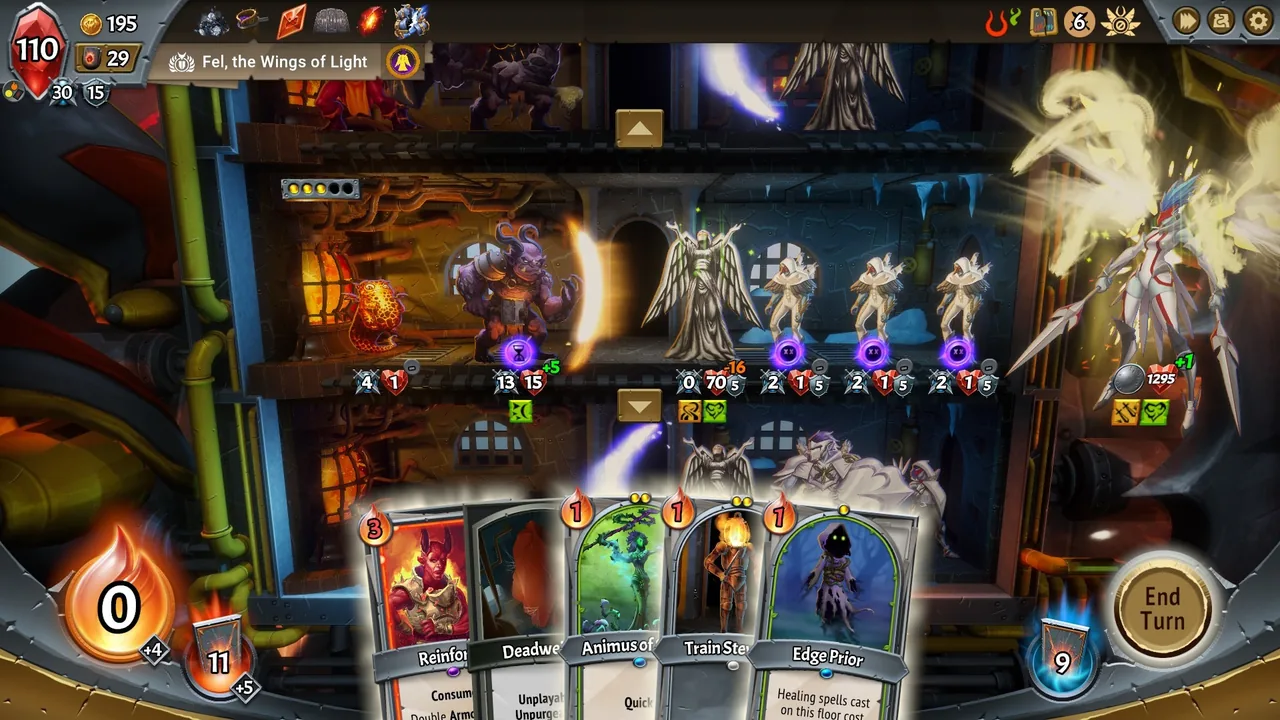
Monster Train asks not only how your cards work together, but where to intercept enemies climbing through the train.
Pair a primary and supporting clan, then shape that defense through upgrades and card duplication along the route.
What makes it fun
Catch enemies upstairs
Enemies that survive a lower floor keep climbing. Deciding where to hold back a defender makes the train itself part of your plan.
Connect the clans' cards
Choosing a primary and supporting clan gives you access to cards from both. You can cover a gap in one clan with the other and turn their different abilities into a working defense.
Grow the cards you have
Upgrades can give even your starting cards a new role. You might boost a unit's stats or make a spell easier to play, then take a route toward the upgrade you need.
Game details
As of Oct 29, 2026- Steam Deck
- Playable
- Release date
- May 22, 2020
- Developer
- Shiny Shoe
- Languages
- English (Full audio), Simplified Chinese / 6 languages total
A typical run
Choose a primary and supporting clan to build with cards from both.
Choose a route for the rewards you need, such as recruiting units or upgrading cards.
Deploy units across the train’s floors to defend the Pyre from climbing enemies.
Enemies you leave alive move upward, so weigh stopping them below against meeting them farther up.
Use card upgrades and duplication along the way to prepare for Seraph near the end of the base-game run.
Core systems
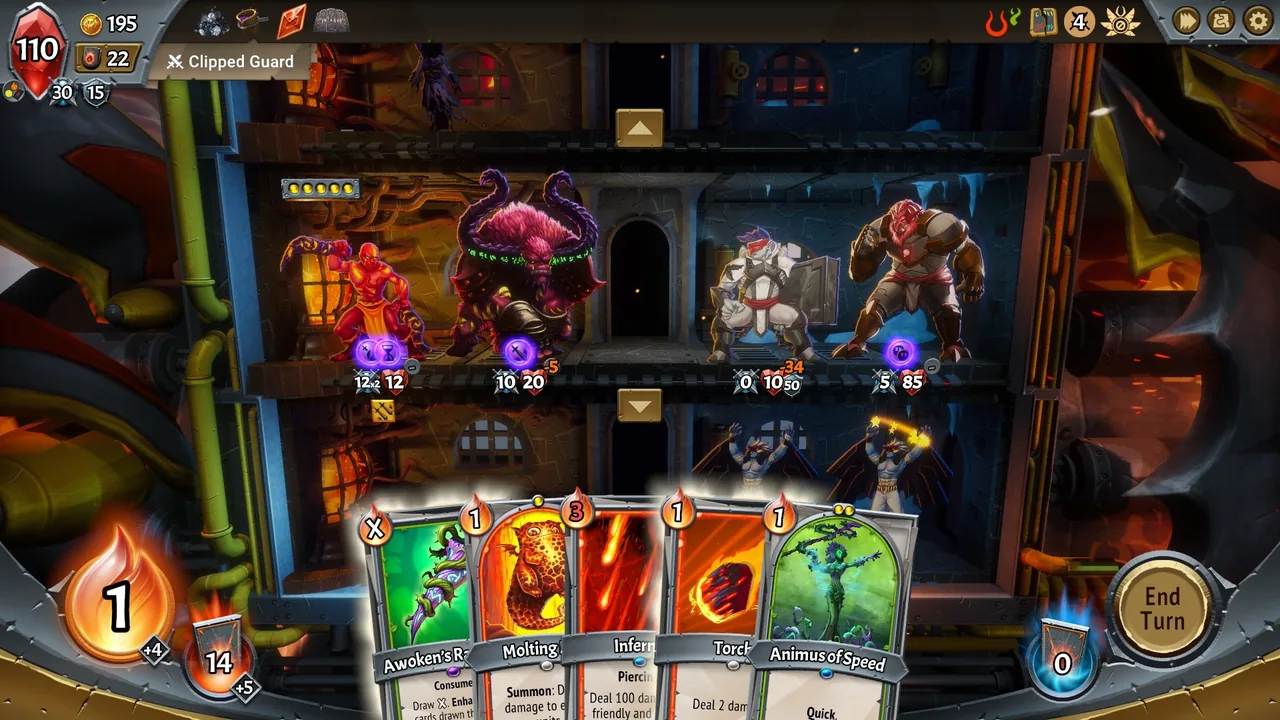
Verticality
Surviving enemies climb each turn and damage the Pyre when they reach the top.
Decide whether to concentrate your forces below or also hold an upper floor for enemies that get through.
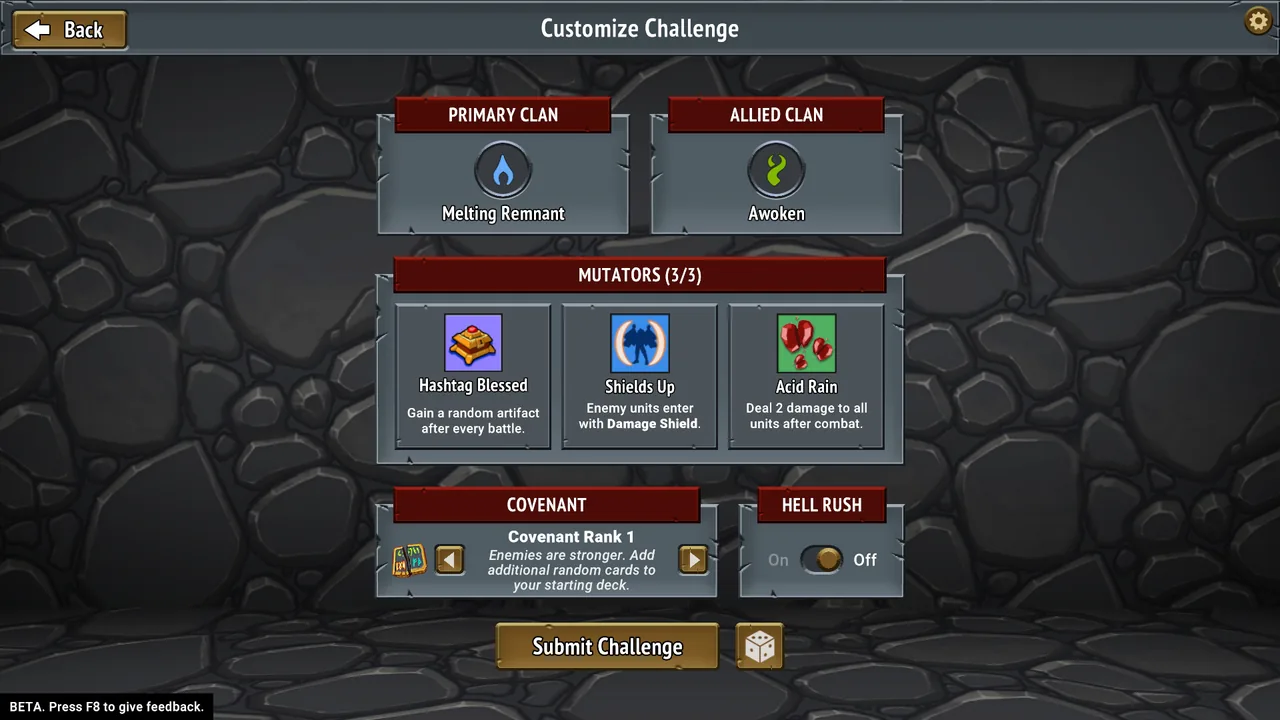
Primary and supporting clan
Your primary and supporting clans give you access to cards from both.
Start by asking whether to reinforce the same role or cover a gap, such as pairing damage dealers with defenders.
Card upgrades and duplication
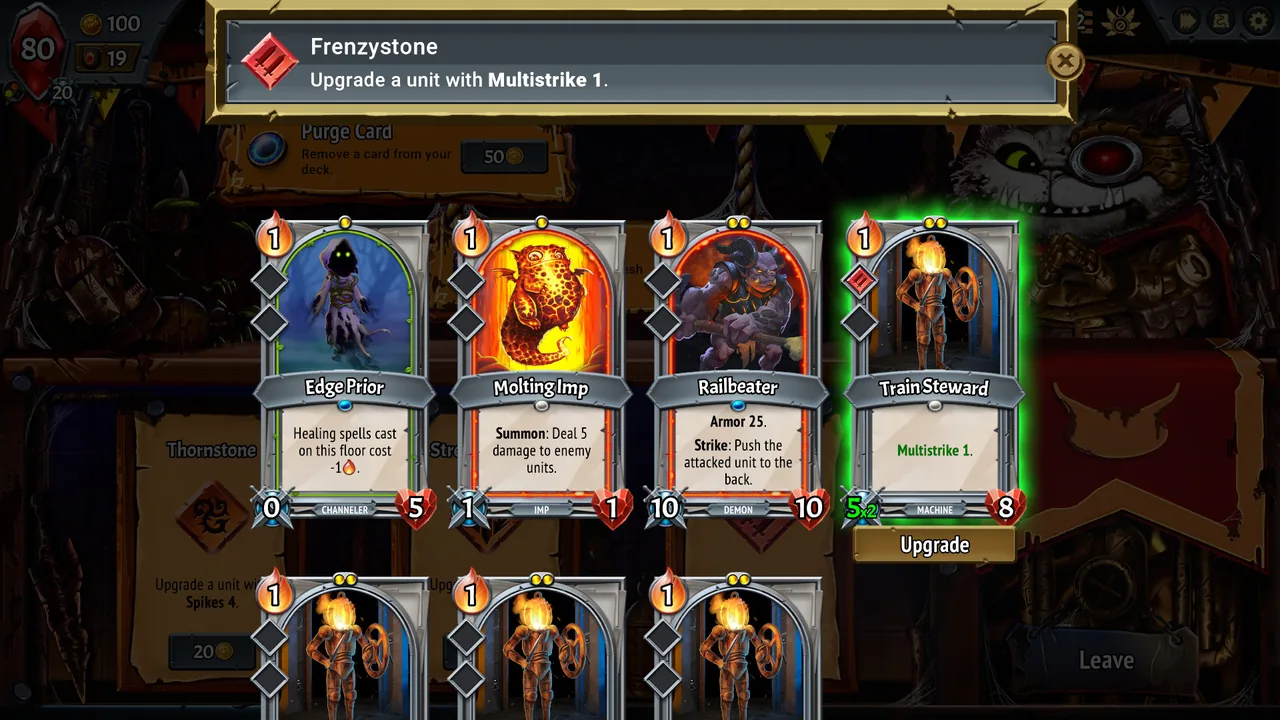
Cards can receive combinations of upgrades, and special locations let you duplicate a card from your deck.
Compare routes that recruit another unit with those that improve or duplicate what you have, then choose which need comes first.
Covenant
Covenant changes the difficulty through a series of stages.
It offers a way to move from testing a defense to revisiting clan and card choices under tougher conditions.
Logbook
The Logbook lets you view your own run records.
Use past attempts as a reference when deciding what to try next.
What sets it apart
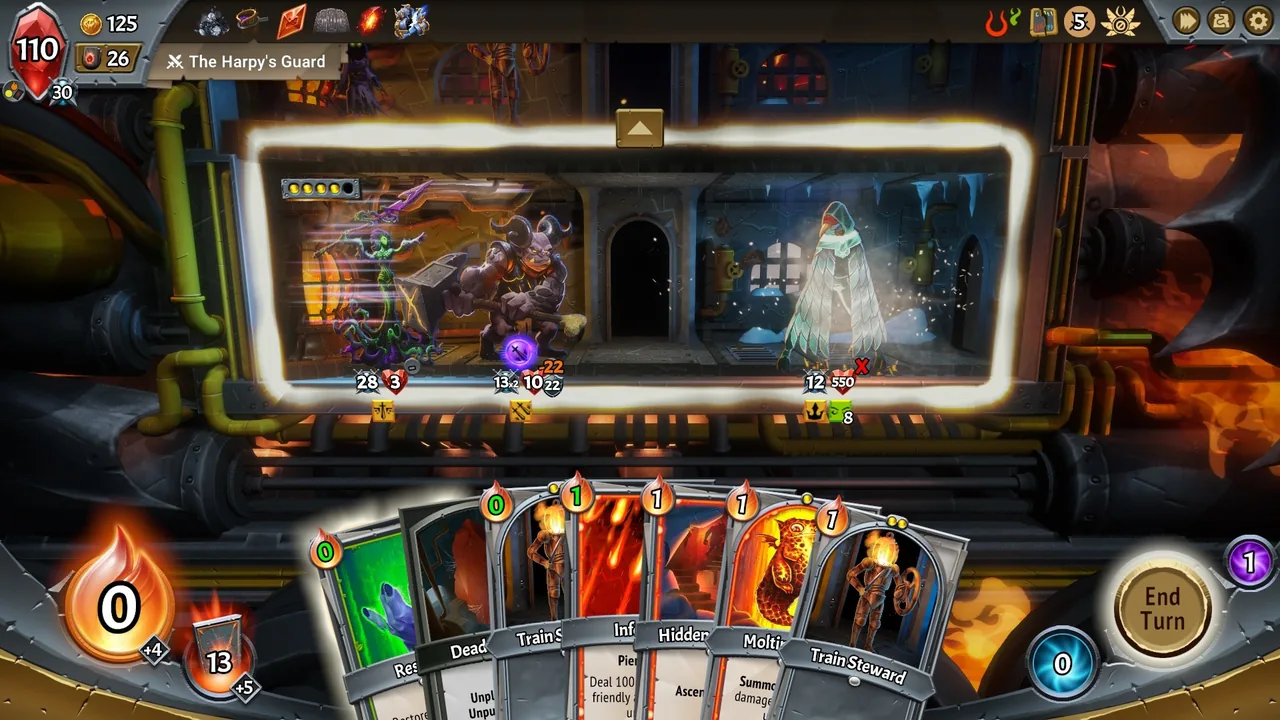
Placing units on floors adds the enemy’s path through your defenses to the interactions inside your deck.
A route can serve upgrades or duplicates of cards you already own, rather than only the search for new cards.
Combining a primary and supporting clan gives you different card pools to connect from the start.
Learning curve and difficulty
Reviews describe pursuing harder Covenant wins and victories with different clans as goals for continued play.
At the start of a run, previews of upcoming bosses give you threats to consider before choosing upgrades.
Daily Challenge offers a different test: adapt to its modifiers and compare scores.
Builds and playstyles
Awoken defense with Hellhorned damage
The official clan pages describe Awoken Hollow as a high-health defender and Horned Warrior as a damage dealer that falls quickly without protection. They illustrate a pairing where adding offense also means planning a position that can keep the attacker safe.
What players like
Reviewers enjoy battles that ask where to place units across floors as well as what belongs in the deck.
Players enjoy pairing a primary and an allied clan and trying builds that make use of their cards and units.
Players find the opening approachable while they learn the cards and try out decks.
Players value fitting runs around other activities or stepping away when something needs their attention.
Developing a powerful lead unit or a strong combo gives players a satisfying surge in the build’s power.
Harder wins and victories with different clans give players goals they enjoy returning to.
Common complaints
Reviews describe the usable cards and clan combinations as restrictive, pushing builds toward familiar patterns.
Players find it frustrating when winning depends on receiving the units, upgrades or draws they need.
The art style or animations do not suit these reviewers’ tastes.
For a new purchase, reviews suggest choosing the sequel before this game.
Who it’s for
It suits players who want to build a defense floor by floor as well as connect card effects.
It also fits players who enjoy covering different roles through clan pairings and developing their cards into a powerful build.
Who might not enjoy it
If missing a desired unit or upgrade is especially frustrating, read the concerns about dependence on what a run offers before choosing this game.
If you want equally broad build options across every clan, reviews describing restrictive choices are worth weighing.
FAQ
- Does the Steam version support Japanese or Korean?
- The checked Steam language table lists English and Simplified Chinese, but not Japanese or Korean.
- What does multiplayer involve?
- Hell Rush is a timed competition where players receive the same resources and face the same enemies.
- What is available beyond a normal run?
- Daily Challenge compares scores under modifiers, while Custom Challenge lets you create and share a challenge.
- How does The Last Divinity differ from the base game?
- This separately sold DLC adds Wurmkin, Pact Shards, and Unit Synthesis, which sacrifices a unit to transfer abilities to another, among other features.
- What is the trade-off with Pact Shards?
- In The Last Divinity, gaining Pact Shards grants benefits such as upgrades but also strengthens enemies throughout the run.
These impressions are based on 100 Steam reviews sorted by “Most Helpful.” They do not represent the views of all buyers.
Image: Monster Train on Steam