Predy Media > Turn-based tactics > Game page
Game pageMonster Sanctuary Features and Reception
Who It Suits
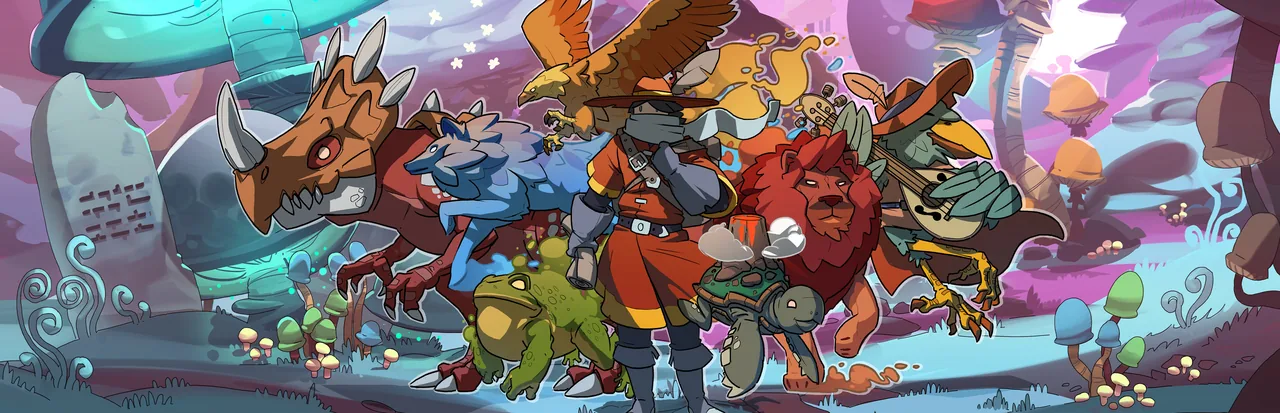
Collected monsters join your combat team and give you ways to open paths through the map.
When choosing a teammate, look past its appearance to its skills and equipment. Its role becomes clearer once you consider when it should act.
What makes it fun
New monsters open new paths
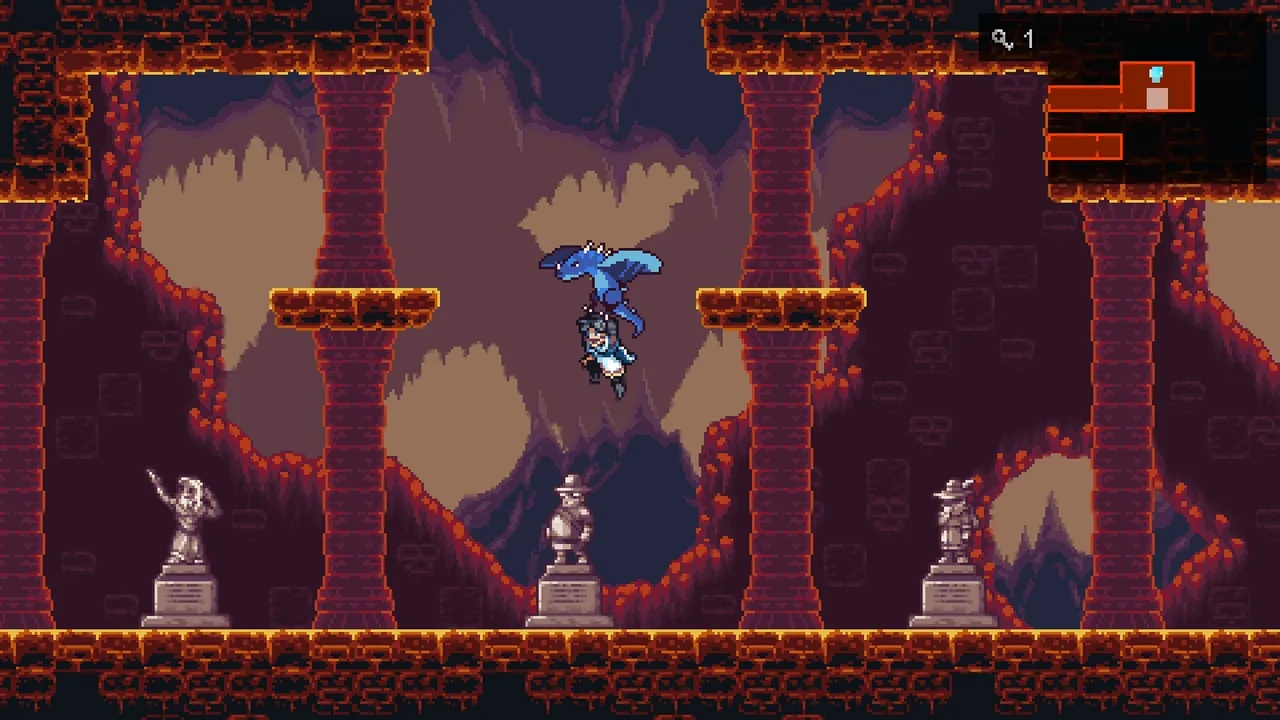
A newly hatched monster may have the Explore Ability needed to pass an obstacle you saw earlier. When you gain a new ability, you can return to earlier areas to look for paths it opens.
Set up the finishing attack
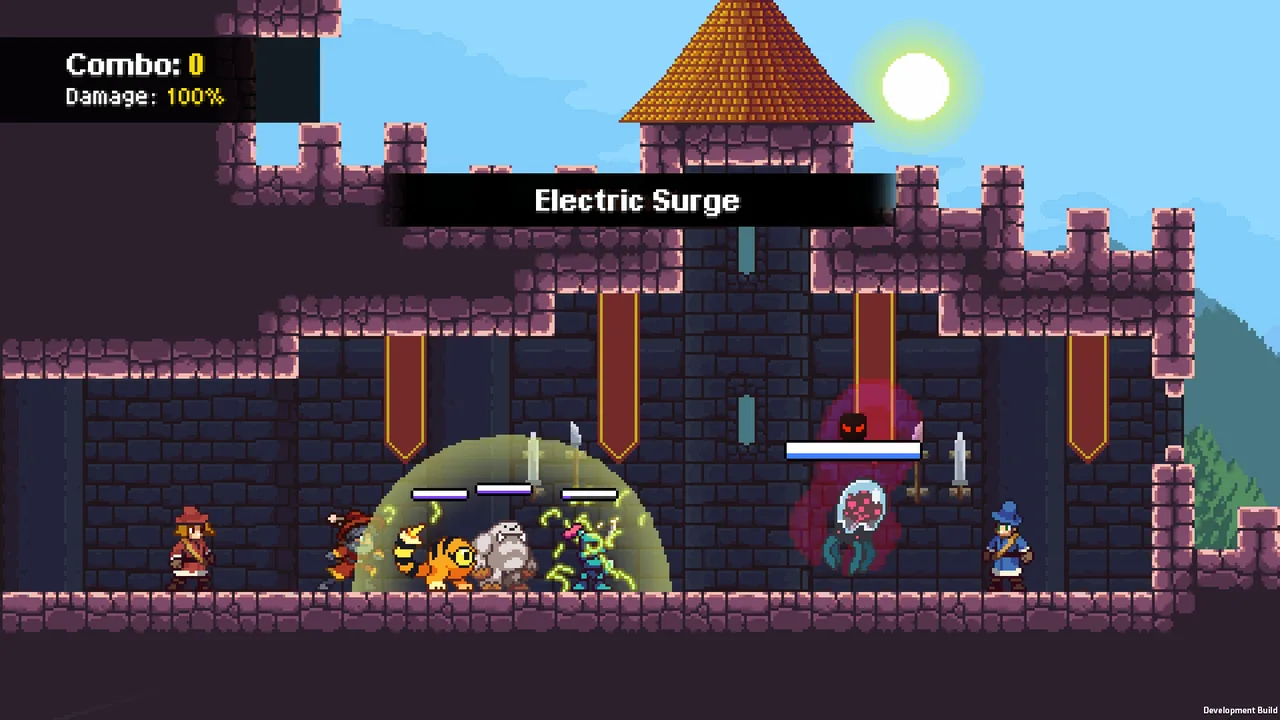
Healing and buffs add to the combo before your attacker moves. Choosing the order of your monsters' actions can change how hard that attack hits.
A new monster sparks a new team
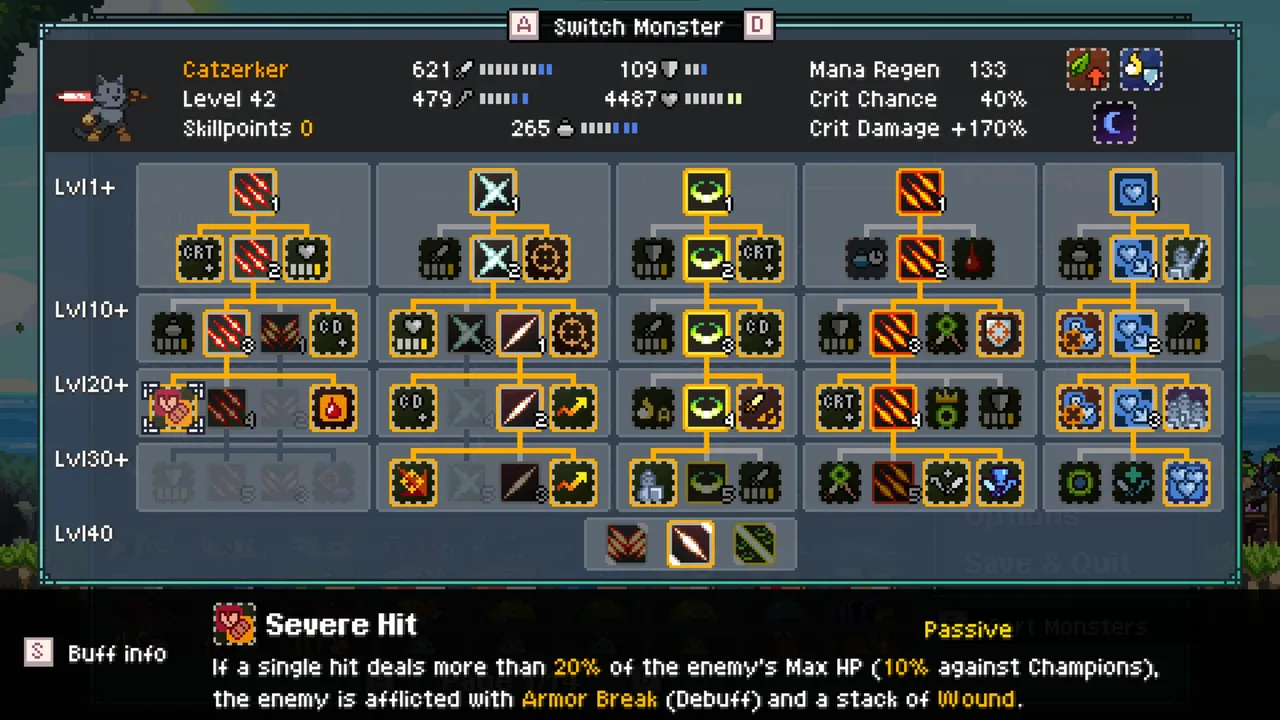
A new monster's Skill Trees suggest a role it could fill or passive effects that could work with your team. Finding one can send you back to the party screen with a fresh idea.
Game details
As of Oct 29, 2026- Steam Deck
- Verified
- Release date
- Dec 9, 2020
- Developer
- moi rai games
- Languages
- Japanese, English, Simplified Chinese / 9 languages total
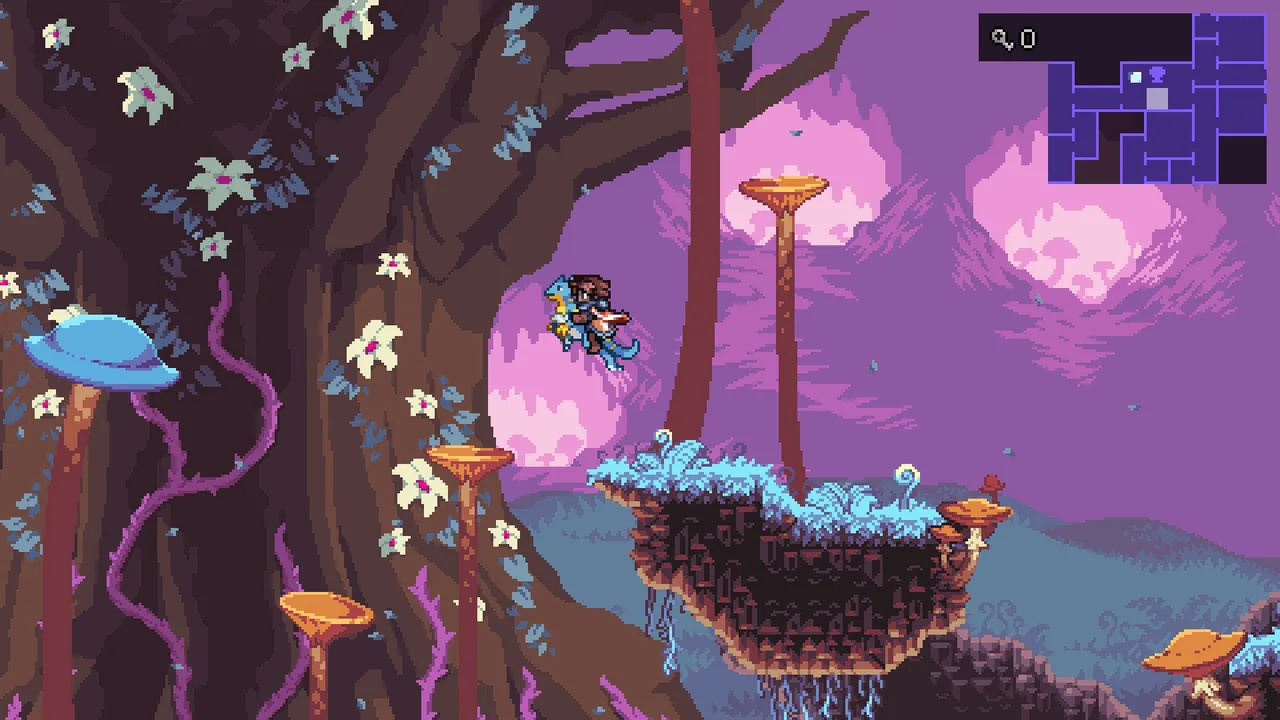
A typical run
Choose a Spectral Familiar and explore the connected regions.
When a wall or mechanism stops you, use a recruited monster's Explore Ability.
In battle, act with support monsters or multi-hit attackers first. Build Combo before the damage dealer takes its turn.
Watch the post-battle rating as you collect eggs and equipment, then revise Skill Trees and loadouts.
With a new Explore Ability, return to earlier regions for routes and challenges you could not reach.
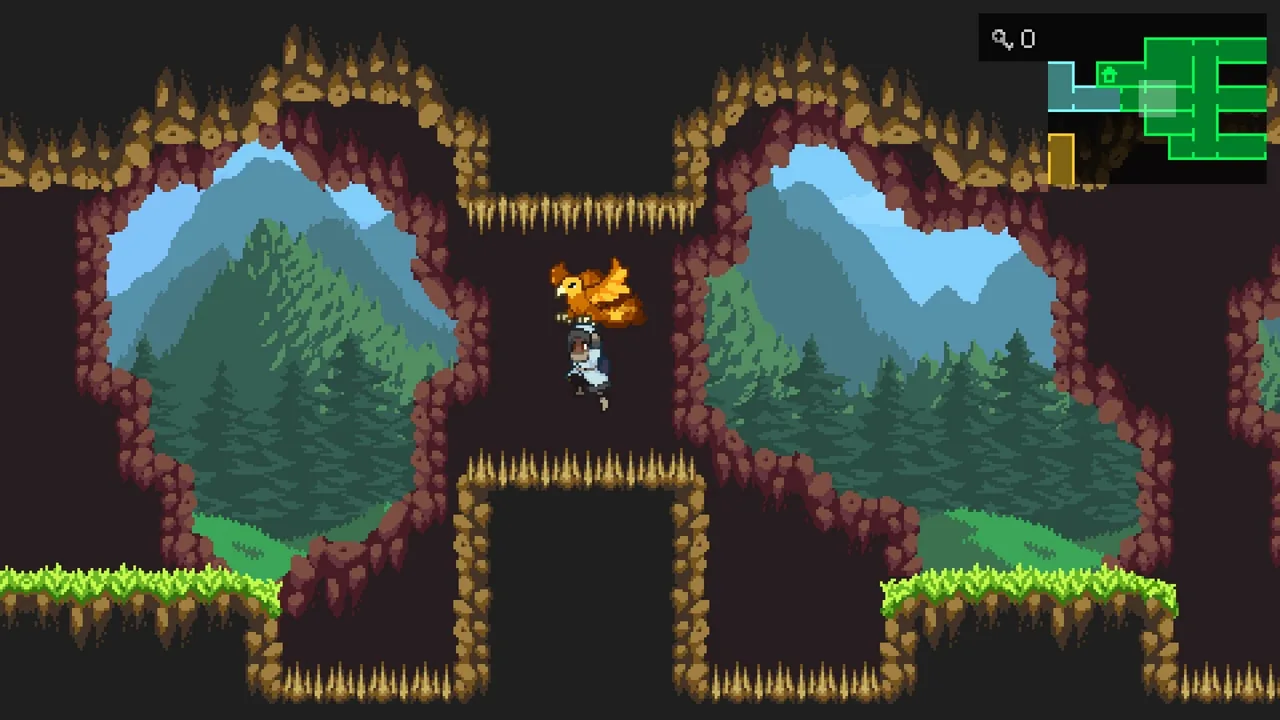
Core systems
Explore Abilities
Monsters use these abilities in the field. Flying, riding, and breaking walls open routes and help with environmental mechanisms.
Do you fill the team with combat specialists or keep a monster that can handle an unexplored obstacle? Your next destination shapes the choice.
Skill Trees
Each monster has a different Skill Tree. A damage dealer takes different skills from a monster assigned to healing or shielding.
You can take broadly useful moves or focus on passives that serve the team's plan. You cannot unlock the entire tree at once.
Combo System
Early attacks and support moves raise Combo, increasing the damage of later attacks. Healing and buffs also add to it.
Build Combo with support first, or attack a dangerous enemy immediately. Acting with the damage dealer early gives up the Combo you could have built that turn.
Equipment
Weapons and accessories adjust stats and add passive effects. They can cover gaps left by a Skill Tree.
Equipment can strengthen a damage dealer's specialty or shore up poor survival and resource use. Choose it around the monster's job.
Monster Eggs
Eggs can appear among post-battle rewards. A more efficient win improves your chances of rarer rewards.
You can win slowly and safely or finish quickly while preserving health and using hit count, weaknesses, and Combo. Chasing an egg changes how you approach the fight.
Optional Game Modes
Randomizer, Bravery, Permadeath, and Relics of Chaos can be combined. They also work with New Game Plus and difficulty settings.
Choose whether to change monster placement, limit chances to recruit, or make knockouts more costly. Each changes the conditions for another run.
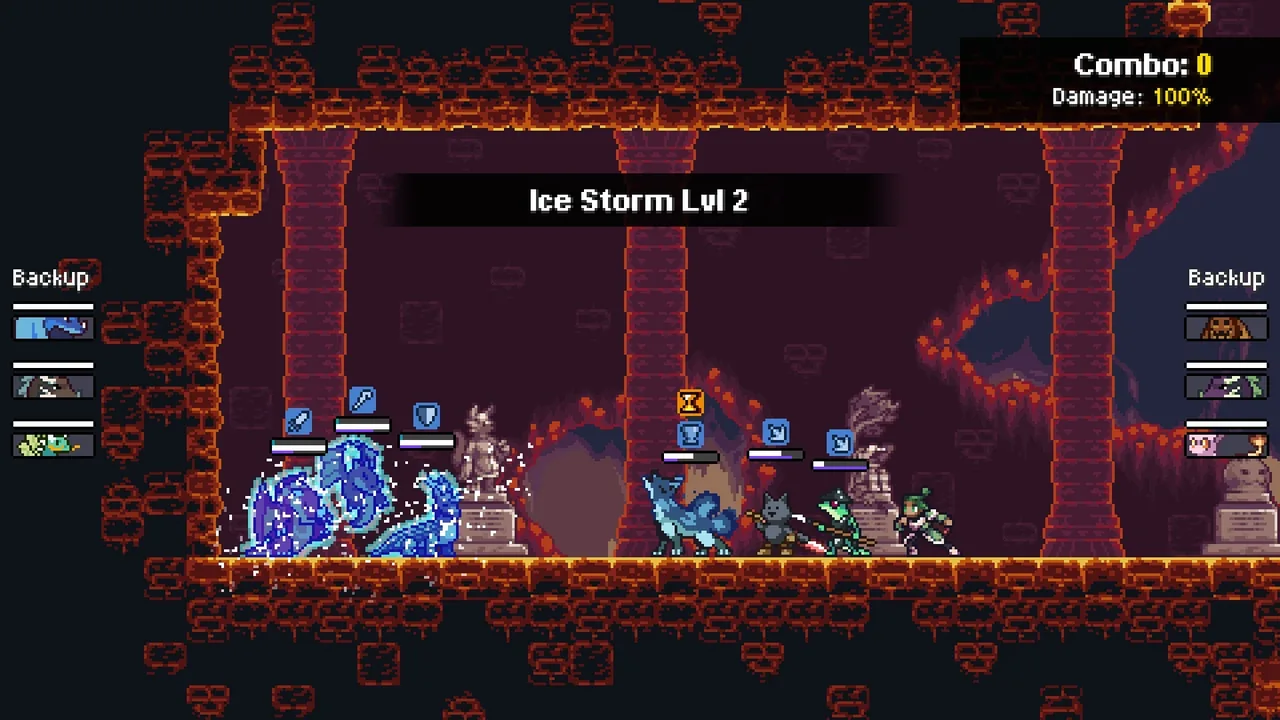
What sets it apart
A collected monster has a combat role and can open a route that was previously blocked.
Elemental matchups do not settle team building. You also need to connect buffs, debuffs, and shields across teammates.
A slow win still counts. If you want eggs and other rewards, the post-battle rating gives you a reason to win differently.
Learning curve and difficulty
You can choose Casual, Normal, or Master difficulty and change it during a playthrough.
If a fight stops your progress, check the team before grinding levels. Look for overlapping roles, ways to answer debuffs, and a better action order.
Healing or buffing can build Combo before the damage dealer acts. A team whose roles fit together can make use of that order.
New Game Plus unlocks after the main story. Optional Game Modes can then change which monsters you meet and the cost of a knockout.
Builds and playstyles
Buff Setup into Damage
Move a buffer that can heal or shield first, build Combo, then act with the damage dealer. Rushing the attacker gives up damage that support could have set up.
Debuff Stacking
Build around Poison, Burn, Chill, or Bleed and passives that trigger when those effects are applied. Add healing or shields if the fight will run long.
Protection and Delayed Growth
Use shields and healing to survive while effects that grow over a fight take hold. A longer fight can work against your post-battle rating.
Monster-Type Synergy
Build around effects shared by a type such as Goblins or Slimes. After matching types, decide who handles damage and who provides support.
What longtime players say
For collectors, Explore Abilities give even monsters kept out of combat a reason to join: they can open paths on the map.
After the story, New Game Plus and challenge settings let returning players test their team-building knowledge under different conditions.
On repeat runs, players try different monsters and look for new interactions among their skills and passives.
Even after extended play, players describe finding another team built around types such as Goblins or around status effects.
What players like
From the middle of the campaign onward, players enjoy linking buffs and debuffs with teammates' skills so their damage dealer has a clear role.
Players who enjoy planning builds value reading each monster's Skill Tree and choosing skills for its role on the team.
Exploration fans enjoy returning to a blocked route once a newly recruited monster gives them the Explore Ability to pass it.
Players who like working through combat turns enjoy building Combo with support or extra hits before the damage dealer acts.
For repeat runs, New Game Plus and challenge settings offer a reason to try different monsters and team plans.
Players seeking harder fights appreciate choosing a difficulty such as Master and putting their team-building knowledge to use.
Common complaints
Map completion can mean retracing routes between distant travel points. Platforming can also halt progress for players who struggle with it.
Players eager to collect and train monsters can tire of long regular fights. Raising and testing another creature adds to the repetition.
Players attached to a fixed group of favorites may find late-game fights frustrating when progress calls for a team with stronger internal synergy.
For map completionists, solving a mechanism and finding materials in the chest beyond it can feel like too little reward for the trip.
Who it’s for
It suits players who like reading passive triggers and connecting buffs or debuffs across teammates.
It also suits players who want to revisit earlier regions whenever an Explore Ability opens an unfinished route.
Players willing to revise Skill Trees, equipment, and action order for an opponent will have plenty to work with in combat.
Who might not enjoy it
Players who want to keep only their favorites and level through the late game may find the need to rebuild a team frustrating.
Those who dislike platforming, backtracking, or repeated regular battles should consider how those tasks shape exploration and training.
FAQ
- Is Japanese supported?
- Yes. The Steam version supports Japanese interface text and subtitles.
- Is there cooperative play?
- The Steam store does not list cooperative play. It lists online PvP.
- Can difficulty be changed during a playthrough?
- Yes. You can switch between Casual, Normal, and Master during the game.
- Is the additional content paid?
- Forgotten World and Relics of Chaos were added as free updates.
- Are there settings for repeat runs?
- New Game Plus unlocks after the main story. Randomizer, Bravery, Permadeath, and Relics of Chaos can be enabled before finishing it and combined with New Game Plus.
These impressions are based on 100 Steam reviews sorted by “Most Helpful.” They do not represent the views of all buyers.
Image: Monster Sanctuary on Steam