Predy Media > Deckbuilding > Game page
Game pageLoop Hero Features and Reception
Who It Suits

In Loop Hero, the hero follows the path and fights on their own. You place cards on and around that path, building the world they must cross.
Consider which part appeals to you: finding terrain changes through card combinations, choosing gear as it drops, or bringing resources home to expand the camp.
What makes it fun
Build your own trouble
Cards that add enemies create more chances for loot, but make the hero's path more dangerous. The appeal lies in judging what the hero's current gear can handle while shaping the dangers they face in automatic combat.
Discover card interactions
Place rocks together and they can become a mountain; other card arrangements can change tiles or their effects. Each combination you discover gives you something to try in your next deck or placement.
Bring back new options
Resources brought home expand the camp and unlock cards and hero classes. Returning gives you fresh ideas to test on the next expedition.
Game details
As of Oct 29, 2026- Steam Deck
- Playable
- Release date
- Mar 5, 2021
- Developer
- Four Quarters
- Languages
- Japanese, English, Simplified Chinese, Korean / 13 languages total
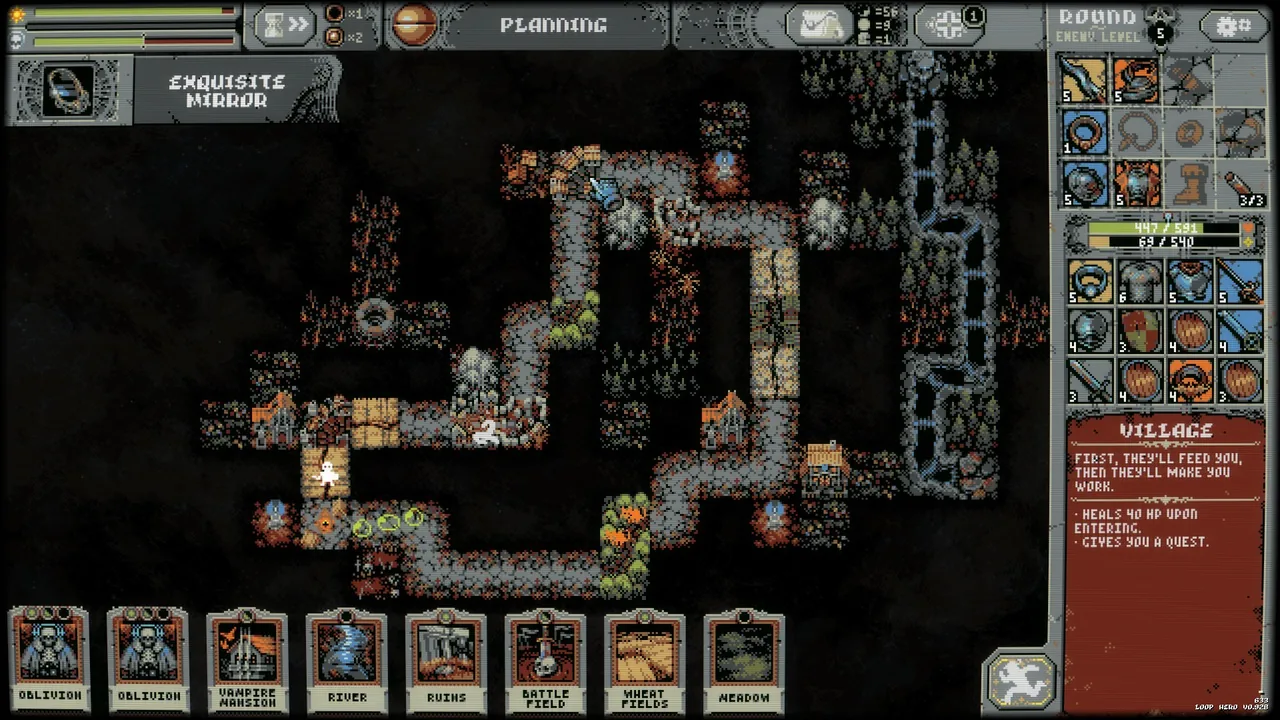
A typical run
Before an expedition, choose an unlocked character class and deck.
The hero follows a generated loop path. Encounters play out automatically.
Place cards earned from enemies on or around the path. Loot can be equipped on the spot.
More enemies and buildings offer more to collect. Whether the hero survives the next circuit depends on gear, health, and how crowded you have made the route.
With the guardian encounter ahead, decide whether to press on or retreat. Resources brought home can expand the camp.
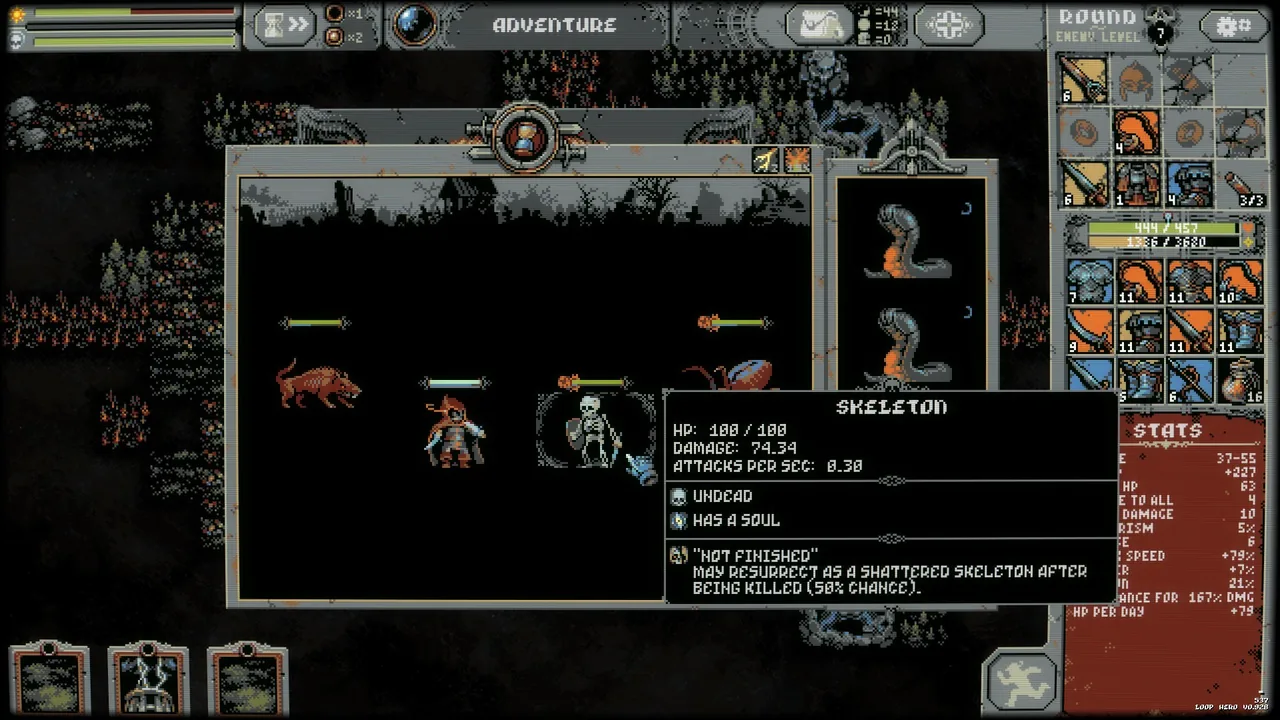
Core systems
Character Classes
Choose a character type before setting out. Each class changes which gear is useful and how it fights.
Build the deck and choose equipment around the selected class. An item with higher displayed values may replace an attribute you meant to keep.
Deck Cards
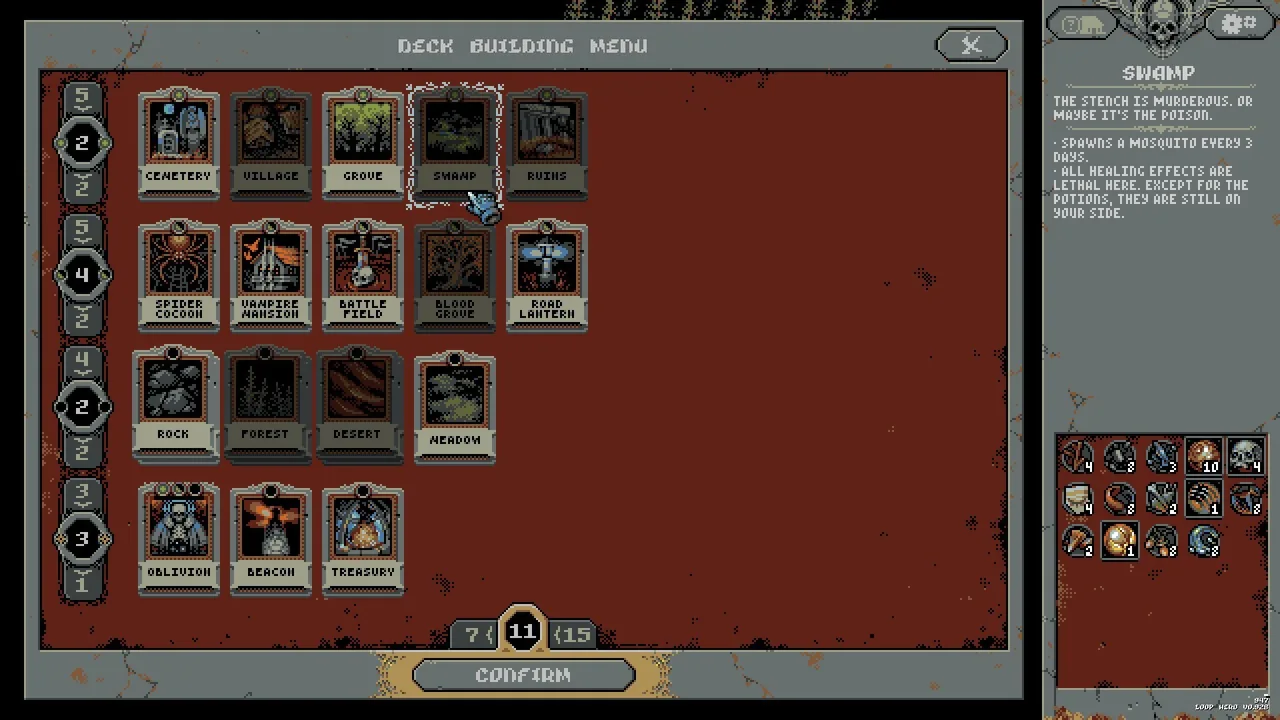
Before an expedition, the deck determines which enemy, building, and terrain cards can appear. Certain placements change tiles or create new interactions.
A card with an effect you want may also make the route more dangerous. Decide whether to test unfamiliar combinations or bring cards whose interactions you already know.
Loop Path
The hero travels this route automatically. What you place beside it changes how often they fight and when they can recover.
With too few enemies, the hero may lack gear and growth for what lies ahead. Add too many and the next circuit may end the run. Use the current equipment to judge how crowded the path can become.
Loot and Upgrade
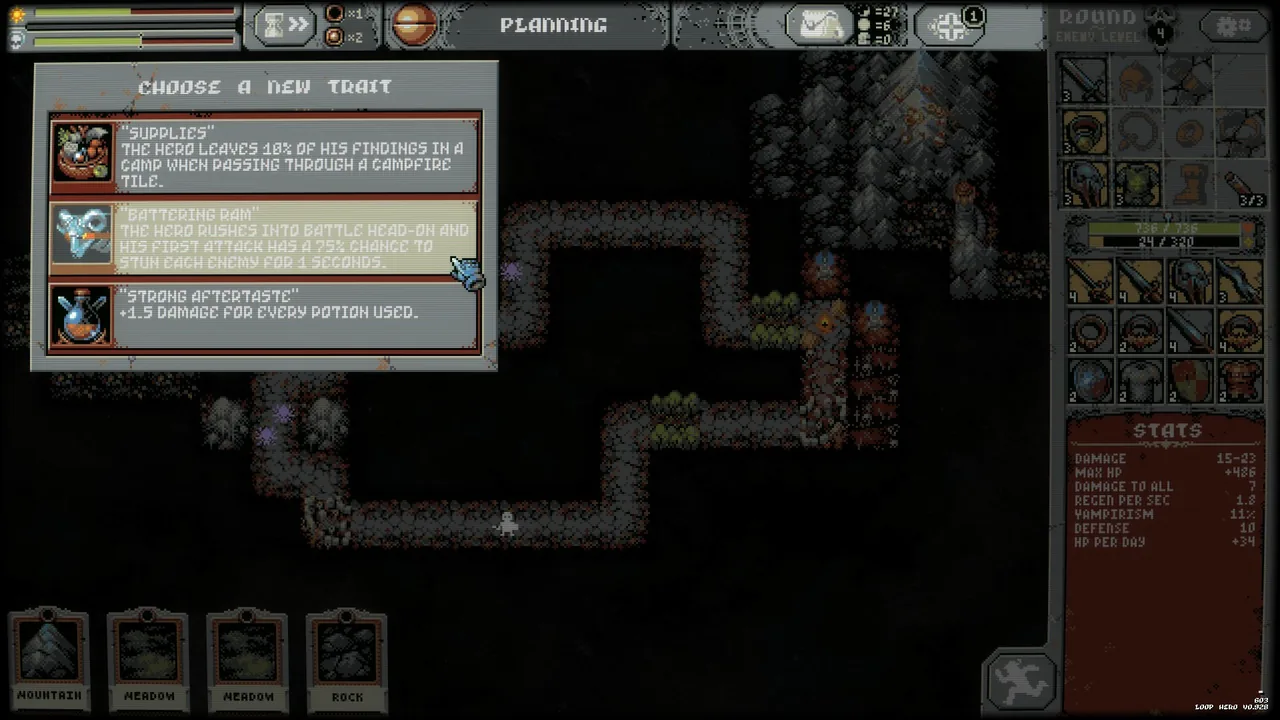
Equipment dropped by enemies can be changed during an expedition. Traits earned on leveling are a separate part of the build.
Check a new item's values, then check whether it keeps the attributes your class needs. Combat runs automatically, but overlooking the equipment panel can lead to a sudden defeat.
Expand Your Camp
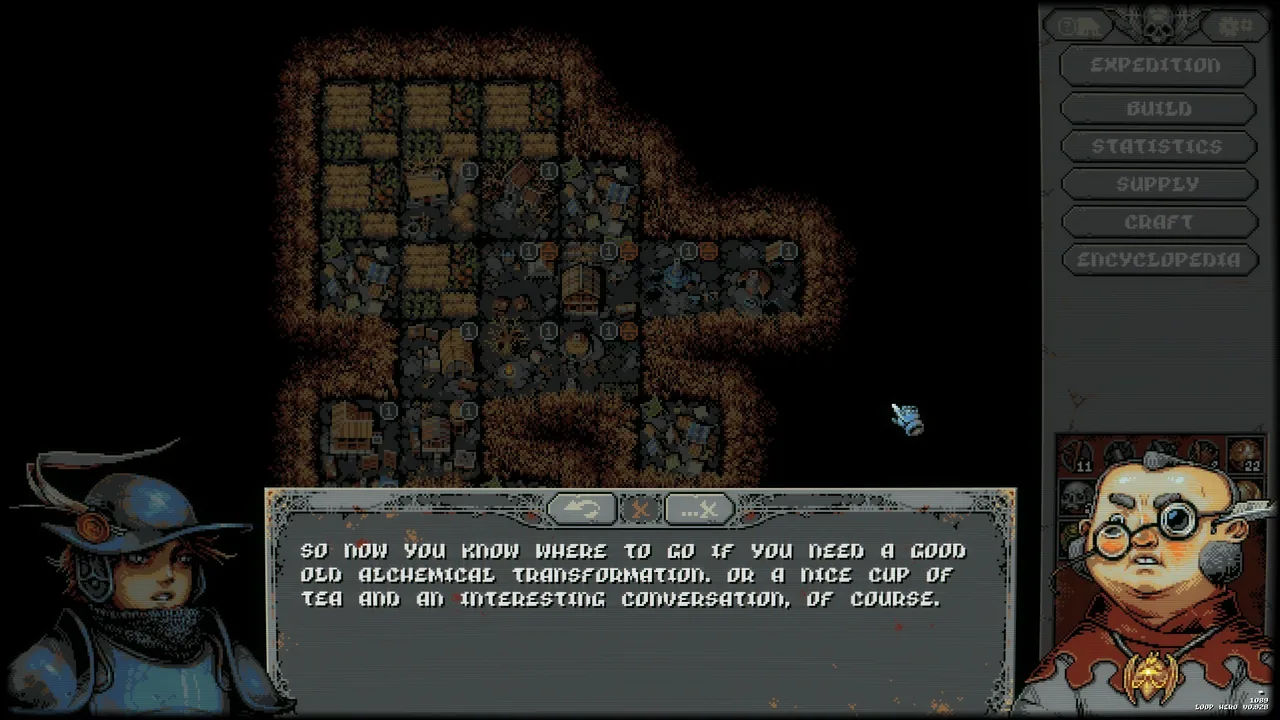
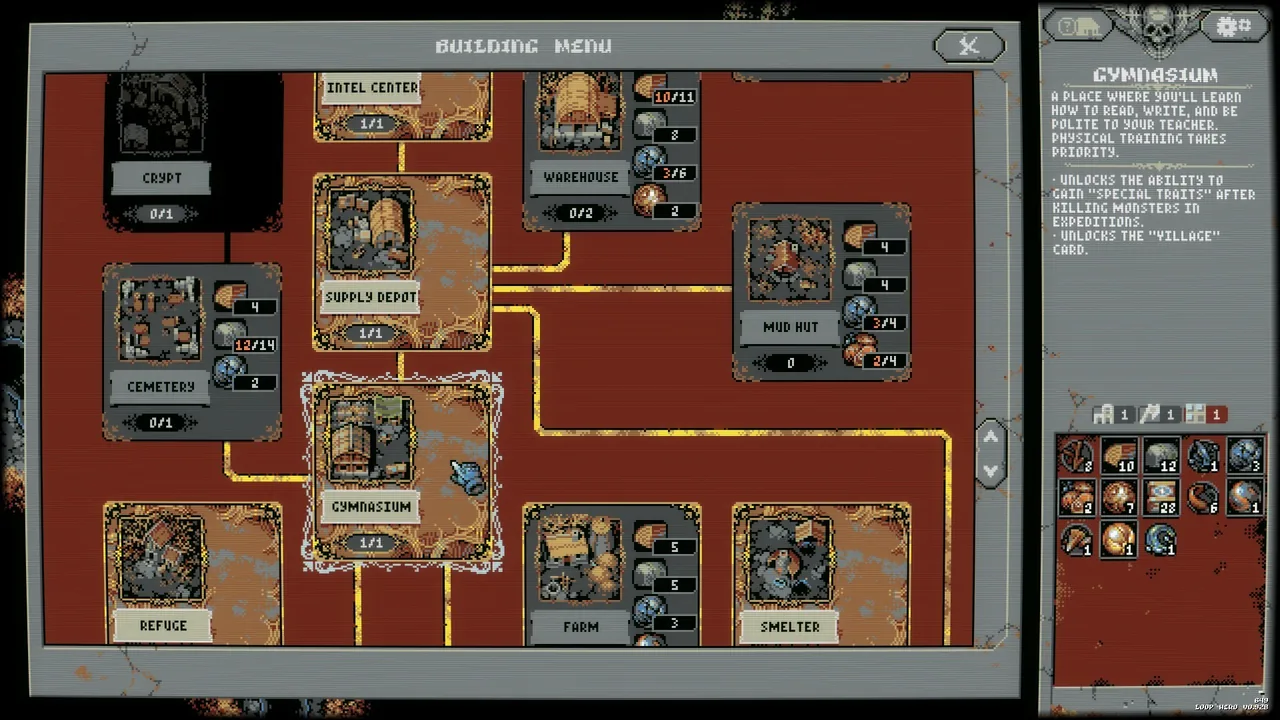
Use resources brought home to build facilities and unlock cards, classes, and support for later expeditions.
You can push onward for more materials or leave with what you have. Choosing a facility first makes it clear which resources you are repeating expeditions to collect.
Guardian Bosses
These bosses await further into an expedition. As cards build the world, they also shape the route leading to a confrontation.
Consider whether to keep placing cards and gathering gear or retreat with your resources. Camp upgrades help, while the route and equipment from the current expedition also matter.
What sets it apart
You add the places and enemies the hero will fight, while attacks themselves happen automatically.
Placed cards stay on the path or nearby terrain. Their danger and rewards carry into later circuits.
A failed expedition can still feed camp expansion. Facilities then open up cards and character classes.
Learning curve and difficulty
Official descriptions set out a progression from choosing a class and deck to confronting guardian bosses.
Before adding enemies, consider whether your current gear and health can survive another circuit. If equipment has fallen behind, slowing your card placement is an option.
Knowing card interactions lets you create particular terrain changes on purpose. Reviewers who found the explanations thin describe learning through experimental expeditions.
Later on, gathering resources for camp facilities can take a long time. Reviewers describe this repetition holding up progress even after they understand card placement.
Builds and playstyles
Measured Danger
Add enemy sources gradually. Thicken the route while gear and health can keep up, then bring resources home if the next circuit looks unsafe.
Card Interaction Lab
Combine terrain and buildings to watch tiles change and enemies appear. An unsuccessful combination can tell you which card to remove from the next deck.
Camp First
Take shorter expeditions to bring resources home and unlock facilities or support. This suits players who want to prepare for future runs before trying dangerous placements.
Class Specific Gear
Choose equipment attributes and leveling traits that suit your class. When a new item removes an attribute keeping the hero alive, leave it unequipped.
What longtime players say
For players reaching the later stages, collecting resources to expand the camp can become a long routine. These reviews focus on the expeditions needed before the facilities are ready.
These players describe returning for another run after extensive play. Trying a different approach also gives them a reason to come back.
Achievement hunting can mean repeating attempts and waiting on luck. Reviewers describe that cost while pursuing late achievements.
What players like
These reviews respond to the pixel art, music, and bleak setting. The game's look and sound remain part of the appeal across repeated expeditions.
Even during automatic combat, placing enemies changes the danger of the next circuit. These players stayed engaged by working out what the hero could face.
Bringing resources home opens camp facilities and support for later runs. These reviewers enjoyed having something new to work toward on the next expedition.
These players enjoyed seeing a tile change or uncovering a hidden card interaction. For them, testing combinations remained worthwhile even when an expedition failed.
The story of restoring an erased world through memory connects with placing tiles and rebuilding the camp. That connection appealed to these reviewers.
Another circuit might bring better gear, but it also puts collected resources at risk. These reviewers enjoyed deciding when to retreat.
Common complaints
Building camp facilities and pursuing later goals can require expedition after expedition for materials. These reviewers found that progress slow.
Once a useful layout is familiar, rebuilding a similar route can feel routine. These reviewers wanted more change between expeditions.
In-game clues did not give these reviewers enough help with card interactions or objectives. They looked outside the game to work out combinations and goals.
Who it’s for
This suits players who prefer deciding when to add enemy sources and which class-specific gear to keep over controlling attacks. Each circuit also asks whether to continue or retreat.
It suits players who like testing cards to discover terrain changes. Failed expeditions can inform the next deck, while recovered resources develop the camp.
Who might not enjoy it
If you want sharply different events on every expedition, rebuilding the route may feel repetitive. Gathering materials across runs for camp facilities may also wear on you.
Combat happens automatically, which may frustrate players who want to execute attacks. Players who want detailed in-game explanations before testing card interactions may find the clues too sparse.
FAQ
- Is English supported?
- Yes. The official store lists an English interface and subtitles.
- Does it support co-op?
- The official store identifies Loop Hero as a single-player game and does not list co-op.
- Can the difficulty be adjusted?
- Class and deck selection, card placement, and camp upgrades change an expedition's conditions. The official store and site do not describe a separate difficulty setting.
- Is there additional content?
- The official store lists the soundtrack. It does not list an expansion that adds gameplay.
- Can an expedition be resumed after quitting?
- Yes. The official changelog says progress is saved when you quit during an expedition.
These impressions are based on 100 Steam reviews sorted by “Most Helpful.” They do not represent the views of all buyers.

Image: Loop Hero on Steam