Predy Media > Deckbuilding > Game page
Game pageLibrary Of Ruina Features and Reception
Who Is It For?
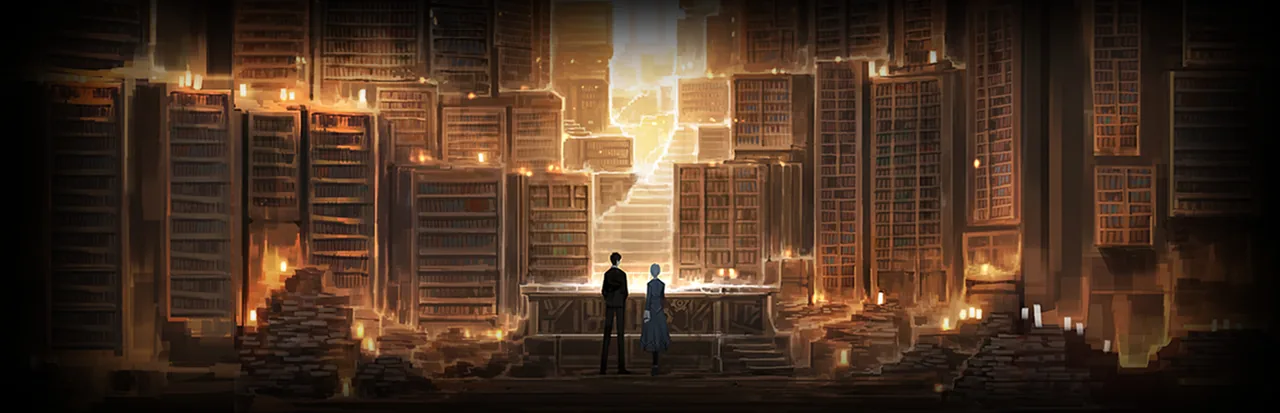
In this Library Battle Simulation, you inspect the enemy's Combat Pages and targets before deciding which librarians will take each Clash.
Consider whether you enjoy working out a Reception's rules and rebuilding floors and Key Pages between fights.
What makes it fun
Plan each clash
Read the enemy's passives and Combat Pages, then decide which librarian will face each attack. Dice rolls can swing, but your choice of targets and pages changes how a clash plays out.
Build around a floor
Build your librarians' Key Pages and Combat Pages with a floor's Abnormality Pages in mind. A page acquired earlier can find a role when it works with that floor.
Meet the City through its guests
Each guest's story shows another side of life in the City. The people you fight have lives and goals of their own, giving you a reason to see who the next invitation brings.
Game details
As of Oct 29, 2026- Steam Deck
- Playable
- Release date
- Aug 11, 2021
- Developer
- ProjectMoon
- Languages
- Japanese, English, Simplified Chinese, Korean (Full audio) / 4 languages total
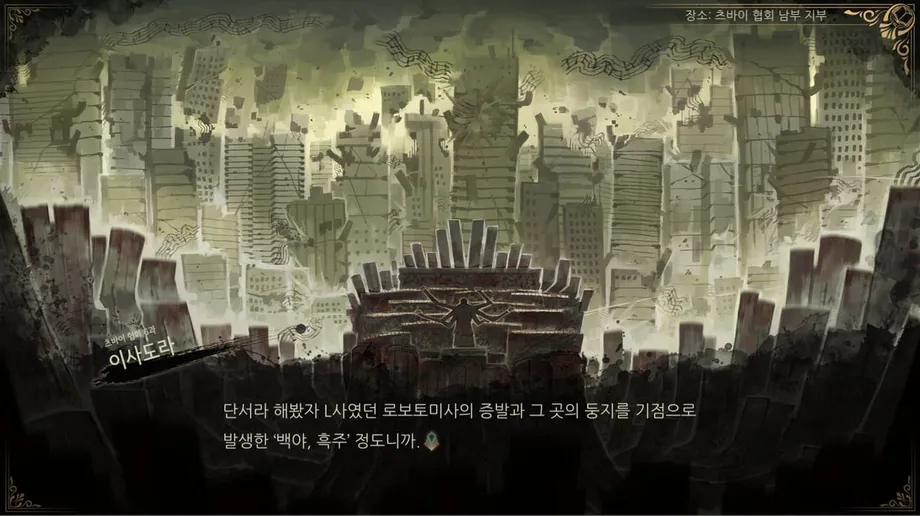
A typical run
Place Books in an Invitation to call Guests to the Library.
Before a Reception, choose a floor and set each librarian's Key Page, passives, and Combat Pages.
At the start of a Scene, check the Guests' pages and targets, then assign actions to Speed Dice.
Redirect a Clash or let a one-sided attack land. You also need to think about the Light and cards available next Scene.
Defeated Guests become Books. Burn them for new pages or use them in another Invitation.
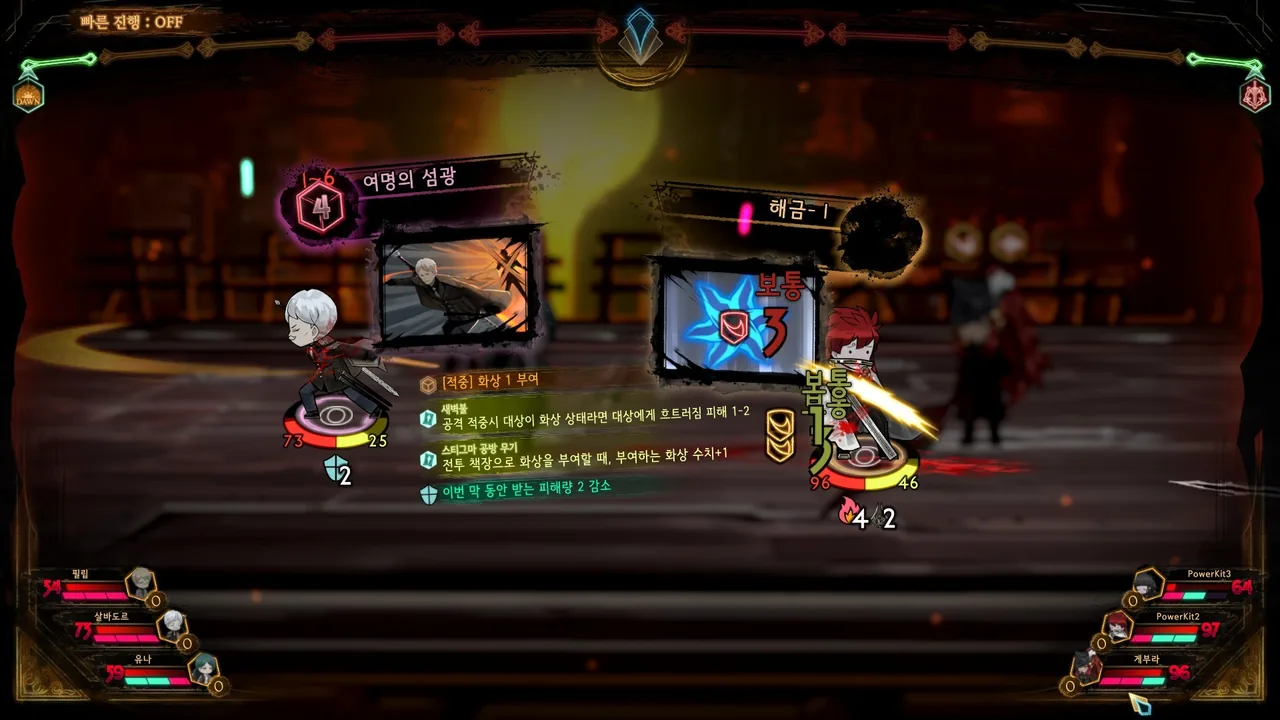
Core systems
Key Page Editing
A Key Page sets a librarian's resistances and native passives. Attributing another Key Page grants access to its passives.
Will a useful Key Page be equipped or used for attribution? Slots and cost limits keep you from carrying every effect in one build.
Receptions and Invitations
Books placed in Invitations summon Guests. Winning a Reception yields Books tied to those Guests.
Burn a Book for pages, or save it to open another Reception.
Combat Pages and Clashes
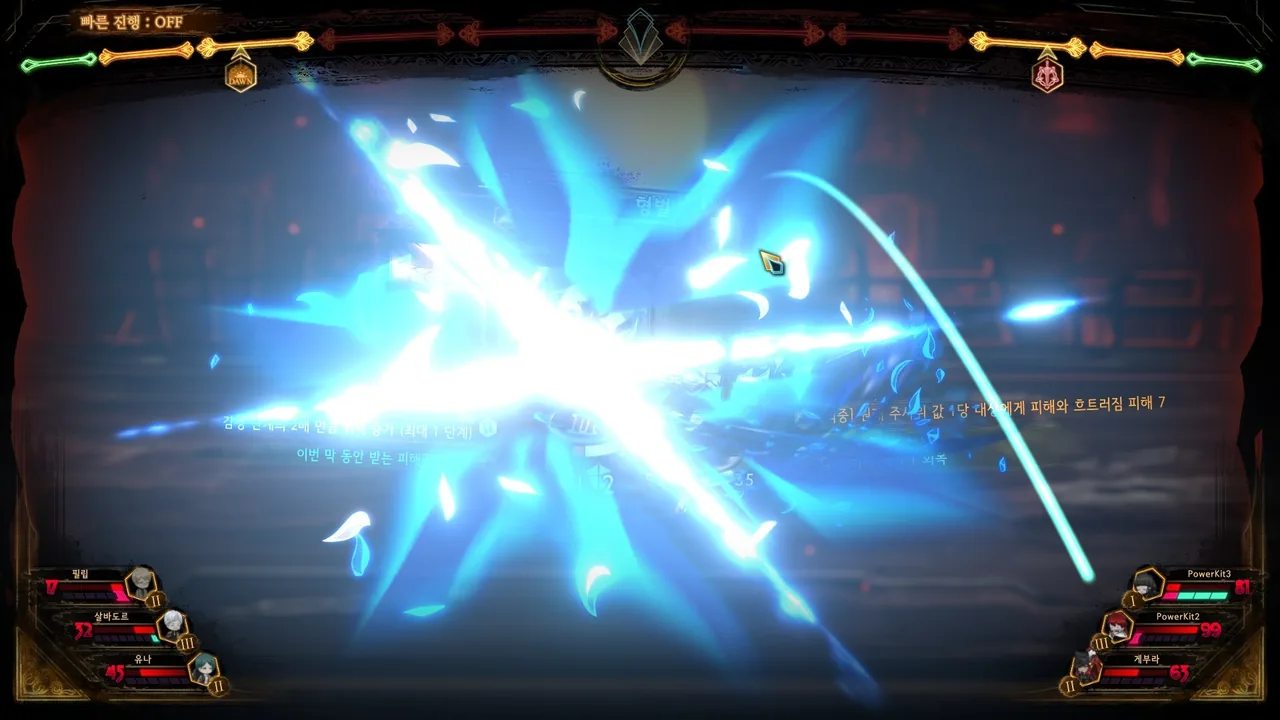
Opposing actions Clash through dice rolls. Power modifiers also affect the result.
Choose a librarian to intercept a dangerous page, or avoid the Clash and press a one-sided attack. Check page effects and resistances as well as the roll range.
Light and Page Draw
Combat Pages cost Light. Page effects and Emotion Level also affect how the hand is replenished.
Spend Light to win the current Clash, or include recovery and draw so the librarian can act next Scene.
Emotion Level and Abnormality Pages
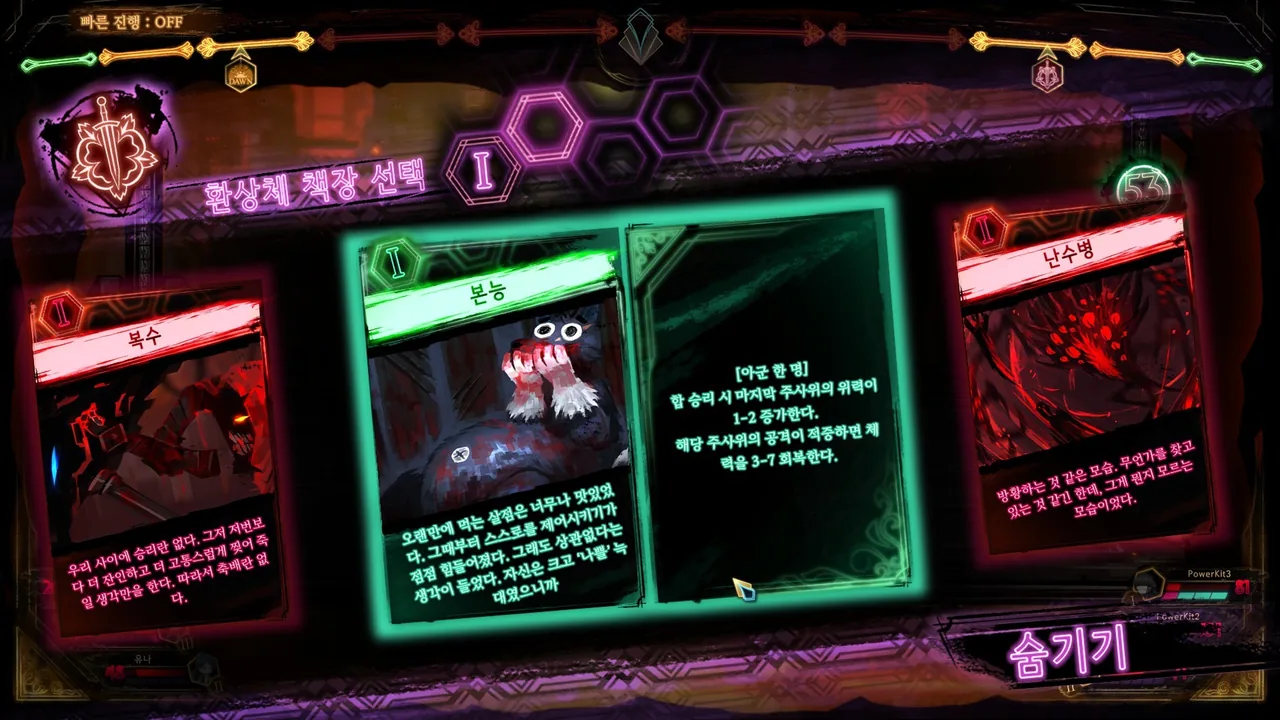
As Emotion Level rises in combat, you can choose Abnormality Pages from that floor. Maximum Light and Speed Dice change with Emotion Level too.
Pick an Abnormality Page for the current fight. If you have a particular effect in mind, choose the floor and build around it beforehand.
Abnormality Battles and Realization Battles
These fights use special rules tied to each floor's Abnormalities. Abnormality Battles unlock that floor's Abnormality Pages; Realization Battles unlock its E.G.O Pages.
Read passives and page text to work out how to win. In a long Realization Battle, the team must keep functioning through later phases.
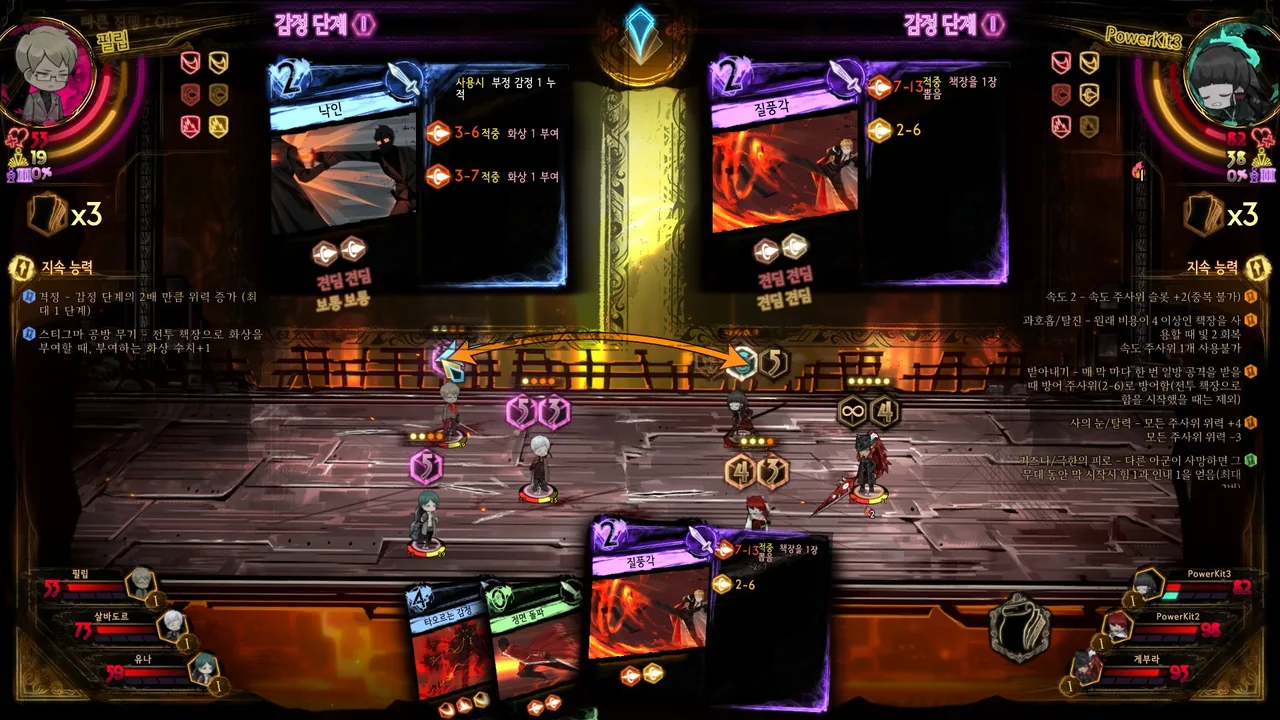
What sets it apart
Defeated Guests become Books, linking page rewards for equipment and decks to later Invitations.
Building the deck is preparation. Once enemy pages and targets appear, you still decide who Clashes with whom.
A floor's Abnormality Pages can change the role of the same Key Page.
Learning curve and difficulty
Comparing roll ranges can get you through early Receptions. Around Urban Nightmare and Star of the City, missing an enemy passive or special condition can break a lineup.
Choose who stops a dangerous page and which attack can pass. Then account for the Light and cards needed in the next Scene.
Abnormality Battles and Realization Battles have their own rules. After a loss, reread the passives and pages, then rebuild for that fight.
The official material checked did not describe a direct difficulty selector. When stuck, revisit the floor, Key Pages, attributed passives, and Combat Pages.
Builds and playstyles
Floor-centered Abnormality setup
Start with the Abnormality Pages you want to use, then pick Key Pages and Combat Pages that meet their conditions. An early page can still have a place if it works with a floor effect.
Clash interception setup
Assign dangerous Clashes to librarians with suitable Power passives or resistances. Their teammates can then make one-sided attacks, so redirecting target lines is central to the setup.
Light-and-draw engine
Put Light recovery and page draw in the deck so extra Speed Dice do not leave the librarian with an empty hand. This helps in Receptions where a deck packed with costly pages stalls.
What longtime players say
Long-play reviewers enjoy fitting Key Pages and Combat Pages to a floor's effects. They describe trying different page combinations and team setups as part of the appeal.
After finishing demanding fights, these reviewers still look back on the struggle alongside the story. The difficult stretches remain part of what they remember.
The story and the City stayed with these reviewers. Others returned later to finish achievements or take another run at a Reception they had left unfinished.
What players like
The music sticks with reviewers through particular fights and story scenes. Combat sounds, including the impact of Clashes, and the battle presentation also make Scenes satisfying to watch.
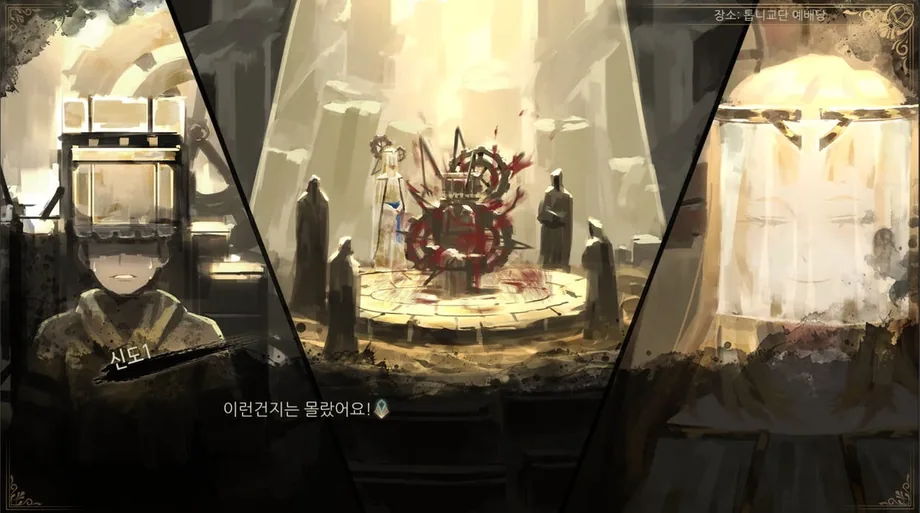
Angela and Roland's story unfolds as the Guests' circumstances reveal life in the City. Reviewers remember that structure, while players familiar with the previous game follow how its characters change here.
Reviewers enjoy combining Key Pages and Combat Pages around a floor's effects. For them, preparing the librarians is already part of the game they want to play.
The middle and later Receptions can halt progress. Reviewers who enjoy rereading enemy conditions and changing their lineup find satisfaction in breaking through, even while calling the difficulty harsh.
Read the enemy's passives and page text, redirect a target, then set up a favorable Clash. Reviewers enjoy having those choices against uncertain dice rolls.
There is also pleasure in choosing a floor's Abnormality Pages first and building Key Pages and Combat Pages around their effects.
Common complaints
During progression and near the end, a lineup that worked in the previous Reception can suddenly fail. Entering a long fight without knowing its special rule makes a loss and restart especially tiring.
Reviewers describe finishing the tutorials without a firm grasp of Clashes or team building, then looking for outside guides. Light and card draw can take time to understand as well.
Reports mention slowdown after long sessions, pauses between screens, and hitches during combat. Searching for Key Pages and moving pages between librarians can also be tedious.
Burning a Book may fail to yield the page you need. Losing Books committed to a failed Invitation can also send you back to a Reception you already cleared.
Who it’s for
It suits players who like reading enemy pages and passives, redirecting Clashes, and changing their build after working out why they lost.
It also fits players who want to start with a floor's Abnormality Pages, choose Key Pages and attributed passives to match, and keep Light and cards flowing.
Guests' stories offer a way into Angela, Roland, and the City for players who want to follow the narrative.
Who might not enjoy it
If you prefer to move forward from short prompts, rereading enemy passives and rebuilding for each Reception may feel burdensome.
Consider the failure loop if you dislike collecting Invitation Books again or restarting a long fight with special rules.
FAQ
- Does it support English?
- Yes. The interface and subtitles support English. Full audio is available in Korean.
- Is there cooperative play?
- No. Steam lists it as a single-player game.
- Can the difficulty be changed?
- The official material checked did not describe a direct difficulty selector. When stuck, you can revisit the floor and team setup.
- Is there additional content?
- A digital artbook and soundtrack are sold separately. The store does not list official DLC that adds Receptions. Steam Workshop support is included.
These impressions are based on 100 Steam reviews sorted by “Most Helpful.” They do not represent the views of all buyers.

Image: Library Of Ruina on Steam