Predy Media > Precision platformer > Game page
Game pageJump King: Movement, Player Views, and Who It Suits
For players willing to make jumps consistent and climb again after falling.
Reviewers describe progress not only as reaching new heights, but climbing familiar sections more reliably.
What makes it fun
Commit when you release
Hold to charge a jump, then release to leap. You cannot turn back in midair, so your takeoff spot and charge timing determine where you land. Reaching the platform you aimed for makes that decision feel tangible.
Build a route you can repeat
Look for shortcuts and platforms you can reach with a fully charged jump, then reconsider where you take off. Putting together a route you can climb again after a fall gives each platform a purpose.
Your skill survives a fall
A long fall takes away height, but not the feel for jumps you have learned. Climbing back faster and clearing platforms that once stopped you lets you see your progress in the return trip.
Game details
As of Oct 29, 2026- Steam Deck
- Verified
- Release date
- May 4, 2019
- Developer
- Nexile
- Languages
- Japanese (Full audio), English (Full audio), Simplified Chinese (Full audio) / 10 languages total
A typical run
Reviewers suggest adjusting the take-off position.
Hold to charge.
Release to leap.
Climb back after a fall.
Consider New Babe+ after finishing the original.
Core systems
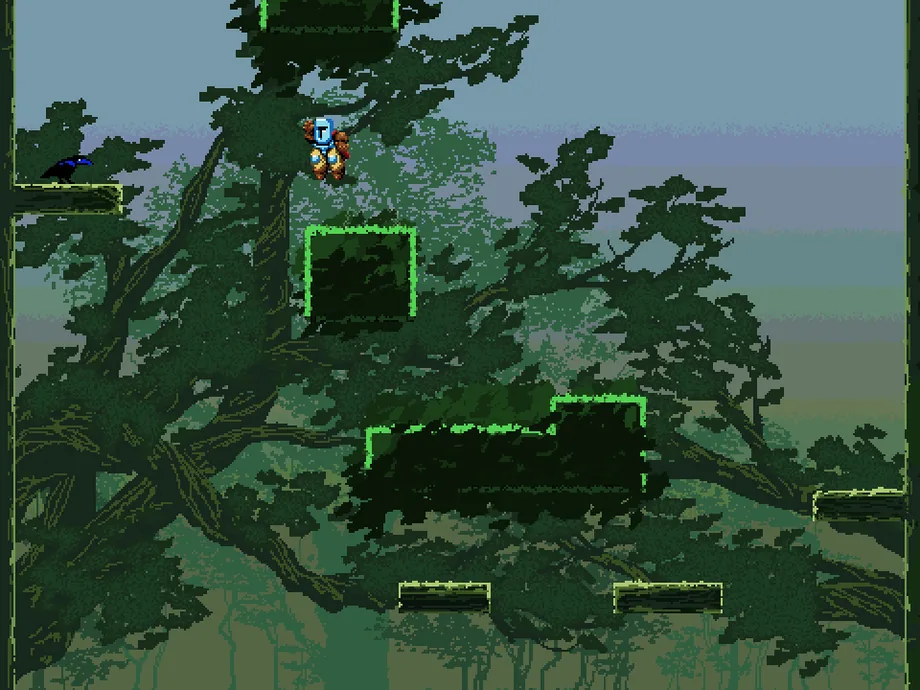
Jumping
Once airborne, you cannot turn back.
Reviewers value learning consistent charge timing.
New Babe+
An additional course demands more skill and length than the original.
Reviewers distinguish the additional courses’ harshness from the main climb.
Steam Workshop
Find user-made levels, skins, and mods.
Reviewers describe community content as a reason to keep playing after summiting.
What sets it apart
Reviews focus on decisions before take-off and repeatable charge timing rather than many inputs.
Separate responses that accept falling from complaints about recovering lost progress.
Some reviewers find further enjoyment in additional courses or community maps after reaching the top.
Learning curve and difficulty
Reviewers suggest seeking positions suited to full-charge jumps, rather than reproducing a delicate charge every time.
A reviewer found it rewarding to plan routes that could be repeated after falls, not merely passed once.
The main summit and additional courses are separate goals; harsh reactions to the latter suggest choosing your own stopping point.
What players like
Players value the accomplishment of reaching the summit or completing a course.
Players describe fair difficulty because failures feel attributable to their own decisions or inputs.
Additional courses or user-made content give reviewers more climbs to pursue.
Reviewers describe jumps or recovery becoming more reliable with practice.
Reviewers enjoy adjusting take-off positions or routes to find more reliable jumps.
Common complaints
Reviewers describe frustration with the difficulty or repeated failures and the patience required.
Long falls and the ensuing climb back make lost progress feel costly.
The demanding additional courses are described as burdensome.
Who it’s for
It suits players who value reliably executing a jump, not only learning a route.
It suits players willing to treat learning as progress even when a fall costs height.
Who might not enjoy it
If recovering lost progress feels exhausting, consider the reports about costly falls.
If you want reliably easy wins as a diversion, reports of frustration and repetition matter.
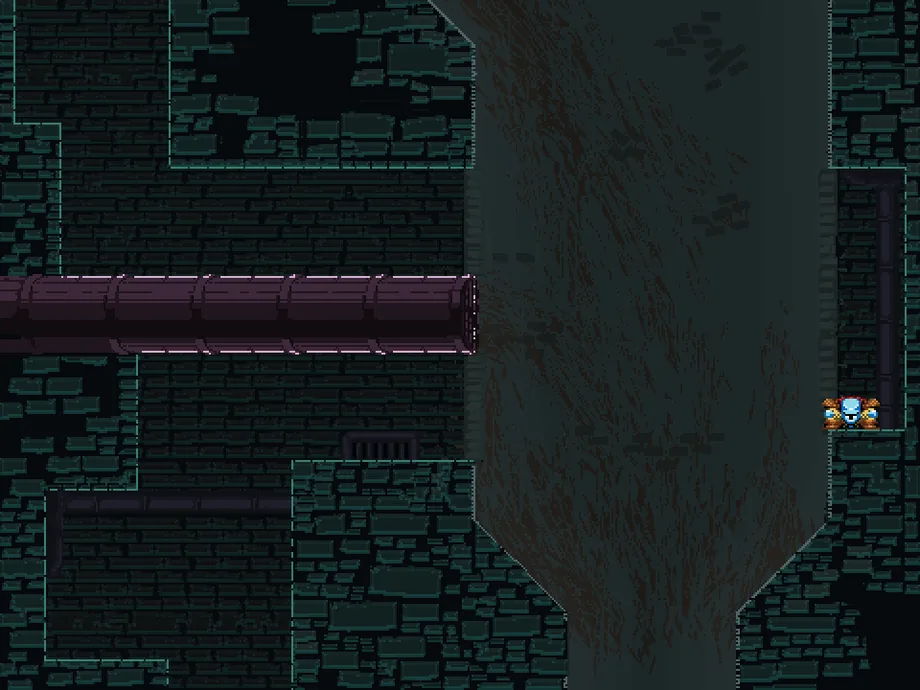
FAQ
- Is it an easy starting point?
- Reviewers describe a substantial patience and practice commitment.
- Can falling still feel like learning?
- Some reviewers see more consistent jumps as progress.
- Where can I find custom maps?
- Steam Workshop has a levels category.
- Is New Babe+ equally difficult?
- The developer describes it as longer and more demanding of skill than the original.
These impressions are based on 100 Steam reviews sorted by “Most Helpful.” They do not represent the views of all buyers.

Image: Jump King on Steam