Predy Media > Action roguelike > Game page
Game pageHades II: Magick, Preparation, and Reasons to Return
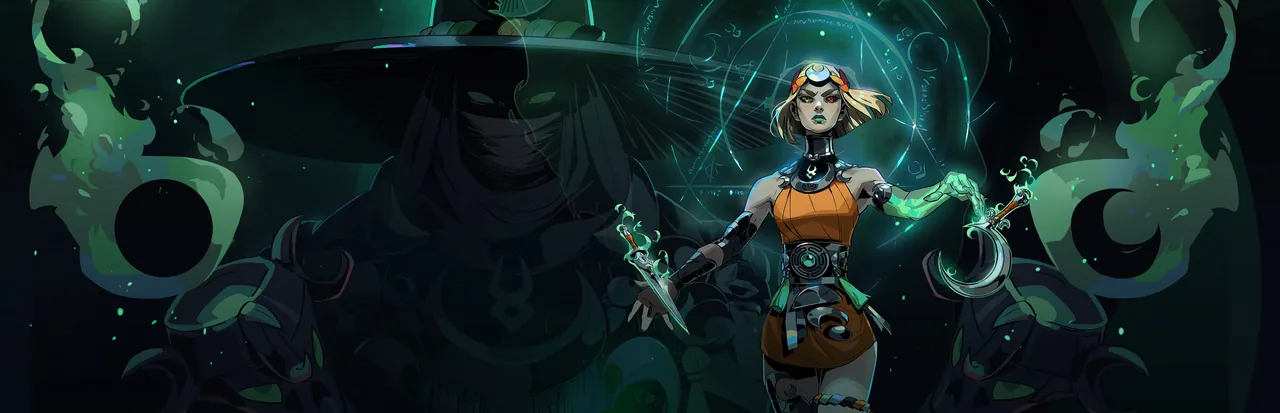
Hades II combines Nocturnal Arms, Boons, and sorcery, with decisions about your fighting style starting before a run.
Choosing when to commit Magick to an Omega move and which Arcana to activate adds decisions beyond reacting quickly.
What makes it fun
Let Boons change how you use a weapon
Choose a Nocturnal Arm, then decide whether the Boons you find favor regular attacks or Magick-fueled moves. The same weapon can support a different approach as a run takes shape.
Use a Cast to set up an Omega Move
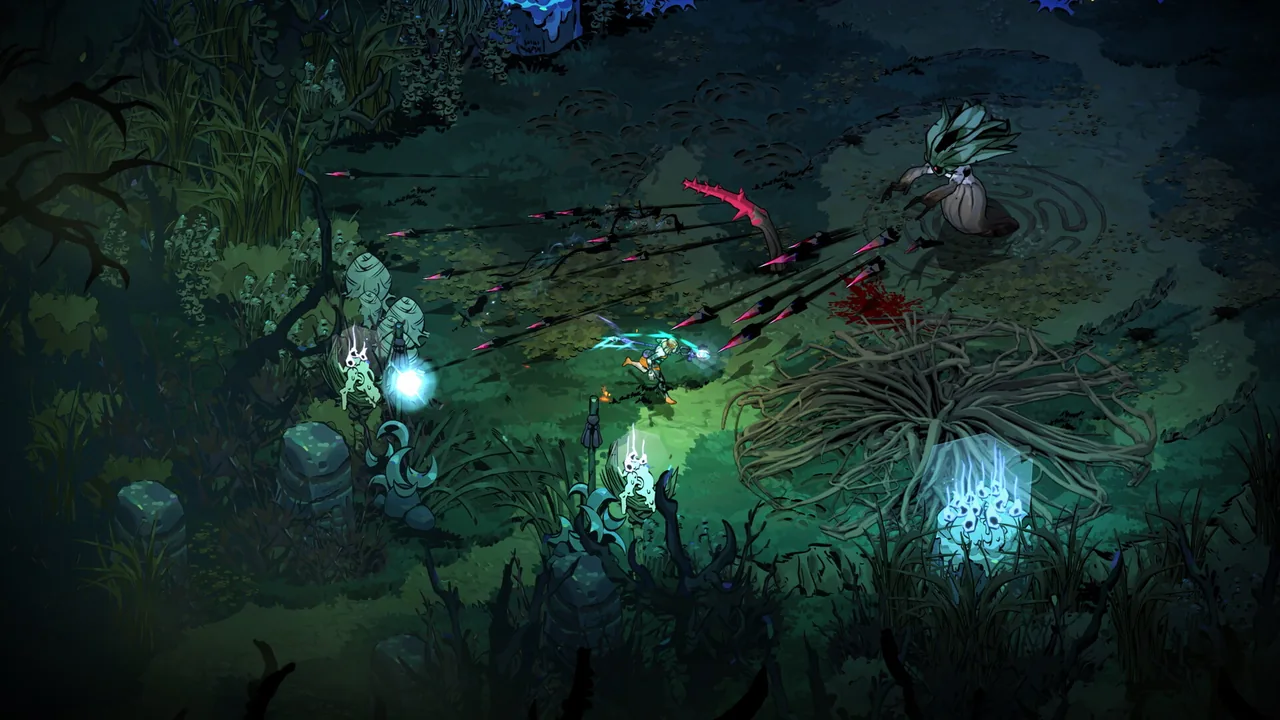
A Cast can hold foes in place while you make room to charge an Omega Move that spends Magick. You can strike at once or keep your distance to set up the charged move.
Returning advances your plans and the story
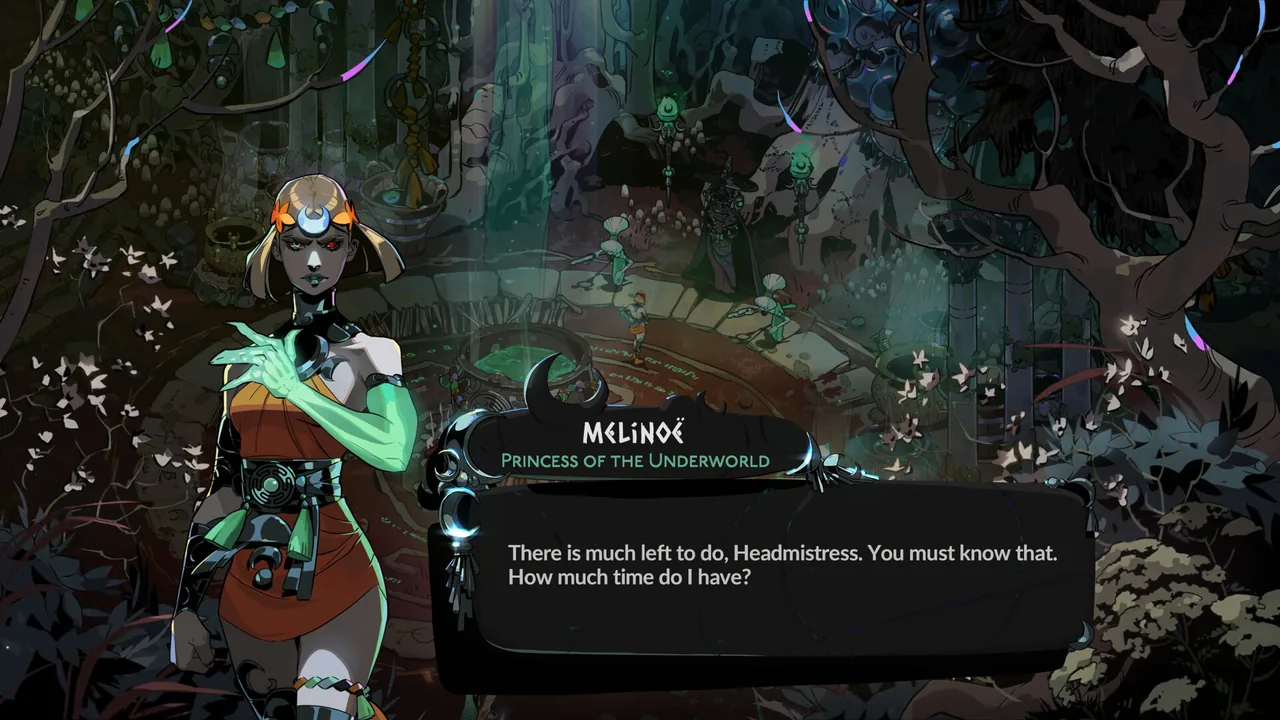
Back at the Crossroads, gathered materials can go toward unlocks and upgrades, while conversations develop with your journey. Being defeated still brings you back to prepare for another attempt.
Game details
As of Oct 29, 2026- Steam Deck
- Verified
- Release date
- Sep 26, 2025
- Developer
- Supergiant Games
- Languages
- Japanese, English (Full audio), Simplified Chinese, Korean / 15 languages total
A typical run
Choose a Nocturnal Arm and prepare an Arcana arrangement at the Altar of Ashes.
Progress opens a choice between descending into the Underworld and taking the Surface route.
Take Boons during the run and combine them with your weapon and sorcery.
Omega moves take channeling time and Magick, so you weigh an immediate attack against preparing the charged move.
Between attempts, use gathered reagents for unlocks and upgrades, and follow conversations that change with your journey.
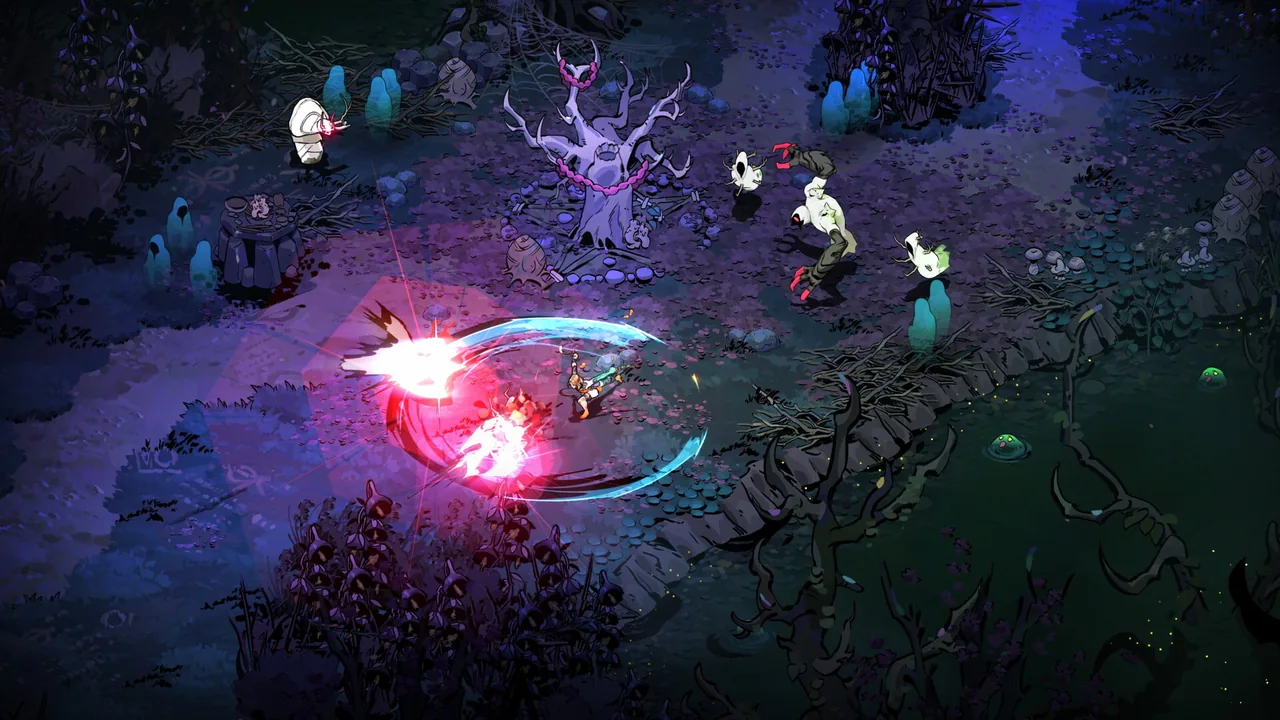
Core systems
Nocturnal Arms and Boons Nocturnal Arms / Boons
Your weapon provides a foundation for the divine Boons you collect during a run.
Weigh support for your current attacks against a shift toward sorcery, using the Boons actually offered.
Omega Moves and Magick Omega Moves / Magick
Omega moves are channeled moves that spend Magick.
Find an opening to channel, but also consider the Magick left after committing to the move.
Altar of Ashes and Arcana Altar of Ashes / Arcana
The Grasp limit shapes which Arcana you activate, separately from unlocking or upgrading the cards.
Rather than using every unlocked card, decide what to keep for the weapon and sorcery you plan to use.
Saved Arcana arrangements Spreading of Ashes
Unlocking Spreading of Ashes lets you save Arcana arrangements at the Altar of Ashes.
Saved arrangements support changing your plan without treating a different setup as a fresh set of unlocks.
Tools of the Unseen
Unlocked tools let you gather their corresponding resources without selecting a priority tool.
Focus on the materials needed for an unlock or upgrade.
Oath of the Unseen
Vows change the conditions of a run, with Vow of Rivals making Guardian encounters more challenging.
Tougher fights and restrictions on preparation ask you to reconsider different parts of a setup.
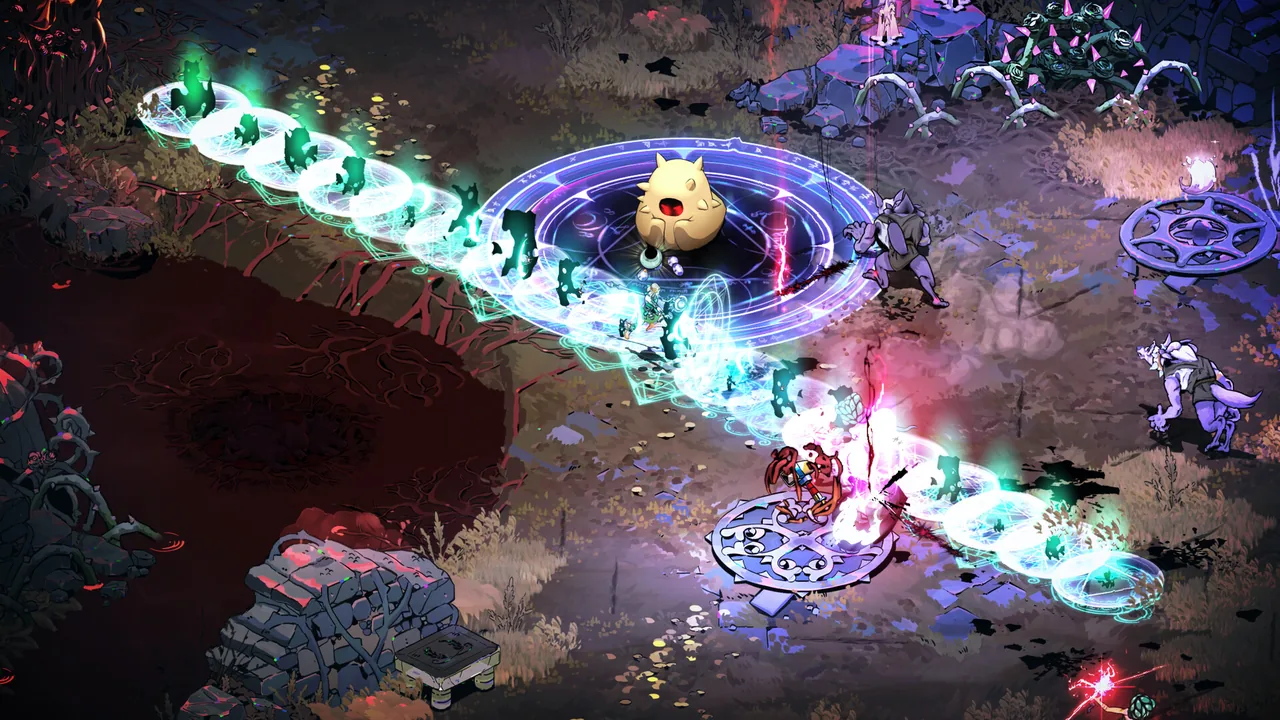
What sets it apart
Your approach depends not only on weapon attacks, but also on when to spend Magick on Omega moves.
Arcana let you prepare a setup before departure, separately from Boons found during the run.
Permanent upgrades and journey-responsive conversations continue across repeated attempts.
Learning curve and difficulty
Vow of Void lowers the Grasp limit, making you reconsider what to remove from a familiar Arcana setup.
Vow of Rivals changes Guardian encounters, giving you a reason to test familiar setups against altered fights.
Reviews enjoy trying different weapons and Boons to explore sorcery-led approaches and ways of managing distance.
Builds and playstyles
Leaning on attacks or Magick
Reviews describe approaches built around ordinary attacks as well as those leaning on Magick-spending moves. These are directions to explore with your weapon and Boons, not a fixed recipe to reproduce.
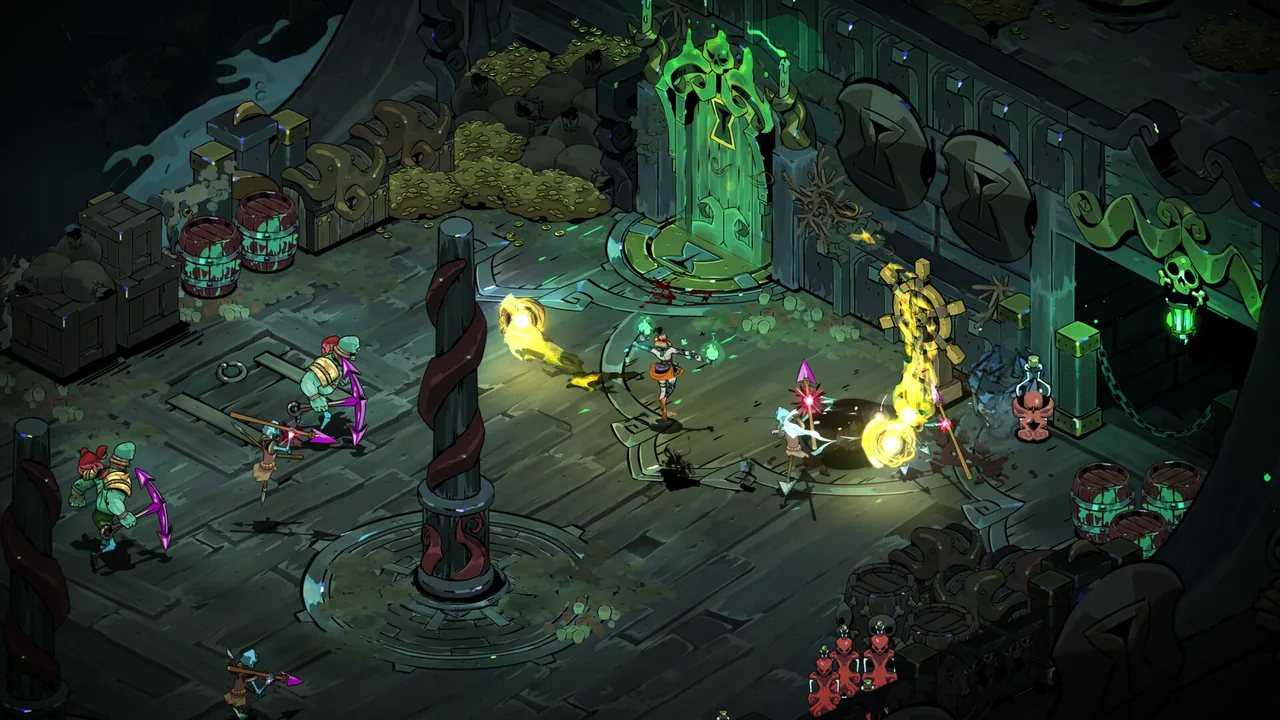
What longtime players say
Players describe still finding enjoyable weapon and Boon combinations after extended play.
What players like
Changing weapons and Boon combinations changes the approach to combat, giving reviewers a reason to try another setup.
Players appreciate the variety that different routes or bosses bring to their attempts.
New conversations and reactions across successive attempts keep players curious about the characters.
Unlocks and upgrades between attempts give players a sense of progress and a reason to return.
Magick, charged moves, and Cast give players decisions about spacing or ability use beyond simply keeping attacks going.
In Siren encounters, changing songs or the interplay between combat and music leaves an impression even on return visits.
Changing difficulty conditions or taking on strengthened bosses gives players goals beyond familiar fights.
Common complaints
The characters, relationships, or conversations did not connect as strongly as these reviewers hoped.
Repeating attempts for resources, conversations, or prophecy progress can feel like prolonged work before the next development.
Differences in weapon or Boon strength and appeal can make experimenting freely less attractive.
Charging or the changed dash-and-sprint rhythm can feel awkward, interrupting the flow between movement and attacks for these players.
Repeated boss sequences, fixed phases, or waits without an opening can interrupt the momentum of later runs.
Who it’s for
It suits players who want to adapt to the Boons they find and experiment with weapons and sorcery.
It also fits players who want to revisit difficulty conditions and Arcana setups to give familiar fights a different challenge.
Conversations and unlocks between attempts suit players who want the story to develop alongside repeated runs.
Who might not enjoy it
If repeating runs to advance unlocks or the story is unappealing, the comments about resource and dialogue progression are worth considering.
If immediate flow between attacks and movement matters most to you, consider the reactions to charging and sprinting.
FAQ
- Do I need to play Hades first?
- The developer says prior knowledge of Hades or Greek myth is not required, while returning players can recognize connections.
- Which languages are available?
- Japanese, English, Simplified Chinese, and Korean text are supported; the voiceover is in English.
- Can I play cooperatively?
- It is a single-player game, and the developer says there are no plans for multiplayer.
- Can I adjust the difficulty?
- God Mode is available, while the Oath of the Unseen offers tougher conditions.
- Do older progression and ending comments describe the current game?
- Official updates added story material and adjusted progression requirements. The played version is not identifiable from these reviews, so older impressions are not treated as current specifications.
These impressions are based on 100 Steam reviews sorted by “Most Helpful.” They do not represent the views of all buyers.
Image: Hades II on Steam