Predy Media > Farming sim > Game page
Game pageDinkum Features and Reviews
Who It Suits
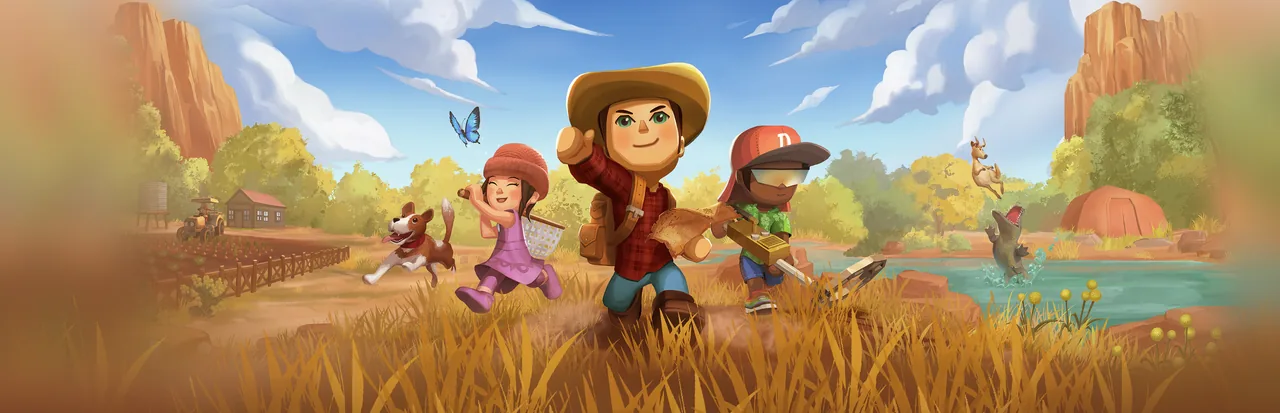
Dinkum is a life sim about earning a living on an empty island and inviting residents to settle there. You can dig up the terrain and decide where the town's shops and fields belong.
The early game opens tools and shops gradually. Once the residents have moved in, the question is whether you enjoy setting your own building and collecting goals.
What makes it fun
Shape a town from the ground up
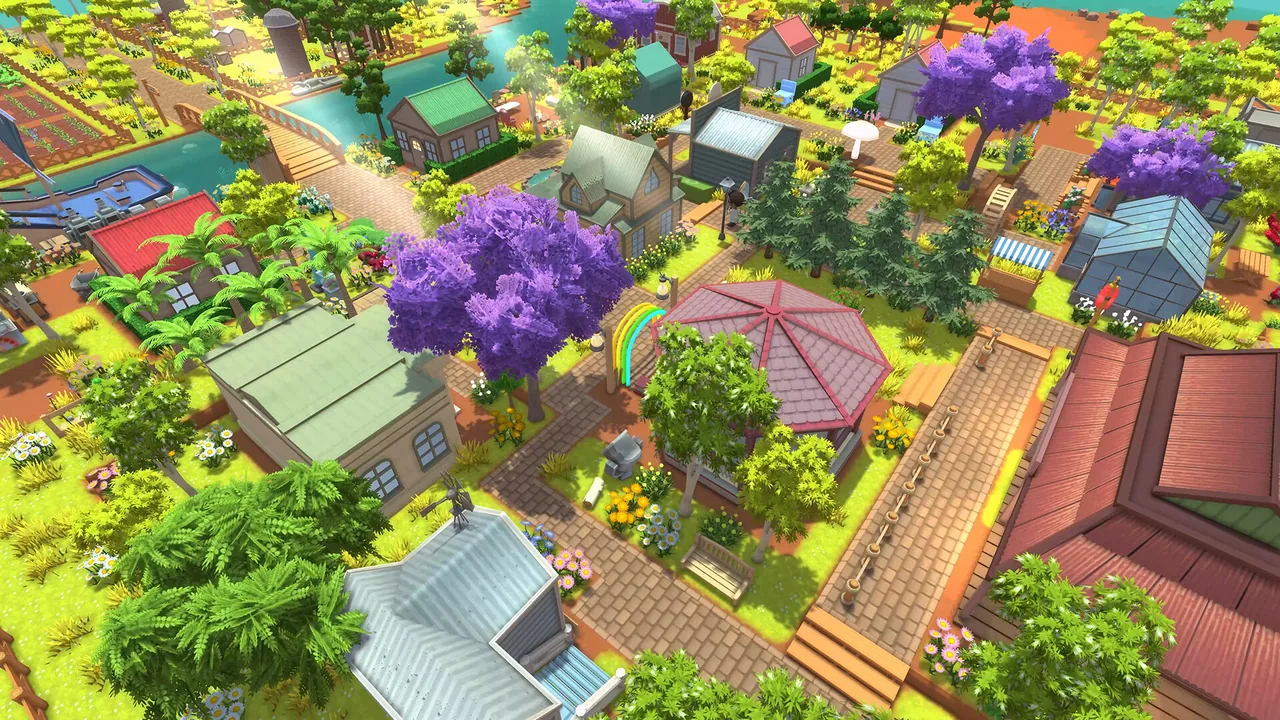
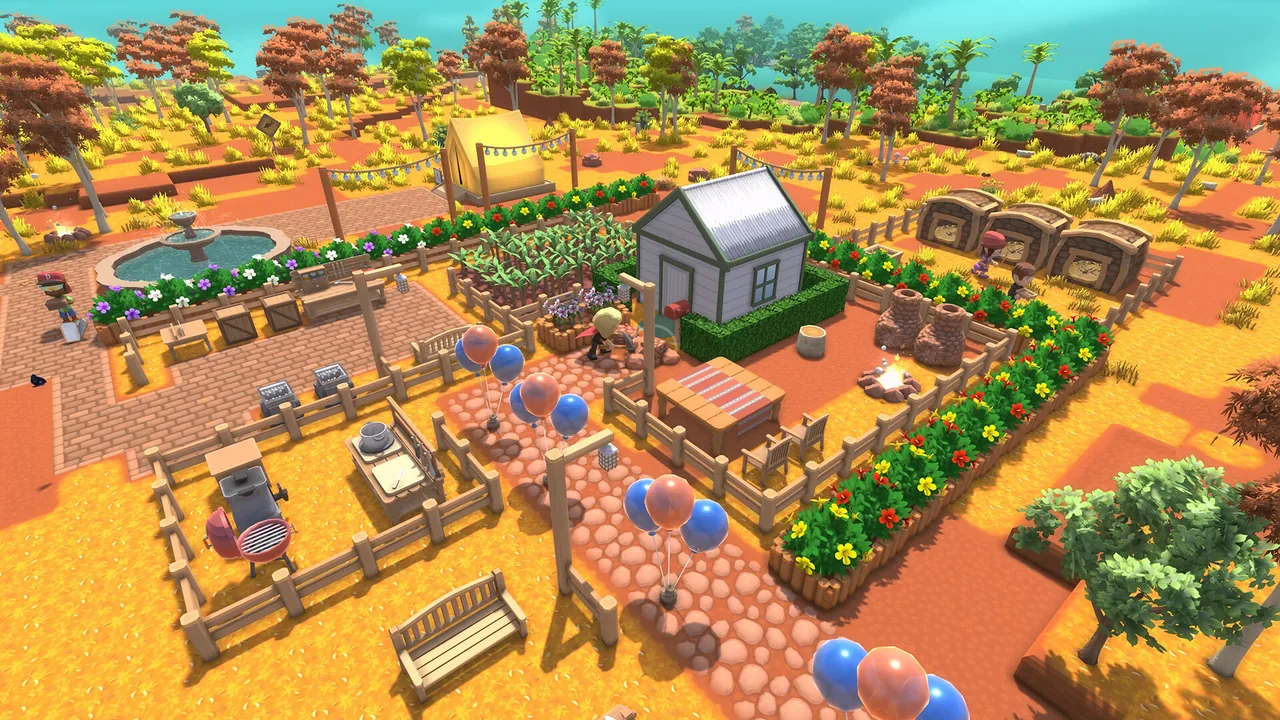
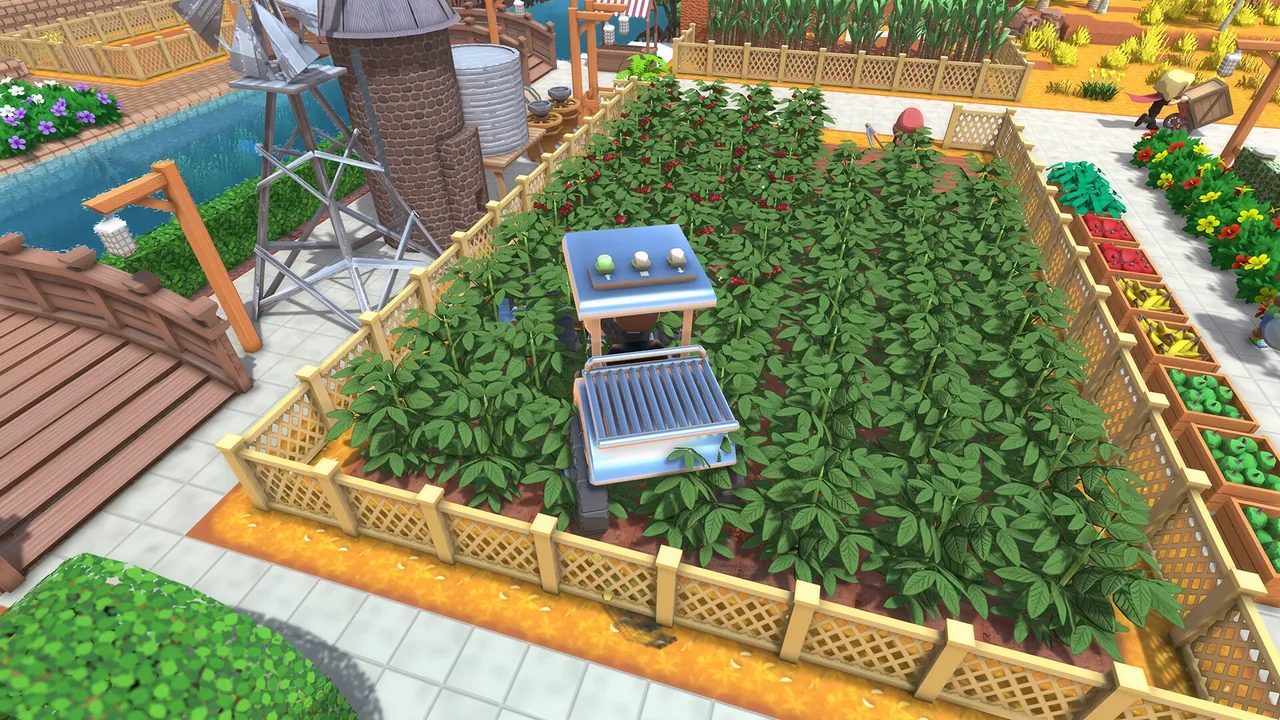
Reshape the land and lay out space for fields and a workshop. As residents move in, untouched land becomes a town of your own design.
A day that lasts until you sleep
Your stamina bar shrinks late at night, but you can keep reshaping the land. Sleeping moves the game to the next day, advancing crops and shop schedules without waiting for the real-world clock.
Bring the mine's rewards back to town
Take a light, a weapon, and food into the Deep Mine. Gather ore while dealing with its enemies, then bring materials home to build up your town.
Game details
As of Oct 29, 2026- Steam Deck
- Playable
- Release date
- Apr 23, 2025
- Developer
- James Bendon
- Languages
- Japanese, English, Simplified Chinese, Korean / 14 languages total
A typical run
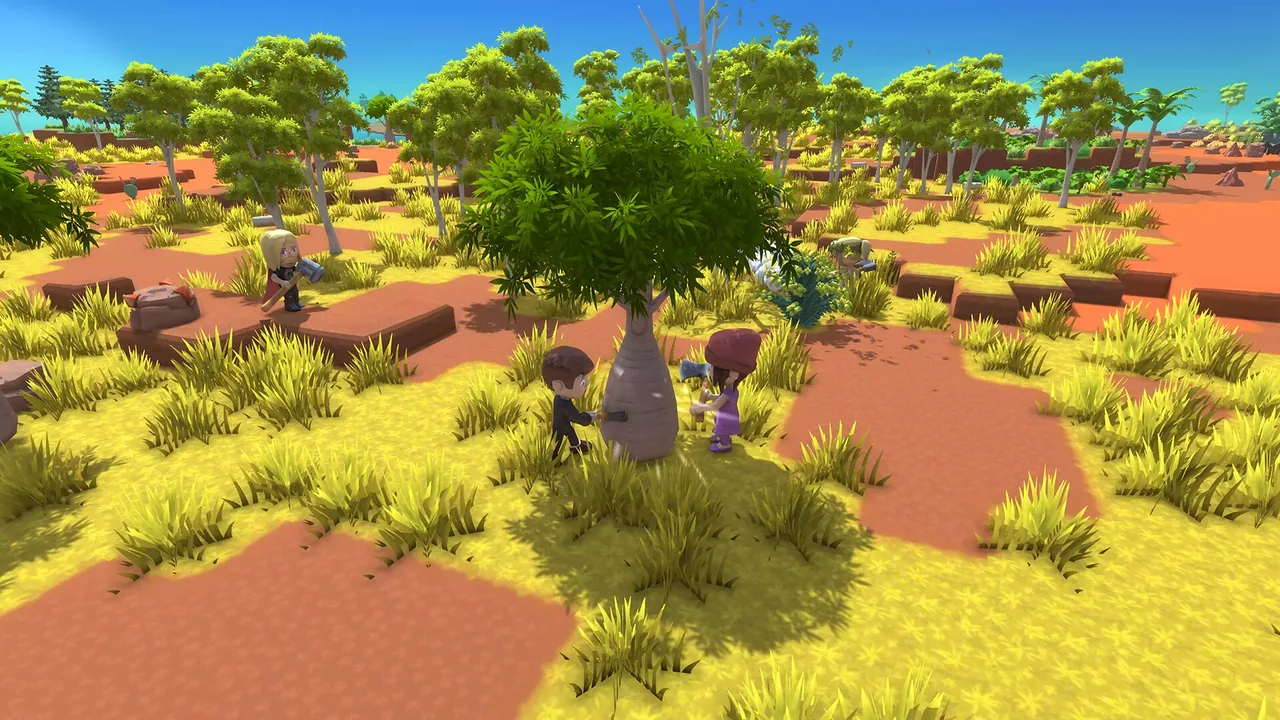
After placing a base, you forage, fish, and hunt for goods to sell and materials to build with.
Dinks and Permit Points earned through jobs go toward Licences and new buildings.
You trade with visitors and weigh their favours against what you have and what you would need to find. Those dealings help bring them to the island.
Once fields, animal pens, mines, and workshops are running, you can devote a day to earning money or spread building and routine work across each day.
Sleeping moves the date forward. Crops grow, and shop and visitor schedules advance, so it helps to choose tomorrow's job before turning in.
Core systems
Licences
Licences open tools, crafting, mining, vehicles, and other activities in stages. You apply using Permit Points.
You can open an income source such as mining or make travel and routine work easier. Spending points on an activity you will not use yet delays the unlock you need.
Deeds
Deeds let you place shops and public buildings. Choose a site and supply the materials to finish construction. Town debt affects later building.
If you group shops together, leave room for the paths you may want later. Adding facilities in quick succession brings material gathering and debt payments together.
Deep Mine
The Deep Mine is an underground area where you search for ore and other finds. Before entering, prepare light, weapons, food, and mining tools, and leave space for the haul.
You decide whether to search longer or return with what you have. Before your gear is ready, enemies and depleted stamina can take time away from mining.
Island Permissions
In co-op, the host can set visitor permissions separately for storage, terraforming, placing objects, vehicles, and farm animals.
The host can allow a building partner to place objects and reshape land while restricting access to storage. Town progression remains on the host's island.
Creative Mode
Creative Mode lets you add items, change the time and weather, and place animals while you work on an island design.
You can keep gathering materials and unlocking things normally or use a save devoted to building. Using the mode disables Steam achievements for that save.
Train
The Train runs on tracks you place. Straight and curved sections and railway bridges can connect distant developed areas.
A route makes trips across a spread-out town or farmland easier, but the track claims space. Decide which areas should keep their scenery and where the line should run.
What sets it apart
There is no real-world clock to wait on: the day lasts until you sleep. Stamina shrinks late at night, but you can still use that time to reshape land or gather materials.
The island combines resident recruitment with dangerous wildlife. You can gear up for a mine trip, then return to digging up land for the town.
Once residents have settled, the story does not keep assigning the next project. You choose whether to build an exhibit, expand the farm, or lay out transport routes.
Learning curve and difficulty
Before a mine trip, bringing light and food and clearing space for ore reduces the chance that you will have to turn back early.
A weapon upgrade alone will not carry a fight in the mine or against dangerous wildlife. Food effects, spare stamina, and a way out make those encounters easier to handle.
If you do not know where a requested fish or bug appears, you can decline the favour. Checking the season and your inventory first avoids a search that goes nowhere.
Before placing buildings, consider the path to your fields and where workshop storage will sit. Leaving room for vehicles and tracks can spare you a rebuild when the town grows.
Builds and playstyles
Orchard and farm economy
Sell fruit harvests to fund crops and livestock. Farm income then pays for town debt and equipment, allowing the next building project to move forward.
Trapping and board jobs
Send away trapped wildlife and look for capture jobs when they appear on the Bulletin Board. You need not wait for crops to mature, but you do need to identify the requested animal.
Food-prepared exploration
Prepare food effects and upgraded equipment before entering mines or facing dangerous animals. The food you carry for recovery takes space that could hold ore and affects how long you can stay out.
Terraforming and display town
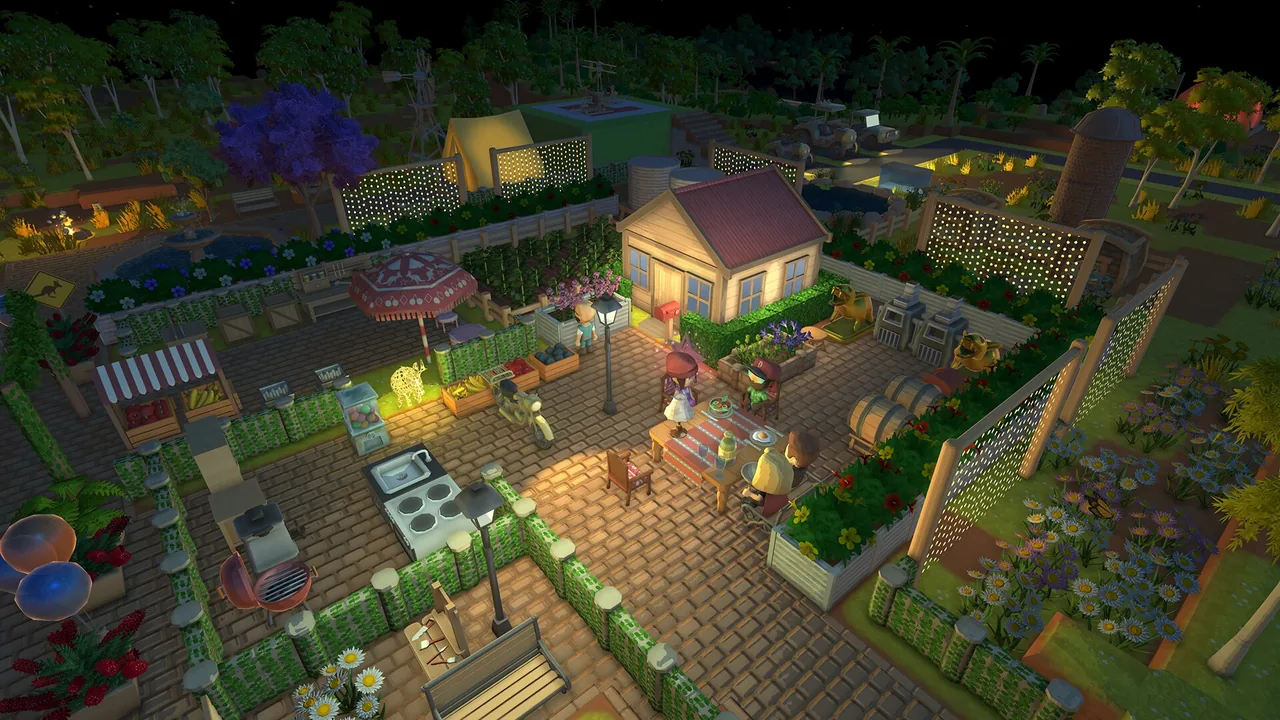
Cut back terrain, redraw roads and building plots, and display furniture and items with their own models. Even after residents settle, you can give yourself another district to work on.
What longtime players say
After residents move in and income is established, there is still room to remake the island. Caring for animals, exploring mines, and upgrading tools can become the next goals.
For players invested in town design, the work goes beyond placing furniture. They can reshape the terrain and rebuild field and display areas from the ground up.
With food and equipment prepared, mine trips and travel remain available. Fights with dangerous wildlife offer a change from farming and town upkeep.
Once the residents are in place, renovation and collecting remain. Continued play depends on whether you can turn those activities into goals of your own.
What players like
Digging up terrain, laying roads, and placing fields, animal pens, and workshops makes empty land feel like a town they built themselves.
In solo play, gathering or tending the town can be the day's goal. Players describe that unhurried routine as calming.
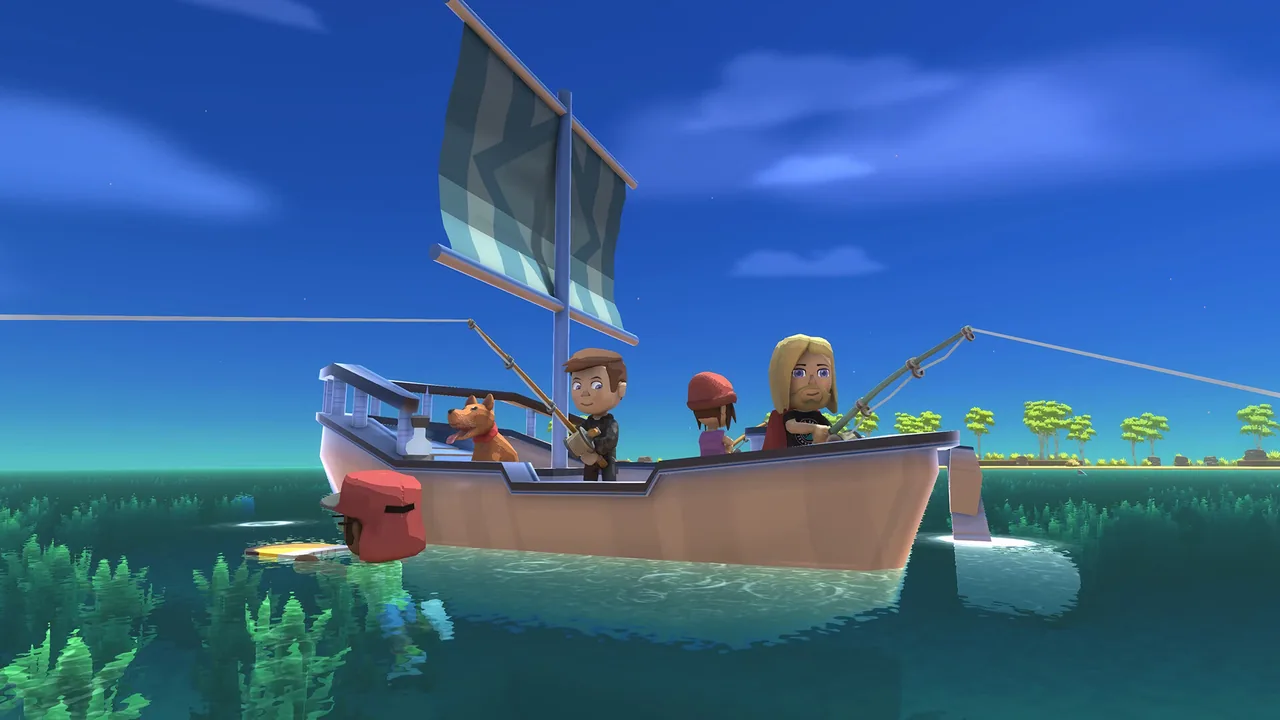
Friends enjoy working on the same island in co-op, whether they are building together or splitting up exploration and farm work.
One day can be for fishing income, the next for mining or building. Players who like choosing their own work also appreciate that the story does not hurry them along.
Past the inconvenient opening, tools and vehicles arrive, and shops and mines open up. Travel and material gathering no longer feel quite as they did at the start.
Food effects and better equipment make mine and wildlife encounters easier to handle. Those fights bring a different kind of tension to a day otherwise spent farming.
Common complaints
Early on, a Licence does not instantly put the desired tools, shops, or buildings within reach. Gathering materials and paying for the steps toward farming or mining can feel drawn out.
Aiming at dropped items, rearranging inventory and the hotbar, and clicking through familiar dialogue add up. The repeated inputs stand out as town work grows.
By the middle of the game, resident favours can lead through the same exchanges again. When dialogue and relationships change little, the work can feel unrewarding.
Visitors can help build and gather in co-op, but island progression stays with the host. For a visitor hoping to advance building goals together, that can feel like helping with someone else's town.
Who it’s for
It suits players who want to mine or trap wildlife while crops grow, then put those earnings into better tools and town buildings.
After residents settle, players who want to reshape terrain, make display areas and farms, and lay Train tracks can keep finding projects to pursue.
Who might not enjoy it
If you want farming and mining equipment from the outset, the steps through Licences, visitor arrivals, and building costs may feel slow.
A group that wants every member to advance the same island goals may find it limiting that building help does not transfer progression away from the host.
FAQ
- Does it support English?
- Yes. The Steam version includes an English interface and subtitles.
- Can it be played solo?
- Yes. It supports single-player and online co-op. In co-op, island progression is centred on the host.
- Can the difficulty be changed?
- The official materials checked do not establish a difficulty setting for normal play. Creative Mode has building-oriented controls, but using it disables Steam achievements for that save.
- Does it run on Steam Deck?
- The store marks it as playable. Reviews also discuss handheld and docked use.
- Has content been added since launch?
- Yes. Official announcements describe additions including trains, farm animal breeding, events, and co-op improvements.
These impressions are based on 100 Steam reviews sorted by “Most Helpful.” They do not represent the views of all buyers.
Image: Dinkum on Steam