Predy Media > Rhythm > Game page
Game pageCrypt of the NecroDancer: Features, Player Feedback, and Who It Suits
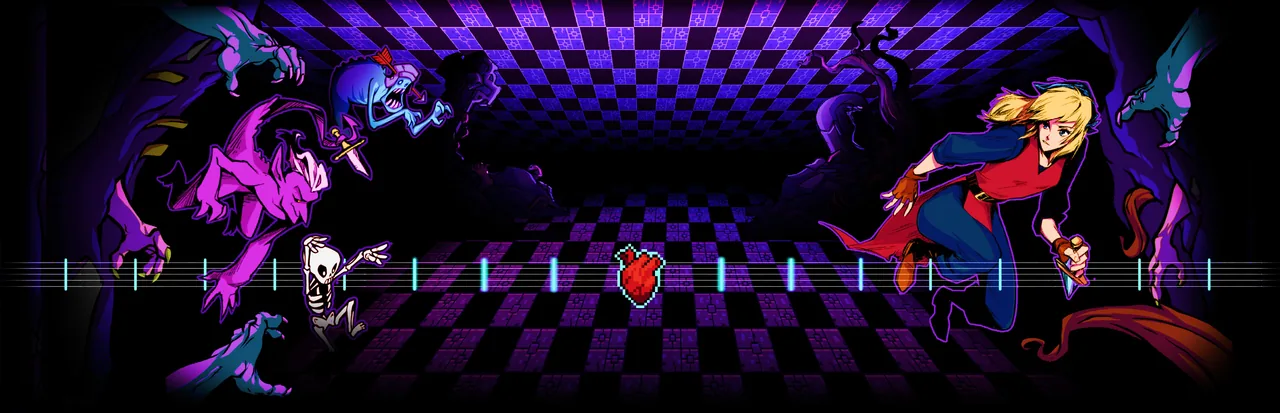
This roguelike dungeon crawler gives every action a deadline set by the beat.
Consider whether you like spotting where enemies will move before choosing an escape tile, then relearning those encounters when a new character changes the rules.
What makes it fun
Decisions on the beat
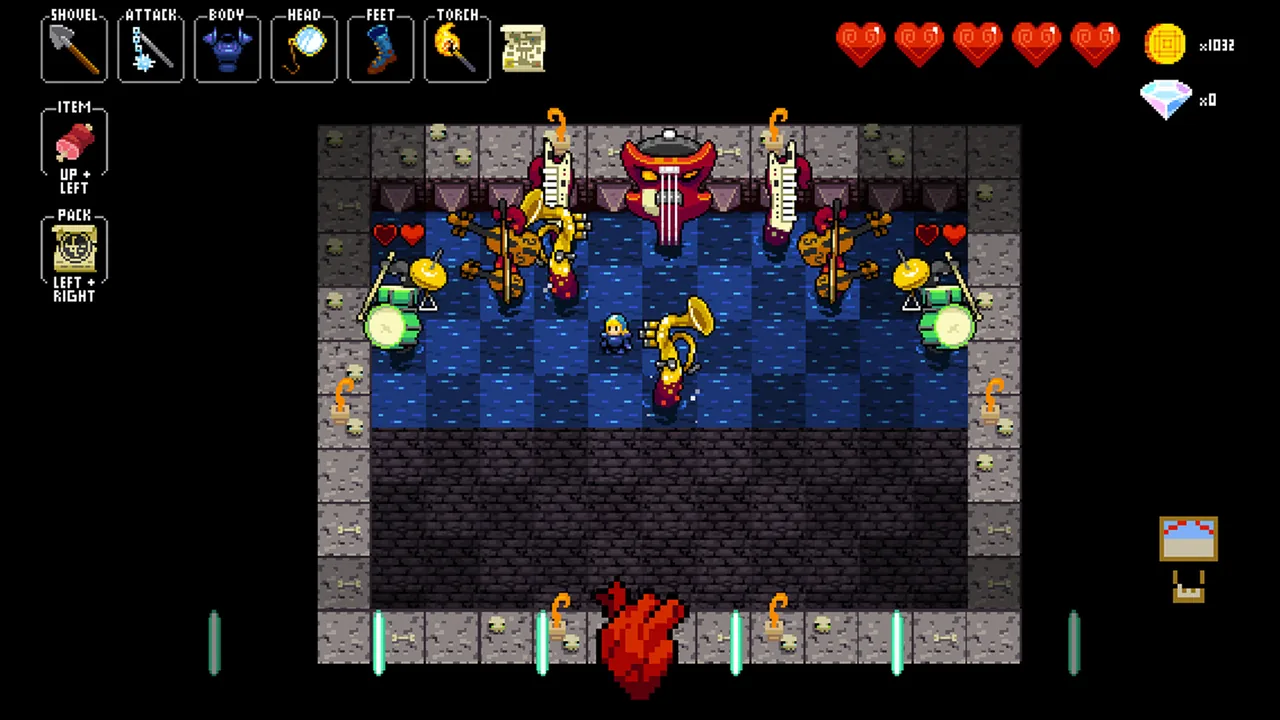
Move to the Music gives you a beat to decide whether to attack or retreat. Spotting a safe tile before an enemy closes in makes each move feel connected to the song.
Find a path through enemy patterns
When enemies with different movement patterns converge, read their next moves to find a tile you can occupy on the next beat. Each combination changes the route through the room.
Rethink a familiar dungeon
Playable characters change the rules of combat; one cannot attack at all. Familiar enemies call for a different approach, giving you another way to work through the dungeon.
Game details
As of Oct 29, 2026- Steam Deck
- Verified
- Release date
- Apr 24, 2015
- Developer
- Brace Yourself Games
- Languages
- Japanese, English (Full audio), Simplified Chinese, Korean / 11 languages total
A typical run
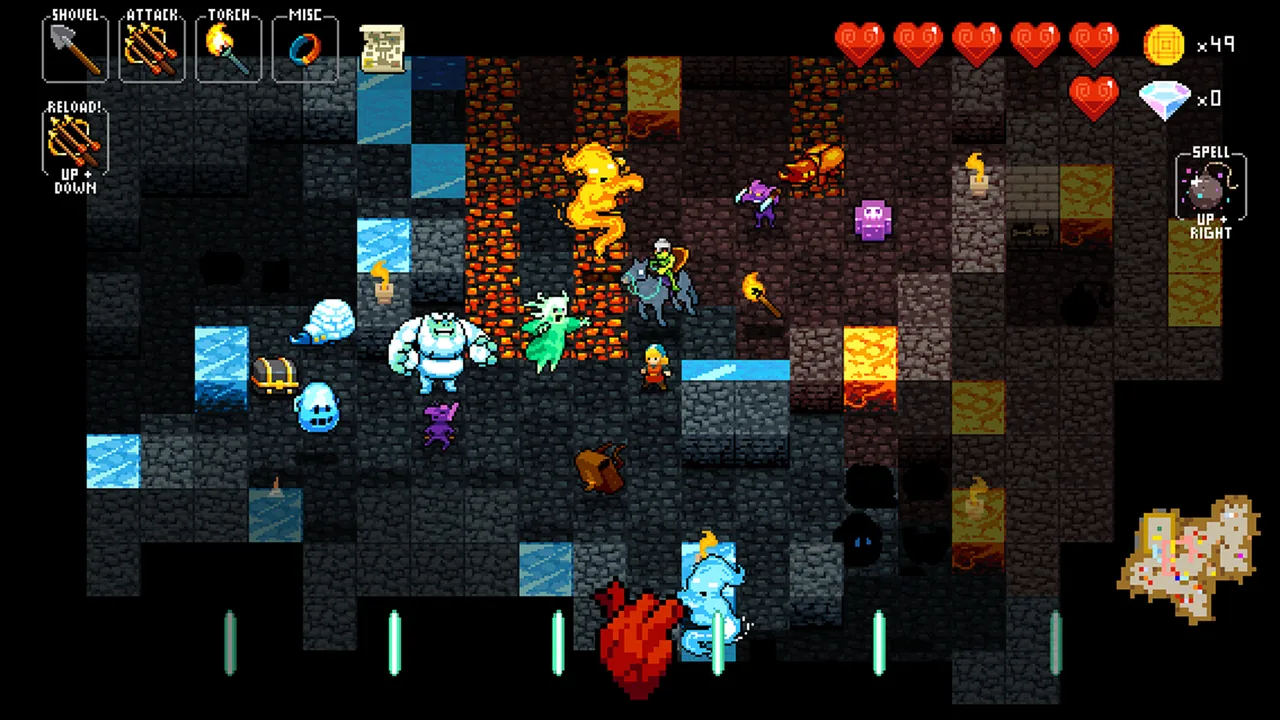
Choose a character and mode in the lobby, then enter a dungeon that changes between runs.
Move to the beat, attacking or backing away according to each enemy's pattern.
Dig through walls and pick up gold and equipment. Before entering another room, check where you can retreat if enemies converge.
You can head for the exit or keep searching for treasure while the track plays. When it ends, you move to the next floor even if you never reached the exit.
Death ends the attempt. In standard progression, diamonds brought back to the lobby unlock equipment and features for later attempts.
Core systems
Move to the Music
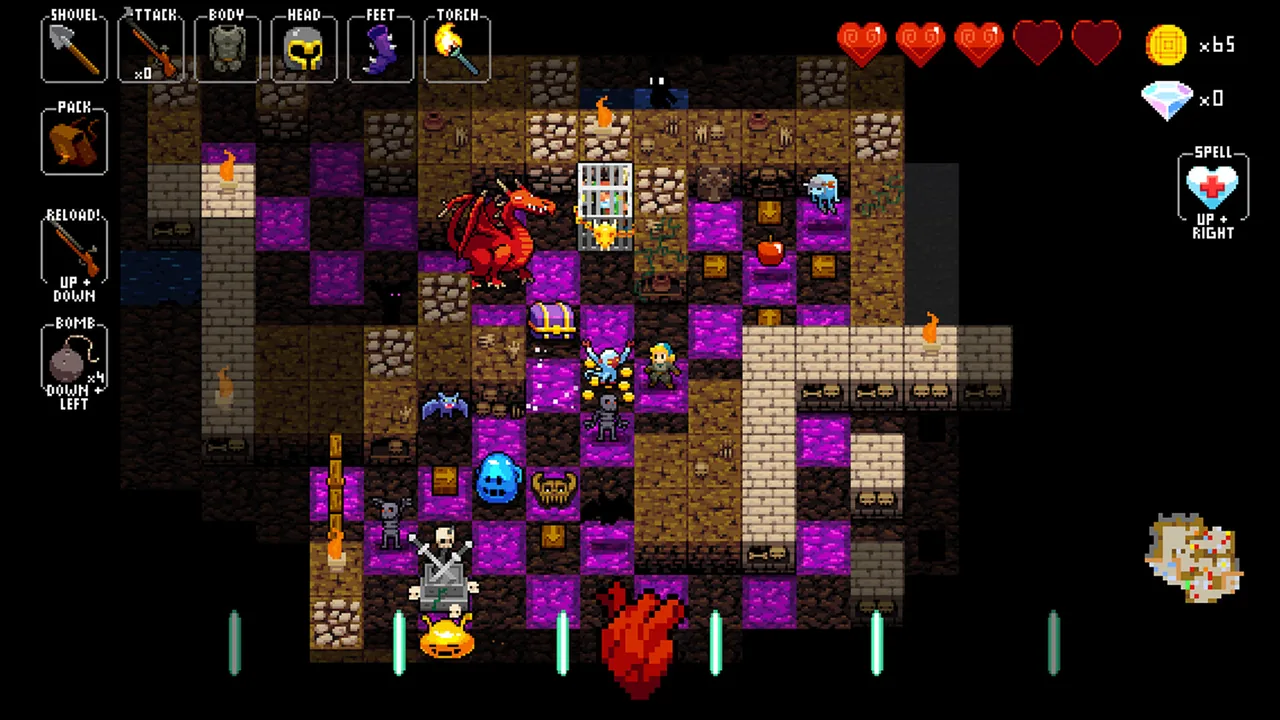
Movement and attacks are entered on the beat. Usually, missing one does not deal direct damage, but enemies still move.
Before the next beat, decide whether to step in and attack or back away to change your spacing. Waiting in place can let enemies close off a tile that was safe.
Enemy Movement Patterns
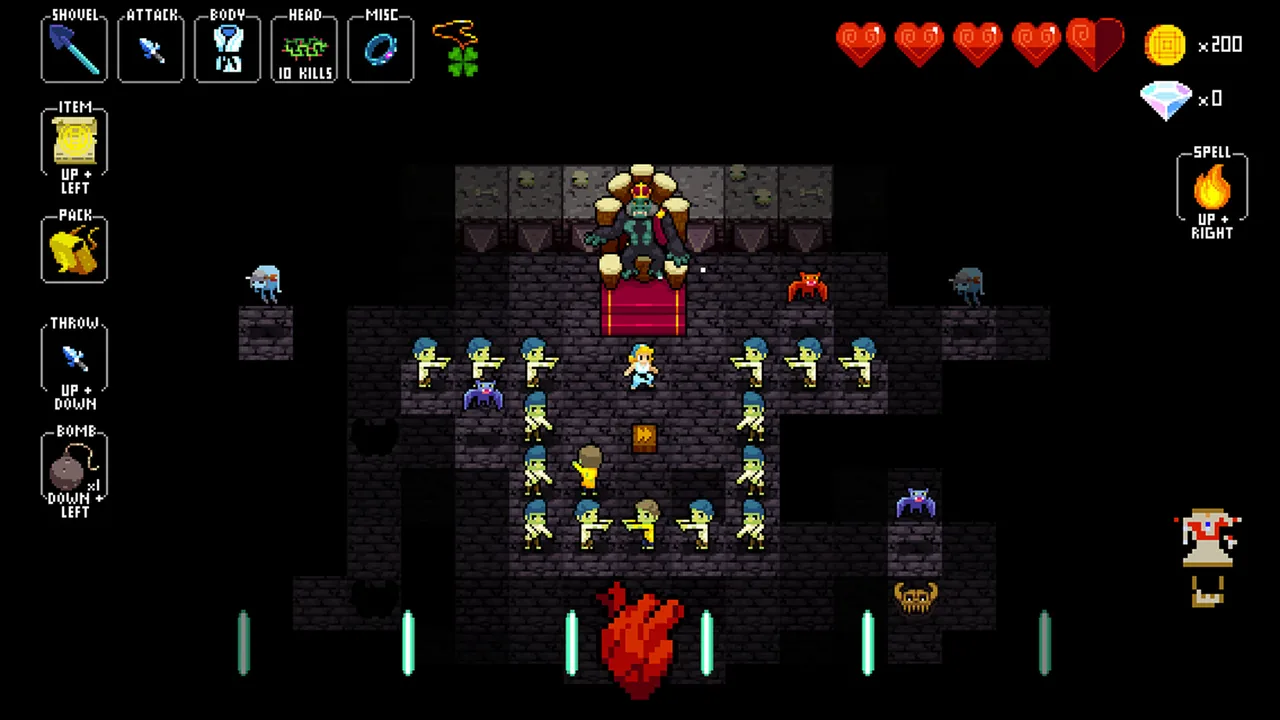
Enemies move and attack in different ways. When their patterns overlap, a safe tile may be blocked on the next beat.
Finish the nearby enemy or draw a faster one away first. If another joins the fight, find a tile that accounts for both patterns.
Equipment and Gold
Changing weapons changes attack direction and reach. Armor and healing give you room to survive a hit, while shops exchange collected gold for equipment.
Take a weapon that reaches enemies before they get adjacent, or keep armor and healing for crowded fights. After a weapon swap, your old spacing may no longer work.
Diamonds and Permanent Upgrades
In standard progression, diamonds returned to the lobby unlock equipment and features. This progress is separate from equipment picked up during a run.
Expand what you may find in later attempts, or unlock something useful sooner. Either way, you still have to read enemy movement yourself.
Playable Characters
Characters change conditions involving weapons, health, beats, and pickups. An approach that was safe with one may fail with the next.
Keep the parts of a familiar routine that still work and rebuild the rest around the restriction. Following the story also means learning characters with different conditions.
No Beat Mode
This official setting removes the beat deadline and lets every character play in a manner close to Bard.
Learn enemy combinations without the timing deadline, then return to regular rhythm to practise those decisions at speed. It also lets you follow the story.
Custom Music
Import audio and play dungeons to its detected beats. The updated system also supports playlists and beatmap previews.
Stay with an official track whose timing you know, or revisit encounters at another tempo. Custom tracks change how achievements and records are handled.
What sets it apart
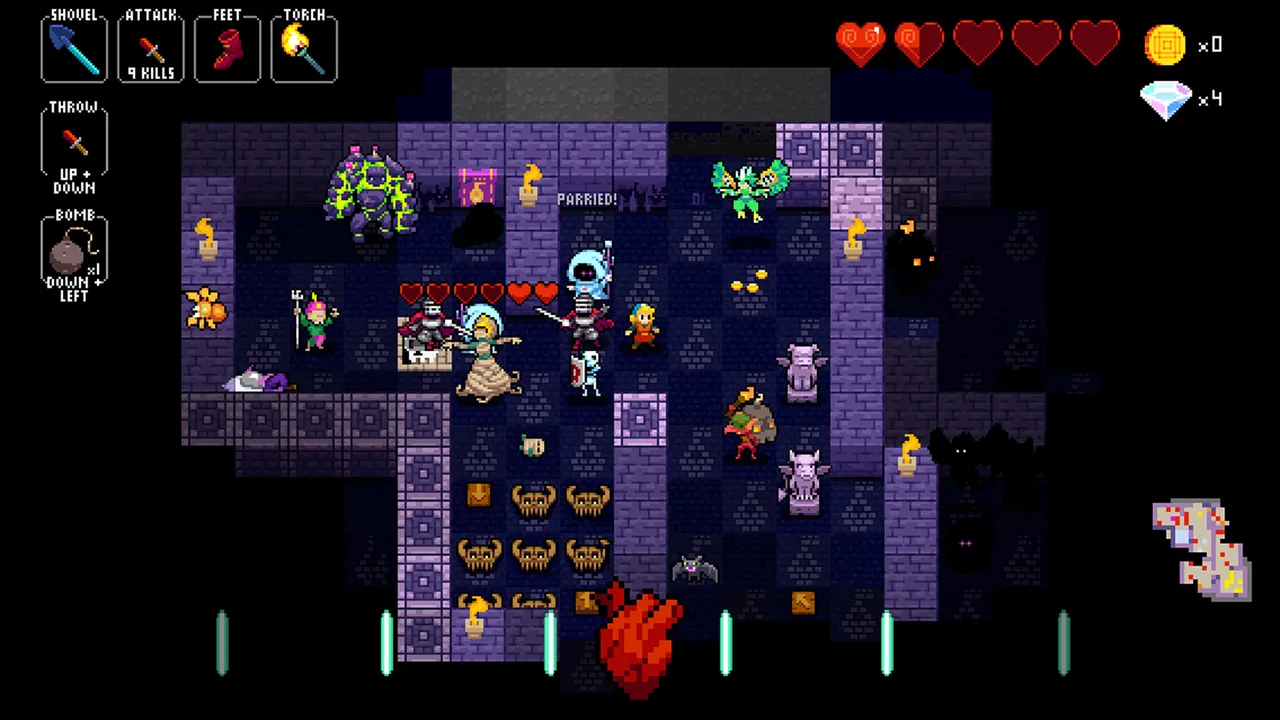
You and the enemies move to the beat. You can read their next move as you would in a turn-based game, but the music will not wait for your input.
Keeping time alone will not defeat an enemy. As the track continues, compare the tiles your weapon can reach with the tiles enemies are about to occupy.
Changing characters can forbid pickups or make a mistake fatal. Familiar enemies then call for a different routine.
Learning curve and difficulty
Early on, Single Zone Mode and No Beat Mode let you practise enemy movement and safe attack positions.
All Zones Mode carries equipment and health forward. Swapping weapons to survive this room may leave you with one that is harder to handle later.
When you open a room, leave yourself a tile to retreat to. If enemies with different patterns converge, decide which to draw away and deal with first.
With strict characters such as Aria, a missed beat or a hit can end the attempt. Achievement hunting asks you to learn those conditions after clearing the main route.
Builds and playstyles
Reach and spacing
Spears and longswords can strike forward before an enemy reaches an adjacent tile. They help keep distance in corridors, but a weapon with another attack direction changes where you need to stand.
Armor and recovery
Prioritize armor, health, and healing to survive hits when enemies converge. Without rushing to increase damage, you still need to back away and separate them.
Controlled pulls
After opening a room, step back and let enemies with different patterns separate. The approach uses escape space and the order of enemies rather than a particular item.
What longtime players say
Changing characters makes familiar enemies demand new spacing and routines. Working those out gives returning players another reason to enter the dungeon.
Accounts of pursuing Aria and Coda dwell on attempts lost to tiny mistakes. They also describe the satisfaction of finally completing a route.
The official tracks and remixes remain enjoyable after repeated listens. They can even draw players back after a break.
Longtime players move on to faster attempts and restricted characters. Familiar encounters still leave them new routes to learn.
What players like
The music sets the pace of each fight. Reviews also point to the singing shopkeeper and remixes as reasons to start again after a failed attempt.
Once enemy patterns are learned, finding a safe tile when different enemies converge feels like solving a board puzzle under time pressure.
At first, missed beats and uncertain enemy movement interrupt every attempt. Learning the patterns lets players move without hesitating, making improvement visible in their next run.
A new character can change what you may pick up and how you fight. Finding another way past a familiar enemy makes revisiting the dungeon worthwhile.
For players who struggle with beat inputs, Bard and No Beat Mode allow time to stop and work through enemy movement.
Switching official tracks or importing personal music lets players revisit a familiar dungeon at a different tempo.
Players also value being able to start an attempt during a break and return when they have time.
Common complaints
The opening asks players to follow the beat and track enemy movement at once. Before either feels natural, they may die on the same early floors without understanding the hit.
Achievement hunting brings strict characters and consecutive clears. Reviews caution that these conditions are far harder to tick off than a clear of the main route.
Knowing where an enemy will move does not make beat-timed inputs comfortable. Musical experience does not guarantee an easy start, either.
Later zones and story characters can feel like a sudden jump. Habits built around extra health or helpful equipment may stop working there.
Until movement becomes reliable, every death sends players through the opening floors again. That repetition can become tiring before they reach new encounters.
Who it’s for
It suits players who enjoy learning enemy movement and finding a retreat tile before the next beat.
It also suits players who want to change weapon spacing and attack order around character restrictions, then face familiar enemies under new conditions.
Who might not enjoy it
Players who want to stop and consider every enemy move, or find beat-timed inputs stressful, may struggle with the deadline under regular rules.
Anyone hoping to collect achievements without a demanding challenge should check the strict characters and consecutive-clear conditions before buying.
FAQ
- Which languages are supported?
- The Steam version includes interfaces and subtitles in Japanese, Simplified Chinese, Korean, English, and other listed languages. English is the listed language for full audio.
- Can the rhythm deadline be removed?
- Yes. No Beat Mode gives every character Bard-like play. Its records use a separate leaderboard category from regular rhythm play.
- Is co-op available?
- The base game supports shared and split-screen co-op. Online co-op is included with SYNCHRONY.
- What do the expansions add?
- AMPLIFIED adds content such as characters, a zone, and equipment. SYNCHRONY adds online co-op, characters, and modes.
- Can personal music be used?
- Yes. The updated Custom Music system supports MP3, OGG, and FLAC audio. Custom music prevents Steam achievements and uses separate leaderboards.
These impressions are based on 100 Steam reviews sorted by “Most Helpful.” They do not represent the views of all buyers.
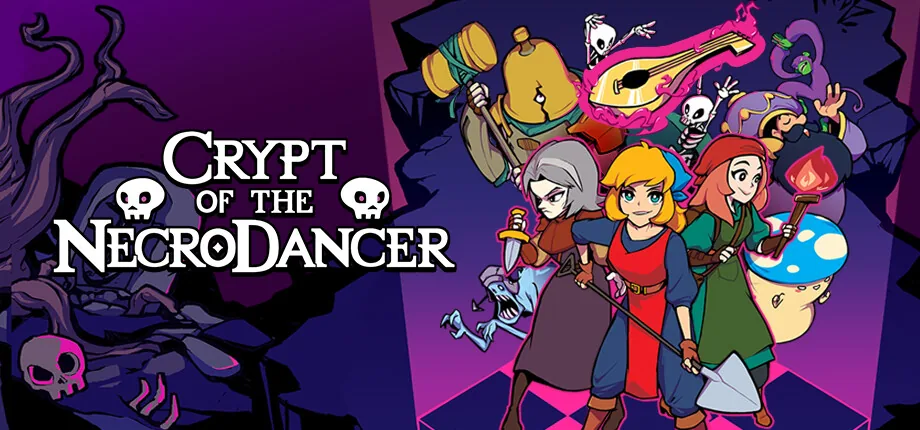
Image: Crypt of the NecroDancer on Steam